


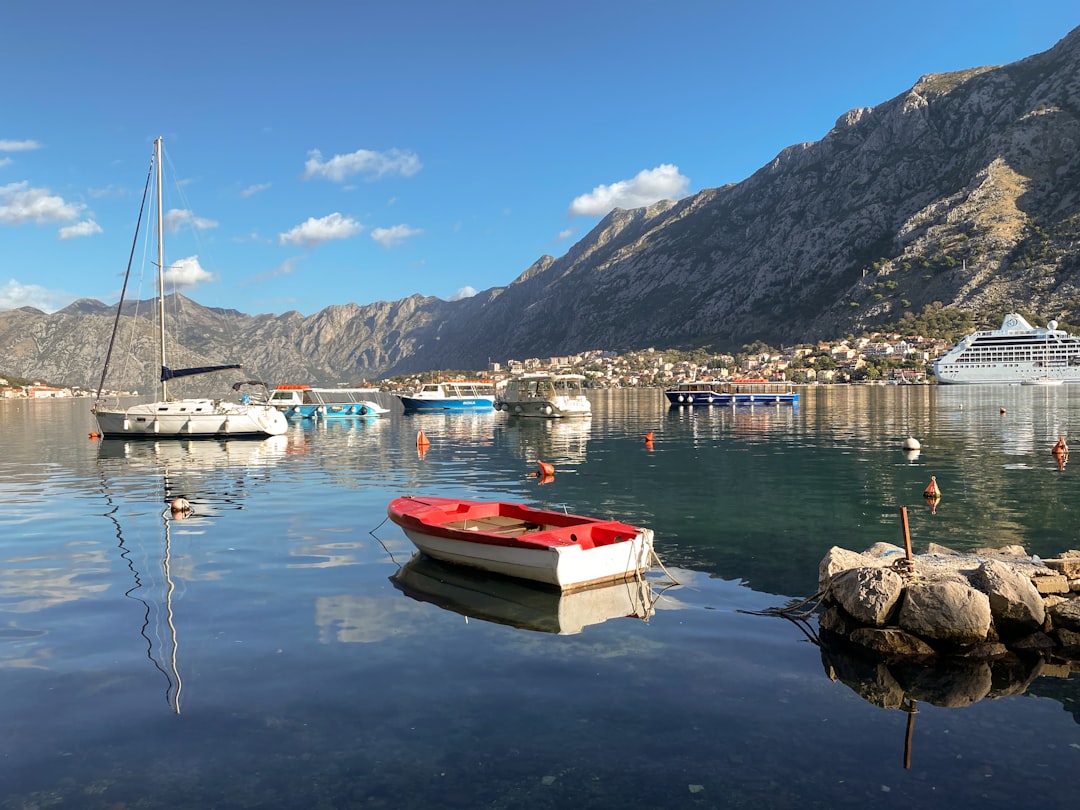
I am standing on the bow of a weathered wooden gulet, the salt spray stinging my eyes, while the engine coughs like a chain-smoker with a lung infection. The water here is not just blue; it is a violent, impossible indigo, squeezed between limestone cliffs that rise so vertically they seem to defy gravity. A local fisherman in Perast shouts something I don't understand, waving a net that looks like it has seen three wars and two divorces. I wave back, holding onto the railing with white knuckles, realizing that this place does not care about tourists, itineraries, or Instagram filters. It cares only about the wind, the stone, and the ancient, stubborn rhythm of the sea. This is not a cruise. This is a negotiation with geography.
The Bay of Kotor is often called a fjord, though geologically it is a drowned river valley, a tectonic scar filled with Adriatic water. It feels more like a fortress than a body of water. The air is thick with the scent of diesel, brine, and roasted chestnuts. I have come here to escape the predictable polish of the Dalmatian coast, seeking something rougher, something that retains the scars of empires past. The mountains do not slope gently into the sea; they crash into it, creating a labyrinth of coves and channels that have protected pirates, smugglers, and now, sunburned backpackers, for centuries.
History & Identity
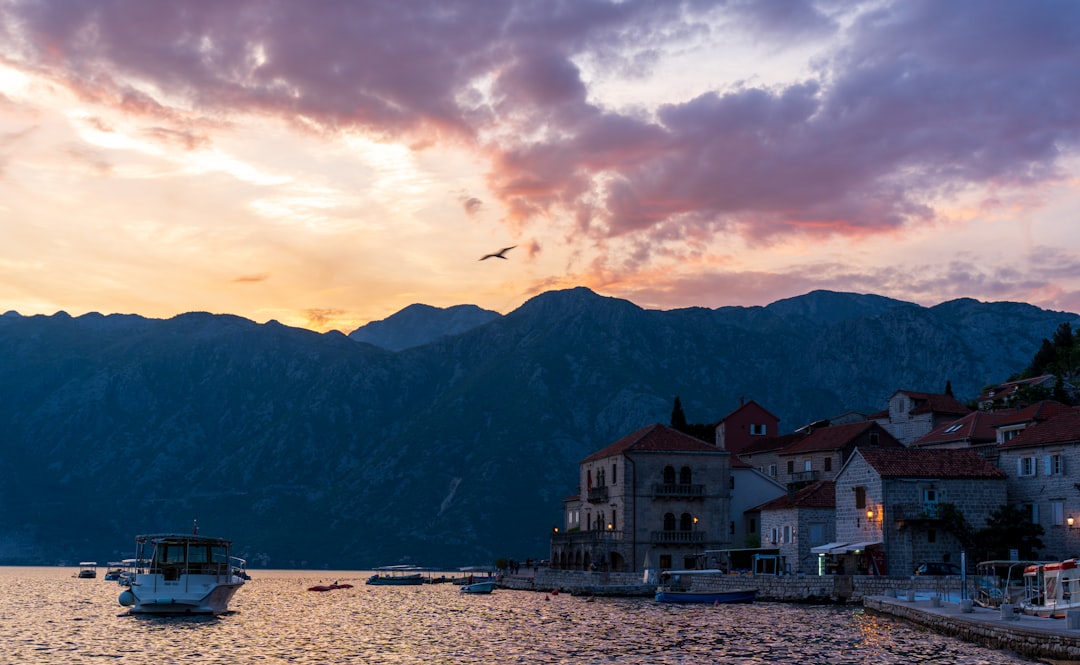
The bay is a palimpsest of conquest. For centuries, it was the gateway to the hinterland, a strategic choke point that everyone wanted and everyone fought over. The Venetians held it for much of its recorded history, fortifying the hillsides with stone that still stands today. Then came the French, the Austrians, the Italians, and finally the Yugoslavs. Each layer left a mark, but the Venetian imprint is the deepest, visible in the architecture, the layout of the towns, and the very way the locals look at the sea with a mix of reverence and suspicion.
The identity of the bay is defined by its isolation. The surrounding Orjen Mountain and Lovćen National Park create a microclimate and a mindset that is distinct from the rest of Montenegro. The people here are maritime by necessity, not just by trade. They are used to the sea being their neighbor, their employer, and their jailer. The history is not just in the museums; it is in the silence of the old churches, the faded frescoes, and the way the sunlight hits the stone walls at sunset, turning them a deep, bruised purple.
Where to Go
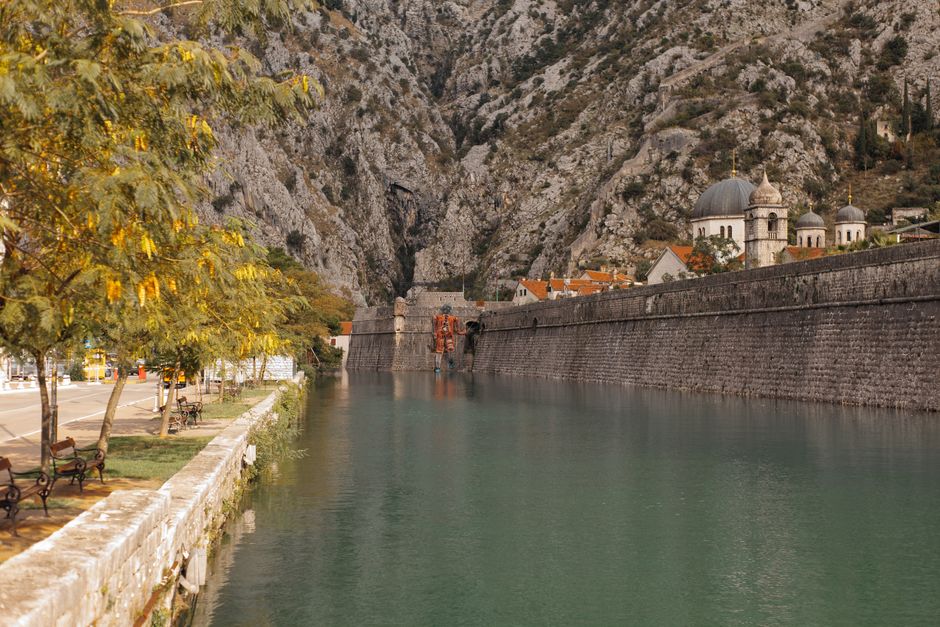
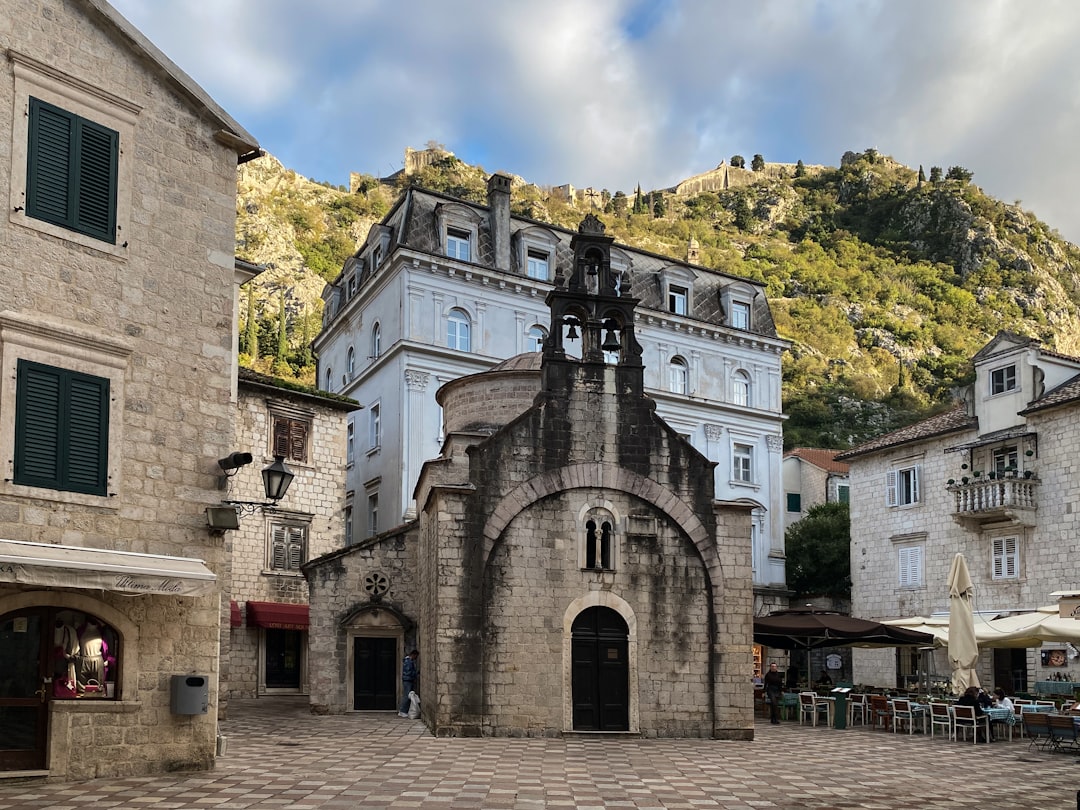
Kotor Old Town — The heart of the bay, a UNESCO World Heritage site that feels more like a film set than a living city. The maze of narrow streets, the Spanish Bastion, and the Cathedral of Saint Tryphon are essential. The climb to the fortress is brutal, 1,350 steps of sun-baked stone, but the view from the top is the only justification for the sweat. Entry to the fortress complex is 8 EUR, which includes access to the museums inside.
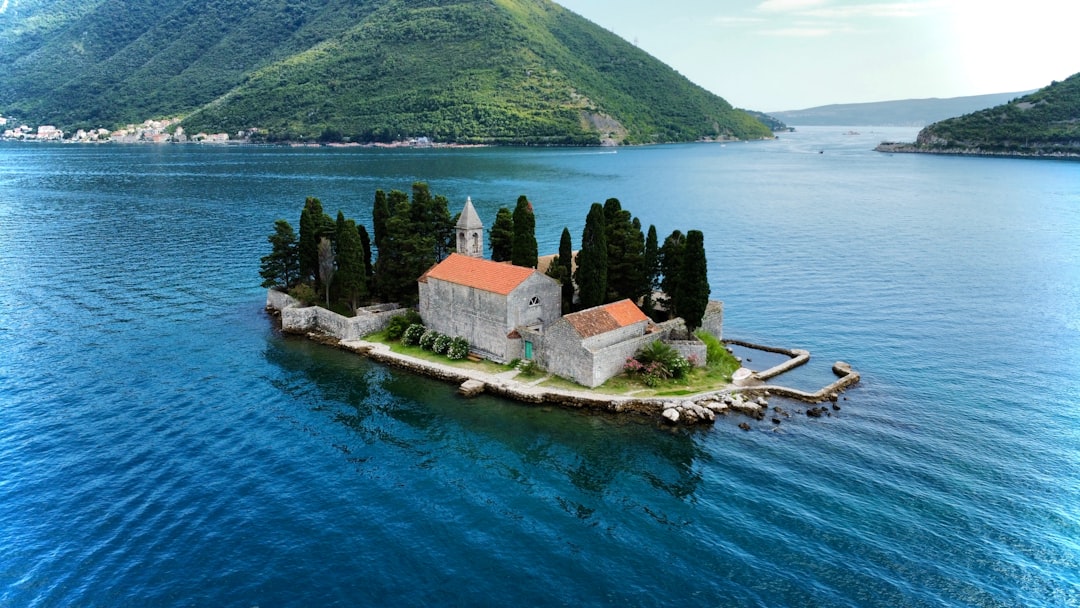
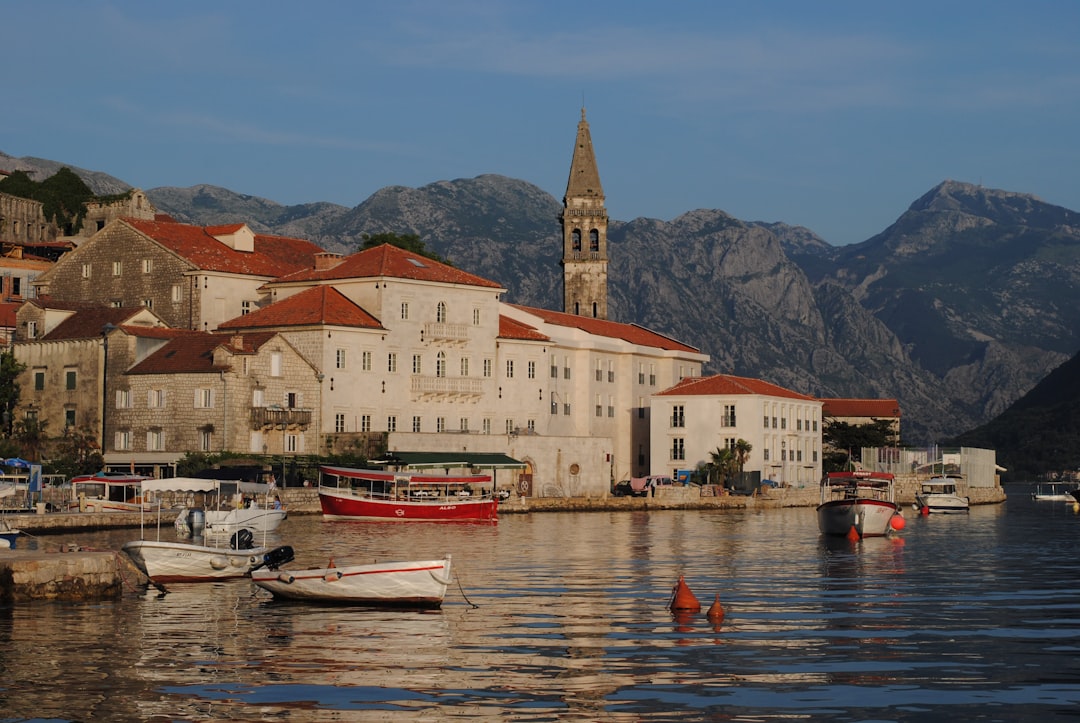
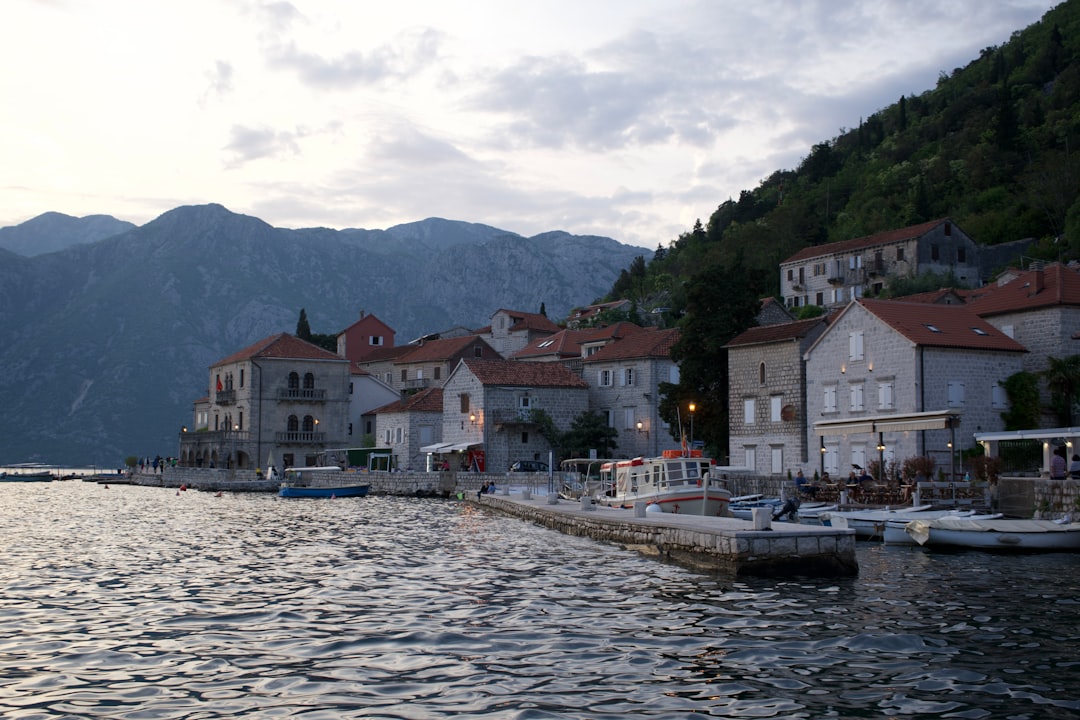
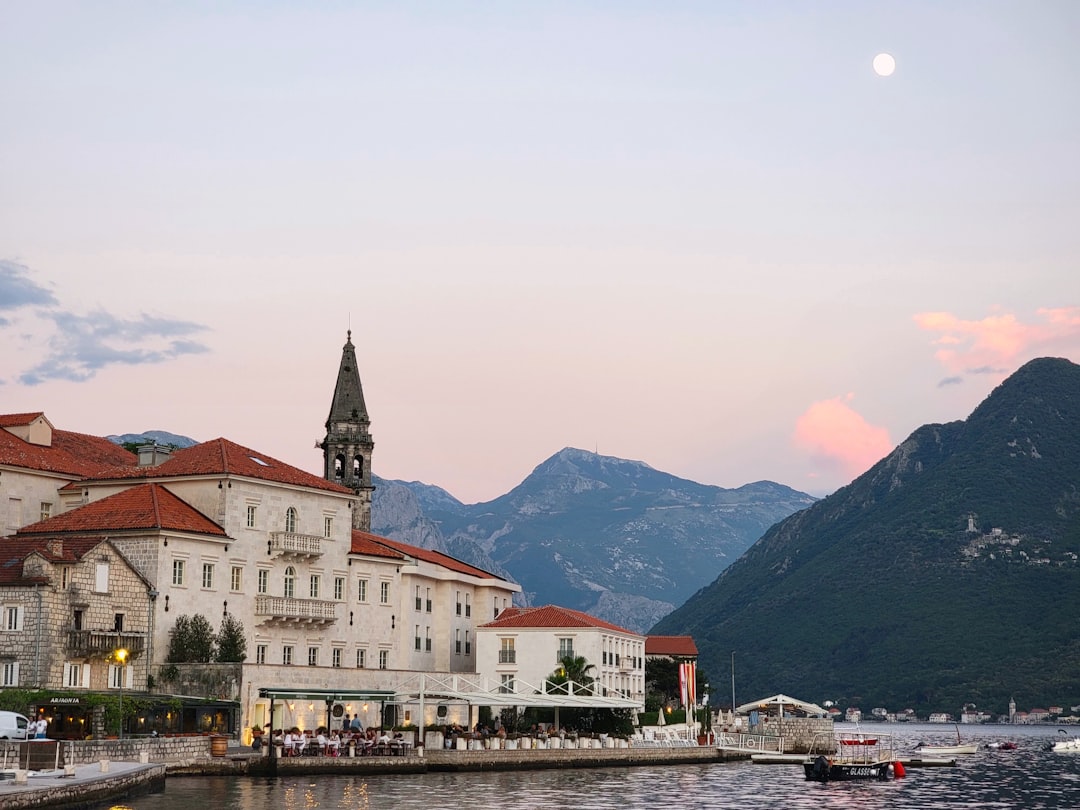
Perast — A quiet, aristocratic village that feels frozen in time. The main street is lined with baroque palaces, once homes to wealthy shipowners. The real draw is the tiny island of Our Lady of the Rocks, a man-made island built from stones dropped by passing ships over centuries. The church on the island is a marvel of architecture and faith. You can take a small boat from Perast to the island for about 2 EUR per person.
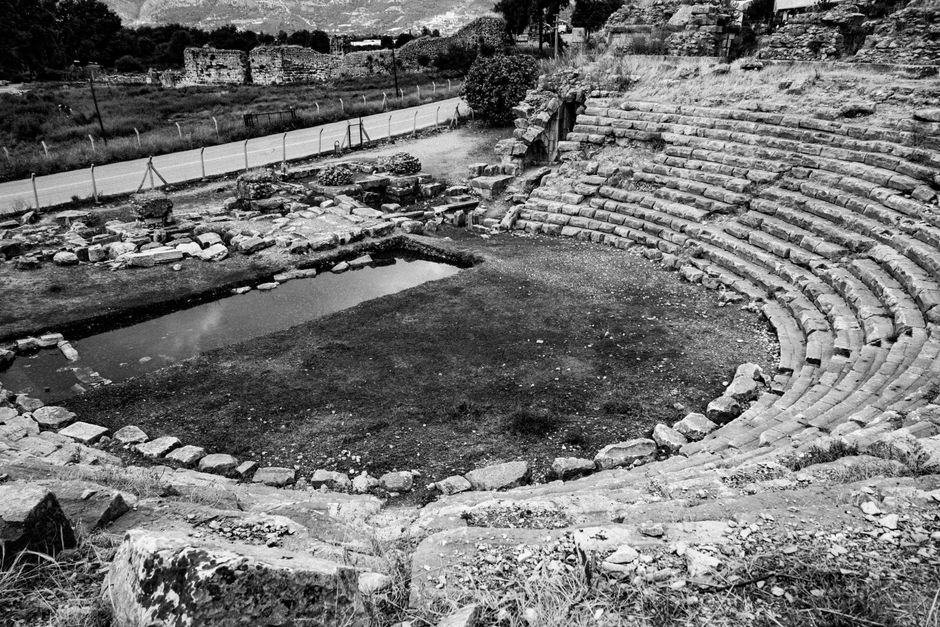
Risan — The ancient Roman port, often overlooked by tourists rushing to Kotor. The Roman Villa Ruins are a fascinating glimpse into the past, with well-preserved mosaics that depict scenes from daily life. The town itself is quieter, with a more local feel. The waterfront is lined with small cafes and fishing boats, offering a more relaxed atmosphere than the bustling Old Town.
Prčanj — A small fishing village known for its shipbuilding tradition. The streets are narrow and steep, leading down to a small harbor. The atmosphere is authentic, with few tourists and many locals. It is a good place to watch the boatbuilders at work, a craft that has been passed down through generations. The view of the bay from the village is unobstructed and stunning.
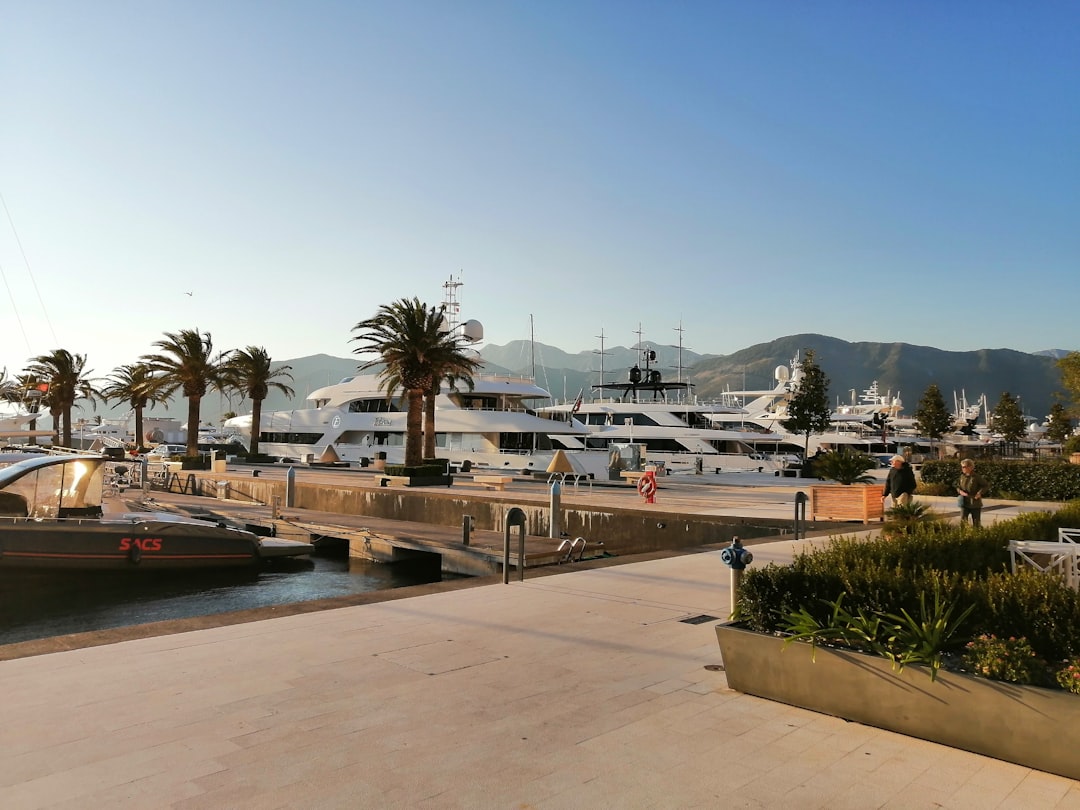
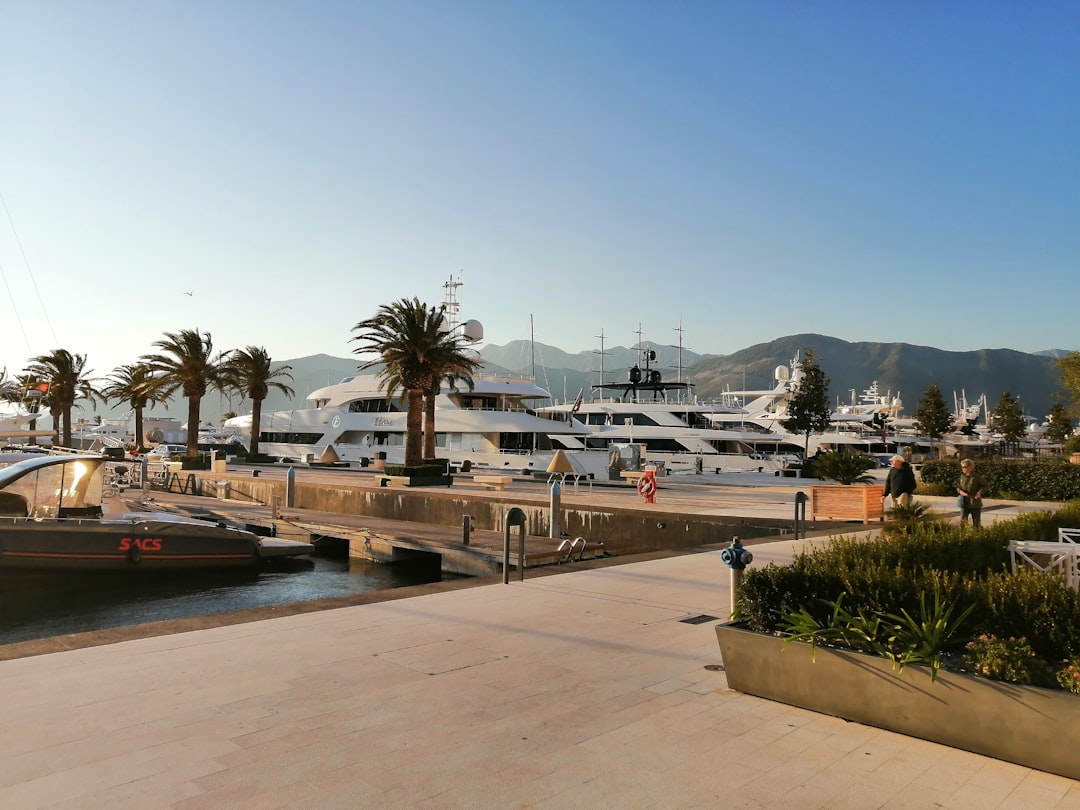
Tivat — The modern face of the bay, known for its marina and luxury yachts. The Porto Montenegro marina is a hub of activity, with high-end shops, restaurants, and events. While it may lack the historic charm of Kotor or Perast, it offers a different perspective on the bay, showcasing its modern, affluent side. The old town of Tivat, with its Venetian fortress, is also worth a visit.
What to Eat & Drink
The food here is a reflection of the sea and the mountains. Fresh seafood is king, with dishes like crni rižot (black risotto made with squid ink) and brodet (a fish stew) being staples. Meat dishes, particularly lamb and veal, are also popular, often grilled or roasted. The local wine, particularly the white varieties from the surrounding vineyards, is excellent and pairs well with the seafood.
Crni Rižot — Black risotto made with squid ink, typically 8-12 EUR per serving.
Brodet — Fish stew with various types of fish and vegetables, typically 10-15 EUR per serving.
Ćevapi — Grilled minced meat sausages, served with somun bread and onions, typically 4-6 EUR per serving.
Pie de Pasulj — Bean pie, a traditional Balkan dish, typically 2-4 EUR per slice.
Budget travelers can find meals for 5-8 EUR at local konobas (taverns), while sit-down dinners at nicer restaurants can range from 15-25 EUR per person. The main market in Kotor, located in the Old Town, is a good place to buy fresh produce and local specialties. There are also several food courts and take-away options in the larger towns, offering quick and affordable meals.
Nightlife
Nightlife in the Bay of Kotor is not about loud clubs and neon lights. It is about sitting on the waterfront, drinking wine, and watching the sun set behind the mountains. The main nightlife areas are in Kotor Old Town and the waterfront in Tivat and Herceg Novi. In Kotor, the bars are located in the Old Town, with live music and a relaxed atmosphere. In Tivat, the Porto Montenegro area has several upscale bars and clubs, catering to a more affluent crowd. Herceg Novi, at the entrance to the bay, has a more vibrant nightlife scene, with several bars and clubs along the waterfront.
The music is a mix of local folk, traditional Montenegrin songs, and international hits. The atmosphere is generally relaxed and friendly, with locals and tourists mixing freely. Cover charges are rare, and drinks are reasonably priced, with a beer costing around 2-3 EUR and a cocktail around 5-8 EUR.
Getting There & What to Expect
The nearest airport is Tivat Airport, which has direct flights from several European cities. From the airport, you can take a bus or taxi to Kotor, Tivat, or Herceg Novi. The bus ride takes about 20-30 minutes and costs around 3-5 EUR. Taxis are more expensive, costing around 15-20 EUR to Kotor. If you are flying into Podgorica Airport, the drive to the bay takes about 1.5 hours, and there are regular buses available.
Accommodation ranges from budget hostels and guesthouses to luxury hotels and villas. Budget hostels and guesthouses cost around 20-40 EUR per night, while mid-range hotels range from 60-100 EUR per night. Luxury hotels and villas can cost 150 EUR or more per night. The best time to visit is from May to October, when the weather is warm and the sea is calm. July and August are the busiest months, with crowds and higher prices.
Search accommodation in Kotor on Booking.com →
The Salt Remains
As the engine dies down and the gulet drifts into the shadow of the cliffs, the silence returns. It is a heavy, expectant silence, broken only by the lap of water against the hull. I look at my hands, stained with salt and grease, and realize that this place has marked me in a way that no polished resort ever could. The Bay of Kotor is not a place to be conquered; it is a place to be witnessed. It demands your attention, your respect, and your humility. And in return, it gives you something rare: a moment of absolute, unfiltered reality.
Comments