


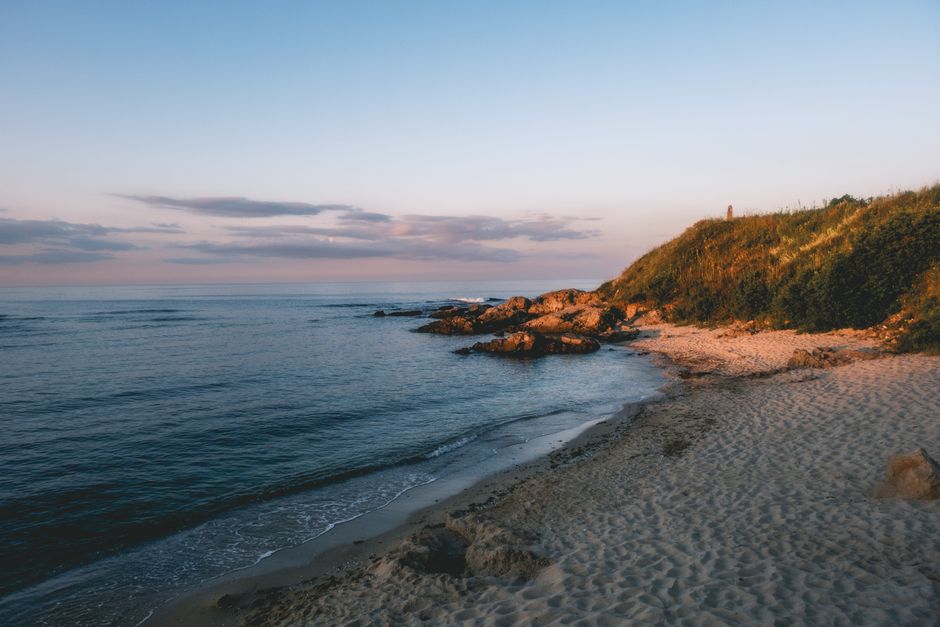
History & Identity
The sun doesn't just set on the Bulgarian Black Sea coast; it bakes the rust into the metal until the whole shoreline glows a violent, oxidized orange. I'm standing on the cracked concrete edge of the old port in Varna, the wind whipping my notebook pages into a frenzy while a lone gull argues with a seagull over a discarded fish head. This isn't the postcard version of the Balkan Riviera. This is the skeleton of the Soviet-era industrial machine that once fed the Eastern Bloc, now slowly being reclaimed by the Mediterranean scrub and the relentless, salty air.
For decades, the narrative here was all about sun, sand, and all-inclusive resorts. But strip away the neon of Sunny Beach and the glitz of Golden Sands, and you find a coastline scarred by heavy industry. From the massive oil refinery in Burgas to the abandoned shipyards and cold war bunkers scattered along the cliffs, this region is a palimpsest of economic ambition and post-socialist decay. The identity of this coast is not just leisure; it is the grit of production, the smell of diesel, and the silent, crumbling monuments to a superpower that no longer exists.
Where to Go
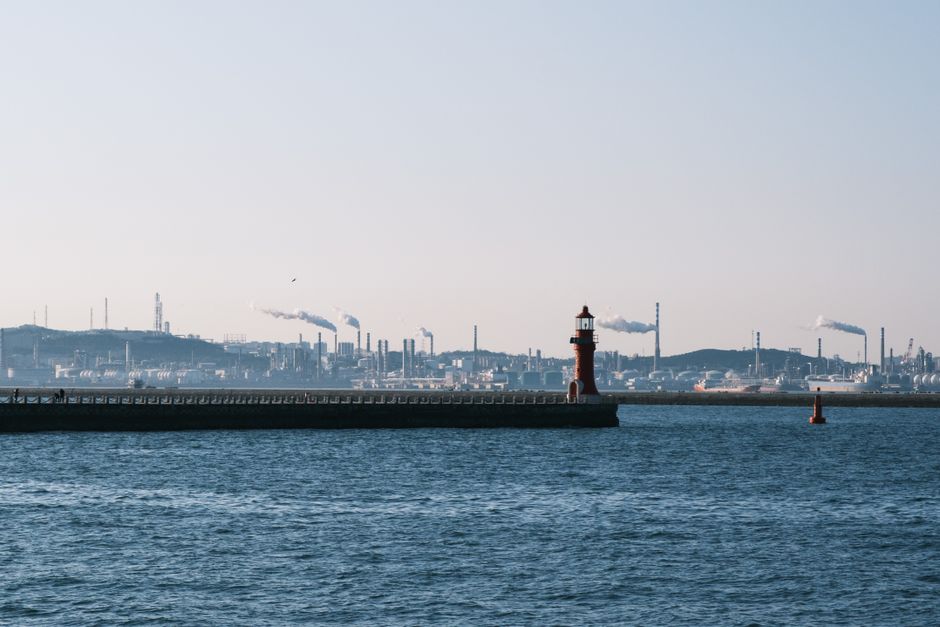
The Burgas Oil Refinery — It dominates the skyline of Burgas like a metallic cathedral of the modern age. You can't walk through the city without seeing the towering distillation columns against the blue sky. It's the economic heart of the region, processing crude oil that flows from the Russian pipelines. While you can't wander inside, the view from the Port of Burgas offers a stark, industrial contrast to the nearby beach clubs. Entry to the port area is free, but the refinery itself is restricted. Best viewed from the waterfront promenade in the early morning when the morning mist clings to the pipes.
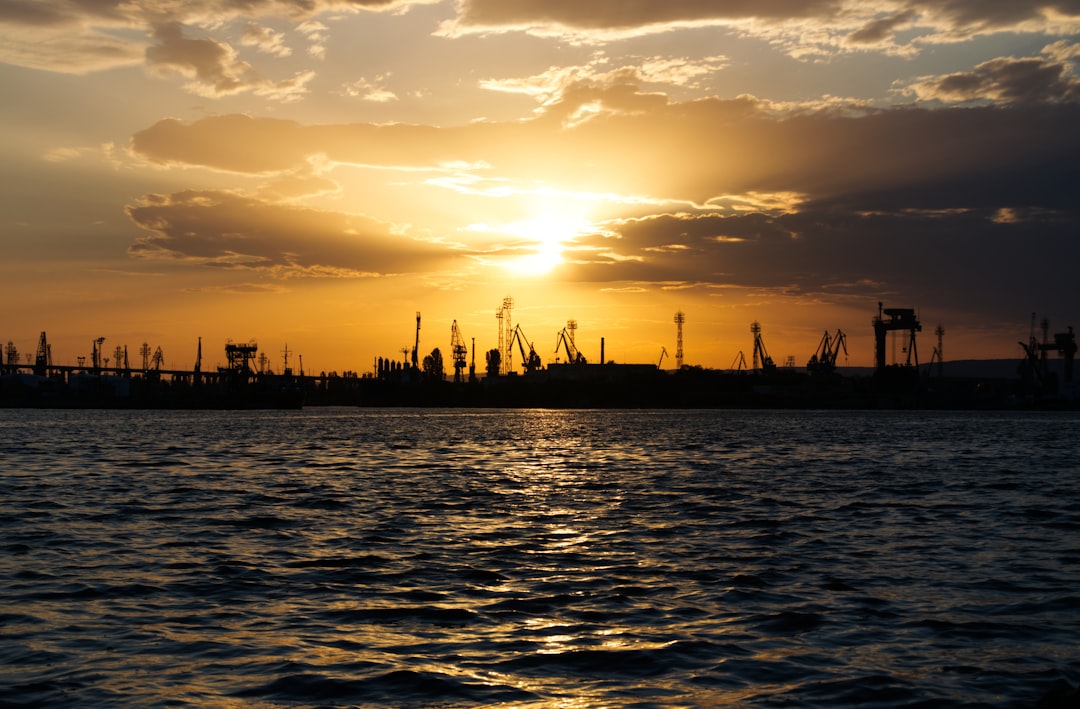
The Varna Shipyard — Located on the northern edge of Varna, this sprawling complex has been building and repairing vessels for over a century. It's a maze of cranes, steel plates, and dry docks that smell of salt and welding fumes. The area is less polished than the city center, offering a raw, working-class atmosphere. You can walk along the perimeter roads to see the massive hulls under construction. It's a photographer's dream for brutalist and industrial aesthetics. Free access to the surrounding streets.
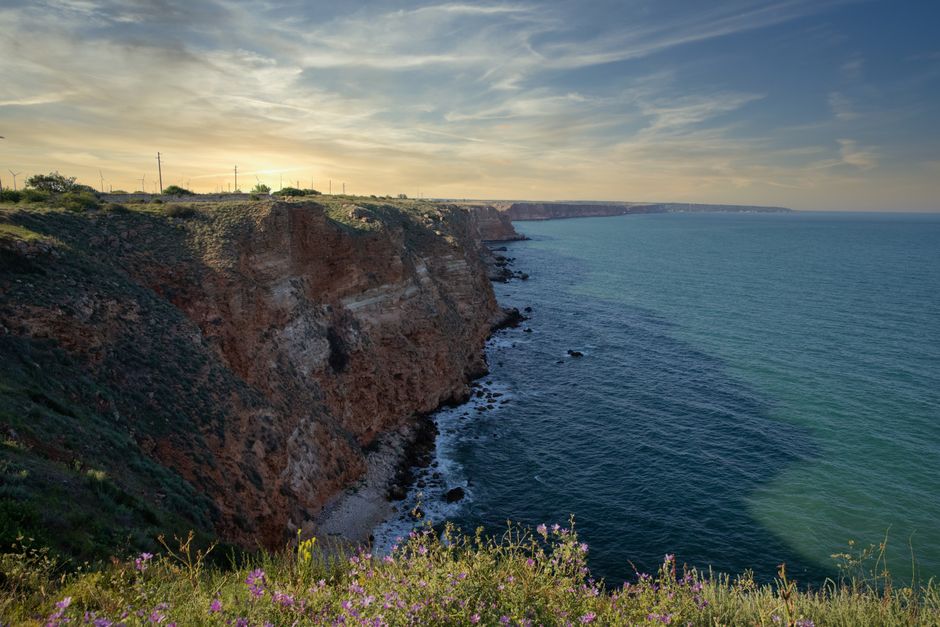
Cap Spartel Cold War Bunker — Tucked away in the cliffs near Primorsko, this concrete relic is a chilling reminder of the region's strategic importance during the Cold War. Part of the Bulgarian People's Army's coastal defense system, it housed missile batteries and command centers. The entrance is hidden among the rocks, and the interior is dark, damp, and filled with the echoes of history. It requires a bit of exploration to find, and there is no official entry fee, but respect the site as it is not a polished museum. Bring a flashlight.
The Old Port of Varna — While the modern port handles cargo, the old port area retains a charming, decaying maritime vibe. Wooden fishing boats sit alongside rusted industrial structures, and the smell of fresh catch mixes with the sea breeze. It's a place where the industrial past meets the present-day fishing community. The area is open to the public, and it's best visited in the late afternoon when the fishermen are returning. Grab a coffee at one of the waterfront cafes for a view of the harbor.

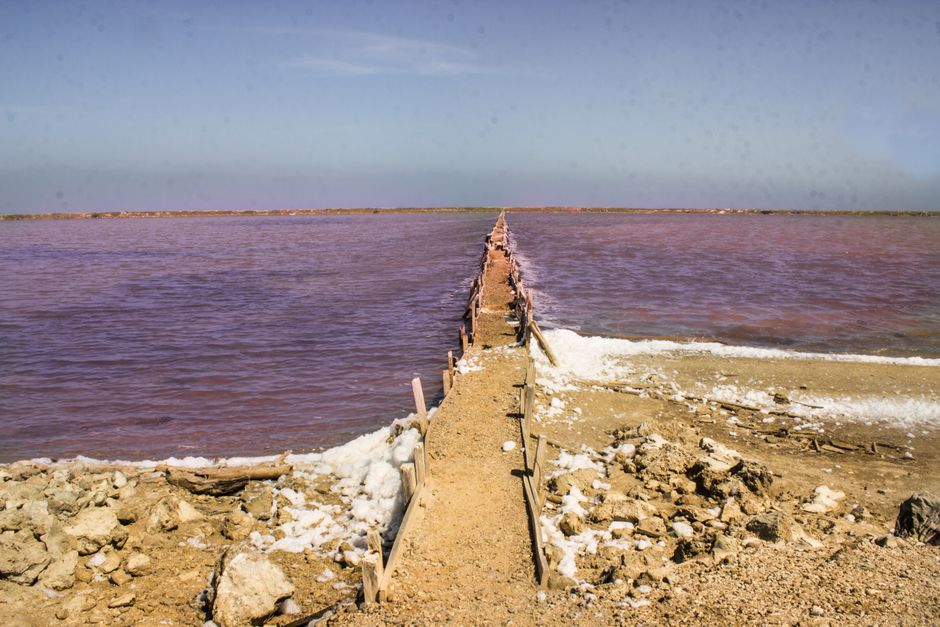
The Pomorie Salt Lakes Industrial Zone — Near Pomorie, the salt extraction facilities are a blend of natural wonder and industrial operation. The bright pink lakes are fed by seawater and processed in large, open-air pans. While the salt works have been modernized, the surrounding area retains an industrial aesthetic with storage piles and processing equipment. It's a unique landscape where nature and industry collide. Free to view from the public roads and viewpoints.
What to Eat & Drink
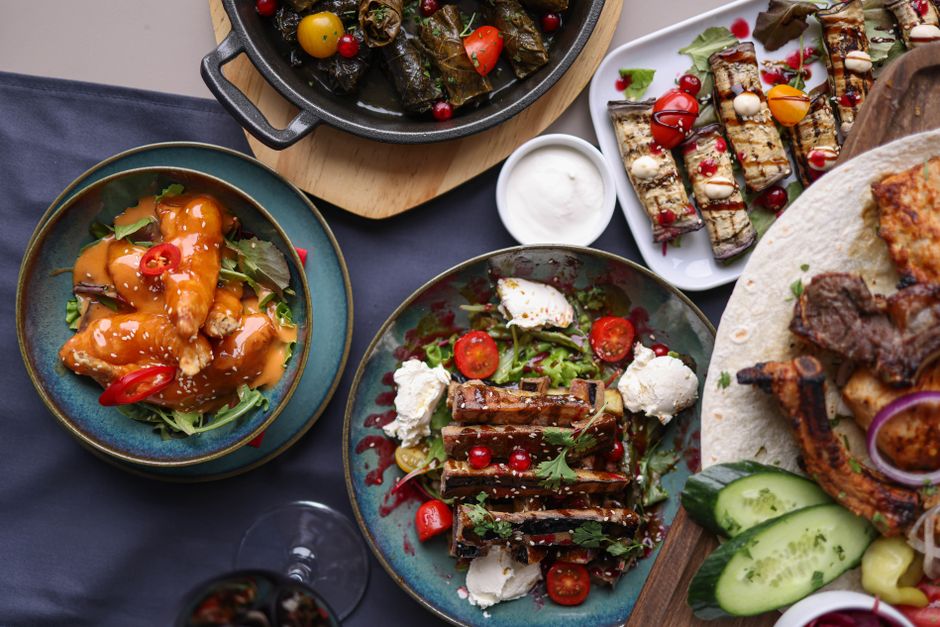
The industrial coast doesn't just feed the eye; it feeds the soul with hearty, no-nonsense food. You won't find pretentious fusion here. Instead, you'll find the flavors of the Black Sea and the working-class kitchens of the region. Expect fresh seafood, robust meats, and plenty of dairy.
- Black Sea Trout — Grilled or fried, this is the local specialty. Fresh, flaky, and often caught just hours before. Typical price: 10-15 EUR per serving.
- Shopska Salata — The national salad of Bulgaria, made with diced tomatoes, cucumbers, onions, and peppers, topped with a generous layer of grated sirene cheese. It's the perfect antidote to the heavy, salty air. Typical price: 3-5 EUR.
- Kebapche — Minced meat sausages, often spiced with paprika and garlic, grilled on skewers. A staple of the Balkan diet, found in every town. Typical price: 2-4 EUR per skewer.
- Lyutenitsa — A spicy red pepper paste, often served as a condiment or spread. It's tangy, sweet, and hot all at once. Typical price: 1-2 EUR for a small jar.
- Rakia — The spirit of the Balkans. Plum, grape, or fig brandy, often homemade and fiercely strong. It's the social lubricant of the region. Typical price: 2-5 EUR per shot.
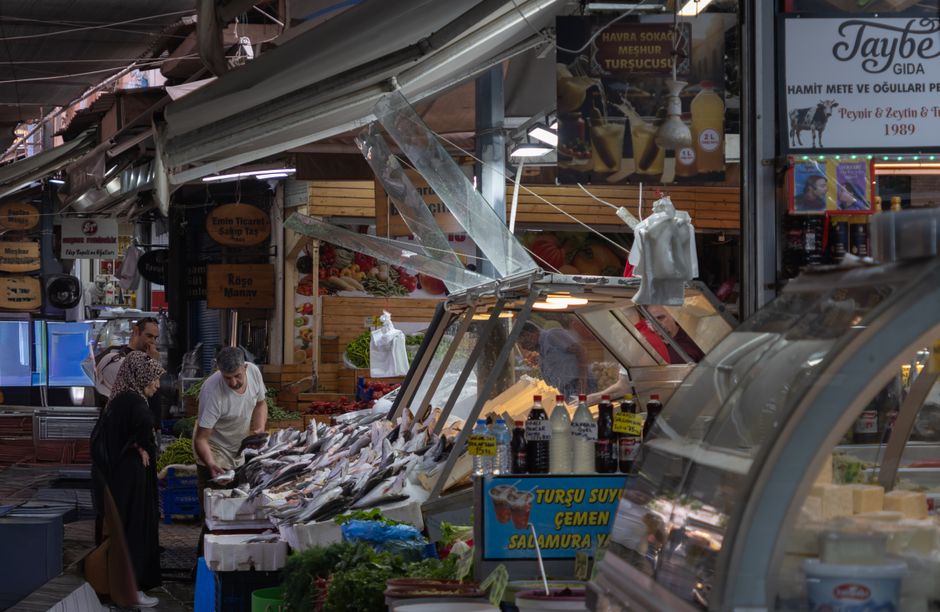
For budget travelers, the Varna Central Market is a goldmine. You can grab fresh produce, cheese, and bread for under 5 EUR. In Burgas, the Mamaia Street area offers a mix of local eateries and take-away spots. A sit-down meal at a local taverna will set you back around 10-15 EUR per person, while mid-range restaurants with a view of the port can range from 15-25 EUR. For the ultra-budget, look for the pechenitsa (roast meat) shops, where you can get a plate of meat and potatoes for 4-6 EUR.
Nightlife
When the sun goes down, the industrial coast transforms. The rusted steel gives way to neon lights, and the smell of diesel is replaced by the scent of cocktails and sweat. The nightlife here is a mix of beach clubs, historic bars, and underground venues.
In Varna, the Golden Sands area is the epicenter of partying, but for a more authentic experience, head to the Old Town. The Fortress of Varna area has several bars with outdoor seating, offering views of the port. Bar 21 is a local favorite, known for its craft cocktails and live music. Cover charge: 5-10 EUR. For a more laid-back vibe, The Old Town Pub serves solid beers and pub grub in a historic setting.
In Burgas, the Waterfront is the place to be. Porto Palazzo is a complex of restaurants and bars with a Venetian theme, offering a lively atmosphere and live bands. Cover charge: 10-15 EUR for table service. For a more alternative scene, Art Space Burgas hosts underground music nights and art exhibitions in a converted industrial building. It's gritty, creative, and free to enter.
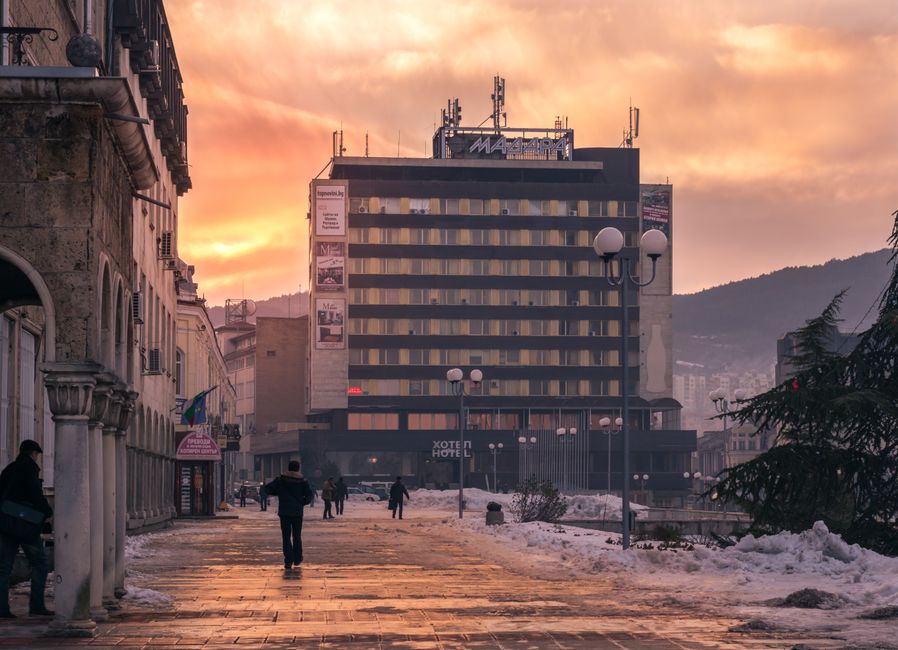
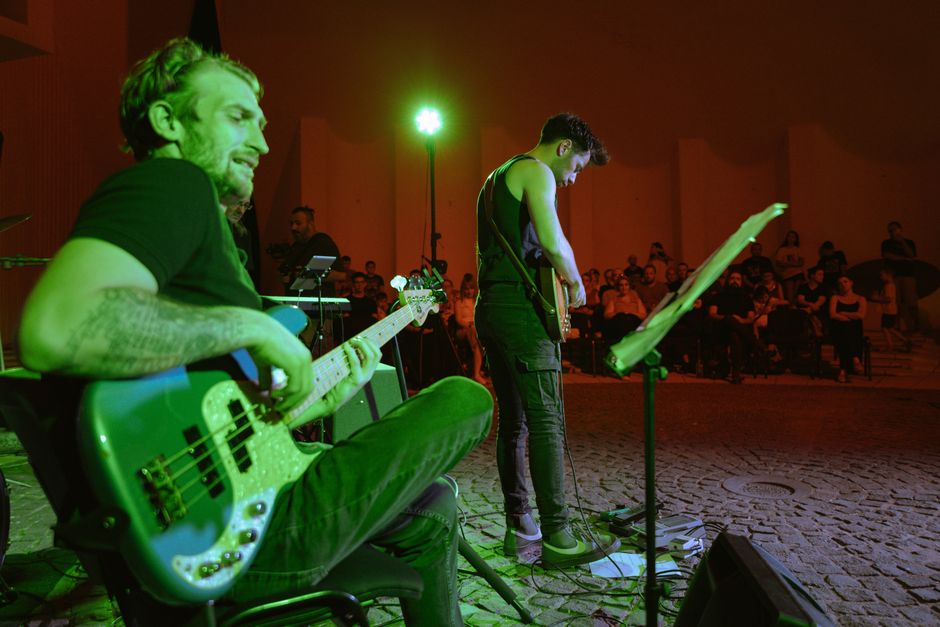
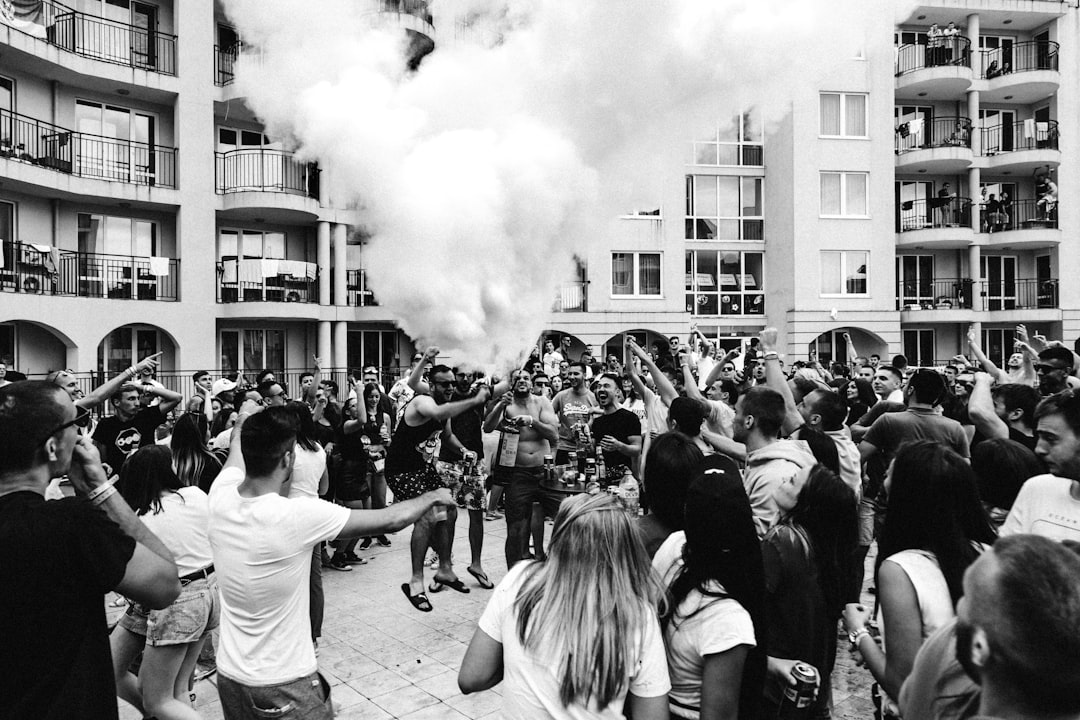
Don't miss the Beach Clubs in Sunny Beach if you want to experience the full force of Bulgarian nightlife. While often criticized for being touristy, the energy is undeniable. La Plaza and Hard Rock Cafe are the big names, with international DJs and bottle service. Cover charges can be high, ranging from 20-50 EUR, but the parties go until dawn.
Getting There & What to Expect
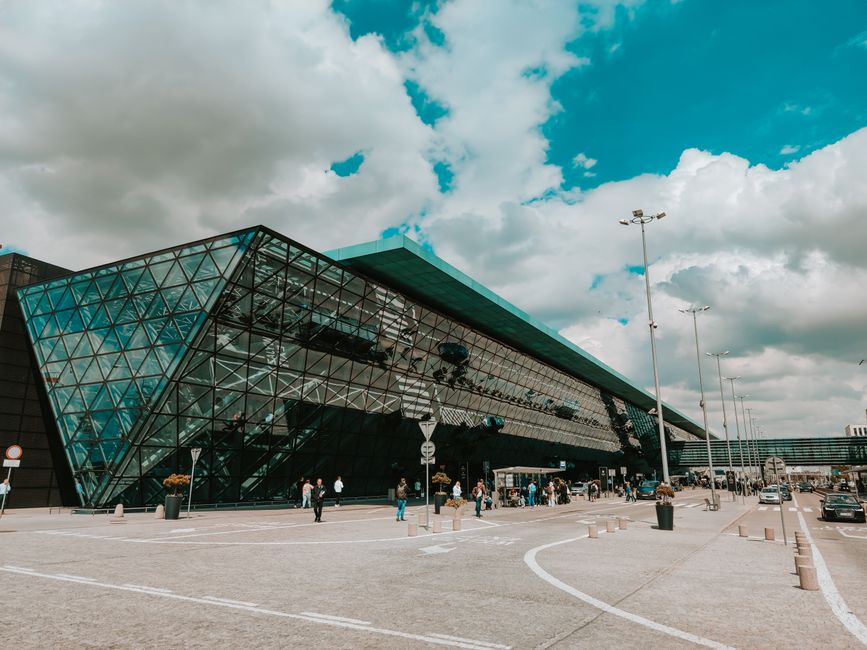
Getting to the industrial coast of Bulgaria is straightforward, with good connections from major Balkan hubs. The nearest international airports are Varna Airport and Burgas Airport, both of which have regular flights from across Europe. From Sofia, you can take a bus or train to either city, with travel times of around 5-6 hours and costs ranging from 10-20 EUR.
From the airports, local buses and taxis can take you to the city centers and nearby industrial sites. Taxis are affordable, with rides from Varna Airport to the city center costing around 10-15 EUR. For those driving, the A1 Highway connects Sofia to the coast, making it easy to explore the region at your own pace.
Accommodation options range from budget hostels to luxury hotels. In Varna, a night in a budget hostel will cost around 15-25 EUR, while a mid-range hotel near the port will set you back 40-70 EUR. In Burgas, prices are similar, with hostels around 15-20 EUR and mid-range hotels from 35-60 EUR. For those looking for a more immersive experience, consider staying in a guesthouse in the Old Town of Varna, where you can wake up to the sounds of the port.
The best time to visit is during the shoulder seasons of April-May and September-October. The weather is mild, the crowds are smaller, and the industrial landscapes are less overwhelming. Summer can be hot and crowded, especially in the resort areas, while winter can be cold and windy, with some sites closed for maintenance.
Search accommodation in Varna on Booking.com →
The Rust Never Sleeps
I'm back on the cliff edge, the wind howling like a wounded animal. Below me, the Black Sea churns, black as oil, crashing against the rocks. The sun has finally dipped below the horizon, and the first stars are appearing, dimly, through the haze of industrial pollution. It's not a perfect view. It's not pretty. But it's real.
This coast is a testament to human ambition and its inevitable decay. The factories may be closing, the bunkers may be crumbling, but the spirit of the place remains. It's a spirit of resilience, of adaptation, of finding beauty in the broken. As I pack up my notebook and head back to the city, I realize that this is the true face of the Balkan Riviera. Not the sanitized, commercialized version sold to tourists, but the raw, gritty, industrial heart that beats beneath the surface. And it's a heart worth listening to.
Comments