


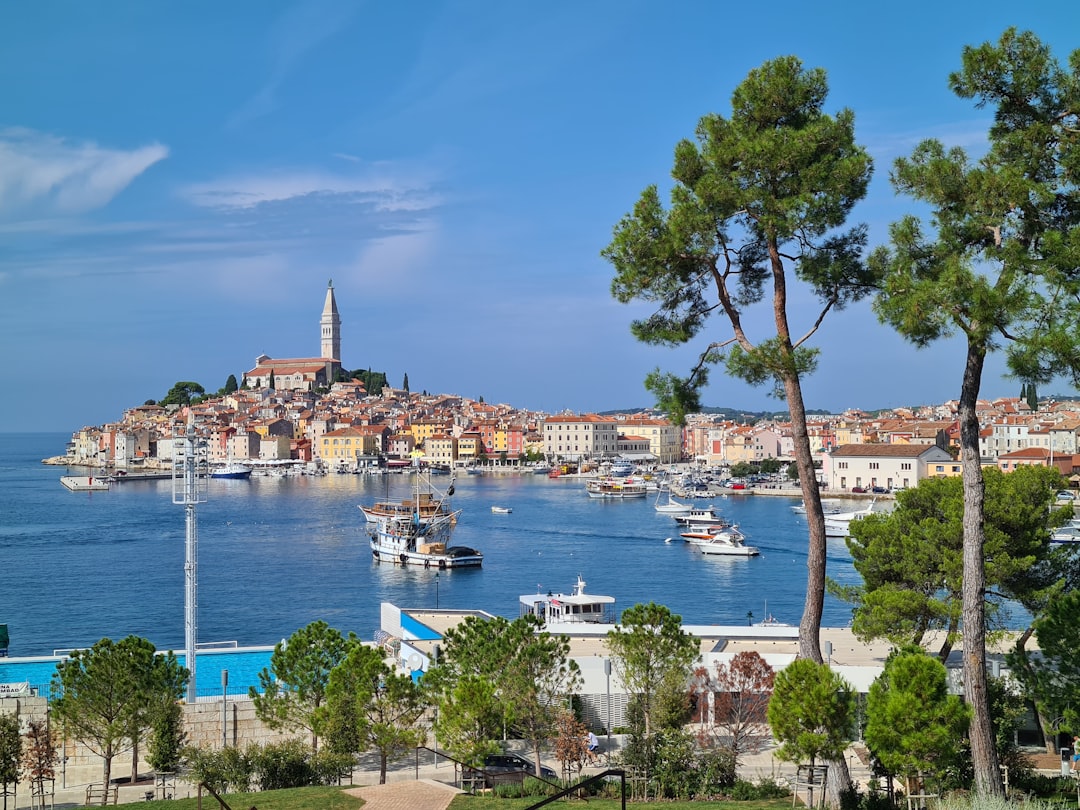
The salt spray in Rovinj doesn't just sting; it settles into your pores like a permanent reminder that you are standing on the edge of the known world. I sat on a crumbling stone wall in the Old Town, watching a sunset that turned the Adriatic into a sheet of hammered copper, while a group of locals argued passionately about football over glasses of Malvazija. This isn't the polished, sanitized tourism machine you find further north. This is Rovinj, a place where Venetian architecture bleeds into modern Croatian life, and the air smells of grilled octopus, diesel from fishing boats, and ancient limestone. It is loud, it is beautiful, and it is entirely unapologetic about its own charm.
People call this region a "hidden gem," a phrase that has died a thousand deaths in travel journalism. Let's be clear: Istria is not hidden. It is packed. But it is not ruined. The magic here lies in the contrast. You have the medieval core of Rovinj, which looks like it was plucked straight out of a Renaissance painting, sitting just minutes away from wild, pine-covered beaches and vineyards that stretch back to Roman times. The energy is frantic one moment and lethargic the next. You can spend your morning hiking through dense forests and your evening dancing in a club that pulses with a mix of electronic beats and Mediterranean heat. It is a place that demands you slow down, even if you are screaming to keep up.
History & Identity
To understand Rovinj, you have to understand its layers. This city has been ruled by the Byzantines, the Venetians, the Habsburgs, and the Italians before finally settling into Croatian hands. That history is visible in every street corner. The Venetian influence is the most potent, evident in the narrow, winding streets of the Old Town and the grand palaces that line the waterfront. But it is also a place of refugees. In the 16th century, the population of Rovinj tripled as people fled Ottoman advances in the interior, bringing with them a mix of cultures, languages, and traditions that still define the city today.
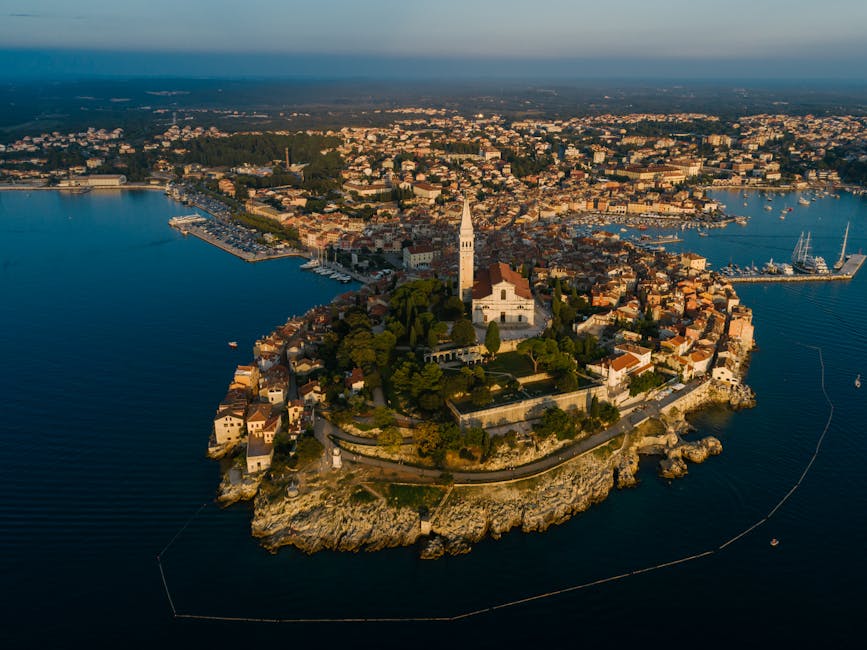
This complex past has created a unique identity. Rovinj is Croatian, but it feels distinctly Adriatic, with a Mediterranean flair that sets it apart from the rest of the country. The city is a peninsula, jutting out into the sea like a finger pointing toward Italy. You can see the Italian coast on a clear day, a constant reminder of how close the borders are, both geographically and culturally. The identity here is fluid, shaped by centuries of trade, war, and migration. It is a city that has survived by adapting, by absorbing the influences of its rulers and making them its own.
Today, that history is not just a backdrop; it is part of the daily rhythm. The Old Town is not a museum; it is a living, breathing community. Locals still live in those historic apartments, fishermen still bring in their catch, and the bells of the church still ring out over the water. The past is not something to be observed from a distance; it is something to be experienced, tasted, and felt. It is in the stone under your feet, the wine in your glass, and the stories told by the people who call this place home.
Where to Go
St. Euphemia's Cathedral — The crowning jewel of Rovinj, this Baroque masterpiece sits atop the highest point in the Old Town. The climb up the steep stairs is worth it for the view alone, but the interior is equally impressive, with frescoes that tell the story of the city's patron saint. Entry is free, but a donation is appreciated. Go at sunset for the best light.
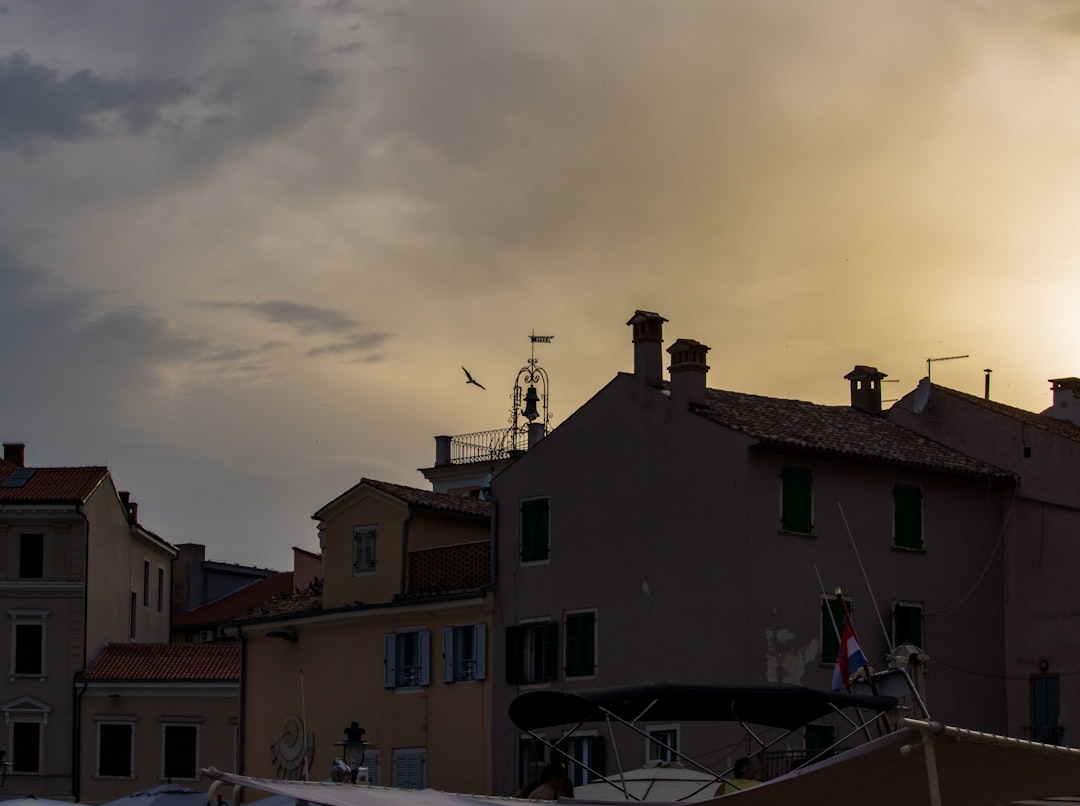
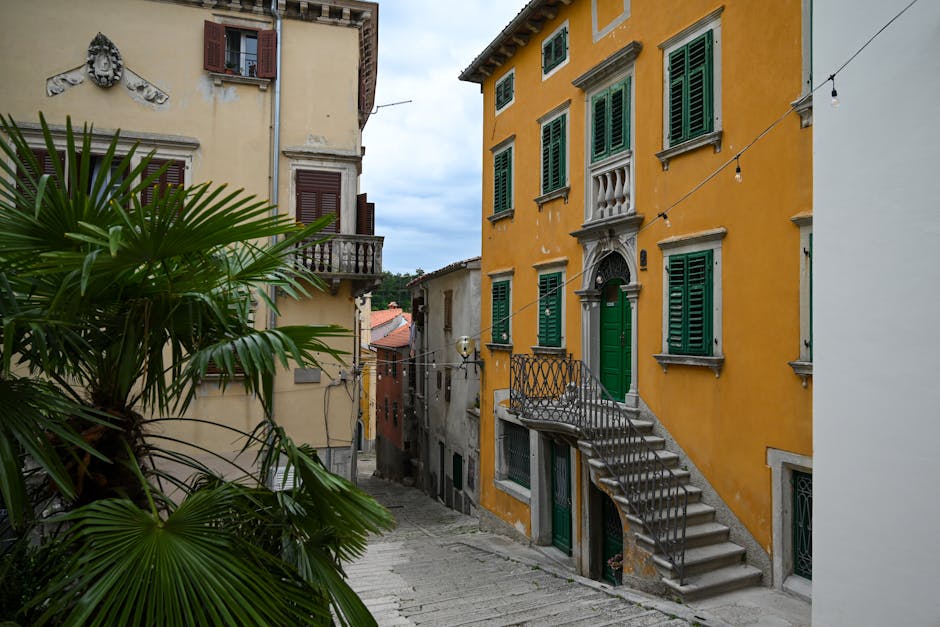
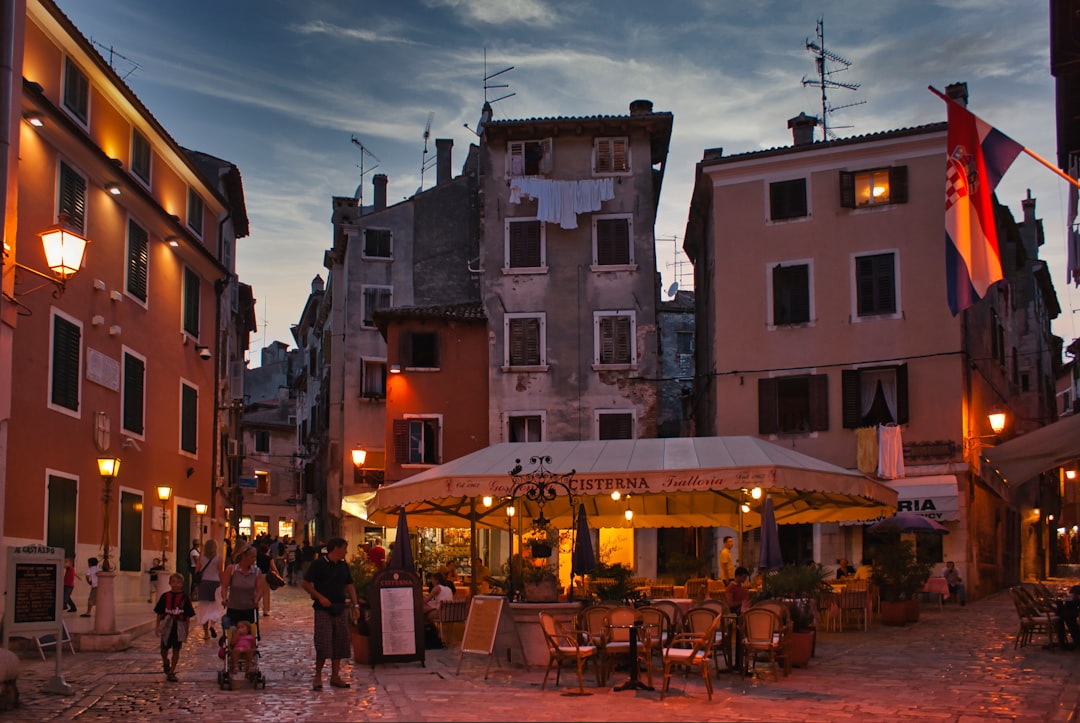
The Old Town (Stari Grad) — A labyrinth of narrow streets, hidden squares, and colorful houses. There is no single attraction here; the attraction is the wandering itself. Get lost. Find the small cafes, the artisan shops, the hidden courtyards. It is a place to slow down and let the atmosphere wash over you. Wear good shoes; the cobblestones are uneven.
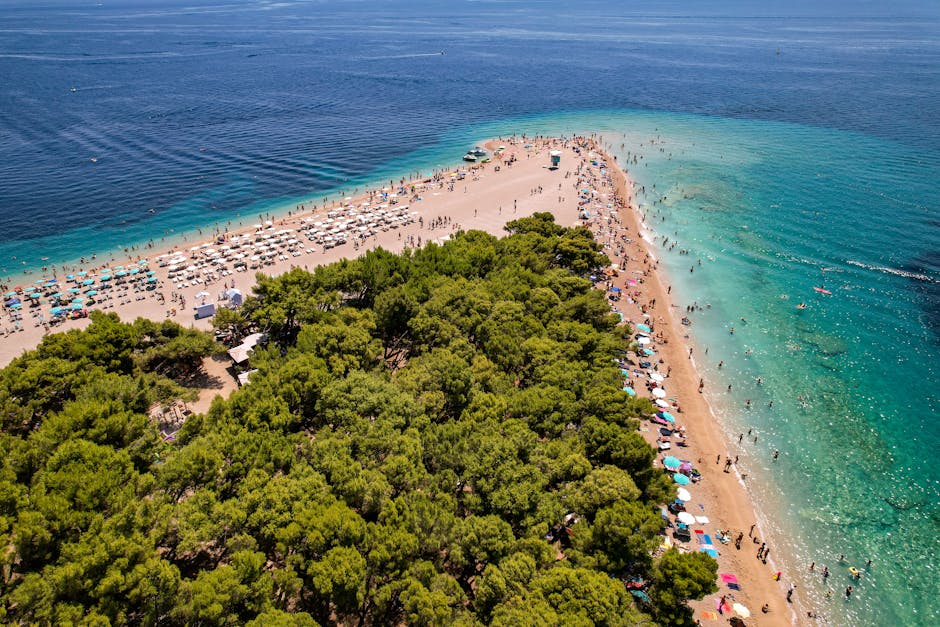
Prvić Island — A short boat ride from Rovinj, this tiny island is a haven for nature lovers. It is covered in pine forests and offers some of the best hiking and swimming in the region. The boat ride takes about 20 minutes and costs around 10-15 EUR round trip. Bring your own food and water; there are few facilities on the island.
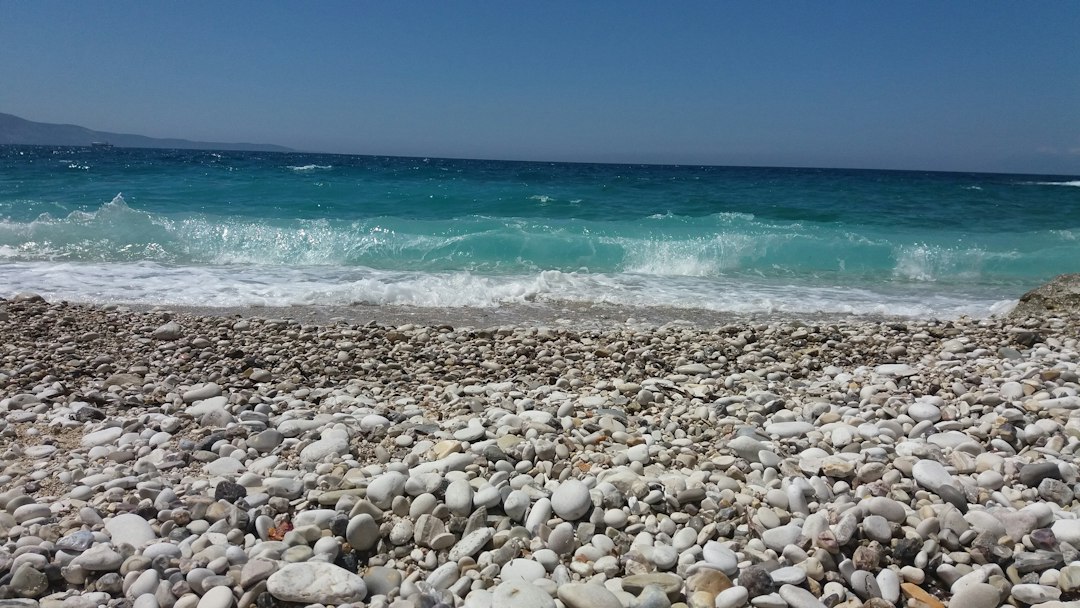
Mošćenička Draga — A small fishing village just south of Rovinj, known for its traditional stone houses and fresh seafood. It is a great place to escape the crowds of the main city and enjoy a quieter, more authentic experience. The beaches here are pebbly but the water is crystal clear. Dinner at a local konoba (tavern) costs around 20-30 EUR per person.
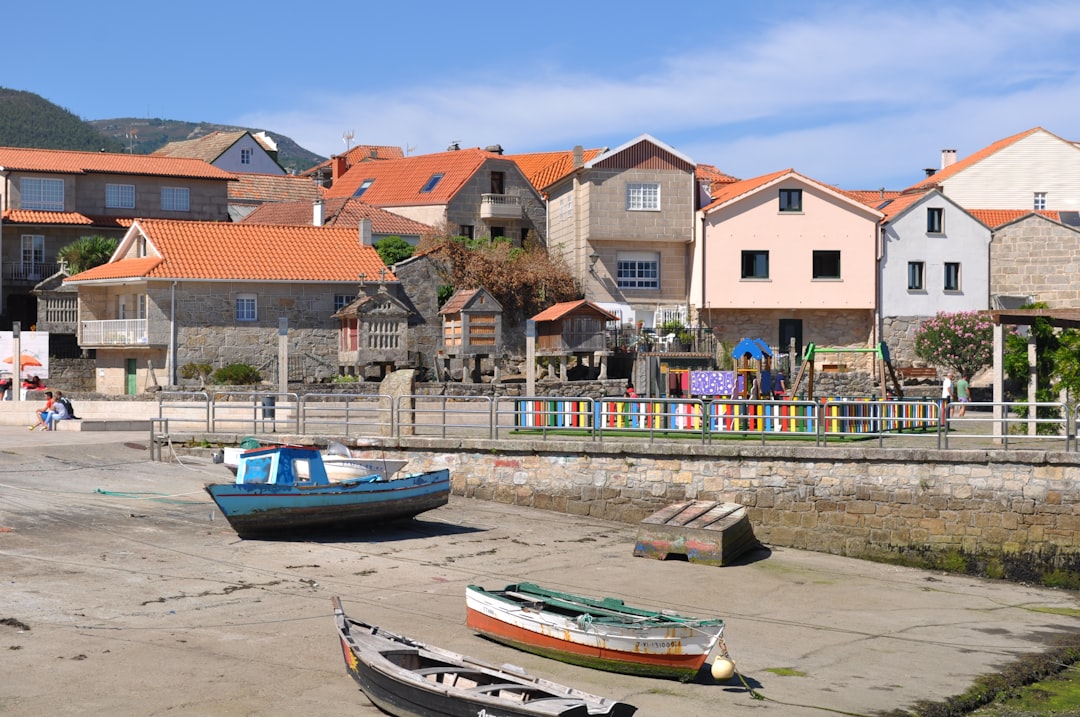
Lim Fjord — A unique natural phenomenon on the eastern edge of Istria, where freshwater meets saltwater. It is a popular spot for kayaking and bird watching. The fjord is a protected nature reserve, so noise and pollution are strictly controlled. Rent a kayak from one of the local outfitters for around 15-20 EUR per hour.
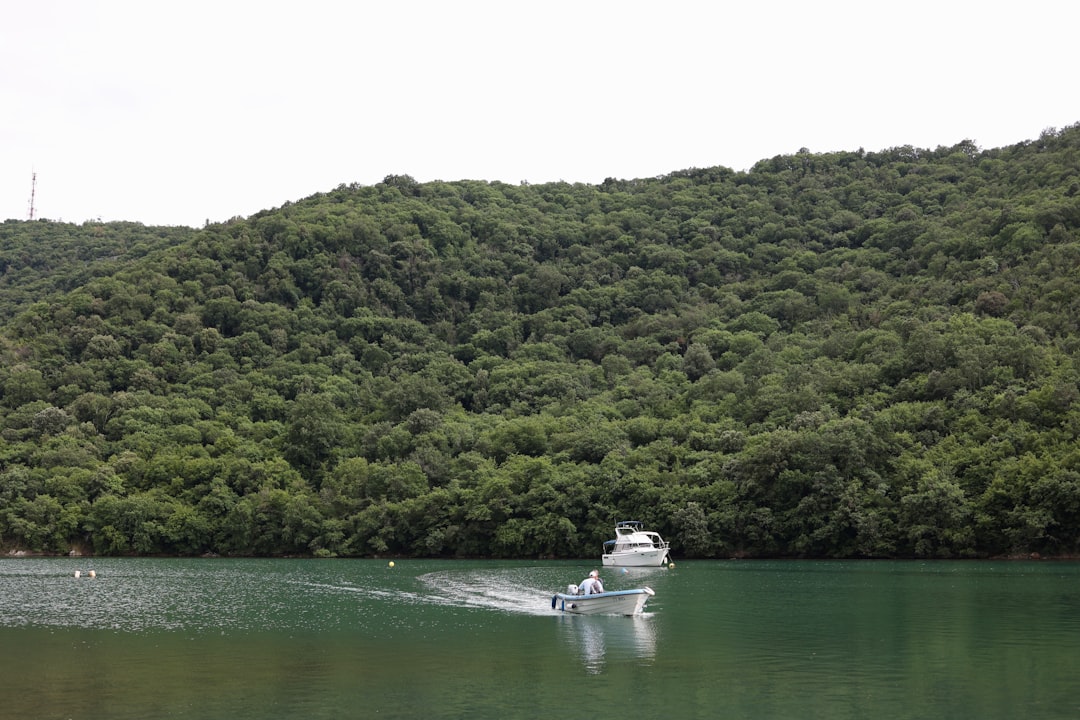
What to Eat & Drink
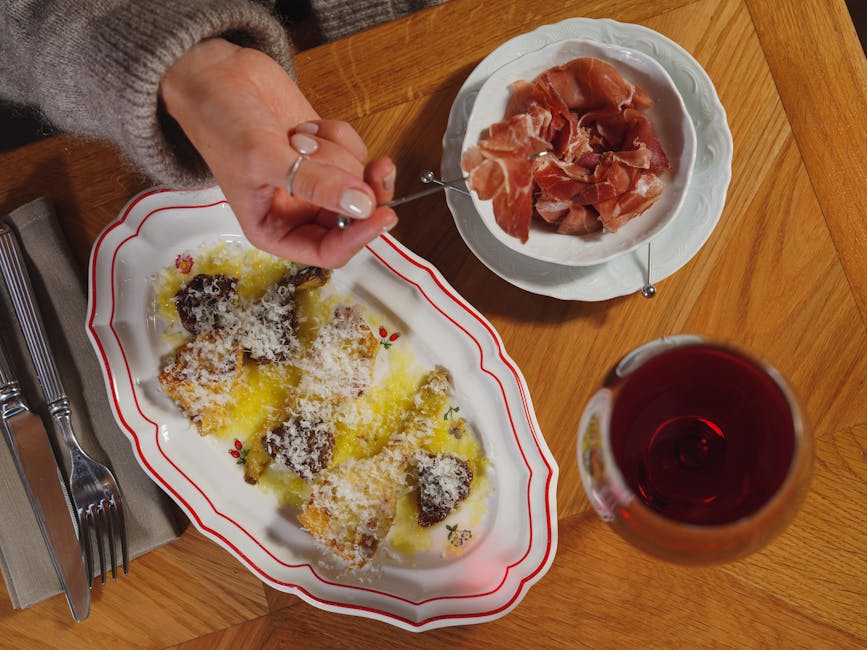
Istrian cuisine is a heavy hitter in the Balkan culinary scene, and for good reason. It is a fusion of Italian and Croatian influences, with a focus on fresh seafood, wild herbs, and truffles. The food here is not just sustenance; it is an event. You will find pršut (dry-cured ham) hanging in every shop, and truffles (especially in the winter) are a must-try. The prices are reasonable for the quality, but you pay for the experience.
- Octa na žaru (Grilled Octopus) — 12-18 EUR per serving. A staple of the Adriatic diet, usually served with olive oil, lemon, and potatoes.
- Fuži s trufama (Truffle Pasta) — 15-25 EUR per serving. A rich, indulgent dish that showcases the region's famous truffles.
- Istrian Risotto — 10-15 EUR per serving. Creamy, flavorful, and often made with seafood or mushrooms.
- Malvazija Wine — 4-8 EUR per glass. The signature white wine of Istria, crisp and fruity, perfect with seafood.
- Teran Wine — 5-10 EUR per glass. A robust red wine that pairs well with meat dishes.
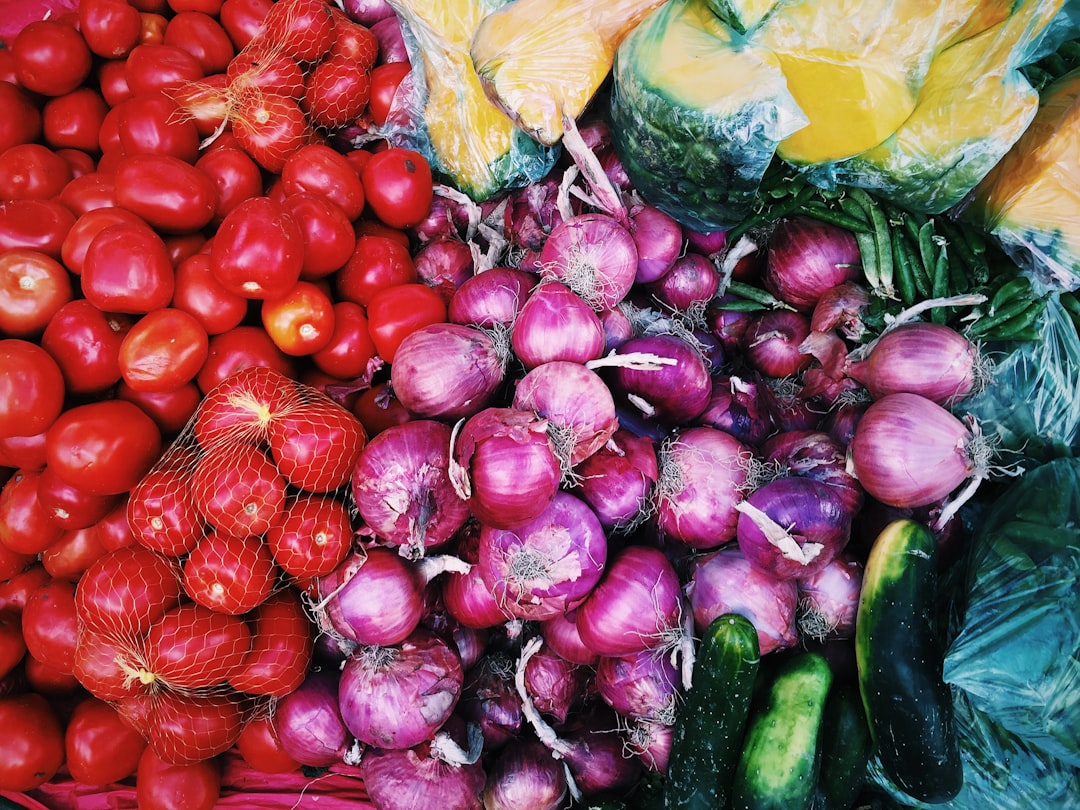
For budget travelers, the Rovinj Market is a great place to pick up fresh produce, cheese, and wine for a picnic. You can also find affordable take-away options like šunke (ham) sandwiches or pirogi (savory pastries) for under 5 EUR. For a sit-down meal at a local konoba, expect to pay around 15-25 EUR per person. Mid-range restaurants in the Old Town can cost 25-40 EUR per person.
The main food street is Trg Sv. Eufemije (St. Euphemia's Square), where you will find a mix of cafes, restaurants, and ice cream shops. For a more local experience, head to the Old Town Market, which is open in the mornings and sells fresh fish, vegetables, and local specialties.
Nightlife
Rovinj's nightlife is a mix of chic cocktail bars, live music venues, and beach clubs. The main action is centered around the Old Town and the Waterfront, where you will find a dense concentration of bars and clubs. The atmosphere is lively but not rowdy, with a mix of locals and tourists enjoying the summer evenings.
Bar Caput Mundi — A stylish cocktail bar with a rooftop terrace overlooking the Old Town. The drinks are pricey but the view is worth it. Expect to pay 8-12 EUR per cocktail. No cover charge.
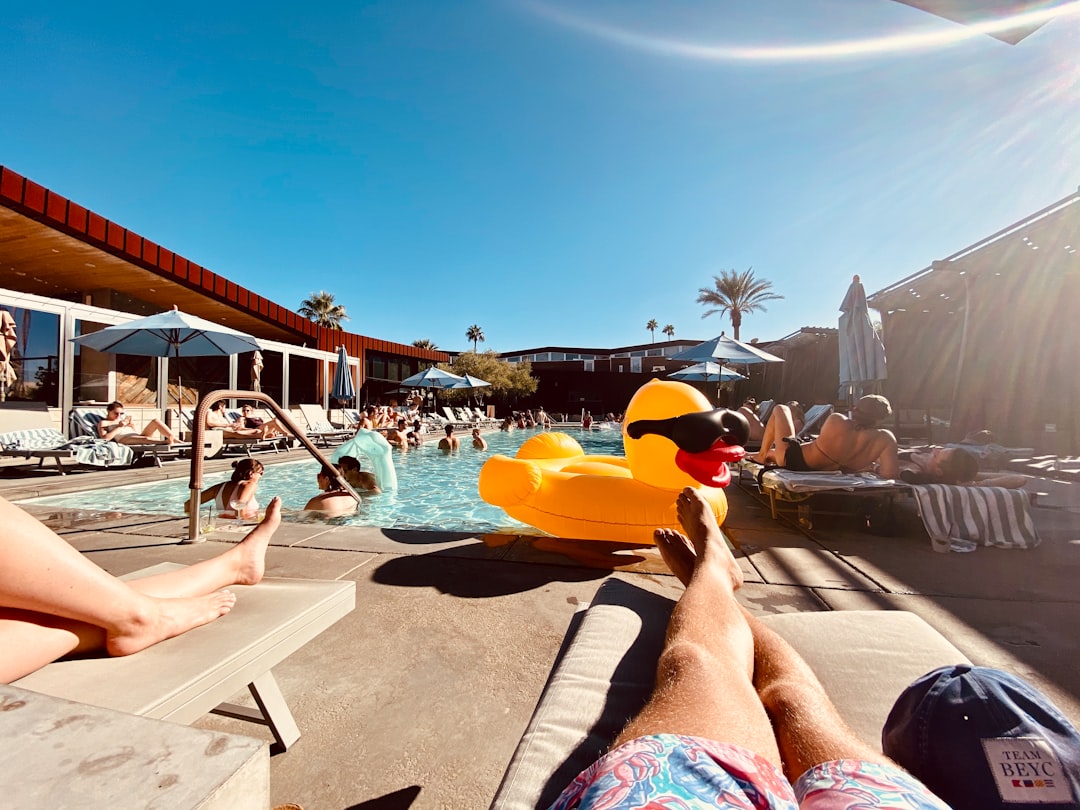
Club Nautika — A beach club located just outside the Old Town, known for its electronic music and DJ sets. It is open from late afternoon until late at night, with a pool and sunbeds during the day. Cover charge is around 5-10 EUR.
Live Music Venues — Throughout the summer, there are numerous live music events in the Old Town, ranging from jazz to rock to traditional Istrian folk music. Check the local listings for specific dates and venues. Entry is usually free or a small cover charge of 2-5 EUR.
Getting There & What to Expect
The nearest airport is Pula Airport, which is about 30 minutes from Rovinj. There are direct flights from major European cities, but the selection is limited. Alternatively, you can fly into Zagreb Airport, which is about 2.5 hours away by car or bus. Buses run regularly from Zagreb to Rovinj, taking around 15-20 EUR and 2.5-3 hours. Car rentals are widely available at both airports, with prices starting at 30-50 EUR per day.
Accommodation in Rovinj ranges from budget hostels to luxury hotels. A bed in a hostel dorm costs around 20-30 EUR per night, while a private room in a guesthouse starts at 50-80 EUR per night. Mid-range hotels cost 80-150 EUR per night, and luxury hotels can exceed 200 EUR per night. The best time to visit is between May and October, when the weather is warm and the sea is swimmable. July and August are the busiest months, so book in advance.
Search accommodation in Rovinj on Booking.com →
Expect crowds, especially in the Old Town. The streets are narrow and can become congested, so be prepared to navigate carefully. The heat can be intense in the summer, so stay hydrated and take breaks in the shade. The locals are friendly but can be short-tempered if you are rude or disruptive. Respect the history and the culture, and you will be welcomed with open arms.
The Verdict: Why It Matters
Standing on the balcony of my guesthouse, watching the fishing boats bob in the harbor, I realized why Rovinj matters. It is not just a pretty place to visit; it is a place that teaches you how to live. It teaches you to appreciate the slow rhythm of life, the importance of good food and good company, and the beauty of a place that has survived centuries of change. It is a place that reminds you that the world is bigger than your worries, and that there is always somewhere new to discover.
Rovinj is not perfect. It is crowded, it is expensive, and it can be frustrating to navigate. But it is also alive, vibrant, and full of character. It is a place that challenges you to let go of your preconceptions and embrace the unknown. And in the end, that is what travel is all about. It is not about finding a perfect place; it is about finding a place that changes you. And Rovinj does that in spades.
So come. Get lost in the Old Town. Eat the truffles. Drink the wine. Dance in the clubs. And when you leave, take a piece of Rovinj with you. You will need it for the long winter months, when the world feels cold and gray. Because somewhere, on a peninsula jutting out into the Adriatic, the sun is still shining, and the salt spray is still in the air.
Comments