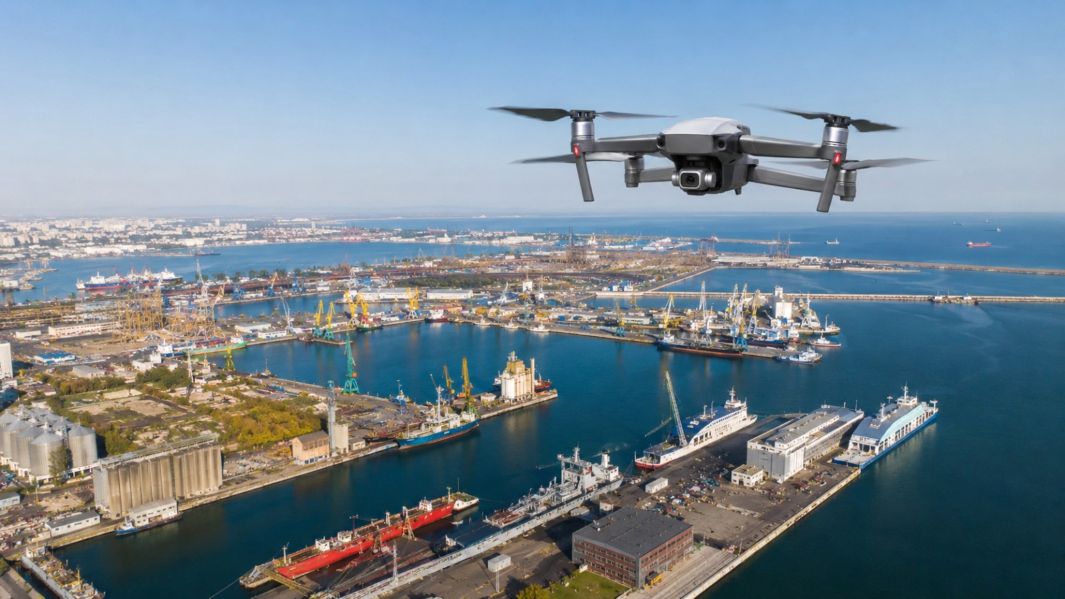
The Port of Constanța, Romania's key gateway to the Black Sea, now features an advanced anti-drone system capable of tracking drones, identifying their pilots, and safely redirecting them. This system was recently put to the test following an incident involving an unauthorized drone flying within the port's passenger terminal.
Incident Sparks System Activation
Earlier this week, the anti-drone system detected an unidentified drone within the passenger terminal area. After thorough checks, it was revealed that the drone belonged to foreign crew members of a cruise ship. Despite being a non-military drone, the ship’s captain promptly informed all crew members and passengers about the prohibition of using drones without permission within the port.
Testing the New Technology
This incident provided the port authorities with an opportunity to test the new anti-drone system. According to the National Company Maritime Ports Administration Constanța, the system is based on RF cyber-takeover technology, a non-destructive method that allows for the controlled redirection of drones to a safe area without disrupting legitimate communications.
Strategic Importance of Constanța Port
The Port of Constanța is not only the largest on the Black Sea but also a vital logistics hub for east-west European transit. The port’s strategic importance underscores the necessity of protecting its airspace from unauthorized drones. The system is designed to safeguard low-altitude airspace within the port perimeter, which is a critical component of the security plan at the port.
Future Expansions
The port authority plans to expand this anti-drone system to all ports under its administration. The system offers omnidirectional 360° detection of commercial and DIY drones, identification of aircraft, and localization of pilots. It also includes the ability to take over control of a drone and redirect it to a safe location.
The decision to utilize a control takeover system rather than a jamming method was driven by the port's dense operational communications environment, which includes VTS, AIS, naval communications, GSM telephony, and radio links. Indiscriminate jamming could disrupt legitimate activities and jeopardize navigation safety.
Once the National Authority for Management and Regulation in Communications (ANCOM) grants the necessary approvals, the jamming component of the system will also be activated.