


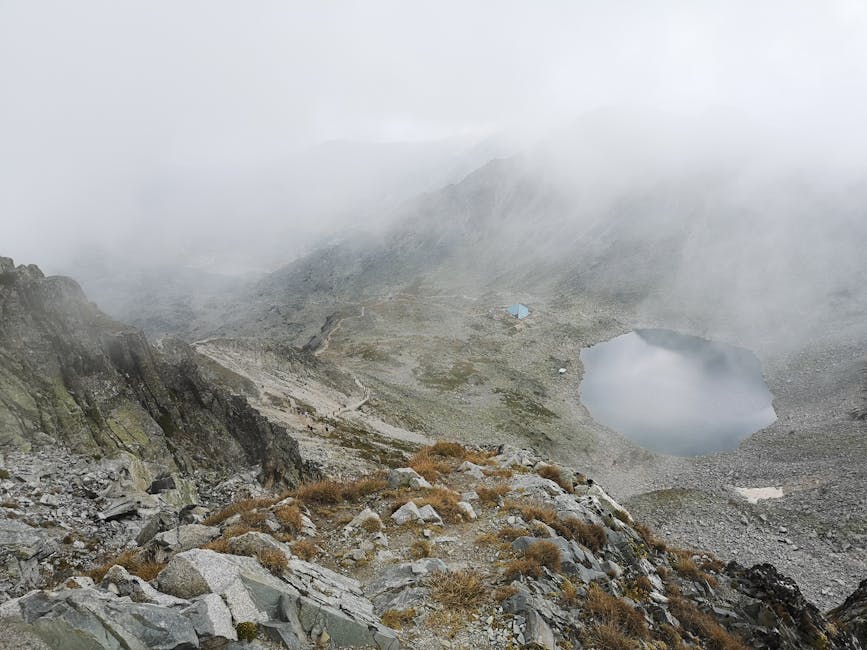
The air up here doesn't just thin; it gets sharp. It cuts through the sweat on my back, carrying the scent of pine resin and centuries-old woodsmoke. I am standing at the edge of the Rila Monastery courtyard, my lungs burning from a hike that started in a village where time seems to have taken a nap in the 19th century. Below me, the massive stone walls of the monastery loom like a fortress built by giants who feared both Turks and God. A monk in black robes walks past, his eyes fixed on the ground, ignoring the stream of tourists snapping photos with phones that cost more than his annual stipend. This isn't a peaceful spiritual retreat. It's a collision point. High altitude meets high stakes. The trail that brings you here isn't just a path; it's a pilgrimage through a landscape that has seen empires rise, fall, and get forgotten.
I didn't come here for the postcards. I came because the maps promised something harder, something rawer than the polished tourist circuit. They were right. The trail from the nearby villages to the monastery gates is a test of endurance, a vertical journey through Bulgaria's most sacred and rugged terrain. It's a place where the spiritual and the physical grind against each other, leaving you exhausted, humbled, and utterly awake.
The Fortress of Faith
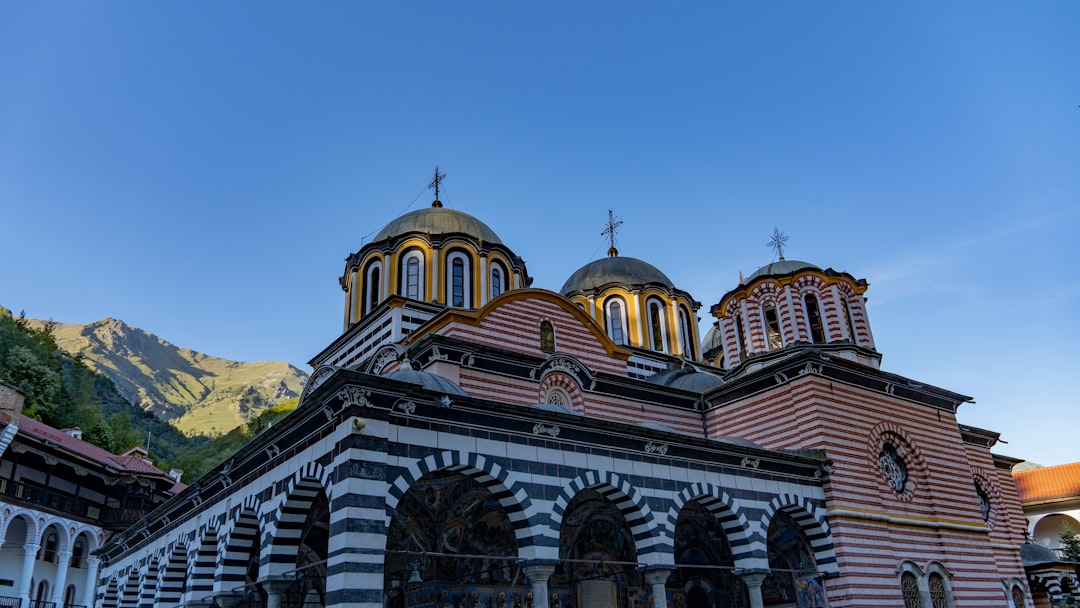
The Rila Monastery is not a delicate chapel hidden in a glade. It is a military-grade spiritual stronghold. Founded in the 10th century by Saint John of Rila, the hermit who allegedly drove demons out of the surrounding mountains, the site has been rebuilt, destroyed, and rebuilt again over the centuries. The current complex, largely constructed in the 19th century, is a defiant statement of Bulgarian identity during Ottoman rule. The thick stone walls, the watchtowers, the intricate wooden carvings hiding inside the churches — every element screams survival. This was never just a place for prayer; it was a library, a bank, a hospital, and a hideout.
Standing before the main church, the Church of the Nativity of the Mother of God, you feel the weight of that history. The frescoes inside are vivid, almost garish in their intensity, depicting saints with eyes that seem to follow you. The ceiling is a masterpiece of wooden carpentry, painted with biblical scenes that glow in the candlelight. But it's the exterior that hits you first. The massive stone walls, the red-tiled roofs, the way the monastery clings to the mountainside like a barnacle on a ship. It's ugly in a way that is beautiful. It's real. It's survived.
The Climb: From Village to Sanctuary
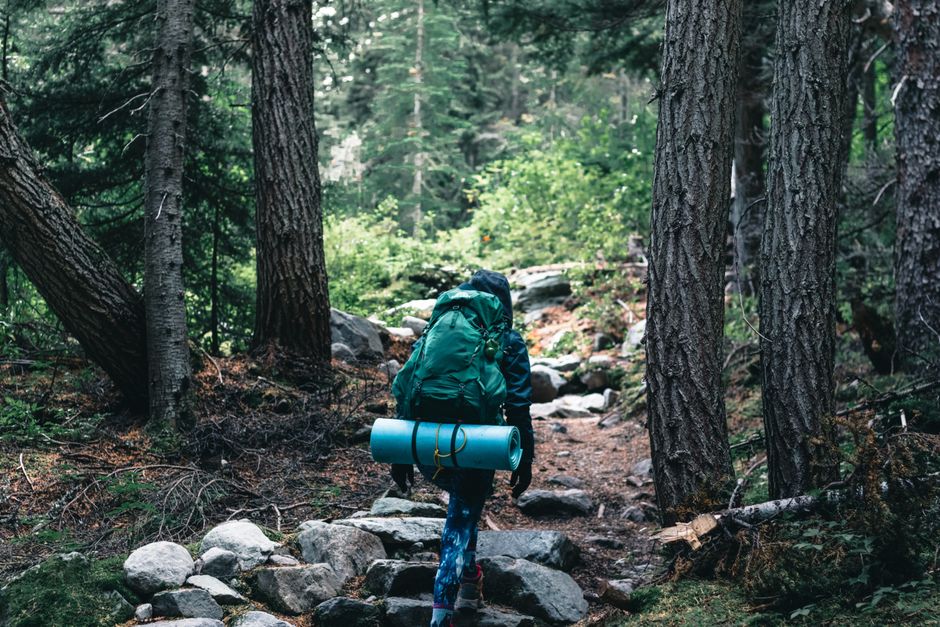
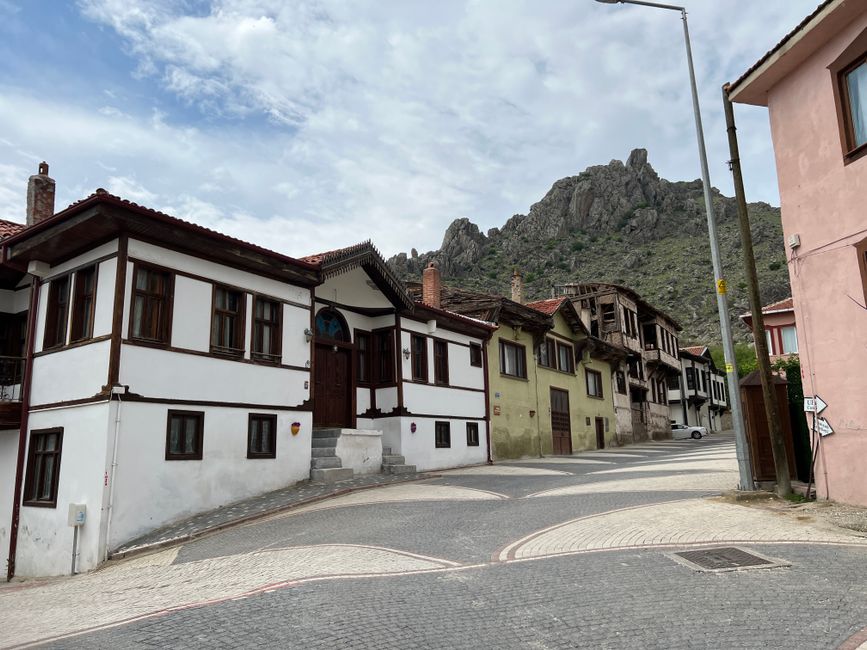
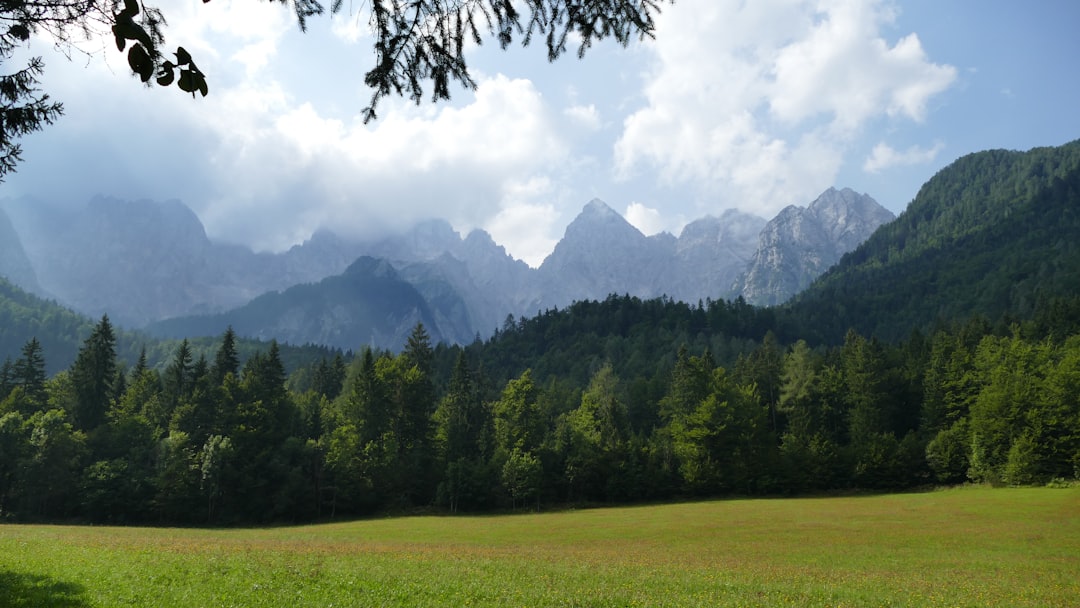
The trail to the monastery isn't a single path. It's a network of routes that weave through the Rila National Park, each offering a different flavor of the Bulgarian highlands. Most hikers take the bus from Sofia to the village of Bistritsa, then hike up. But the real experience starts in the villages. Bogdanets and Bistritsa are the gateways, charming but increasingly touristy. The trail from Bistritsa is the most popular, a well-marked path that climbs steadily through pine forests and alpine meadows. It's not technically difficult, but the altitude does its work. By the time you reach the monastery, you'll be breathing hard, your legs burning, your mind cleared of everything but the next step.
For those seeking a harder route, the trail from Pancharevo offers a more rugged approach, passing through dense forests and over rocky ridges. The views are more dramatic, the air cleaner, the crowds thinner. But the climb is steeper, the distance longer. It's a hike for those who want to earn their arrival. The trail is well-marked with yellow and red blazes, but the terrain can be tricky after rain. Mud, loose rocks, and sudden drops require respect. This isn't a stroll. It's a pilgrimage.
Routes & Trail Info
Route 1: Bistritsa to Rila Monastery Starting Point: Village of Bistritsa (Parking area near the bus stop) Total Distance: 6 km (one-way) Elevation Gain: 400 m Estimated Duration: 1.5-2 hours Difficulty: Beginner/Intermediate. Well-marked, steady climb. Suitable for most fit adults and older children.
Route 2: Bogdanets to Rila Monastery Starting Point: Village of Bogdanets (Main road parking) Total Distance: 8 km (one-way) Elevation Gain: 500 m Estimated Duration: 2-2.5 hours Difficulty: Intermediate. Slightly longer, more varied terrain with forest and open meadow sections.
Route 3: Pancharevo to Rila Monastery Starting Point: Village of Pancharevo Total Distance: 10 km (one-way) Elevation Gain: 600 m Estimated Duration: 3-3.5 hours Difficulty: Intermediate/Advanced. Steeper sections, more rugged terrain. Best for experienced hikers.
Getting There & What to Expect
The nearest major city is Sofia, the capital of Bulgaria. From Sofia, you can take a bus to Bistritsa or Bogdanets. Buses depart regularly from Sofia's Central Bus Station, taking about 1.5-2 hours. The cost is approximately 8-10 EUR one way. Alternatively, you can drive, which takes about 1.5 hours from Sofia. The roads are mountainous and winding, so drive carefully. Parking is available in the villages, but it can fill up on weekends.
Accommodation in the villages ranges from budget guesthouses to mid-range hotels. A night in a basic guesthouse in Bistritsa costs around 20-30 EUR, while a mid-range hotel with a view might set you back 40-60 EUR. Inside the monastery complex, there is a hotel, but it books up quickly. Expect to pay 50-70 EUR per night. Meals in the village restaurants are affordable. A traditional Bulgarian meal with soup, main course, and drink will cost around 10-15 EUR. Street food, like banitsa (cheese pie), is cheap and delicious, costing 2-4 EUR.
The best months to visit are May through October. June and September offer the best weather, with fewer crowds and vibrant green landscapes. July and August are hot and crowded. Winter brings snow, closing some trails and making the hike more challenging. The monastery itself is open year-round, but the surrounding trails may be impassable in deep snow.
Search accommodation in Bistritsa on Booking.com →
The Thin Air Truth
I sat on a stone bench outside the monastery walls, my legs trembling, my lungs still catching up. A group of teenagers laughed nearby, their energy endless, their phones capturing every angle. I watched them, then looked up at the mountains that framed the monastery like a jagged crown. This place isn't just about history. It's about the body and the land. The climb strips you down. No phone, no noise, no distractions. Just your breath, your steps, and the stone. When you arrive, you don't just see the monastery. You feel it. You've paid for it with sweat and effort. And that changes everything. The saints in the frescoes don't look down on you from heaven. They look at you from the mountain, and they know you climbed. They know you're real. And for a moment, in the thin air, you feel real too.
Comments