


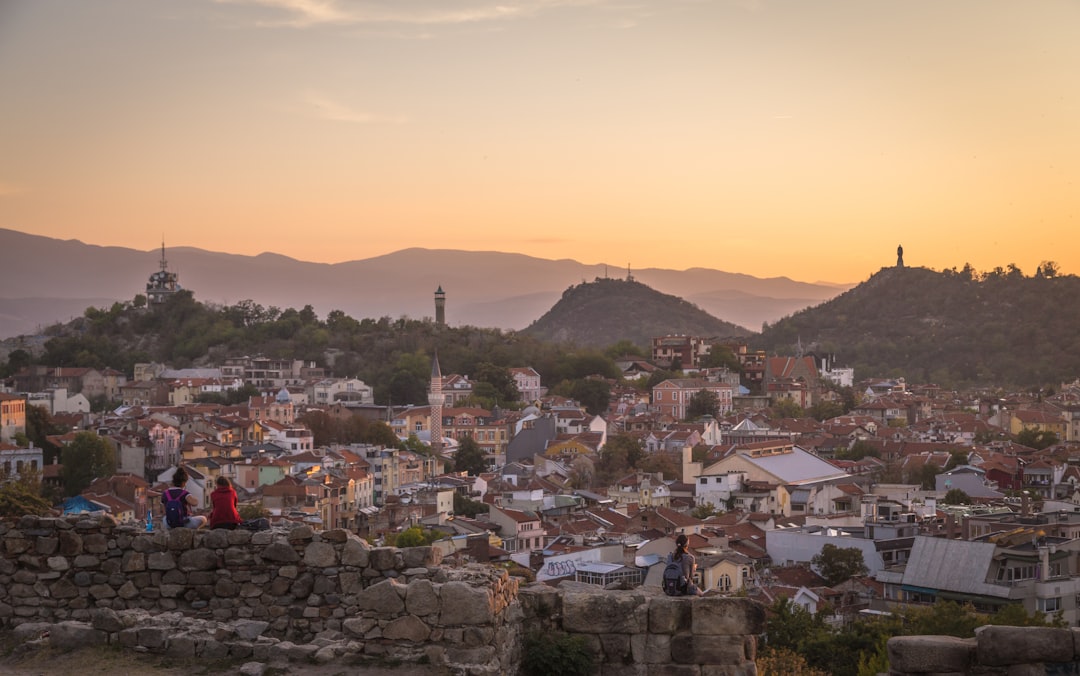
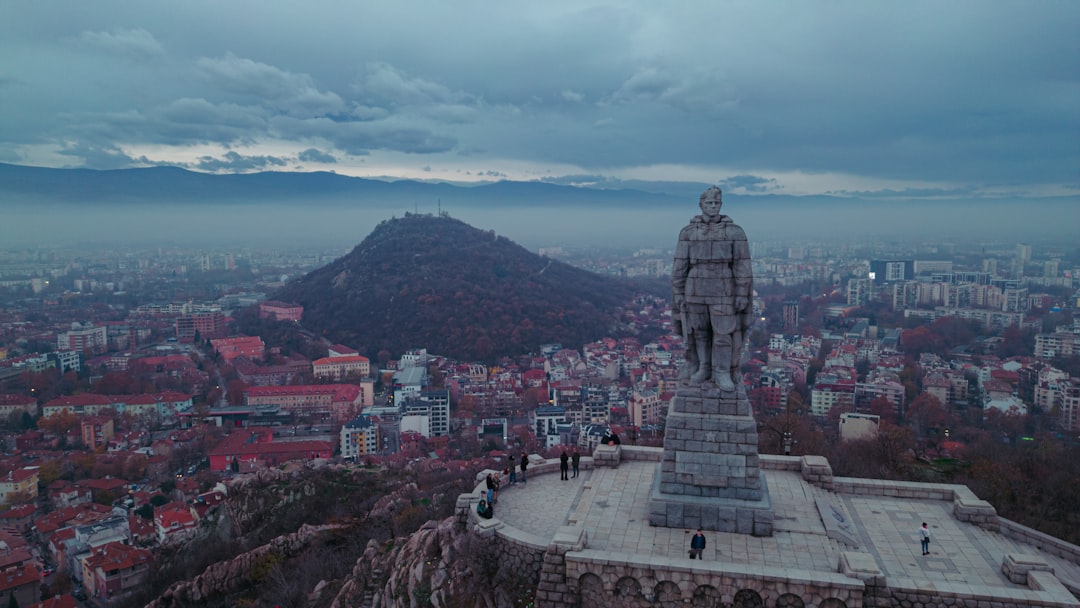
The air in the cobbled streets of Kapana tastes like roasted coffee beans and old brick dust. I'm standing on a rooftop terrace in Plovdiv, watching the sun hit the terracotta tiles of the Roman theater below, and for a second, I forget I'm in Bulgaria. It feels more like a cross between a 19th-century Ottoman trading post and a modern European hipster paradise. A local bartender slides me a rakia shot — clear, potent, and burning with the heat of the Thracian valley. "This," he says, tapping the glass, "is how we've survived everything." The city doesn't just sit there; it vibrates with a strange, beautiful tension between ancient history and a fiercely independent contemporary culture. This isn't the Bulgaria of postcards; this is the Bulgaria that drinks, debates, and creates.
Most visitors fly into Sofia, grab a beer, and head home. They miss the heart. Plovdiv, Bulgaria's second-largest city, has been inhabited for over 6,000 years, making it one of Europe's oldest continuously populated cities. But it's not the age that gets you — it's the vibe. The Old Town here isn't a museum exhibit; it's a living, breathing neighborhood where restored 19th-century merchants' houses now house art galleries, craft breweries, and underground clubs. The energy is raw, unpolished, and utterly captivating.
History & Identity
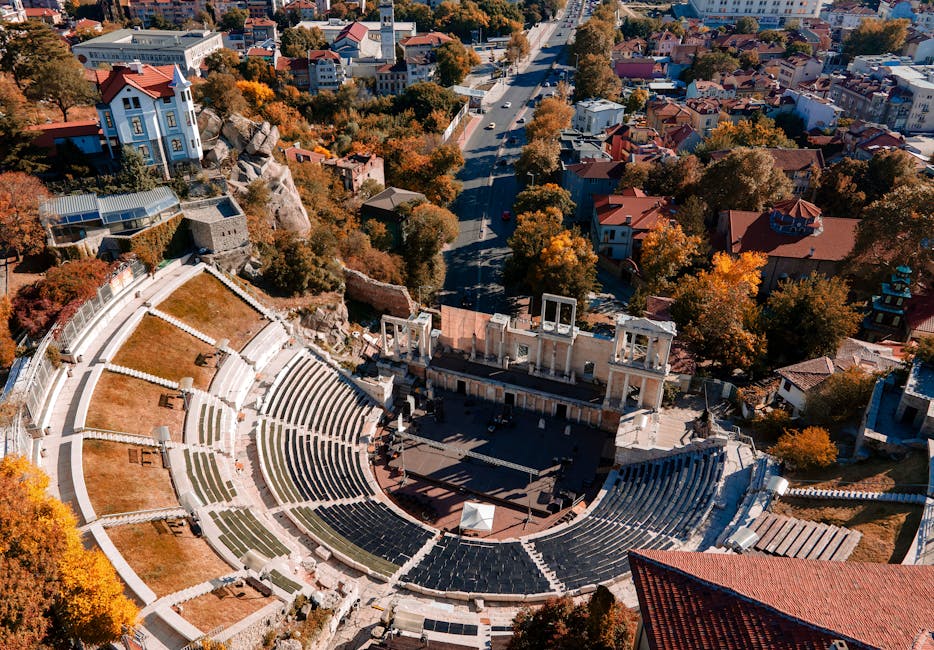
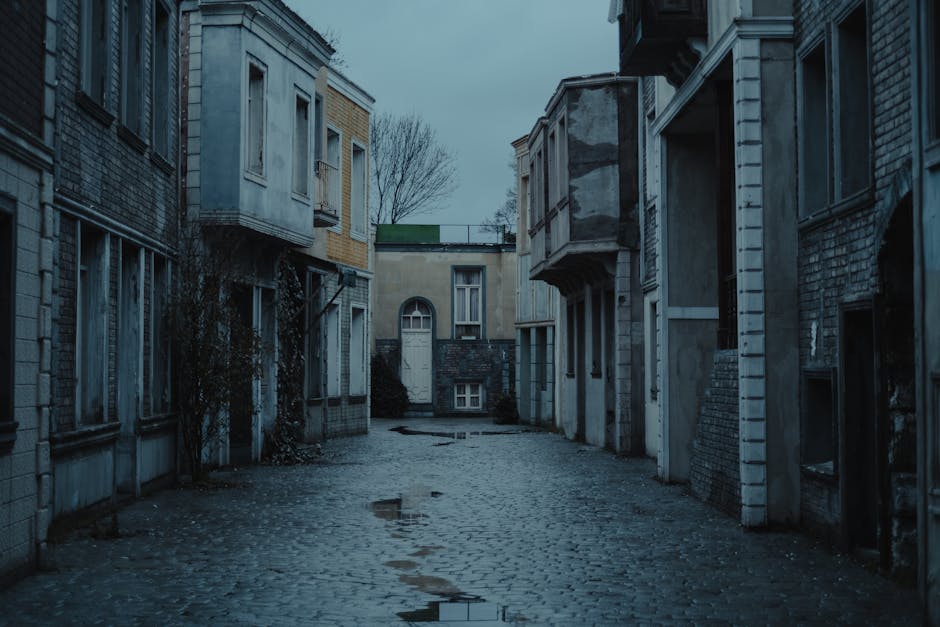
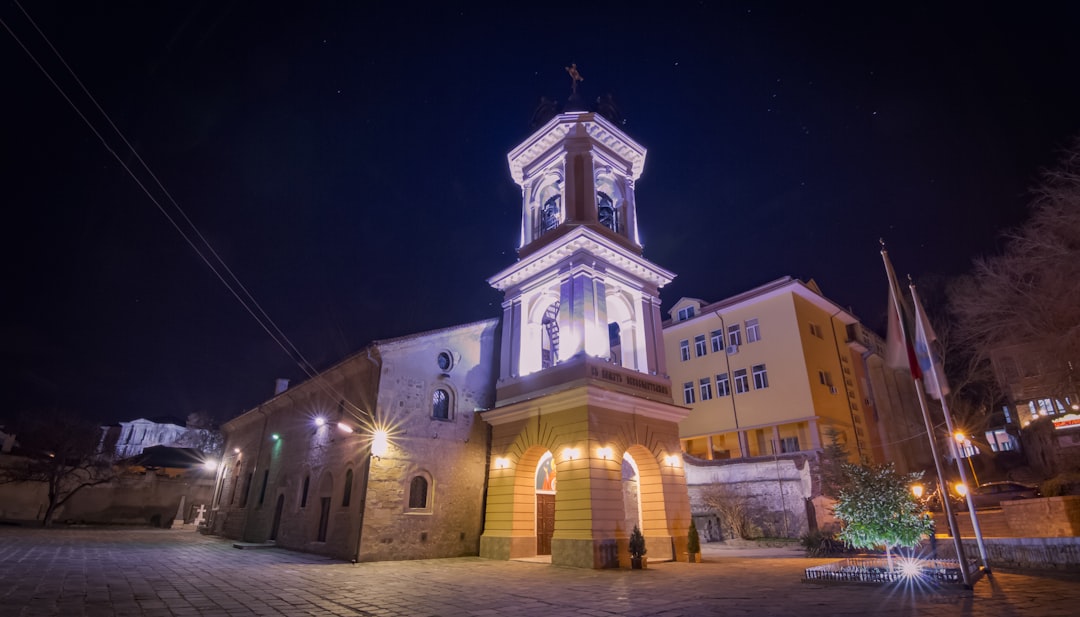
Plovdiv Plovdiv was originally a Thracian settlement called Eumolpias, later becoming a major Roman city known as Philippopolis. The Romans left their mark everywhere — most visibly in the Old Town Theatre, which is still in use today. But the city's true identity was forged during the Ottoman period, when it became a thriving trading hub for the Kapikule merchant class. These wealthy traders built the distinctive stone and brick houses with their ornate facades and large windows, which now define the Narrow Street Narrow Street (Plovdiv).
The 19th century brought the Bulgarian National Revival, and Plovdiv became a center of cultural and political resistance. The Neboisar district, with its narrow alleys and hidden courtyards, was where secret schools taught Bulgarian language and history under Ottoman rule. Today, that spirit of defiance lives on in the city's art scene and its refusal to conform to tourist expectations. The Old Town was meticulously restored in the 1960s and 70s, but unlike many Eastern European cities, Plovdiv managed to keep its soul intact — no soulless chain stores, no generic souvenir shops.
Where to Go
Old Town Theatre — This is the crown jewel of Plovdiv, a Roman amphitheater built in the 2nd century AD and still used for performances today. The acoustics are incredible, and the view over the Maritsa River is unmatched. Entry is 5 EUR, and performances range from classical concerts to modern theater. The best time to visit is at sunset, when the stone glows gold and the summer breeze carries the sound of music from the stage.
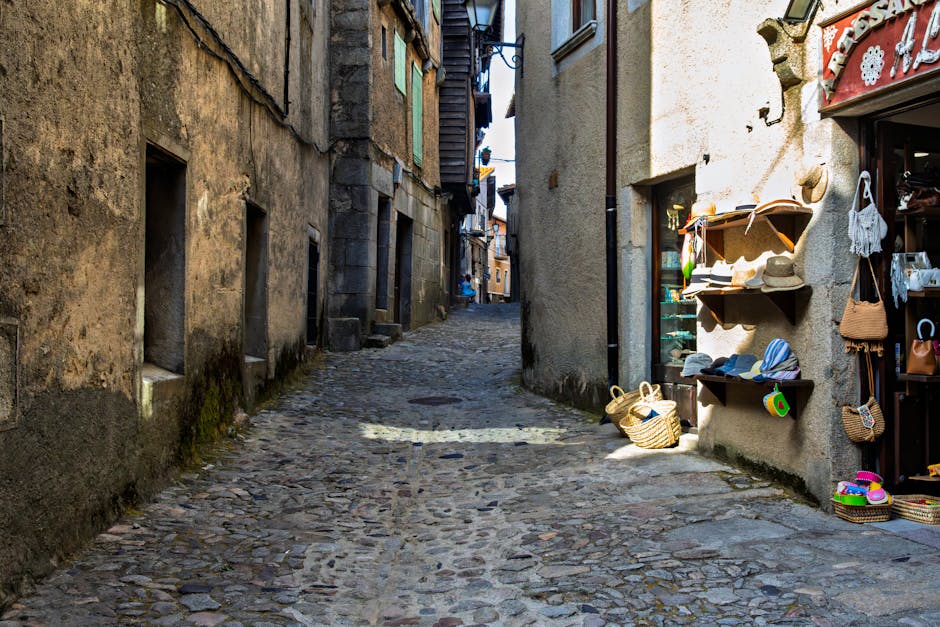
Narrow Street Narrow Street (Plovdiv) — The main artery of the Old Town, this cobblestone lane is lined with restored merchant houses, now housing museums, cafes, and artisan shops. The Ethnographic Museum and the History Museum are both located here. Walk slowly, look up at the facades, and step into the courtyards — many are open to the public. Entry to most museums is 3-5 EUR.
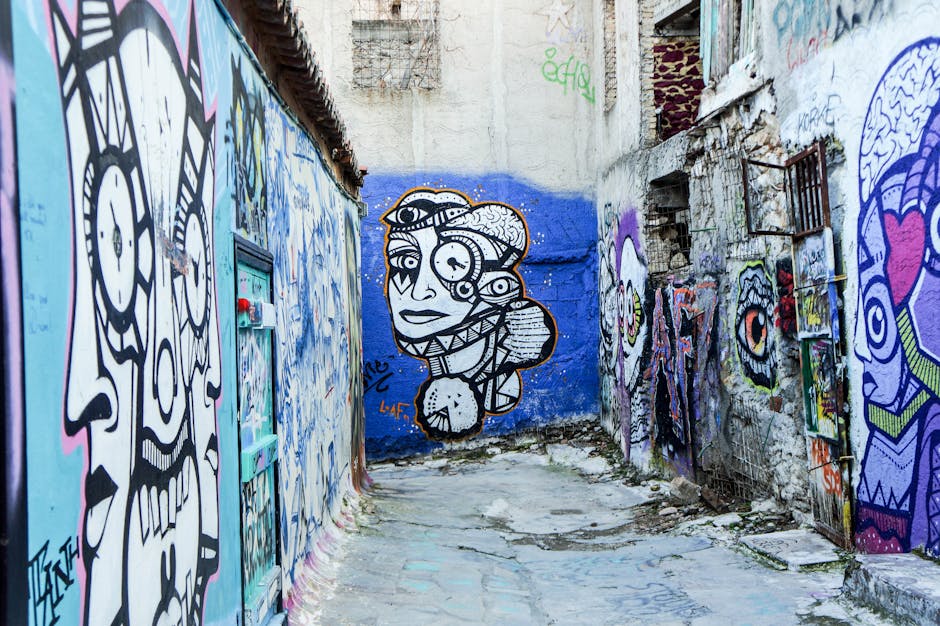
Kapana District — This is the creative heart of Plovdiv, a former industrial zone turned art neighborhood. Converted warehouses now house galleries, studios, and trendy bars. The Art Factory Art Factory (Plovdiv) is a must-visit, with rotating exhibitions and a rooftop bar with panoramic views. Entry is free, but donations are appreciated. The best time to explore is on a weekend evening, when the streets come alive with street performers and live music.
Neboisar District — The most authentic part of the Old Town, Neboisar feels like stepping back in time. Narrow alleys, hidden courtyards, and traditional stone houses with wooden balconies. The Neboisar Museum is housed in a restored merchant house and showcases 19th-century life. Entry is 3 EUR. Wander without a map — the best discoveries are the ones you stumble upon.
Taksim Square — The main square of Plovdiv, Taksim is where locals gather. The Church of St. George stands at one end, and the Statue of the Mother marks the center. It's a great place to people-watch, grab a coffee, or catch a street performance. The City Hall and the Historical Museum are nearby. Entry to the square is free, of course.
What to Eat & Drink
Plovdiv is a food lover's dream, with a mix of traditional Bulgarian cuisine and modern fusion. Start with banitsa 2-3 EUR, a flaky pastry filled with cheese or spinach, best eaten fresh from a local bakery. For lunch, try shopska salad 3-4 EUR — tomatoes, cucumbers, onions, and sirene cheese — with kyufte (meatballs) 5-6 EUR. Don't skip the tarator, a cold yogurt and cucumber soup, perfect for hot days.
Budget travelers can eat well for 5-8 EUR per meal at local mezanii (small restaurants) or street food stalls. Sit-down meals at mid-range restaurants run 10-15 EUR per person, including a main course and a drink. For a special dinner, head to Kapana, where craft beer and gourmet burgers can set you back 15-20 EUR.
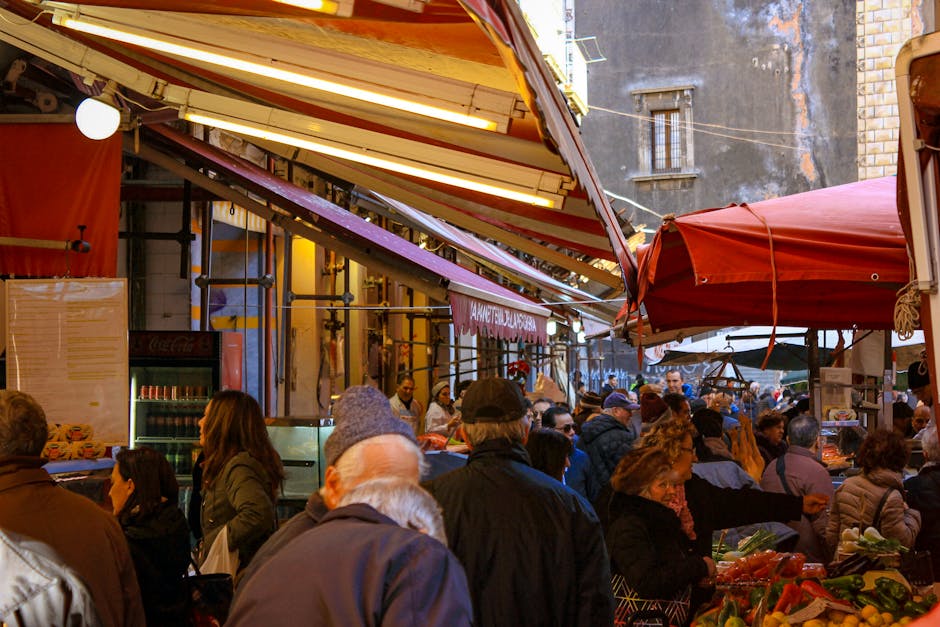
The Plovdiv Central Market Plovdiv Central Market is a must-visit for fresh produce, local cheese, and homemade preserves. It's also a great place to grab a quick, cheap meal — look for the food stalls selling lutenitsa (pepper spread), lukanka (spicy sausage), and banitsa. The Kapana district is the go-to for foodies, with a concentration of trendy cafes, bakeries, and restaurants. Don't miss the Art Factory rooftop bar for cocktails with a view.
Nightlife
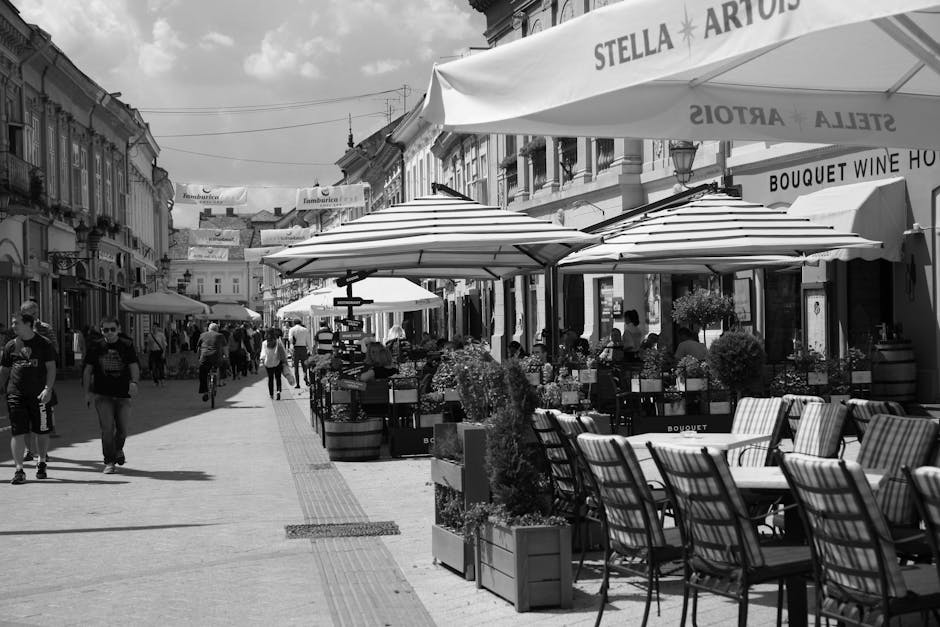
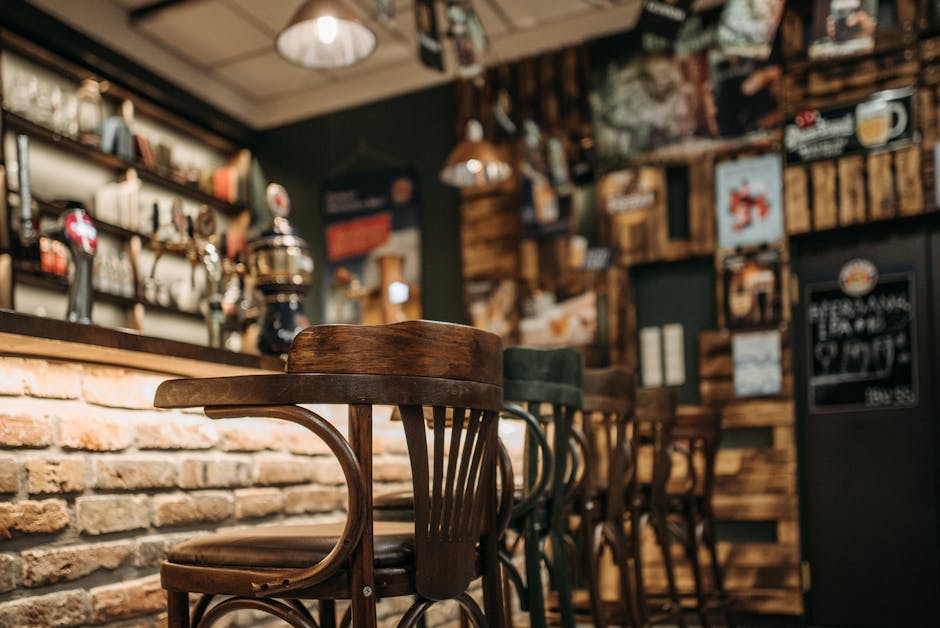
Plovdiv's nightlife is centered around Kapana and the Old Town, with a mix of bars, clubs, and live music venues. Brewery 68 is a popular craft beer bar with a cozy atmosphere and a great selection of local brews. Art Factory hosts live music and DJ sets on weekends, drawing a young, creative crowd. For a more traditional experience, head to Mezane, a small club in the Old Town playing Bulgarian folk and rock music.
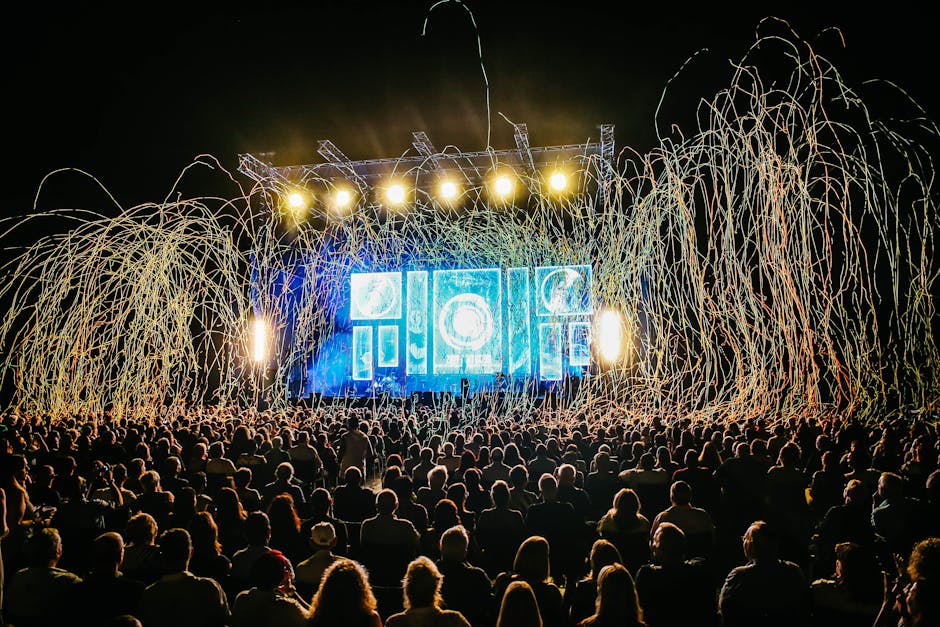
Cover charges are rare, but expect to pay 2-3 EUR for a beer and 3-4 EUR for a cocktail. The nightlife scene is most vibrant from Thursday to Saturday, with events starting around 10 PM and going late. Don't miss the Plovdiv Summer festival, a month-long series of concerts and performances in the Old Town Theatre and other venues.
Getting There & What to Expect
The nearest airport is Plovdiv Airport Plovdiv Airport, with limited international flights. Most visitors fly into Sofia Airport Sofia Airport and take a bus or train to Plovdiv. The journey takes about 2.5 hours by bus or train, costing 5-8 EUR. Taxis from the airport to the city center cost 10-15 EUR.
Accommodation in Plovdiv is affordable. Budget hostels run 10-20 EUR per night, while mid-range hotels in the Old Town cost 40-60 EUR per night. Luxury hotels are available but rare — most travelers prefer boutique guesthouses in the Neboisar district. The best time to visit is between April and October, when the weather is warm and the city is alive with festivals. Summer can be hot, but the Old Town Theatre and Kapana district provide plenty of shade and cool drinks.
Search accommodation in Plovdiv on Booking.com →
The Last Sip
I'm leaving Plovdiv with a headache from the rakia and a heart full of stories. This city doesn't try to impress you — it just exists, on its own terms, with a stubborn pride and a creative spark that you can't fake. The Old Town isn't a theme park; it's a living, breathing place where history and modernity collide in the most beautiful way. If you're looking for a polished, predictable destination, go elsewhere. But if you want a city that surprises you, challenges you, and stays with you long after you've left, Plovdiv is waiting. Just don't expect it to be easy. It's too busy being real.
Comments