


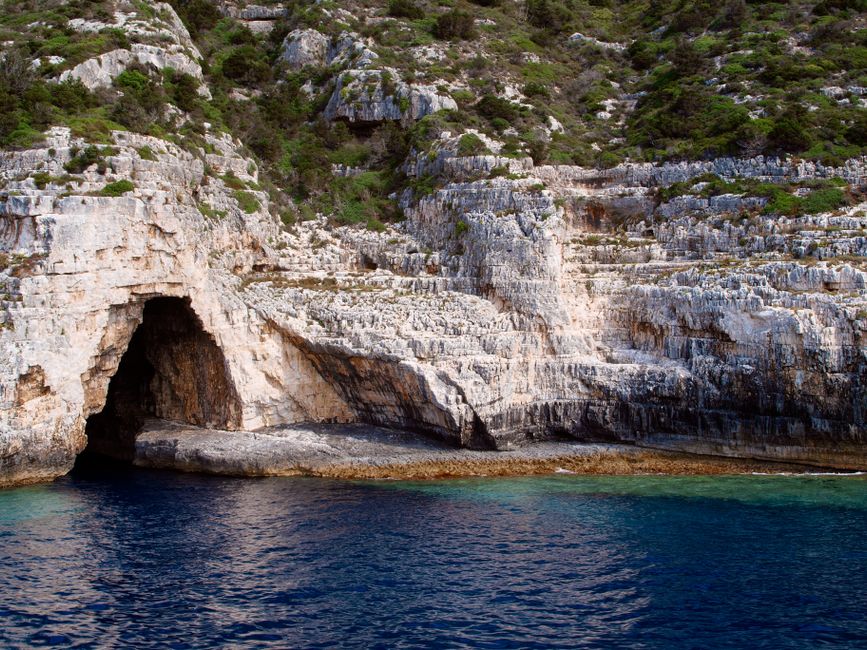
I sat on the plastic hull of a rental kayak at the edge of the concrete launch point in Ploče, Croatia, and stared at the water like it owed me money. The Adriatic here isn't the postcard turquoise you see on Instagram feeds from Hvar. It is a deep, bruised indigo, cold enough to shock the breath out of your lungs if you fall in. The guide, a local guy with a sun-bleached beard and a prosthetic leg from a fishing accident, didn't offer a safety briefing. He just handed me a paddle, pointed toward a jagged gap in the limestone cliffs, and shouted something that sounded like "don't drown." The wind was picking up, whipping the surface into choppy whitecaps, and I realized halfway through the first stroke that this wasn't a leisurely eco-tour. This was a negotiation with the sea.
We were heading for the sea caves of Mljet, a place where the Mediterranean eats its own coastline. The island is technically a national park, which usually means manicured paths and gift shops selling overpriced olive oil. But out here, in the wilder southern and western sectors, the park feels forgotten by the tourism boards. The water is still, the silence is heavy, and the caves are not gentle grottos. They are dark, dripping fissures in the rock, echoing with the slap of waves and the creak of fiberglass. I paddled into the first one, the light fading from blue to gray to absolute black, and for a moment, I wasn't a tourist. I was just a small, soft thing in a hard, ancient world.
The Labyrinth of Stone
Mljet is the southernmost of the larger Croatian islands, a place that feels more like a fragment of Dalmatia's prehistoric past than a modern holiday destination. The western side is dominated by Mljet National Park, a UNESCO Biosphere Reserve that protects two saltwater lakes, Veli Jezero and Maleno Jezero, and the ruins of a 9th-century Benedictine monastery on a tiny islet. But the national park's fame is also its curse. The lakes are packed with day-trippers from Dubrovnik, their glass-bottom boats churning up the silt and turning the serenity into a chaotic ferry terminal. The real Mljet, the one that matters to the paddler, lies away from the lakes, along the rugged southern and western coasts where the cliffs drop straight into the sea.
The sea caves here are formed by millions of years of erosion, where the relentless Adriatic waves have carved tunnels and chambers into the limestone bedrock. They are not the polished, lit-up showpieces of nearby Cavtat. These are raw, unlit, and often narrow. Some are accessible only by kayak, requiring a low tide and a calm sea. Others are too small for any boat, letting in only a sliver of light that illuminates the damp, algae-covered walls. The water inside is often stiller than outside, creating a mirror effect that doubles the sense of enclosure. It is disorienting. Your sense of direction collapses. You are moving through a stone throat, and the only sound is your own breathing and the rhythmic splash of the paddle.
The best caves are found near the village of Okula and the small cove of Uvala Slatina. The Cave of the Dolphins is a local myth; you won't see dolphins, but you might see the reflection of a passing boat in the deep water. The Blue Cave is not to be confused with the famous one in Biševo; this one is smaller, darker, and far less crowded. The Cave of the Wind lives up to its name, with air currents rushing in and out of the tunnel, creating a low, moaning sound that echoes off the walls. It is eerie, beautiful, and completely devoid of the commercial gloss that plagues most of the Croatian coast.
Paddling the Southern Coast
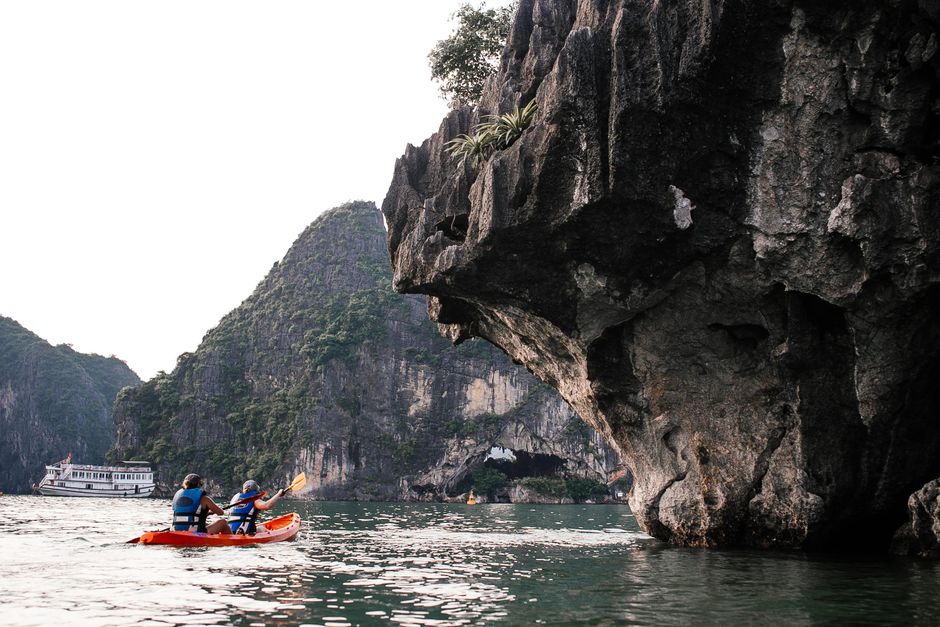
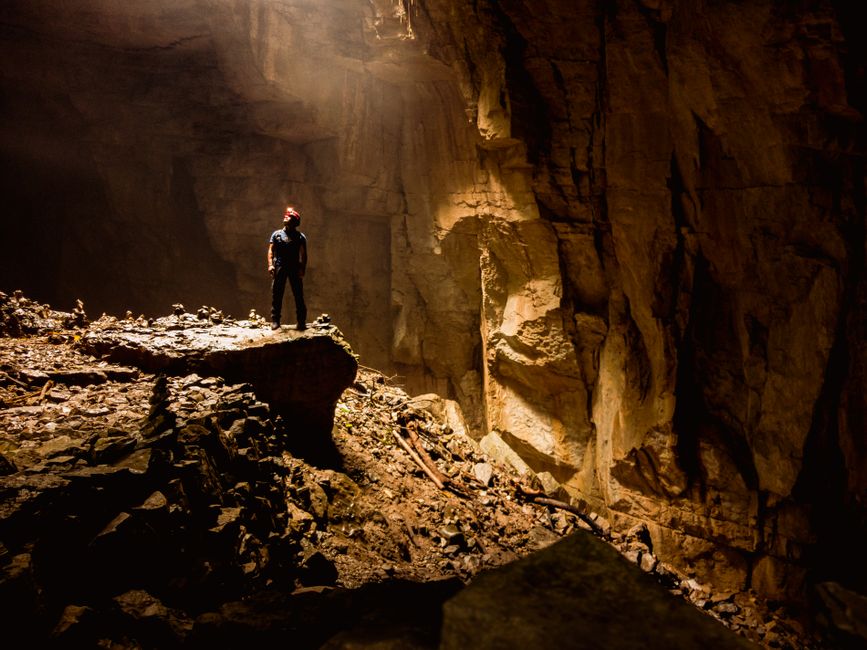
The southern coast of Mljet is where the wildness lives. The water is deeper here, the currents stronger, and the caves more numerous. You can rent a kayak in Ploče or Okula, but the best experience is to take a small boat to the remote coves and launch from there. The water is warm in the summer, but the caves are cold. The temperature drop is sudden and shocking, a reminder that you are not in a swimming pool. The light is low, even at midday, and you need a headlamp if you want to explore the deeper chambers. The walls are slick with algae, and the floor is uneven, littered with rocks and debris. It is not a place for the faint of heart, but it is a place for those who want to feel alive.
The paddle from Ploče to the southern caves is about five kilometers, depending on the wind. It is a steady effort, but the scenery is worth it. The cliffs are high and steep, covered in maquis vegetation — wild olive, juniper, and lavender. The water is clear, and you can see the fish swimming below, darting in and out of the shadows. The caves are scattered along the coast, some easy to find, others hidden behind rocks or in narrow inlets. The key is to look for the dark openings, the places where the light seems to disappear. Once you find one, paddle in slowly, keeping your center of gravity low. The entrance is often narrow, and you need to twist the kayak to fit through. Inside, the world changes. The noise of the wind and waves fades, replaced by a profound silence. The light dims, and the colors shift from blue to green to black. It is a sensory deprivation tank, and it is glorious.
The most impressive cave is the Great Cave, a long tunnel that stretches deep into the cliff. It is wide enough for two kayaks to pass each other, but the ceiling is low, and you need to keep your head down. The water is still, and the air is cool and damp. At the end of the tunnel, there is a small chamber, open to the sky, where light pours in from above. It is a cathedral of stone, and it is completely empty of tourists. You can sit there for hours, listening to the drip of water, watching the fish swim around you, and feeling the ancient weight of the rock pressing in from all sides. It is a place of peace, of solitude, of connection with the natural world. It is the kind of place that changes you, that makes you see the world differently when you return to it.
Routes & Trail Info
The primary route for kayaking the sea caves is a coastal loop starting from Ploče and heading south towards Okula. This is not a marked trail, but a navigational path along the shoreline. The distance is approximately 10 kilometers round-trip, with an estimated duration of 3-4 hours depending on wind and sea conditions. The difficulty is Intermediate. You need basic kayaking skills, the ability to handle choppy water, and a good sense of direction. The sea can be rough, especially in the afternoon when the wind picks up. It is best to go early in the morning, when the water is calm and the light is soft.
There are two main approaches. The first is to paddle directly from Ploče, following the coast south. This route exposes you to the open sea for longer periods, but it offers the best views of the cliffs and the most caves. The second is to take a local boat to Uvala Slatina and launch from there. This is a shorter, calmer route, but it misses some of the more dramatic caves. Both routes require careful navigation. The coastline is jagged, with many rocks and inlets. You need to stay close to the shore, but not too close, to avoid hitting the rocks. A map is essential, and a compass is recommended. GPS is unreliable in the caves, so you need to know your bearings before you enter.
The caves themselves are not marked, and there are no signs or trails. You need to look for them. The entrances are often hidden behind rocks or in narrow inlets. The key is to look for the dark openings, the places where the light seems to disappear. Once you find one, paddle in slowly, keeping your center of gravity low. The entrance is often narrow, and you need to twist the kayak to fit through. Inside, the world changes. The noise of the wind and waves fades, replaced by a profound silence. The light dims, and the colors shift from blue to green to black. It is a sensory deprivation tank, and it is glorious.
Getting There & What to Expect
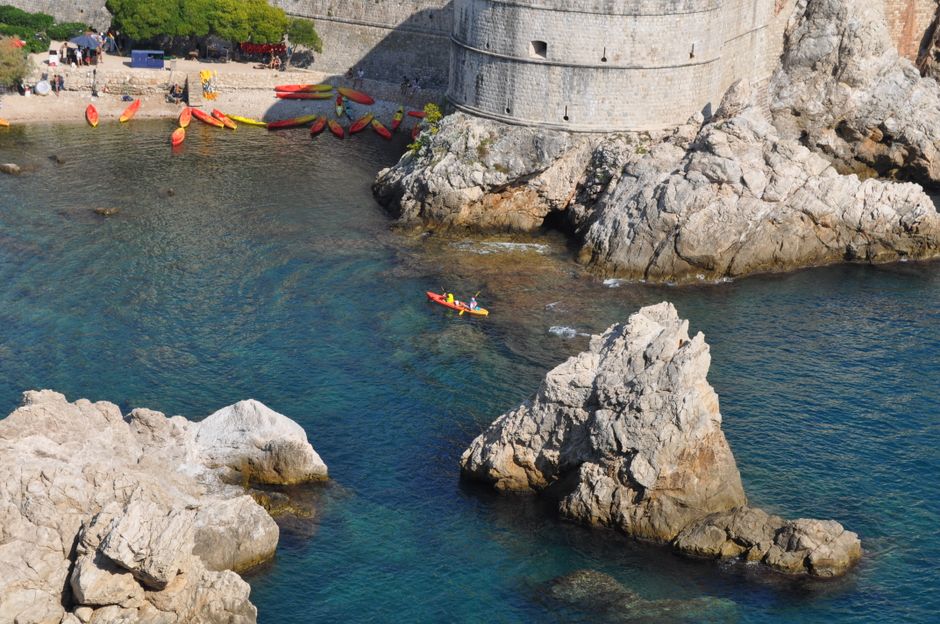
The nearest town with road access is Ploče, a small fishing village on the eastern side of Mljet. You can reach Mljet by ferry from Dubrovnik or Trpanj on the island of Korčula. The ferry from Dubrovnik takes about 2 hours and costs around 30-40 EUR round-trip. The ferry from Trpanj takes about 30 minutes and costs around 10-15 EUR round-trip. Once on the island, you can rent a kayak in Ploče or Okula. A rental costs about 20-30 EUR per hour. You will also need a wetsuit, a life jacket, and a headlamp. These can be rented as well, for an additional 5-10 EUR per item.
Accommodation on Mljet is limited. There are a few guesthouses in Ploče and Okula, ranging from 40-80 EUR per night for a basic room to 100-150 EUR per night for a more comfortable apartment. Camping is not allowed in the national park, but there are a few campsites on the island. The best time to visit is from May to October, when the water is warm and the weather is stable. However, the summer months are crowded, and the sea can be rough. The shoulder seasons of May and October are ideal, with fewer tourists and calmer seas.
Children under the age of 12 are not recommended for this activity. The water is cold, the caves are dark, and the journey requires a level of physical fitness and mental resilience that young children may not have. If you are going with children, choose a shorter, calmer route, and stay close to the shore. Always wear a life jacket, and never paddle alone. The sea is unpredictable, and the caves are dangerous. Respect the water, and it will reward you with an experience that you will never forget.
Search accommodation in Ploče, Croatia on Booking.com →
The Silence After the Stroke
I pulled the kayak onto the pebbled beach at Okula, my arms burning, my back aching, my soul quietly rearranged. The sun was setting, casting long, amber shadows across the water. The guide was waiting for me, smoking a cigarette, looking at the sea with the same intense, unblinking stare he'd had when we started. He didn't ask how it was. He didn't need to. He knew. I sat on the rocks, peeling off my wet gloves, watching the last light fade from the sky. The caves were gone, hidden in the dark, but the silence remained. It was a heavy, tangible thing, pressing against my ears, filling my lungs. I realized then that I hadn't just paddled through stone. I had paddled through time. And for a few hours, I had been part of it, small and soft and alive, in the hard, ancient throat of the world.
Comments