


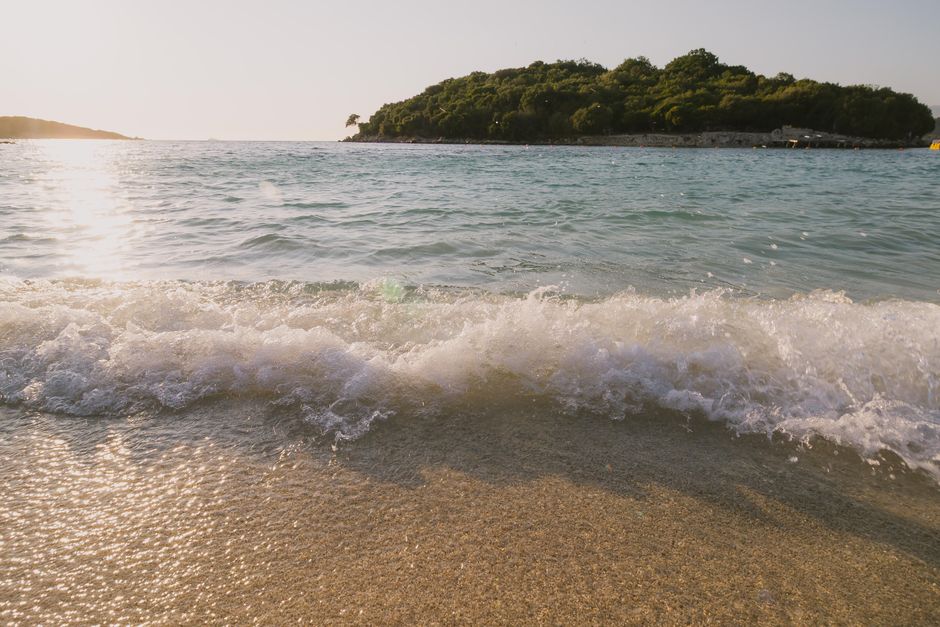
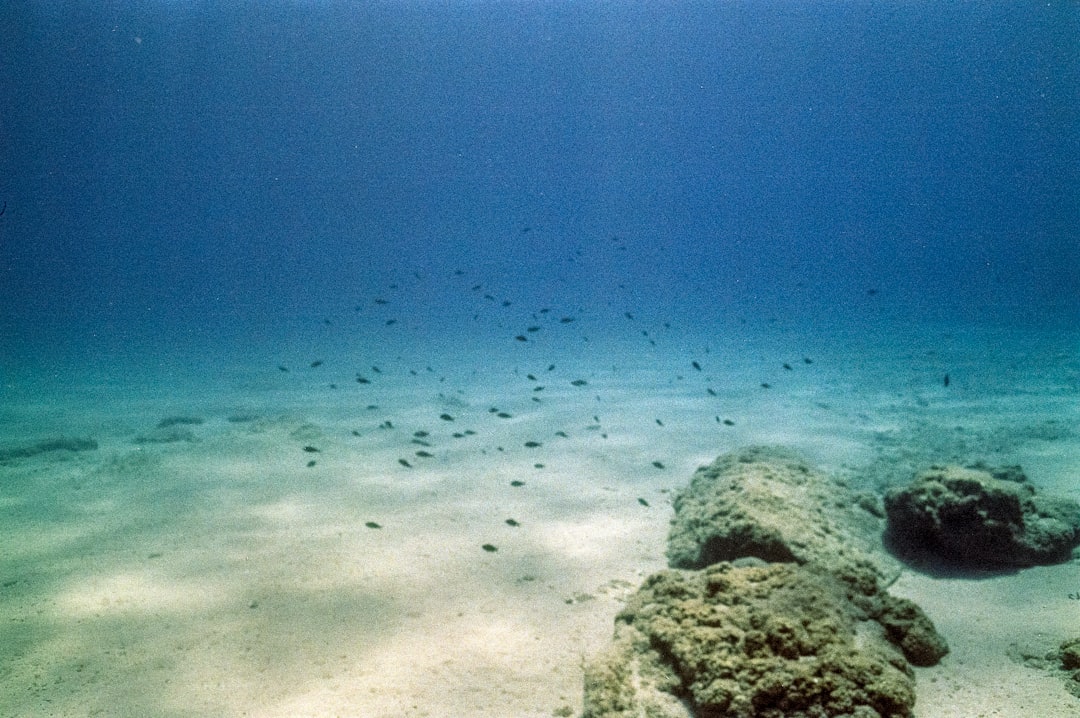
I stood ankle-deep in the Ionian Sea, the water so clear it felt like floating in liquid glass, and stared down at the sand. It wasn't just white. It wasn't just beige. It held a faint, dusty rose hue that seemed to glow under the harsh Albanian sun. A local fisherman in a weathered blue boat drifted by, shouting something about the tides, but I was too busy trying to convince myself I wasn't hallucinating. This is Ksamil, a tiny strip of land at the very bottom of Albania, where the Adriatic meets the Ionian, and the earth itself seems to have a different color palette. The internet calls it a paradise, but standing there, surrounded by a sea of tourists in bright swimsuits and the roar of jet skis, I felt like a detective at a crime scene. What is this sand? Why does it blush?
The truth is, the "pink sand" of Ksamil is a geological whisper, not a shout. It's not the vibrant, coral-crushed pink of the Bahamas. It's a subtle, earthy tint, a mixture of white silica sand and the crushed remains of marine life, specifically red algae and coral fragments, washed up over millennia. To understand it, you have to look past the selfie sticks and dive into the sediment. This isn't just a beach; it's a geological archive of the Mediterranean's slow, grinding history. I spent three days here, digging through the sand, talking to locals, and swimming around the four small islands that dot the coastline, trying to separate the geological fact from the tourist fiction.
History & Identity
Ksamil Ksamil has always been a place of passage. Located on the southern tip of Albania, near the border with Greece, it has been influenced by Greeks, Romans, Venetians, and Ottomans. The name itself is believed to come from the Greek word "Xamili," meaning a place of rest. For centuries, it was a quiet fishing village, largely unknown to the outside world. Its isolation preserved its natural beauty but also kept it economically stagnant. The real shift came in the last two decades, as Albania opened its doors to tourism. The discovery of its crystal-clear waters and unique sand turned a sleepy village into a summer hotspot almost overnight.
The identity of Ksamil is now split. On one side, you have the natural beauty that drew me here — the geological uniqueness, the clear waters, the four islands. On the other, you have the overwhelming tourism infrastructure that has sprung up to serve the masses. The town is a study in contrasts: ancient history and modern commercialism, natural wonder and human intervention. Understanding this duality is key to appreciating the place. The pink sand is a natural gift, but its preservation is a challenge in the face of such intense human activity.
Where to Go
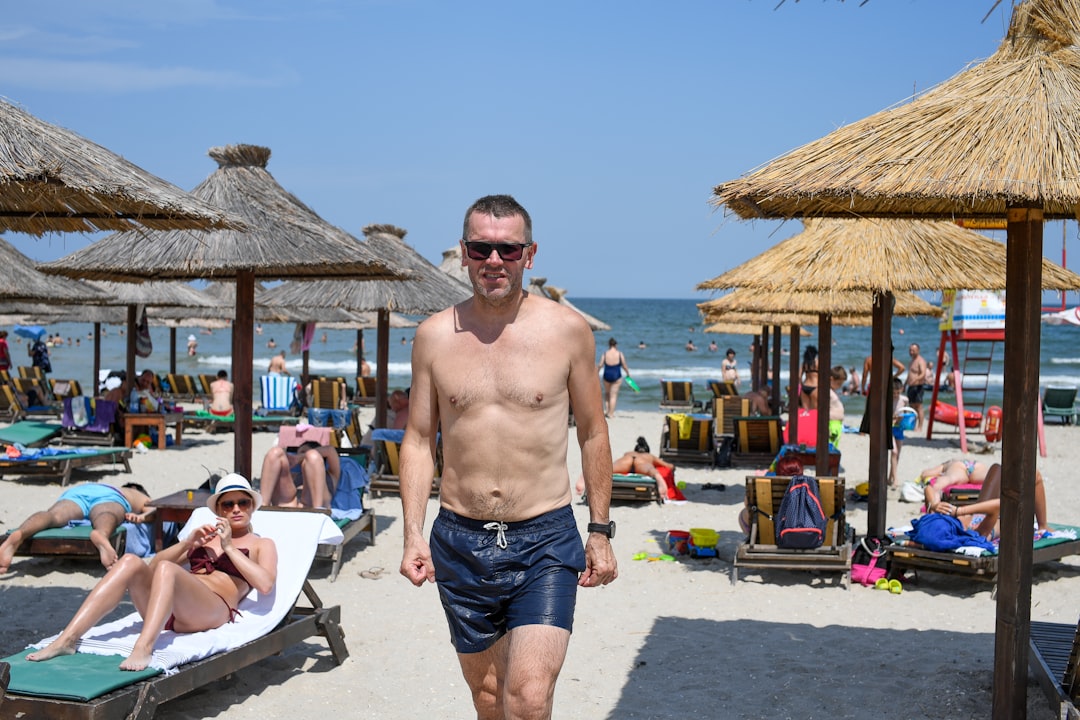
Ksamil Beach — The main beach is a long stretch of white and pink-tinted sand, backed by a row of hotels and restaurants. The water is shallow and incredibly clear, perfect for swimming. The sand here is the most visible for its pink hue, especially in the early morning or late afternoon light. It's crowded, but the geological beauty is undeniable. Entry is free, but parking costs 5-10 EUR per day.
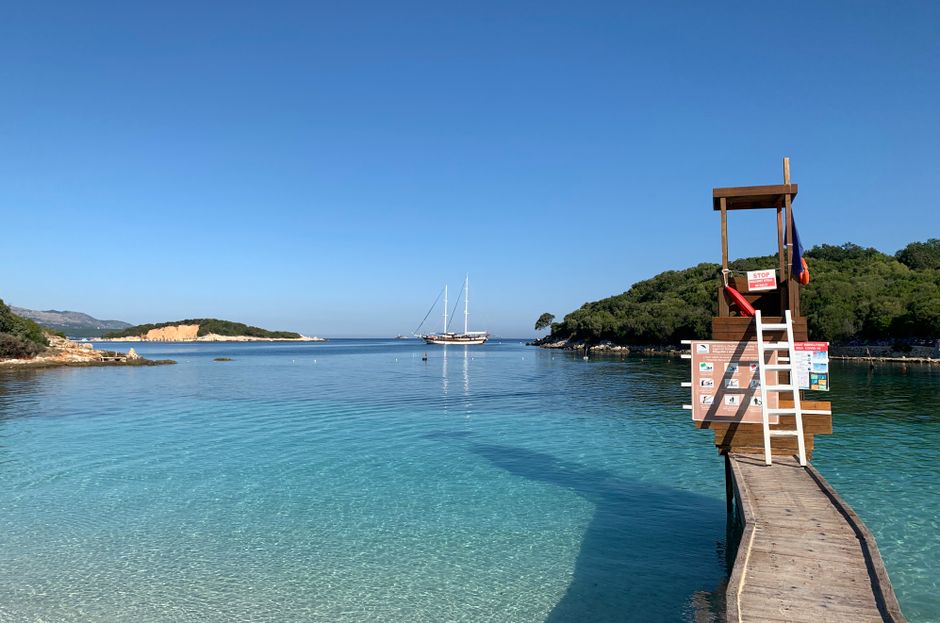
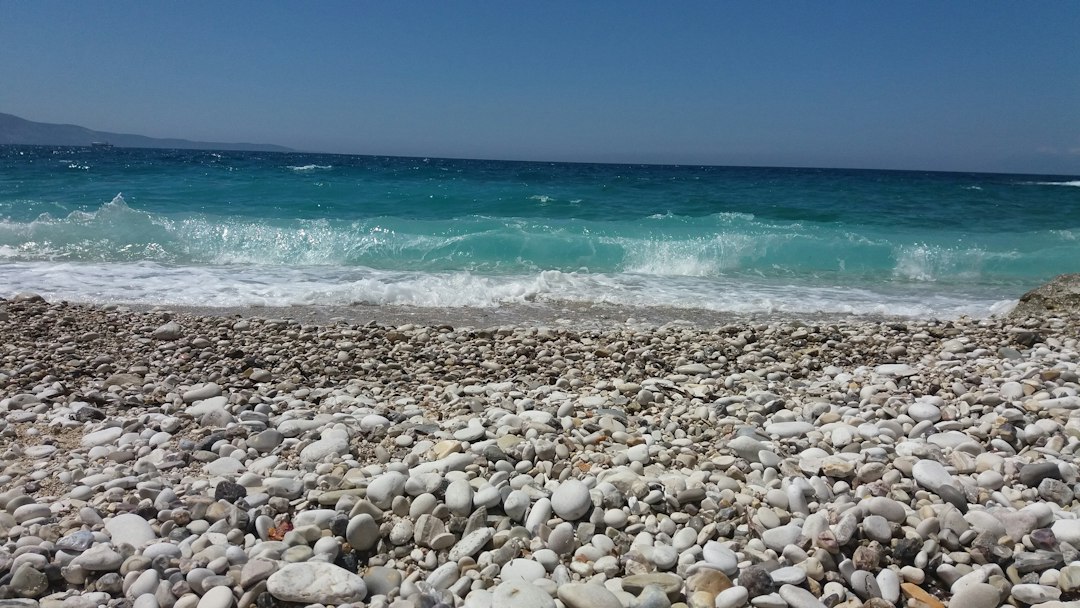
Ksamil Island 1 — The closest of the four islands, just a short swim or boat ride from the main beach. It's small, rocky, and covered in pine trees. The sand here is coarser, with more visible coral fragments. It's a popular spot for swimming and snorkeling. There's no entry fee, but you can rent a boat from the mainland for 20-30 EUR per hour.
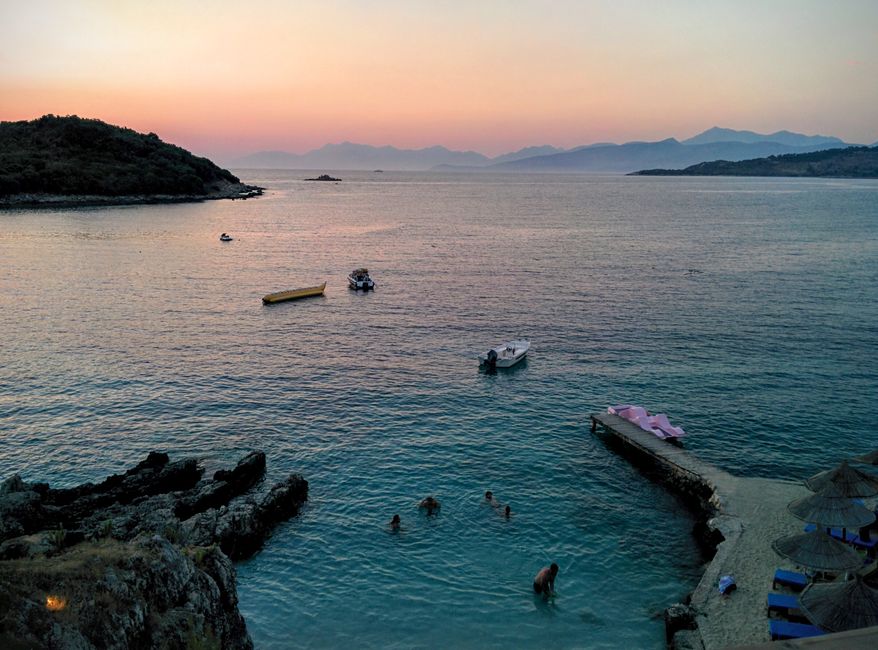
Ksamil Island 2 — A bit further out, this island is slightly larger and has a small beach on its southern side. The sand is finer here, and the water is deeper. It's a good spot for a quieter swim. No entry fee. Boat rental costs 25-35 EUR per hour from the mainland.
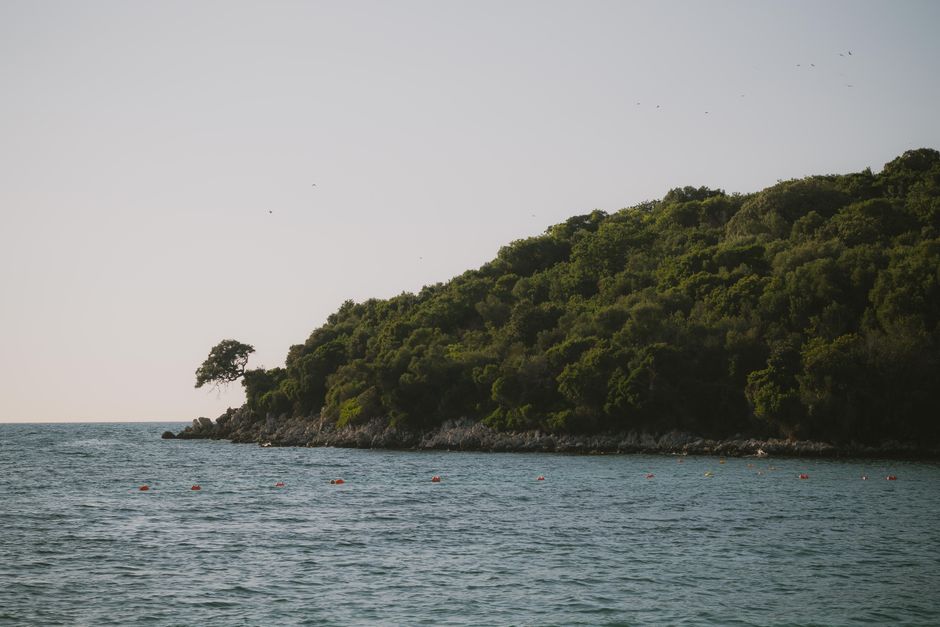
Ksamil Island 3 — The largest of the four islands, it has a small village on it. There's a beach, a few tavernas, and a small church. The sand here is similar to the mainland, but the atmosphere is more relaxed. Entry is free. Boat rental costs 30-40 EUR per hour from the mainland.
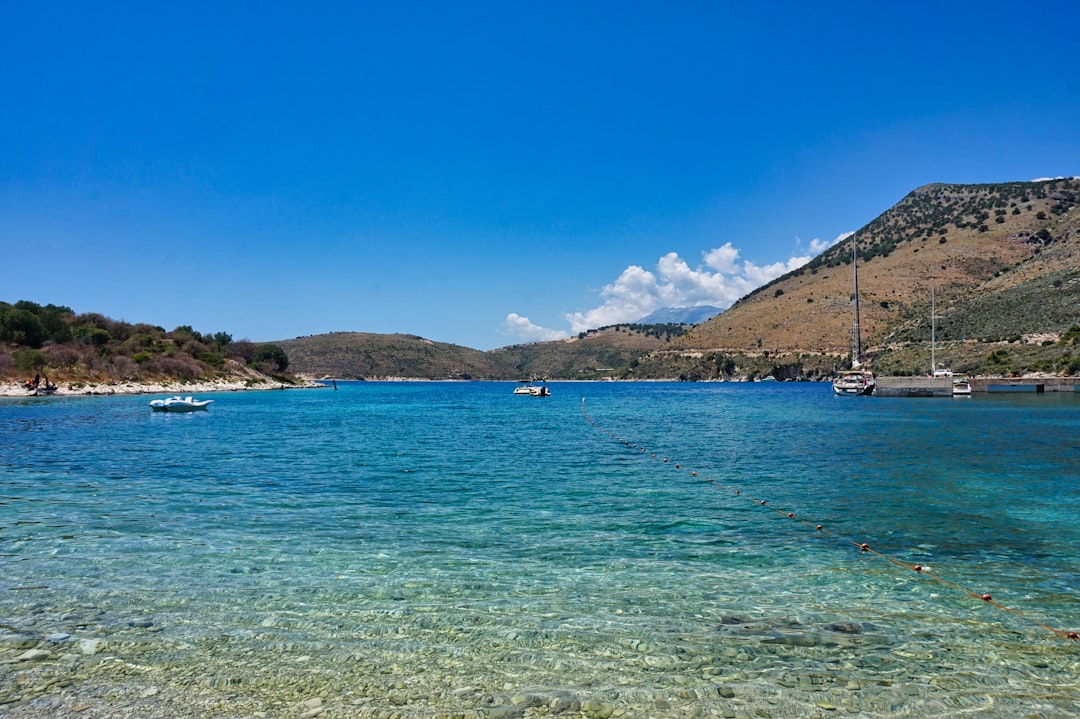
Ksamil Island 4 — The smallest and most remote of the four islands. It's mostly uninhabited and covered in dense vegetation. The sand is minimal, mostly rocks and pebbles. It's a good spot for birdwatching and quiet contemplation. No entry fee. Boat rental costs 35-45 EUR per hour from the mainland.
What to Eat & Drink
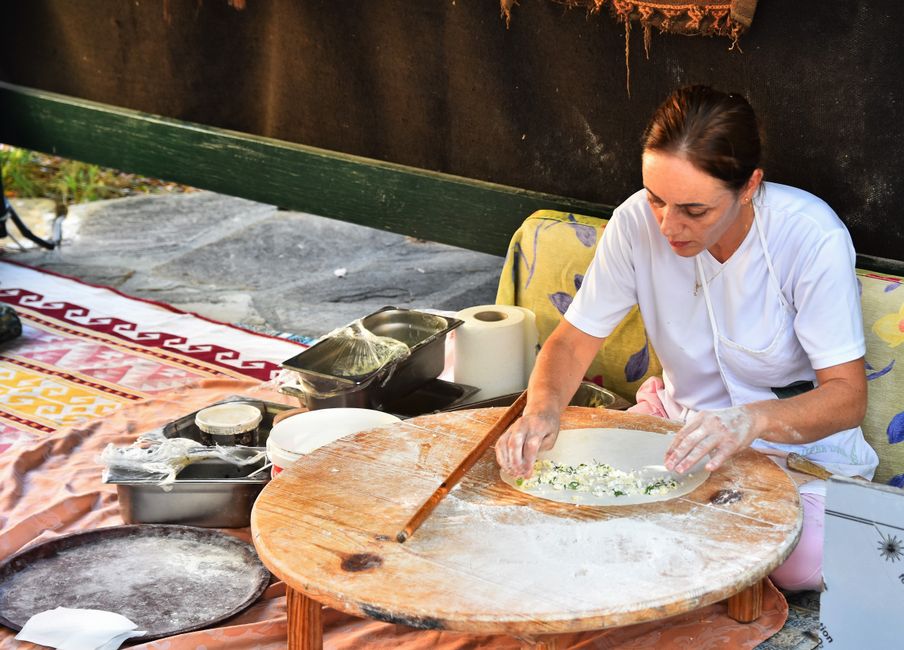
Eating in Ksamil is a mix of traditional Albanian seafood and international tourist fare. The main street is lined with restaurants, many of which offer sea views. Prices are higher than in other parts of Albania due to the tourist demand. A typical meal of grilled fish and fries costs 10-15 EUR. Fresh calamari is 5-8 EUR, and a glass of local wine is 3-5 EUR. For budget travelers, there are a few smaller tavernas that offer simpler dishes like byrek (savory pie) for 2-3 EUR or tapash (mashed potatoes with cheese) for 4-6 EUR.
The main food street is the road leading to the beach, where you'll find a mix of sit-down restaurants and quick-service spots. There's no central market, but you can find fresh fruit and vegetables at small stalls near the town center. For a budget meal, a sandwich or a plate of shepherd's salad (tomatoes, onions, feta) will cost 3-5 EUR. If you want to splurge, a seafood platter for two can run 30-50 EUR.
Nightlife
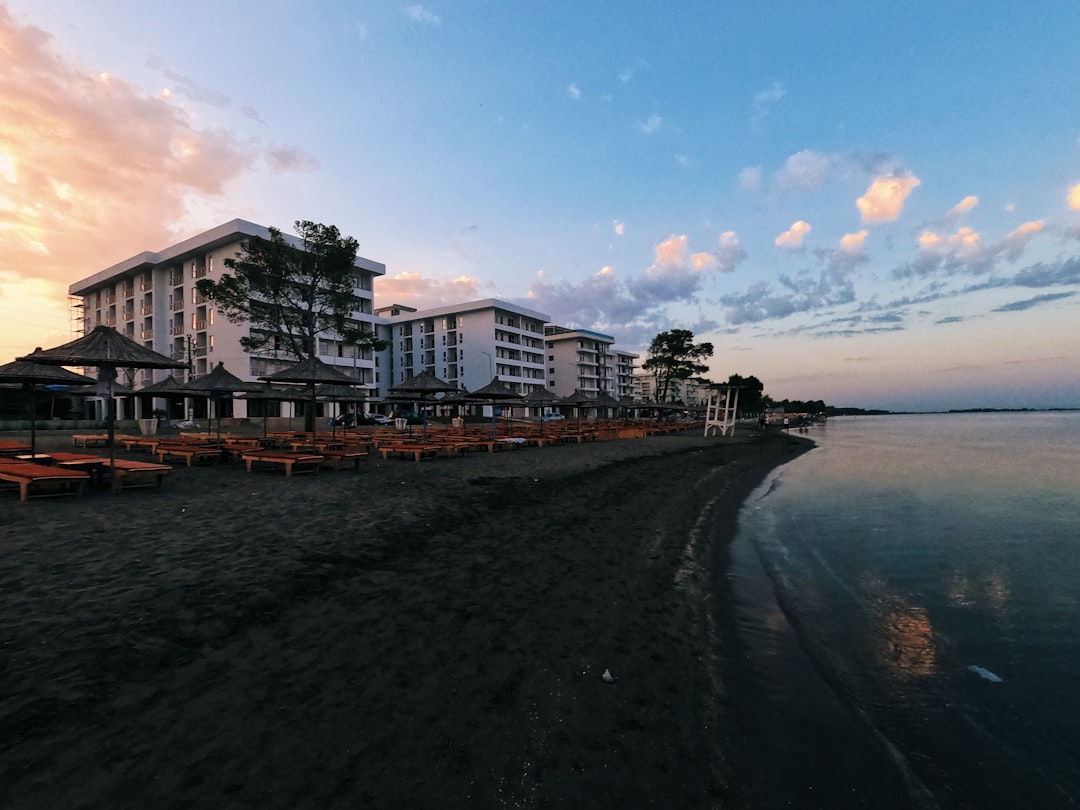
Nightlife in Ksamil is centered around the main beach and the adjacent street. There are several bars and clubs that cater to tourists, with music ranging from pop to electronic. The atmosphere is lively, especially in July and August. Cover charges are rare, but drinks are expensive. A beer costs 3-5 EUR, and a cocktail is 5-8 EUR. The main bars are located on the beachfront, where you can dance on the sand or sit by the water. Some of the more popular spots include Ksamil Beach Club and Blue Bay Beach Bar, which offer DJs and live music on weekends.
Getting There & What to Expect
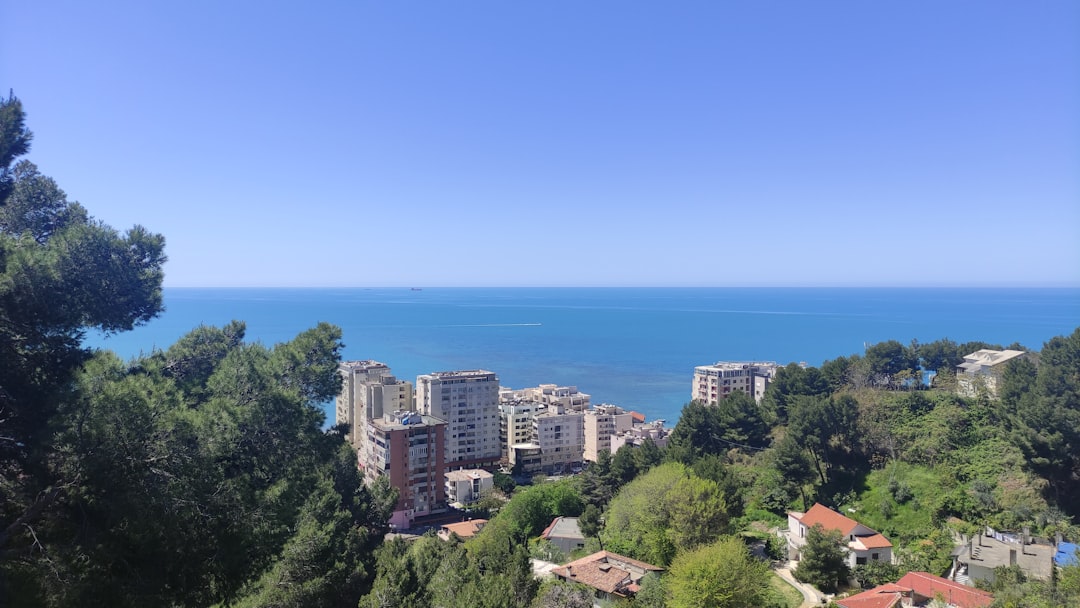
The nearest major city is Sarandë Sarandë, about 15 km north. You can get there by bus or taxi from Tirana Tirana or Durres Durrës. Buses from Tirana take about 4-5 hours and cost 10-15 EUR. Taxis are more expensive, around 50-70 EUR. From Sarandë, it's a short 15-minute taxi ride or a local bus for 1-2 EUR. The nearest airport is Korçë International Airport Korçë International Airport, about 100 km away, but most tourists fly into Igoumenitsa in Greece and cross the border by bus or car.
Accommodation in Ksamil ranges from budget hostels to luxury hotels. A dorm bed in a hostel costs 15-25 EUR per night, while a private room is 30-50 EUR. Mid-range hotels are 50-100 EUR per night, and luxury resorts can cost 150-300 EUR or more. The best time to visit is May to October, with July and August being the most crowded. If you want to avoid the crowds, visit in May or September.
Search accommodation in Ksamil on Booking.com →
The Dust That Remains
As the sun dipped below the horizon on my last night in Ksamil, the pink hue of the sand seemed to intensify, glowing like embers. The tourists had thinned out, the jet skis were silent, and the only sound was the gentle lapping of the waves. I walked back to my hotel, my feet still tingling from the cold water, and realized that the pink sand was more than just a geological curiosity. It was a reminder of the slow, patient work of nature, and the fleeting nature of human presence. We come, we take our photos, we buy our souvenirs, and we leave. But the sand remains, quietly shifting, quietly telling its story. Ksamil is a place of beauty, but it's also a place of tension — between nature and tourism, between preservation and exploitation. Whether it survives as a paradise or succumbs to commercialism remains to be seen. But for now, the sand still blushes, and that's enough.
Comments