


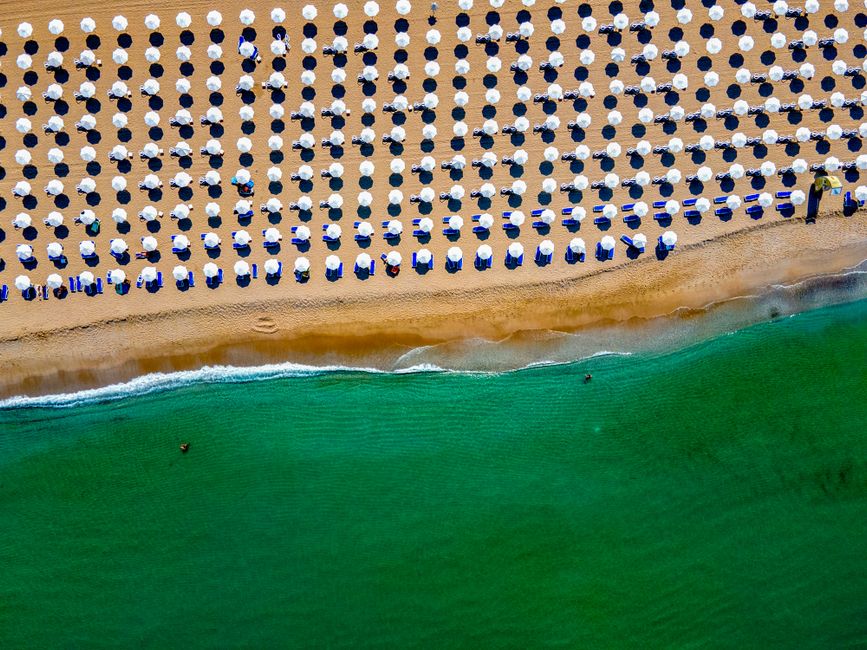
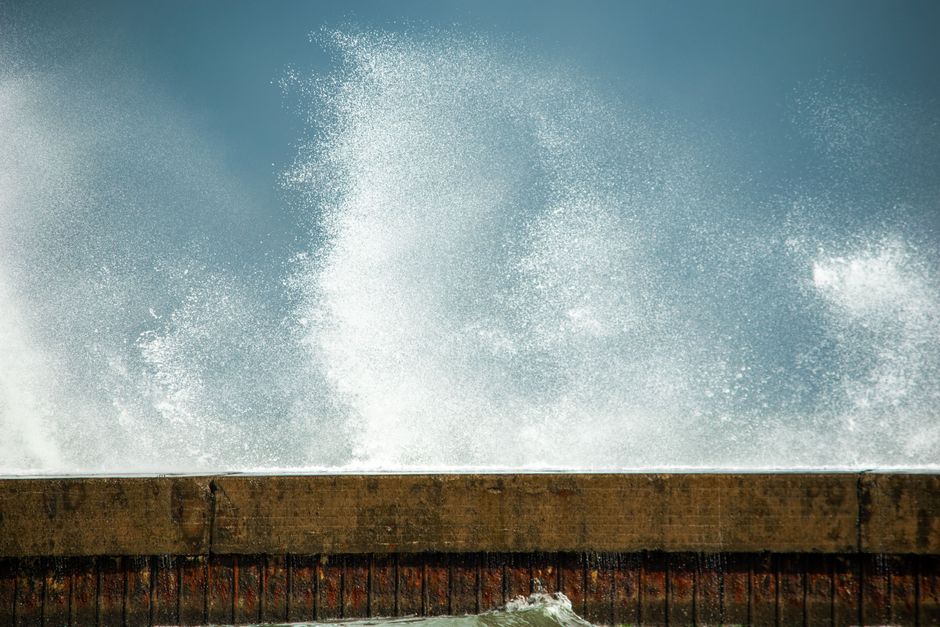
The wind didn't just blow; it screamed. It was a raw, mechanical shriek that tore through the cheap plastic windows of my third-floor apartment in Golden Sands, rattling the glass until my teeth hurt. Outside, the Black Sea wasn't swimming; it was attacking. Waves the size of buses slammed into the sea wall, sending plumes of grey spray high into the air, vanishing into the curtain of rain that lashed the coastline. I stood there, holding a lukewarm coffee, watching the sky turn a bruised purple. This wasn't the postcard version of Bulgaria's coast. This was the raw, untamed edge of Europe, where the weather doesn't ask for permission to ruin your plans. I had come for the sun and the cheap beer, but I stayed for the storm. It was the most alive I had felt in years.
Most tourists flee when the barometer drops. They pack their bags and head back to the comfort of Sofia or the safety of Varna. But there is a strange, magnetic pull to watching nature lose its temper. In the Balkans, we are used to extremes — the scorching summers of the Thracian plain, the freezing winters of the Rila mountains. But the Black Sea coast has a volatility all its own. It is a semi-enclosed sea, prone to sudden, violent shifts in pressure. When a low-pressure system slams into the coast, it brings with it a chaos that feels almost personal. The boardwalks empty out. The beach bars lock their shutters. And you are left alone with the ocean.
History & Identity
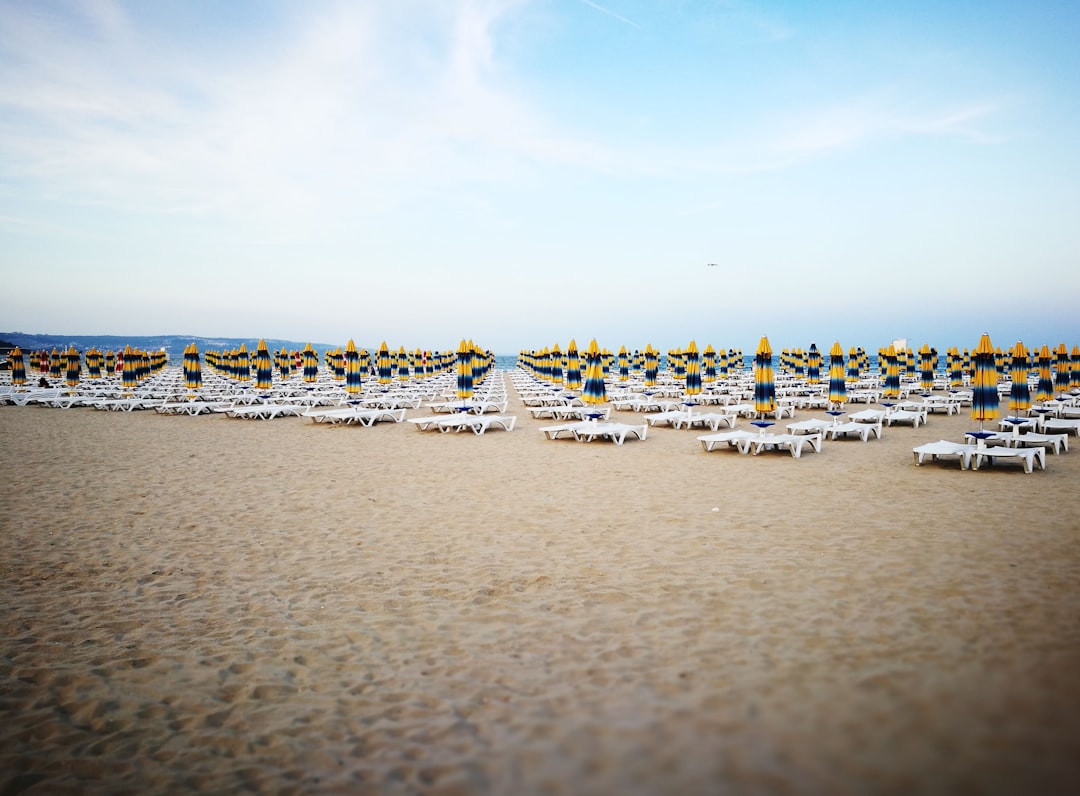
The history of this coast is written in salt and shipwrecks. Long before it became the playground for Eastern Europe's mass tourism, Golden Sands Golden Sands was a rugged stretch of shoreline known to fishermen and smugglers. The name itself, Zlatni Pyasatsi, is a bit of a misnomer during a storm. The sand is not gold; it is a dark, coarse grit that turns to mud under the deluge. The area's identity is tied inextricably to the sea. For centuries, the Black Sea was a barrier and a highway, connecting the Bulgarian interior to the wider world. But it was a dangerous one. The lack of natural harbors along this straight stretch of coast meant that sailors had to rely on luck and skill to navigate the approaches to Varna.
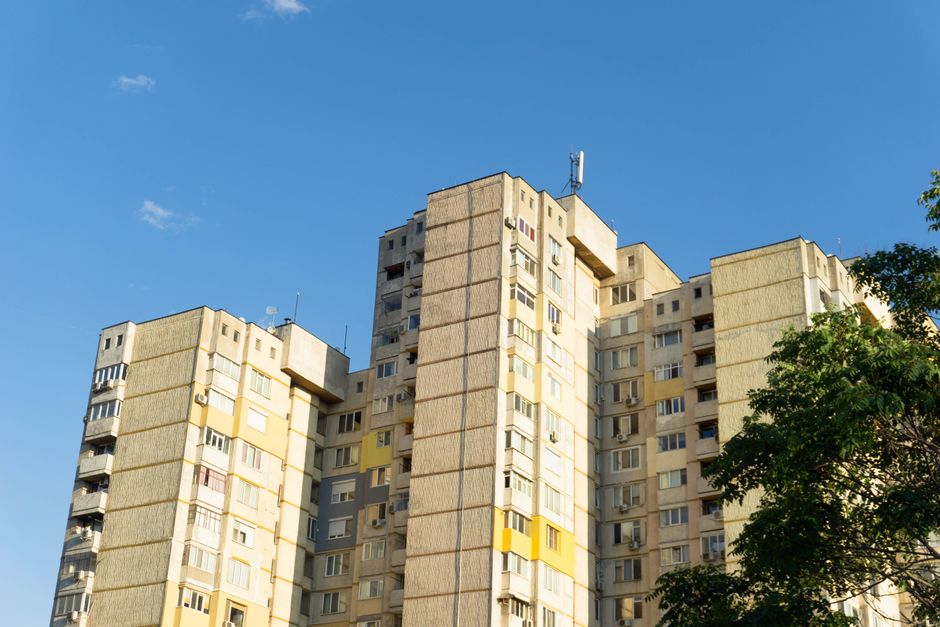
The modern identity of Golden Sands was forged in the 1960s and 70s, during the communist era, as a state-run resort designed to bring in hard currency. It was built with brutalist efficiency — long, low-rise apartment blocks, wide avenues, and a massive sea wall to protect the developments from the very storms that now rage outside. The architecture is a testament to an era that believed it could tame nature. But the sea always wins. The sea wall, a concrete beast stretching for kilometers, is pummeled nightly by the waves. It holds, but barely. The identity of the place is this tension: the rigid, grid-like order of human planning versus the chaotic, fluid power of the ocean. It is a place where the artificial meets the elemental, and the elemental usually laughs.
Where to Go
The Sea Wall Promenade — This is the front line. When the storm hits, this is the only place to be. The promenade is wide, paved, and usually crowded with joggers and families. During a gale, it is deserted. Walk along it, and you can feel the vibration of the waves hitting the concrete below. It is a stark, dramatic sight. There is no entry fee, but you will pay in soaked clothes and windburn. The best time to visit is when the barometer is lowest. The views of the churning grey water are intense and unforgettable.
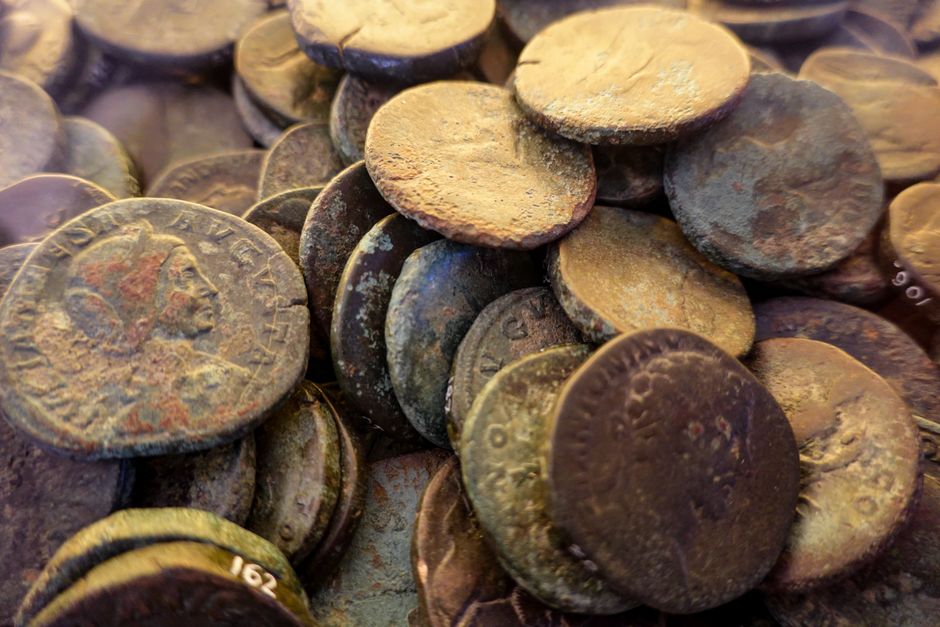
Varna Archaeological Museum — If the weather becomes too dangerous to stay on the coast, retreat to the capital of the Black Sea, Varna. The museum houses the Varna Necropolis, the oldest gold treasure in the world. It is a sobering contrast to the chaos outside. Here, you are looking at history that has survived thousands of years of storms, wars, and empires. The gold glitters in the dim light, a silent witness to the region's long past. Entry is around 5-8 EUR. It is a must-visit for anyone wanting to understand the depth of Bulgarian civilization.
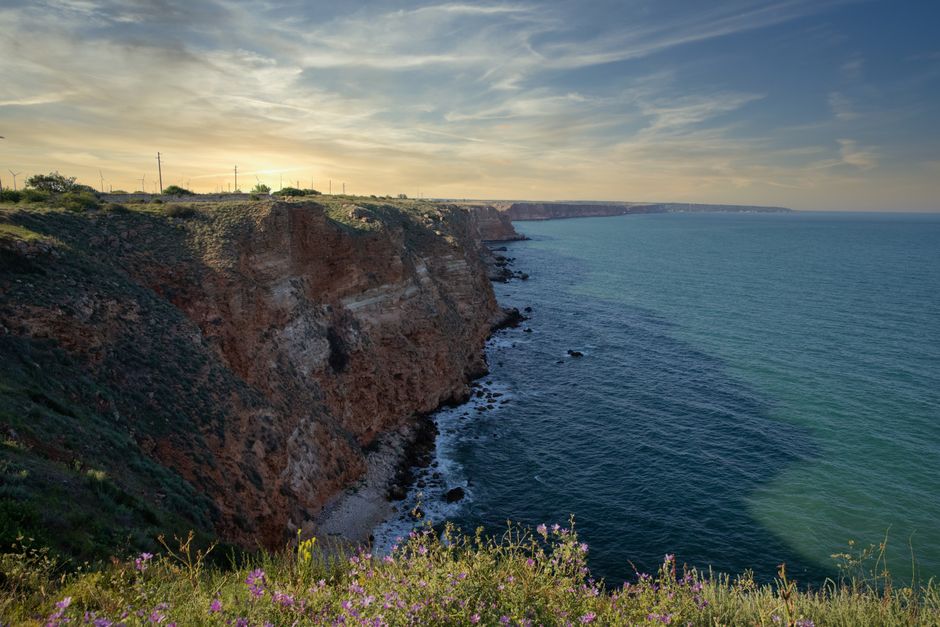
The Lighthouse at Cape Kaliakra — A short drive north, you will find Cape Kaliakra, a dramatic cliff that plunges into the sea. The lighthouse there is a sentinel against the dark. It is a place of legends and shipwrecks. The wind is even stronger here, whipping off the open water. The views are stark and beautiful, with the sea crashing against the cliffs below. It is a place for contemplation and awe. There is a small fee to enter the cape, around 2-4 EUR. The road there can be dangerous in bad weather, so check conditions before heading out.
What to Eat & Drink
When the wind is howling, you need comfort food. Bulgarian cuisine is hearty and designed to warm you from the inside out. Forget the light salads and seafood platters that dominate the summer menus. You want banitsa — a flaky pastry filled with eggs and white cheese. It is cheap, filling, and perfect for a cold morning. You can find it at any local bakery or pekarnitsa. A portion costs around 2-3 EUR. Pair it with a strong black coffee or a hot tea, and you will feel the chill recede.
For a main meal, head to a local tavern, or mehana. Order kyufte — small meatballs made from beef and spices, served with bread and salad. They are dense, flavorful, and satisfying. A plate with bread and salad will set you back 6-9 EUR. If you want something heavier, try shopska salata with grilled meat. The fresh tomatoes, cucumbers, and peppers provide a crunch that contrasts with the soft meat. Don't forget the rakia. This fruit brandy is the national drink of Bulgaria. It is strong, clear, and burns going down. A small glass costs 2-4 EUR. It is the perfect way to warm up after a walk in the storm. Drink it slowly, and you will feel the warmth spread through your chest.
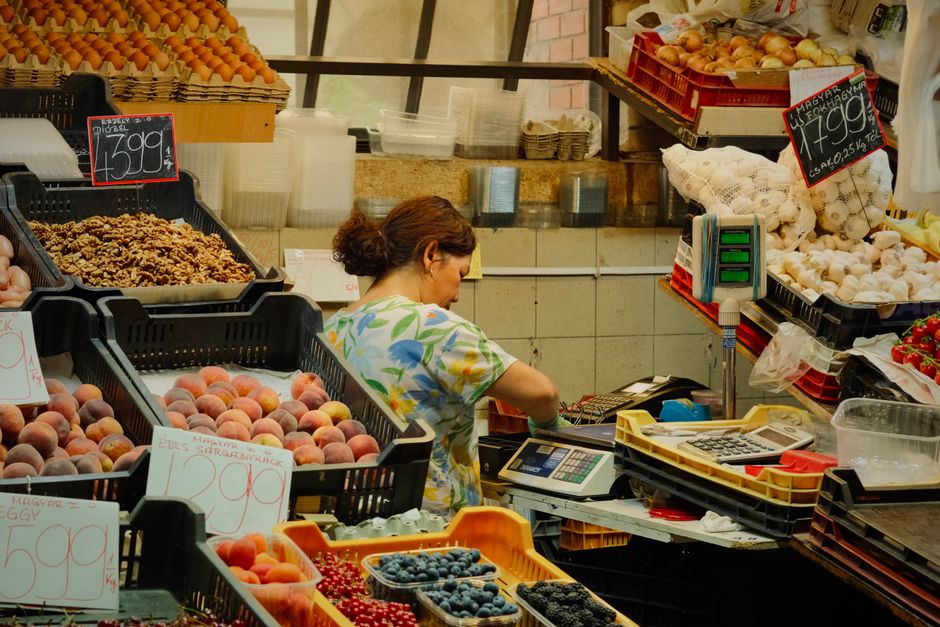
For budget travelers, the local markets in Varna and Golden Sands offer fresh produce and ready-made foods. You can buy fresh bread, cheese, and fruit for under 5 EUR. There are also several fast-food chains and kiosks that offer burgers and fries for 4-7 EUR. If you are staying in an apartment, cooking your own meals is an option. The supermarkets are well-stocked and prices are reasonable. A loaf of bread is 1-2 EUR, and a liter of milk is 1.50-2 EUR. You can eat well on a tight budget if you know where to look.

Nightlife
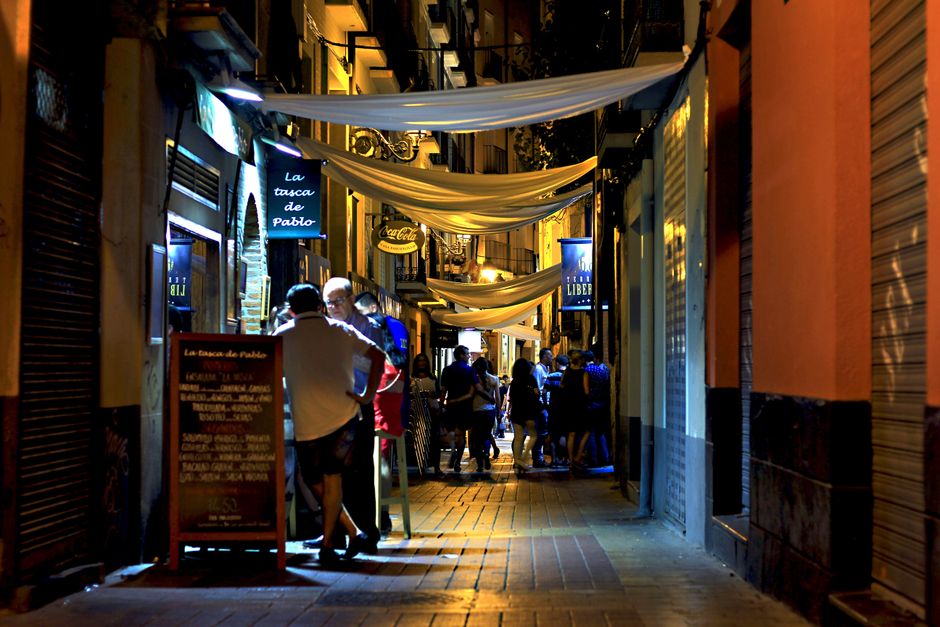
When the storm hits, the nightlife changes. The beach clubs and open-air bars close their doors. The party moves indoors. In Golden Sands, the main strip of bars and clubs is along the central avenue. Even in bad weather, some places stay open. The atmosphere is different, though. It is more intimate, more intense. The patrons are a mix of locals and tourists who have decided to make the best of a bad situation. The music is loud, the drinks are cheap, and the energy is high. It is a way to escape the gloom outside.
One of the most popular spots is Bar 100, a lively venue known for its cocktails and live music. It has a cozy interior with comfortable seating and a warm ambiance. The cover charge is minimal, around 2-4 EUR, and drinks are reasonably priced. Another option is Club Delfin, which stays open late and attracts a younger crowd. The music is electronic, and the dancing is energetic. It is a place to let loose and forget about the storm outside. The cover charge is higher, around 5-10 EUR, but it includes a drink. Both venues are well-lit and safe, making them good choices for a night out in bad weather.
If you prefer a quieter evening, there are several cafes and wine bars that offer a more relaxed atmosphere. Cafe Luna is a popular spot for coffee and cake. It has a warm, inviting interior with soft lighting and comfortable seating. The coffee is excellent, and the pastries are fresh. It is a perfect place to sit and watch the rain fall outside. Another option is Wine Bar Varna, which offers a wide selection of Bulgarian wines. The staff is knowledgeable and helpful, and the atmosphere is sophisticated and relaxed. It is a good place to unwind and enjoy a glass of wine after a long day.

Getting There & What to Expect
Getting to Golden Sands is straightforward. The nearest airport is Varna Airport, which has connections to major European cities. From the airport, you can take a bus or taxi to Golden Sands. The bus takes about 45 minutes and costs around 5-7 EUR. A taxi is faster, taking about 30 minutes, but it is more expensive, costing 20-30 EUR. If you are coming from Sofia, you can take a bus or train to Varna, and then a connecting bus to Golden Sands. The journey takes about 5-6 hours. The bus from Sofia costs around 15-20 EUR. The train is slower but offers a scenic route through the Bulgarian countryside.
Accommodation in Golden Sands is affordable. Budget hostels and guesthouses start at 15-25 EUR per night. Mid-range hotels cost 40-70 EUR per night. Luxury resorts can cost 100-200 EUR or more. The best time to visit is during the summer, from June to September. The weather is warm and sunny, and the beaches are crowded. However, if you want to see the coast in a different light, visit in late autumn or early spring. The storms are more frequent, and the crowds are gone. It is a more authentic experience, but you need to be prepared for the weather. Bring warm clothes, sturdy shoes, and a good sense of adventure.
Search accommodation in Golden Sands on Booking.com →
The Eye of the Gale
As the night wore on, the storm reached its peak. The wind was so strong that I could barely stand on the balcony. The rain was horizontal, stinging my face like sand. I went back inside and pulled the curtains closed. The apartment was dark, lit only by the occasional flash of lightning. It was a primal moment. I was alone, thousands of miles from home, in a room that was shaking from the force of the wind. And I felt alive. Not the curated, Instagram-ready alive. The raw, visceral alive. The kind that comes from being small in the face of something huge and indifferent.
In the morning, the storm had passed. The sky was clear, and the sun was shining. The sea was calm, almost apologetic. I walked out onto the promenade, which was littered with debris — branches, trash, and broken umbrellas. The sand was clean and wet. The air smelled of salt and ozone. It was a different world. The storm had scrubbed the coast clean, leaving it raw and new. I bought a coffee and a banitsa from a nearby bakery and sat on a bench, watching the gulls circle overhead. They were undisturbed, confident in their mastery of the air. I took a bite of the pastry, warm and flaky, and smiled. The storm had given me something I couldn't buy — a memory of the wild, untamed edge of the world. And that, I knew, was worth every drop of rain.
Comments