


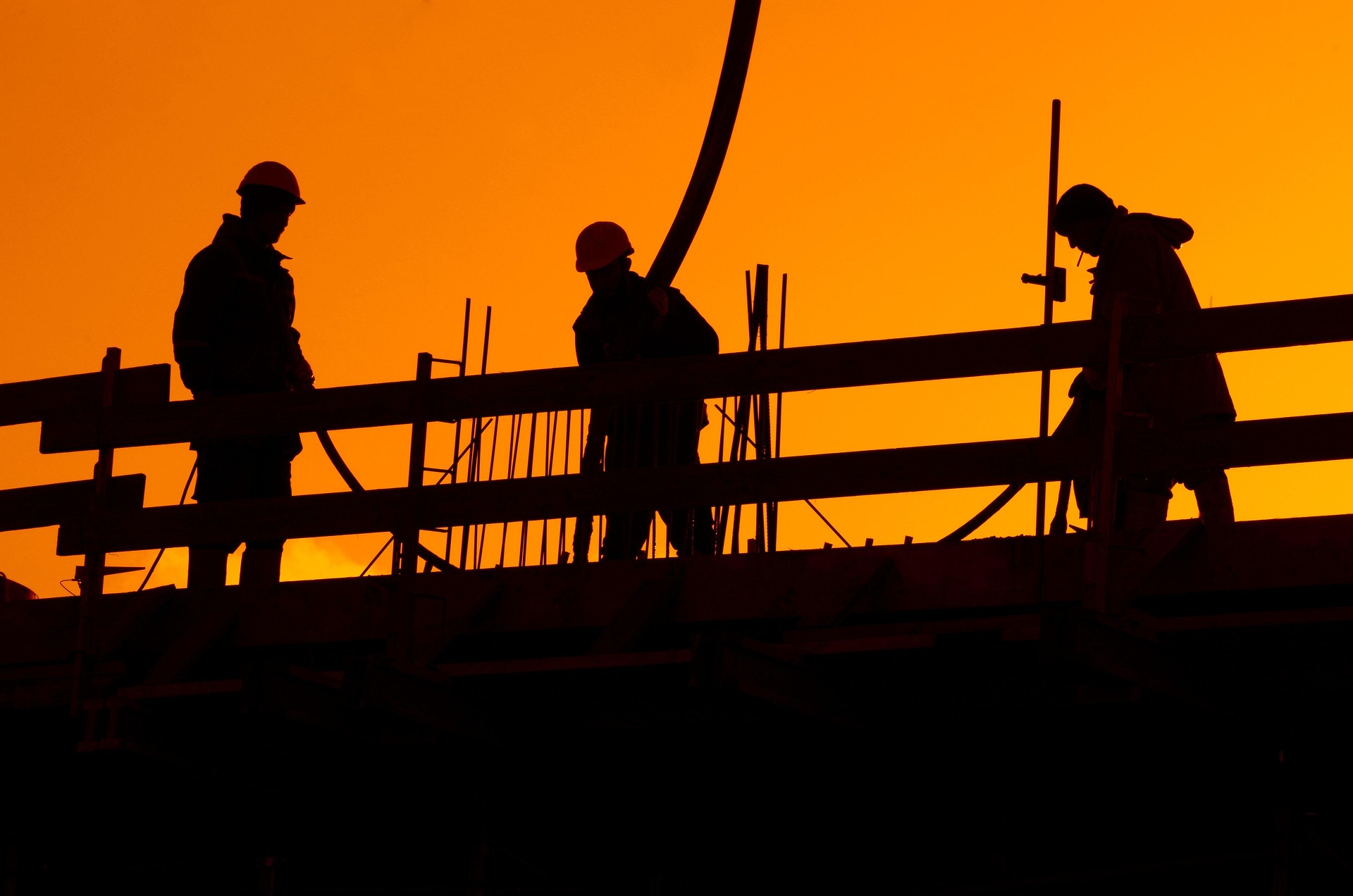
May 23, 2026 – The Croatian coastline is undergoing a construction boom, with cranes becoming as common as palm trees. This surge in development, from Istria to southern Dalmatia, raises questions about overdevelopment and its effects on the environment and local communities.
Tourism and Investment Drive Development
New apartment blocks, villas, and tourism developments are sprouting along the Adriatic, from major destinations to smaller coastal towns. This development is fueled by tourism demand, foreign investment, and rising property values. Investors and local governments find construction economically attractive because tourism property generates strong demand and high returns. In many coastal areas, real estate development has become a dominant economic activity.
Foreign buyers, particularly from Germany, Austria, Slovenia, and other European countries, remain active in Croatia’s coastal property market, especially in Istria and Dalmatia. These buyers seek second homes, investment apartments, and lifestyle relocation properties near the sea. As a result, new projects continue even as prices rise sharply beyond average Croatian purchasing power.
Controversial Impact on Local Character and Infrastructure
The rapid pace of construction is becoming increasingly controversial. Critics argue that it is changing the visual character of towns and risking the loss of traditional architectural identity. Residents in some coastal communities argue that uncontrolled expansion is turning parts of the Adriatic into generic real estate zones rather than preserving local character. This tension is especially visible in smaller towns where new development dramatically alters previously quiet landscapes.
The construction boom also creates practical pressure on Croatia’s old and often unequipped infrastructure. Roads, parking systems, waste collection, water supply, and electricity infrastructure often struggle to expand at the same speed as tourism and real estate growth. Concerns are valid that some coastal areas are approaching infrastructure limits during peak summer periods.
Critics argue that long-term planning is not always keeping pace with private development. Part of the challenge is that Croatia’s economy remains deeply connected to tourism and property investment. Construction generates jobs, tax revenue, and local economic activity, making restrictions politically sensitive. Many municipalities actively support development because tourism-related real estate represents one of the fastest ways to increase local income. Balancing economic growth with environmental and urban sustainability becomes extremely difficult.
Beyond urban appearance, environmental pressure is becoming a major issue in the face of construction along the Croatian coast. Coastal construction seriously affects green areas, water systems, natural landscapes, and public access to the sea. Croatian environmental discussions are focused on whether parts of Croatia’s glorious coastline and islands are being lost to overdevelopment.


nah, looks like another tourist trap in the making...