


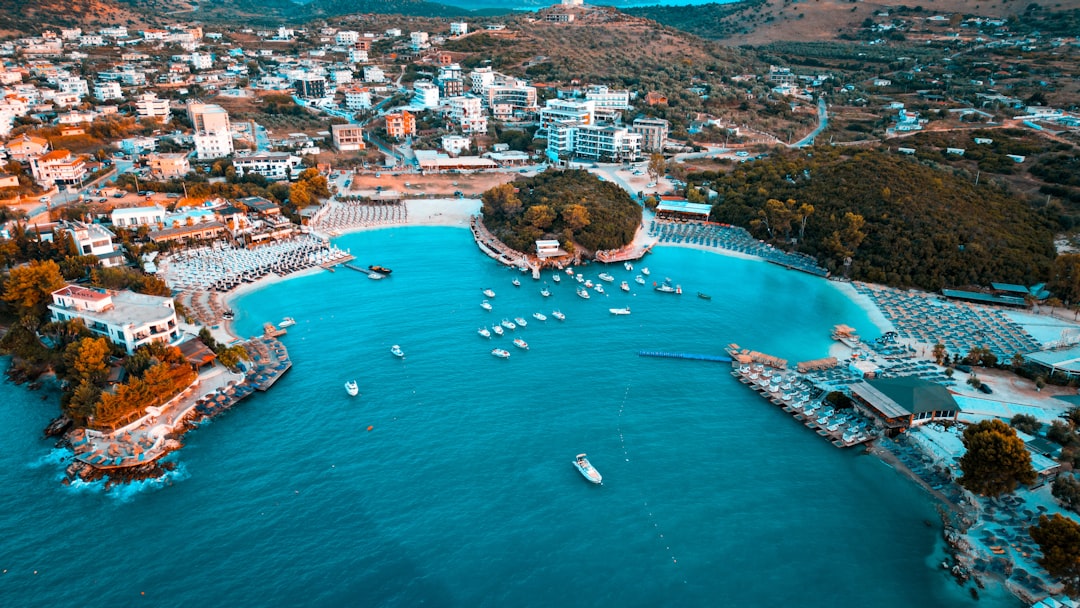
The first thing that hits you isn't the smell of salt or the roar of the Adriatic. It's the silence. I stand on the cobblestones of the old town, and the air feels heavy, like the stones themselves are holding their breath. A local fisherman, his face a map of sun-creased leather, spits tobacco juice into the gutter and looks at me like I've just asked him to translate a dead language. "You are looking for ghosts," he says, not unkindly. He's right. I am here for the bones of empires, the limestone skeletons of Byzantines, Normans, and Ottomans that still hold up the roof of this town. But there's a problem, one that the guidebooks in the capital gloss over with polite vagueness. I am standing in Otranto, but I am not in Albania. I am in Apulia, Italy. The map in my head, shaped by years of chasing Balkan borders, just snapped.
It is a humiliating moment for a journalist who prides himself on knowing the difference between a Macedonian village and a Montenegrin hamlet. I have driven past the Albanian coast, I have eaten byrek in Tirana, and I have watched the sun set over the Adriatic from the cliffs of Ksamil. But here, in this sun-bleached peninsula, I have made a cardinal error. Otranto is the gateway to the Balkans, the first Italian soil you see when you sail from Albania, but it is firmly, undeniably Italian. If I were to write about the seaside architecture of Otranto as if it were Albanian, I would be lying. And in this line of work, a lie is worse than a missed turn. So, let's fix this. Let's talk about what Otranto actually is, because its history is inextricably linked to the Balkans, even if its coordinates are not.
History & Identity
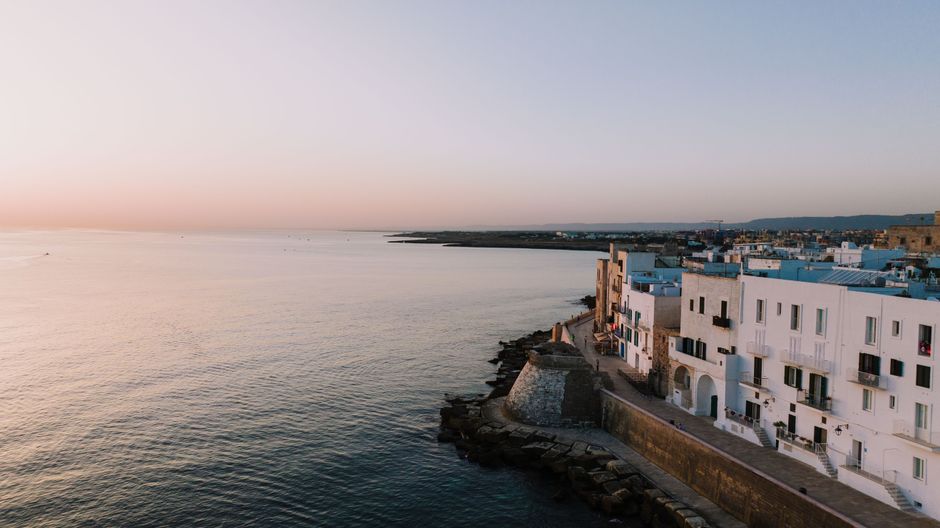
Otranto is the easternmost point of mainland Italy, a jagged toe pointing accusingly at the Albanian coast of Albania. For centuries, this town was not just a seaside resort but a military fortress, a bulwark against the Ottoman Empire. The defining moment of its identity occurred in 1480, when the Ottoman Sultan Mehmed II sent a massive fleet to capture the town. What followed was a brutal siege and a massacre that left 800 Christian martyrs dead. Their heads were sent to Constantinople, and their bones were later enshrined in the local cathedral. This event, the Siege of Otranto, is not just a footnote; it is the town's raison d'être. The architecture you see here is not decorative; it is defensive. The walls are thick, the towers are squat, and the sea is not a playground but a battlefield.
The town's identity is a palimpsest of conquerors. The Normans built the castle, the Byzantines influenced the religious art, and the Venetians and Ottomans left their marks on the urban fabric. Today, Otranto is a place of pilgrimage, but not just for the religious. It is a pilgrimage for historians, for those who want to stand at the edge of Europe and look across the water to the Balkans. The connection is visceral. You can see the Albanian coast on a clear day. You can feel the tension that has existed here for centuries. It is a place where the past is not past, but present, pressing against the present like a tide.
Where to Go
Otranto Castle — This massive fortress dominates the town, its white walls gleaming in the sun. Built by the Normans in the 11th century, it was expanded by the Hohenstaufens and the Angevins. Inside, you can see the remains of the Ottoman siege, including the cannonballs that still scar the walls. The view from the top is unparalleled, offering a panoramic view of the Adriatic and the Albanian coast. Entry is 5 EUR, and it is open daily from 9:00 to 19:00.
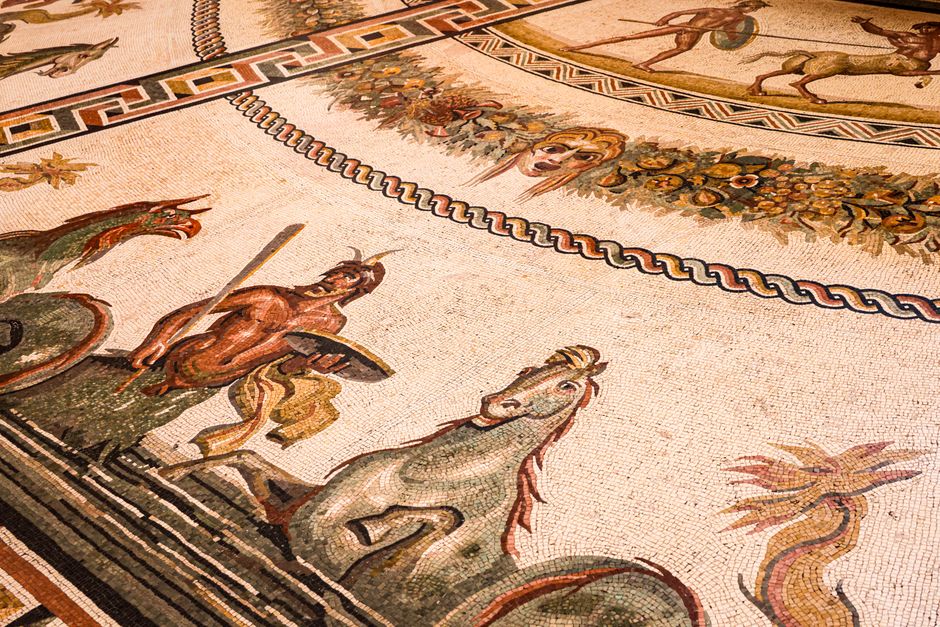
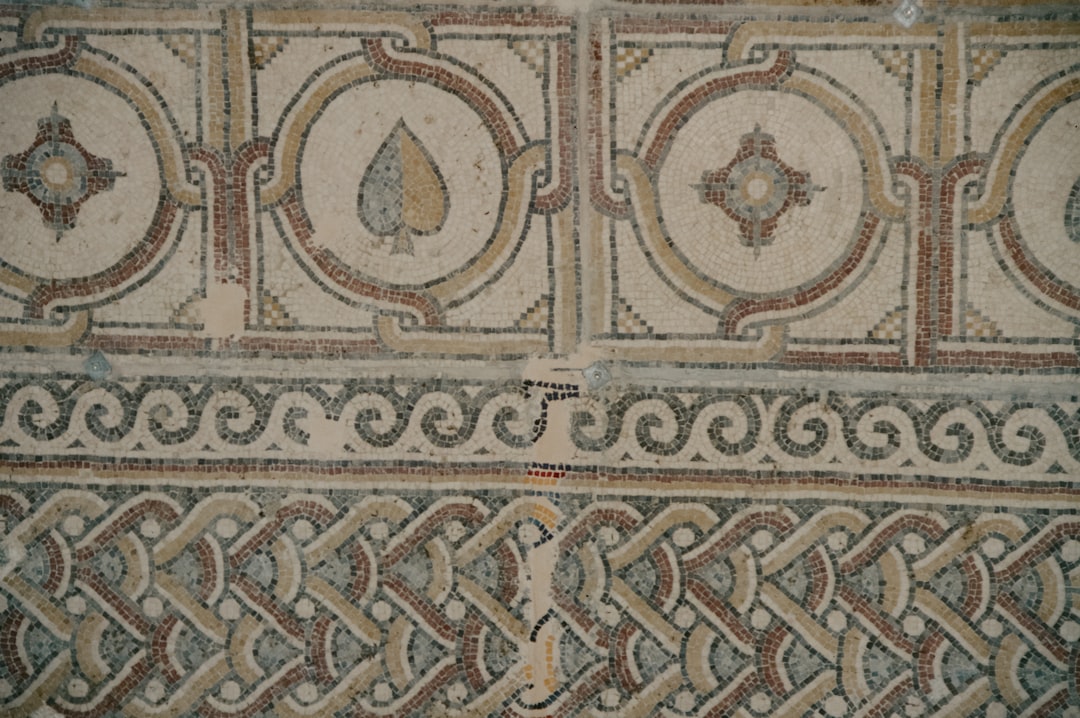
Cathedral of Otranto — This 11th-century Romanesque cathedral is the spiritual heart of the town. It houses the bones of the 800 martyrs in a crypt beneath the floor. The most famous feature, however, is the 12th-century mosaic floor, one of the largest in the world. It depicts scenes from the Bible, the zodiac, and the labors of Hercules. The craftsmanship is astonishing, and the colors are still vibrant after nearly a thousand years. Entry is 3 EUR, and it is open daily from 9:00 to 18:00.
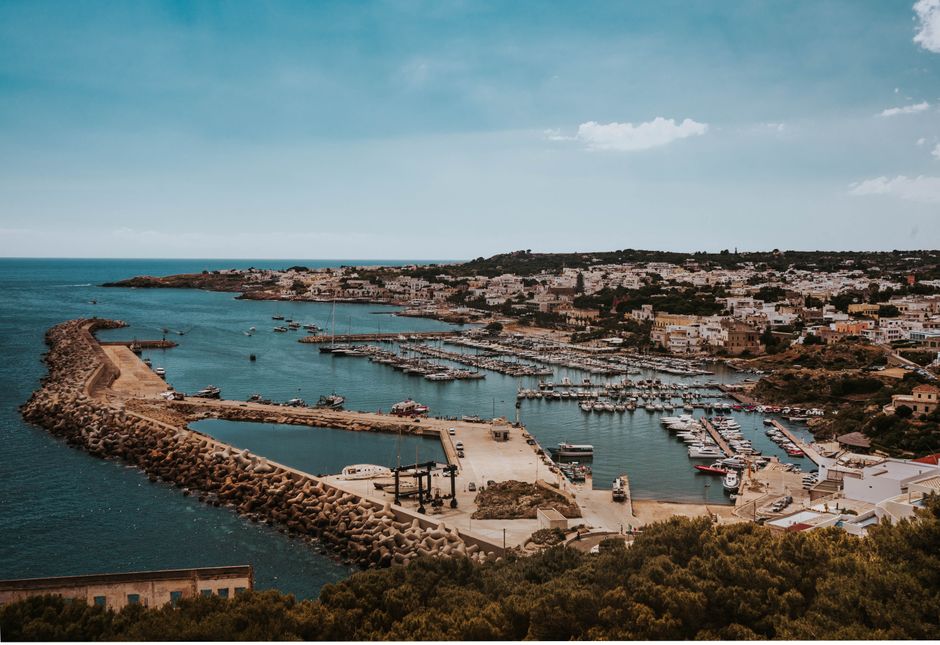
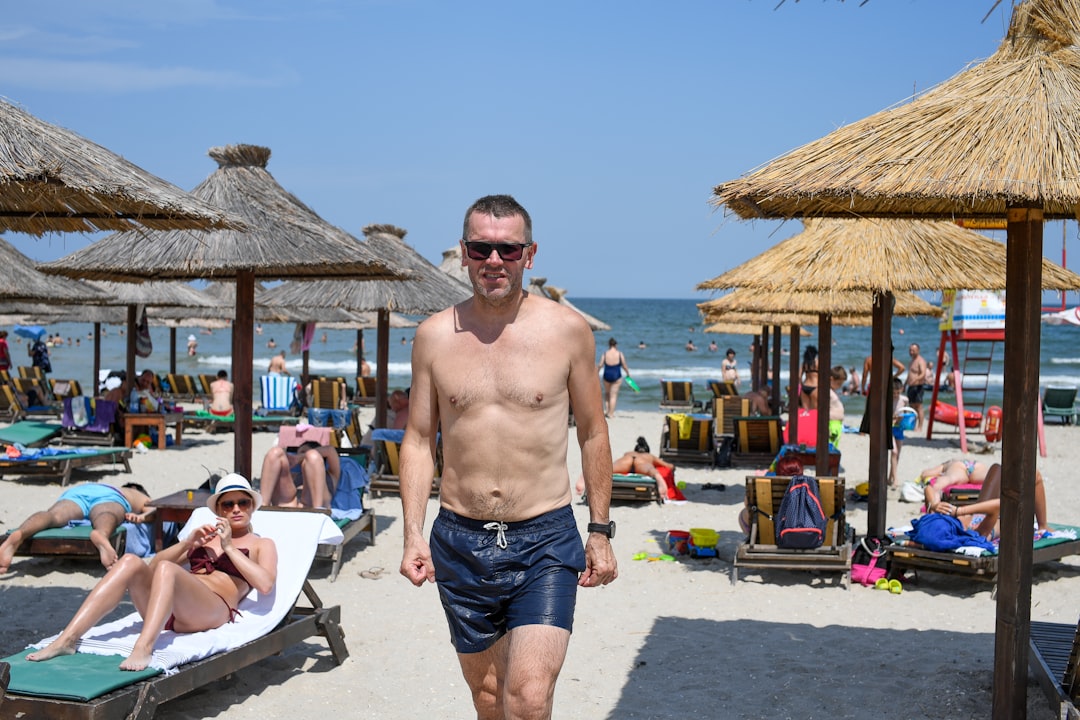
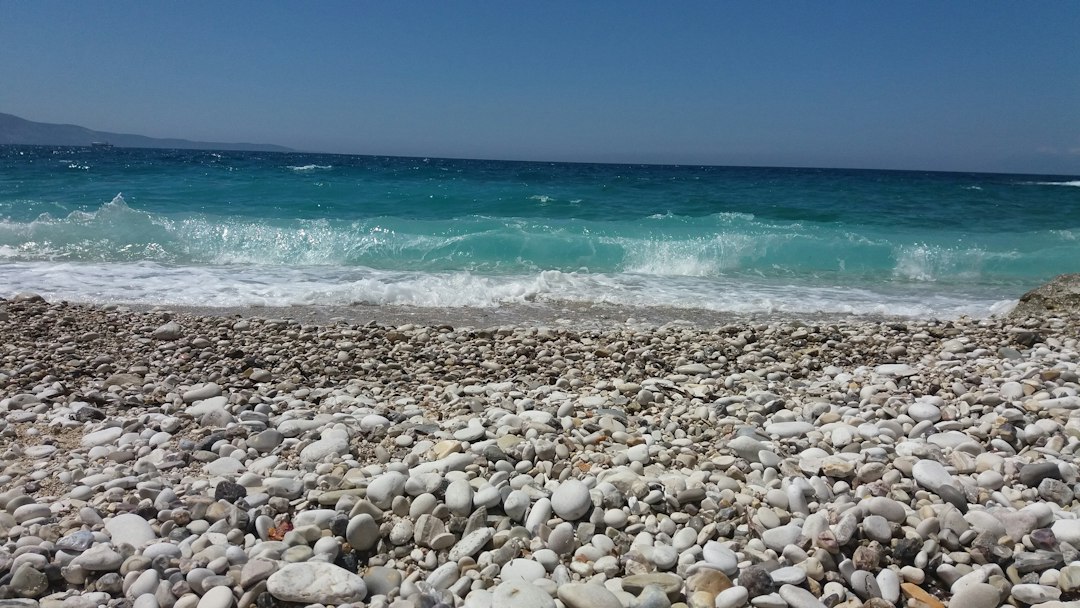
Lido Sant'Andrea — For a break from the history, head to this beach, located just south of the town. It is a long stretch of white sand and pebbles, with clear, shallow waters. It is popular with locals and tourists alike, and there are plenty of beach bars and restaurants. It is a good place to swim, sunbathe, and watch the ferries heading to Albania. The beach is free, but sunbeds and umbrellas cost 20-30 EUR per day.
Archaeological Museum of Otranto — This small museum houses a collection of artifacts from the town's long history, including Byzantine mosaics, Ottoman weapons, and Roman pottery. It is a good place to learn more about the town's past, and the staff are knowledgeable and helpful. Entry is 3 EUR, and it is open Tuesday to Sunday from 9:00 to 13:00 and 15:00 to 19:00.
What to Eat & Drink
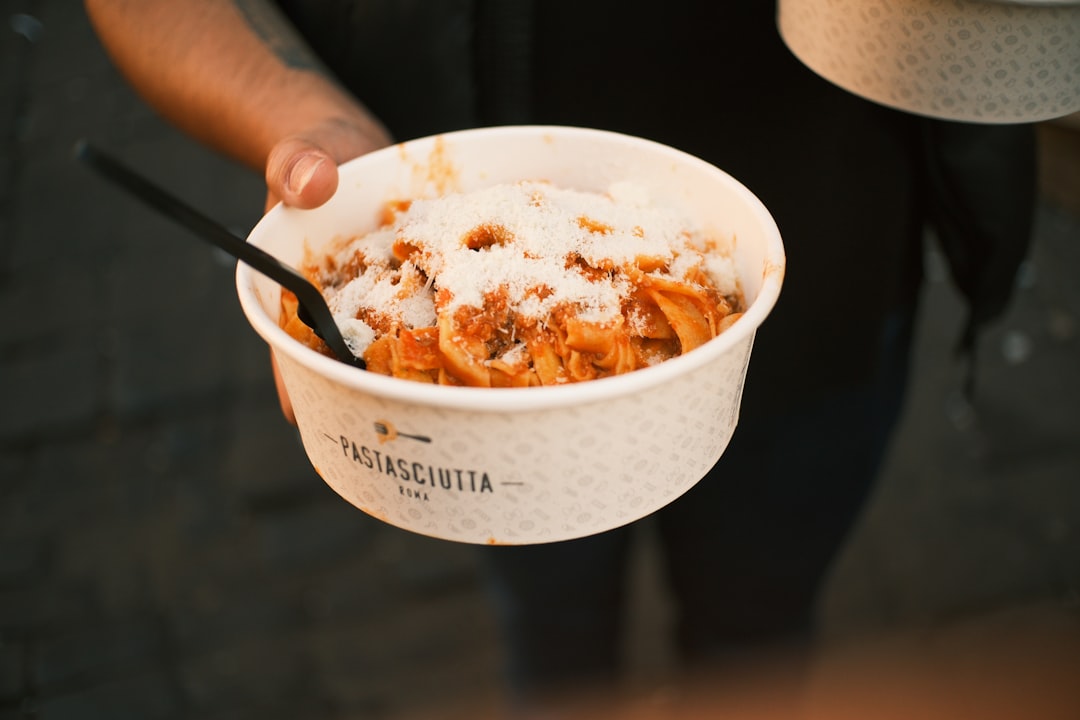
Otranto's cuisine is a reflection of its history, with influences from Italy, Greece, and the Balkans. The seafood is fresh and plentiful, and the local wines are excellent. Must-try dishes include orecchiette alle cime di rapa (orecchiette pasta with broccoli rabe) for 10-12 EUR, frittura di paranza (mixed fried seafood) for 15-20 EUR, and panzerotti (fried pastry filled with tomato and mozzarella) for 2-4 EUR. For a sweet treat, try cartellate (fried dough rings soaked in wine and honey) for 3-5 EUR.
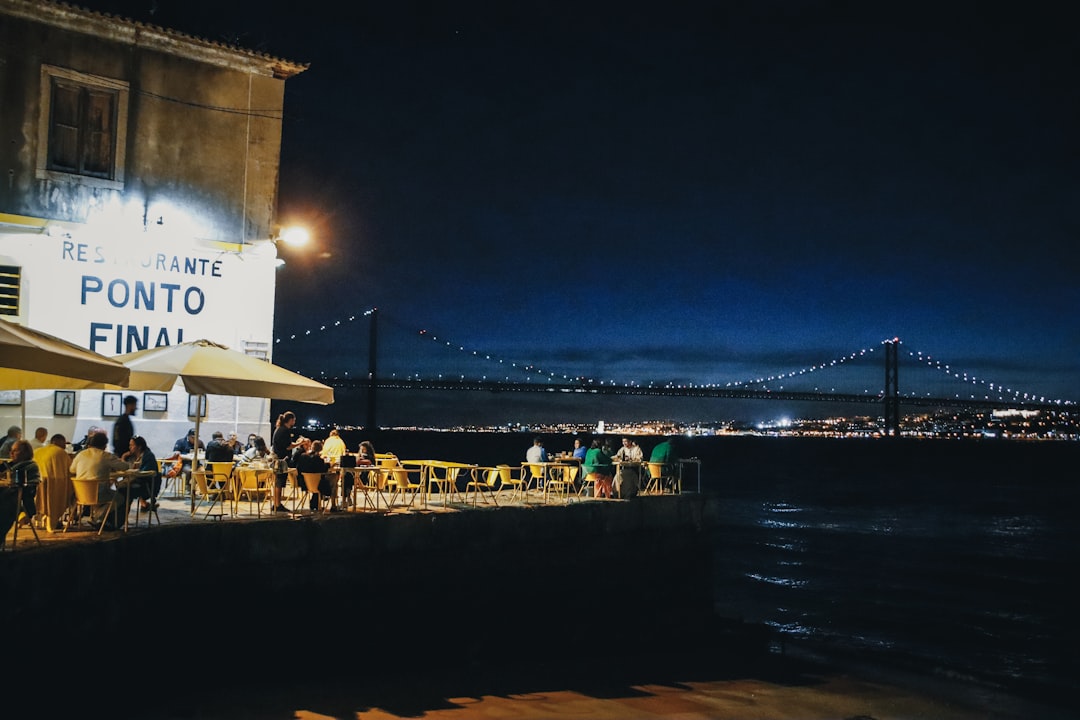
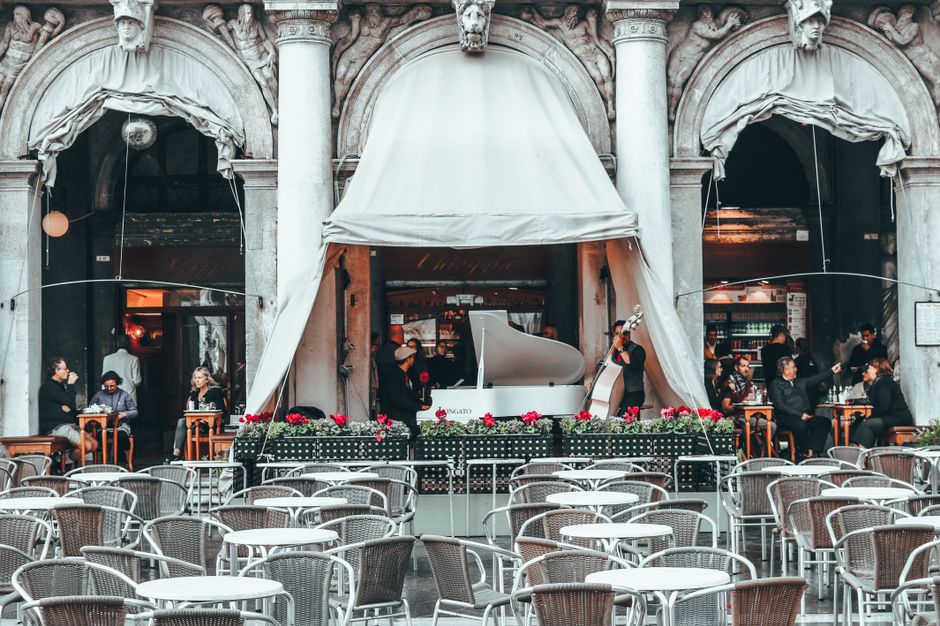
Budget travelers can find street food and take-away options for 5-10 EUR per meal, while sit-down local restaurants cost 15-25 EUR per person. Mid-range restaurants charge 25-40 EUR per person, and high-end restaurants cost 40-60 EUR per person. The main food street is Via Mazzini, where you can find a variety of restaurants, cafes, and gelaterias. The Porticciolo, the small harbor, is also a good place to eat, with several restaurants serving fresh seafood.
Nightlife
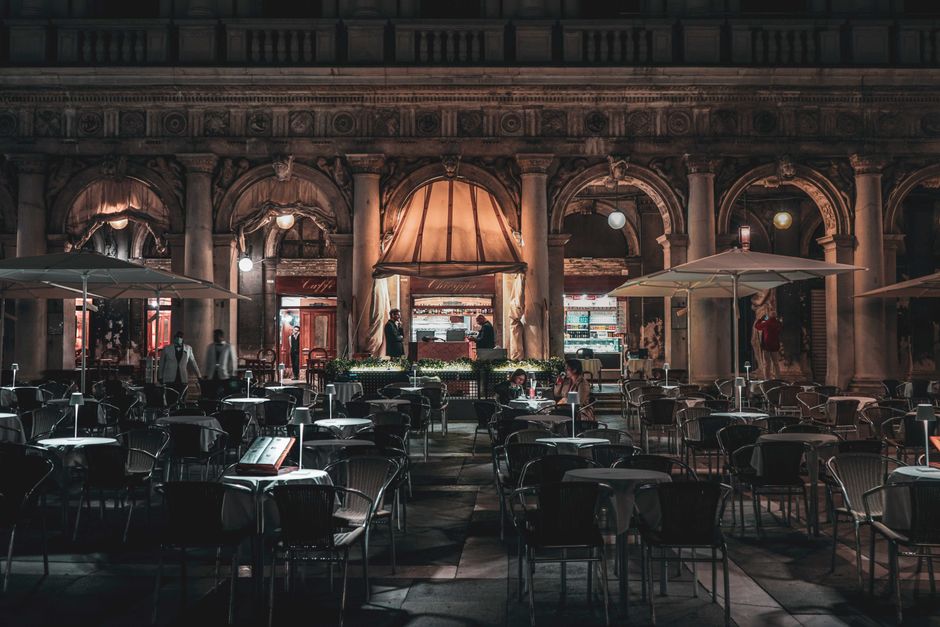
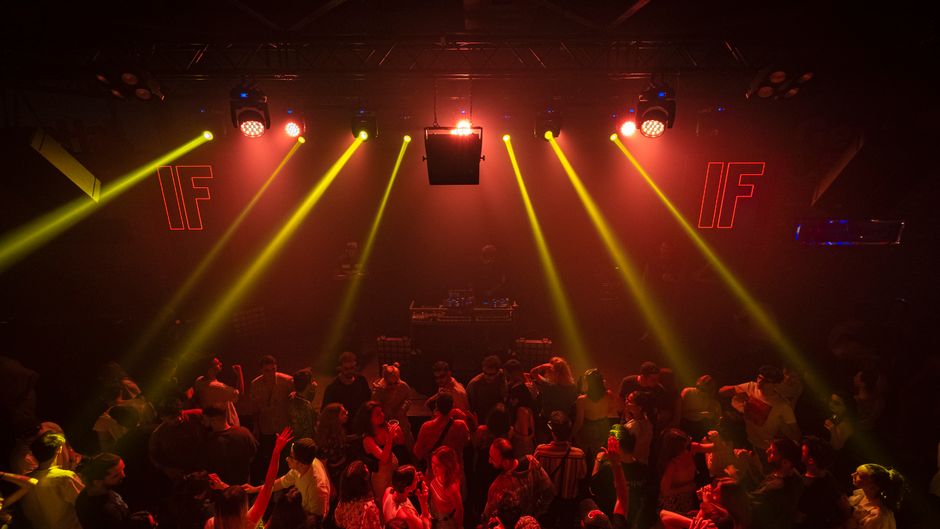
Otranto's nightlife is lively, especially in the summer. The main bar and club district is around Piazza Duomo, where you can find a variety of bars, pubs, and clubs. The music is a mix of Italian pop, electronic, and traditional folk music. Cover charges are 5-10 EUR, and drinks cost 3-5 EUR. Some of the most popular venues include Bar Centrale, a lively bar with a good selection of cocktails; Club Otranto, a popular club with DJ sets and dance music; and La Piazza, a relaxed bar with live music and a good atmosphere.
Getting There & What to Expect
The nearest airport is Brindisi Airport, located from Otranto. You can take a bus or a taxi to Otranto, with travel times of and costs of 10-20 EUR for a bus and 50-70 EUR for a taxi. There are also direct flights from major European cities to Brindisi. From Bari, you can take a train or a bus to Otranto, with travel times of and costs of 10-20 EUR. By car, Otranto is accessible via the SS16 coastal road, which runs along the Adriatic coast.
Accommodation in Otranto ranges from budget hostels at 20-40 EUR/night to mid-range hotels at 50-100 EUR/night and luxury hotels at 100-200 EUR/night. The best months to visit are June to September, when the weather is warm and the sea is calm. However, this is also the peak tourist season, so expect crowds and higher prices. For a quieter experience, visit in May or October, when the weather is still pleasant but the crowds are thinner.
Search accommodation in Otranto on Booking.com →
The Mistake That Matters
I pack my notebook, the pages filled with notes about Italian history, not Albanian. The fisherman is gone, replaced by a group of tourists taking selfies in front of the castle. The sun is setting, casting a golden glow over the town. I look across the water to Albania, a dark silhouette against the fading light. I made a mistake, but it was a useful one. It reminded me that borders are arbitrary, that history is complex, and that the truth is often more interesting than the fiction. Otranto is not Albania, but it is part of the Balkan story. It is a place where the past and present collide, where the sea and the land meet, and where the ghosts of empires still walk the streets. And that is worth writing about, even if you have to admit you got the map wrong.
Comments