


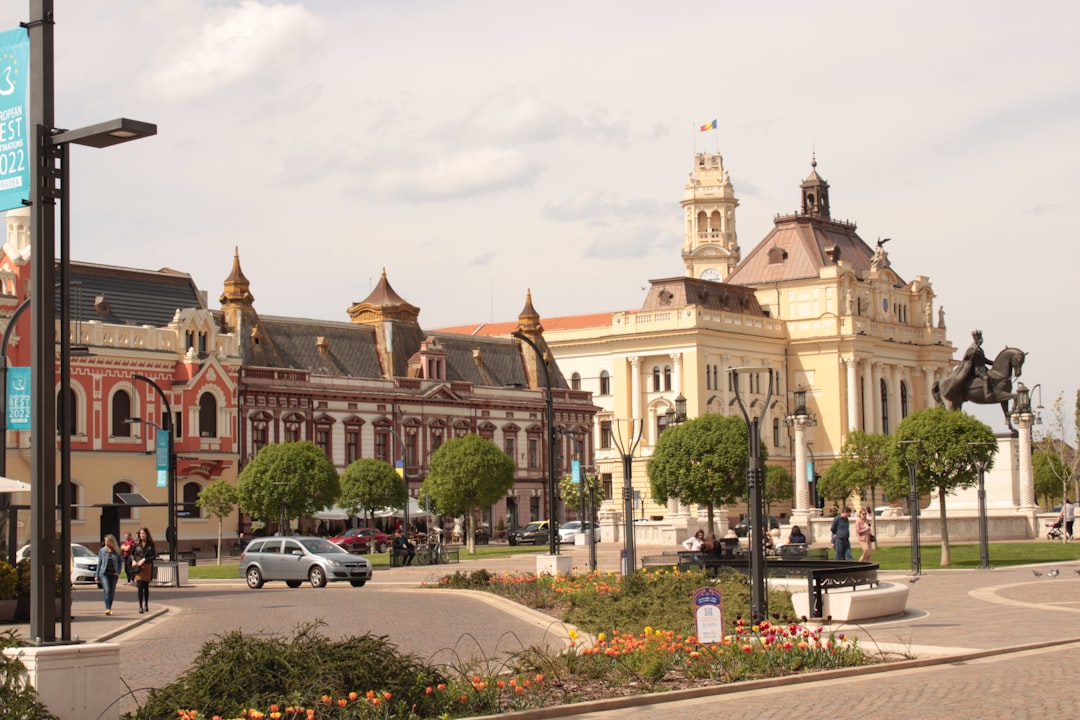
Oradea, the historic capital of western Romania, is experiencing a significant surge in international interest, driven by its successful urban regeneration projects and growing reputation as a cultural destination. Recent data indicates a sharp increase in tourist arrivals and foreign direct investment in the city, which is often cited as a model for urban development in the Romanian context. This trend is particularly relevant for the Balkan region, as neighboring countries look to Oradea's blend of historic preservation and modern infrastructure for inspiration. The city's strategic location on the border with Hungary and its accessibility via major transport routes have further amplified its visibility, making it a focal point for travelers and investors alike. The recent attention underscores a shift in the Balkan tourism landscape, where secondary cities are gaining prominence alongside traditional capitals like Bucharest or Belgrade.
Urban Regeneration and the City Hall Renaissance
The cornerstone of Oradea's current popularity is the meticulous restoration of its iconic City Hall, which features the world's only working astronomical clock with a zodiac display. Completed in recent years, this project has transformed the city center into a vibrant public space, attracting visitors from across the European Union. The renovation did not stop at the clock tower; it spurred a broader revitalization of the surrounding Art Nouveau and Secessionist architecture, creating a cohesive historic district that rivals those in Vienna or Prague. This architectural preservation effort has been widely praised by urban planners and heritage organizations, highlighting how historical assets can be leveraged for economic growth. The success of this initiative has drawn attention from other Balkan cities, such as Sarajevo and Novi Sad, which are also investing in their historic cores to boost tourism.
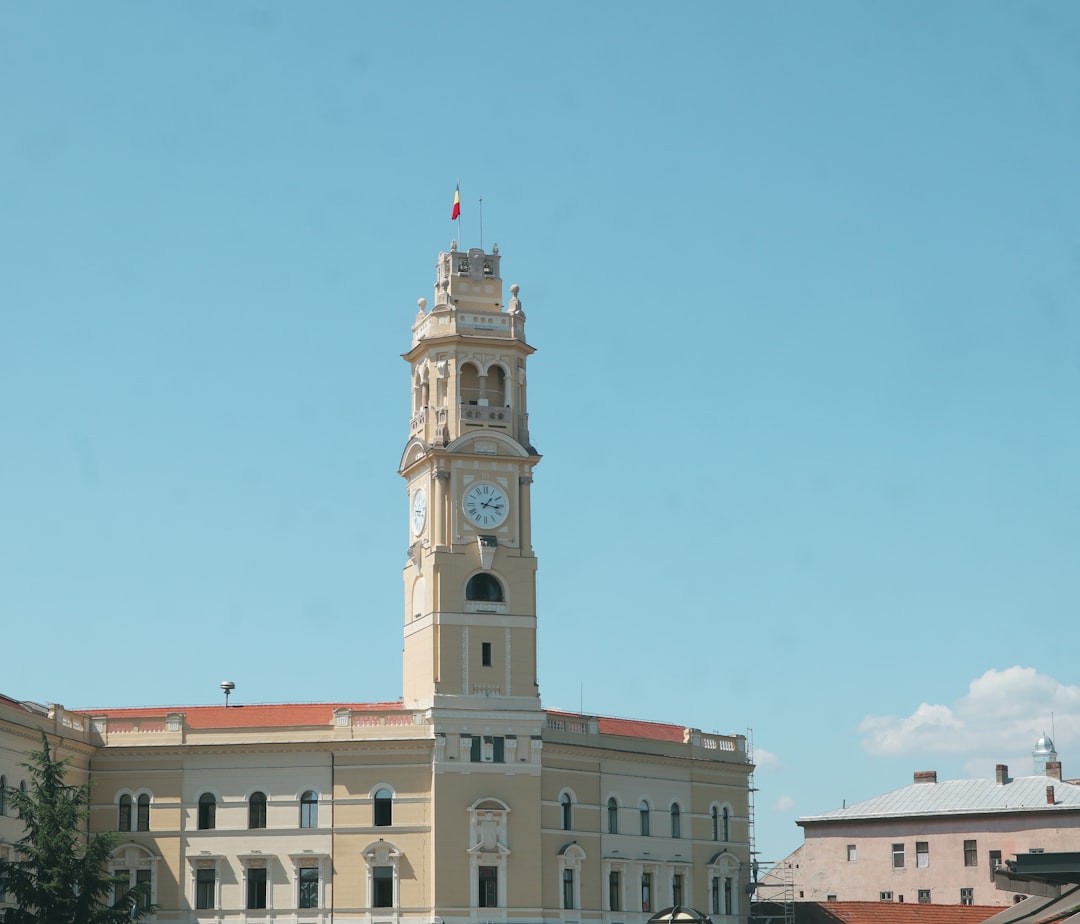
Beyond the visual appeal, the regeneration has had a tangible economic impact. Local businesses, including cafes, boutique hotels, and artisan shops, have flourished in the revitalized square, creating a lively atmosphere that encourages longer stays. This model of community-focused development has been studied by policymakers in neighboring Serbia and Croatia, who are seeking ways to decentralize tourism from coastal areas to inland cultural hubs. Oradea's experience demonstrates that targeted investment in heritage can yield high returns, both in terms of visitor numbers and local employment. The city's ability to maintain its authentic character while embracing modern amenities has been key to its appeal, offering a compelling alternative to mass tourism destinations.
Cultural Vibrancy and Educational Excellence
Oradea is also gaining recognition for its robust cultural scene, anchored by institutions like the University of Oradea and the Banat Theater. These entities contribute to a dynamic intellectual environment that attracts students and artists from across the Balkans and beyond. The city hosts numerous international festivals, including the Oradea Jazz Days and the International Theater Festival, which bring global talent to a regional stage. This cultural output enhances the city's brand, positioning it as a center for creativity and innovation. For Balkan audiences, Oradea represents a bridge between Eastern and Western European cultural traditions, offering a unique blend of influences that resonate with regional identity. The presence of a strong academic community also fosters partnerships with universities in Budapest and Cluj-Napoca, further integrating the city into the regional academic network.
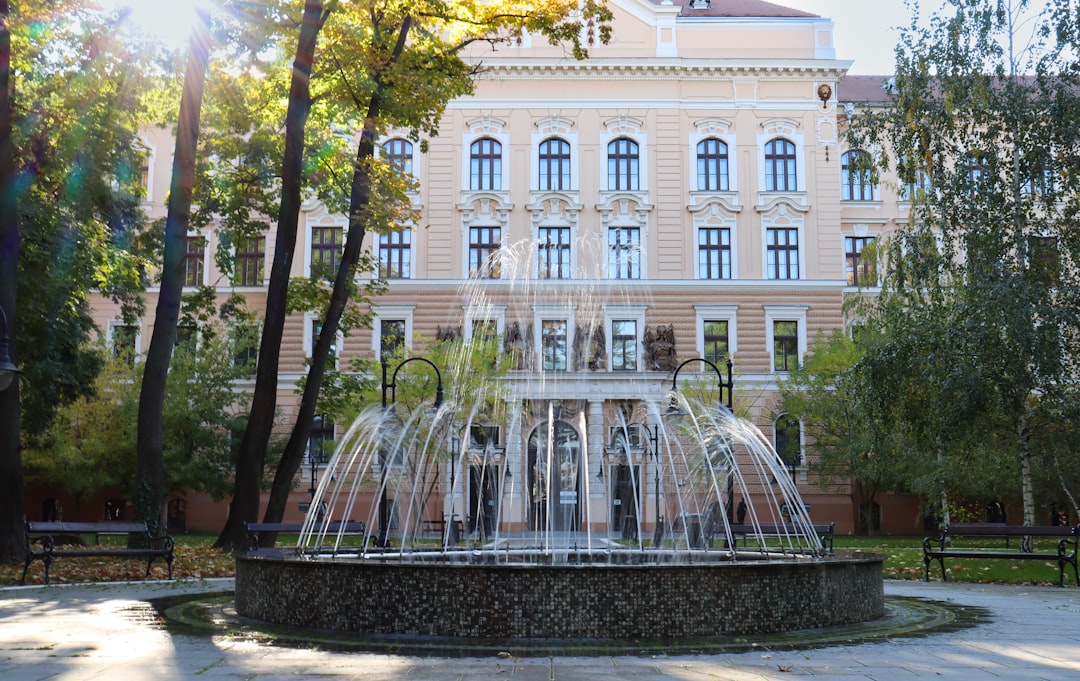
The city's commitment to culture extends to its support for local artists and craftspeople, who benefit from the increased foot traffic and international exposure. Workshops and galleries in the historic center showcase traditional Romanian crafts alongside contemporary art, appealing to a diverse range of visitors. This ecosystem of creativity has helped Oradea differentiate itself from other tourist destinations, offering experiences that are both educational and engaging. The success of these cultural initiatives has been noted by tourism boards in Greece and Bulgaria, which are also looking to diversify their offerings beyond ancient ruins and beaches. Oradea's model suggests that cultural capital can be as powerful as natural attractions in driving tourism growth.
Economic Growth and Regional Connectivity
In addition to tourism, Oradea is emerging as a hub for business and technology, attracting foreign investors interested in its skilled workforce and strategic location. The city has developed a growing IT sector, with startups and established companies setting up operations to take advantage of its talent pool and lower operational costs compared to larger Western European cities. This economic diversification is crucial for long-term sustainability, reducing reliance on tourism alone. The presence of international firms has also improved infrastructure, including broadband connectivity and transport links, which benefits both residents and visitors. For the Balkan region, Oradea's economic trajectory offers a template for how mid-sized cities can compete in the global economy by leveraging their human capital and regional position.
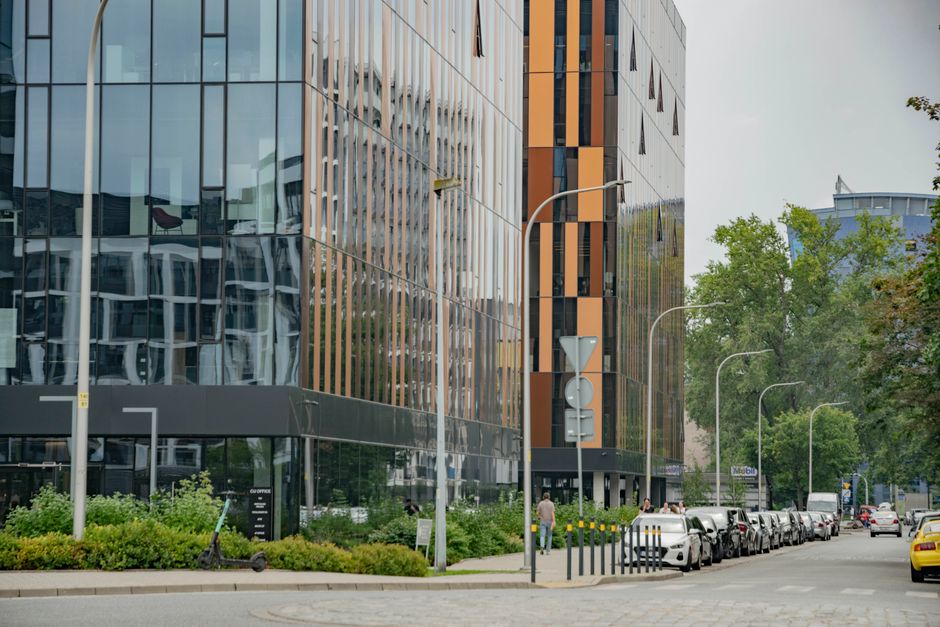
The city's connectivity is further enhanced by its proximity to the Hungarian border and its role in the Trans-European Transport Network. New road and rail projects are set to improve access to Oradea, making it easier for travelers and goods to move between Romania and the rest of Europe. This improved connectivity is expected to boost trade and tourism, particularly with neighboring countries like Hungary and Serbia, which are increasingly integrated into regional supply chains. Investors are taking note, with several new industrial parks and logistics centers planned for the area. This economic momentum is likely to continue, as Oradea positions itself as a gateway between Central and Eastern Europe.
As Oradea continues to grow, its experience offers valuable lessons for other Balkan cities seeking to balance heritage preservation with modern development. The city's success in attracting tourists and investors alike demonstrates the potential of cultural and economic diversification. For readers interested in the future of the Balkans, Oradea serves as a compelling example of how regional hubs can thrive in a globalized world. Keeping an eye on Oradea's developments will provide insights into broader trends in tourism, urban planning, and economic growth across the region.
Comments