


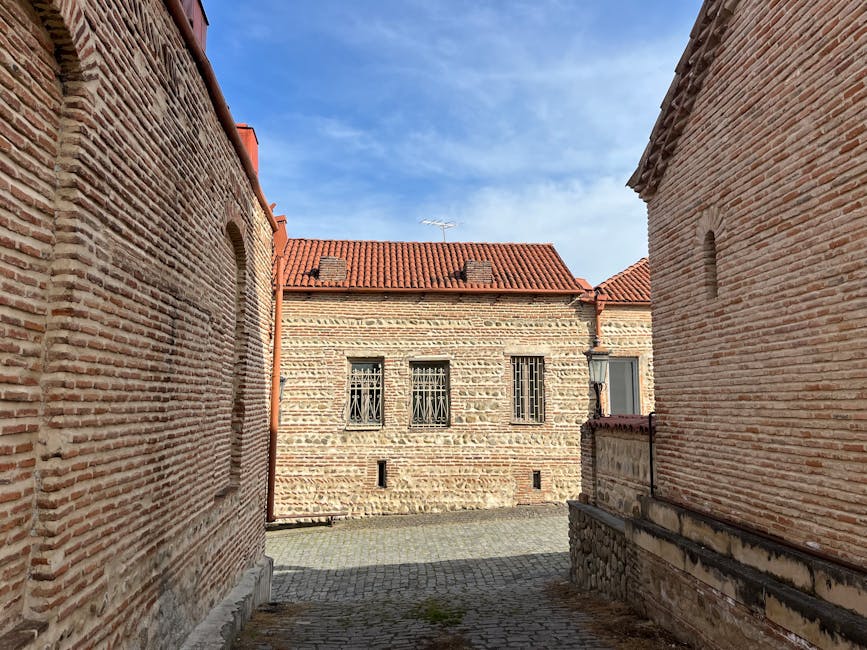
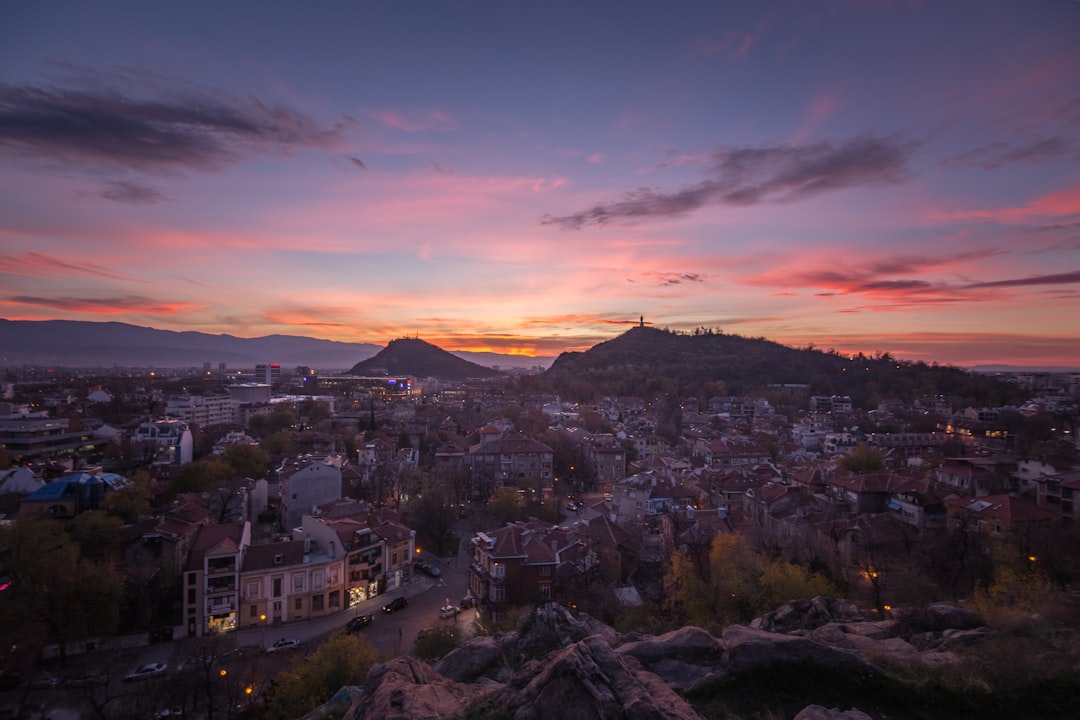
The tram rattled past me like a dying beast, its metal groans echoing off the steep cobblestones of Old Plovdiv. I stepped off the curb, not into a tourist trap, but into a living, breathing maze where laundry lines crisscrossed above my head like a chaotic canopy and the smell of roasting lamb clung to the humid air. A man in a stained vest watched me from his doorway, sipping rakia from a small glass, his eyes narrowing as if to judge whether I was worth the conversation. This wasn't staged. This wasn't a museum diorama. This was the raw, unfiltered pulse of a city that refused to be polished for Instagram.
I had come to Plovdiv expecting another Balkan city trying too hard to mimic its neighbors—white-washed facades, overpriced craft beer, and generic street art. Instead, I found a place where history isn't just preserved; it's lived in. The ancient theater still hosts rock concerts, the Roman ruins are just steps away from a bustling café, and the cobblestone streets of the Old Town feel like a secret kept by locals who know better than to share it with the masses. This is the real Balkans—messy, loud, and utterly authentic.
History & Identity
Plovdiv is one of the oldest continuously inhabited cities in Europe, with roots stretching back over 6,000 years. It was Philippopolis under the Romans, Plovdіv under the Ottomans, and today it's a vibrant cultural hub that somehow manages to keep its soul intact. The city was named European Capital of Culture in 2019, but unlike many places that get lost in the hype, Plovdiv used the spotlight to amplify what was already there: a deep, layered history that you can touch, taste, and hear.
The Ottoman era left its mark everywhere—in the architecture, the food, and even the rhythm of daily life. The Kapeliya district, with its narrow alleys and wooden balconies, feels like stepping back in time. But it's not frozen in the past. Young artists, entrepreneurs, and musicians have moved into these old houses, turning them into studios, galleries, and cafés. It's a city that respects its past without being trapped by it.
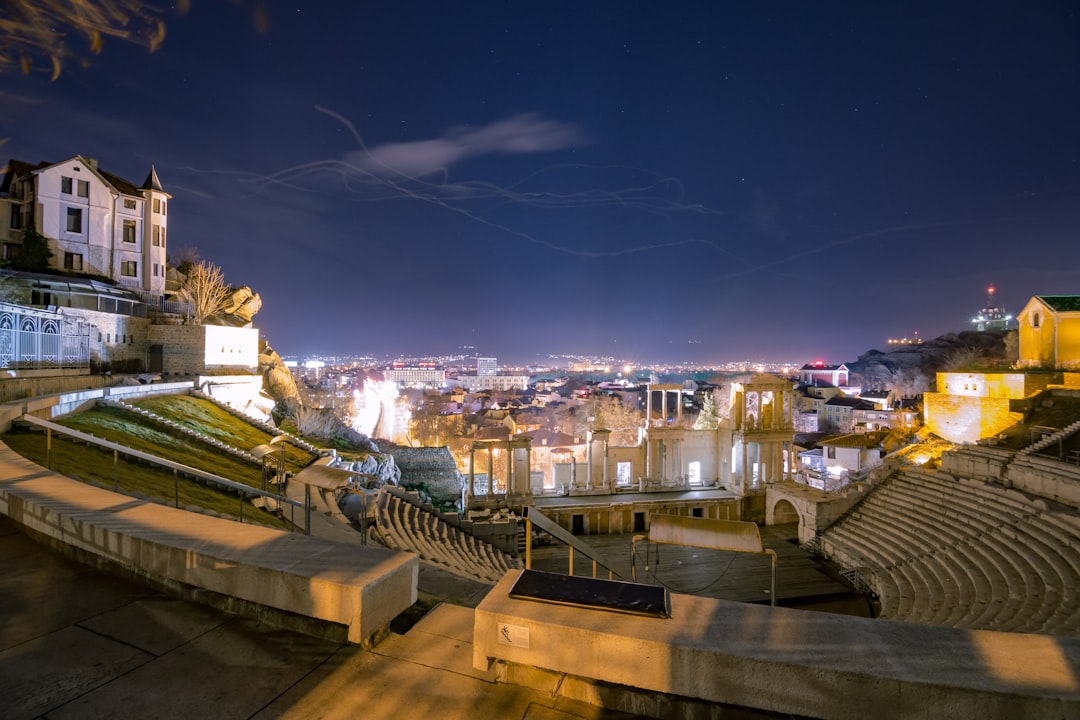
The Roman theater, built in the 2nd century AD, is still used today for performances and festivals. It's one of the few ancient theaters in the world that has been in continuous use for nearly two millennia. Standing in the audience, you can almost hear the echoes of ancient plays mixing with the modern music of a local band. It's a powerful reminder that history isn't dead—it's just waiting to be heard.
Where to Go
The Roman Theater — This ancient amphitheater is the crown jewel of Plovdiv's historical sites. Built in the 2nd century AD, it has been restored and is still used for concerts, theater, and festivals. Entry is 5 EUR, and the view from the top seats is incredible. Best visited in the evening when the lights come on and the atmosphere is magical.
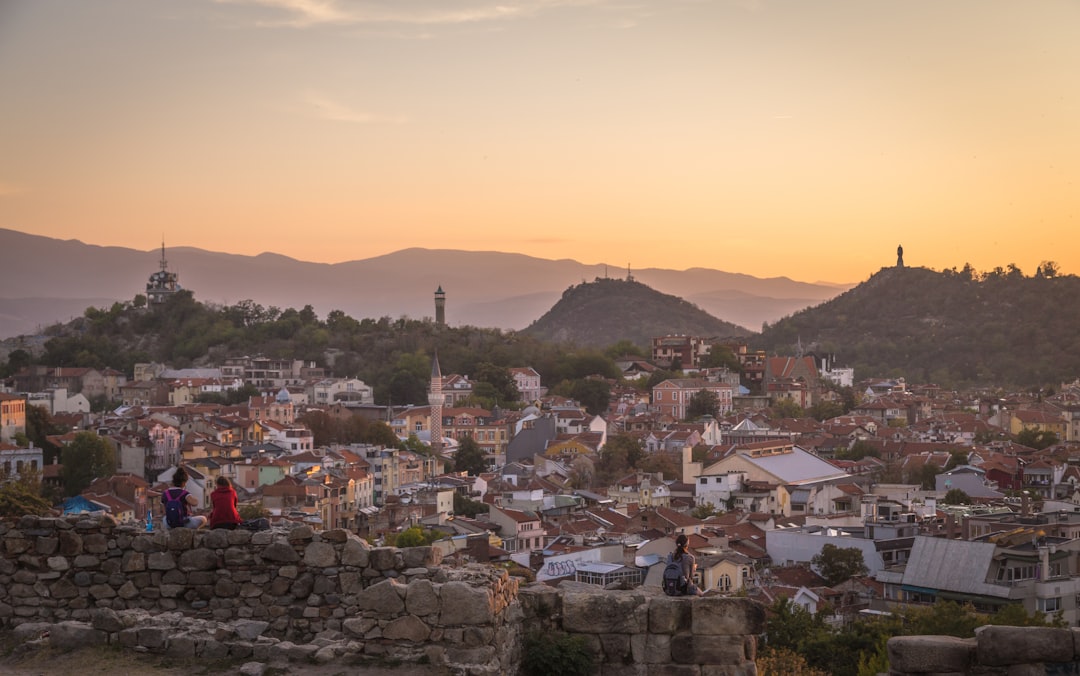
The Ethnographic Museum — Housed in a traditional Bulgarian house, this museum offers a glimpse into the daily life of Bulgarians from the 19th century. The exhibits include traditional costumes, household items, and tools. Entry is 3 EUR, and it's a quiet, reflective space away from the bustle of the Old Town.
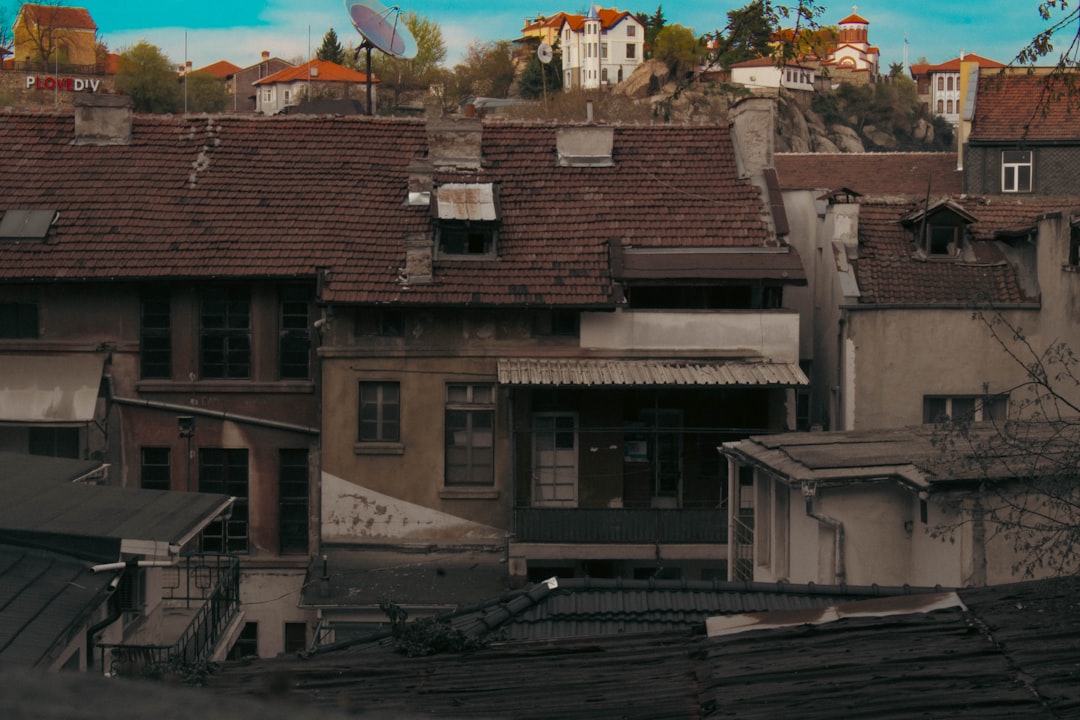
The Kapeliya District — This is the heart of Old Plovdiv, with its narrow cobblestone streets, wooden balconies, and hidden courtyards. It's a maze of history, art, and local life. Wander through the alleys, visit the small galleries, and stop for coffee in one of the many cafés. There's no entry fee, just the price of your curiosity.
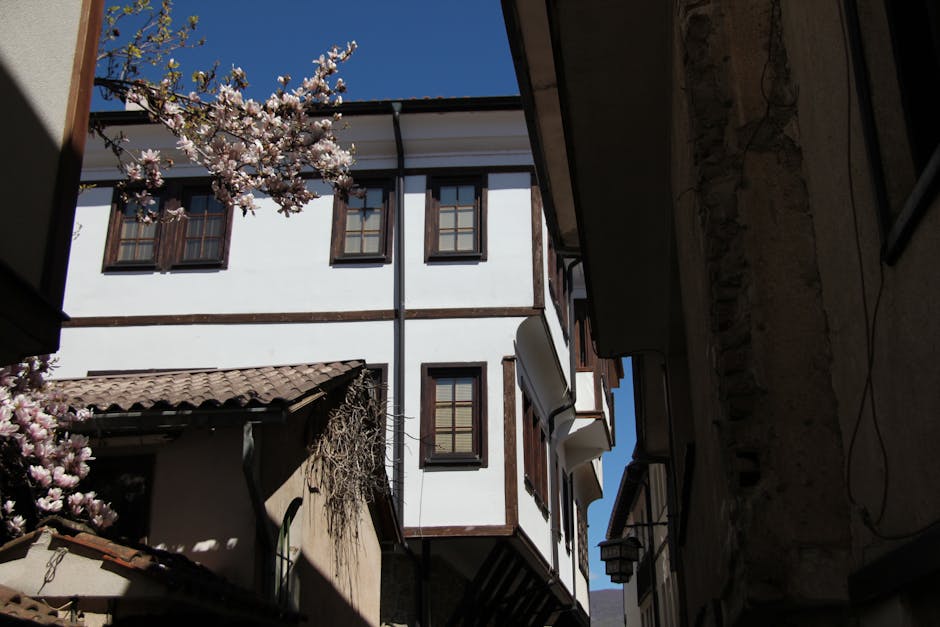
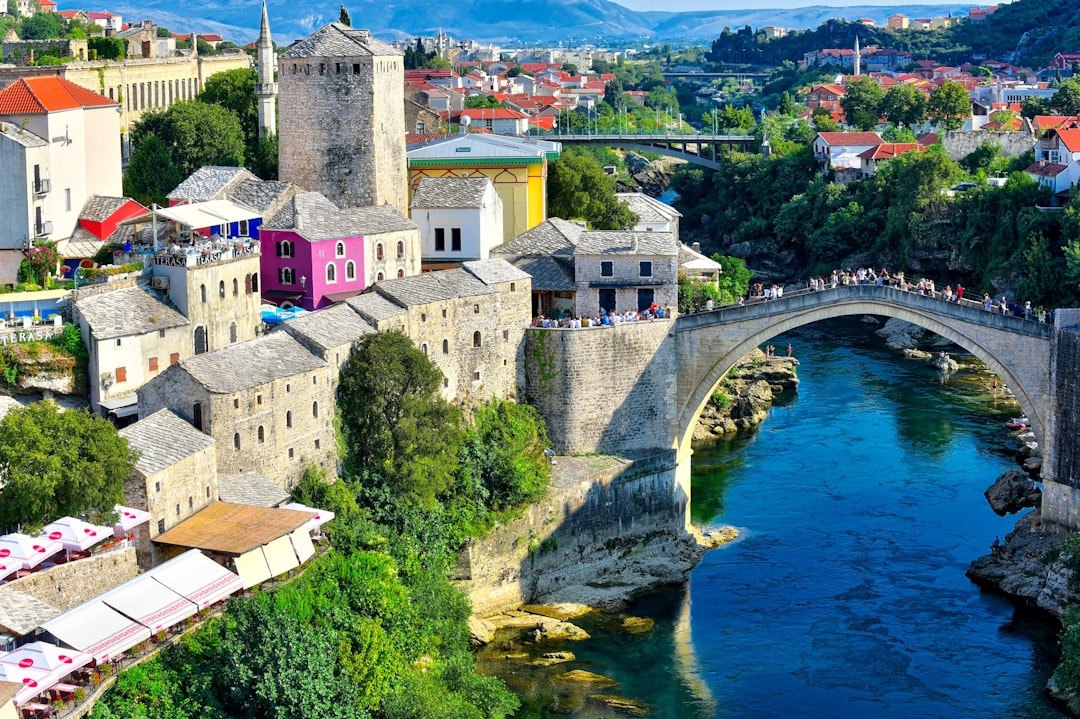
The Stone Bridge — This iconic 19th-century bridge spans the Maritsa River and is a symbol of Plovdiv. It's a great spot for photos, especially at sunset. The view from the bridge stretches across the river to the modern part of the city, creating a striking contrast between old and new.
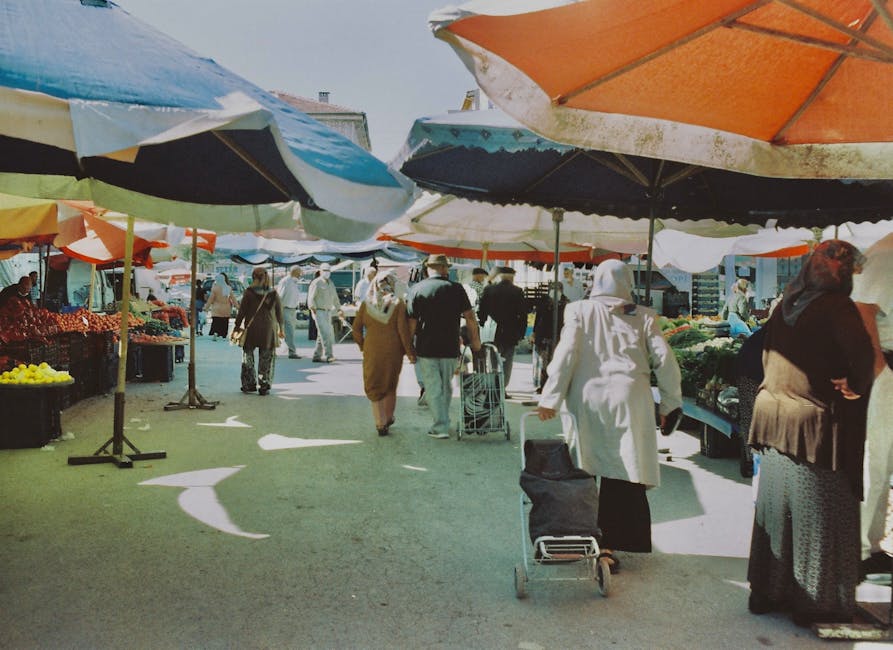
The Central Market Square — This bustling market is where locals shop for fresh produce, meat, and cheese. It's a sensory overload of colors, smells, and sounds. You can taste local cheeses, buy fresh bread, and watch the daily rhythm of life unfold. Entry is free, and you can sample food for 1-2 EUR per item.
What to Eat & Drink
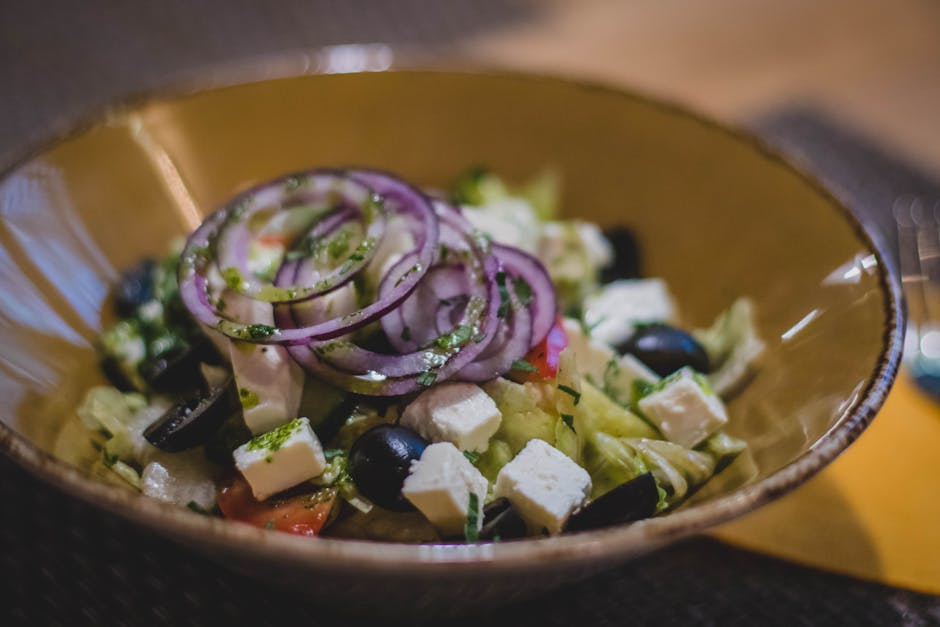
Plovdiv's food scene is a reflection of its history—a mix of Bulgarian, Ottoman, and Mediterranean influences. Start with banitsa, a flaky pastry filled with cheese, for 2-3 EUR. It's the perfect breakfast to fuel your day of exploring. For lunch, try shopska salad, a refreshing mix of tomatoes, cucumbers, onions, and white cheese, for 3-4 EUR. It's the national dish of Bulgaria and a must-try.
When it's time for dinner, head to a local taverna for kebapche, small grilled meat sausages, for 4-5 EUR, or kyufte, meatballs served with bread, for 4-5 EUR. Pair it with a glass of local wine from the Panagyurishte region, which is known for its rich reds. A glass costs around 3-4 EUR, and a bottle is 10-15 EUR.
For dessert, try lukanka, a smoked sausage, or banitsa with yogurt, a sweet and savory combination. The Central Market Square is the best place to sample local delicacies, with vendors offering tastings for 1-2 EUR. There are also several food courts and street vendors selling roasted chestnuts and fresh fruit for 1-2 EUR per serving.
The Old Town is full of small tavernas and cafés, but the Student Quarter is where you'll find the best value. Here, you can find sit-down meals for 8-15 EUR per person, and street food for under 5 EUR. The Market Square is also a great place for take-away options, with fresh bread, cheese, and meat available for 2-4 EUR per item.
Nightlife
Plovdiv's nightlife is surprisingly vibrant, with a mix of traditional tavernas, modern bars, and live music venues. The Old Town is the heart of the action, with narrow streets lined with small bars and cafés. Kapeliya Street is the main strip, where you'll find everything from craft beer pubs to cocktail bars. Cover charges are usually 2-5 EUR, and drinks range from 3-6 EUR for a beer to 5-8 EUR for a cocktail.
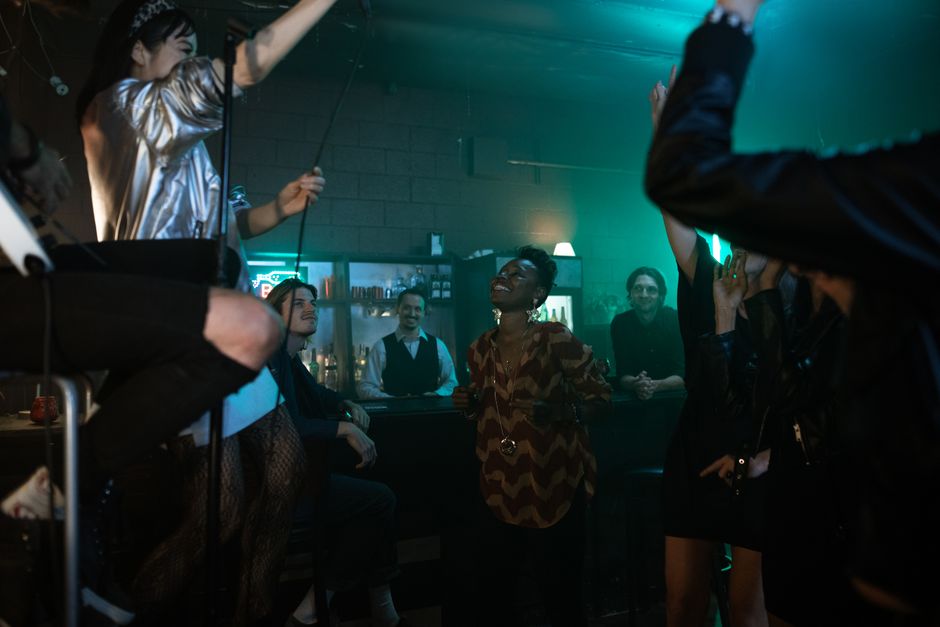
For live music, head to Bar 39, a popular venue that hosts local bands and DJs. The atmosphere is lively, and the crowd is a mix of locals and tourists. Another great spot is Club 21, which plays everything from rock to electronic. Cover is 5-10 EUR, and drinks are 4-7 EUR.
If you're looking for something more traditional, try Restaurant 1870, which offers live folk music and traditional Bulgarian food. It's a bit more upscale, with meals ranging from 15-25 EUR per person, but the experience is worth it. The Old Town also has several jazz clubs and wine bars, where you can relax with a glass of local wine and enjoy the music.
Getting There & What to Expect
The nearest airport is Plovdiv Airport, which has limited international flights. Most travelers fly into Sofia Airport and take a bus or train to Plovdiv, which is about 150 km away. The journey takes around 2-3 hours and costs 5-10 EUR by bus or train. There are also direct flights from major European cities to Sofia, making it easy to reach Plovdiv.
By car, the drive from Sofia is straightforward, with good highways and clear signage. The journey takes about 1.5-2 hours, and fuel costs are around 1.50-2.00 EUR per liter. There are plenty of parking spots in the city, but it's best to park on the outskirts and walk or take a tram into the Old Town.
Accommodation in Plovdiv ranges from budget hostels at 15-25 EUR per night to mid-range hotels at 40-60 EUR per night. There are also several boutique hotels in the Old Town, which offer a more authentic experience. The best time to visit is between April and October, when the weather is warm and the city is alive with festivals and events.
Search accommodation in Plovdiv on Booking.com →
The Soul of the Balkans
As the sun set over the Maritsa River, I sat on a bench in the Old Town, watching the locals go about their evening routines. A group of friends laughed over glasses of wine, a street musician played a melancholic tune on his guitar, and the smell of roasting meat drifted from a nearby taverna. This was the Balkans—not the one you see in guidebooks, but the one you feel in your bones.
Plovdiv isn't trying to be something it's not. It's not a polished tourist destination, and it doesn't need to be. It's a city that has survived empires, wars, and revolutions, and it has done so by staying true to itself. The cobblestone streets, the ancient ruins, the lively markets—they're all part of a story that's still being written.
I left Plovdiv with a full stomach, a lighter wallet, and a heart full of memories. It's a city that doesn't just show you history—it makes you feel it. And in a world that's increasingly homogenized, that's a rare and precious thing. The Balkans have a soul, and Plovdiv is where you'll find it.
Comments