


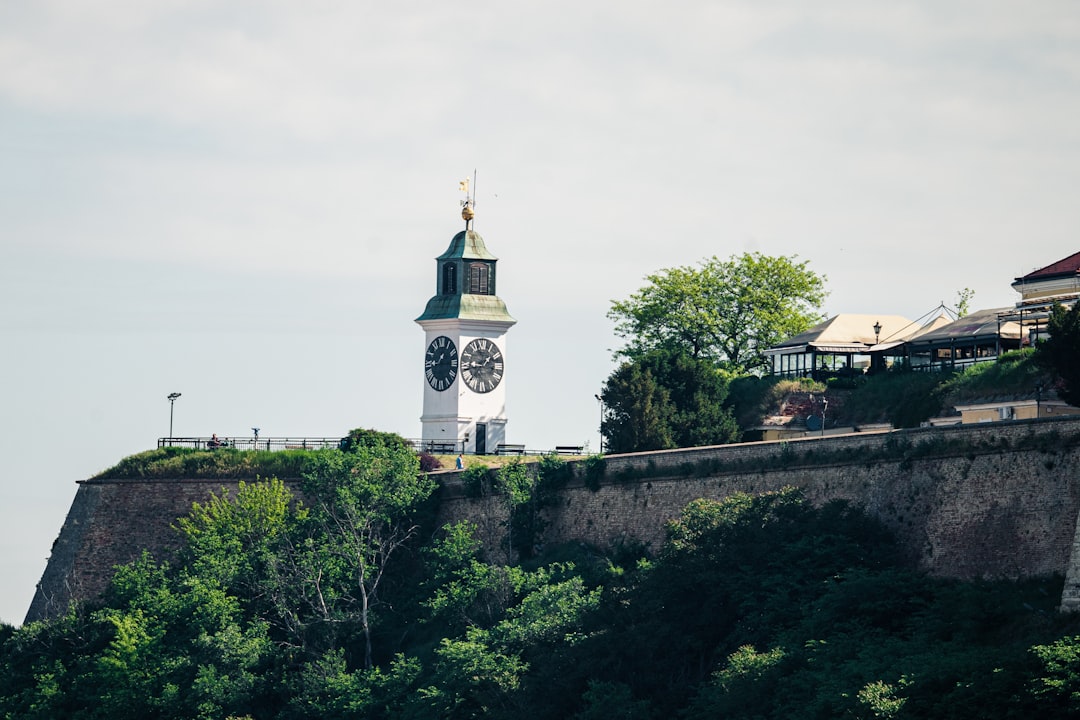
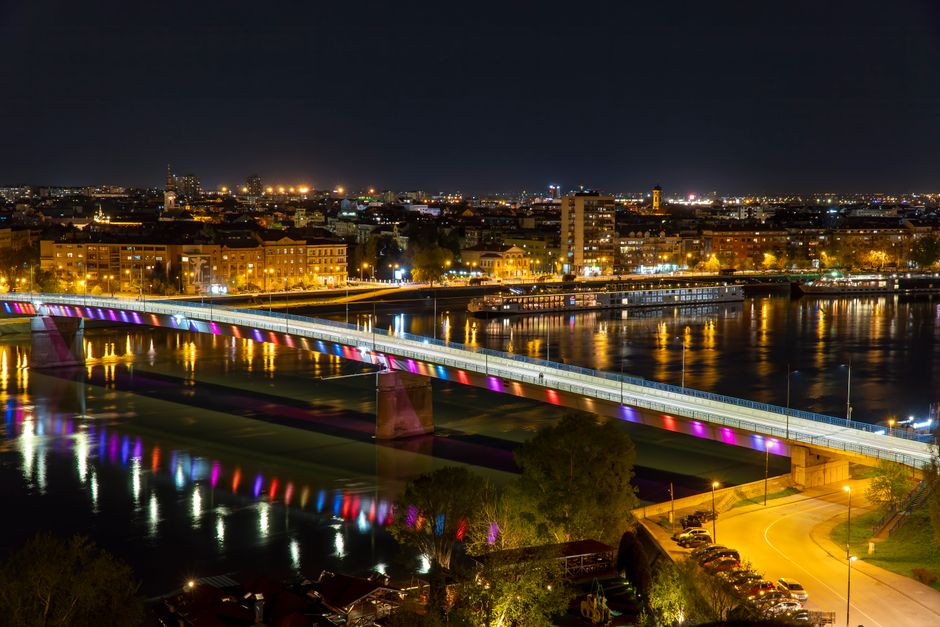
I am standing on the crumbling stone battlements of Petrovaradin Fortress, the wind whipping my jacket with the kind of force that makes you question every life choice that led you to the Serbian border. Below me, the Danube doesn't flow; it surges, a muddy, relentless beast carving through the heart of the Balkans. It is 3 AM. My ears are still ringing from a techno set that lasted until dawn, and I am sharing a cigarette with a guy named Marko who claims to be a philosopher by day and a bouncer by night. He points to the city lights of Novi Sad spreading out across the floodplain like a spilled box of colored pencils. "You think this is just a party?" he asks, exhaling a cloud of smoke that vanishes instantly into the river mist. "This is a monument. We built this on the bones of dictatorship. Now we dance on them."
That is the vibe. That is the raw, unpolished truth of this place. It is not a polished European resort selling you sanitized fun. It is a gritty, vibrant, sometimes chaotic collision of history, heavy metal, electronic beats, and river water. The Exit Festival is not just an event here; it is the city's heartbeat, a annual explosion of freedom that turns the fortress walls into a stage and the entire region into a playground. I came here looking for a festival review. I found a cultural earthquake.
History & Identity
To understand why people lose their minds here, you have to understand what they are losing themselves from. For decades, this region was locked down, isolated, and controlled. The fortress overlooking the city was a literal and symbolic barrier. When the political tides shifted in the late 1990s, the youth of Novi Sad didn't just want music; they wanted proof that they existed, that they could gather, that they could make noise without fear. The first Exit Festival in 2000 was born out of that defiance. It was held in the very cells of the fortress where political prisoners had once been held. The irony was not lost on anyone. It was a statement: freedom is the loudest sound.
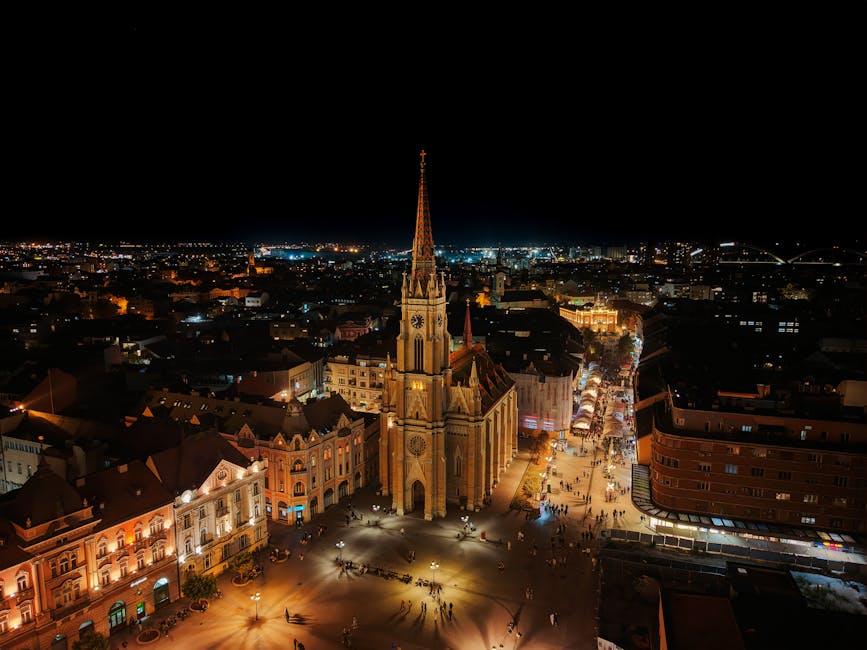
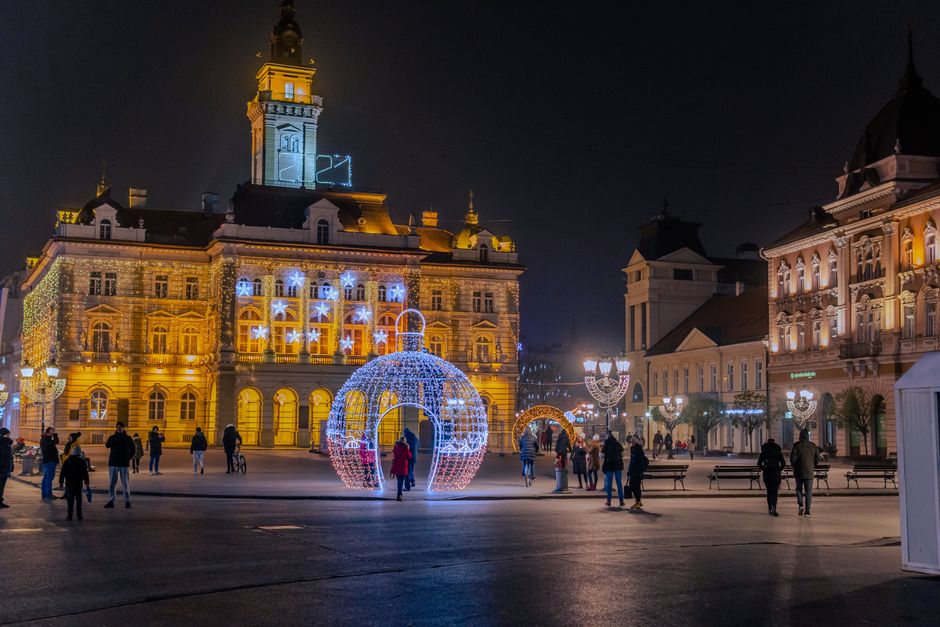
Today, the city has evolved. It is the cultural capital of Serbia, a place where universities pump out fresh energy every year. The architecture is a mix of Austro-Hungarian grandeur and post-socialist concrete, a visual representation of the country's complex identity. The main square, Liberty Square, is the heart of the city, a sprawling plaza where locals gather to drink coffee, argue politics, and watch the world go by. It is a place of contrasts. You can see expensive cars parked next to rusted buses, and you can hear classical music from a nearby hall mixing with the bass thumping from a underground club. This duality is what makes the city compelling. It is not trying to be something it is not. It is proudly, messily, itself.
Where to Go
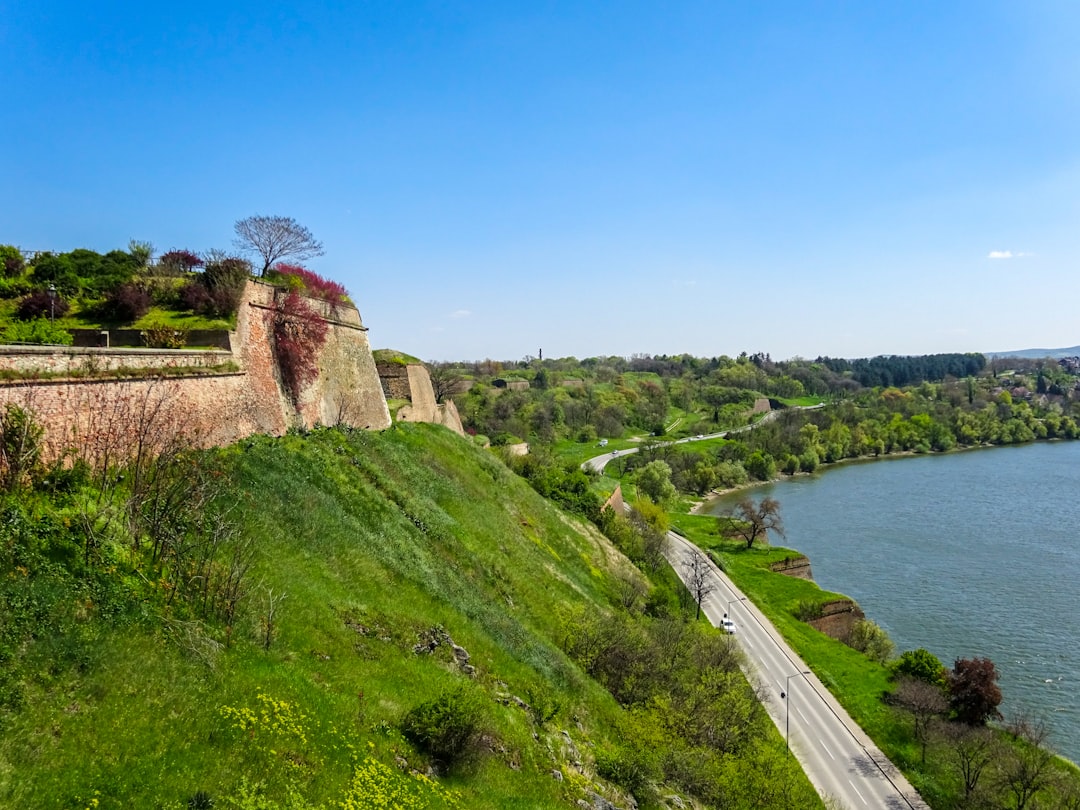
Petrovaradin Fortress — This is the crown jewel of the city. A massive Baroque fortress built in the 18th century, it dominates the skyline. During the festival, it becomes the main stage. Outside of festival season, it is a perfect place for a sunset walk. The acoustics are incredible, and the views of the river are unmatched. Entry is free, but you can pay for guided tours. The cannon firing at noon is a must-see spectacle.
Liberty Square — The main public square in the city center. It is vast, open, and always full of life. In summer, it is filled with outdoor cafes and street performers. It is the best place to people-watch and get a feel for the local rhythm. The surrounding streets are lined with shops, banks, and historic buildings. It is the anchor of the city's daily life.
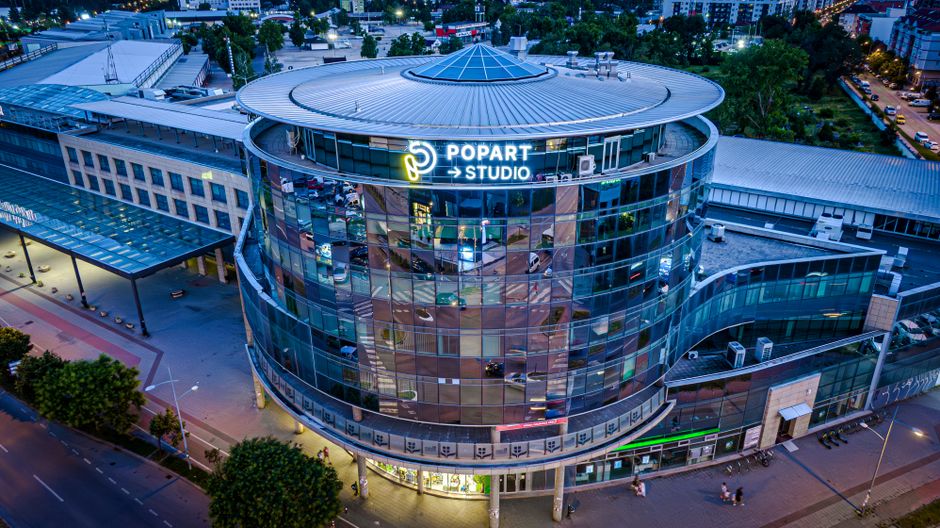
SKC SPENS — The Student Cultural Center is the hub of the city's alternative scene. Even when the festival is not happening, this is where the local bands play, the art exhibitions open, and the intellectuals gather. It is a gritty, authentic space that feels worlds away from the polished commercial clubs. If you want to see the real cultural pulse of the city, come here.
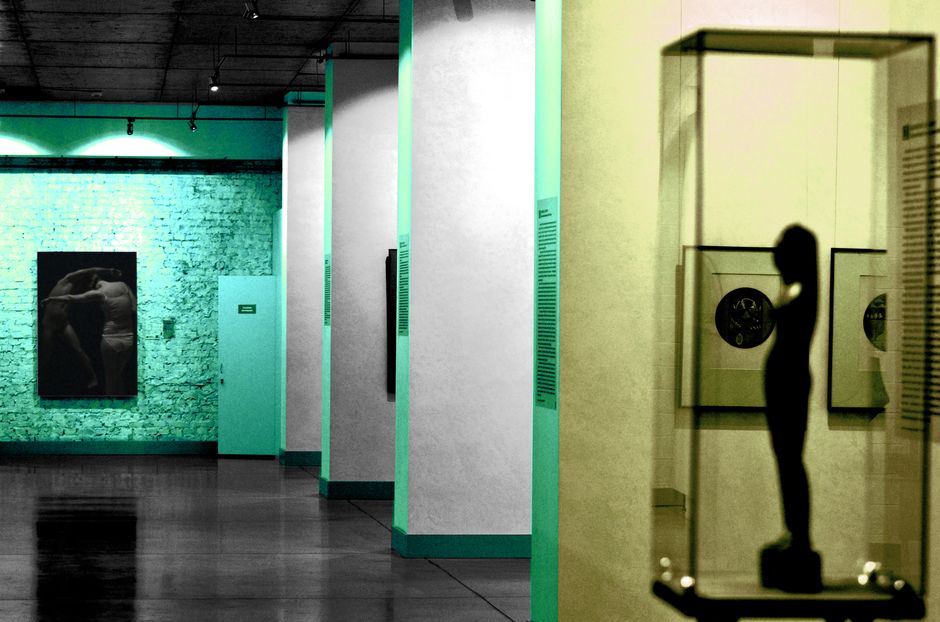
City Museum — Located in a beautiful historic building, this museum offers a deep dive into the history of the region. The collections range from archaeological finds to modern art. It is a quiet counterpoint to the noise of the streets. The architecture of the building itself is worth the visit. Entry is reasonable, and the staff are knowledgeable.
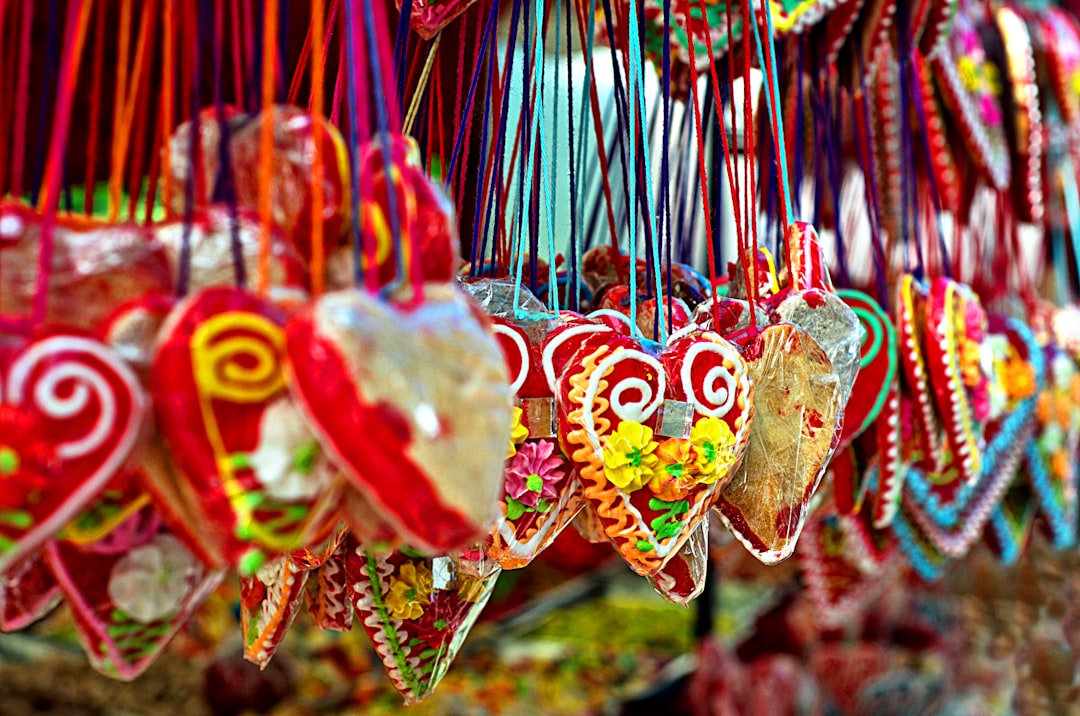
Old Market — A small but charming market area near the main square. It is a good place to pick up local souvenirs, fresh produce, and traditional crafts. It is not a tourist trap; it is where locals shop. You can find everything from handmade pottery to regional cheeses. It is a sensory experience, full of smells, sounds, and colors.
What to Eat & Drink
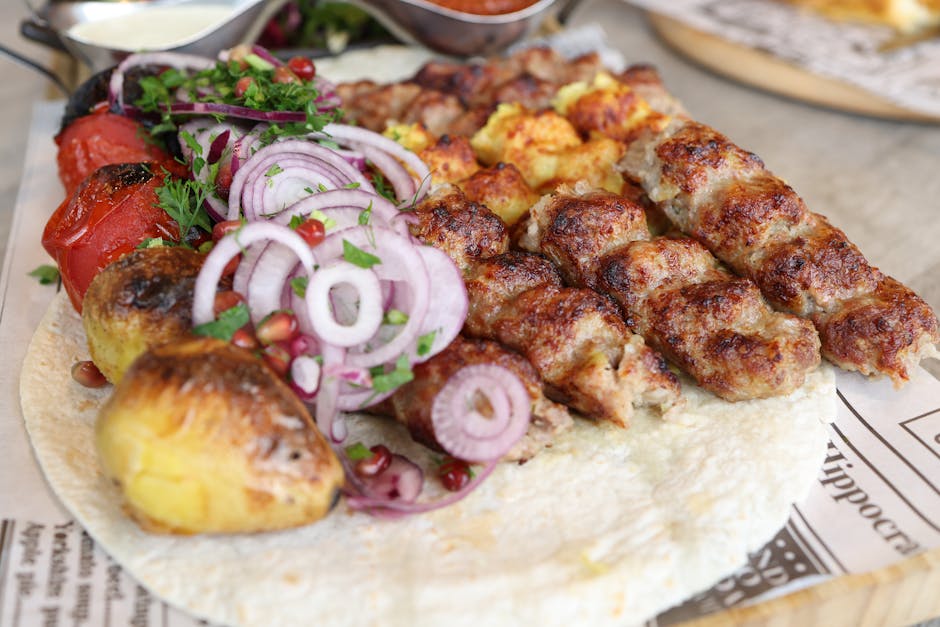
You cannot survive a festival on air and adrenaline. The local cuisine is hearty, filling, and designed to keep you going. Ćevapi are the staple — small grilled minced meat sausages served with flatbread and onions. You can get a plate for 3-5 EUR. They are the ultimate street food. Pair them with a Šopska Salata, a fresh salad of tomatoes, cucumbers, onions, and white cheese, for 2-4 EUR. For something heavier, try Sarma, cabbage rolls stuffed with meat and rice, a comfort food classic for 6-8 EUR.
For budget travelers, the street food scene is your friend. You can eat well for under 5 EUR per meal if you stick to the local spots. Sit-down restaurants in the city center range from 10-20 EUR per person for a full meal with drinks. The Tabac restaurant near Liberty Square is a historic institution, known for its traditional dishes and old-world atmosphere. For a more modern take, the Skadarlija district, though small, offers a mix of trendy cafes and bistros. Take-away options are plentiful, and many markets have food courts where you can grab a quick bite.
Nightlife
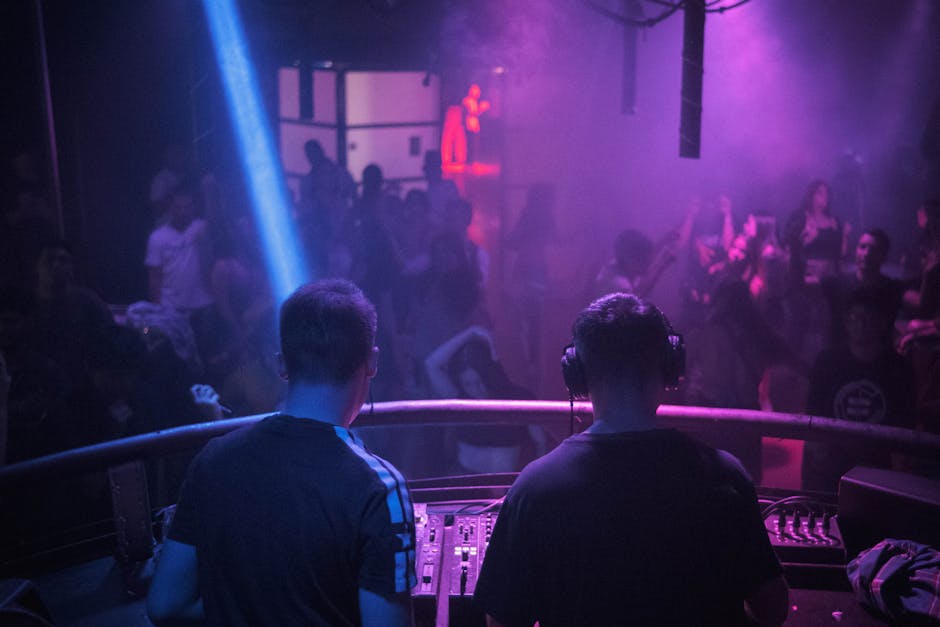
When the sun goes down, the city transforms. The main nightlife district is centered around Obrenovićeva and Đure Daničika streets. These are lined with bars, clubs, and live music venues. The atmosphere is electric, especially during the summer months. Club Exit is a must-visit, a legendary venue that hosts local and international DJs. The cover charge is usually around 5-10 EUR, but it can be higher during special events. The music ranges from techno and house to rock and pop, depending on the night.
For a more relaxed vibe, head to the Riverfront Bars along the Danube. These open-air venues offer stunning views of the fortress and the river. They are perfect for a pre-game drink or a post-club recovery. The prices are slightly higher here, but the setting is worth it. Bar 1000 is a popular spot with a large terrace and a lively crowd. If you are looking for live music, SKC SPENS is again the place to be, hosting everything from jazz nights to indie rock gigs.
Getting There & What to Expect
The nearest airport is Novi Sad International Airport, which has limited direct flights. Most travelers fly into Belgrade Nikola Tesla Airport, which is about 100 km away. From Belgrade, you can take a bus or train to Novi Sad, which takes about 2 hours. The bus fare is around 10-15 EUR, and the train is similar. Taxis and ride-sharing services are also available, costing around 40-60 EUR for the journey. Once in the city, public transport is efficient and cheap. A single bus ticket is 1 EUR.
Accommodation prices vary widely. During the festival, prices skyrocket. Budget hostels can range from 30-50 EUR per night, while mid-range hotels are 80-150 EUR. If you are visiting outside of festival season, you can find much better deals. Camping is also an option, especially during the festival, with sites starting at 20-40 EUR per night. The best time to visit is during the summer, particularly in July when the festival takes place. The weather is hot and sunny, perfect for outdoor events. However, be prepared for large crowds and higher prices. If you prefer a quieter experience, spring and autumn are pleasant, with mild weather and fewer tourists.
Search accommodation in Novi Sad on Booking.com →
The Echo in the Stone
I left the fortress at dawn, my feet aching, my head still buzzing with the bass. The sun was rising over the Danube, painting the water in shades of gold and orange. The city was waking up, the noise of the night replaced by the sounds of daily life. But something had shifted. I could feel it in the air, in the way people looked at each other, in the way the fortress stood silent but proud. This place is not just a destination. It is a testament to the power of culture, of music, of human connection. It is a place where history is not just remembered; it is lived, breathed, and danced. And as I walked back into the city, I knew I would be back. Not just for the festival, but for the soul of this place. It has a way of getting under your skin, of staying with you long after you have left. That is the true magic of Novi Sad. It is not just a city. It is a feeling. And once you feel it, you can never really let go.
Comments