


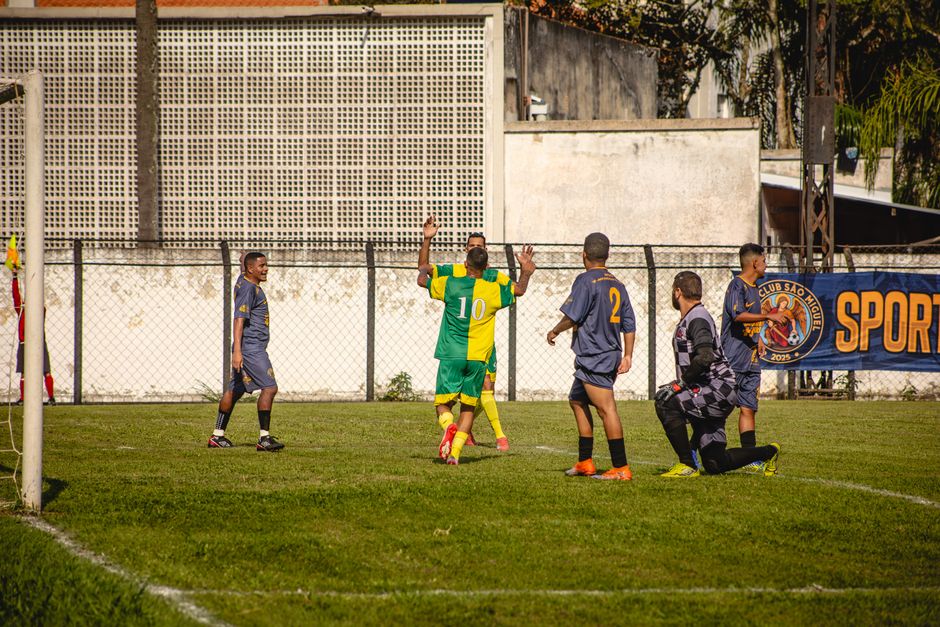
The name Neymar Jr continues to dominate global football discourse, but not for the reasons that once defined his meteoric rise. As the 2026 FIFA World Cup approaches, the Brazilian superstar’s future with the national team has become a subject of intense debate among fans, pundits, and former teammates. Recent performances, coupled with recurring injury issues and off-pitch controversies, have fueled questions about his necessity in Brazil’s squad. For Balkan audiences, who follow European football closely, Neymar’s trajectory mirrors broader trends in modern football: the tension between legacy status and current form, and the high stakes of international tournaments where every selection carries weight.
The recent article from Sportbox highlights a growing sentiment: Neymar’s inclusion in Brazil’s 2026 World Cup plans may be more symbolic than strategic. While his technical brilliance remains undeniable, critics argue that his impact on the pitch has diminished significantly. This scrutiny is particularly relevant as Brazil seeks to rebuild after a disappointing 2022 World Cup campaign. For fans across the Balkans, where football is a cultural cornerstone, Neymar’s story serves as a case study in how even the most decorated players can fall out of favor when results and reliability wane.
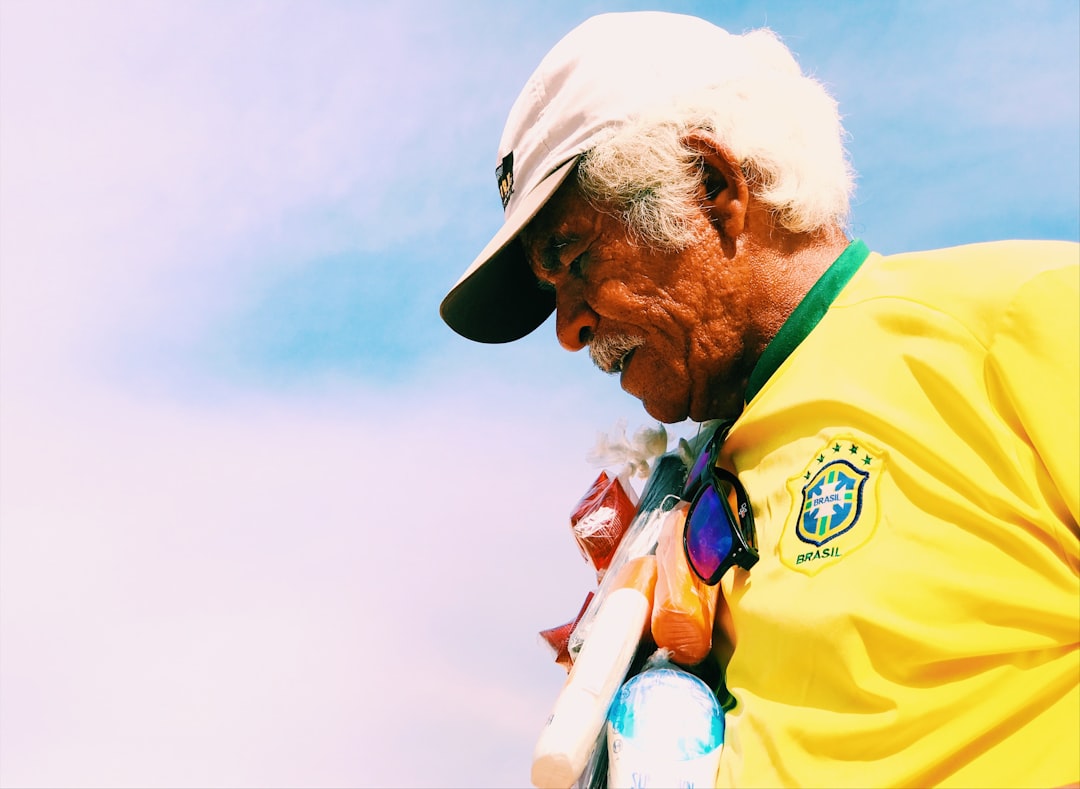
The Fall from Grace: From Global Icon to Questionable Asset
Neymar’s journey from Santos to Barcelona, Paris Saint-Germain, and Al Hilal has been marked by extraordinary talent and commercial success. However, his time at Paris Saint-Germain saw his influence wane as the club shifted focus to younger stars like Kylian Mbappé. Injuries, particularly to his ankle and knee, have plagued his career in recent years, leading to missed matches and inconsistent performances. The 2022 World Cup in Qatar was a turning point; Neymar missed crucial games due to injury, and Brazil’s elimination by Croatia in the quarter-finals intensified criticism of his leadership and availability.
Since moving to Al Hilal in Saudi Arabia, Neymar’s playing time has been limited, and his fitness levels have drawn skepticism. At 33, he is no longer the explosive winger who dazzled at Barcelona or the creative hub who led PSG to domestic dominance. Instead, he is often substituted early or left on the bench, raising doubts about his ability to handle the physical demands of a World Cup. For Balkan fans, who value resilience and consistency in players, Neymar’s decline is a stark reminder that football careers are fleeting, and form is a fickle ally.

Brazil’s Dilemma: Legacy vs. Modern Football Demands
The Brazilian Football Confederation (CBF) faces a difficult decision as it prepares for the 2026 World Cup. Neymar’s name carries immense weight, with millions of fans worldwide still associating him with Brazil’s golden generation alongside Pele and Ronaldo. However, modern football prioritizes tactical flexibility, physical endurance, and squad depth. Coaches like Tite and his successors must balance nostalgia with pragmatism. Including Neymar could alienate younger talents like Vinícius Júnior and Rodrygo, who have consistently delivered at club level and in international friendlies.
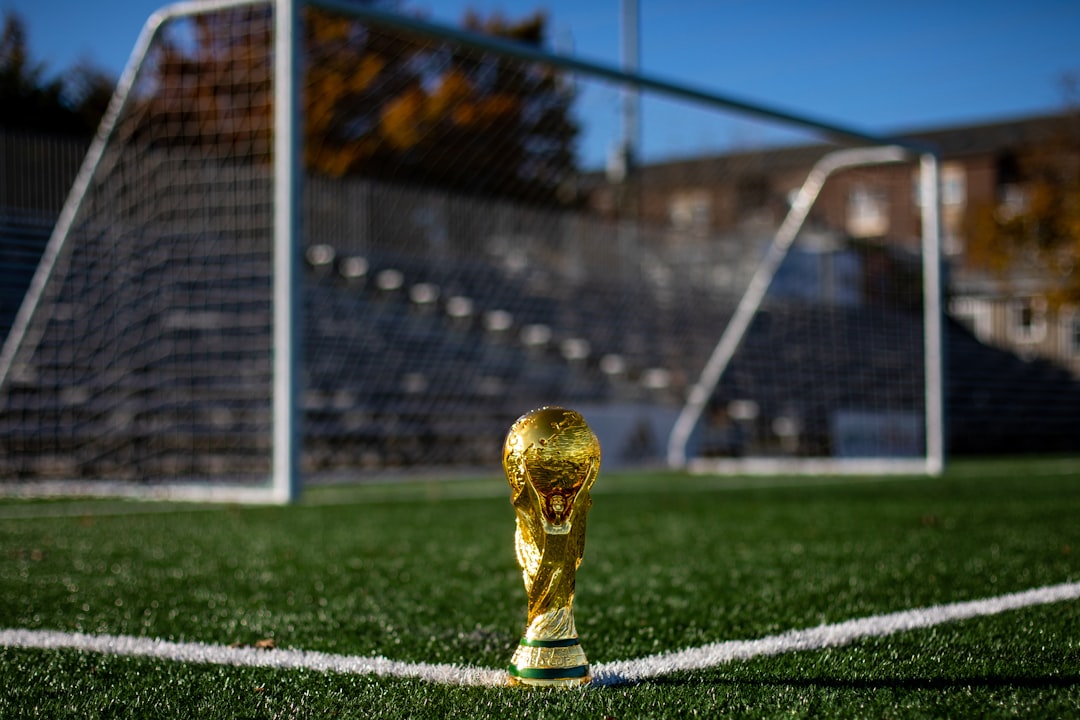
The 2026 World Cup will feature an expanded format with 48 teams, increasing the number of matches and the physical toll on players. Neymar’s injury history makes him a liability in such a demanding tournament. Moreover, Brazil’s midfield and attacking options have evolved, with players like Raphinha and Estêvão emerging as dynamic alternatives. For Balkan audiences, who appreciate tactical analysis and squad rotation strategies, Neymar’s potential exclusion underscores a broader shift in football: legacy players must earn their place through current form, not past glory. The CBF’s decision will signal whether Brazil values tradition or adaptation in its quest for a sixth World Cup title.
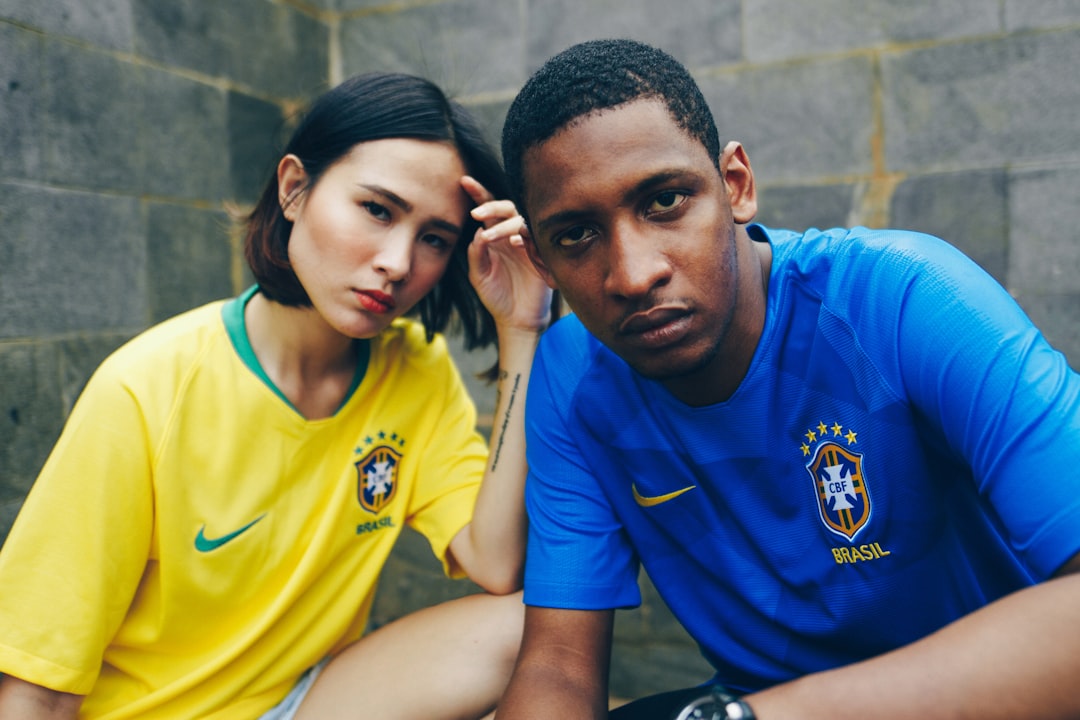
What’s Next: Neymar’s Future and Global Football Implications
Neymar’s career crossroads extend beyond Brazil. His future at Al Hilal, where he has struggled to justify his massive salary, remains uncertain. A return to Europe or a move to a less demanding league could prolong his career, but his World Cup ambitions may be fading. For the Balkan region, where football clubs and national teams often scout global talent, Neymar’s story offers lessons in player management and career longevity. Clubs in Serbia, Croatia, and Bulgaria monitor such trends closely, as they seek to balance star power with sustainable squad building.
The 2026 World Cup qualifiers will provide a clear test of Neymar’s relevance. If he fails to secure a regular spot in Brazil’s lineup, his international career may effectively end. Conversely, a resurgence could reignite debates about his legacy. For fans across the Balkans and beyond, Neymar’s journey encapsulates the brutal honesty of football: talent alone is insufficient without consistency, health, and adaptability. As the world watches, the question remains not just whether Neymar will play in 2026, but whether he can still deliver when it matters most. The stakes are high, and the verdict will shape narratives for years to come.
Comments