



Donyell Malen has firmly established himself as one of the most dynamic forwards in the Bundesliga, drawing significant attention from fans and pundits alike. The Dutch international, who plays for Borussia Dortmund, continues to demonstrate why he is a key asset for both his club and the Dutch national team. His recent performances have sparked trending searches across Europe, particularly as he navigates the high-pressure environment of top-tier German football. For Balkan audiences, Malen's story is compelling not just for his skill, but for the broader context of how talent from the Netherlands impacts the European football landscape, a region deeply connected to Balkan football culture through migration, scouting networks, and shared fan bases.
Malen's journey from a youth prospect to a Bundesliga regular reflects a modern football trajectory. Born in Amsterdam, he developed through the Ajax academy before moving to PSV Eindhoven, where he broke into the senior squad. His transfer to Borussia Dortmund in 2021 marked a significant step, placing him in one of Europe's most competitive leagues. This move has been pivotal in shaping his career, offering him a platform to showcase his pace, dribbling, and finishing ability against some of the continent's best defenses. The interest in Malen extends beyond the Netherlands, with fans in the Balkans, who have a strong affinity for German football and Dutch technical style, closely following his progress.
Background and Career Trajectory
Donyell Malen's early career was marked by promise and potential. At Ajax, he was part of a renowned youth setup known for producing world-class talent. However, limited playing time led to his move to PSV Eindhoven, where he found consistent first-team football. His performances in the Eredivisie caught the eye of major European clubs, culminating in his transfer to Dortmund. This transition was not just a career move but a strategic step for Malen to elevate his game. The Bundesliga's physical and tactical demands have tested his abilities, forcing him to adapt and grow. His ability to thrive in this environment has been a testament to his work ethic and talent.
The Dutch national team has also benefited from Malen's development. He has been a regular fixture in the Dutch national team squad, contributing in major tournaments including the UEFA Euro 2020 and the FIFA World Cup 2022. His versatility allows him to play as a winger or forward, providing tactical flexibility for the national team coach. For Balkan football fans, who often analyze tactical setups and player roles, Malen's ability to impact games from different positions is a point of interest. His international career has paralleled his club success, reinforcing his status as a top-tier player in Europe.
Significance in the Bundesliga and European Football
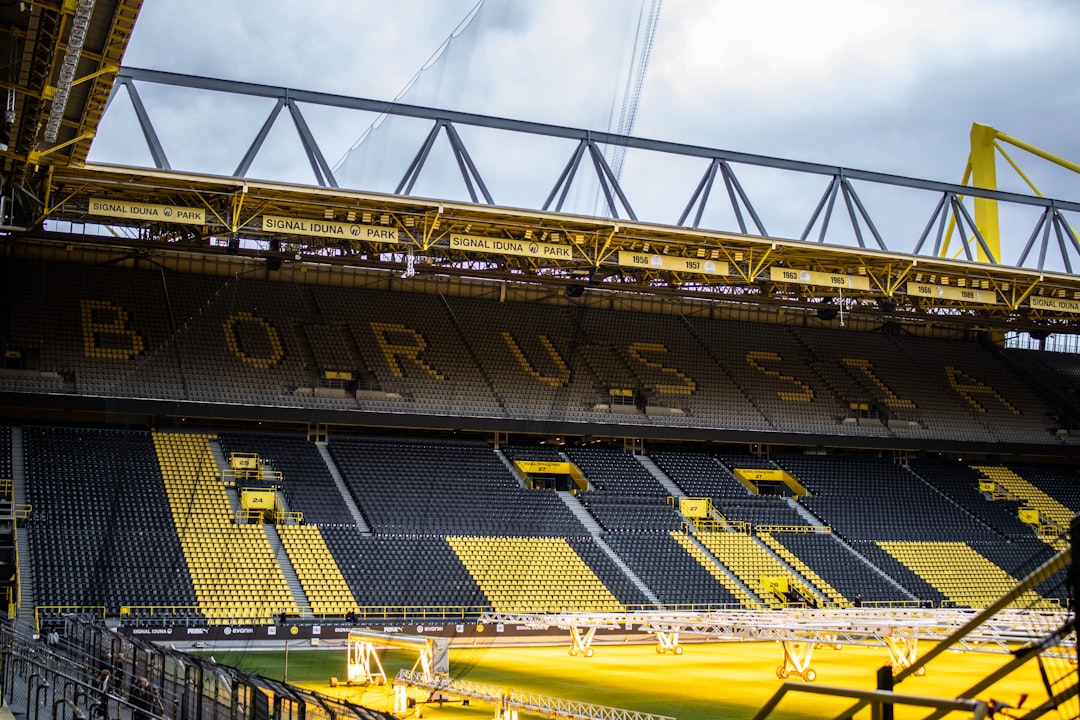
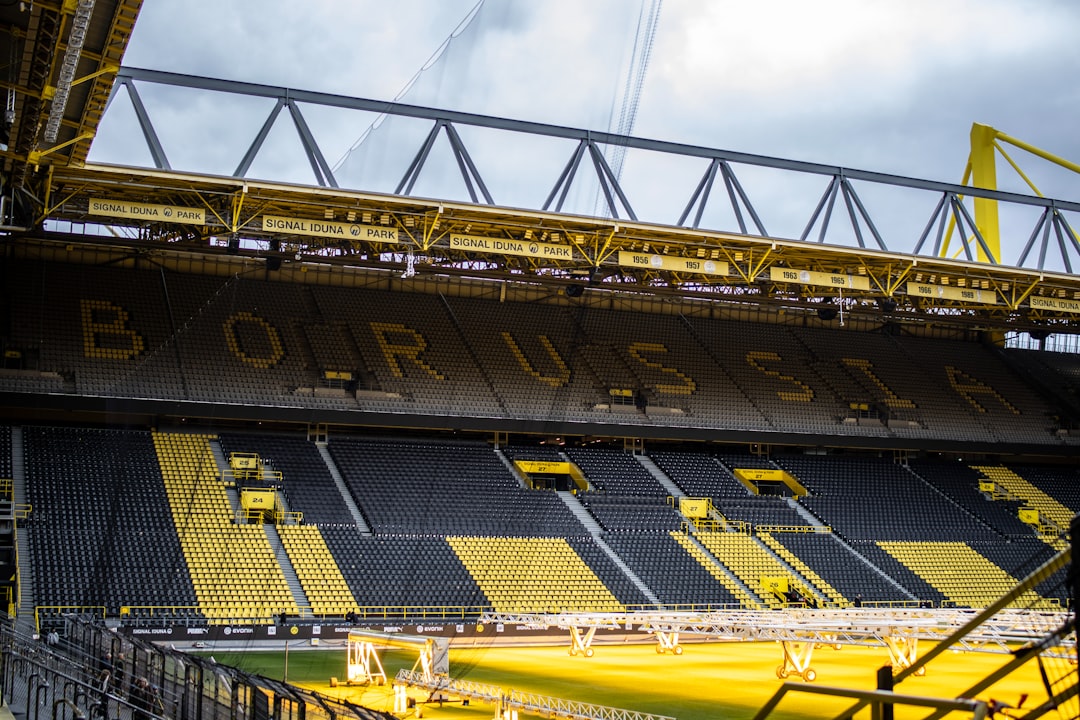
At Borussia Dortmund, Malen has become an integral part of the attack. His pace and directness are key components of the team's playing style, which emphasizes quick transitions and high pressing. In a league known for its physicality and tactical sophistication, Malen's ability to create chances and score goals has been invaluable. His partnership with other attacking players has added depth and unpredictability to Dortmund's offense. This has been crucial in their pursuit of domestic titles and success in UEFA Champions League competitions. The interest in Malen is not just about individual stats but about his role in a team that competes at the highest level.
The broader impact of Malen's success extends to the global perception of Dutch football. While the Eredivisie has historically been a talent incubator, the movement of players like Malen to the Bundesliga highlights the league's growing influence. For Balkan audiences, who have a strong connection to both Dutch and German football through historical ties and current player movements, this trend is significant. It reflects the interconnectedness of European football and the fluidity of talent across leagues. Malen's career serves as a case study in how players from smaller leagues can succeed in more competitive environments, inspiring young players in the Balkans and beyond.
Balkan Angle and Regional Interest
The Balkans have a rich footballing culture, with a deep appreciation for technical skill and tactical acumen. Fans in countries like Serbia, Croatia, and Bosnia have long followed the Bundesliga, with many players from the region having played for top German clubs. Malen's rise adds another layer to this narrative. His success demonstrates the global nature of football, where talent from the Netherlands can captivate audiences in the Balkans. This shared interest fosters a sense of community among football fans across different regions, united by their passion for the game.
Furthermore, the scouting networks that identify and develop talent like Malen often have connections to the Balkans. Many agents and scouts operate across Europe, linking clubs in the Netherlands, Germany, and the Balkans. This interconnectedness means that Malen's career path is not an isolated phenomenon but part of a larger system of talent identification and development. For Balkan audiences, understanding this system provides insight into how players reach the top level and what it takes to succeed in modern football. Malen's story is a reminder of the opportunities available to talented players, regardless of their origin.
Looking ahead, Donyell Malen's career will continue to be closely watched. His ability to maintain his form and adapt to new challenges will determine his long-term success. For fans in the Balkans and beyond, his journey is a source of inspiration and entertainment. As he continues to evolve as a player, his impact on the game will only grow. The interest in Malen is a testament to the power of football to connect people across borders and cultures. His story is not just about one player but about the broader narrative of European football and its ability to captivate audiences worldwide.

Comments