



The highly anticipated international friendly between England and Costa Rica experienced significant disruption due to severe weather conditions, casting a shadow over what was intended to be a key preparatory match for the 2026 FIFA World Cup. Fans and media gathered for the fixture faced delays as thunderstorms and heavy winds impacted the stadium operations, highlighting the increasing challenges extreme weather poses to modern sports scheduling. This event is particularly relevant to Balkan football fans, as it underscores the logistical realities of global tournaments where regional teams, including Serbia, Croatia, and Greece, may face similar disruptions in their own qualifying or friendly campaigns.
The match, scheduled as part of England's rigorous buildup under manager Gareth Southgate, was designed to test squad depth and tactical cohesion against a technically disciplined Costa Rican side. However, the inclement weather forced officials to postpone kickoff, leading to widespread discussion on social media and sports news outlets across Europe. For Balkan audiences, who closely follow international football dynamics, this delay serves as a reminder of the unpredictable nature of international fixtures and the importance of flexible travel and training plans for national teams.
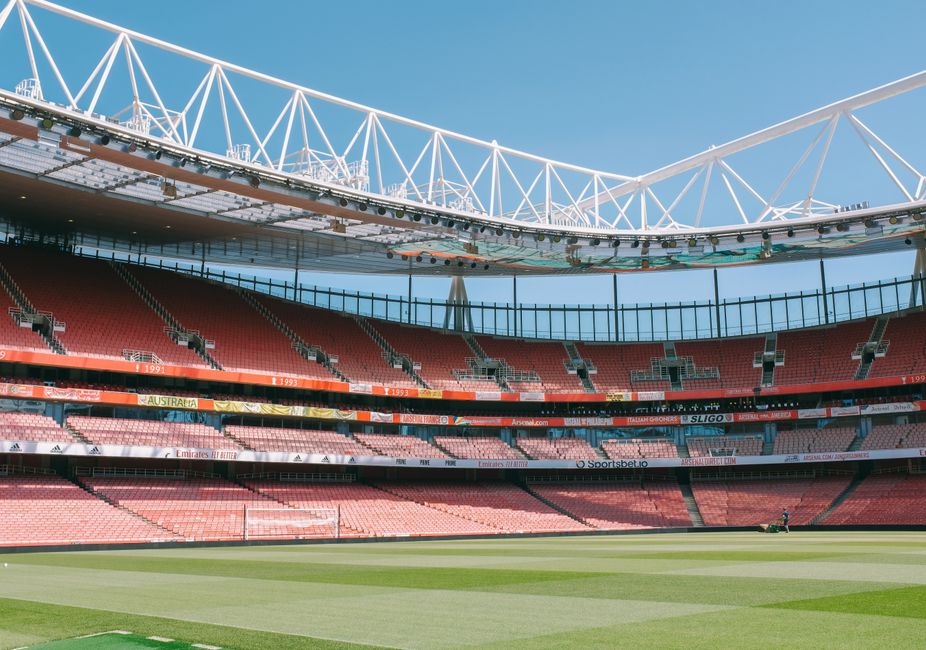
Weather Disruptions and Safety Protocols in Modern Football
The decision to delay the England versus Costa Rica match was driven by strict safety protocols implemented by The Football Association and local authorities. Lightning strikes and high wind speeds near the venue triggered automatic safety alarms, prompting officials to halt proceedings until conditions improved. This incident mirrors recent trends in global sports, where climate change has led to more frequent extreme weather events, forcing leagues and federations to adapt their scheduling and infrastructure. Balkan nations, with their diverse climates ranging from Mediterranean to continental, are also increasingly aware of these risks, particularly for outdoor stadiums in regions prone to sudden storms or heavy snowfall.
Football governing bodies, including UEFA, have been reviewing guidelines to better handle such disruptions, ensuring player safety and fan experience are not compromised. The delay in this high-profile friendly highlights the need for advanced weather monitoring systems and contingency plans in all major venues. For Balkan clubs and national teams, investing in resilient infrastructure and flexible scheduling becomes essential, especially as international competitions expand and attract larger global audiences. The incident also raises questions about insurance and compensation for fans who travel long distances, a concern relevant to supporters in Bosnia and Herzegovina or North Macedonia who often travel extensively for key matches.
Moreover, the psychological impact of such delays on players cannot be overlooked. Professional athletes require specific routines to prepare for matches, and unexpected interruptions can disrupt focus and momentum. Coaches must adjust training sessions and tactical briefings on short notice, a challenge that national team managers across the Balkans face regularly when dealing with unpredictable conditions. The England-Costa Rica delay serves as a case study in adaptive management, offering valuable lessons for other federations on maintaining operational efficiency amidst environmental challenges.

Balkan Perspective: Implications for Regional Football
While the match between England and Costa Rica is a high-profile international fixture, its implications resonate deeply within the Balkan football community. The region's national teams, including Bulgaria, Romania, and Turkey, are actively preparing for the 2026 World Cup qualifiers and must navigate similar logistical hurdles. The delay underscores the importance of robust contingency planning, a lesson that Balkan federations are increasingly prioritizing to ensure their teams are not disadvantaged by external factors. Additionally, the global attention on weather-related disruptions highlights the need for improved stadium infrastructure in the region, particularly in older venues that may lack modern weather-resistant features.
Balkan football fans are also keenly aware of the financial and emotional toll that match delays can take. For supporters who invest significant time and money in attending games, especially away fixtures, such interruptions can be frustrating and costly. This incident has sparked conversations in Balkan sports media about the need for better communication and compensation policies for affected fans. Clubs and federations in Croatia and Serbia are already exploring ways to enhance fan engagement and support during such events, recognizing that maintaining supporter loyalty is vital for the long-term health of the sport.
Furthermore, the England-Costa Rica friendly serves as a benchmark for tactical preparation, with both teams showcasing innovative strategies and player development models. Balkan coaches and analysts are studying these matches to identify trends that can be adapted to their own teams. The emphasis on technical skill, physical conditioning, and mental resilience displayed by England and Costa Rica offers valuable insights for Balkan nations aiming to compete at the highest level. As the region continues to produce talented players for top European clubs, understanding global best practices in preparation and management becomes increasingly important.

Looking Ahead: What Fans and Federations Should Watch For
As the 2026 World Cup approaches, the England versus Costa Rica delay will likely be cited as an early indicator of the challenges teams may face in the coming years. Federations across the Balkans are advised to review their operational procedures and invest in technologies that can mitigate the impact of extreme weather. This includes upgrading stadium facilities, implementing advanced weather forecasting tools, and establishing clear communication protocols for fans and media. By learning from incidents like this, Balkan football can ensure that its teams are well-prepared to handle any disruptions, maintaining their competitive edge on the international stage.
Fans should also stay informed about match schedules and potential changes, utilizing official channels from FIFA and national associations for accurate updates. The growing emphasis on sustainability and resilience in sports means that future fixtures may be more adaptable to environmental conditions, offering a more reliable experience for supporters. For Balkan audiences, this evolution presents an opportunity to engage more deeply with global football trends while advocating for improvements in their own regions. The lessons learned from this delayed friendly will undoubtedly shape the way football is organized and experienced in the years to come.
In conclusion, the England-Costa Rica match delay is more than just a logistical hiccup; it is a reflection of broader challenges facing modern sports. By addressing these issues proactively, Balkan football can continue to thrive and contribute to the global game. Fans, players, and officials must work together to ensure that the spirit of the sport remains intact, regardless of external circumstances. As the 2026 World Cup draws nearer, the resilience and adaptability of teams and fans alike will be tested, making this incident a pivotal moment for reflection and improvement in the world of football.



Comments