


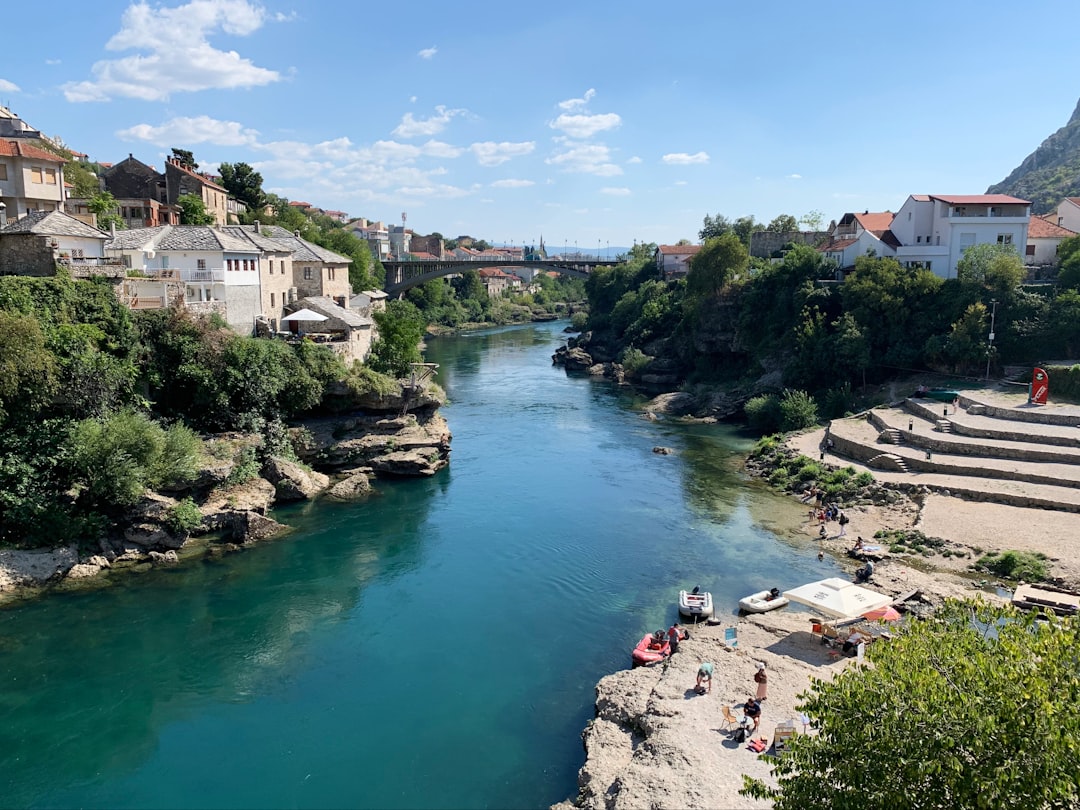
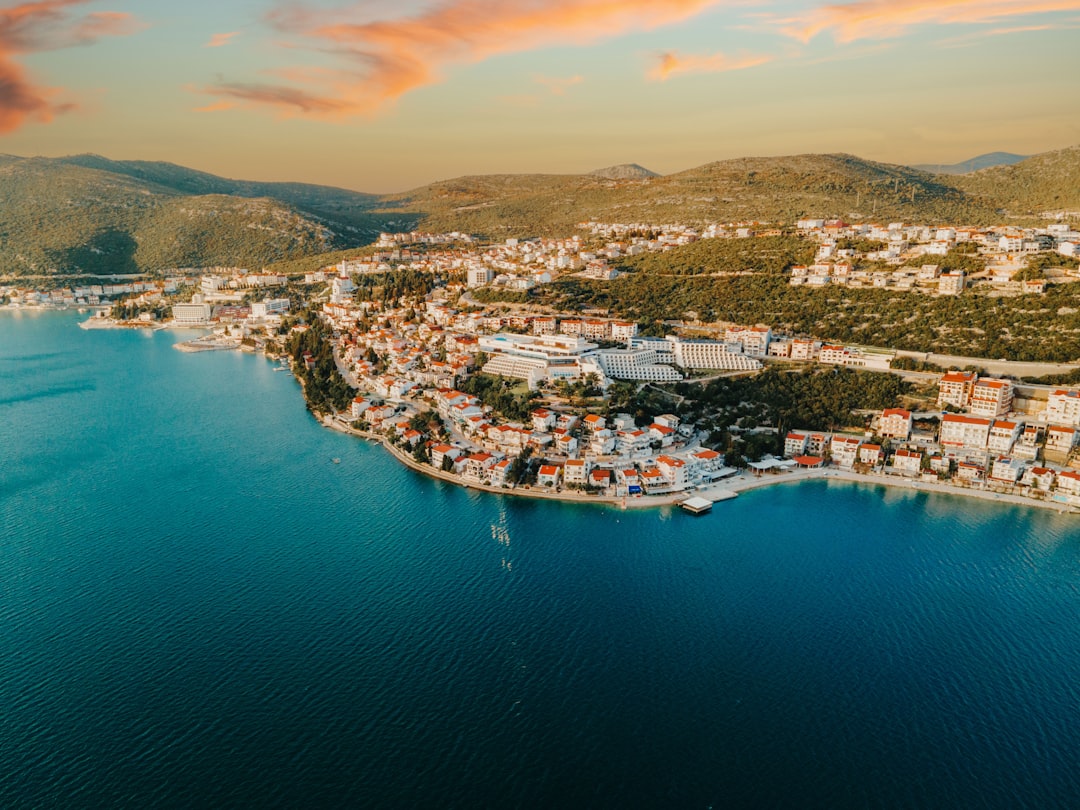
The sun here doesn't just shine; it interrogates. I arrived in Neum on a Tuesday afternoon, stepping off a bus that smelled of diesel and stale cigarettes, only to be hit by a wall of Adriatic humidity so thick it felt like walking through a wet towel. This is Bosnia and Herzegovina's only slice of the sea, a 20-kilometer coastal strip that separates the Republic of Srpska from the rest of the Balkans. It is a geopolitical anomaly, a tourist trap, and a cultural collision zone all rolled into one concrete coastline. I expected paradise; I got a surreal mix of Ottoman ghosts, Yugoslav brutalism, and aggressive timeshare salesmen.
Within ten minutes, a man named Haris cornered me near the Marina Neum. He didn't ask if I wanted a coffee. He asked if I wanted to buy a plot of land for a holiday home. "The sea is here," he said, pointing at the turquoise water that looked suspiciously like a swimming pool. "The future is here." I bought nothing but a bottle of water, but Haris was right about one thing: this place is a future that never arrived, frozen in a perpetual state of construction and ambition. This is not the romantic Dalmatian coast of Croatia. This is the raw, unfiltered edge of Bosnia, where the mountains plunge directly into the sea with zero apology.
History & Identity
To understand Neum, you have to look at the map, not the brochure. For centuries, this tiny strip of land was the lifeline of a landlocked empire. The Ottoman Empire held onto this coastline fiercely because it provided access to the Mediterranean for their Bosnian territories. The name Neum itself is derived from the Latin "Novum," meaning new, reflecting its status as a newer settlement compared to the ancient inland towns. For hundreds of years, the sea here wasn't for swimming; it was for warships, trade galleys, and smuggling.
The identity of this region is defined by its isolation. Surrounded by the jagged peaks of the Bjelašnica and Čvrsnica mountains, the town was cut off from the rest of Bosnia by rugged terrain until the modern highway was completed. This isolation bred a unique dialect and a fiercely independent spirit among the locals. They are Bosnians, but they are also Mediterranean. You see it in their slower pace, their obsession with the sea, and their willingness to let go of continental Balkan conservatism when the sun goes down. The Adriatic Sea here is not just a scenic backdrop; it is the economic and cultural anchor of the entire country.
During the Yugoslav Wars in the 1990s, Neum was spared the worst of the destruction that ravaged Sarajevo and Mostar, but it was not untouched. It became a logistical hub, a quiet port for supplies in a fractured country. Today, the scars are subtle — a missing finger on a statue, a building with bullet holes hastily painted over — but the resilience is loud. The town has reinvented itself as a beach destination, though the transition from military port to tourist haven has been messy, loud, and undeniably authentic.
Where to Go
Neum Old Town — Forget the concrete hotels along the main drag. The heart of the place is the small, winding alleyways of the Old Town, just a few hundred meters from the beach. Here, you find the Neum Clock Tower, a modest stone structure that serves as the town's central meeting point. It is surrounded by remnants of Ottoman architecture, including old stone houses with wooden balconies that lean precariously over the narrow streets. Entry is free, but the real cost is navigating the aggressive vendors. Best visited in the late afternoon when the heat breaks and the locals come out to smoke and chat.
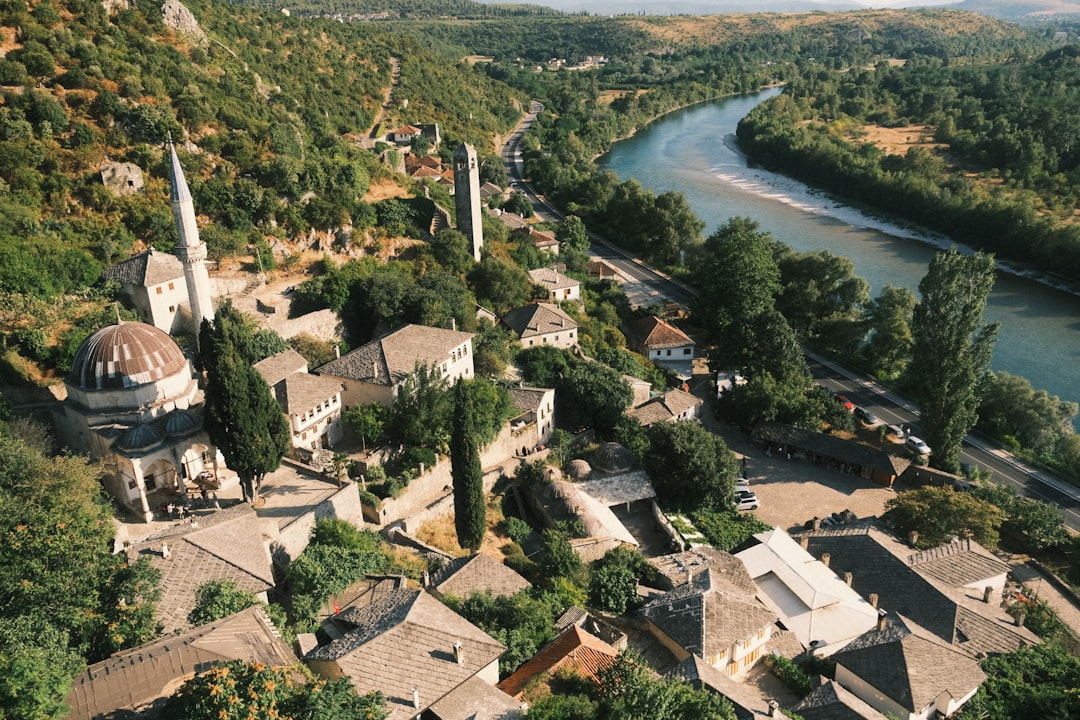
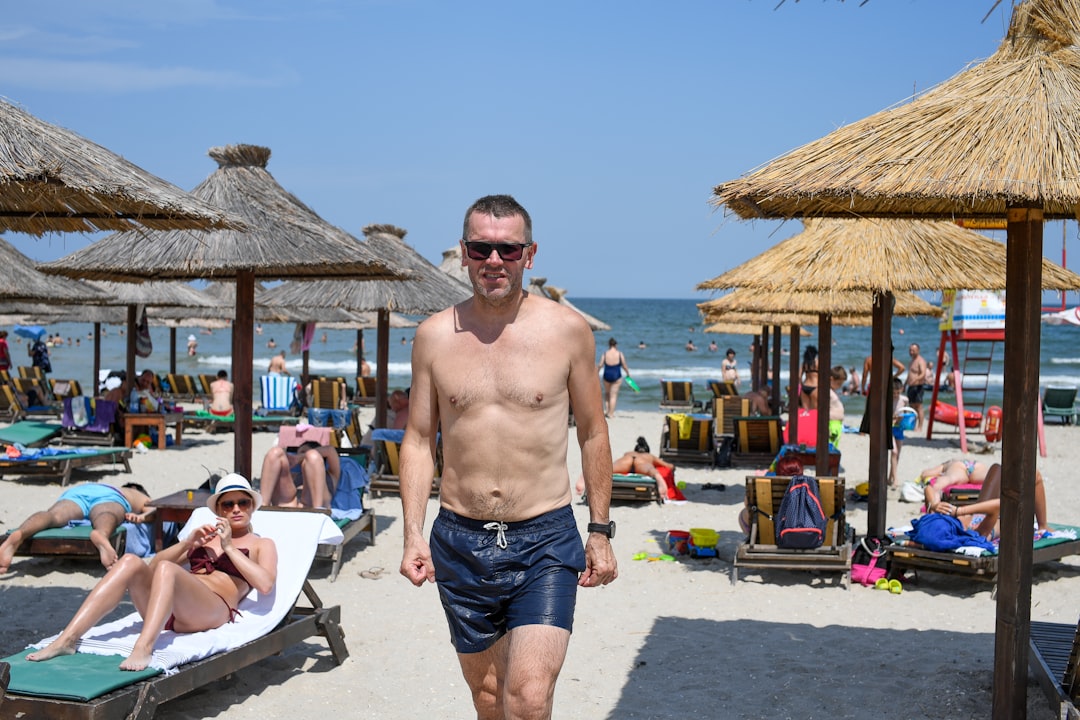
Bačvice Beach — This is the most famous stretch of sand in Neum, located right in front of the Old Town. It is a mix of pebbles and sand, with clear water that is surprisingly warm due to the shallow depth. The beach is lined with sunbeds and umbrellas, mostly run by private hotels, but there are small sections where locals spread out towels. The water is calm, protected by a small breakwater, making it ideal for families. The downside is the crowds in July and August. Entry to the public section is free, but renting a sunbed costs around 5-10 EUR per day.
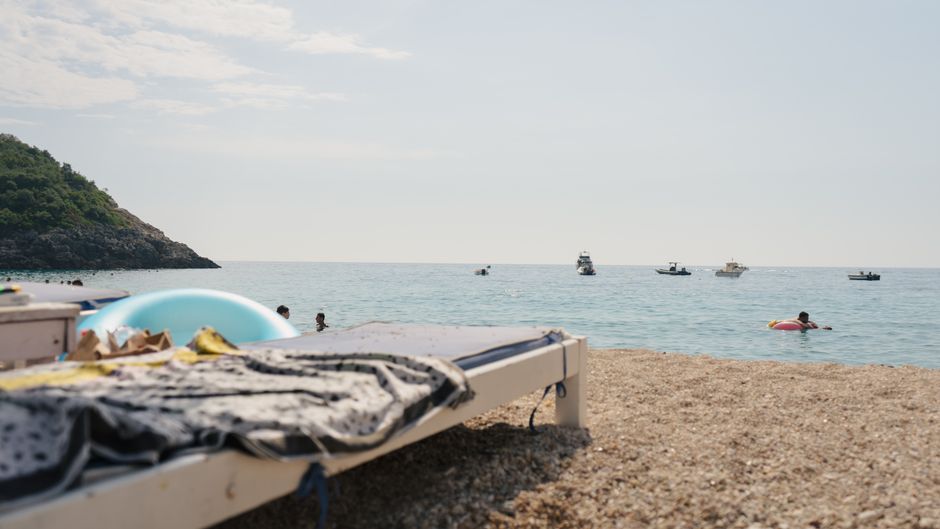
Monastery of St. Peter and St. Paul — Located just outside the town center, this Roman Catholic monastery is a stark white structure perched on a hill overlooking the sea. It is a place of quiet reflection, a sharp contrast to the chaos of the beach below. The church itself is simple, with beautiful stained glass and a serene interior. The grounds are well-kept, and there is a small museum inside that details the religious history of the region. It is free to enter, but donations are appreciated. The view from the monastery garden is one of the best in town, offering a panoramic shot of the Adriatic Sea and the surrounding mountains.
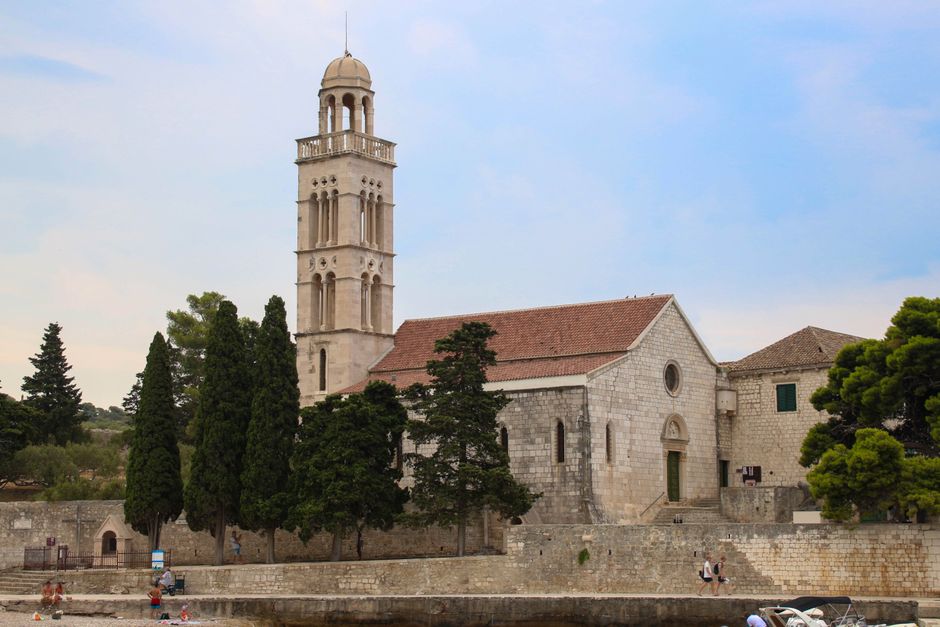
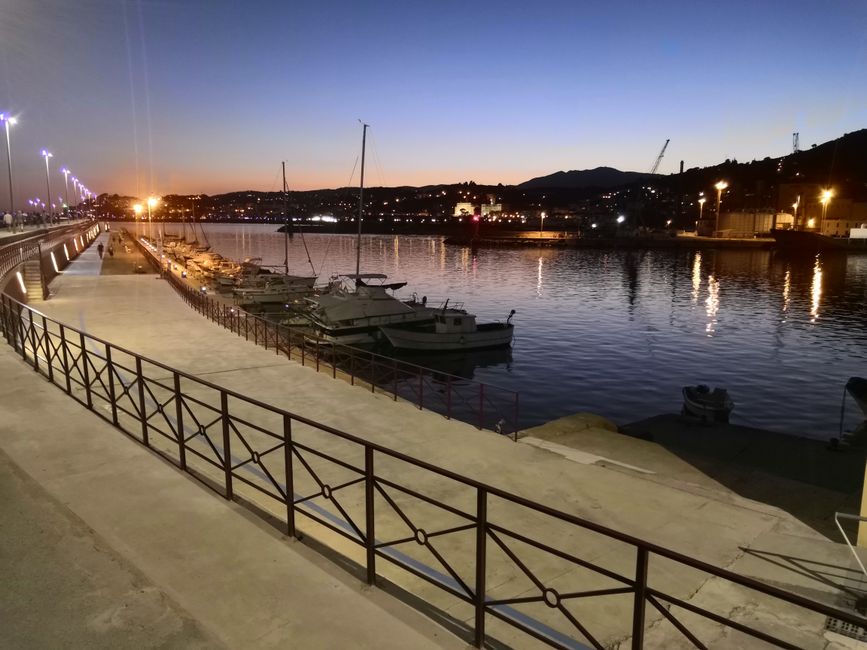
Neum Marina — This is where the money is. The Marina Neum is a modern complex with dozens of yachts, luxury apartments, and high-end restaurants. It is a world away from the Old Town, with wide boulevards, manicured lawns, and a sense of exclusivity. The marina is the hub of the town's nightlife, with several bars and clubs lining the waterfront. It is expensive, with drinks starting at 5 EUR for a beer and meals easily reaching 20-30 EUR per person. But it is also where you see the other side of Neum — the ambitious, wealthy, and aspirational face of the town.
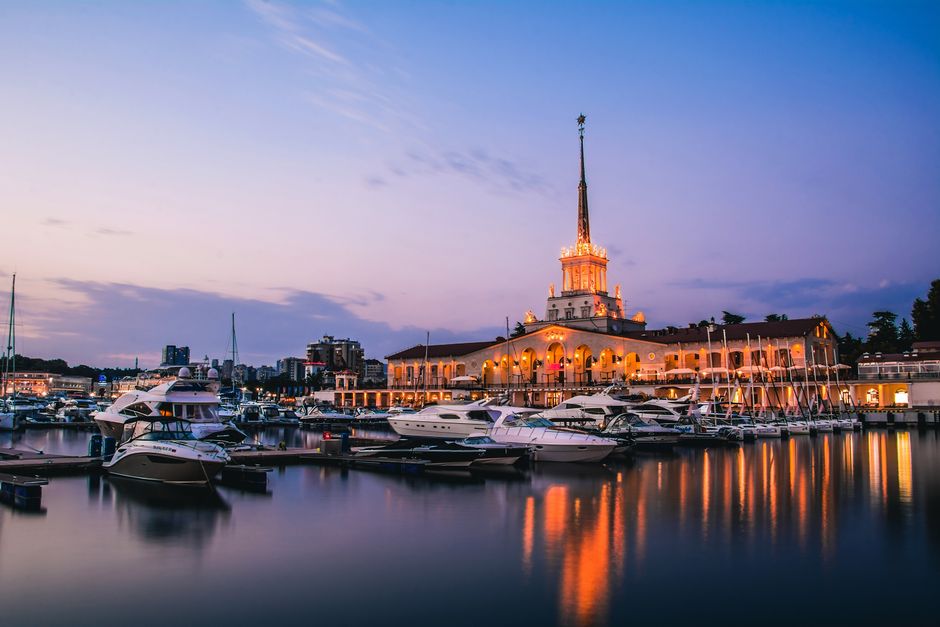
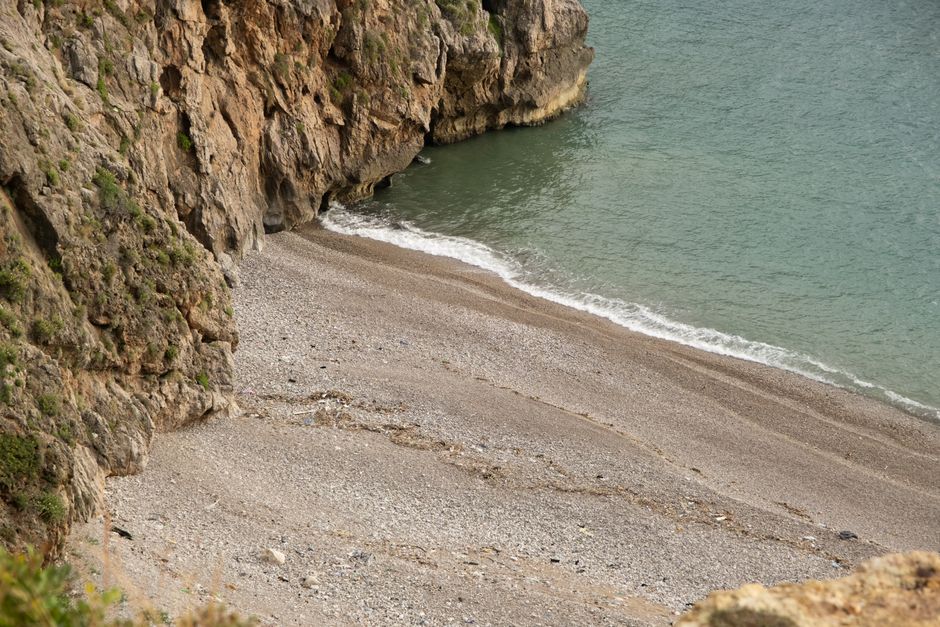
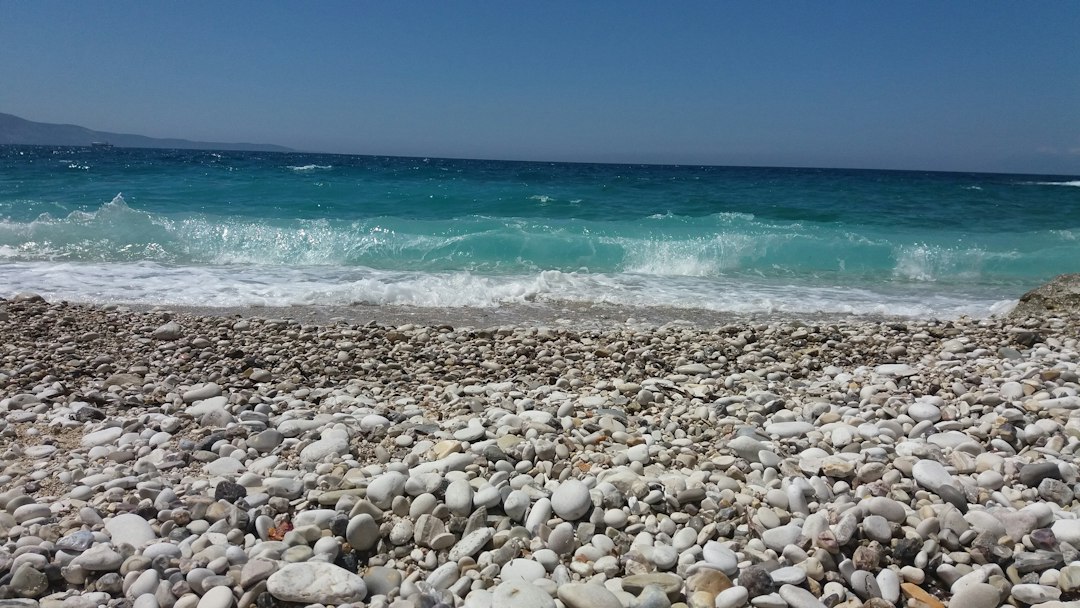
Kamenice Beach — For those who want to escape the crowds, head south to Kamenice Beach. This is a smaller, more secluded beach located in a tiny village just outside Neum. The water here is crystal clear, and the pebbles are smoother than in town. It is less developed, with fewer amenities, but the atmosphere is much more relaxed. There is a small kiosk selling ice cream and drinks, and a few family-run restaurants serving fresh fish. It is a great place for a quiet afternoon swim. Entry is free, and parking is easy.
What to Eat & Drink
Eating in Neum is a study in contrasts. On one hand, you have the international restaurants in the marina serving overpriced pasta and grilled chicken. On the other, you have the local konobas (taverns) in the Old Town serving traditional Bosnian cuisine at half the price. The local diet is heavily influenced by the sea, but also by the continental interior. Fish is fresh, but meat is still king. You will find burek (meat-filled pastry) for breakfast and grilled octopus for dinner. The key is to avoid the main tourist traps and venture into the side streets.
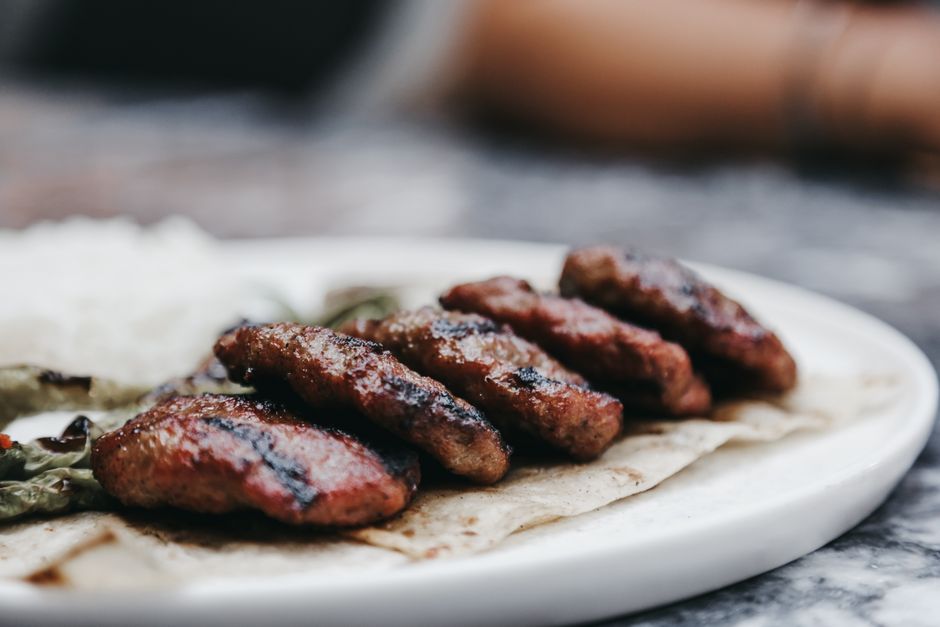
Start with ćevapi — small grilled sausages served with flatbread and onions. They are ubiquitous across the Balkans, but in Neum, they are often made with a mix of beef and lamb, giving them a richer flavor. A plate of 10 ćevapi costs around 3-4 EUR. Pair it with šopska salata, a refreshing mix of tomatoes, cucumbers, onions, and white cheese, for another 2-3 EUR. For something more substantial, try grilled sea bass or octopus, which are common on the menus of local restaurants. A portion of grilled fish typically costs 8-12 EUR, depending on the size and the restaurant. Don't forget the ajvar, a roasted red pepper relish that is served with almost everything.
Budget breakdown: Street food and take-away options, such as burek or ćevapi, will keep you under 5 EUR per meal. A sit-down meal at a local konoba, including a main course and a drink, will cost around 8-15 EUR per person. Mid-range restaurants in the marina or with a sea view will charge 15-25 EUR per person. For luxury dining, expect to pay per person. The best place to eat is the Old Town, where the prices are lower and the atmosphere is more authentic. The Marina is better for drinks and nightlife.
The Neum Market is a small but vibrant spot for fresh produce, cheese, and local specialties. It is a great place to pick up ingredients for a picnic or to sample local wines and rakija (fruit brandy). The market is open every morning, but the best time to visit is late afternoon when the prices drop and the locals start buying their dinner. There is also a food court near the bus station, which offers cheap and quick options for budget travelers. The quality is variable, but the prices are hard to beat, with meals starting at 2-3 EUR.
Nightlife
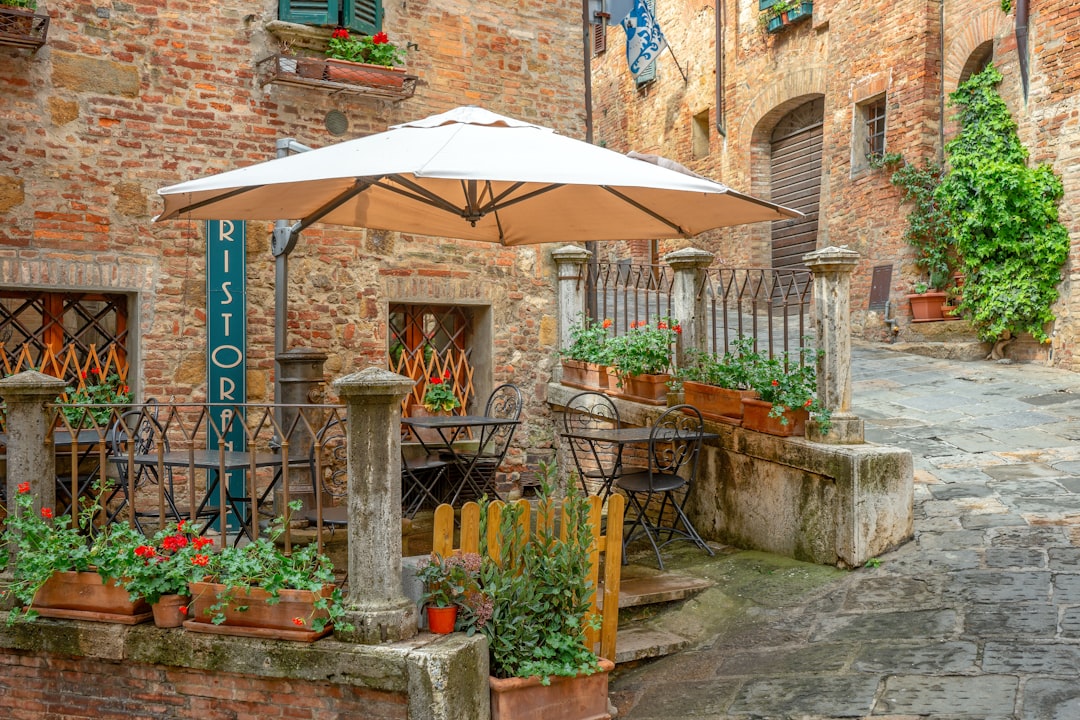
Nightlife in Neum is concentrated in two main areas: the Marina and the Old Town. The marina is the place for upscale bars and clubs, with a focus on electronic music and cocktails. The Old Town is more relaxed, with traditional taverns and live music. The vibe is generally laid-back, with locals and tourists mixing freely. The peak season is July and August, when the town is full of visitors from Bosnia and Herzegovina and neighboring countries.
The Marina Neum is home to several well-known venues, including Club Neum and Beach Bar. Club Neum is a large venue with a dance floor, DJ booth, and outdoor terrace. The music is a mix of house, techno, and pop, and the crowd is mostly young and stylish. The cover charge is around 5-10 EUR, and drinks are expensive, with cocktails starting at 8-12 EUR. Beach Bar is more casual, with a focus on cocktails and live music. It is a great place to watch the sunset and meet people.
In the Old Town, you will find Konoba Neum, a traditional tavern with live folk music and a cozy atmosphere. The music is loud and energetic, with locals dancing in the streets. The drinks are cheaper here, with local wine and rakija available for 2-3 EUR per glass. The food is also excellent, with a focus on traditional Bosnian dishes. It is a great place to experience the local culture and meet the locals.
For a more unique experience, try Boat Bar, a floating bar located in the marina. It is a small but popular spot, with a view of the yachts and the sea. The music is chill-out, and the crowd is mixed. It is a great place to relax and enjoy the evening. The cover charge is free, but drinks are expensive, with cocktails starting at 6-8 EUR.
Getting There & What to Expect
Getting to Neum is not as easy as it could be. There is no airport in the town, and the nearest international airport is in Dubrovnik, Croatia, which is about 70 kilometers away. The drive from Dubrovnik takes about 1 hour, but you have to cross the border, which can take anywhere from 30 minutes to 2 hours, depending on the queue. There is also an airport in Sarajevo, which is about 120 kilometers away. The drive from Sarajevo takes about 1.5 hours via the new highway, which is a much faster and easier option.
By bus, you can reach Neum from Sarajevo in about 2 hours. The buses leave from the Sarajevo Bus Station and arrive at the Neum Bus Station. The ticket costs around 5-7 EUR. Buses are frequent and reliable, but they can be crowded in the summer. By car, the drive from Sarajevo is scenic, with the highway winding through the mountains and along the coast. The tolls for the highway are reasonable, adding about 3-5 EUR to the cost of the trip. From Dubrovnik, the drive is short but stressful due to the border crossing. It is best to avoid peak hours, especially in July and August.
Accommodation in Neum ranges from budget hostels to luxury hotels. Budget hostels and guesthouses in the Old Town cost around 15-25 EUR per night. Mid-range hotels, with a sea view and private beach, cost around 40-70 EUR per night. Luxury hotels and apartments in the Marina can cost 80-150 EUR or more per night. The best time to visit is in June or September, when the weather is still warm but the crowds are smaller. July and August are hot and crowded, but the nightlife is at its peak.
Search accommodation in Neum on Booking.com →
The Concrete Coastline
I left Neum at dawn, the sun rising over the Adriatic Sea like a giant orange coin dropped into a slot machine. The town was quiet, the streets empty, the concrete hotels silent. It was a different place from the one I had arrived in. The chaos had faded, leaving behind a sense of stillness and potential. Neum is not a perfect destination. It is loud, it is commercial, and it is often frustrating. But it is also real. It is a place where the past and the future collide, where the mountains meet the sea, and where the Bosnian spirit shines through the concrete. It is not a gem. It is not a paradise. It is a strip of land, 20 kilometers long, that refuses to be ignored. And that, in the end, is enough.
Comments