


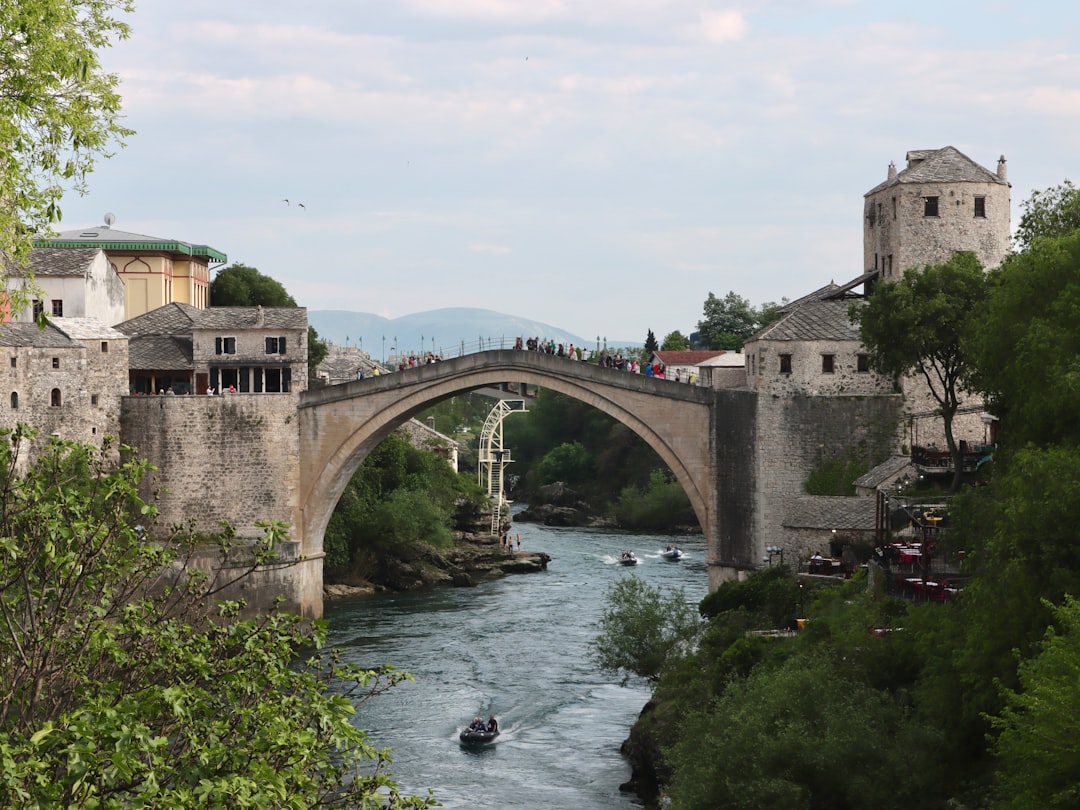
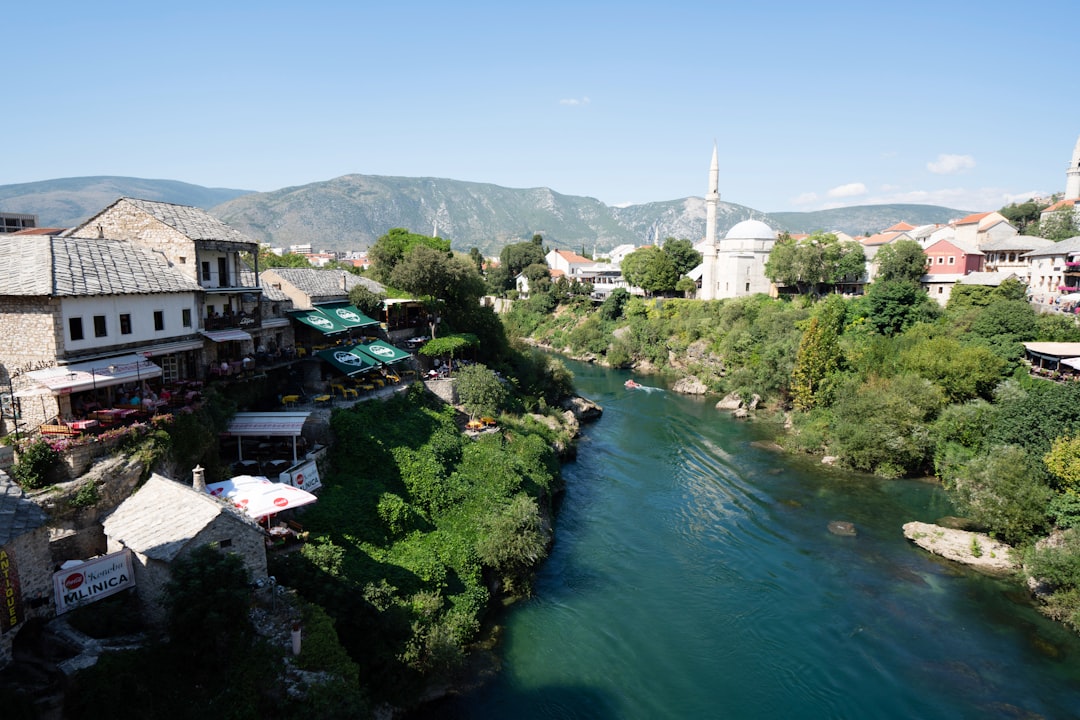
The air in Mostar doesn't just smell of roasted coffee and diesel fumes; it smells of wet stone and unresolved history. I stood on the Stari Most, the Old Bridge, watching a diver launch himself from the arch into the churning turquoise waters of the Neretva River below. The crowd on the banks roared, a mix of tourists with smartphones and locals with cigarettes, cheering as the young man twisted mid-air before hitting the water with a splash that seemed to echo off the Ottoman-era houses lining the river. It was a performance, yes, but it was also a ritual. A daily reminder that this city, once the front line of one of the most brutal conflicts in modern European history, is still trying to stitch itself back together. I felt a chill that had nothing to to do with the wind coming off the river. This isn't just a postcard destination; it's a geopolitical pressure cooker disguised as a heritage site.
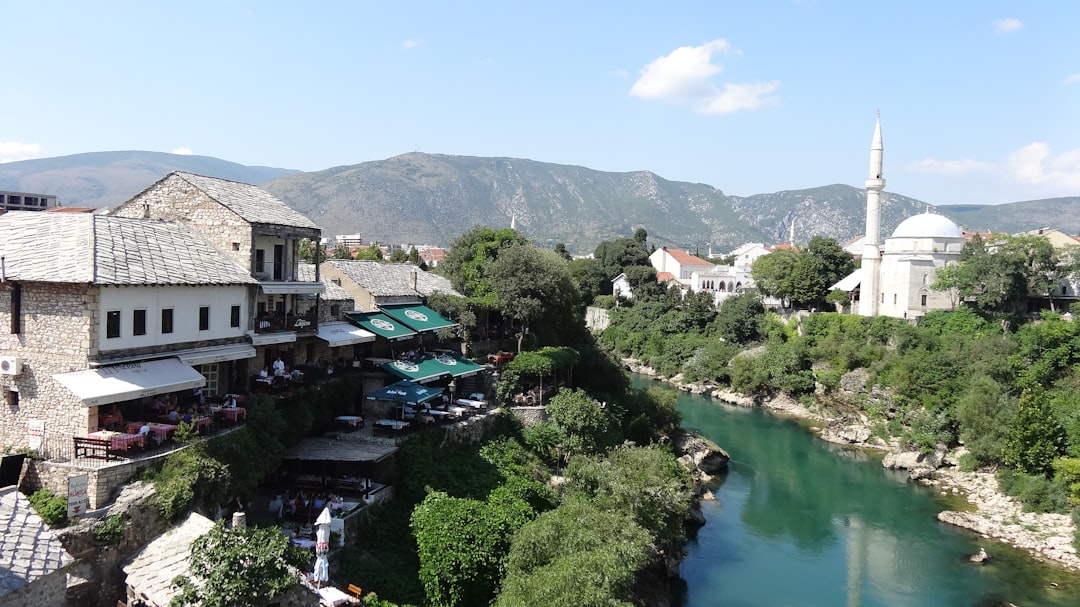
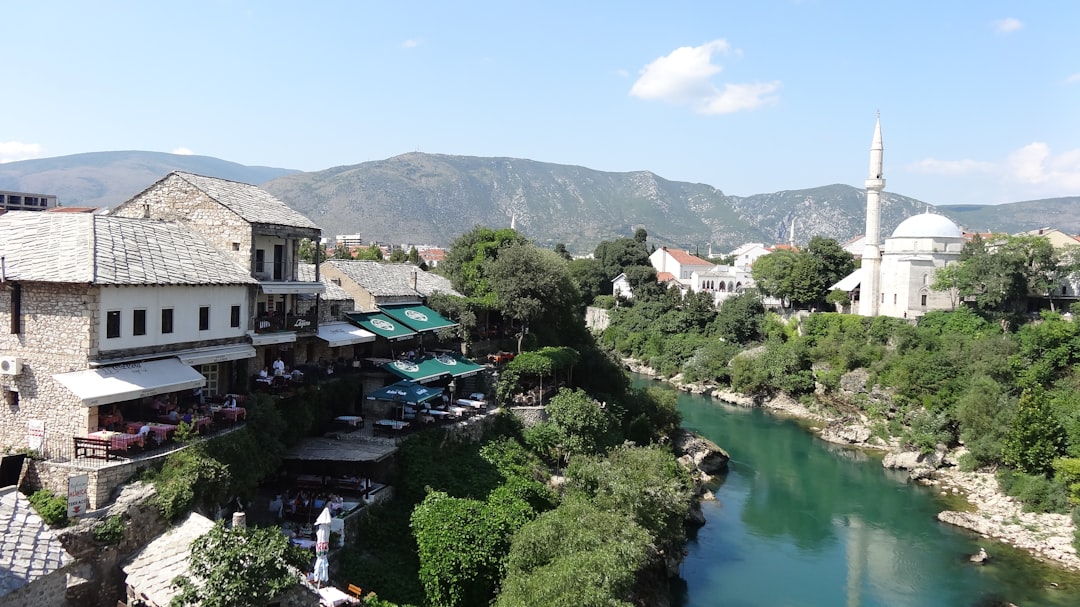
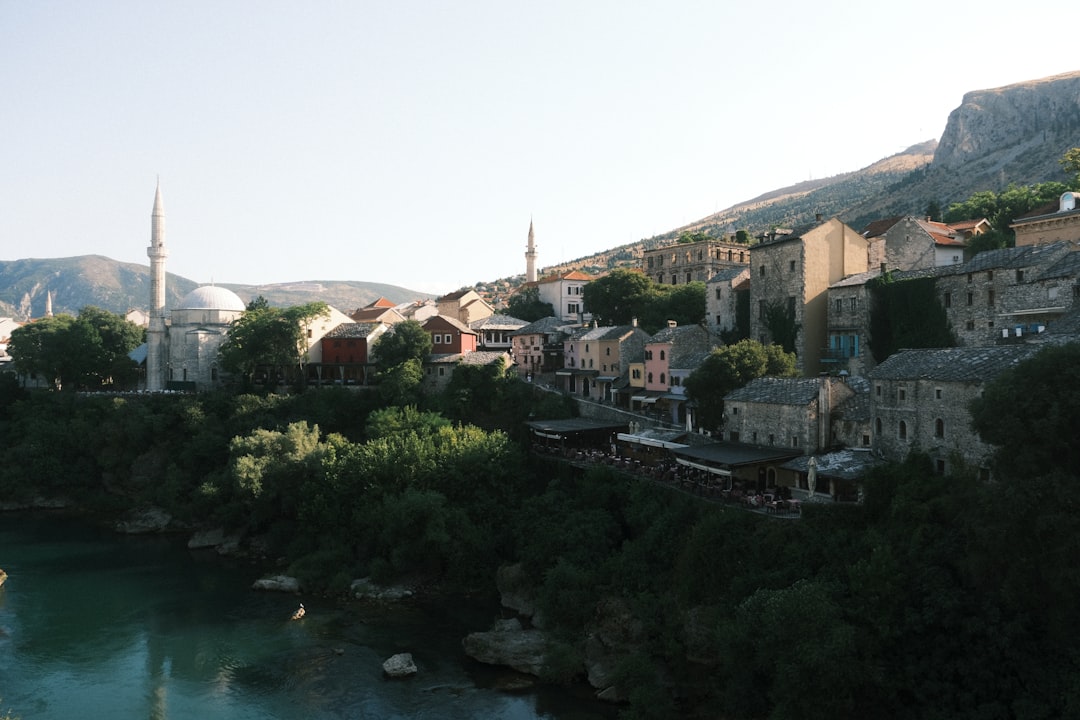
Walking across the bridge, the limestone under my sneakers felt slick and ancient. To my left, the Kujundžiluk street bustled with souvenir shops selling leather bags and silver knives. To my right, the silence of the Koski Mehmed Pasha Mosque minaret piercing the sky. The bridge isn't just a crossing; it's a scar. Rebuilt in 2004 after its destruction in 1993, it stands as a symbol of reconciliation, but the tension remains palpable. You can feel it in the way people look at each other across the river, in the divided municipal lines, in the way the history is curated for tourists while the locals live with the ghosts. I came to Mostar to understand how a city so beautiful can carry so much weight, and what it means to walk through a place where the past is never truly past.
History & Identity
Mostar's identity is a palimpsest of empires. Originally a Slavic settlement, it was transformed under the Ottoman Empire into a vibrant trading hub, a place where East met West. The Stari Most, built in the 16th century, was the heart of this cosmopolitan society. But the 20th century brought devastation. During the Yugoslav Wars in the 1990s, Mostar became a flashpoint between Croat and Bosniak forces. The bridge was shelled and destroyed in November 1993, a symbolic act of erasing the city's shared heritage. The war left the city physically and socially divided, with the Neretva River acting as a border between two municipal entities. The post-war era has been a slow, often painful process of reconstruction, not just of buildings, but of trust. The city's identity is now a complex mix of Ottoman heritage, Catholic and Orthodox influences, and the lingering scars of war.
Today, Mostar is a city of contrasts. The Old Bridge Area, a UNESCO World Heritage site, is a carefully managed tourist zone, while the rest of the city grapples with economic stagnation and political fragmentation. The Mostar municipality is divided into the City of Mostar and the West End, each with its own mayor and administration, leading to bureaucratic gridlock and slow development. Yet, despite the challenges, the city retains a unique charm. The narrow streets of the Old Town, the cafes overlooking the river, and the warm hospitality of the people create a sense of place that is hard to replicate. Walking through Mostar is like walking through a living museum, where every stone tells a story of survival and resilience.
The geopolitical reality of Mostar is that it remains a microcosm of Bosnia and Herzegovina's broader struggles. The Dayton Agreement, which ended the war, created a complex political system that often hinders effective governance. In Mostar, this is evident in the slow pace of infrastructure projects, the lack of a unified city council, and the persistent ethnic divisions. Yet, the city continues to attract visitors, drawn by its beauty and its history. The challenge for Mostar is to balance the needs of tourism with the need for genuine reconciliation and development. It is a delicate balancing act, one that requires patience, understanding, and a willingness to confront the past.
Where to Go
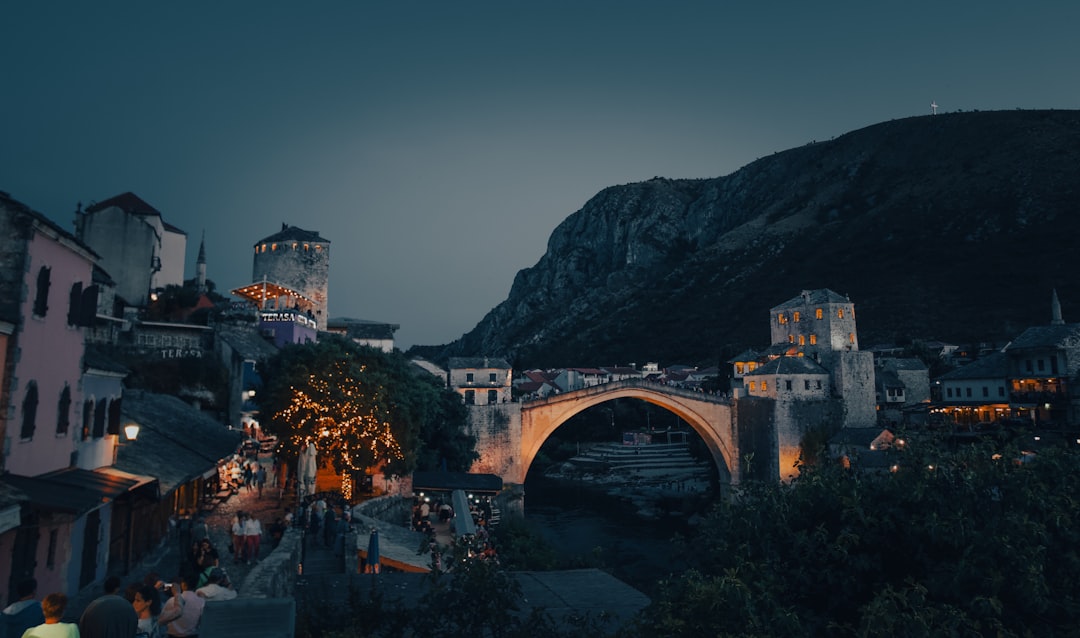
Stari Most (Old Bridge) — The iconic stone bridge is the centerpiece of Mostar. Walking across it offers panoramic views of the Neretva River and the surrounding Old Town. The daily diving ceremonies, held from April to October, are a major attraction. Entry is free, but the area can get crowded, especially in the afternoon. Best time to visit is early morning or late evening to avoid the crowds and catch the best light for photography.
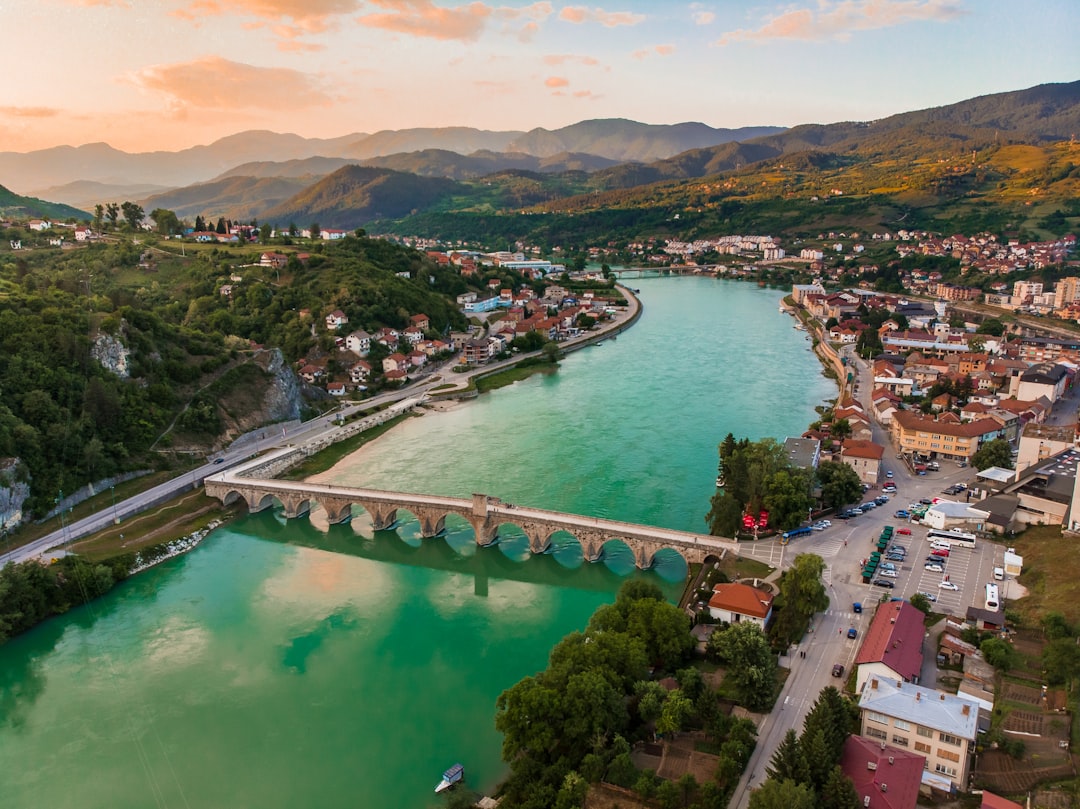
Kujundžiluk — This narrow street, named after the goldsmiths who once worked there, is the main shopping drag in the Old Town. Lined with shops selling leather goods, silver jewelry, and traditional crafts, it's a great place to browse and soak up the atmosphere. The street is pedestrian-only, and the cobblestones add to the charm. Prices are higher than in other parts of the city, so haggle if you want a better deal.
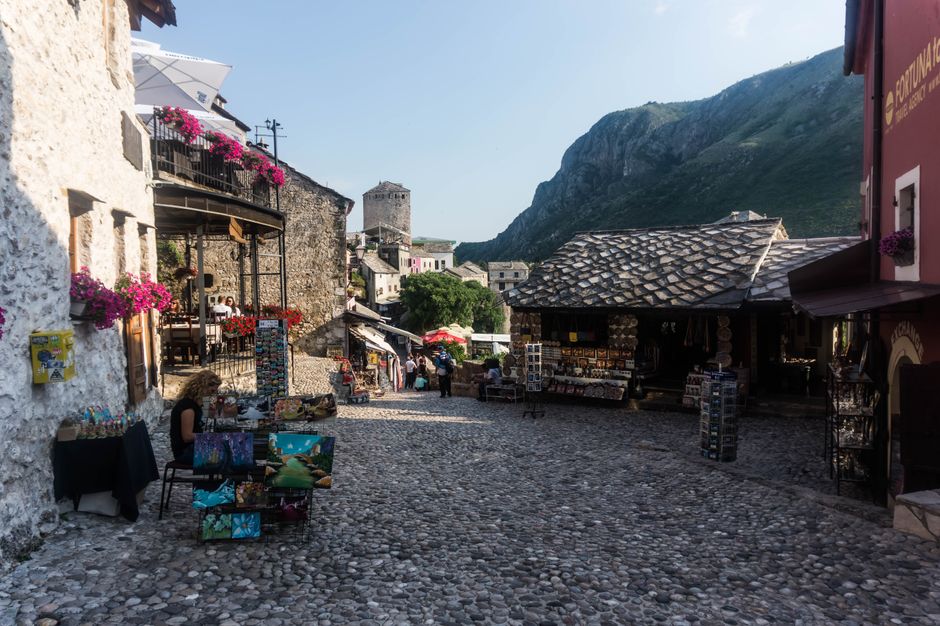
Koski Mehmed Pasha Mosque — Built in the 16th century, this mosque is one of the most important Ottoman-era buildings in Mostar. The minaret, which was damaged in the war but has since been restored, offers a stunning view of the city and the river. Entry to the mosque is free, but visitors are asked to dress modestly. The courtyard is peaceful and offers a quiet retreat from the hustle and bustle of the Old Town.
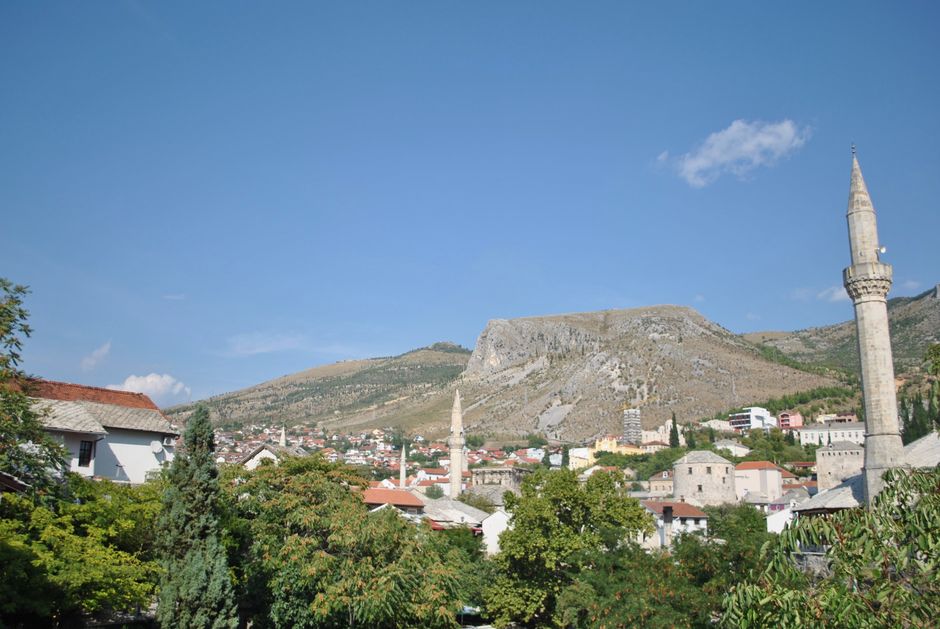
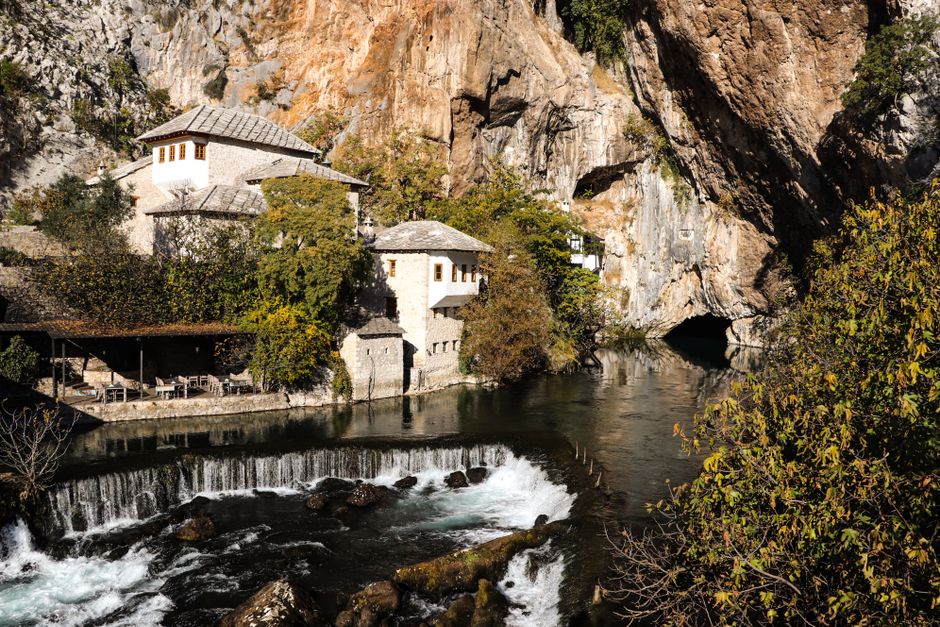
Blagaj Tekke — Located about 12 km south of Mostar, this Dervish monastery is built at the source of the Buna River, which emerges from a limestone cave. The site is a spiritual center for the Bektashi order and is a popular destination for tourists and pilgrims alike. The contrast between the black-robed dervishes and the white limestone buildings is striking. Entry fee is approximately 3 EUR. Best time to visit is early morning to avoid the tour buses.
Old Bazaar (Čaršija) — The old bazaar is a labyrinth of narrow streets and alleys filled with shops, cafes, and traditional houses. It's a great place to experience the local culture and try some traditional Bosnian food. The atmosphere is relaxed, and the prices are reasonable. Don't miss the chance to try ćevapi or šopska salata at one of the many street food stalls.
Hotel Bosna — This building, located on the west bank of the Neretva River, is one of the most recognizable symbols of Mostar's war-torn past. Heavily damaged during the conflict, it was left in ruins for decades as a reminder of the destruction. In recent years, there have been efforts to restore the building, but it remains a stark reminder of the city's painful history. It's a powerful photo opportunity and a sobering reflection on the cost of war.
What to Eat & Drink
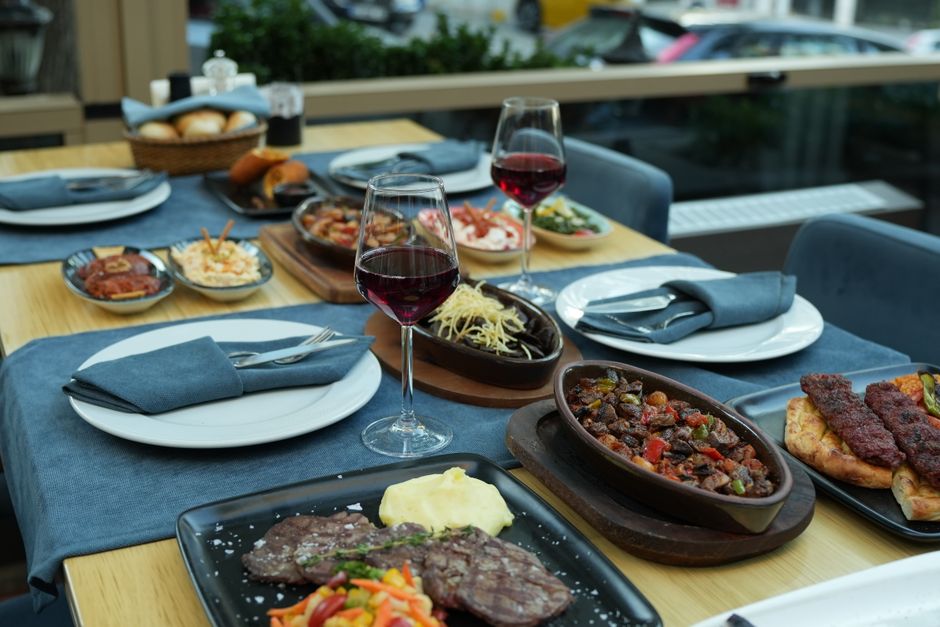
Mostar's food scene is a blend of Ottoman and Mediterranean influences, with a focus on fresh, local ingredients. The city is known for its ćevapi (grilled minced meat sausages), which are typically served with sumbroska (a type of flatbread) and ajvar (a red pepper relish). A plate of ćevapi costs around 4-6 EUR. Another must-try dish is Bosanski lonac, a hearty stew made with beef, potatoes, and vegetables, which costs around 8-12 EUR. For something lighter, try šopska salata, a refreshing salad made with tomatoes, cucumbers, onions, and feta cheese, which costs around 3-5 EUR.
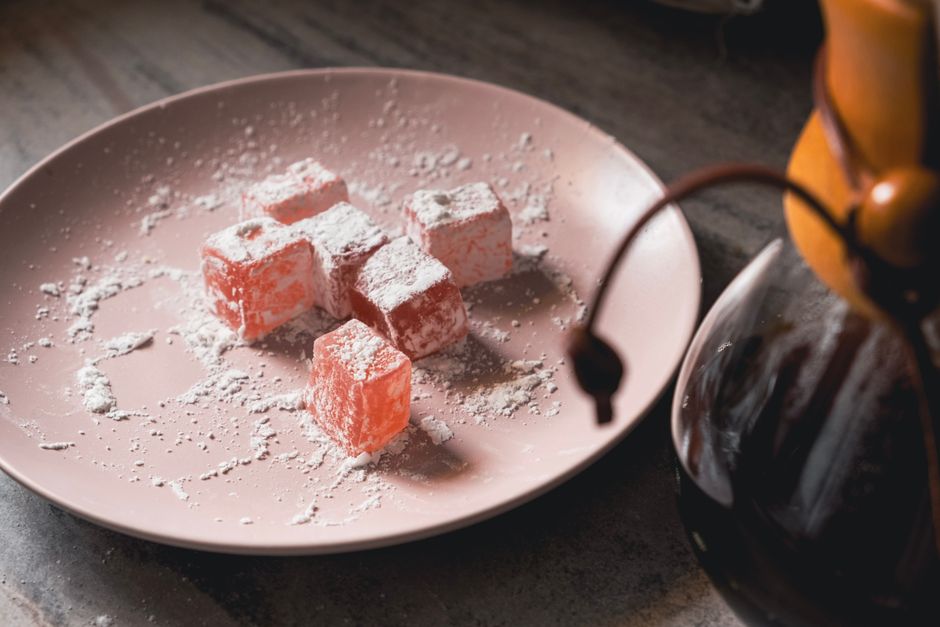
Desserts are also a highlight, with tulumba (a type of fried dough soaked in syrup) and baklava being popular choices. A portion of tulumba costs around 2-4 EUR, while a piece of baklava is around 2-3 EUR. For coffee, Mostar is famous for its Bosnian coffee, which is served in a džezva (a small pot) and is typically accompanied by a piece of lokum (Turkish delight). A cup of coffee costs around 1-2 EUR.
Budget breakdown: Street food and take-away options are plentiful, with meals costing under 5 EUR. Sit-down local restaurants offer meals for 8-15 EUR per person, while mid-range restaurants charge 15-25 EUR. For a more authentic experience, head to the Kujundžiluk street or the Old Bazaar, where you'll find a variety of food stalls and cafes. Take-away options are also available, with many shops offering ćevapi and other dishes to go.
Nightlife
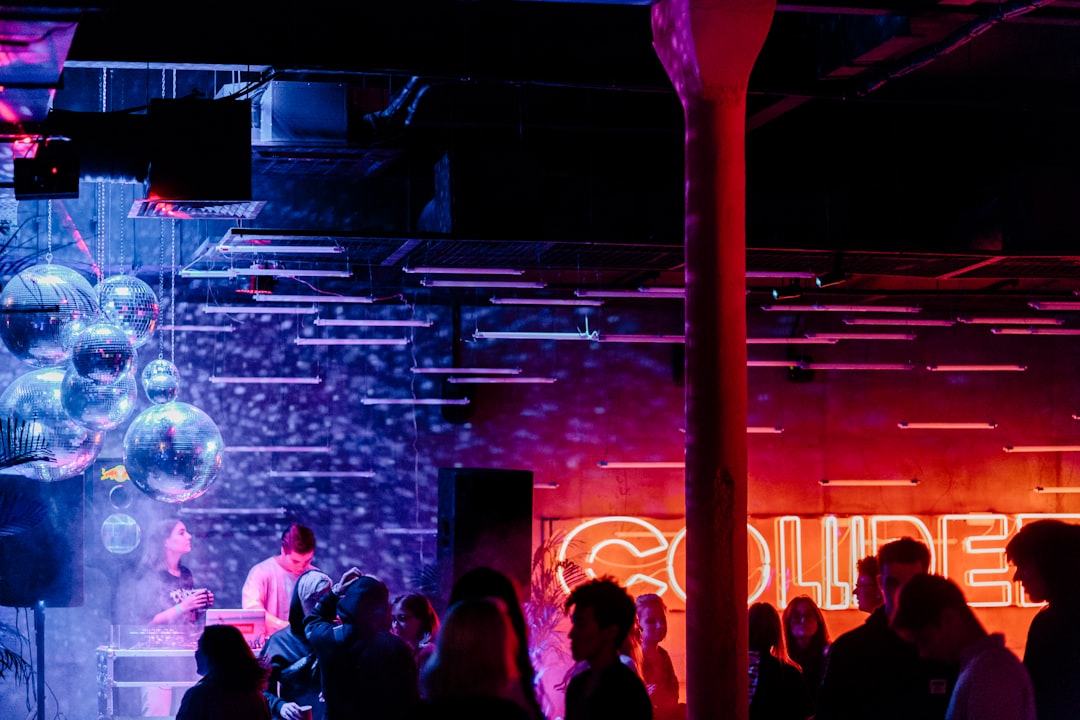
Mostar's nightlife is centered around the Old Town, with many bars and cafes located along the Neretva River and in the Kujundžiluk street. The atmosphere is relaxed, with live music and outdoor seating being common. Bars typically charge a cover charge of 2-5 EUR, and drinks range from 2-4 EUR for a beer to 5-10 EUR for a cocktail. The Bar Stari Most is a popular spot, offering panoramic views of the bridge and the river. The Cafe Most is another favorite, known for its live music and cozy atmosphere. For those looking for a more lively scene, the Club 404 is a popular choice, featuring electronic music and a dance floor.
The nightlife scene is more subdued than in other European cities, with most bars closing around midnight. However, the atmosphere is intimate and friendly, making it a great place to unwind after a day of exploring. The riverfront bars are particularly popular in the summer, when the weather is warm and the views are stunning. Whether you're looking for a quiet drink or a night of dancing, Mostar has something to offer.
Getting There & What to Expect
The nearest airport is Mostar Airport, which has limited domestic and international flights. For most travelers, the best option is to fly into Sarajevo International Airport and take a bus or train to Mostar. The bus journey takes about 2.5 hours and costs around 5-10 EUR. The train journey is longer, taking about 3.5 hours, but is cheaper, costing around 3-5 EUR. Car rentals are also available, with costs starting from 30-50 EUR per day. From major Balkan hubs like Belgrade or Zagreb, the drive to Mostar takes about 4-5 hours.
Accommodation in Mostar ranges from budget hostels to mid-range hotels. A bed in a hostel costs around 15-25 EUR per night, while a room in a mid-range hotel costs around 40-60 EUR per night. Luxury hotels are also available, with prices starting from 80-120 EUR per night. The Old Town is the most popular area for tourists, with many hotels and guesthouses located within walking distance of the Stari Most. The West End is also a popular area, with a more local atmosphere and lower prices.
The best months to visit Mostar are April to June and September to October, when the weather is mild and the crowds are smaller. July and August are the peak tourist months, with high temperatures and large crowds. The diving ceremonies at the Stari Most are held from April to October, so if you want to see them, plan your visit accordingly. Mostar is a city of contrasts, where the beauty of the past is juxtaposed with the scars of the present. It's a place that challenges you to look beyond the surface and to understand the complexities of its history. Whether you're a history buff, a foodie, or just looking for a unique travel experience, Mostar has something to offer.
Search accommodation in Mostar on Booking.com →
The Weight of the Stone
As the sun set over the Neretva River, casting long shadows across the Stari Most, I felt a profound sense of melancholy. The city was beautiful, yes, but it was also heavy. The weight of history, of war, of division, pressed down on every stone, every street, every face. I thought about the diver who had launched himself from the bridge earlier, the cheers of the crowd, the splash in the water. It was a moment of joy, of spectacle, but it was also a reminder of the fragility of life, of the precariousness of peace. Mostar is a city that has been broken, and while it has been put back together, the cracks are still visible. Walking through the Old Town, I felt like I was walking through a dream, a dream that was both beautiful and terrifying. It was a dream that I knew I would never forget.
The geopolitical reality of Mostar is not just a backdrop; it is the very fabric of the city. The divisions that were drawn in the 1990s are still present today, in the municipal lines, in the political discourse, in the way people interact. Yet, there is also a sense of hope, of resilience, of the human spirit's ability to endure and to rebuild. The Stari Most is a symbol of that resilience, a testament to the power of art, of culture, of shared heritage. It is a reminder that even in the face of destruction, beauty can emerge. As I left Mostar, I carried with me not just photos and souvenirs, but a deeper understanding of the complexities of the Balkans, of the power of history, and of the enduring human capacity for hope.
Comments