


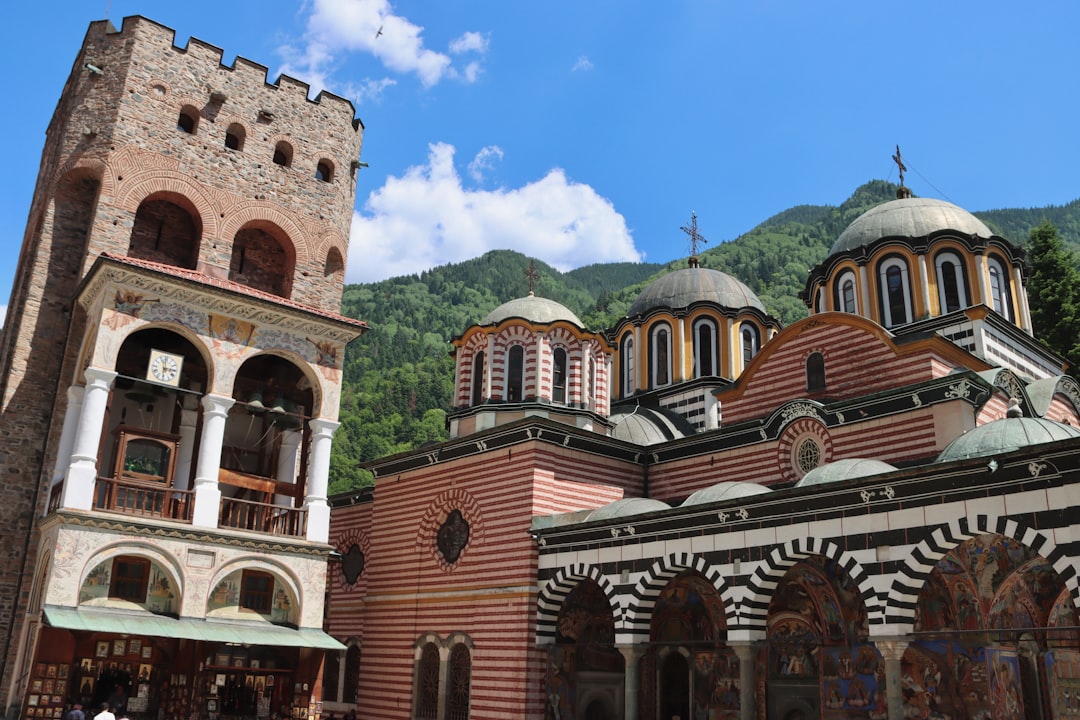
The road to Rila Monastery does not ask for your permission; it demands your attention. I was rattling along the winding asphalt, the smell of pine resin thick in the air, when a group of pilgrims in heavy wool coats stepped into my lane. They weren't angry. They were chanting. I stopped the car. One of them, an old woman with eyes like flint, handed me a small wooden cross. "For the road," she said, in a dialect that tasted of iron and old snow. I didn't speak the language, but the weight of the wood in my palm said everything. This isn't a tourist trap you stumble into for a selfie. This is a fortress of faith carved into the side of the Rila Mountains, and it doesn't care if you're there for the architecture or the afterlife.
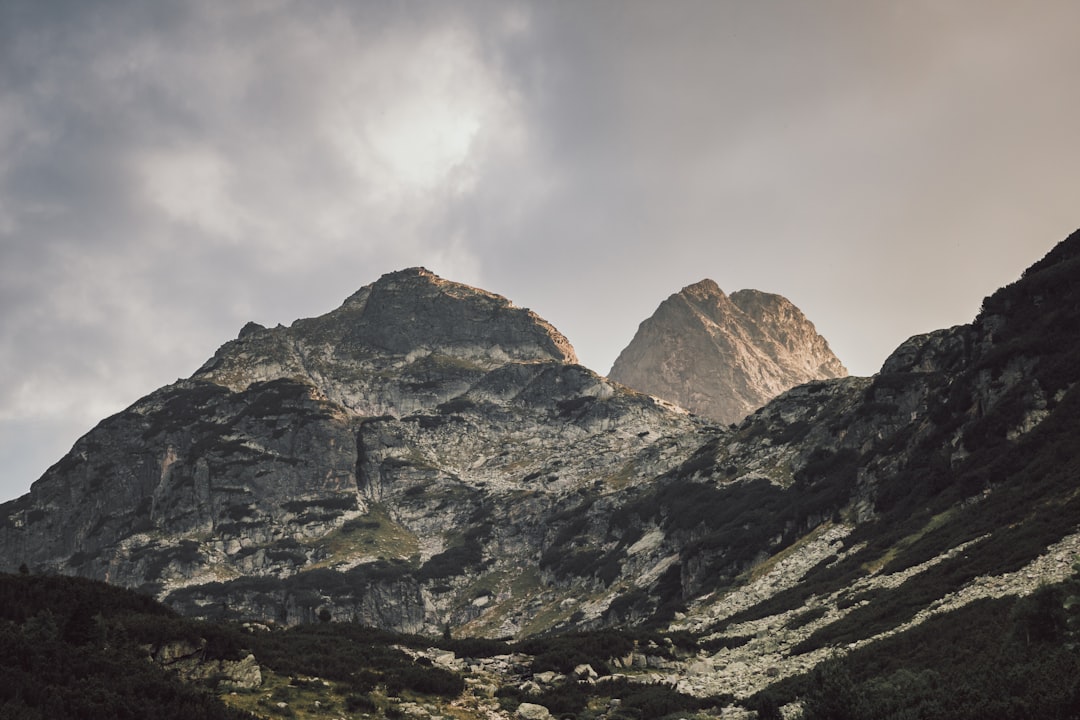
Two hours from Sofia, the capital, the world changes. The traffic noise of the city dissolves into the roar of waterfalls and the silence of ancient stone. You are entering Rila National Park, a vast expanse of protected wilderness that feels like the last true wild place in the Balkans. The monastery isn't just a building; it's a declaration. Built to survive Ottoman sieges, bandit raids, and the erosion of time, it stands as a testament to the stubbornness of the Bulgarian spirit. You don't just visit it. You confront it.
History & Identity
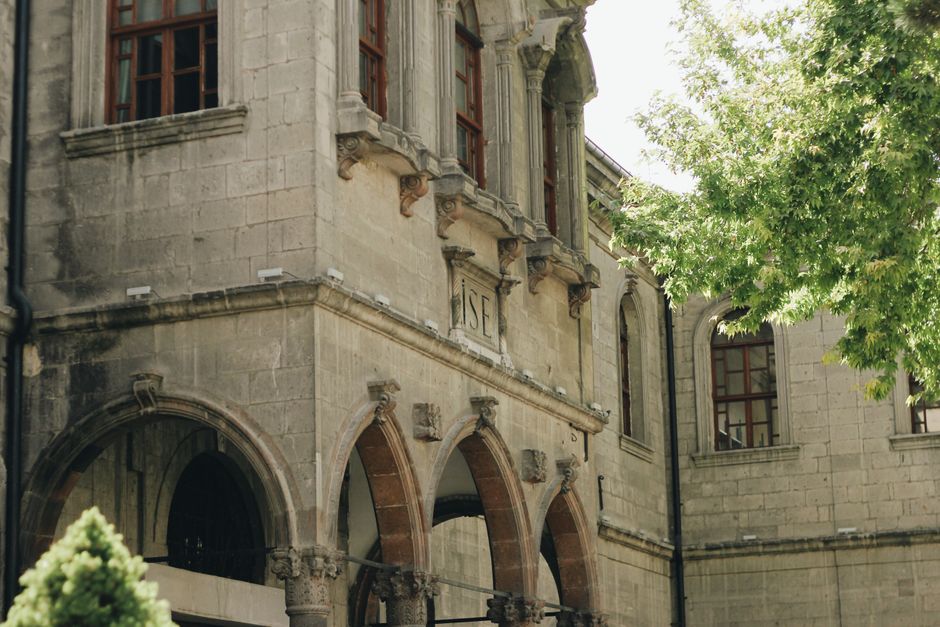
The story of Rila Monastery begins in the 10th century, when St. John of Rila, the founder of Bulgarian monasticism, retreated to a cave in these mountains. He spent years in isolation, surviving on herbs and prayers, until his reputation drew followers. The original wooden structures were destroyed by fire and invasion time and again, but the community never left. The current stone complex, built in the 19th century, is the result of that relentless persistence. It was reconstructed in the Rila architectural style, a unique blend of Byzantine and local traditions that features thick walls, low ceilings, and vibrant frescoes.
During the Ottoman occupation, this monastery was more than a church. It was a school, a hospital, and a center of resistance. Monks here preserved the Bulgarian language and literature when the rest of the country was forced to use Turkish. The walls bear the scars of that struggle—bullet holes that were never filled, only painted over. Today, it is a UNESCO World Heritage site, but walking its cloisters, you feel the weight of that history. It is not a museum. It is a living organism. Monks still live here, praying the same hours, cooking the same meals, and guarding the same secrets.
Where to Go
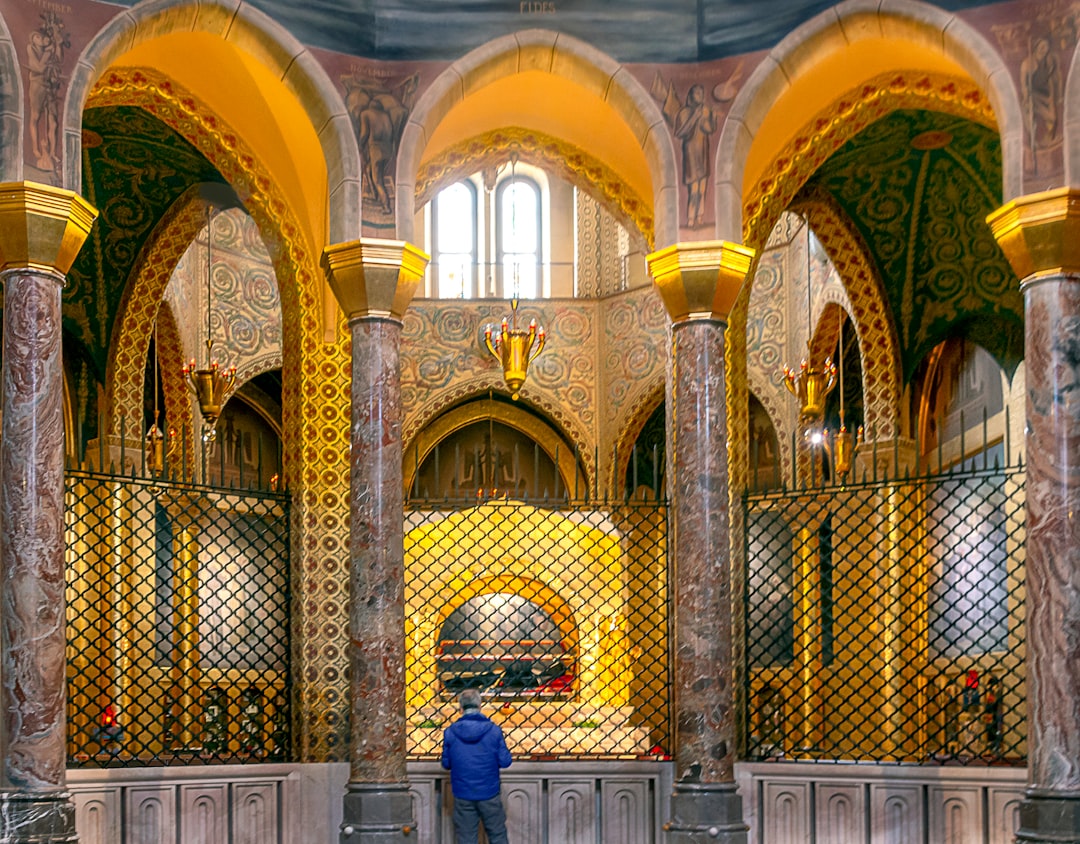
The Main Church (Cathedral of the Dormition of the Mother of God) — This is the heart of the complex. Built between 1832 and 1839, it is a masterpiece of Rila architecture. The interior is a riot of color, with frescoes covering every inch of the walls and ceiling. The icons are painted in the Rila icon-painting school style, characterized by intense emotion and vivid colors. The church houses the relics of St. John of Rila, which are displayed in a silver reliquary. Entry is free, but donations are expected. The best time to visit is early morning, before the tour buses arrive, when the light filters through the arched windows and illuminates the gold leaf on the icons.
The Bell Tower — Standing 55 meters tall, this tower is a dominant feature of the monastery skyline. Built in 1835, it houses five bells, the largest weighing 5,000 kg. The view from the top is panoramic, offering a sweeping vista of the Rila Mountains and the monastery grounds. The climb is steep and the stairs are narrow, but the effort is rewarded. The tower also serves as a defensive structure, with thick walls and small windows designed for archers. It is open to visitors, and the climb takes about 15 minutes.
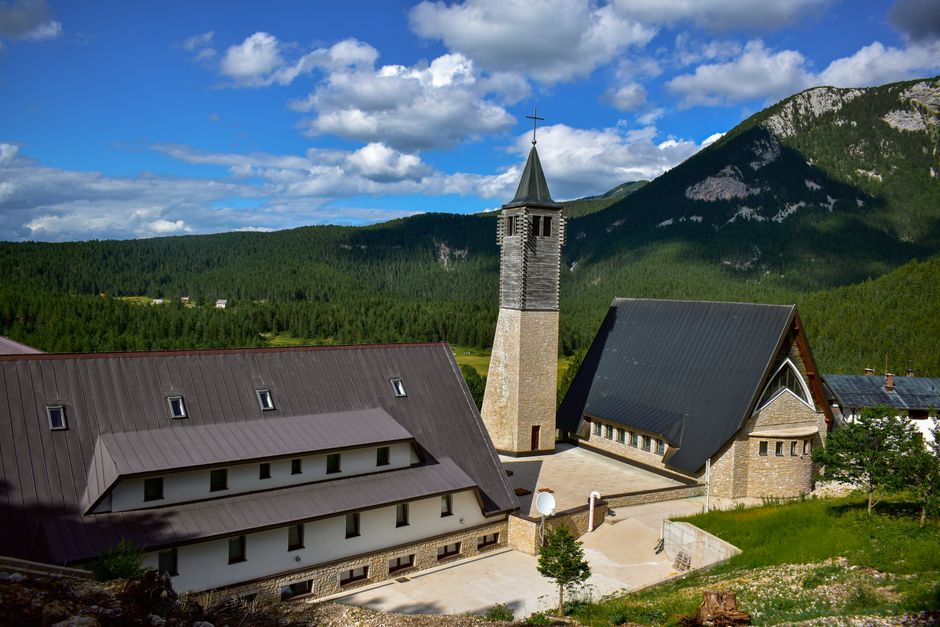
The Museum of Religious Art — Located in the south wing of the monastery, this museum houses a collection of icons, manuscripts, and liturgical objects. The collection includes works from the 14th to the 19th centuries, showcasing the evolution of Bulgarian religious art. The highlight is the Icon of the Mother of God of Rila, which is believed to be miraculous. The museum is small but densely packed with history. Entry fee is 5 EUR. It is worth spending an hour here to understand the artistic context of the monastery.
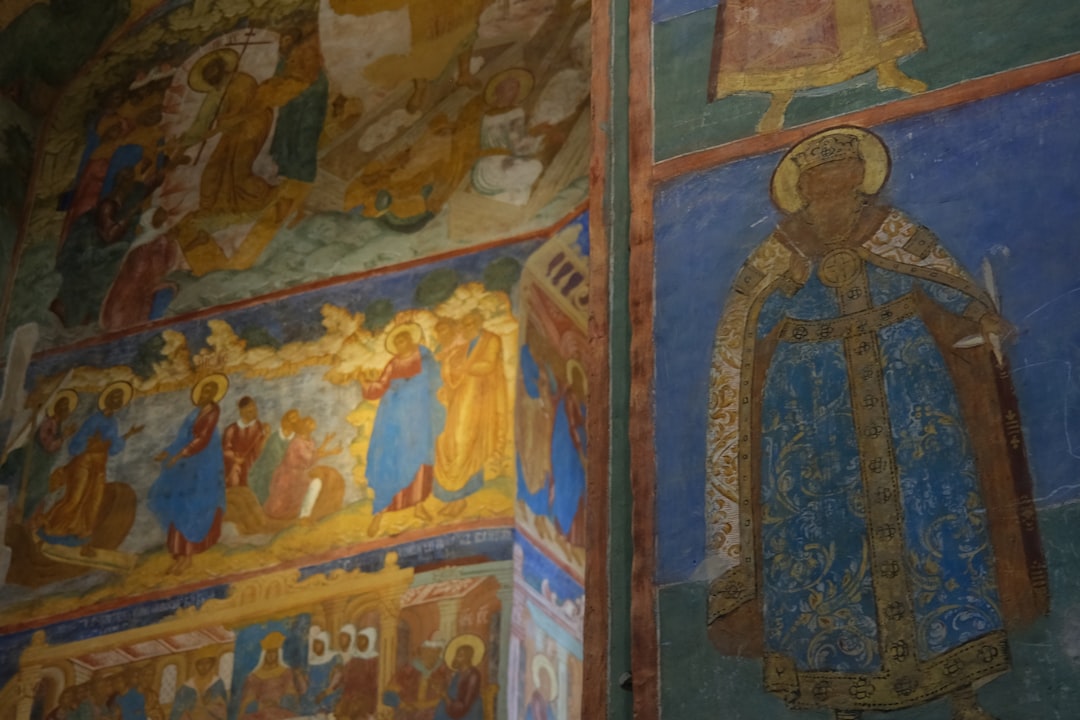
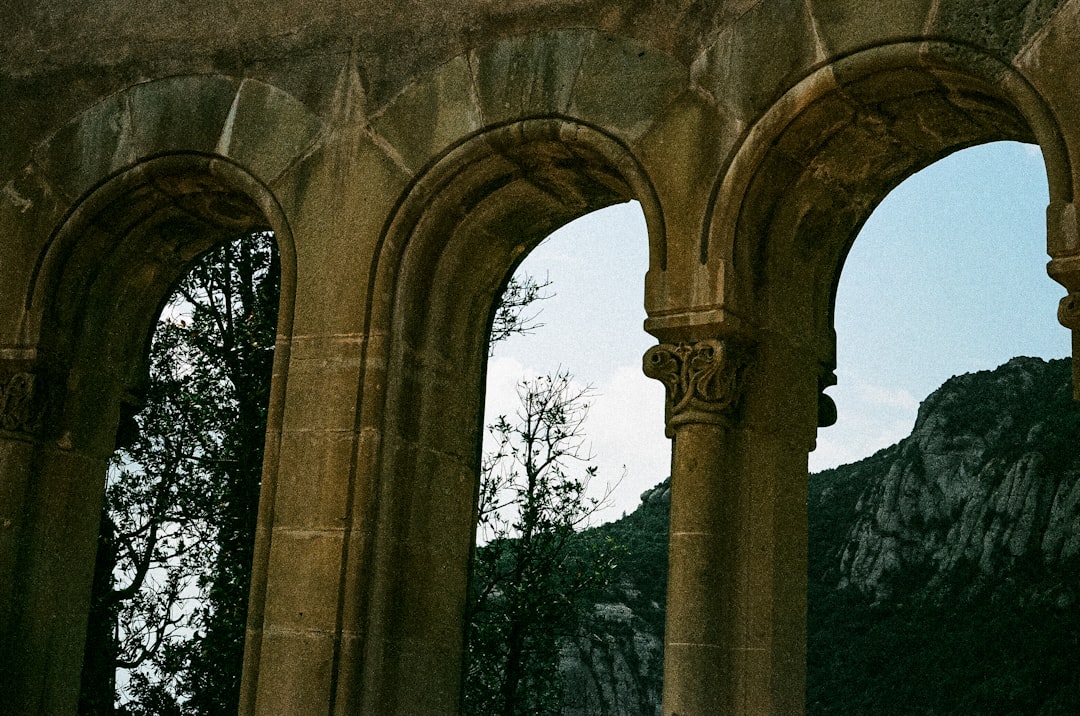
The Cloisters — The monastery is surrounded by a series of cloisters that connect the various buildings. These are the best places to sit and reflect. The cloisters are decorated with frescoes and mosaics, and they offer a peaceful retreat from the crowds. The north cloister is particularly quiet, and it is a popular spot for monks to walk. The cloisters also house the monastery's library and archive, which are not open to the public but are visible from the outside.
The Refectory — This is where the monks eat their meals. The refectory is a large hall with high ceilings and wooden tables. It is not open to visitors, but you can see it from the outside. The refectory is a symbol of the monastic community, where brothers gather to break bread and pray together. The food is simple but wholesome, prepared by the monks themselves. It is a reminder that this is a working monastery, not a tourist attraction.
What to Eat & Drink
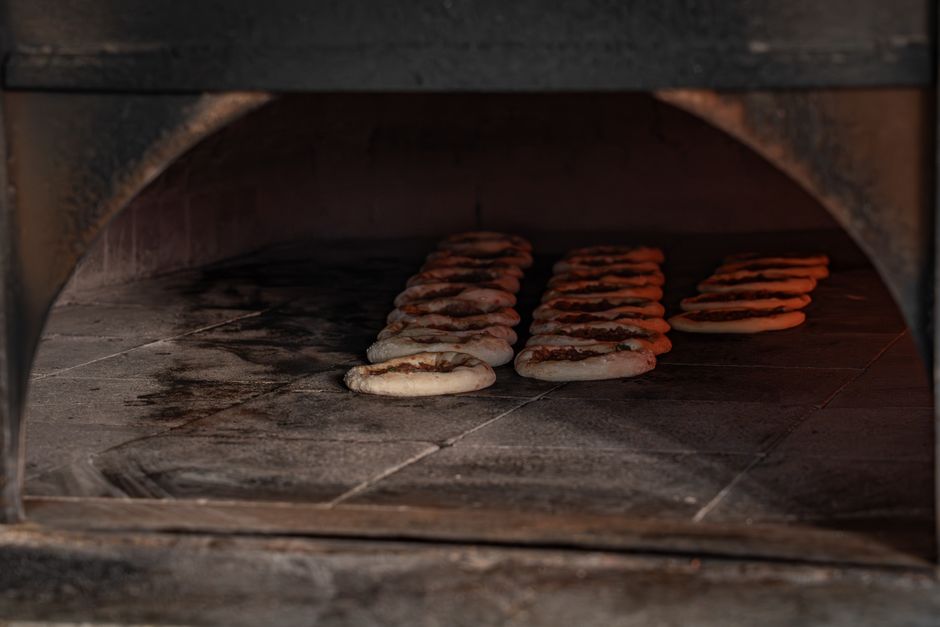
You cannot talk about Rila Monastery without talking about the food. The monastery has its own bakery, where monks bake banitsa and pita using traditional recipes. The banitsa is filled with white cheese and herbs, and it is flaky and delicious. A slice costs about 2-3 EUR. The pita is filled with potatoes or spinach, and it is also excellent. The monastery also produces its own honey, which is sold in the gift shop. It is dark and flavorful, and it costs about 10 EUR for a small jar.
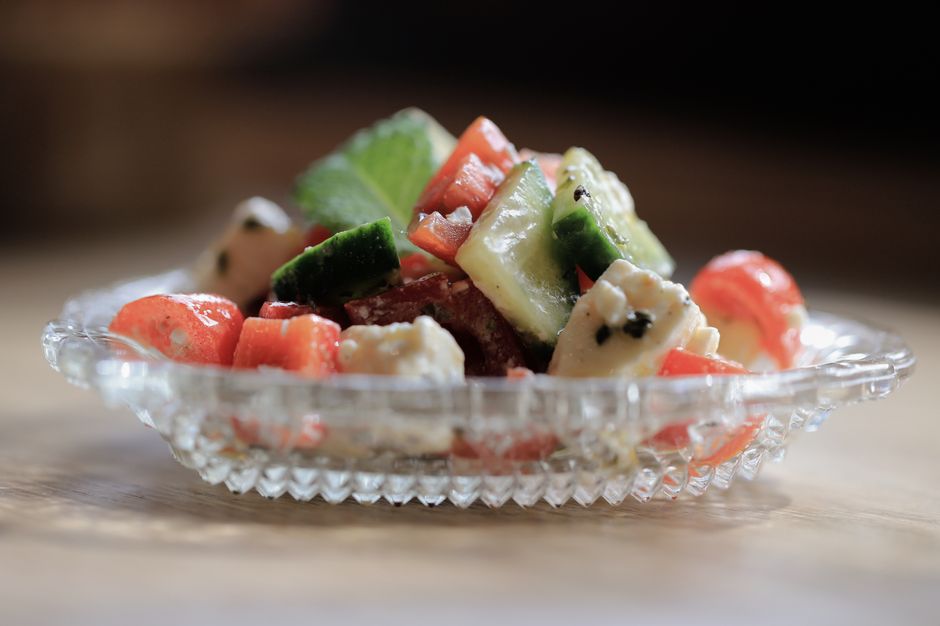
For a proper meal, head to one of the restaurants in the village of Rila, which is located about 5 km from the monastery. The village has several taverns that serve traditional Bulgarian cuisine. A typical meal includes shopska salad (tomatoes, cucumbers, peppers, and white cheese), kavarma (a meat stew with peppers and onions), and banitsa. A meal for two costs about 20-30 EUR. The wine is local, and it is served in large glasses. The atmosphere is relaxed, and the staff are friendly.
Nightlife
There is no nightlife at Rila Monastery. The monks go to bed at 9 PM, and the complex closes at 6 PM. The village of Rila has a few bars, but they are small and quiet. The best thing to do at night is to sit outside your hotel and listen to the sounds of the forest. The air is cool and clean, and the stars are bright. It is a chance to reflect on the day and the history of the place. The silence is profound, and it is a reminder that this is a place of prayer and peace.
Getting There & What to Expect
The nearest major city is Sofia, which is about 120 km away. You can drive to Rila Monastery in about 2 hours. The road is well-maintained, but it is winding and mountainous. If you don't have a car, you can take a bus from Sofia's Central Bus Station. The bus takes about 2.5 hours and costs about 5-7 EUR. There are also organized tours from Sofia, which include transportation and a guide. These tours cost about 30-50 EUR per person.
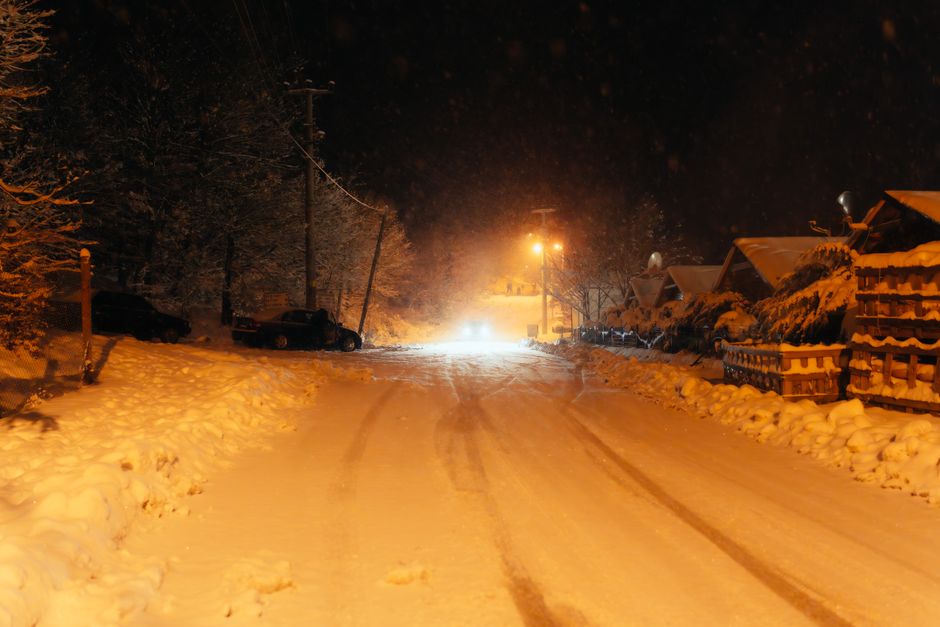
Accommodation is available in the village of Rila. There are several hotels and guesthouses, ranging from budget to mid-range. A night in a budget hotel costs about 30-50 EUR, while a mid-range hotel costs about 50-80 EUR. The monastery also has a guesthouse, but it is only for pilgrims and requires advance booking. The best months to visit are May to October, when the weather is mild and the roads are clear. In winter, the monastery is covered in snow, and the roads can be icy.
Search accommodation in Rila, Bulgaria on Booking.com →
The Weight of the Stone
As I left Rila Monastery, the sun was setting behind the peaks of the Rila Mountains. The sky was a deep purple, and the air was cold. I looked back at the fortress of stone and wood, glowing in the twilight. It felt like a ship sailing on a sea of silence. I touched the wooden cross in my pocket, a small reminder of the old woman and her flint eyes. This place doesn't just show you history. It makes you feel it. It is a reminder that faith is not just a belief. It is a structure. It is something you build, stone by stone, prayer by prayer, to survive the long winter of the world.
Comments