


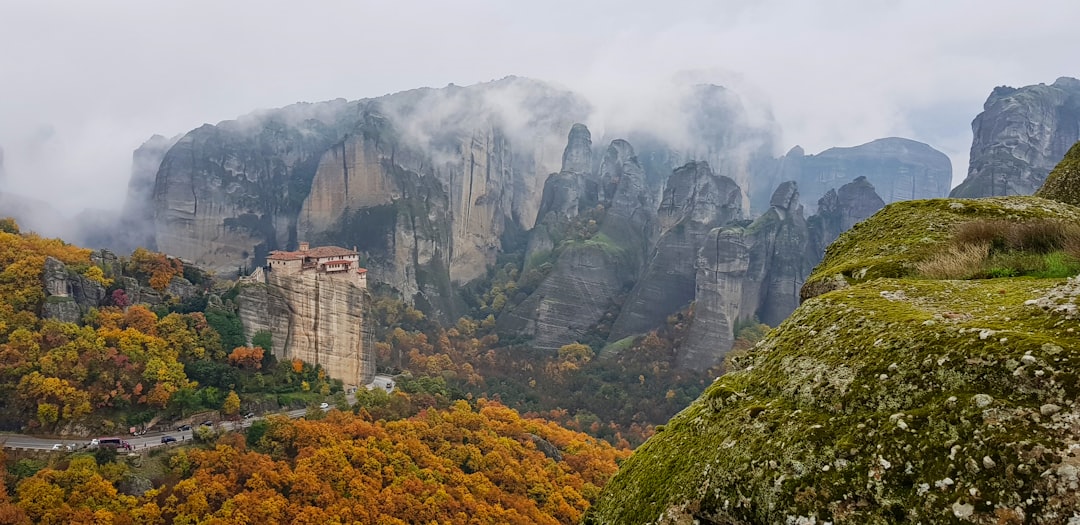
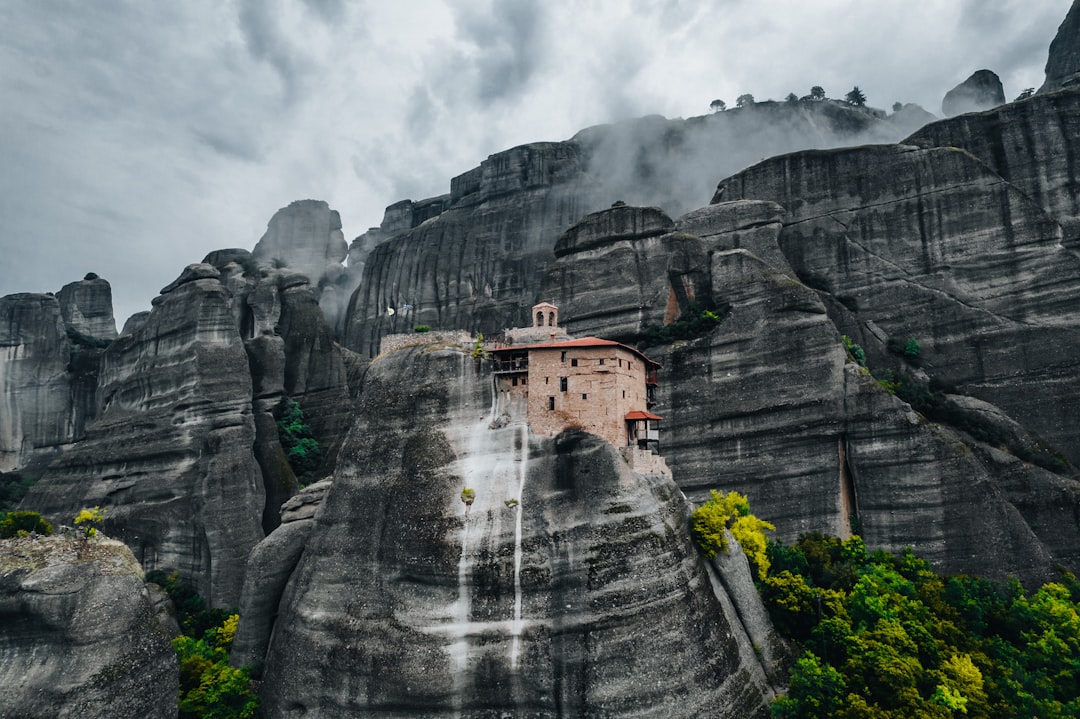
My knees were screaming before I even reached the first step. The air in Thessaly was thick, heavy with the humidity of a Greek July afternoon, and the limestone pillars of Meteora rose up like the ribs of some prehistoric beast. I wasn't here for the Instagram shot. I was here because I needed to understand how human beings decided that the best place to live was atop a vertical rock face, accessible only by a rope ladder that looked like it was made of twigs. The heat radiated off the stone, baking my shirt to my back. A monk in a black robe watched me struggle up the stairs, his expression unreadable, as if he'd seen a thousand tourists fail at this exact moment of hubris.
There is a raw, brutal honesty to this place. It isn't "pretty" in the way a Mediterranean resort is pretty. It is imposing. It demands respect. The blue domes of Santorini are a postcard; these monasteries are a fortress of faith carved into the earth itself. I gripped the iron railings, my palms sweating, and looked down. The drop was significant. Not enough to make you faint, but enough to remind you that gravity is the only god that matters here. This is not a walk in the park. This is a pilgrimage, vertical and unforgiving.
History & Identity
The story of Meteora Meteora begins not with monks, but with hermits. In the 14th century, as Ottoman forces swept through the Balkans, Orthodox Christians fled to these inaccessible rock formations for refuge. The first anchorite, Atanasios of Meteora, is said to have lived in a cave here in the 1300s, surviving on prayer and whatever food he could lower down in a basket. It was a life of extreme isolation, a deliberate rejection of the chaos of the world below. By the 15th and 16th centuries, this solitary practice evolved into organized monastic communities. The monasteries were built, not with modern cranes, but with ropes, pulleys, and sheer willpower. Stones were hoisted up the sheer cliffs, a process that often resulted in death, but the community persisted.
These structures were never meant to be welcoming. They were fortresses. Thick walls, few windows, and steep staircases were designed to keep intruders out and the faithful in. During the Ottoman occupation, Meteora became a spiritual center for Greek resistance, a place where the language and faith were preserved in secret. The identity of the region is tied to this resilience. The monasteries were abandoned in the 19th and early 20th centuries, falling into ruin, until the 1950s when restoration efforts began. Today, they are a living museum, but the spirit of defiance remains. The silence inside the churches is heavy, not with peace, but with the weight of centuries of survival.
Where to Go
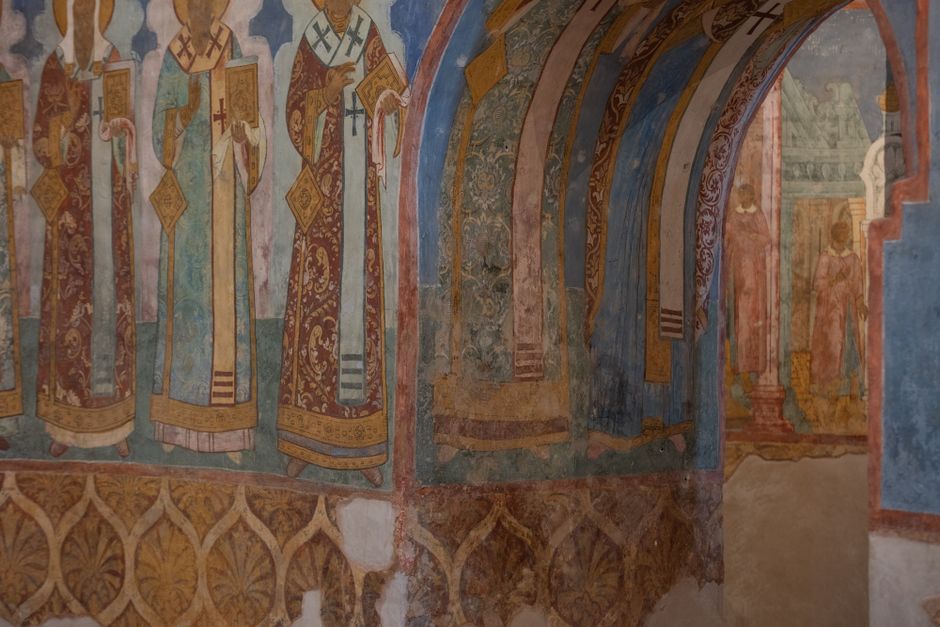
Great Meteoron Monastery Great Meteoron — The largest and most imposing of the monasteries, perched atop a massive rock pillar. The main church is a masterpiece of post-Byzantine architecture, with a dome that seems to float above the nave. The frescoes are faded but still powerful, depicting scenes from the Bible with a dramatic intensity that feels almost violent. The climb up the 140 steps is steep, but the view from the top terrace is worth every ache. Entry is free, but donations are expected. Best visited early in the morning to avoid the crowds.
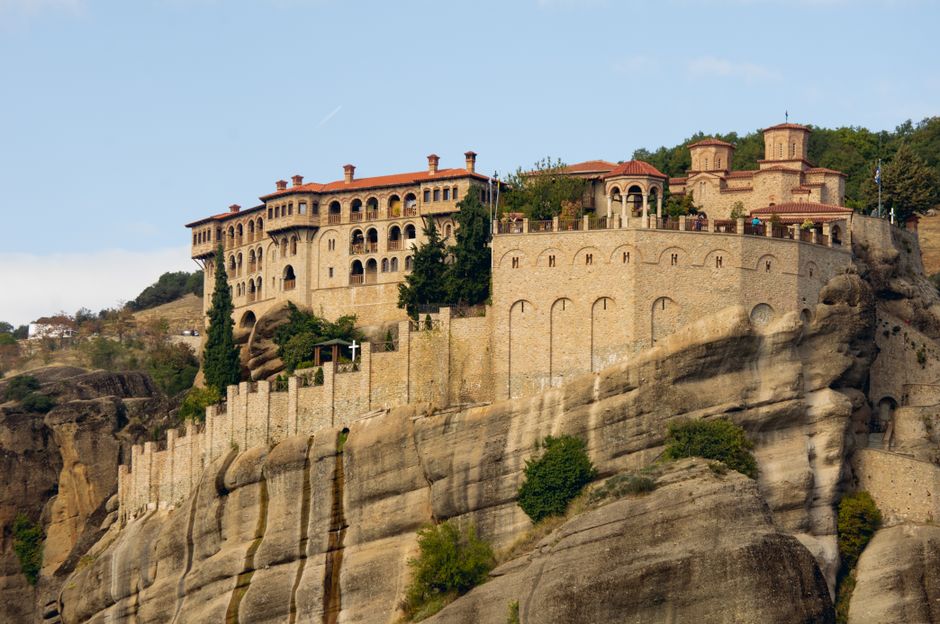
Varlaam Monastery Varlaam — Located on a separate rock, this monastery is known for its unique architecture and the legend of its founder, Varlaam, who supposedly flew to the rock on a donkey. The church is smaller than Great Meteoron, but the frescoes are in better condition, with vibrant colors that still pop against the stone walls. The monastery has a distinct atmosphere, less grand but more intimate. The surrounding gardens are a nice spot for a break from the heat. Entry is free.
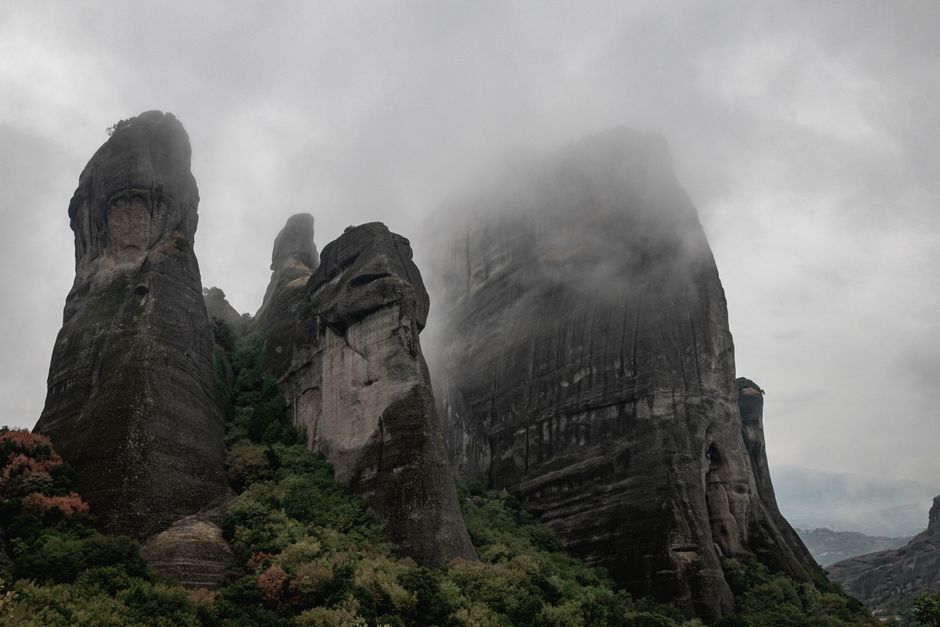
Agia Triada Monastery Agia Triada, Meteora — This monastery is notable for its two churches, one dedicated to the Holy Trinity and the other to Saint Nicholas. The frescoes here are particularly significant, with scenes that blend Byzantine and Italian Renaissance styles. The monastery is located on a high rock, offering panoramic views of the surrounding landscape. The climb is steep, but the reward is a sense of isolation and tranquility that is rare in Greece. Entry is free.
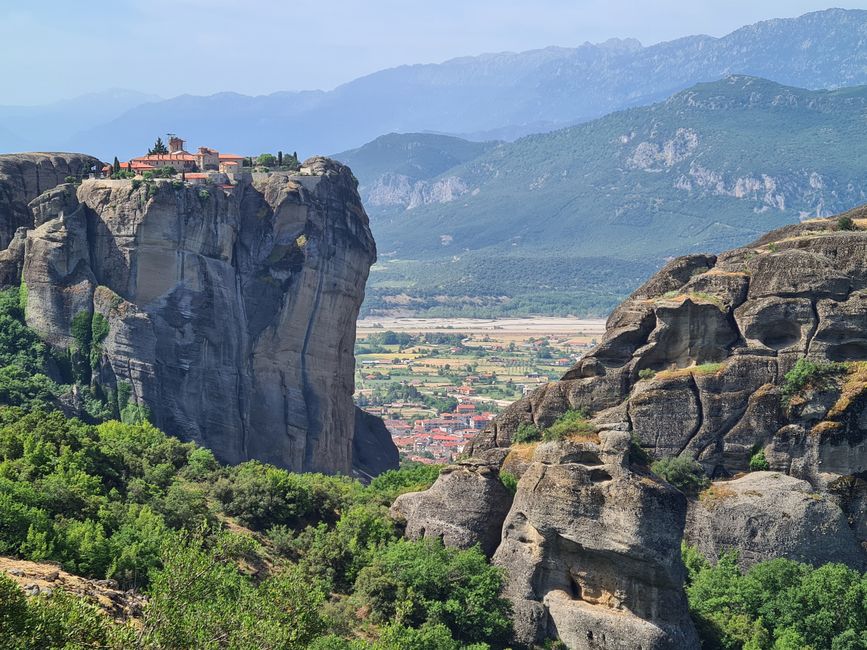
Rousanou Monastery Rousanou — Known for its "Dormition of the Theotokos" fresco, which is considered one of the finest examples of post-Byzantine art. The monastery is accessible by a series of stairs carved into the rock, leading up to the church. The interior is small and dark, but the frescoes are illuminated by natural light from small windows, creating a dramatic effect. The monastery is also a starting point for several hiking trails. Entry is free.

Stefanos Monastery Stefanos — This monastery is the smallest of the six active ones, but it has a rich history. It was founded in the 16th century and has been restored several times. The church is decorated with frescoes from the 17th and 18th centuries, depicting scenes from the life of Saint Stephen. The monastery is located on a high rock, offering a good view of the surrounding area. Entry is free.
What to Eat & Drink
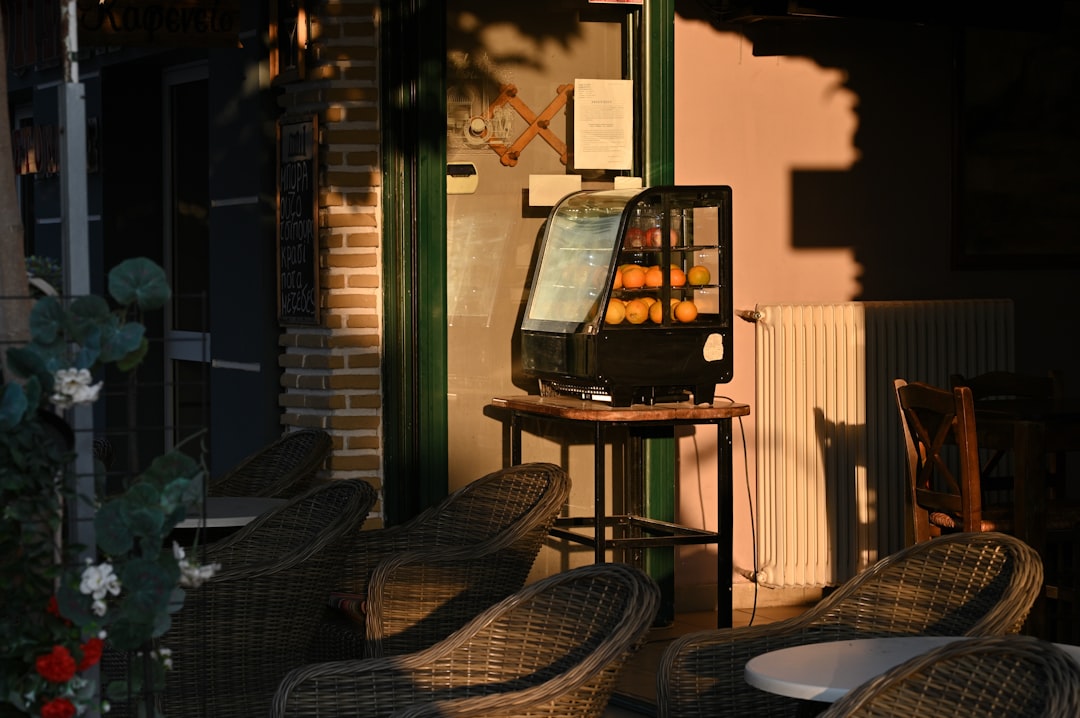
Eating in Kalabaka Kalabaka is a study in contrasts. You have the tourist traps serving overpriced moussaka with a view of the rocks, and then you have the local tavernas where the food is simple, hearty, and cheap. The local cuisine is Thessalian, which means lots of meat, potatoes, and vegetables. Stifado 12-15 EUR is a must-try, a beef stew with onions and tomatoes that is slow-cooked to perfection. Giouvetsi 10-12 EUR is another favorite, a lamb and orzo pasta dish that is comfort food at its best. For a lighter option, Horiatiki Salata 5-7 EUR is fresh and crisp, with local tomatoes and feta cheese.
The budget breakdown is straightforward. Street food, like souvlaki 3-5 EUR, is available in Kalabaka town center, but for a proper meal, expect to pay 10-15 EUR per person at a local taverna. Mid-range restaurants with a view of the monasteries can cost 20-30 EUR per person. There are no real "food streets" in Kalabaka, but the area around the Kalabaka Train Station has several good options for budget travelers. Take-away options are limited, but there are a few bakeries selling tiropita 1-2 EUR and spanakopita 1-2 EUR for a quick snack.

Drinks are cheap and plentiful. Ouzo 3-5 EUR is the local spirit, best served with a small plate of meze. Retsina 4-6 EUR is a local wine that has a distinct resin flavor, which takes some getting used to. For coffee, Freddo Espresso 2-3 EUR is the standard, strong and cold, perfect for a hot afternoon. The cafes in Kalabaka town center are a good place to people-watch and cool down.

Nightlife
Nightlife in Kalabaka is not a major draw. The town is small, and most visitors are here for the monasteries, not the party scene. However, there are a few bars and clubs in the town center that cater to tourists. Bar Metropolis is a popular spot for drinks and live music, with a terrace that offers a view of the rocks. Club Luna is a small club that plays a mix of Greek and international music, with a cover charge of 5-10 EUR. The atmosphere is relaxed, and the crowds are mostly locals and long-term tourists.
For a more authentic experience, head to the local tavernas that stay open late. Taverna To Vatsiko is a good option, with live bouzouki music and a lively atmosphere. The drinks are cheap, and the food is good. It's not a club, but it's a fun place to spend an evening. The nightlife in Kalabaka is best enjoyed in moderation, as the next day involves a lot of climbing.

Getting There & What to Expect
The nearest airport is National Airport of Thessaloniki Thessaloniki Airport "Macedonia", which is about 3 hours away by car or bus. From Thessaloniki, there are regular buses to Kalabaka 15-20 EUR, taking about 3 hours. From Athens, there are direct buses to Kalabaka 25-30 EUR, taking about 5 hours. Alternatively, you can take a train from Athens to Kalabaka, which is a scenic journey through the Pindus Mountains Pindus, taking about 5 hours. The train is a cheaper option 15-20 EUR, but less frequent.
Accommodation in Kalabaka ranges from budget hostels 20-30 EUR/night to mid-range hotels 50-80 EUR/night. There are also several guesthouses and apartments available for rent, which can be a good option for longer stays. The best time to visit Meteora is in the spring (April-May) or autumn (September-October), when the weather is mild and the crowds are smaller. Summer is hot and crowded, while winter can be cold and snowy, with some monasteries closed.
Expect to spend at least two days in Meteora to see all the monasteries and explore the surrounding area. The monasteries are open from 8:30 AM to 5:30 PM, but it's best to go early in the morning to avoid the crowds. Dress modestly when visiting the monasteries, with shoulders and knees covered. Men are not allowed to wear shorts, and women are not allowed to wear sleeveless tops. There are shawls available for rent at the entrance if needed.
Search accommodation in Kalabaka on Booking.com →
The View From the Top
I stood on the terrace of Great Meteoron, the wind whipping my hair, and looked out over the landscape. The rocks stretched out as far as the eye could see, a jagged skyline against the blue sky. It was a view that should have been breathtaking, but instead, it felt like a challenge. How do you put into words the feeling of standing on top of the world, surrounded by silence and stone? It's not about the beauty, or the history, or the faith. It's about the effort. The climb. The struggle. And the reward.
The monks have been climbing these rocks for centuries, and I was just another tourist trying to follow in their footsteps. But for a moment, standing there, I felt a connection to something larger than myself. A sense of time, and place, and purpose. It was a small moment, but it was enough. I took a deep breath, turned around, and started the long climb down. My knees were still screaming, but I didn't mind. I was alive. And that was enough.
Comments