


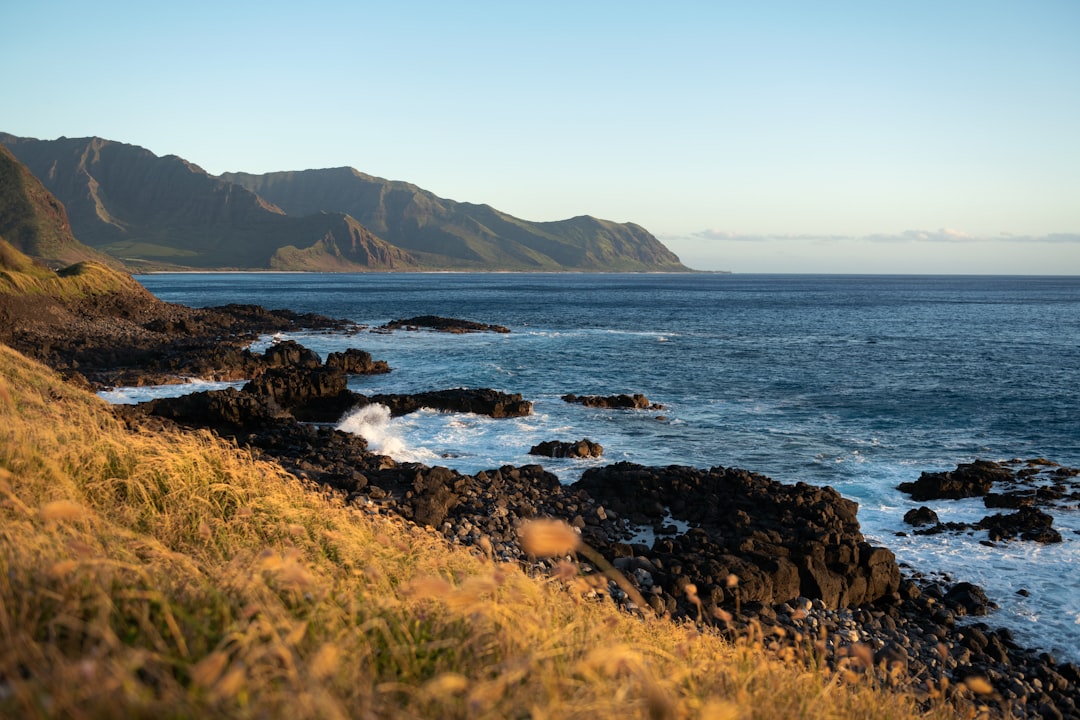
The rain in northern Dalmatia doesn't fall; it attacks. I was standing on a gravel track just outside Biograd na Moru, Croatia, watching a downpour turn the coastal scrub into a slurry of mud and pine needles. My rental car was stuck in a ditch, and the GPS had given up on life three kilometers back. A local farmer, wiping rain from his eyes with a rag stained by engine oil, told me to forget the road. "The caves," he shouted over the thunder, pointing toward the jagged limestone ridge behind the town. "The water goes down there. Everything ends there." It wasn't a metaphor. The karst landscape of this region is a sponge, swallowing rivers and tourists alike. I wasn't here for the sunny beaches of the Adriatic coast. I was here because the maps showed blank spots labeled "jama" (pit) or "pećina" (cave), and I wanted to see what lived in the dark.
Biograd na Moru is usually a stopover for people heading to the islands or the national parks. It’s a quiet town with a military past and a modern marina. But the real story isn't on the waterfront. It’s in the hills. The geology here is violent. Millions of years of tectonic shifts and dissolving limestone have created a labyrinth of underground rivers, sinkholes, and caverns that rival anything in Slovenia or Bosnia. I spent three days scrambling over sharp rock, breathing air that smelled of wet stone and ancient bat guano, realizing that the true face of this coast is hidden beneath your feet.
History & Identity
The region around Velebit Nature Park has always been defined by its separation from the mainland. The Velebit mountain range acts as a wall, blocking the weather from the interior and creating a microclimate that supports unique flora and fauna. But the caves are older than the mountains themselves. They are the result of water acting on stone over eons. During the Roman era, these caves were sometimes used as hiding places, but more often, they were feared. Local folklore is thick with stories of "vukodlaci" (werewolves) and spirits dwelling in the deep pits. The Karst landscape, named after the Dinaric Karst that runs through Croatia, is a geological marvel that has shaped the culture of the people here. They don't fight the land; they navigate it.
Biograd na Moru itself has a complex history. It was a significant military port during the Austro-Hungarian Empire and later a major naval base for the Yugoslav People's Army. This military presence kept the area somewhat isolated, preserving the natural environment but also limiting development. Today, the town is transitioning from a military hub to a tourist destination, but the caves remain wild. There are no gift shops at the entrance of most of these systems. You don't buy a ticket; you earn your way in with a headlamp and a good pair of boots.
Where to Go
Kamenjak Cave — This is the most accessible cave near Biograd na Moru, located just a few kilometers inland. It’s a show cave, meaning it’s prepared for visitors with paths and lighting, but it doesn’t feel over-commercialized. The cave system is vast, with several chambers connected by narrow passages. The highlight is the "Hall of the Giants," filled with massive stalactites and stalagmites. It’s a great introduction to the region’s geology. Entry is around 5 EUR, and it’s open seasonally from April to October. Best visited in the morning to avoid crowds.
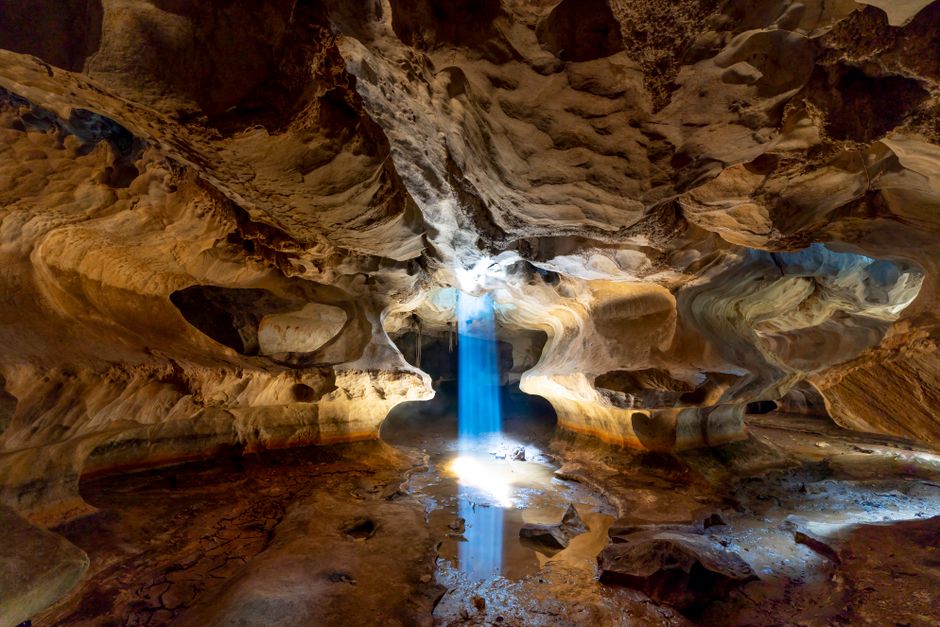
Pećina Velebita — For those willing to hike a bit further, the caves in the lower Velebit region offer a more rugged experience. These aren't polished tourist traps. You’ll need a guide or a very good map. The cave systems here are connected to the underground river networks that feed the Adriatic. The air is cooler, and the formations are sharper, less smoothed by time. It’s a place for serious cavers, but even a surface exploration of the entrances is rewarding. No entry fee, but bring your own light. Difficulty is Intermediate.
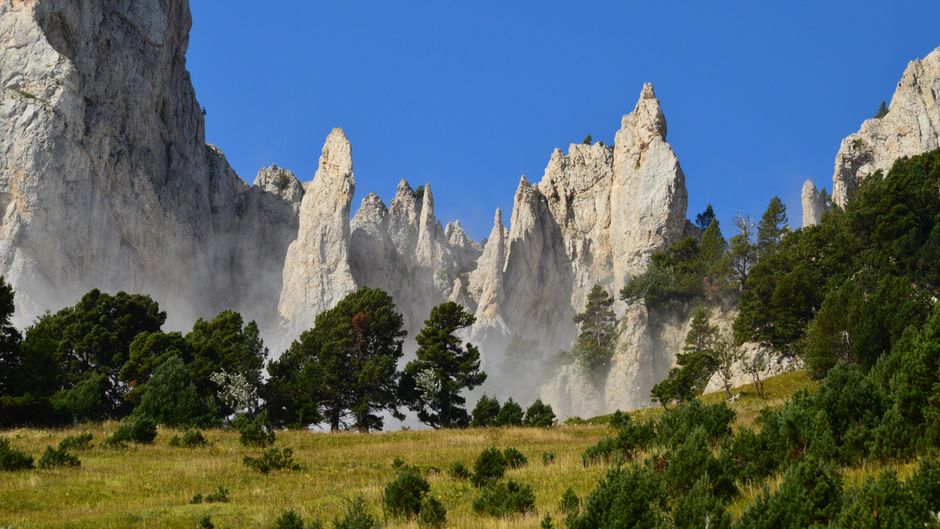
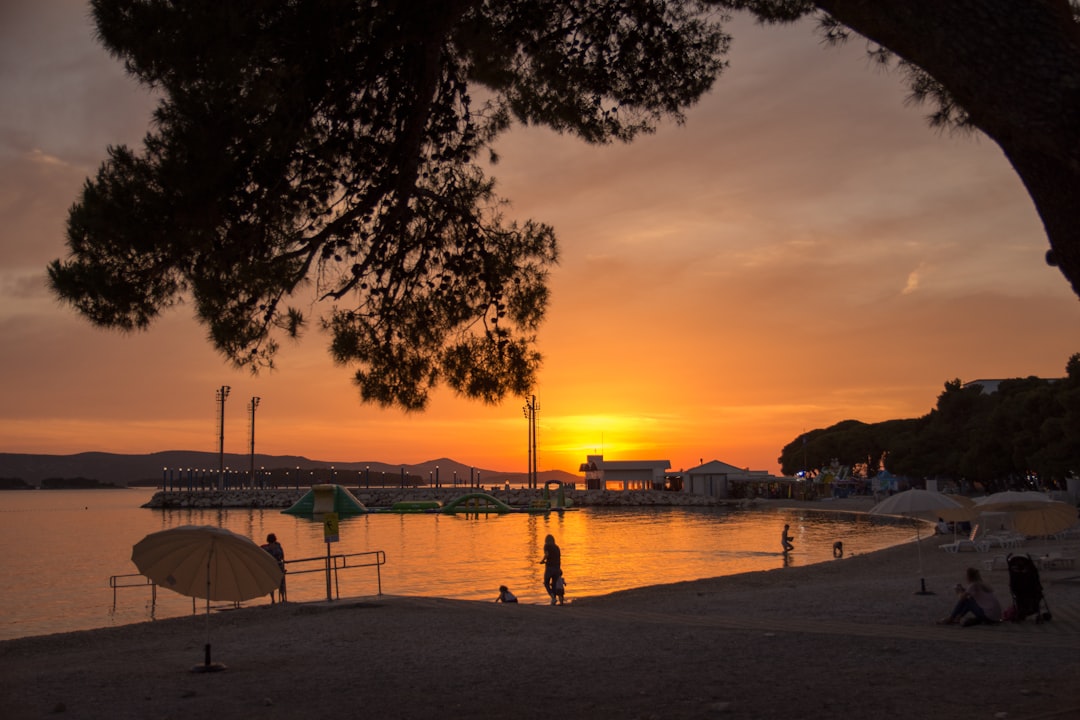
Savudrija Beach — While not a cave, this beach is part of the same geological story. Located on the peninsula of the same name, it’s a long, sandy stretch protected from the wind. The cliffs behind it are riddled with small sea caves that you can explore by boat. It’s a perfect spot to relax after a day of spelunking. The water is clear, and the sunsets are dramatic. Free access, but parking can be tricky in peak season.
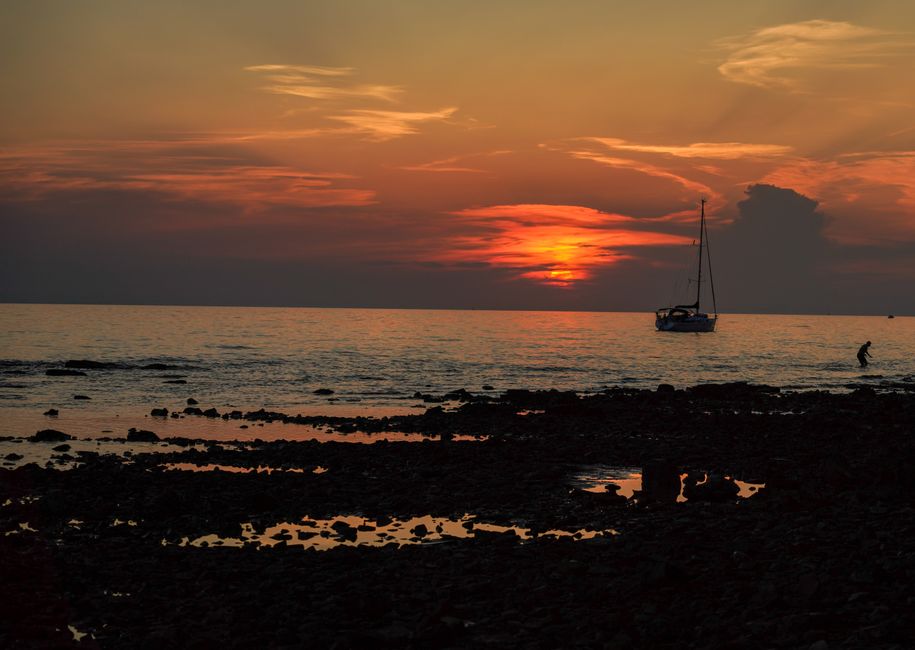
Biograd na Moru Marina — Back in town, the marina is a hub of activity. It’s one of the largest in Croatia, with modern facilities and a range of restaurants. It’s a good place to meet locals and other travelers. The atmosphere is relaxed, and the views of the Adriatic are nice. No entry fee, but parking costs around 2-3 EUR per hour.
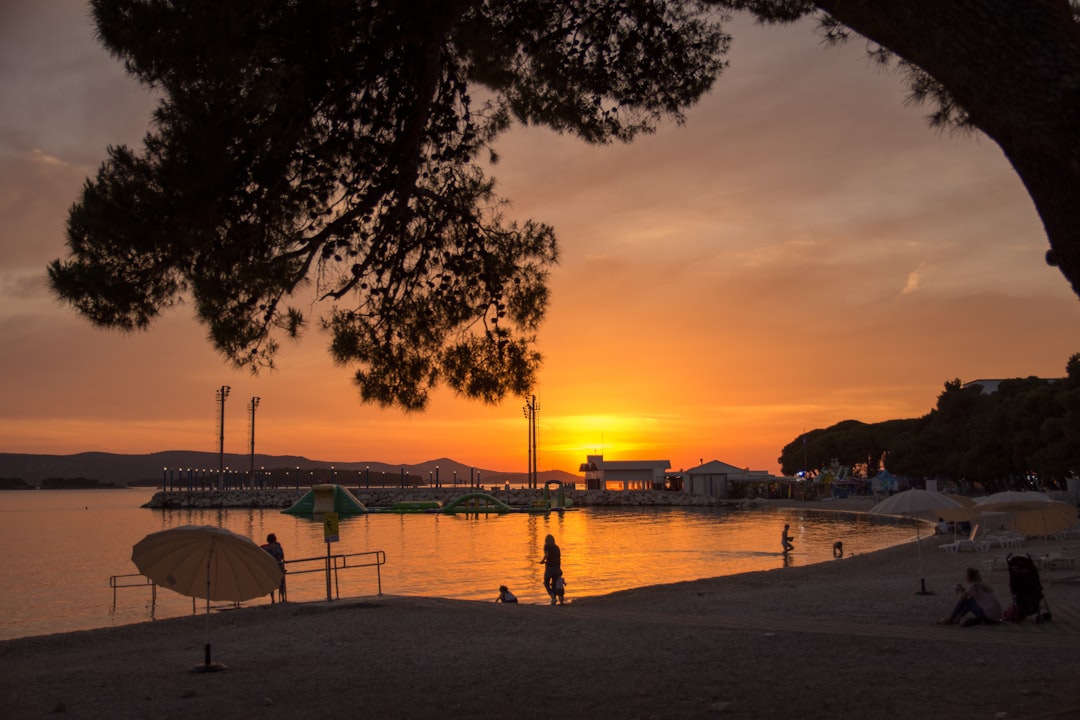
Velebit Nature Park Visitor Center — Before heading into the hills, stop here. The center offers excellent exhibits on the geology and ecology of the Velebit region. You can learn about the cave systems, the wildlife, and the history of the area. It’s a small but informative museum. Entry is free, and the staff are knowledgeable and helpful. Open daily from 9 AM to 5 PM.
What to Eat & Drink
Food in Biograd na Moru is a mix of Dalmatian coastal cuisine and inland influences. The local diet is heavy on seafood, olive oil, and fresh vegetables. Here are a few dishes to look for:
- Crni Rižot — Black risotto made with squid ink. It’s rich, flavorful, and turns your mouth purple. Typical price: 12-15 EUR.
- Pasulj — A hearty bean stew, often served with smoked meat. It’s a traditional dish in the region, perfect for a cold day. Typical price: 8-10 EUR.
- Pršut — Dalmatian dry-cured ham. It’s thinly sliced and served as an appetizer. Typical price: 10-12 EUR for a portion.
- Plavac Mali — A local red wine, known for its bold flavor and high alcohol content. It pairs well with grilled meat and cheese. Typical price: 4-6 EUR per glass.
Budget breakdown: Street food or simple take-away like burek or pie is under 3-5 EUR per meal. A sit-down meal at a local konoba (tavern) is around 10-15 EUR per person. Mid-range restaurants with a view of the marina will cost 20-30 EUR per person. For budget travelers, there are several supermarkets in town where you can buy fresh bread, cheese, and fruit for a picnic. The main food street is along the marina, where you’ll find a mix of cafes and restaurants. There are also a few fast-food options for a quick bite.

Nightlife
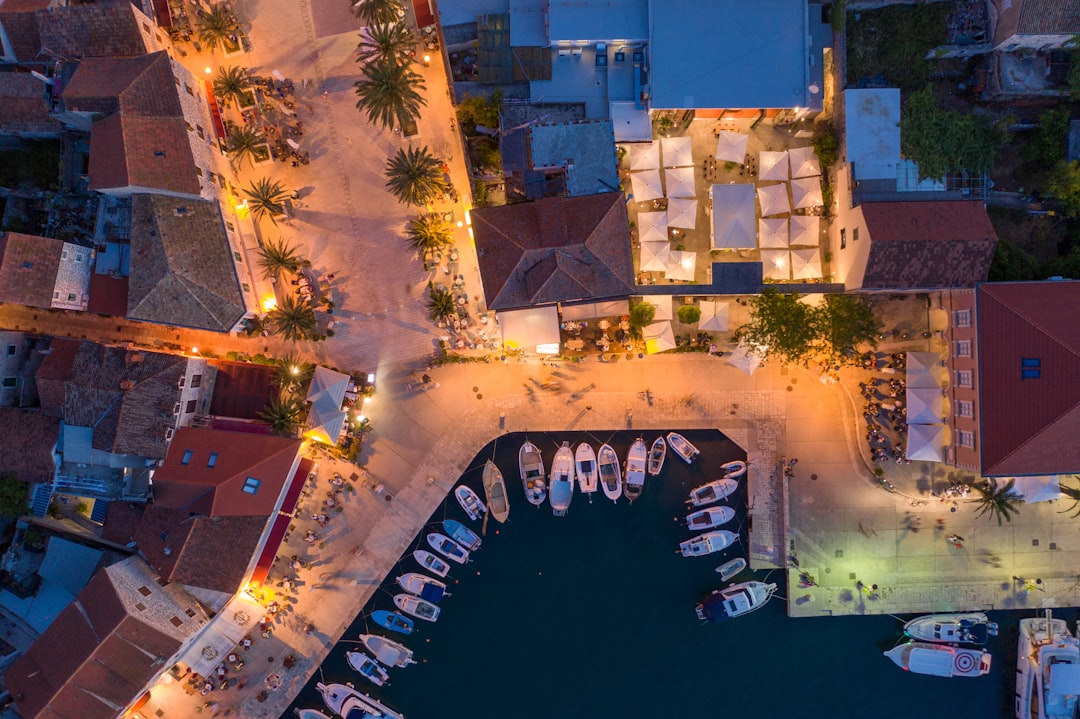
Nightlife in Biograd na Moru is low-key. It’s not a party town like Split or Dubrovnik. The main action is along the marina, where a handful of bars and cafes stay open late. The atmosphere is relaxed, with live music on weekends and a mix of locals and tourists. Here are a few spots to check out:
Bar Marina — A simple bar with a view of the boats. It’s a good place to grab a beer and watch the sunset. No cover charge, drinks around 3-4 EUR.
Cafe Kamenjak — A trendy cafe with a terrace. It’s popular with younger crowds and offers a range of cocktails and coffee. Open until late, no cover charge.
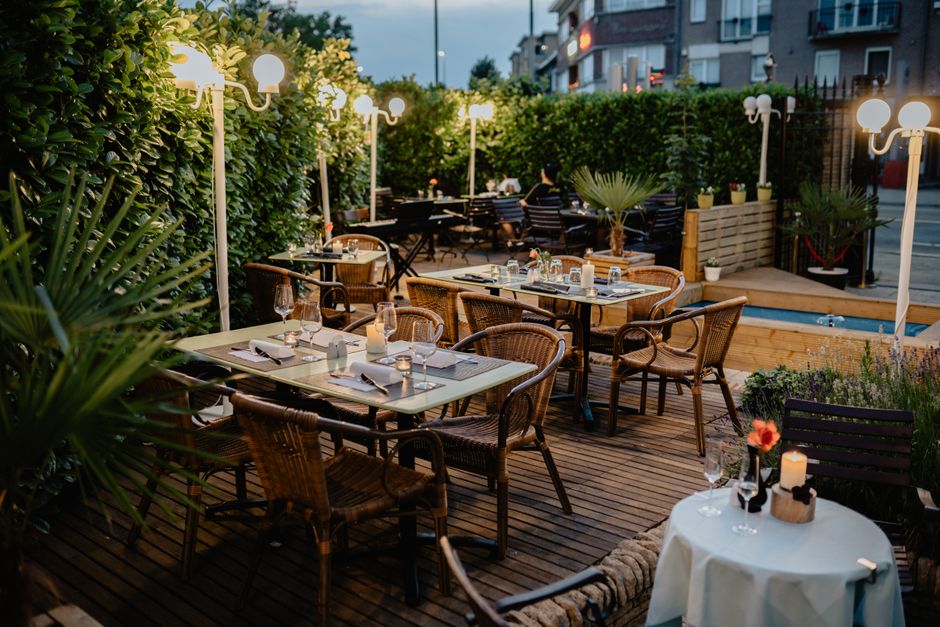
Club Riva — The main club in town, with a dance floor and DJ. It’s open on weekends and attracts a local crowd. Cover charge is around 5 EUR, drinks 4-5 EUR.
Getting There & What to Expect
The nearest airport is Zadar Airport, about 40 kilometers away. Buses run regularly between Zadar and Biograd na Moru, taking around and costing 5-7 EUR. You can also rent a car in Zadar, which gives you more flexibility to explore the caves and surrounding area. Driving from Zagreb takes about via the A1 motorway. Accommodation in Biograd na Moru ranges from budget hostels at 20-30 EUR per night to mid-range hotels at 50-70 EUR per night. The best time to visit is from May to October, when the weather is warm and dry. However, the caves are cool year-round, so bring a jacket even in summer.
Search accommodation in Biograd na Moru on Booking.com →
Into the Black
I ended my trip in a cave so deep that my phone lost signal. The air was still, heavy with the scent of wet rock. My headlamp beam cut through the darkness, revealing formations that looked like frozen waterfalls. It was silent, except for the drip of water echoing in the distance. I sat there for an hour, just breathing, feeling the weight of the mountain above me. It was a reminder that the world is bigger than our screens, that there are places where time stands still. Biograd na Moru is not just a town on the coast. It’s a gateway to the earth’s interior, a place where the light fades and the shadows come alive. If you’re looking for a beach holiday, go somewhere else. If you’re looking for something real, bring a flashlight and go down.
Comments