


The mud on Lake Skadar does not just stick to your boots; it claims them. I stood knee-deep in the reeds near the northern shore, a pair of binoculars hanging around my neck like a guilty conscience, watching a Great White Pelican haul itself out of the water with the grace of a drunken sailor. The air smelled of wet earth, rotting vegetation, and diesel fuel from the fishing boats idling in the distance. This is not the polished, glass-walled luxury of the Montenegrin coast. This is the Balkans in its raw, unapologetic state. I had come looking for birds, but I found myself staring into a mirror that reflected the messy, beautiful reality of a region caught between the Adriatic Sea and the highlands of Albania. The mist hung low over the water, obscuring the horizon, making it impossible to tell where the lake ended and the world began. A fisherman in a weathered yellow raincoat shouted something I didn't understand, waving a net that looked older than the European Union. I didn't care. I just raised my glasses and watched the pelican shake its wings, sending a spray of water into the grey morning light. This is the real deal.
Most travelers rush straight to the glittering resorts of the Bay of Kotor, chasing the Instagram-perfect shots of turquoise water and Venetian-style palaces. They miss the pulse of the place. Lake Skadar, or Skadarsko Jezero, is the largest lake in Southern Europe, a sprawling wetland that shifts in size with the seasons, breathing like a living thing. It is a chaotic, vibrant, and often muddy ecosystem that serves as a critical stopover for millions of migratory birds traveling between Europe and Africa. To stand here is to witness one of the greatest natural spectacles on the continent, provided you are willing to get a little dirty and wait for the moment when the water clears and the sky fills with wings.
History & Identity
The history of Lake Skadar is written in water and war. For centuries, this vast body of water has been a contested borderland, shifting between Venetian, Ottoman, Montenegrin, and Albanian control. The lake itself is a geological oddity, connected to the Adriatic Sea by the Bojana River, a narrow, winding waterway that has served as a natural gateway and a defensive barrier. The town of Rijeka Crnojevića, perched on the northern shore, was once the capital of the Crnojević dynasty, the medieval rulers who gave Montenegro its name. Their legacy is visible in the Crkva Svete Bogorodice, a small church that houses the oldest printed book in the Slavic languages, the Oktoih, printed in 1494. This is not just a birdwatching destination; it is a place where culture and nature have coexisted for centuries, often in tension, always in dialogue.
The lake's identity is deeply tied to its ecology. It is a UNESCO Biosphere Reserve, recognized for its immense biodiversity. The wetlands here are a labyrinth of channels, reed beds, and small islands, providing shelter for over 270 species of birds. The local communities, primarily fishermen, have adapted to this environment over generations, living in harmony with the rhythms of the lake. Their wooden boats, painted in bright colors, dot the water like toys, and their nets are cast with a practiced ease that speaks of inherited knowledge. To understand Lake Skadar is to understand the resilience of the people who live on its shores, who have survived political upheavals, economic hardships, and the constant encroachment of modernity.
Where to Go
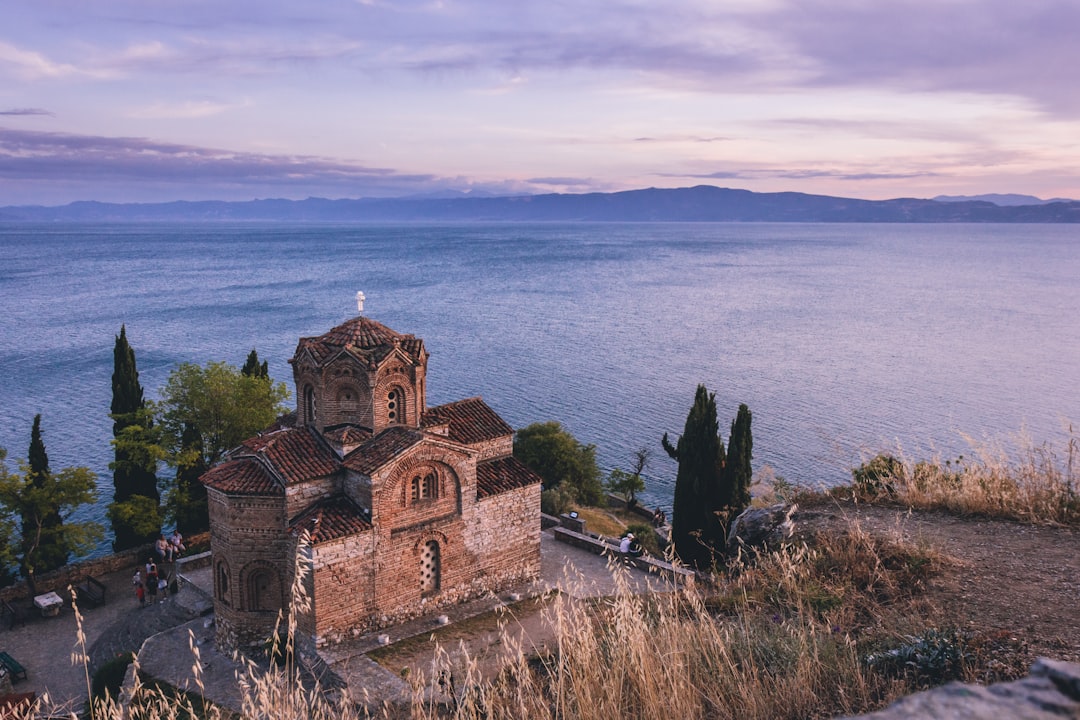
Crkva Svete Bogorodice — This small, unassuming church in Rijeka Crnojevića is a pilgrimage site for both religious believers and history buffs. It houses the Oktoih, a masterpiece of early printing. The church is open to visitors, and entry is free, but donations are appreciated. The best time to visit is early morning, when the light is soft and the crowds are thin. The surrounding town is quiet, with a few small cafes and a view of the lake that stretches out to the horizon.

Crnojević Library — Located in the same town, this library is a treasure trove of rare books, manuscripts, and icons. It is housed in a 15th-century building that was once part of the royal palace. The collection includes works in Serbian, Greek, and Latin, offering a glimpse into the intellectual life of the medieval Balkans. Entry is 3-5 EUR, and guided tours are available. The library is open from Tuesday to Saturday, and it is a must-visit for anyone interested in the cultural history of the region.

Škradar Island — This small island in the middle of the lake is home to a 13th-century monastery, Škradar Monastery. The monastery is dedicated to St. Peter and St. Paul, and it is a place of quiet reflection and spiritual significance. To reach the island, you must take a boat from Rijeka Crnojevića or another nearby town. The boat ride is short, but it offers stunning views of the lake and the surrounding mountains. Entry to the monastery is free, and visitors are welcome to explore the grounds and the small museum. The best time to visit is during the spring or autumn, when the weather is mild and the birds are active.

Biogradska Gora National Park — Located on the eastern shore of the lake, this national park is a pristine forest that offers a stark contrast to the wetlands of the lake. It is home to a variety of wildlife, including bears, wolves, and eagles. The park has several hiking trails, ranging from easy walks to challenging climbs. The most popular trail leads to the peak of Zla Voda, which offers panoramic views of the lake and the surrounding mountains. Entry to the park is 5-10 EUR, and guided tours are available. The best time to visit is during the summer, when the weather is warm and the trails are dry.

Rijeka Crnojevića Town Center — The town itself is a charming place to wander, with narrow streets, old houses, and a few small shops. The main square is a good place to sit and watch the world go by, and there are a few cafes where you can enjoy a coffee and a pastry. The town is also a good base for exploring the lake, with several boat tours available. The best time to visit is during the evening, when the town is quiet and the lights reflect off the water.

What to Eat & Drink
The food around Lake Skadar is simple, hearty, and deeply rooted in the local culture. The most famous dish is lake fish, typically carp or catfish, grilled or fried and served with a side of potatoes or salad. A typical serving costs 8-12 EUR at a local restaurant. Another popular dish is pršut, a type of dry-cured ham that is similar to prosciutto. It is often served as an appetizer with cheese and bread, and a plate costs 5-8 EUR. For a more substantial meal, try njeguški pršut, a premium version of the ham that is produced in the nearby mountains. It is more expensive, but it is worth the price. A plate of njeguški pršut costs 10-15 EUR.
Budget travelers can find cheap and delicious food at local markets and street stalls. Šopska salata, a tomato, cucumber, and onion salad topped with cheese, is a popular side dish that costs 3-5 EUR. Pita, a flaky pastry filled with cheese, meat, or spinach, is another affordable option that costs 2-4 EUR. For a sit-down meal at a local restaurant, expect to pay 10-15 EUR per person for a main course and a drink. Mid-range restaurants, which offer a wider selection of dishes and a more comfortable atmosphere, cost 15-25 EUR per person. The main market in Rijeka Crnojevića is a good place to find fresh produce, fish, and local specialties. The town also has a few small cafes where you can enjoy a coffee and a pastry for 2-3 EUR.


Nightlife
Nightlife around Lake Skadar is quiet and relaxed, with a focus on socializing and enjoying the natural beauty of the area. The main bar district is in Rijeka Crnojevića, where you can find a few small bars and cafes that offer live music and local drinks. Kafana Rijeka is a popular spot for locals and tourists alike, offering traditional Montenegrin music and a cozy atmosphere. Cover charge is free, and a beer costs 2-3 EUR. Bar Skadar is another good option, with a view of the lake and a selection of local wines. A glass of wine costs 3-5 EUR. For a more lively atmosphere, try Club Laguna, which plays electronic music and attracts a younger crowd. Cover charge is 5-10 EUR, and a cocktail costs 5-8 EUR.
Most bars and clubs close by midnight, so don't expect a wild party scene. The focus is on relaxation and conversation, with many people enjoying the night air and the sounds of the lake. The best time to visit is during the summer, when the weather is warm and the bars are open late. The town is quiet at night, with few lights and a sense of peace that is rare in other parts of the region.


Getting There & What to Expect
The nearest airport is Podgorica Airport, which is about 80 km from Lake Skadar. From the airport, you can take a bus or a taxi to Rijeka Crnojevića. The bus ride takes about 1.5 hours and costs 5-10 EUR. A taxi costs 30-50 EUR. From Belgrade, you can take a bus to Podgorica and then transfer to a bus to Rijeka Crnojevića. The total travel time is about 8-10 hours. From Tirana, Albania, you can take a bus to Podgorica and then transfer to a bus to Rijeka Crnojevića. The total travel time is about 6-8 hours. By car, the drive from Podgorica to Rijeka Crnojevića takes about 1 hour, and the drive from Belgrade takes about 7 hours. The drive from Tirana takes about 5 hours.
Accommodation in Rijeka Crnojevića ranges from budget hostels to mid-range hotels. A bed in a hostel costs 15-25 EUR per night, and a room in a mid-range hotel costs 40-60 EUR per night. There are also several guesthouses and apartments available for rent, which are a good option for longer stays. The best months to visit are April to June and September to October, when the weather is mild and the birds are active. In the summer, it can be hot and crowded, and in the winter, it can be cold and wet. The lake is open year-round, but the weather can be unpredictable, so it is best to check the forecast before you go.
Search accommodation in Rijeka Crnojevića on Booking.com →
The Mud Remains
I left Lake Skadar with mud on my boots, water in my lungs, and a sense of wonder that I couldn't shake. The birds had flown, the mist had lifted, and the lake was just water again. But I knew that it was more than that. It was a place where history and nature met, where culture and ecology intertwined, and where the simple act of standing still could reveal the beauty of the world. I thought about the fisherman in the yellow raincoat, waving his net, and the pelican shaking its wings. I thought about the old church with its rare book, and the forest with its hidden trails. I thought about the quiet bars and the lively markets, the grilled fish and the cured ham. I thought about the mud on my boots, and I smiled. This was not just a trip. This was a revelation.

Comments