


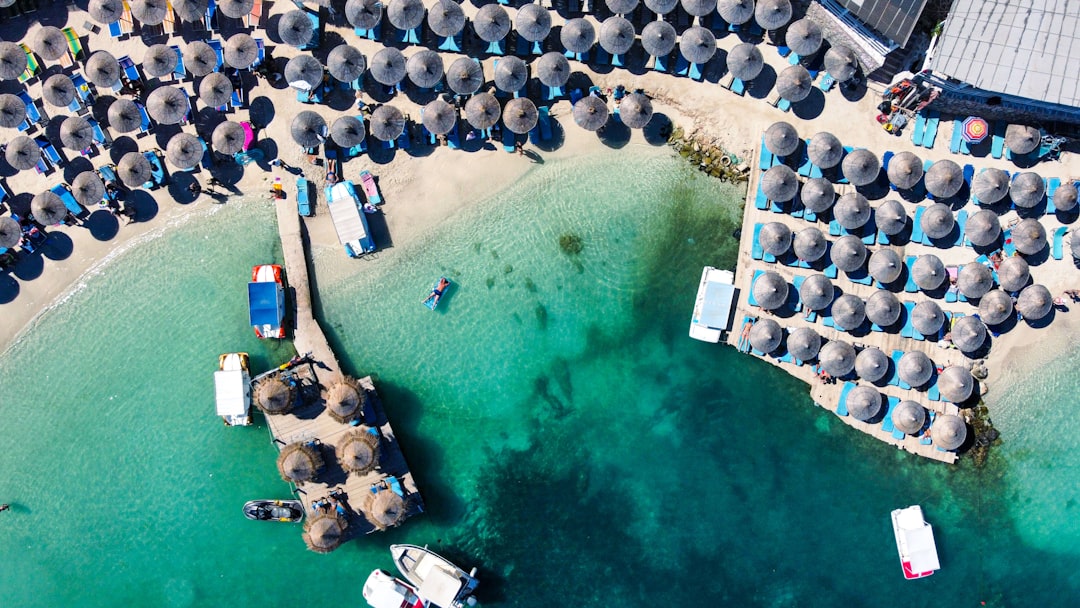
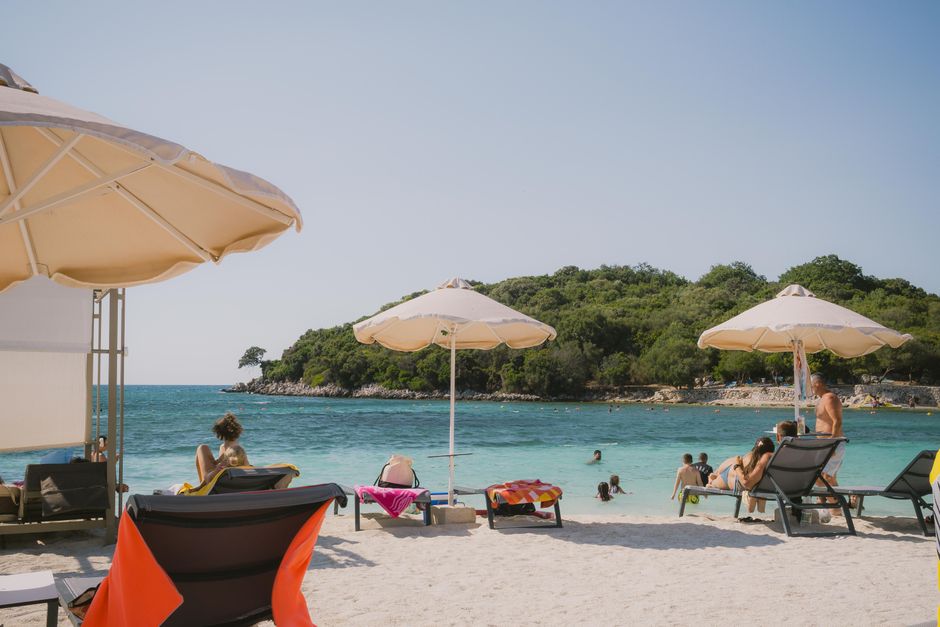
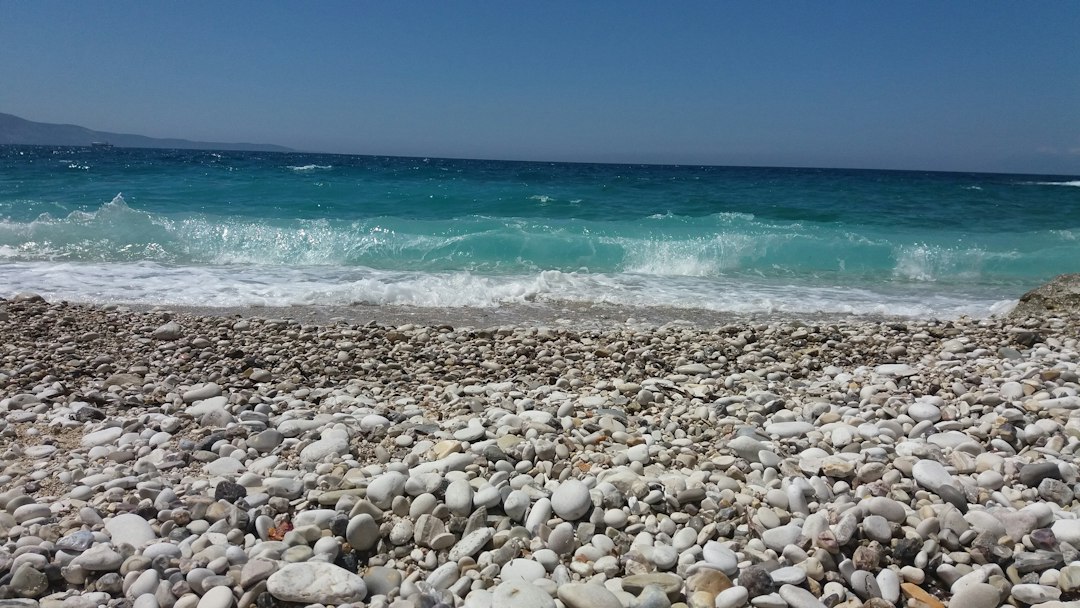
The water here doesn't just sparkle; it radiates. It is an aggressive, electric blue that hurts your eyes if you stare too long without sunglasses. I stood on the pebbled shore of Ksamil, watching a tour bus vomit out another load of sunburned backpackers, all of them clutching their phones like holy relics. The guide, a guy with a whistle and a clipboard, was shouting the same line he’d delivered a thousand times: "This color? It's from the ancient glaciers! The flour of the mountains!" I laughed. Not because it was funny, but because it was absurd. Glacial flour? In the Albanian Riviera? The nearest mountain with a snowcap is a few hundred kilometers away, and even then, it doesn't melt into this specific, tropical-looking soup. The truth is far more mundane, and far more beautiful. The water is this color because the sea floor is a bed of white limestone, reflecting the sun back up through a layer of crystal-clear Adriatic water. The "glacial flour" story is a marketing fairy tale, a local legend that got out of hand, passed down from one eager tour guide to the next until it became gospel. I came to Ksamil expecting paradise. I found a crowded, vibrant, slightly chaotic slice of the Mediterranean, and I loved it for its honesty, even if the water color story was a lie.
Let’s get one thing straight: Ksamil is not a secret. It is the poster child for Albanian tourism, the place every influencer has to visit before they die. The beaches are packed. The sunbeds are arranged like soldiers in a trench. The water is indeed stunning, but not because of some magical glacial residue. It’s because the sea here is shallow, calm, and sits on top of a white, sandy bottom that acts like a giant mirror. The "glacial flour" myth is a fascinating piece of folk science, a way for locals to explain the extraordinary with the mystical. But as a journalist, I’m here for the facts, the flavors, and the raw energy of a place that has exploded from a sleepy fishing village to a Mediterranean hotspot in less than a decade.
History & Identity
Ksamil Ksamil was not always the tourist magnet it is today. For most of the 20th century, it was a quiet, isolated fishing village, cut off from the rest of the world by Albania's decades of isolationism under Enver Hoxha. The beaches were empty, the waters unpolluted, and the only visitors were the fishermen hauling in their nets. The transformation began in the late 1990s, after the fall of communism, when the first trickle of tourists arrived. They were mostly backpackers, seeking the "next Croatia" before it became Croatia. They found it. The word spread. The infrastructure crumbled, then rebuilt itself, often haphazardly. Today, Ksamil is a study in contrasts: ancient Greek ruins sit next to neon-lit beach bars, and the old fishing boats are now moored alongside luxury yachts.
The identity of Ksamil is still in flux. It is trying to be a luxury destination while retaining its rough-around-the-edges charm. The locals are proud, hospitable, and fiercely protective of their home. They know the "glacial flour" story is nonsense, but they also know it sells. It’s a part of the experience, a quirky piece of local lore that adds to the mystique. The real story is one of rapid change, of a community that has embraced tourism with open arms, even if it means dealing with the crowds, the noise, and the occasional surge in prices. It’s not a perfect paradise, but it’s real, and that’s what makes it compelling.
Where to Go
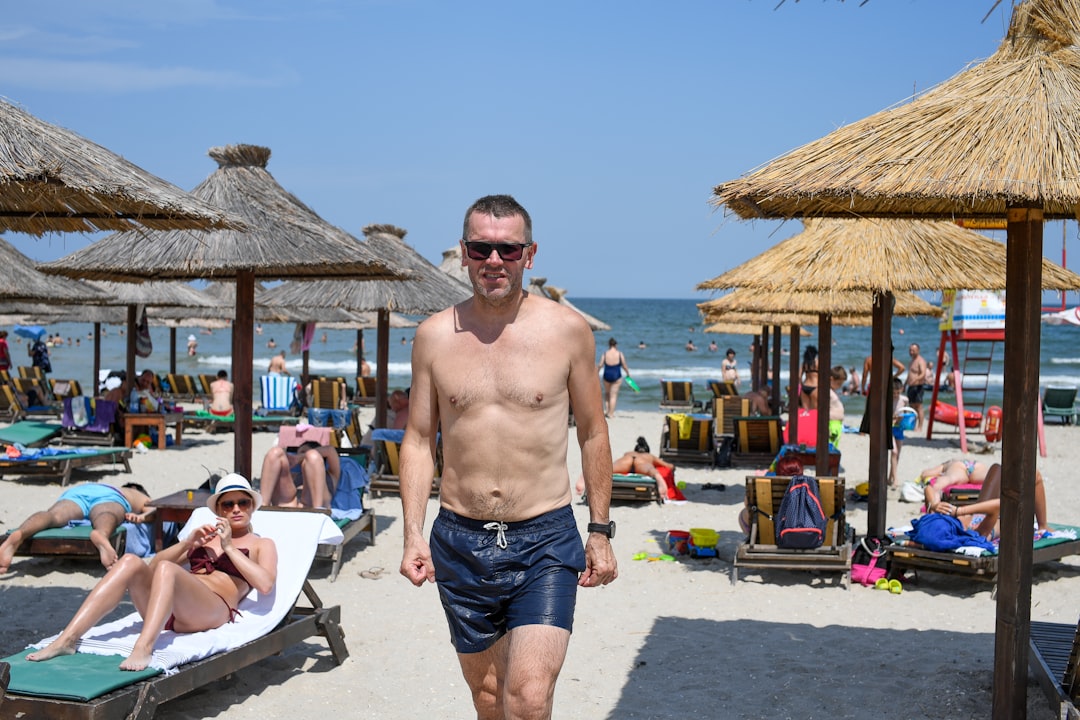
Ksamil Beach — The main beach is a strip of golden sand and smooth pebbles, backed by a row of sunbeds and umbrellas. The water is shallow for a long way out, making it perfect for swimming and snorkeling. Rent a sunbed and umbrella for the day, or bring your own towel and find a spot on the rocks. The best time to go is early morning or late afternoon to avoid the midday crowds.
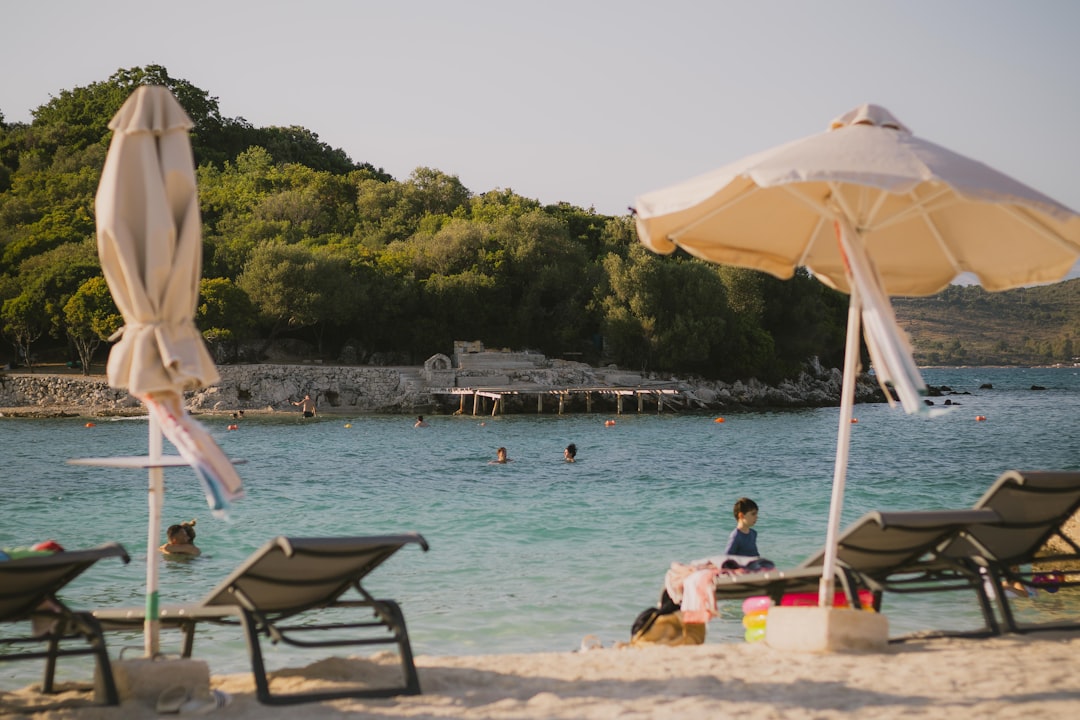
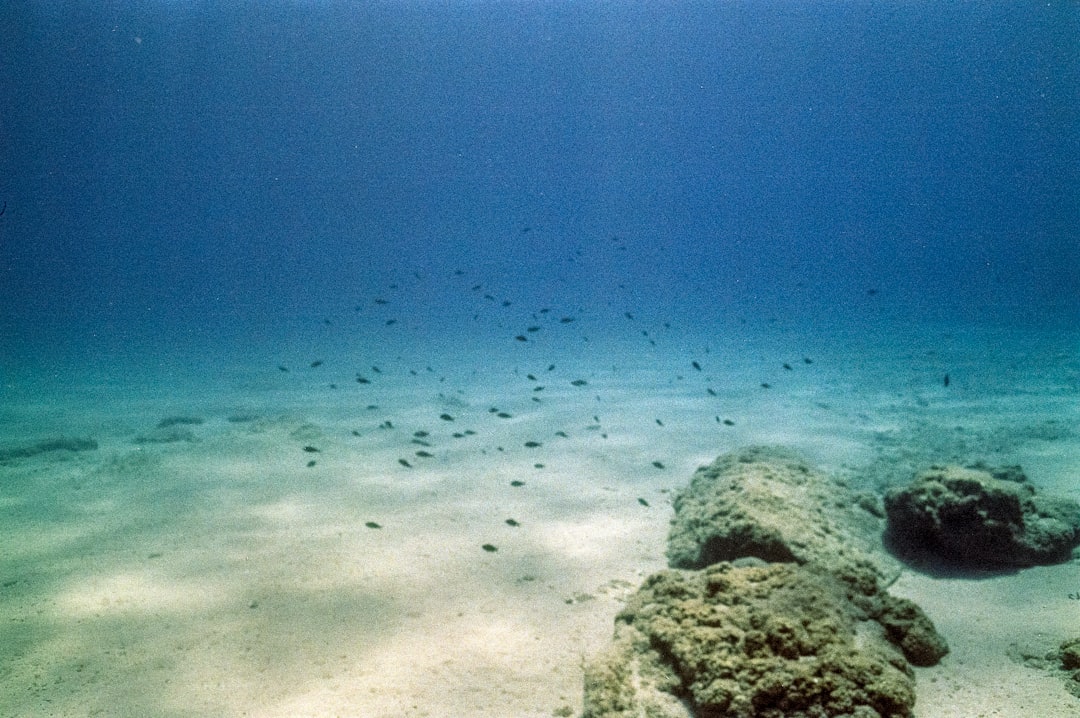
Ksamil Islands — Just off the coast are four small islands: Island 1, Island 2, Island 3, and Island 4. They are connected to the mainland by shallow waters, and you can walk to them at low tide. Island 1 is the most popular, with a small beach and a restaurant. Island 4 is the least developed, offering a more secluded experience. The water around the islands is incredibly clear, perfect for snorkeling.
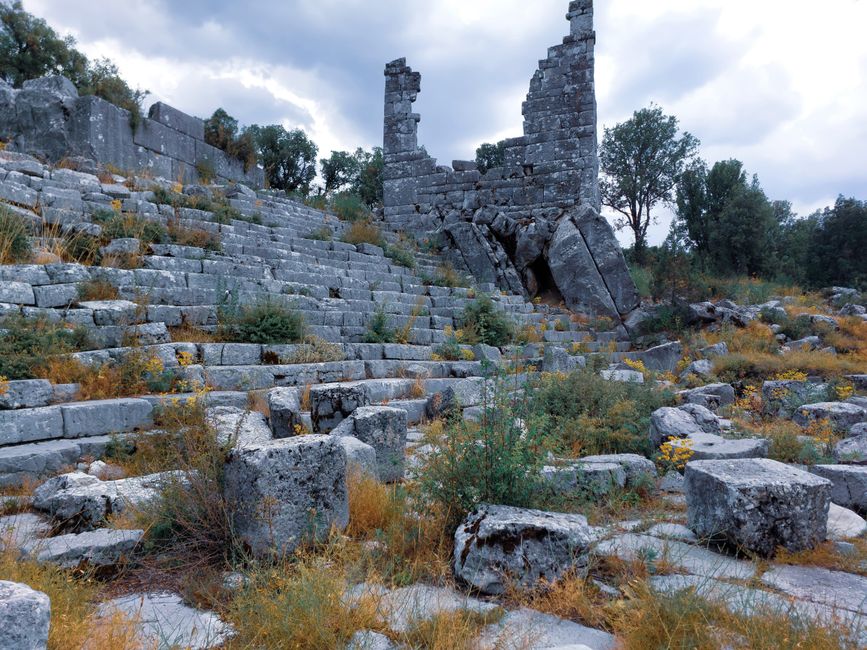
Archaeological Site of Butrint — A short drive from Ksamil is Butrint Butrint, a UNESCO World Heritage Site. This ancient city was home to Greeks, Romans, Byzantines, and Venetians. The ruins include a theater, an amphitheater, a basilica, and a castle. It’s a fascinating place to explore, with lush gardens and stunning views of the surrounding landscape. Entry is around 8 EUR.
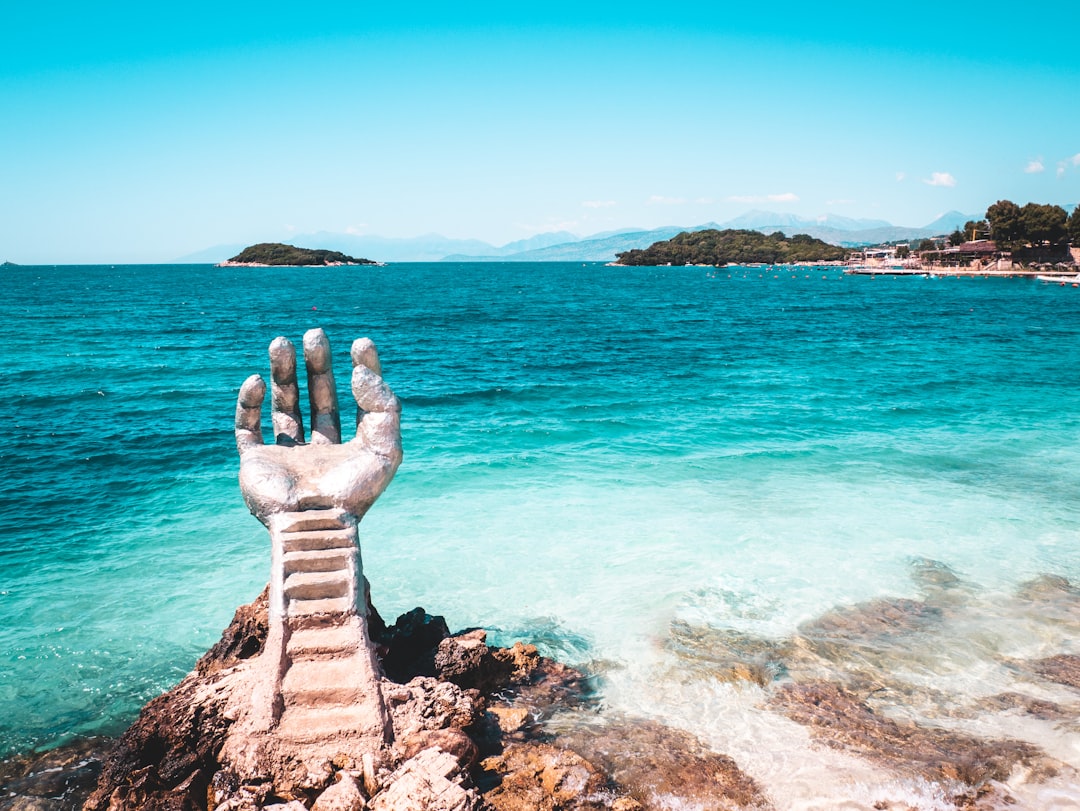
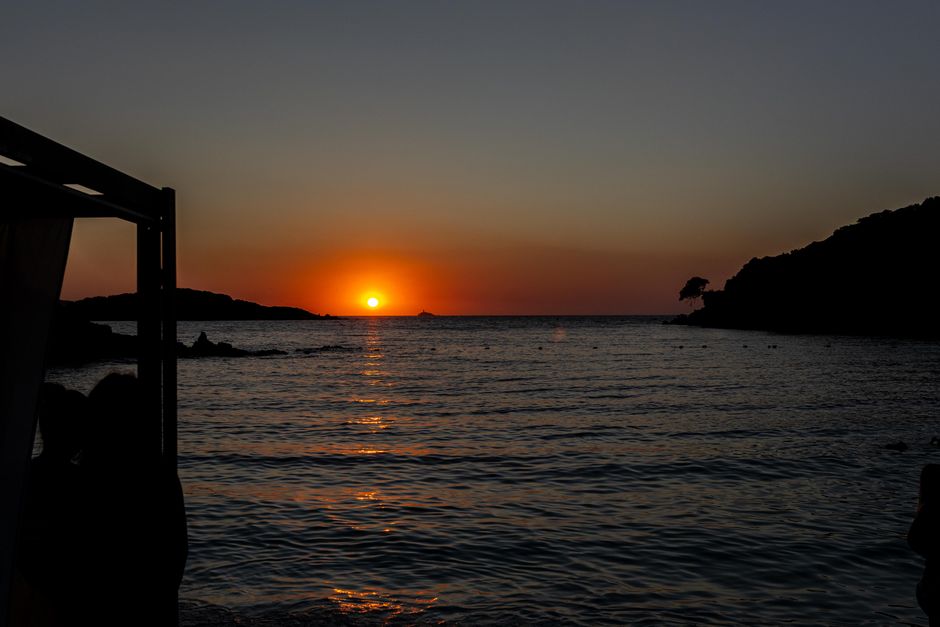
Ksamil Lighthouse — The lighthouse at the northern end of Ksamil beach is a popular spot for photos. It’s a small, white structure, but it offers a great vantage point for seeing the entire bay. The best time to go is at sunset, when the sky turns a brilliant orange and pink.
What to Eat & Drink
The food in Ksamil is a mix of traditional Albanian cuisine and Mediterranean influences. You’ll find plenty of seafood, grilled meats, and fresh vegetables. The prices are higher than in other parts of Albania, but still reasonable compared to other European destinations. Here’s what to look for:
- Friji me Byrek — Fried fish with burek (a savory pastry) is a classic Albanian dish. Expect to pay 8-12 EUR for a generous portion.
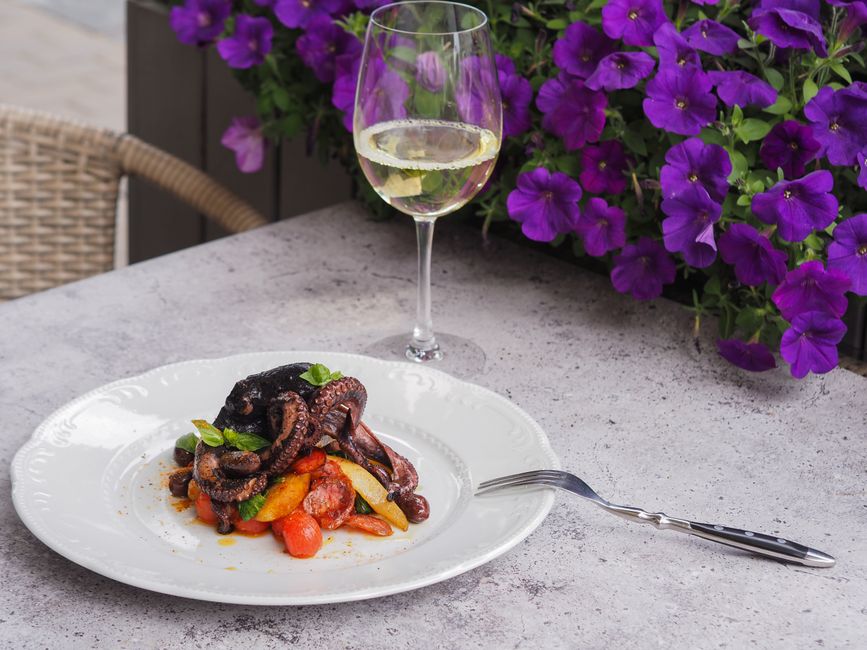
- Grilled Octopus — Fresh octopus, grilled to perfection and served with lemon and olive oil. 10-15 EUR.
- Tavë Kosi — A baked lamb and yogurt dish, similar to moussaka. 7-10 EUR.
- Fresh Fruit Shakes — Made with local fruits like watermelon, strawberry, and mango. 3-5 EUR.
- Raki — The national spirit, a strong fruit brandy. 2-4 EUR for a small glass.
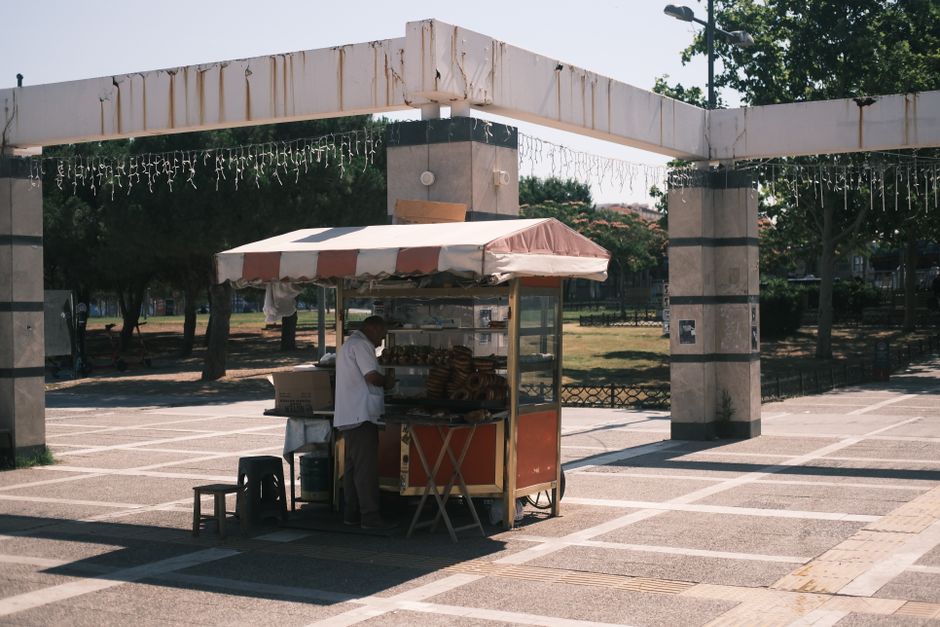
For a budget meal, head to the local markets or street food stalls. You can find burek or byrek for 1-2 EUR, and fresh fruit for 1-3 EUR. For a sit-down meal, expect to pay 10-15 EUR per person at a local restaurant. Mid-range restaurants, with air conditioning and a view of the sea, will cost 20-30 EUR per person. The Ksamil Waterfront is the main area for restaurants and bars, with a lively atmosphere in the evenings.
Nightlife
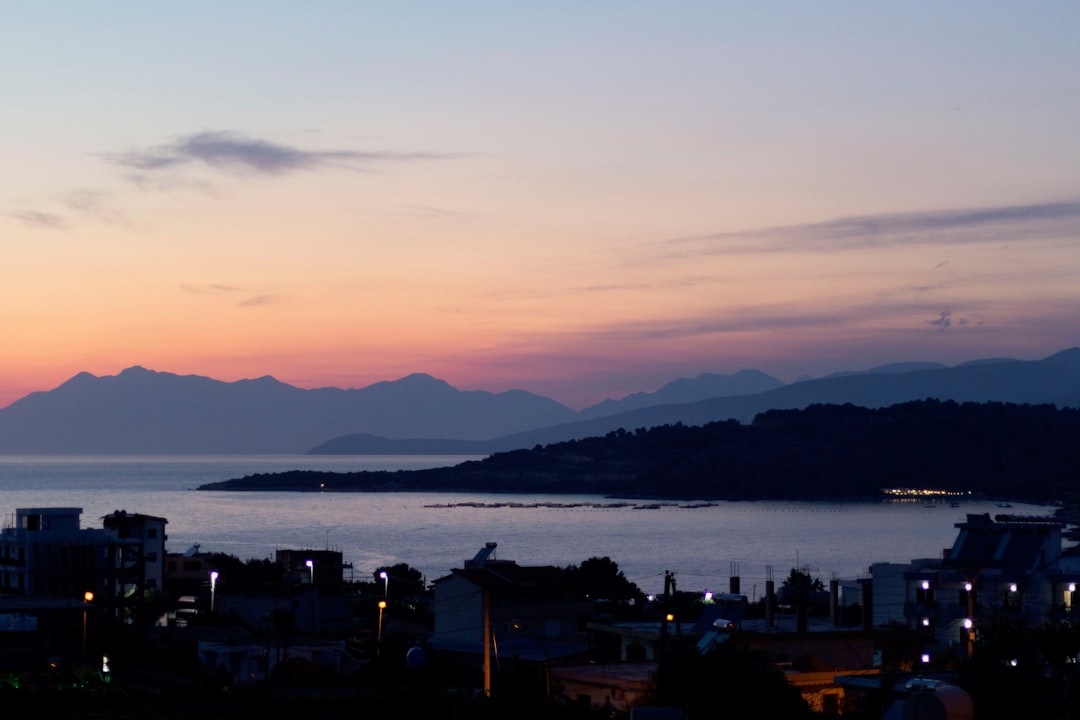
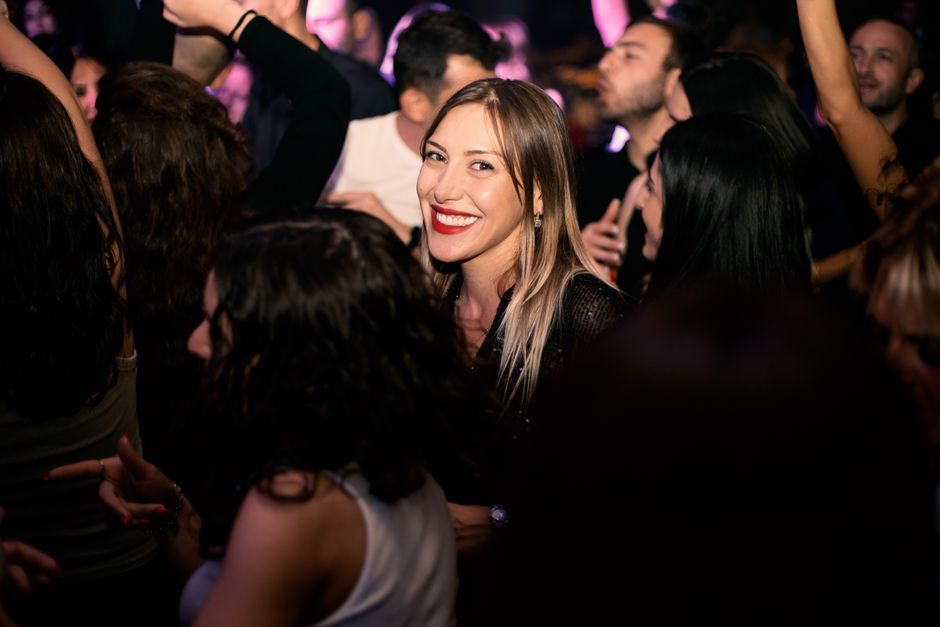
Ksamil is not known for its nightlife, but it does have a few bars and clubs that cater to tourists. The main area for nightlife is the Ksamil Waterfront, where you’ll find a mix of beach bars and small clubs. The music is mostly pop and electronic, and the crowds are young and energetic. Cover charges are rare, but expect to pay 3-5 EUR for a drink. The bars stay open until around 2 AM, and the clubs until 4 AM. If you’re looking for a more laid-back vibe, head to the Ksamil Islands, where there are a few small bars with a more relaxed atmosphere.
Getting There & What to Expect
The nearest airport to Ksamil is Igoumenitsa Airport in Greece, which is about 30 minutes away by car. From Tirana International Airport, you can take a bus or a taxi to Ksamil, which takes around 3-4 hours. The bus costs around 10-15 EUR, while a taxi will cost 50-70 EUR. You can also drive from Tirana, taking the coastal road, which is a scenic but winding drive. The road is in decent condition, but be prepared for some traffic, especially during the summer months.
Accommodation in Ksamil ranges from budget hostels to luxury hotels. A night in a hostel will cost around 20-30 EUR, while a mid-range hotel will cost 50-80 EUR. Luxury hotels can cost 100-200 EUR per night. The best time to visit Ksamil is between May and October, when the weather is warm and the sea is calm. July and August are the busiest months, so expect crowds and higher prices. If you’re traveling with children, Ksamil is a great destination, as the shallow waters and sandy beaches are perfect for kids. Children of all ages can enjoy the beaches and the islands, but be careful of the rocks and the currents.
Search accommodation in Ksamil on Booking.com →
The Truth in the Turquoise
I left Ksamil with my skin red, my wallet lighter, and my head full of conflicting emotions. The "glacial flour" story is a lie, but it’s a beautiful lie, a testament to the human desire to find magic in the mundane. The water is still turquoise, the islands are still beautiful, and the food is still delicious. The crowds are annoying, but they’re also a sign of life, of a place that has opened itself up to the world. Ksamil is not perfect, but it’s real, and that’s what makes it worth visiting. Just don’t believe everything the tour guide tells you.
Comments