


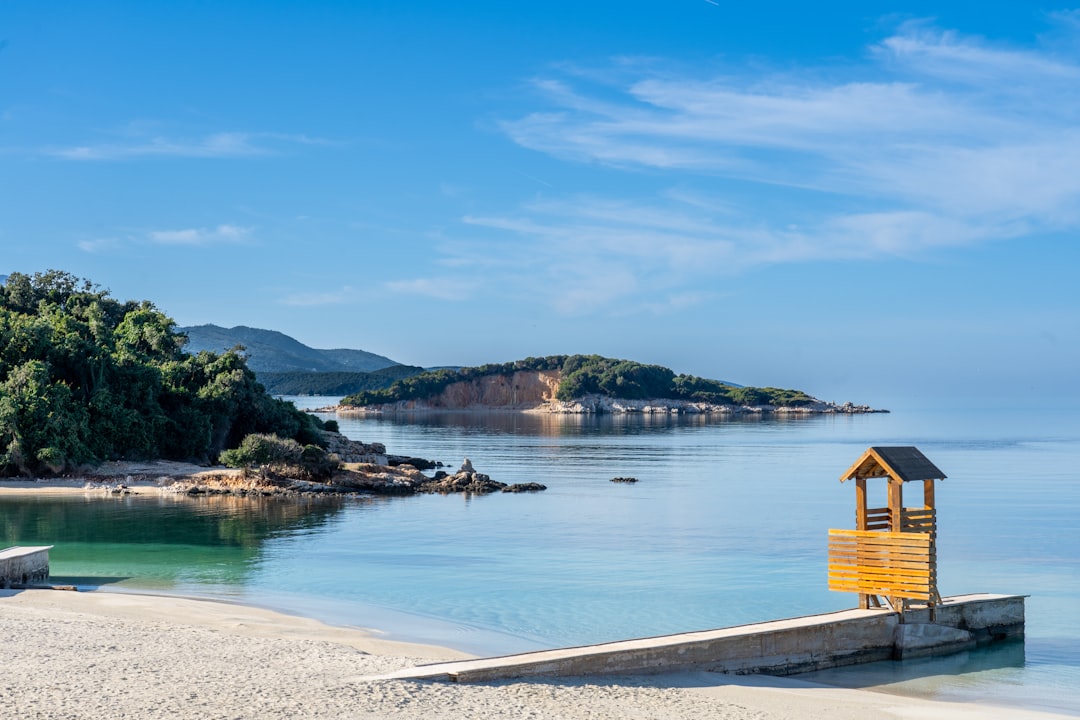
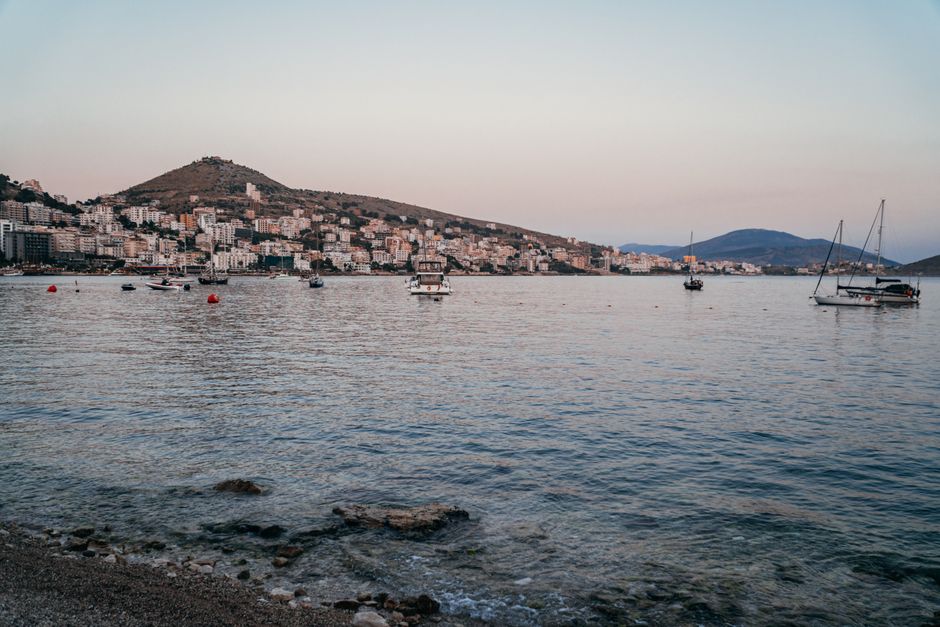
The air in Ksamil doesn't just smell like salt; it smells like sunscreen, desperation, and burning diesel. I arrived at the ferry crossing from Sarandë with a backpack that felt like it contained my entire life's savings in euros, staring down a sea of tourists packed onto a rubber-hulled boat like sardines in a tin can. The water below was a shade of blue so aggressive it looked like a Photoshop error. Ksamil is not a quiet retreat. It is a sensory assault, a neon-lit carnival on the edge of the Ionian Sea where the heat radiates off the pebble beaches in visible waves. You come here because you've seen the photos on Instagram, and yes, the water is that turquoise. But you stay because, beneath the chaos, there is a raw, Mediterranean energy that refuses to be ignored.
I sat on a plastic chair at a beach bar, watching a vendor try to sell me a cocktail for 10-12 EUR while a motorboat zoomed past, leaving a wake that slapped against the hull. The crowds are real. The prices are inflated. The noise is constant. But when the sun dips below the horizon and the lights reflect off the four small islands just offshore, you realize why half of Europe books a ticket to this tiny slice of Albania. This is not a place for introspection. This is a place for living, loud and fast.
History & Identity
Before it was a backpacker's paradise and a influencer's playground, Ksamil was a sleepy fishing village with a strategic view of the Otranto Strait. For centuries, this stretch of coastline was a battleground for empires. The Ottoman influence is still visible in the architecture of the older stone houses and the layout of the narrow streets. The name itself is believed to derive from the Latin Chasmis, meaning "marsh," referring to the wetlands that once surrounded the area before modern development drained and filled them.
The village's modern identity was forged in the late 1990s and early 2000s, when Albania opened its borders to tourism. What was once a quiet hamlet exploded into a hub of hospitality. The identity of Ksamil today is a collision of old-world Mediterranean charm and new-world commercial hustle. You can find traditional Albanian families running tavernas alongside international chain bars. The history here isn't locked in a museum; it's in the calloused hands of the fishermen who still haul in their nets at dawn, undisturbed by the partygoers who will flood the streets at night.
The strategic location of Ksamil also means it has always been a gateway. It sits at the southern tip of Albania, just across the water from Italy. This proximity has shaped its culture, making it a melting pot of influences. The food, the music, and even the accent of the locals carry hints of their Italian neighbors. It's a place where history is not just remembered; it's lived, adapted, and sold in the form of postcards and postcards.
Where to Go
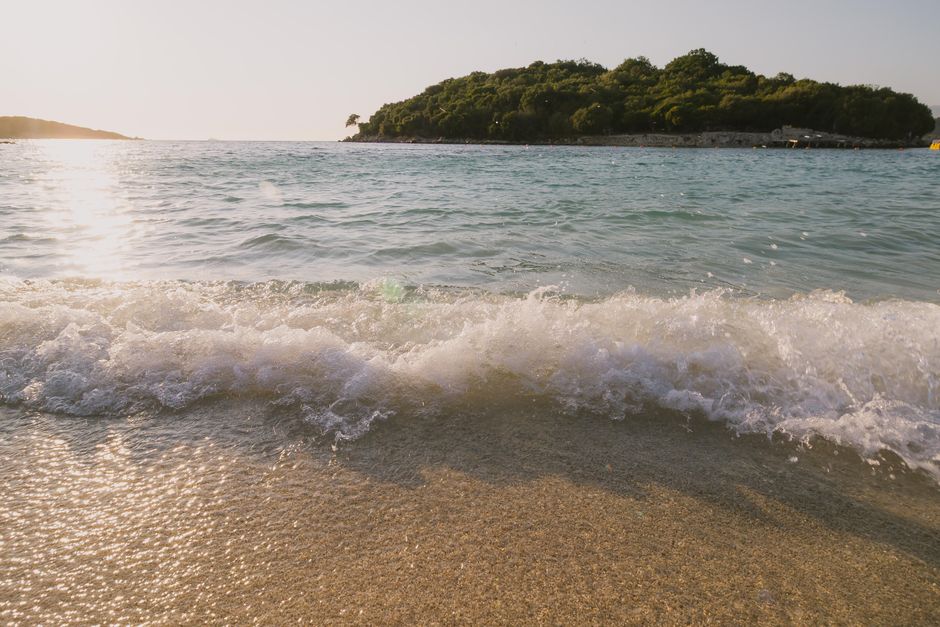
Ksamil Beach — This is the main event. A long stretch of golden sand and pebbles backed by palm trees and beach clubs. The water is shallow and crystal clear, perfect for swimming and snorkeling. It gets packed by 10 AM, so arrive early or late. Beach chair rental costs 5-10 EUR per person.
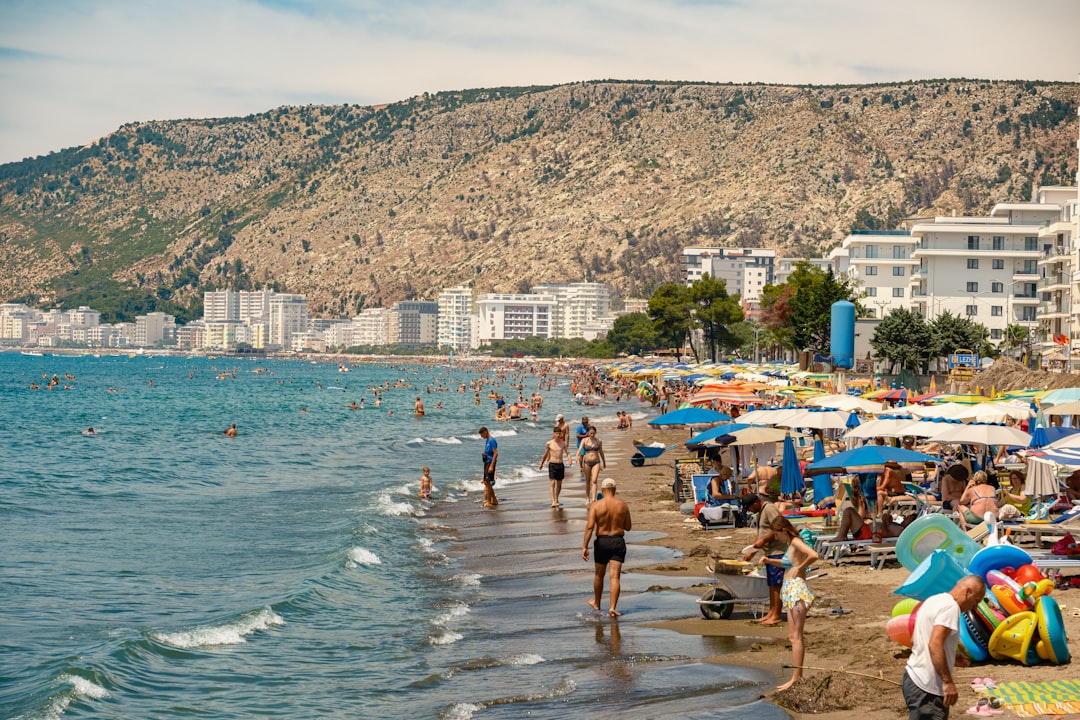
Ksamil Islands — Four small islets just off the coast. The first island, Isolla e Parë, is the most popular, with its own sandy beach and clear waters. You can swim to it or take a short boat ride. It's a bit quieter than the main beach, but still busy. Boat tours cost 10-15 EUR per person.
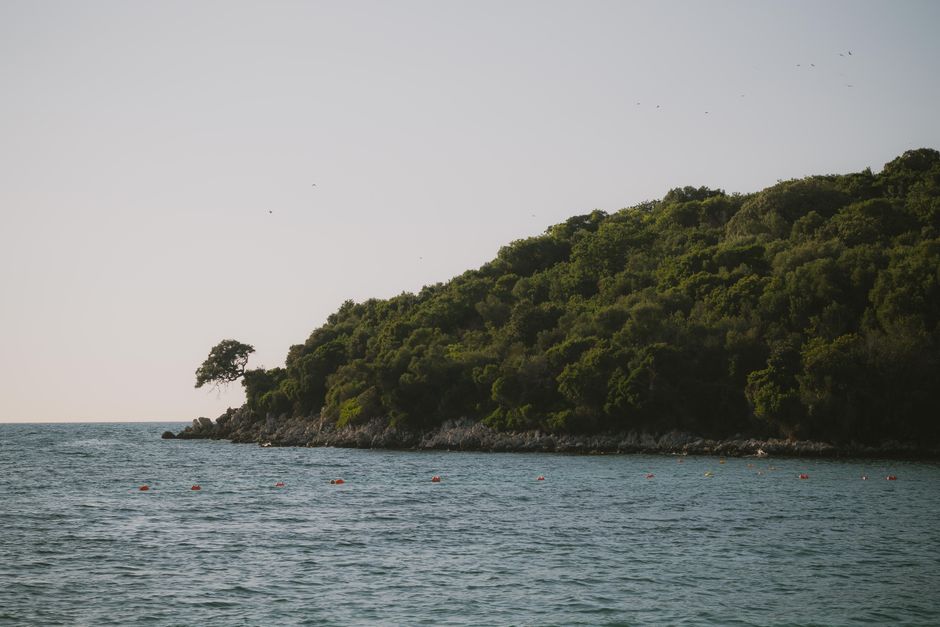
Butrint National Park — Just a short drive north, this UNESCO World Heritage Site is a must-see. It features ancient ruins from the Greek, Roman, Byzantine, and Venetian periods, set in a lush forest. It's a stark contrast to the beach party scene, offering a glimpse into the deep history of the region. Entry fee is 3-5 EUR.
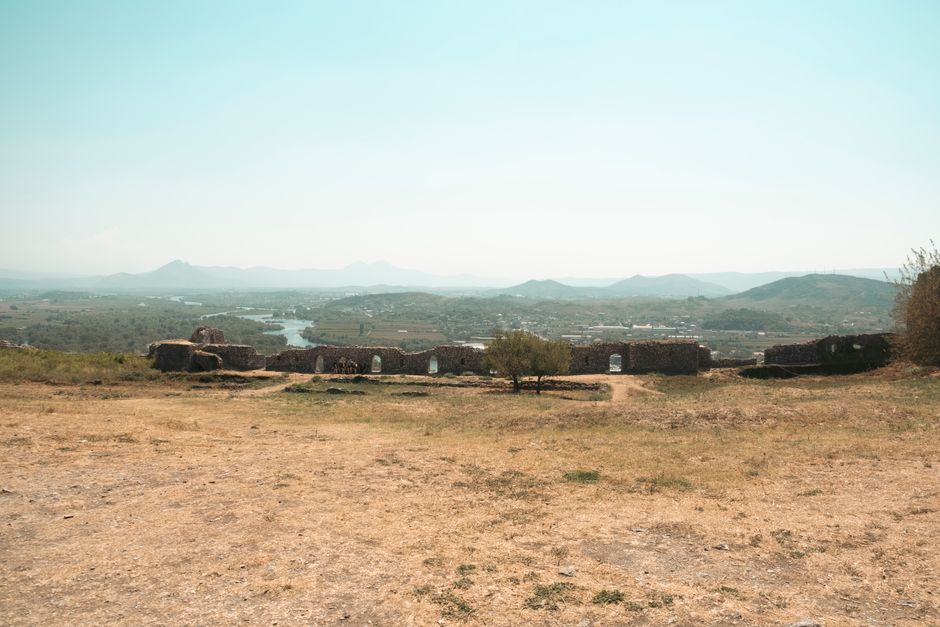
Sarandë Old Town — A short ferry ride away, the old town of Sarandë offers narrow streets, historic buildings, and a more relaxed atmosphere. It's a great place to wander, shop, and find some of the best restaurants in the area. No entry fee, but expect to spend 10-20 EUR on food and drinks.
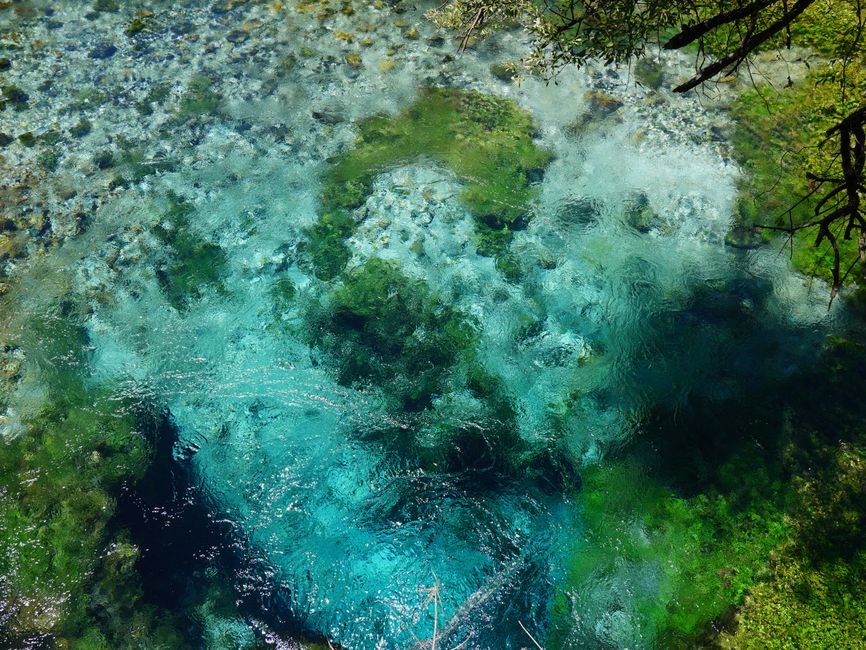
Blue Eye Spring — A natural wonder about an hour's drive inland. The spring features a deep blue center surrounded by clear, shallow water. It's a popular spot for swimming and photography. Free to visit, but parking costs 2-3 EUR.
What to Eat & Drink
Eating in Ksamil is a budget-busting experience if you're not careful. The tourist trap factor is high, but you can still find good food if you know where to look. Here are some local and regional dishes to try:
- Fërgesë — A stew made with peppers, tomatoes, and cheese. Typically costs 8-12 EUR.
- Byrek — A savory pastry filled with spinach, cheese, or meat. Costs 3-5 EUR.
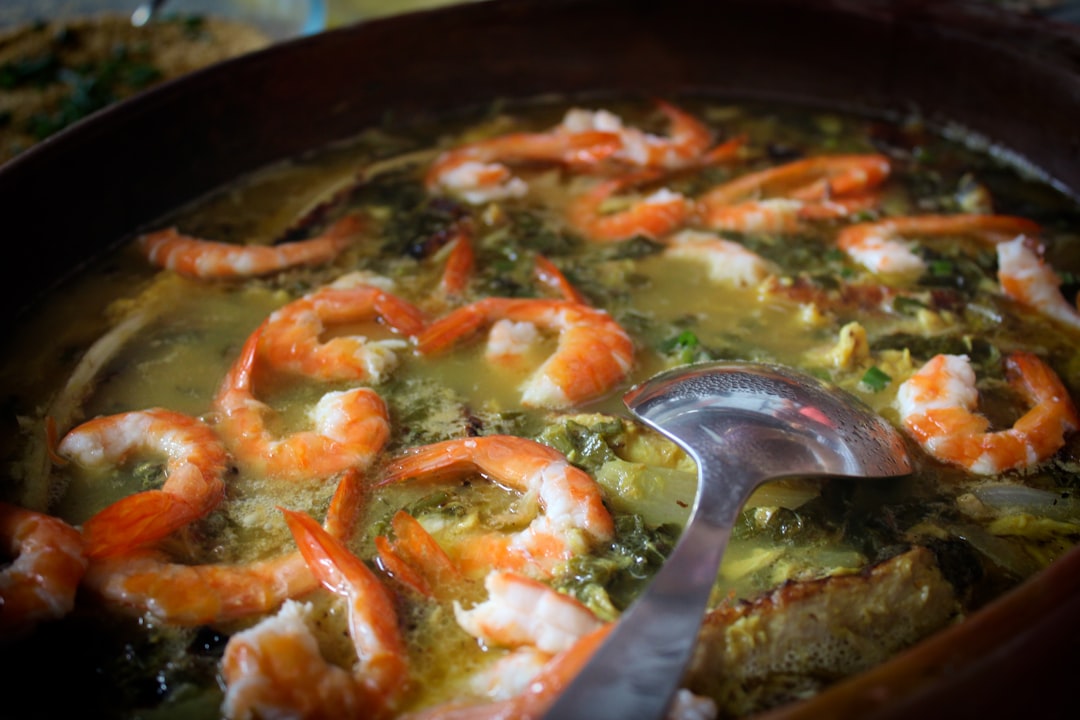
- Fish Soup — A hearty soup made with fresh fish and vegetables. Costs 10-15 EUR.
- Grilled Octopus — A popular appetizer, often served with lemon and olive oil. Costs 12-18 EUR.
- Raki — A strong fruit brandy, usually made from grapes or plums. Costs 3-5 EUR per shot.
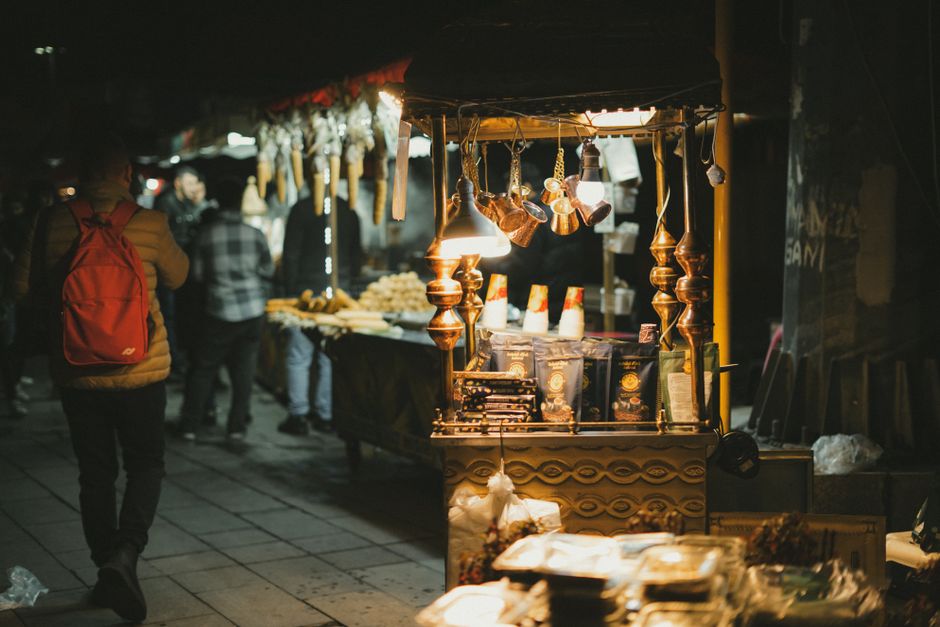
Budget breakdown: Street food and take-away options are rare in Ksamil itself, but you can find cheaper meals in Sarandë. A simple meal at a local restaurant in Ksamil will cost 15-25 EUR per person. Mid-range restaurants can cost 25-40 EUR per person. For budget travelers, I recommend heading to the Sarandë market area, where you can find cheaper food options.
One specific food street worth exploring is the area around Sarandë's main square, where you'll find a mix of local and international restaurants. Another good option is the beach bars in Ksamil, where you can grab a quick meal while watching the sunset.
Nightlife
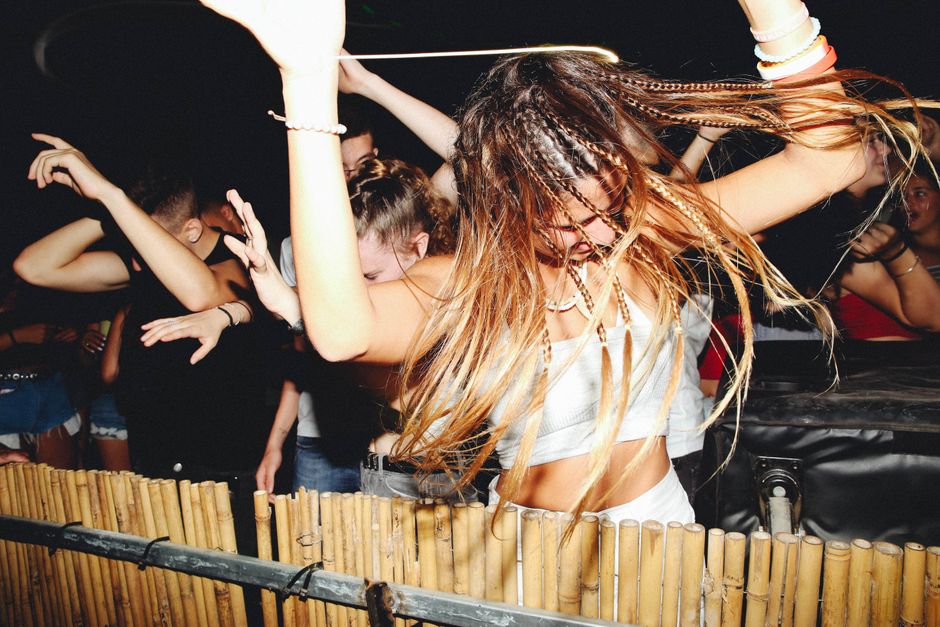
Nightlife in Ksamil is intense. The main bar district is along the beachfront, where you'll find a mix of beach clubs, bars, and restaurants. The atmosphere is lively, with music pumping from every speaker and people dancing on the sand. Here are a few specific venues to check out:
Baron's Beach Club — A popular spot for partygoers, with a large dance floor, pool, and beach area. Music style is mostly EDM and house. Cover charge is 10-15 EUR.
Coco Beach — A more relaxed beach bar with a good selection of cocktails and a nice view of the sunset. Music style is mostly chill-out and lounge. No cover charge.
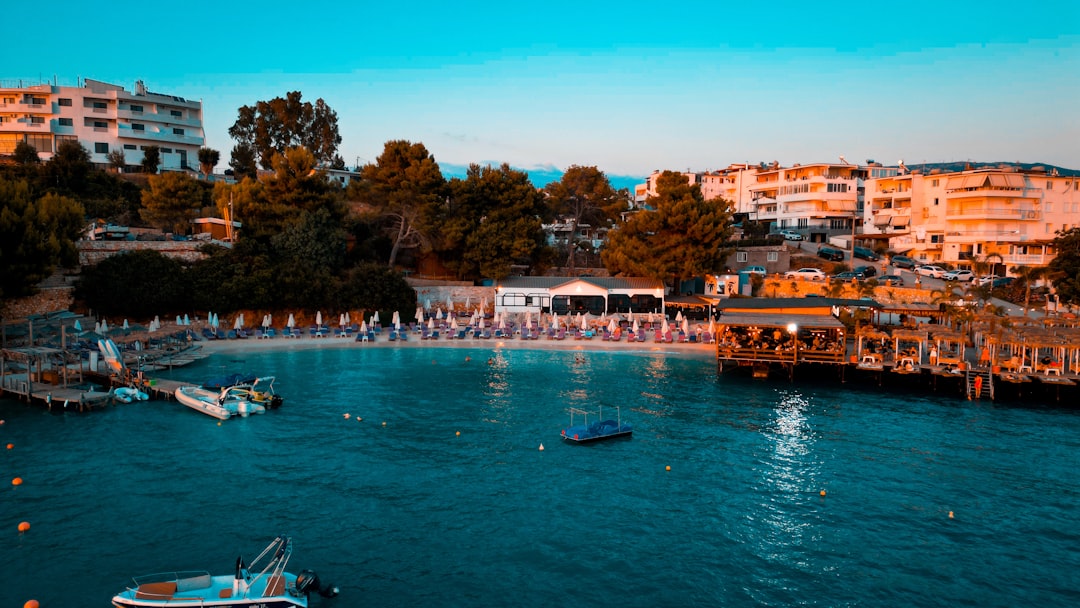
Porto Ksamil Beach — A large beach club with a pool, bar, and restaurant. Music style is mostly pop and dance. Cover charge is 5-10 EUR.
Getting There & What to Expect
The nearest airport is Korçë International Airport, but it has limited flights. Most travelers fly into Tirana International Airport or Ioannina Airport in Greece and then take a bus or taxi to Ksamil. The drive from Tirana takes about 4-5 hours and costs 20-30 EUR by bus or 100-150 EUR by taxi. From Ioannina, it's a short drive across the border, taking about 1-2 hours.
Accommodation prices in Ksamil are high during the summer. A budget hostel bed costs 20-40 EUR per night. A mid-range hotel room costs 50-100 EUR per night. Luxury villas and apartments can cost 200-500 EUR per night. I recommend booking in advance, especially for July and August.
The best months to visit Ksamil are June and September, when the crowds are smaller and the weather is still warm. July and August are the peak months, with the largest crowds and highest prices.
Search accommodation in Ksamil on Booking.com →
The Hangover at Dawn
I woke up at 5 AM, my head pounding from the raki and the noise. The beach was empty, the palm trees swaying in the morning breeze. The water was still that impossible blue, reflecting the first light of dawn. I walked along the shore, the only sound the waves lapping against the pebbles. It was peaceful, almost holy. But I knew it wouldn't last. By noon, the boats would return, the music would start, and the chaos would resume. Ksamil is not for everyone. It's loud, it's expensive, and it's overwhelming. But if you can handle the heat, the crowds, and the noise, there's a raw, vibrant energy here that you won't find anywhere else in the Balkans. It's a place that demands your attention, your money, and your sweat. And in return, it gives you memories you'll never forget, even if you wish you could forget the hangover.
Comments