


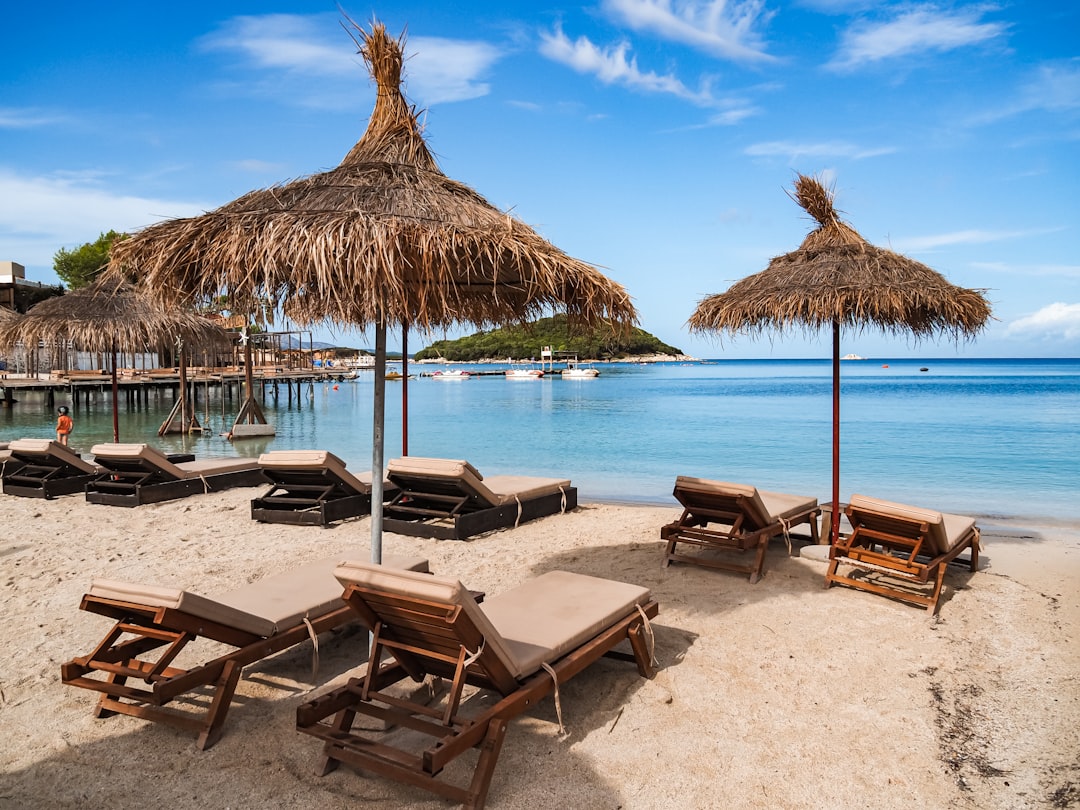
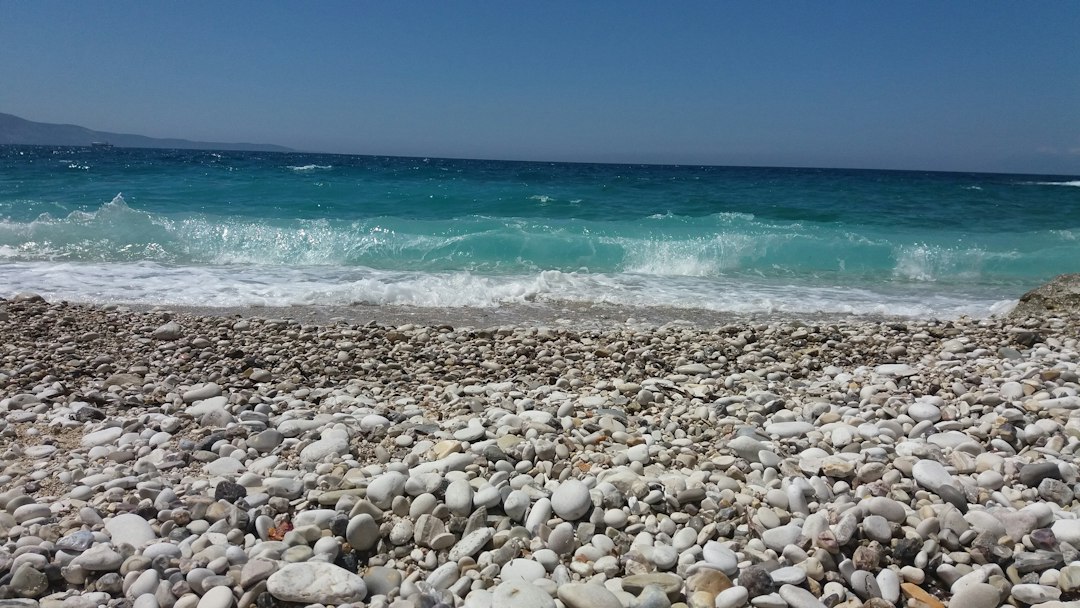
The sand in Albania is soft. It is polite. It gets on your shoes and you brush it off. But the shingle? The shingle fights you. I arrived at the southern coast of Albania expecting the postcard-perfect white sands that every travel blog promised. I got a handful of grey, wet pebbles and a blister on my heel from trying to walk on them barefoot. That is the first lesson of the Ionian coast: comfort is not the point. The point is the sound. Thousands of smooth stones clacking against each other like a million tiny maracas as the Adriatic Sea slams into the shore. It is a chaotic, rhythmic noise that drowns out the tourist chatter and makes you feel like you are standing on the edge of a tectonic plate. I sat on a plastic chair that wobbled on the uneven ground, sipping a lukewarm beer, and realized that I preferred this abrasive, honest landscape to the sterile, manicured beaches of the Mediterranean. This is not a place to lie down and do nothing. It is a place to sit, listen, and feel the weight of the stone.
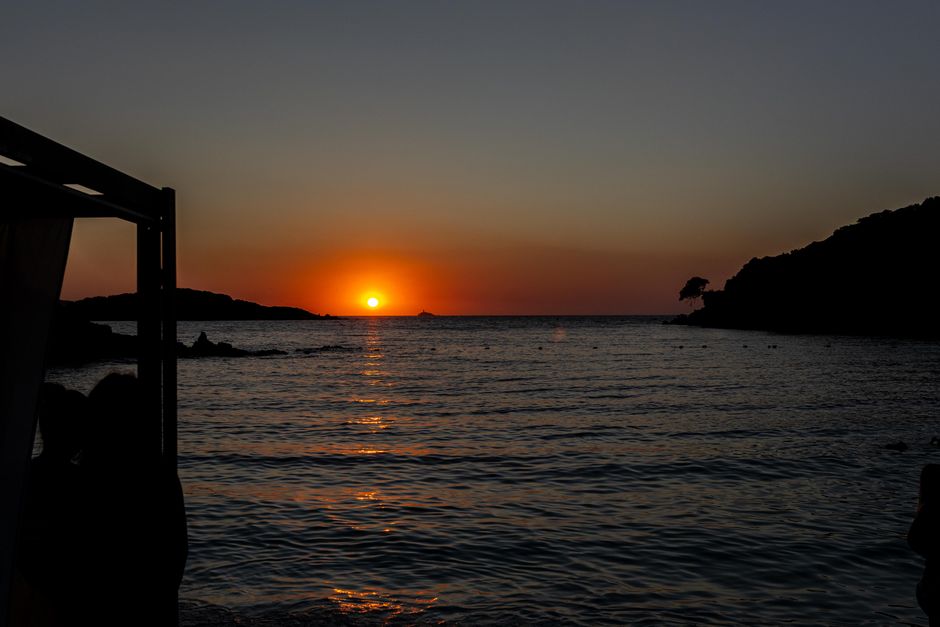
Most visitors to Ksamil come for the turquoise water and the sandbars. They ignore the shingle beaches that line the northern and eastern edges of the bay. They are wrong. The pebbles tell a different story about this part of the world. They are harder, louder, and more enduring. In a region obsessed with history and survival, the stone is the true survivor. The sand washes away. The pebbles stay. This is a travelogue about the beaches nobody takes photos of, the ones where the ground is uneven and the sunsets are reflected in wet, dark rocks rather than white dunes. It is about why the shingle matters more than the sand in Albania's most popular coastal town.
The Geology of Grit
The shingle beaches of the Ksamil area are not an accident. They are a geological feature of the Ionian coast, formed by the erosion of limestone cliffs and the constant grinding action of the sea. The stones are small, rounded, and mostly grey or white, depending on the underlying rock. They are not the large, jagged rocks you find in some parts of Greece, but they are far more substantial than the sand. Walking on them is an exercise in balance. You have to pay attention. You cannot just stroll. You have to step deliberately, placing your foot carefully on the uneven surface. This forces a kind of mindfulness that sand does not demand.
The sound of the shingle is the most distinctive feature. When the waves come in, they lift the stones and drop them back down. The result is a percussive, clattering noise that is louder and more complex than the hiss of sand. It is a sound that cuts through the noise of the crowds. In the high season, Ksamil is packed. The shingle beaches are less crowded, partly because they are less comfortable, but also because they are less visible. They are often overlooked by tourists who are focused on the sandbars. But for those who seek them out, they offer a different experience. The stones are cool underfoot, even in the heat of the day. They do not burn your feet like sand can. They provide a firm, stable surface, even if it is uneven. This is a beach for sitting, for listening, for watching the water. It is not a beach for running or playing volleyball.
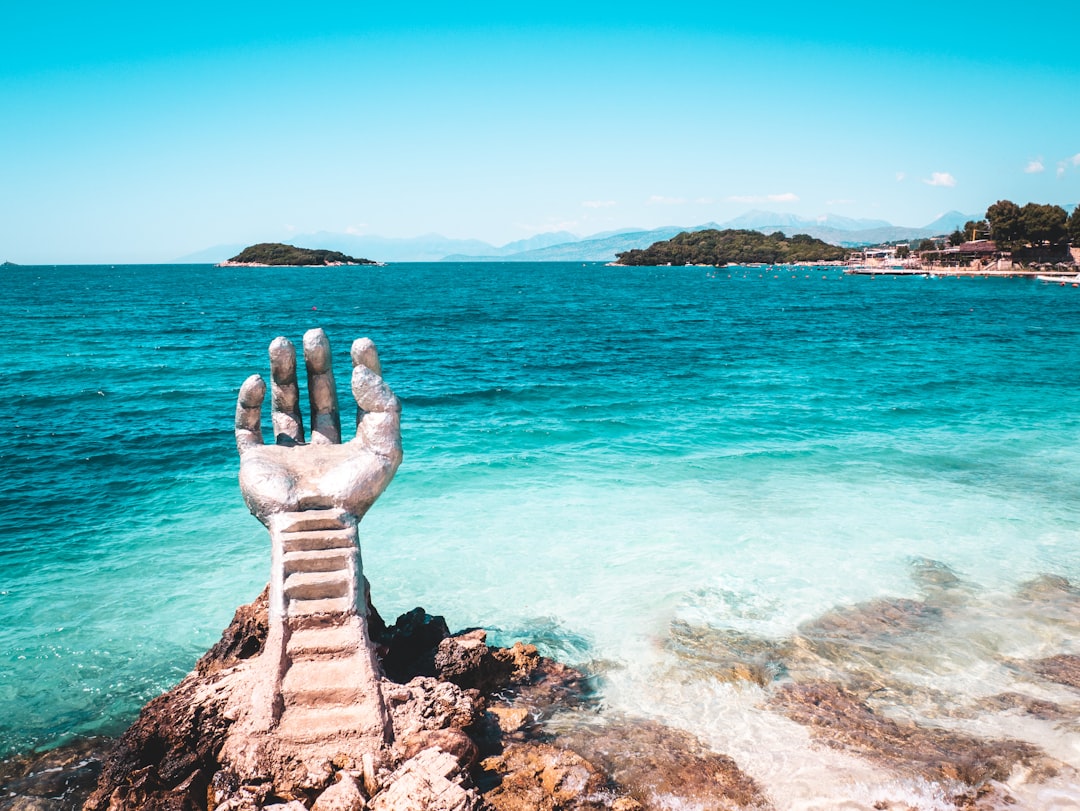
The geology of the area is also reflected in the nearby islands. The four small islands of Ksamil Islands are composed of the same limestone that forms the shingle beaches. They are rocky, with few trees and little sand. The water around them is clear and blue, but the shoreline is dominated by stone. This is the natural state of the Ionian coast. The sand is a recent addition, brought in by human hands to create more tourist-friendly beaches. The shingle is the original landscape. It is older, harder, and more real. To understand this part of Albania, you have to look at the stone, not the sand.
The Human Element
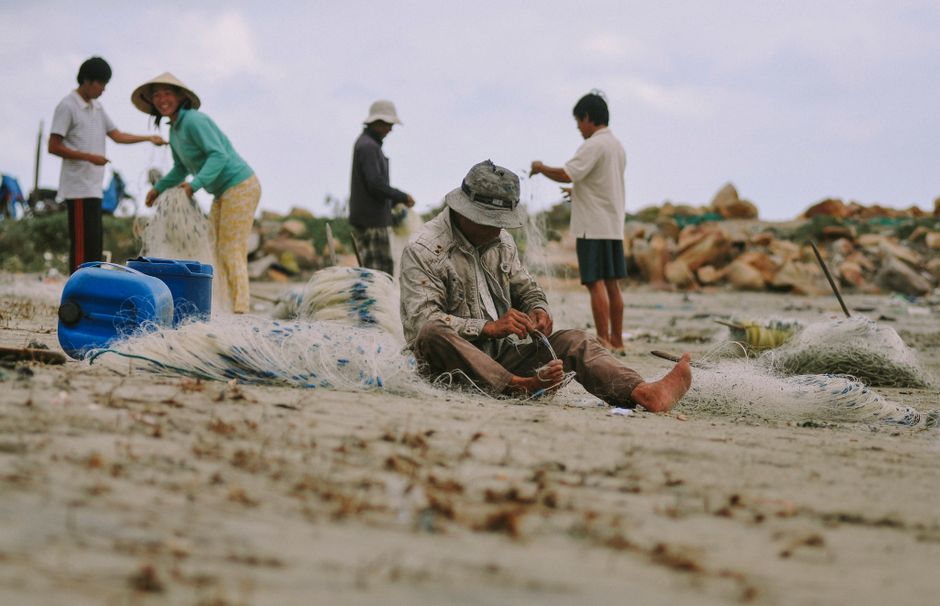
The people who frequent the shingle beaches are different from those on the sand. They are not here to sunbathe or take selfies. They are here to sit and talk. You will find local fishermen mending their nets, elderly couples playing cards, and young people drinking coffee and smoking cigarettes. The atmosphere is more relaxed, more authentic. There are no beach bars or umbrellas on the shingle. Just plastic chairs and tables, set up by the locals who bring their own food and drinks. This is a place for community, not for commerce. The shingle acts as a filter, keeping out the crowds and allowing a more intimate, local experience to flourish.
The locals have a deep connection to the stone. They use it to build their houses, their walls, their roads. It is a material that is familiar, reliable, and enduring. The shingle beaches are a reminder of this connection. They are a part of the landscape that has shaped the lives of the people who live here. The fishermen who pull their boats onto the shingle know the weight and texture of the stones. They know how to walk on them, how to balance, how to move with purpose. This is a skill that is passed down from generation to generation. It is a part of the local culture, as much as the food or the music. To walk on the shingle is to participate in this culture, to feel the weight of the land beneath your feet.
The shingle beaches also offer a different perspective on the sea. From the sand, the water looks like a flat, blue sheet. From the shingle, it looks like a dynamic, powerful force. The waves crash against the stones, creating white foam and spray. The water is cooler, clearer, and more vibrant. It is a sea that demands respect, not admiration. This is the sea of the Ionian coast, a sea that has shaped the history and culture of the region. To sit on the shingle and watch the water is to understand the power of nature, the beauty of the landscape, and the resilience of the people who live here. It is a humbling experience, one that is rarely found on the manicured beaches of the Mediterranean.
Why Pebbles Beat Sand
The sand is easy. It is soft, warm, and inviting. It is the beach of postcards and brochures. But it is also fragile, transient, and artificial. The shingle is hard, cold, and abrasive. It is the beach of reality. It is the landscape that has been here for thousands of years, long before the tourists arrived. It is the landscape that will remain long after they leave. The sand is a commodity, bought and sold, moved and shaped by human hands. The shingle is a natural resource, formed by the forces of nature, untouched and unchanging. This is why the pebbles matter more than the sand. They are a reminder of the true nature of the land, the power of the sea, and the resilience of the people who live here.
The shingle beaches of Ksamil are not for everyone. They are not comfortable, they are not convenient, and they are not pretty in the conventional sense. But they are real. They offer a different kind of beauty, one that is rough, rugged, and authentic. They are a place to sit, to listen, to feel the weight of the stone. They are a place to escape the crowds, to find a moment of peace, to connect with the landscape and the people who live here. In a world that is increasingly artificial and mediated, the shingle beaches of Ksamil are a rare and precious thing. They are a reminder of the power of nature, the beauty of simplicity, and the importance of getting back to basics. This is why I prefer the pebbles to the sand. This is why the shingle matters more.
Getting There & What to Expect
Reaching the shingle beaches of Ksamil is easy, but finding them requires a bit of exploration. The town of Ksamil is located on the southern coast of Albania, near the border with Greece. The nearest major airport is Ioannina National Airport in Greece, which is about 40 kilometers away. From there, you can take a taxi or a bus to Ksamil. The journey takes about 45 minutes. Alternatively, you can fly into Tirana International Airport and drive south, a journey of about 4 hours. Once in Ksamil, the shingle beaches are located to the north and east of the main town. They are not marked on most maps, so you have to ask for directions. The locals will point you in the right direction, usually with a smile and a shrug.
Accommodation in Ksamil ranges from budget hostels to luxury resorts. A basic hostel room costs around 20-40 EUR per night, while a mid-range hotel costs 50-100 EUR. Luxury resorts can cost 150-300 EUR or more. The best time to visit is between May and October, when the weather is warm and the sea is calm. July and August are the busiest months, with large crowds of tourists. If you want to avoid the crowds, visit in June or September. The shingle beaches are less crowded at any time of year, but they are still popular with locals. Bring comfortable shoes, as walking on the pebbles can be difficult. Bring a towel, a book, and a sense of adventure. This is a place to explore, to discover, to connect with the land. This is a place where the pebbles matter more than the sand.
Comments