


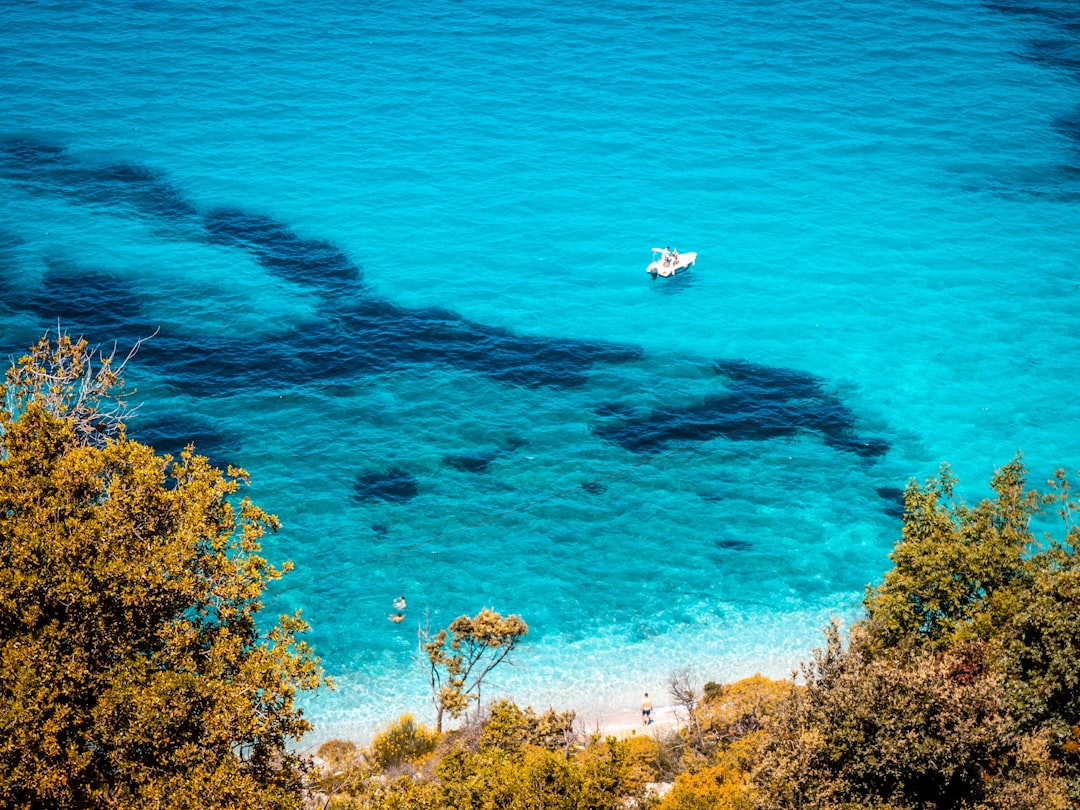
The sun hits the water at Ksamil and it doesn't just reflect; it explodes. I'm standing knee-deep in a lagoon so clear I can see the individual grains of sand shifting beneath my feet, and I'm not alone. Thousands of tourists are doing the same thing, creating a chaotic, glittering mosaic of skin, sunscreen, and splashing. This isn't the quiet, meditative swim of a secluded Greek cove. This is Albania's answer to the Mediterranean party, and it is loud, bright, and utterly magnetic. The water here is shallow, barely a meter deep for hundreds of meters, which means no one is swimming laps. Everyone is wading, lounging, and staring at the turquoise expanse like they've just discovered fire.
There's a raw energy to Ksamil Beach that you don't find further north in the Balkans. It's a mix of post-communist optimism, rapid tourism development, and the sheer geological luck of sitting at the bottom of the Ionian Sea. I watched a local vendor sell me a cold drink for 1-2 EUR while pointing out the tiny islands just offshore. He didn't care about the history of the Ottoman era or the communist isolation. He cared that the water was warm, the sun was high, and the boats were ready to take us to the other side. That's the vibe here. It's not about deep exploration; it's about surface-level euphoria.
History & Identity
The story of Ksamil is short, sharp, and tied to the tides of political change. For most of the 20th century, this coast was a no-go zone. Under the communist regime of Enver Hoxha, the Albanian coastline was militarized, and the population was forbidden from visiting it. The beaches were empty, the hotels were abandoned, and the only people allowed near the water were soldiers. This isolation preserved the environment in a way that few other Mediterranean destinations can claim, but it also left the infrastructure in ruins.
After the fall of communism in the early 1990s, the gates opened, and the world rushed in. Ksamil transformed from a restricted military zone into a bustling resort town in less than a decade. The identity of the town is now entirely built around its four small islands and the lagoon that connects them. It's a place that has embraced its new role as a tourist hub with aggressive enthusiasm. The history isn't displayed in museums here; it's felt in the contrast between the ancient olive groves on the hills and the modern bungalows lining the shore.
The name "Ksamil" itself has roots in the ancient Greek word for "cistern" or "pool," hinting at the water's importance long before modern tourism. But today, the town's identity is defined by its accessibility. It's just a short drive from Sarandë, the larger regional hub, and close to the Greek border. This proximity has made it a gateway for travelers exploring the broader Albanian Riviera, a stretch of coast that is rapidly becoming the Balkans' most popular summer destination.
Where to Go
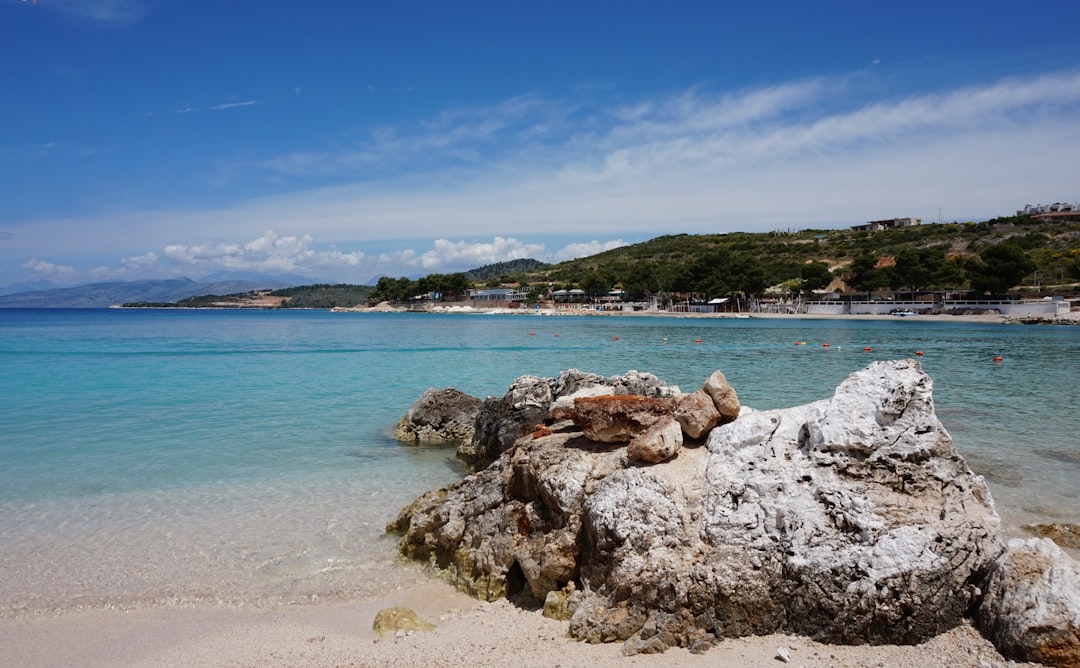
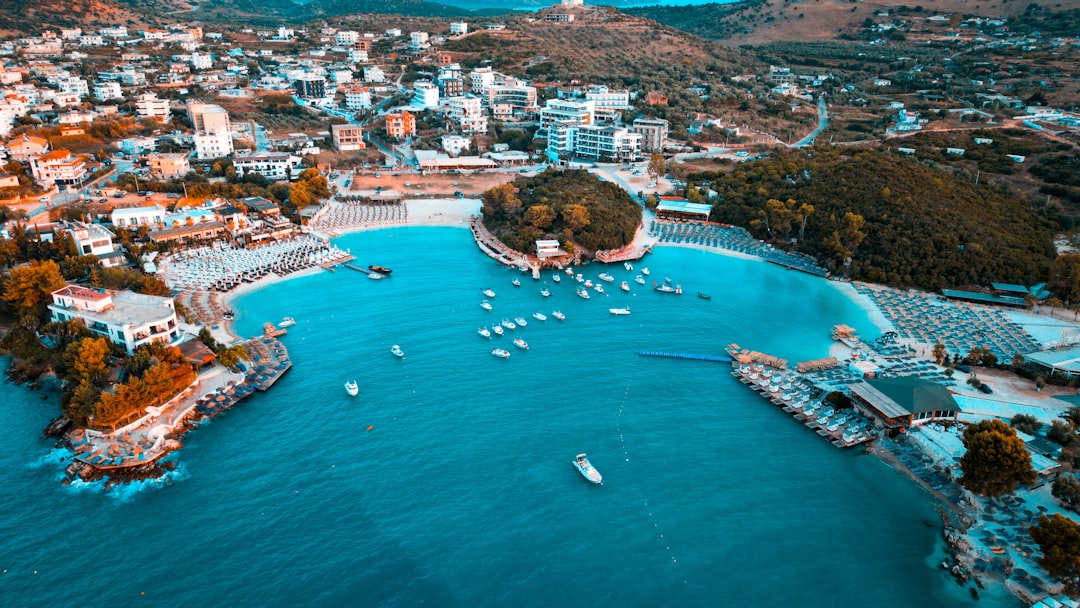
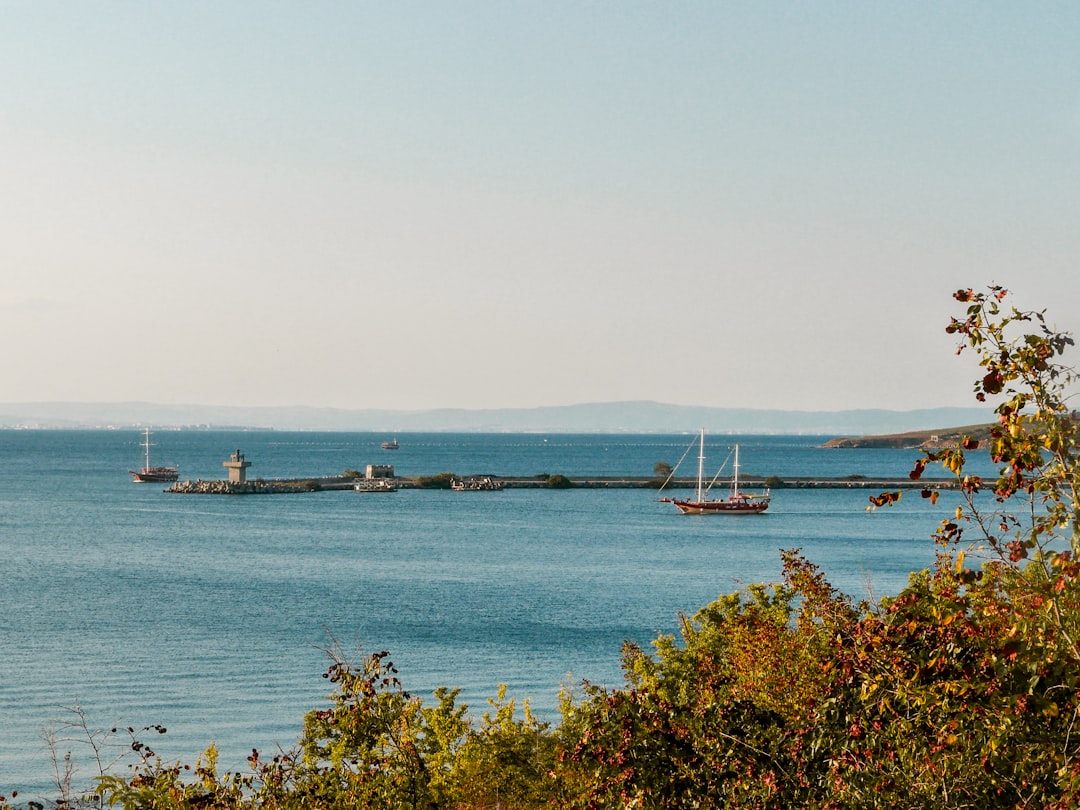
Ksamil Beach is the main event, a long stretch of white sand and shallow, crystal-clear water. The lagoon is protected by the four islands, which block the waves and create a calm, swimming-pool-like environment. It's perfect for families and those who want to relax without worrying about strong currents. The beach is lined with sunbeds and umbrellas, most of which come with a fee of 10-20 EUR for the pair. If you want to avoid the crowds, arrive early in the morning or head to the western end of the beach, which is less developed.
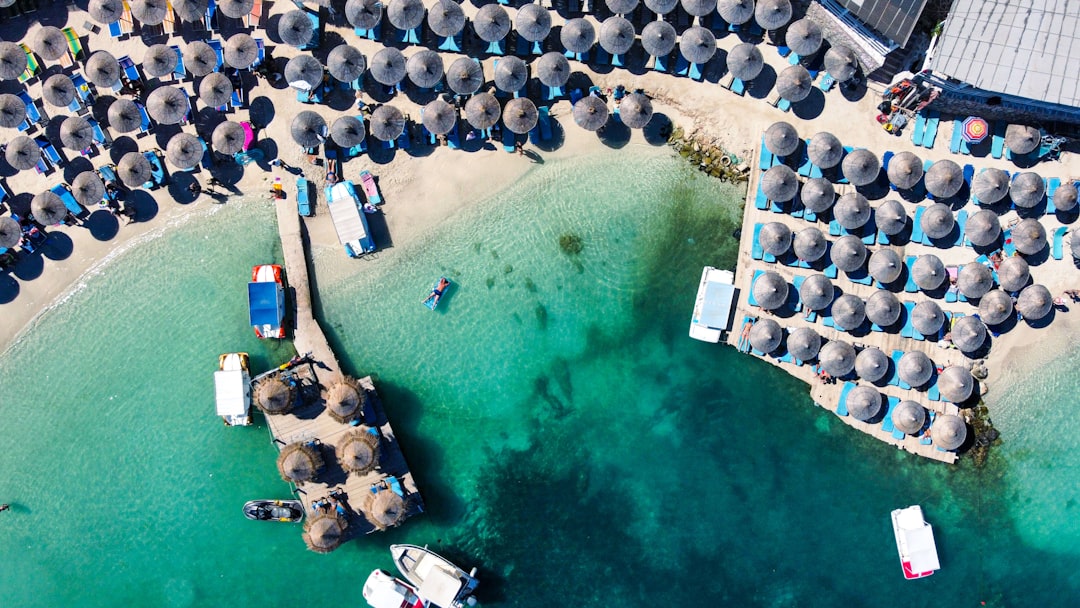
Ksamil Island 1 (the first of the four islands) is the most visited and easiest to reach. A short boat ride from the mainland, this small islet offers a few restaurants, a small chapel, and plenty of shade from pine trees. The water around the island is even clearer than the main beach, and you can swim around it easily. It's a great spot for a midday break, and the boat tickets cost around 3-5 EUR per person. The island is small, so you can walk around it in ten minutes, but the view from the center is worth the trip.
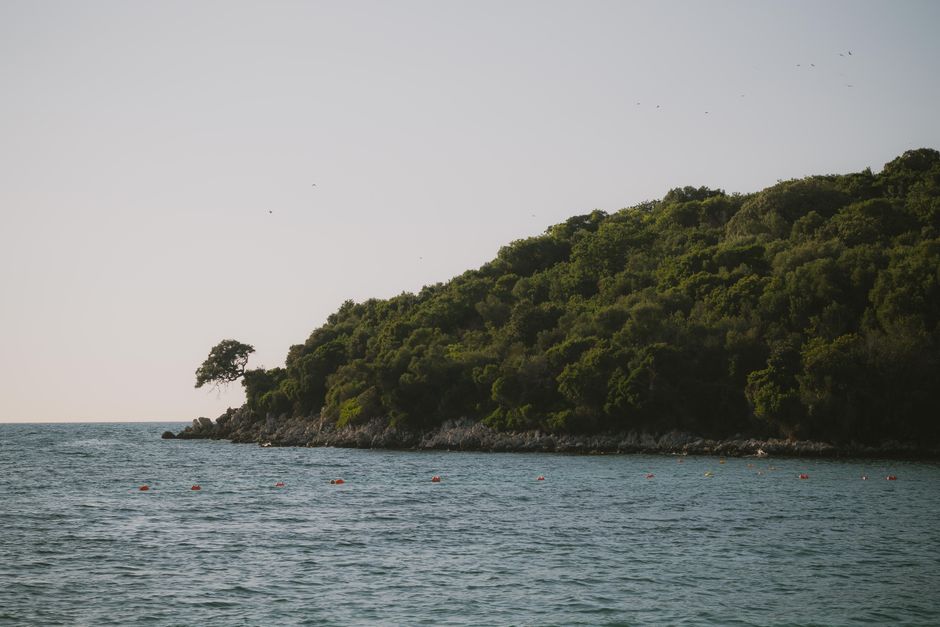
Ksamil Island 4 (the furthest out) is the most remote and least developed. It's a wilder experience, with no restaurants or facilities, just natural beauty and clear water. The boat ride takes longer, and the cost is slightly higher, around 5-7 EUR per person. This island is ideal for those who want to escape the crowds and enjoy a more solitary swim. The water here is deeper, and you can snorkel around the rocky edges to see small fish and seaweed.
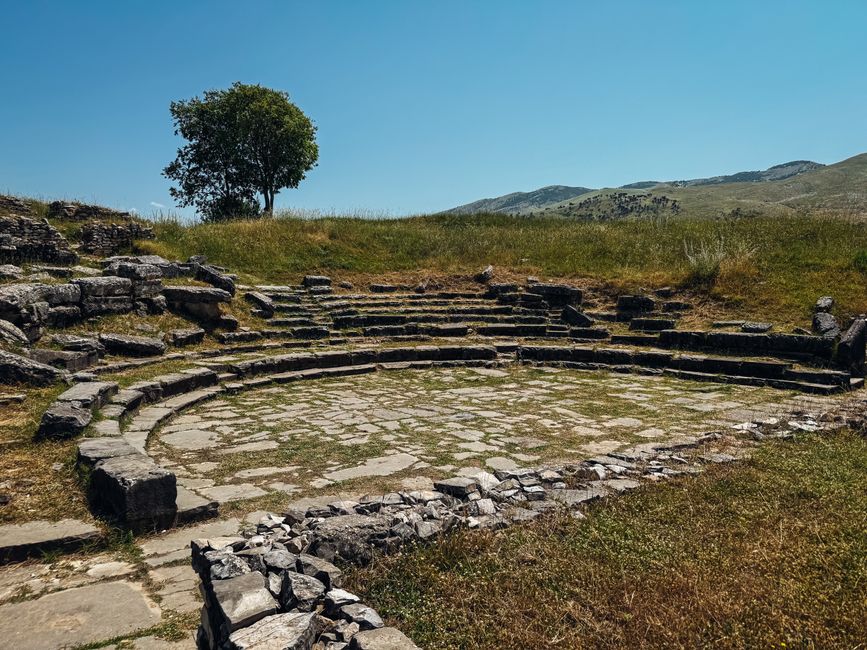
Butrint National Park is a short drive from Ksamil and offers a stark contrast to the beach life. This UNESCO World Heritage site contains ancient Greek, Roman, and Byzantine ruins, set in a lush, forested landscape. The park is a place for history buffs and nature lovers, with walking trails, a museum, and several archaeological sites to explore. Entry to the park costs 10-15 EUR, and it's a great way to spend a few hours away from the sun and sand. The ruins are impressive, and the setting is peaceful, making it a perfect complement to the beach days.
What to Eat & Drink
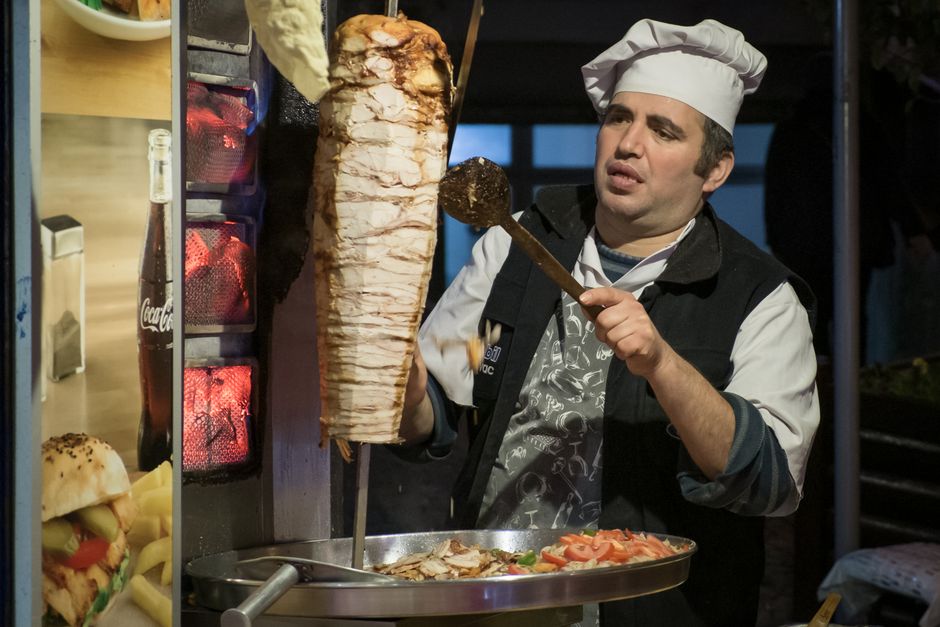
The food scene in Ksamil is simple, fresh, and focused on seafood. You'll find plenty of restaurants along the beach and in the town center, serving dishes like grilled octopus 8-12 EUR, fried calamari 6-10 EUR, and fresh fish 10-15 EUR. The prices are higher than in other parts of Albania, but the quality is generally good, and the setting is unbeatable. For a budget meal, you can grab a panino 2-4 EUR or a shawarma 2-3 EUR from one of the many street vendors.
Breakfast is often a light affair, with coffee 1-2 EUR and a croissant 1-2 EUR from one of the many cafes. Lunch is usually a larger meal, with pasta 5-8 EUR or rice dishes 5-8 EUR being popular options. Dinner is the main event, with many restaurants offering grilled meats 10-15 EUR and vegetable platters 5-8 EUR. If you're looking for a more traditional Albanian experience, try byrek 2-3 EUR, a savory pastry filled with cheese, spinach, or meat.
For drinks, Albanian beer 1-2 EUR is widely available and cheap, and wine 3-5 EUR is also popular. Many restaurants offer ouzo 2-4 EUR, a local anise-flavored spirit, which is perfect for a after-dinner digestif. If you're looking for a more upscale experience, there are a few bars and clubs in town that offer cocktails 5-8 EUR and live music.
Nightlife
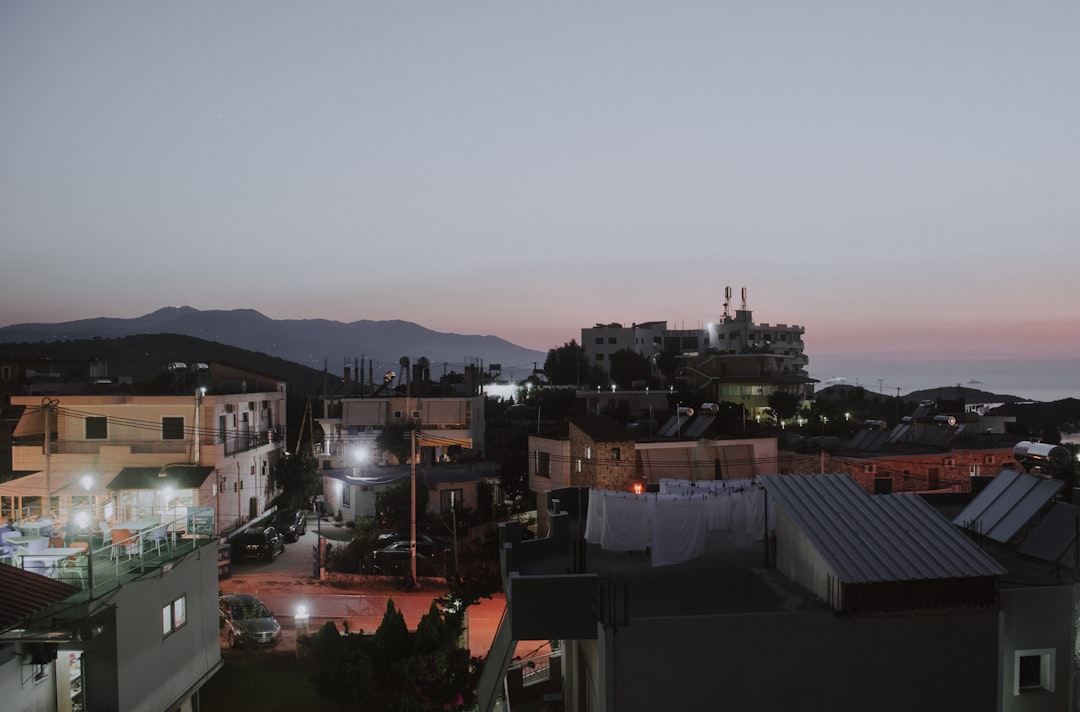
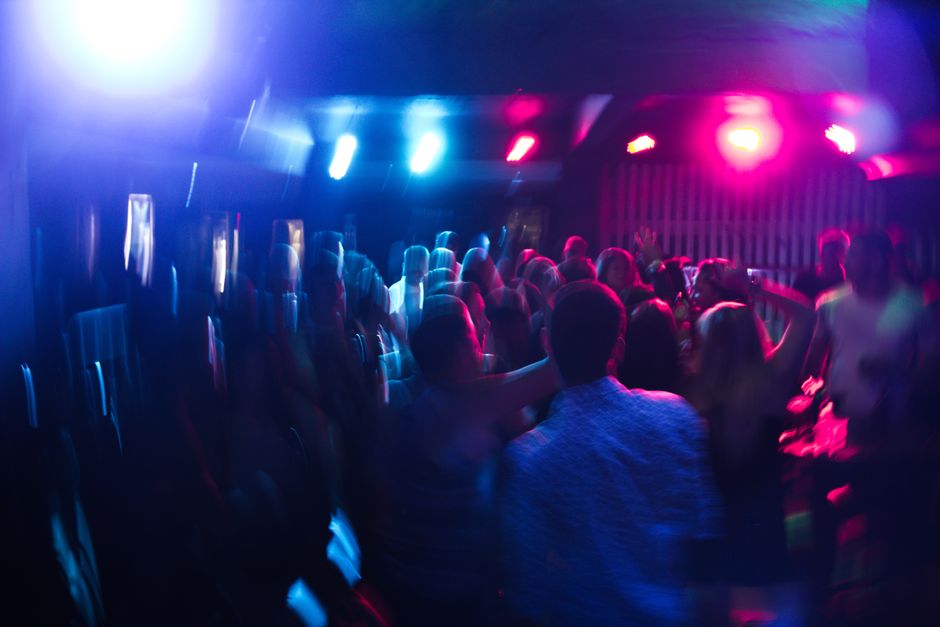
After the sun goes down, Ksamil transforms. The beach bars turn into nightclubs, and the atmosphere becomes more lively. The main nightlife area is along the beach and the main street, where you'll find a mix of bars, clubs, and live music venues. The music is mostly pop, dance, and Albanian traditional, and the crowds are a mix of locals and tourists.
Bar Beach Ksamil is one of the most popular spots, with a long bar, plenty of seating, and a DJ playing late into the night. Entry is free, but drinks are expensive, with cocktails costing 5-8 EUR and beer 2-3 EUR. The atmosphere is energetic, and the view of the sea adds to the appeal.
Club Ksamil is another popular option, with a larger dance floor and a more international crowd. Entry is around 5-10 EUR, and drinks are similarly priced. The music is mostly electronic and dance, and the club stays open until the early hours of the morning.
Getting There & What to Expect
The nearest airport is Korçë International Airport, but most travelers fly into Tirana International Airport and then take a bus or taxi to Ksamil. The drive from Tirana takes about 4-5 hours, and the cost is around 30-40 EUR for a taxi. Alternatively, you can take a bus from Tirana to Sarandë, which takes about 5-6 hours and costs 10-15 EUR. From Sarandë, it's a short taxi ride to Ksamil, costing around 5-10 EUR.
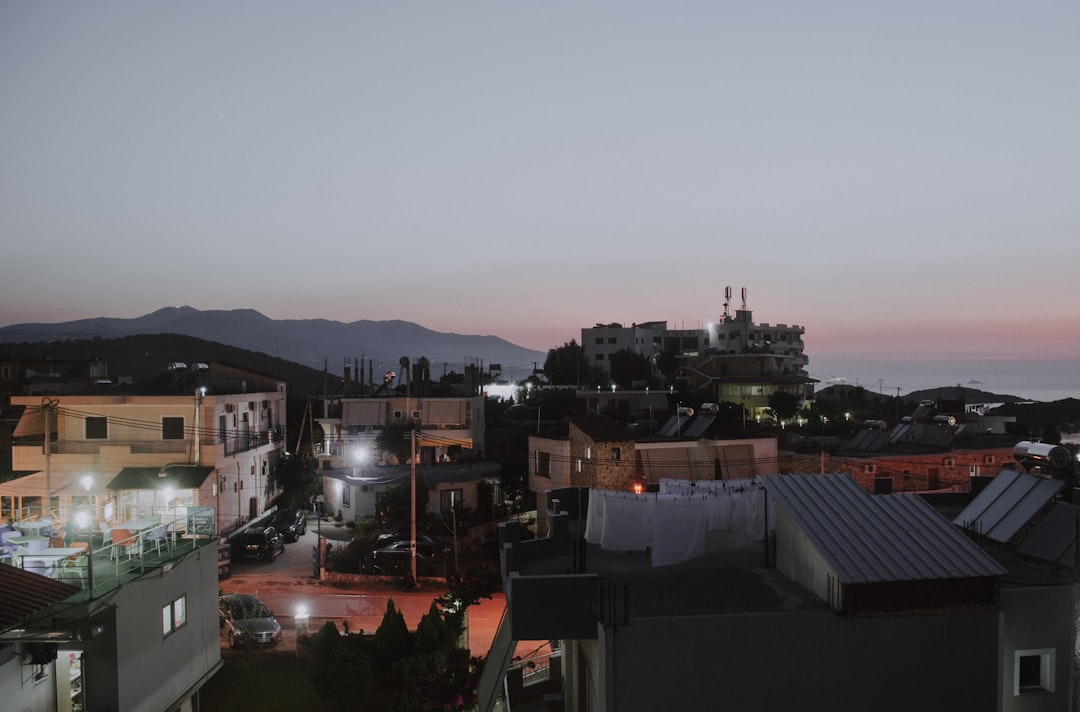
Accommodation in Ksamil ranges from budget hostels to luxury hotels. A budget hostel costs around 20-40 EUR per night, while a mid-range hotel costs around 50-100 EUR per night. Luxury hotels can cost 150-300 EUR per night or more. It's best to book in advance, especially during the peak season (June to September), as accommodation fills up quickly.
The best months to visit Ksamil are June, July, August, and September. The weather is hot and sunny, and the water is warm. However, these months are also the busiest, so expect crowds and higher prices. If you prefer a quieter experience, consider visiting in May or October, when the weather is still pleasant but the crowds are thinner.
Search accommodation in Ksamil on Booking.com →
The Surface Game
There's a reason people come back to Ksamil. It's not the deepest water in the Ionian, and it's not the most historic site in the Balkans. But it's bright, it's easy, and it's fun. I left with sand in my shoes, sunburn on my shoulders, and a memory of a water so clear it felt like swimming in glass. It's a shallow place, both geographically and culturally, but sometimes that's exactly what you need. The Balkans have plenty of depth for those who seek it, but here, on the edge of the Ionian, you just float. And for a few days, that's enough.
Comments