


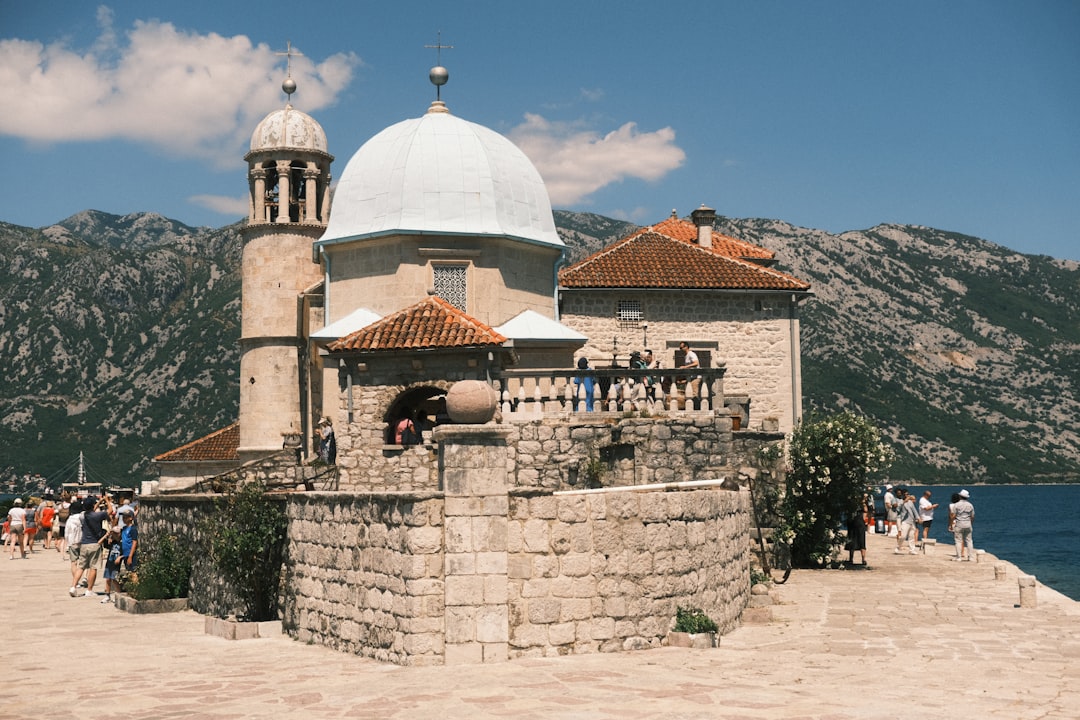
I am standing in the shadow of the medieval walls, my shirt soaked through not just by the Adriatic humidity but by the sheer, unadulterated chaos of thirty thousand people packed into a canyon of stone. The air tastes of sulfur, roasting lamb, and old stone dust. Above me, the Fortress of San Giovanni looms like a jagged tooth against the sky, watching a spectacle that feels less like a religious holiday and more like a controlled demolition of social order. A brass band is playing so loudly my chest cavity is vibrating. A man in a velvet cape is shouting orders to a group of costumed "Knights" who look like they wandered out of a Renaissance Faire that went wrong. This is Kotor, Montenegro, and it is the Feast of St. Blaise. It is February 3rd, and the town has lost its mind in the best possible way.
There is no "quiet" here. There is no "relaxing stroll." There is only the ritual, the procession, and the overwhelming sense that history has not just been preserved but actively weaponized for tourism and local pride. I grab a skewer of meat from a vendor who hasn't blinked in ten minutes, adjust my camera strap, and push forward into the crush of humanity. If you want postcard perfection, go to Italy. If you want to feel the pulse of a town that refuses to die, you come to Kotor when the bells are ringing and the drums are thundering.
History & Identity
The Feast of St. Blaise, or Sveti Vlaho, is not merely a date on the calendar; it is the constitutional heart of Kotor's civic identity. The feast dates back to the 12th century, when the Republic of Ragusa (modern-day Dubrovnik, Croatia) gifted the town's patron saint relics to the city. For centuries, Kotor was a fortress town, a military stronghold that changed hands between Venice, Austria, and various local powers. The feast became a way for the citizens to assert their autonomy and cultural pride, a yearly rebellion against foreign rule disguised as a religious celebration.
Today, the event is a massive production involving hundreds of volunteers and thousands of participants. It is divided into two main parts: the religious ceremonies and the cultural-historical processions. The religious side takes place inside the Kotor Cathedral of Saint Tryphon, a Romanesque masterpiece that has survived earthquakes and wars. The cultural side spills out into the streets, featuring elaborate costumes, medieval weaponry, and reenactments of historical events. It is a town that knows exactly who it is: a warrior city that loves its saints and its spectacle.
Where to Go
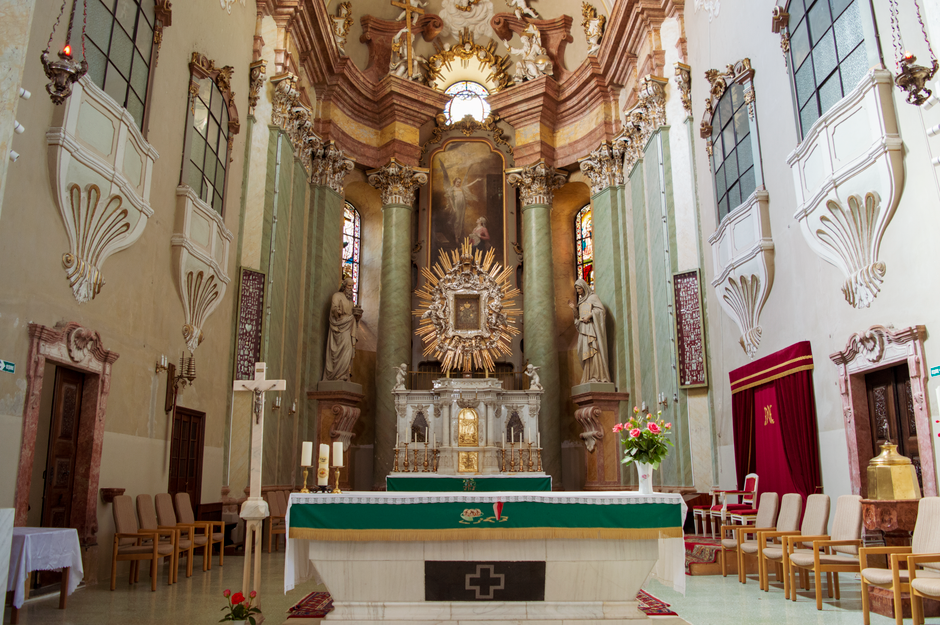
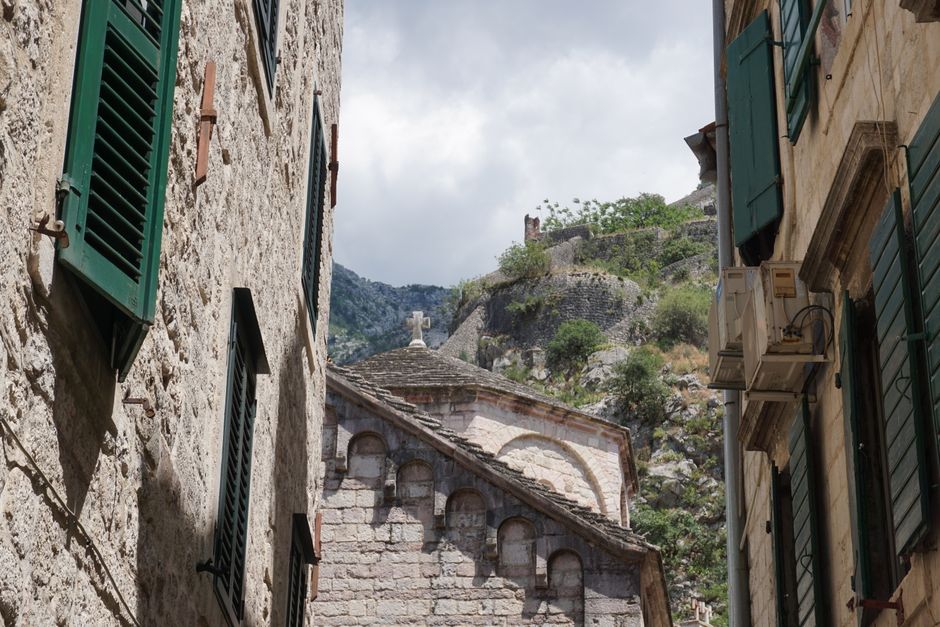
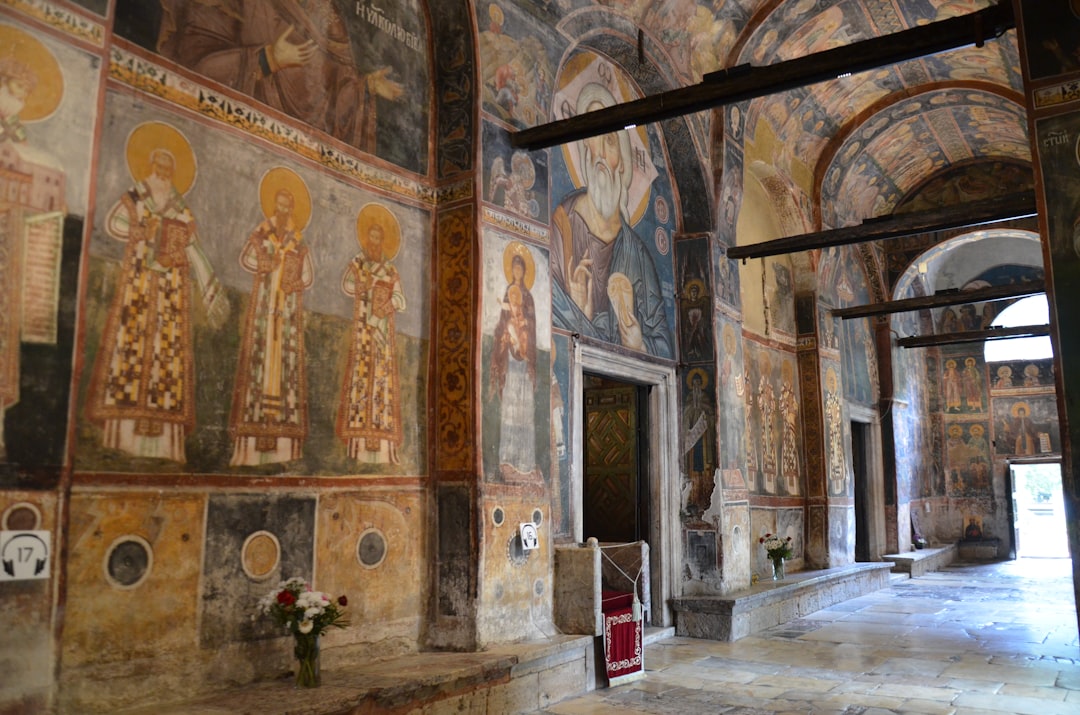
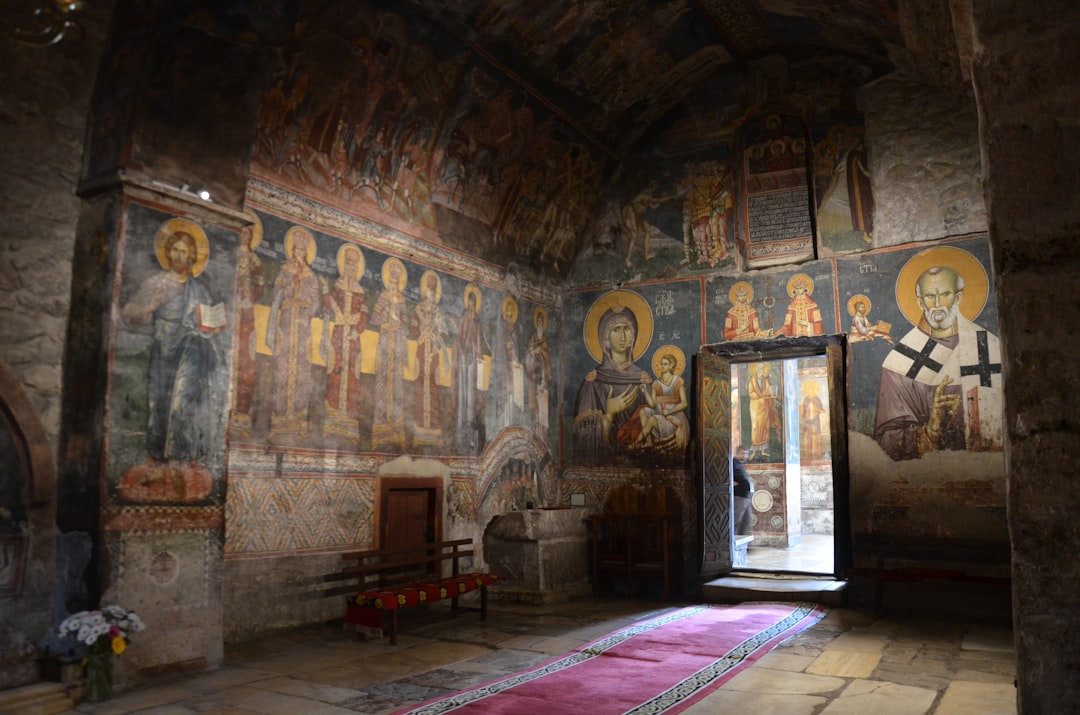
Kotor Cathedral of Saint Tryphon — The spiritual anchor of the entire festival. Built in the 12th century, this cathedral houses the relics of St. Blaise. During the feast, the atmosphere inside is thick with incense and chanting. The exterior is stark Romanesque, but the interior holds a baroque altar that clashes beautifully with the ancient stone. Entry is free, but donations are expected. You will be there for the blessing of the throats, the traditional ritual where priests touch your throat with blessed candles to protect against illness.
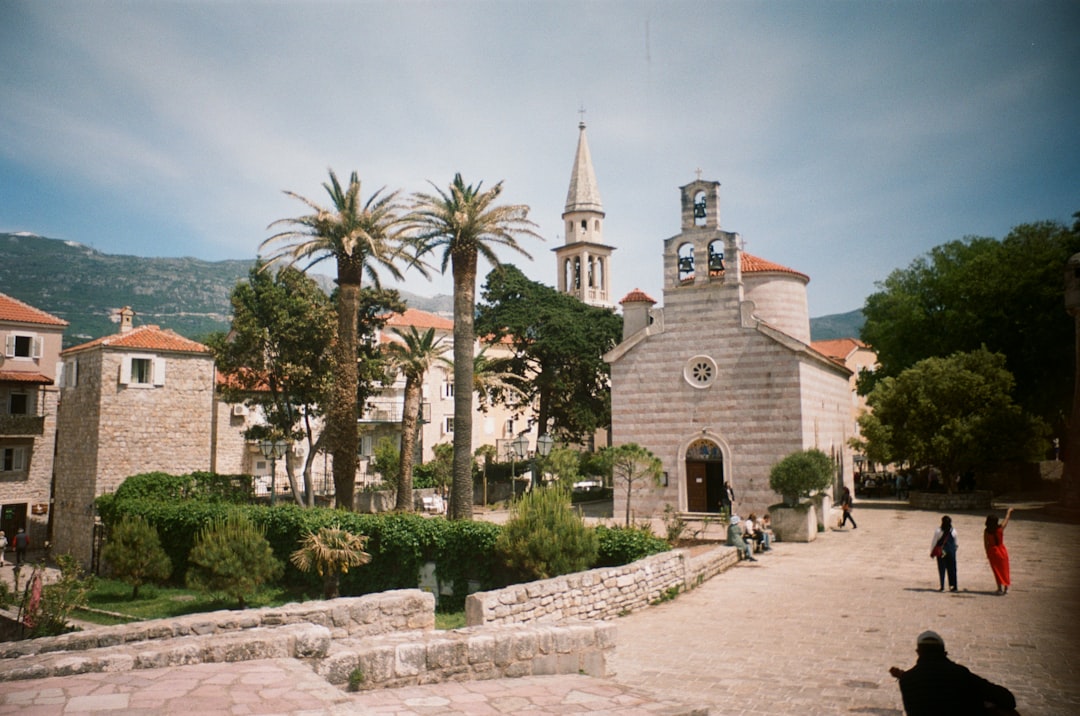
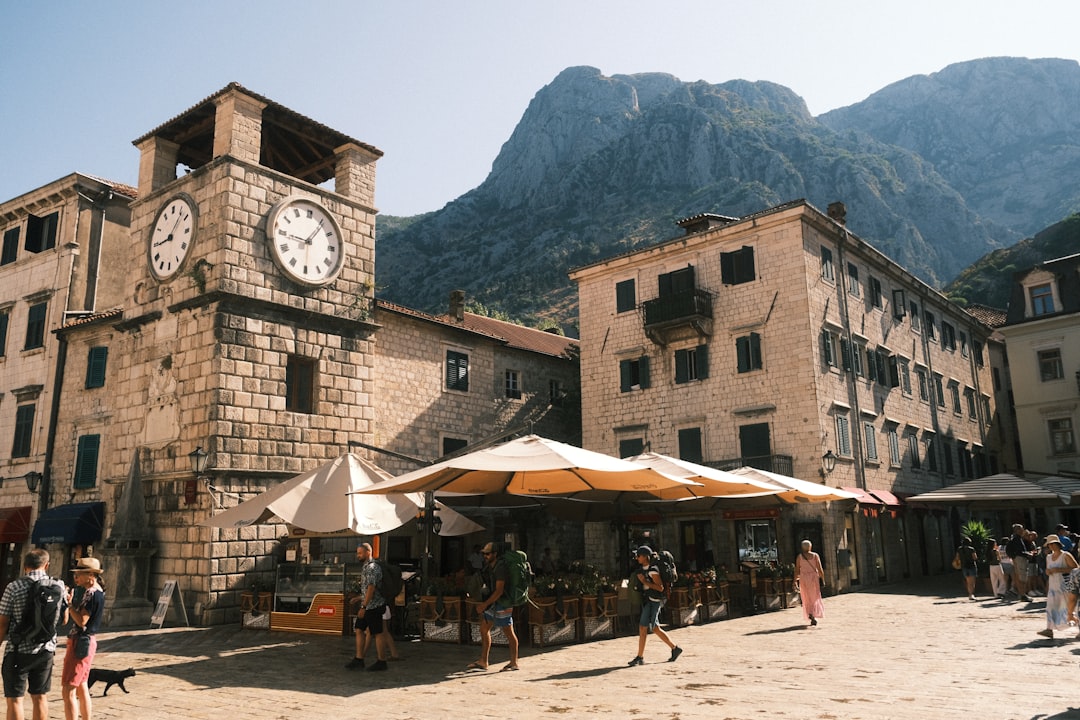
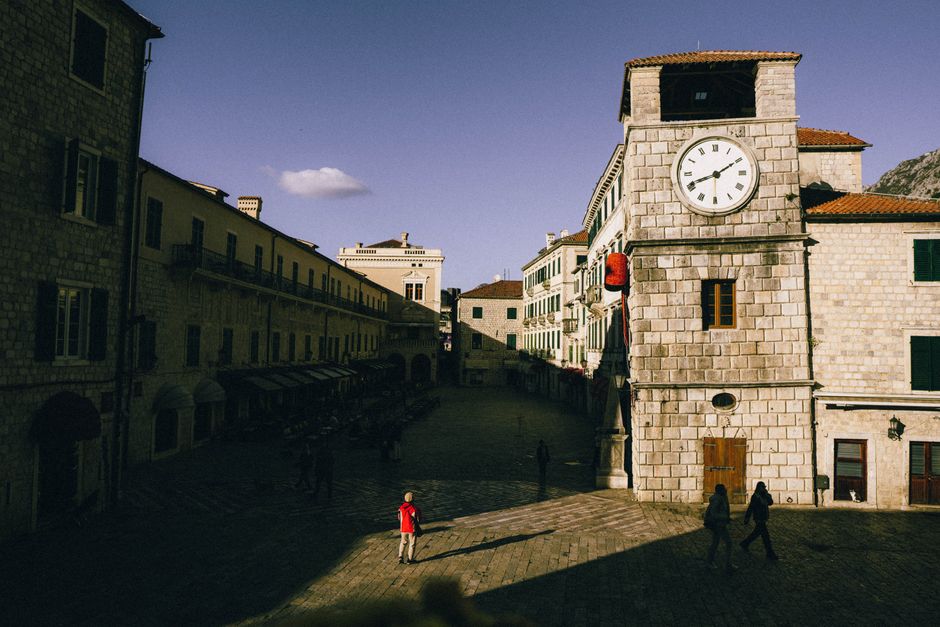
Old Town Square (Trg od Oružja) — This is the main stage. The square is usually a place for coffee and people-watching, but during the feast, it becomes a theater of medieval pageantry. The Weapon Square fills with knights, nobles, and guild representatives. It is the best spot to watch the processions assemble before they snake through the narrow streets. The acoustics here are incredible, amplifying the brass bands and the shouting of the marshals.
Fortress of San Giovanni — Perched high above the town, the fortress offers the only vantage point to see the scale of the madness below. The climb is steep—over 1,300 steps from the lower town to the gates—but during the feast, the view is worth the sweat. You can see the processions winding through the Old Town like colorful ribbons. There are often military displays or historical reenactments at the top, honoring Kotor's defensive history.
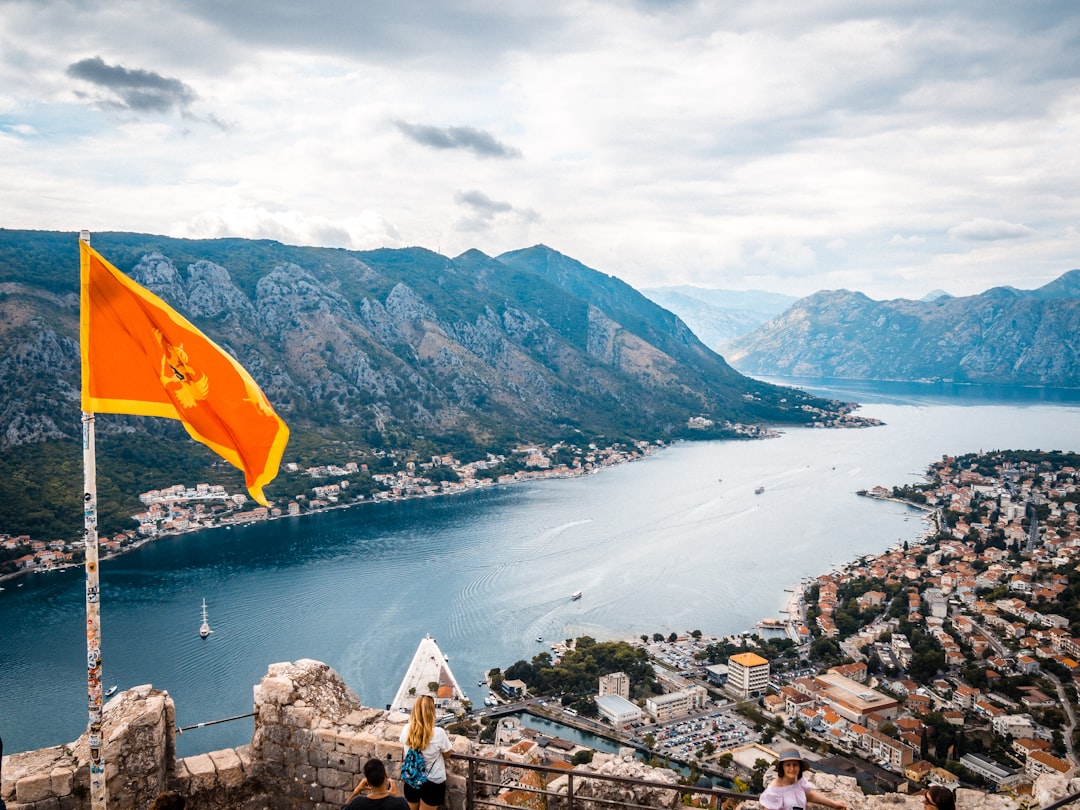
Kotor City Walls — The walls themselves are part of the spectacle. Sections of the ramparts are used for parades and displays of medieval weaponry. Walking the walls during the day gives you a sense of the town's strategic importance. You can look out over the Kotor Bay, a fjord-like inlet that cuts into the mountains, and realize why this place was so fiercely defended for centuries.
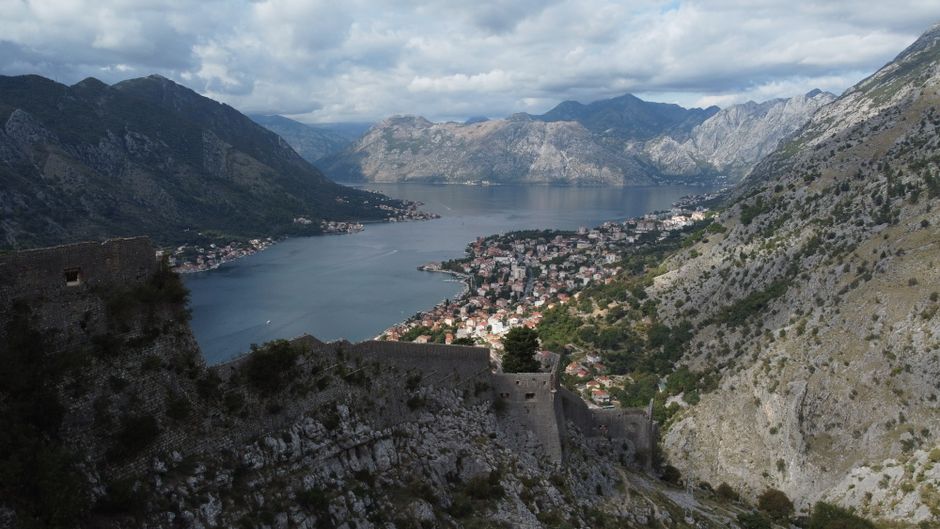
St. John's Fortress Lower Gate — The entrance to the upper fortress area. This is where many of the processions begin or end. The architecture here is imposing, with heavy iron doors and stone arches. It serves as a dramatic backdrop for photos and a natural funnel for the crowds moving up and down the hill.
What to Eat & Drink
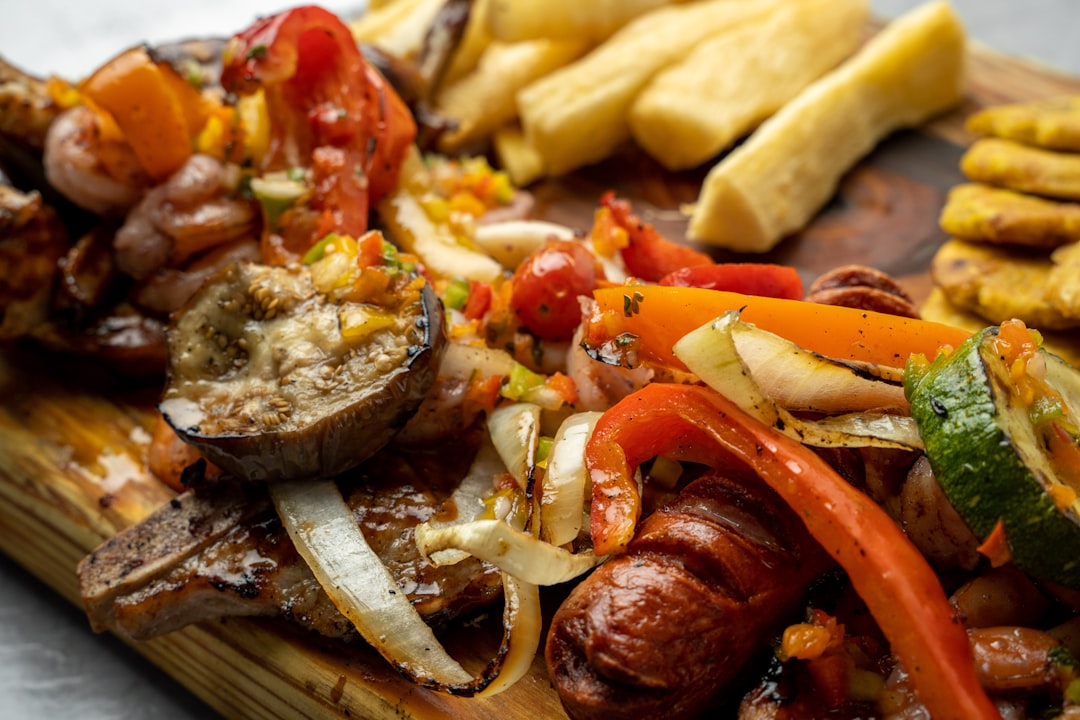
Eating in Kotor during the feast is a logistical challenge. The restaurants are packed, the lines are long, and the prices are inflated. However, the food is worth the hassle. You are in Montenegro, after all. Expect heavy, hearty dishes that reflect the region's agricultural history. Ćevapi — grilled minced meat sausages served with onions and flatbread — are a staple, costing around 3-5 EUR. Njeguški pršut — a dry-cured ham from the nearby Njeguši village — is a must-try, often served with fresh bread and costing 5-8 EUR for a plate. For something more substantial, Ražniči — grilled pork chops — are popular, priced at 8-12 EUR.
Street food is your best friend during the feast. Look for vendors selling pita — filled pastries with cheese, spinach, or meat — for 2-4 EUR. There are also stalls selling roasted corn and chestnuts, cheap and warming in the February chill. For drinks, Montenegrin wine is excellent, particularly the Vranac red, which pairs well with the heavy meat dishes. A glass of local wine costs 2-4 EUR in a bar, while a bottle in a restaurant can run 10-15 EUR. Beer is also widely available, with local brands like Ušće and Skale dominating the taps. A beer costs 2-3 EUR.
Budget breakdown: Street food and take-away options will keep you under 5 EUR per meal. A sit-down local restaurant meal, including a main dish and a drink, will run you 10-15 EUR per person. Mid-range restaurants with better views or more elaborate menus can cost 15-25 EUR per person. There is no real "food court" in the modern sense, but the Old Town Square and the surrounding streets are lined with vendors and small eateries that cater to the crowds. Take-away is abundant, especially near the main processions.
Nightlife
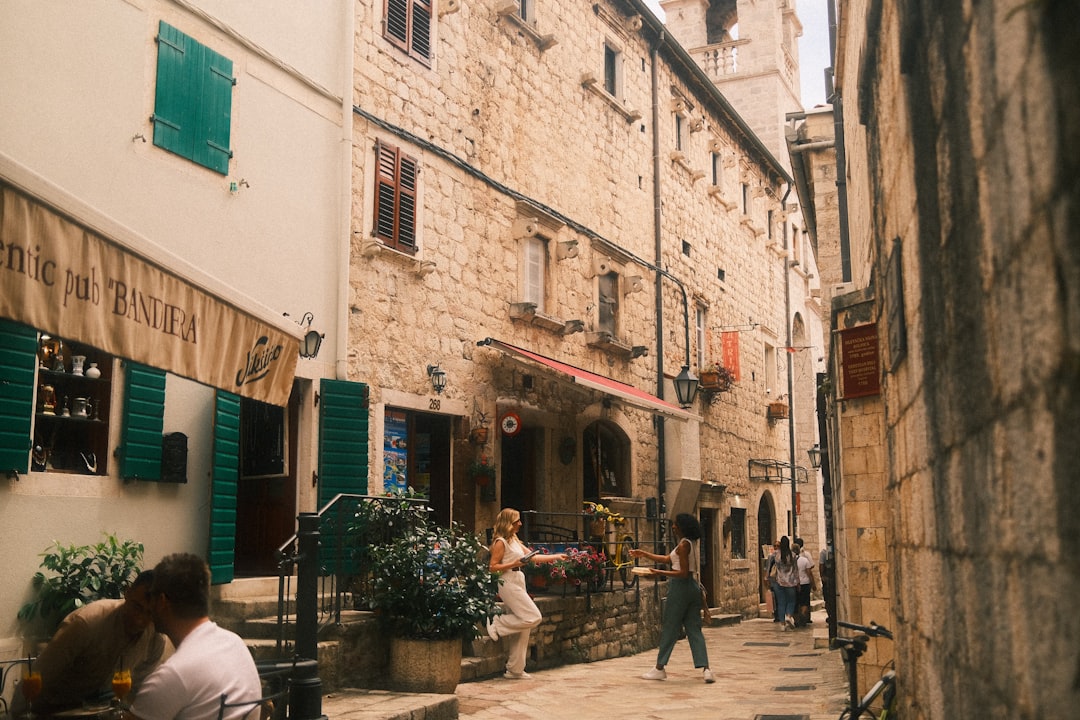
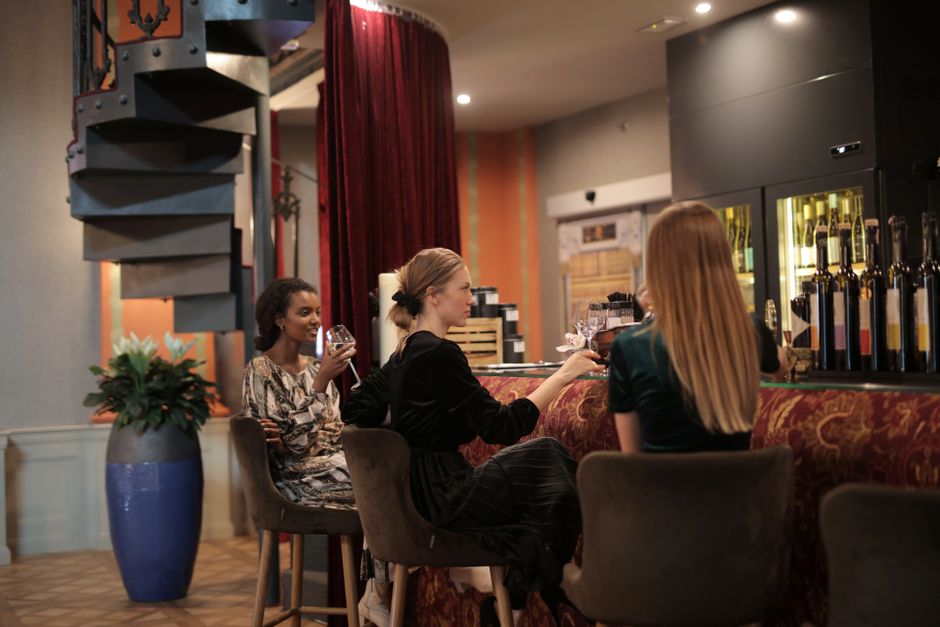
Forget about clubs. Kotor is not a party town in the traditional sense. The "nightlife" during the Feast of St. Blaise is all about the bars and the atmosphere. The main bar district is centered around the Old Town Square and the Stradun, the main pedestrian street. Bars like Bar Kotor and Hotel Excelsior Bar are packed with people spilling out onto the cobblestones, drinking wine, eating snacks, and talking loudly. The music is usually a mix of local folk, pop, and the lingering sounds of the brass bands from earlier in the day.
Cover charges are rare, but you are paying for the location and the vibe. A drink costs 3-5 EUR, and you will likely spend an hour or two just standing and talking. The atmosphere is electric, fueled by the exhaustion and excitement of the day's events. If you want to dance, you might find a small club or a bar with a DJ in the Lower Town, but it is not the main draw. The real nightlife is the communal experience of the feast, the shared sense of history and identity that binds the townspeople together.
Getting There & What to Expect
The nearest airport is Tivat Airport, located about 20 kilometers from Kotor. Tivat is served by seasonal flights from major European hubs, particularly in the summer, but year-round connections are limited. You can also fly into Podgorica Airport, the capital's airport, which has more regular connections. From Podgorica, it is a 2.5-hour drive to Kotor, or you can take a bus, which costs around 10-15 EUR and takes about 3 hours. Buses from Dubrovnik, Croatia, are also frequent, crossing the border in about 1.5 hours, with tickets costing 15-20 EUR.
Getting around Kotor is easy on foot, but during the feast, the crowds can be overwhelming. Taxis are available but expensive, with rides from the airport to the Old Town costing 15-20 EUR. Buses connect Kotor to other towns in the Bay of Kotor, such as Perast and Herceg Novi, with fares around 2-3 EUR.
Accommodation prices spike during the feast. Budget hostels and guesthouses can cost 30-50 EUR per night, while mid-range hotels range from 50-80 EUR per night. Luxury hotels can run 100-200 EUR or more per night. It is essential to book well in advance, as the town fills up quickly. The best months to visit are February for the feast, or May and September for milder weather and fewer crowds. The summer months are hot and crowded, with prices at their peak.
Search accommodation in Kotor on Booking.com →
The Final Bell
I am leaving the Old Town as the sun sets, my feet throbbing, my ears ringing. The streets are still full, but the energy has shifted. The formal processions are over, but the people remain, lingering in the squares, sharing stories, and drinking the last of the wine. I climb the steps back to my hotel, passing a group of teenagers dressed as medieval soldiers, laughing and shouting. They look exhausted, but they look alive. This is what Kotor is about. It is not just a place to see; it is a place to feel. The Feast of St. Blaise is a reminder that history is not dead. It is alive, breathing, and shouting in the streets. And if you can handle the noise, the crowds, and the smell of sulfur, you might just find it worth it.
Comments