


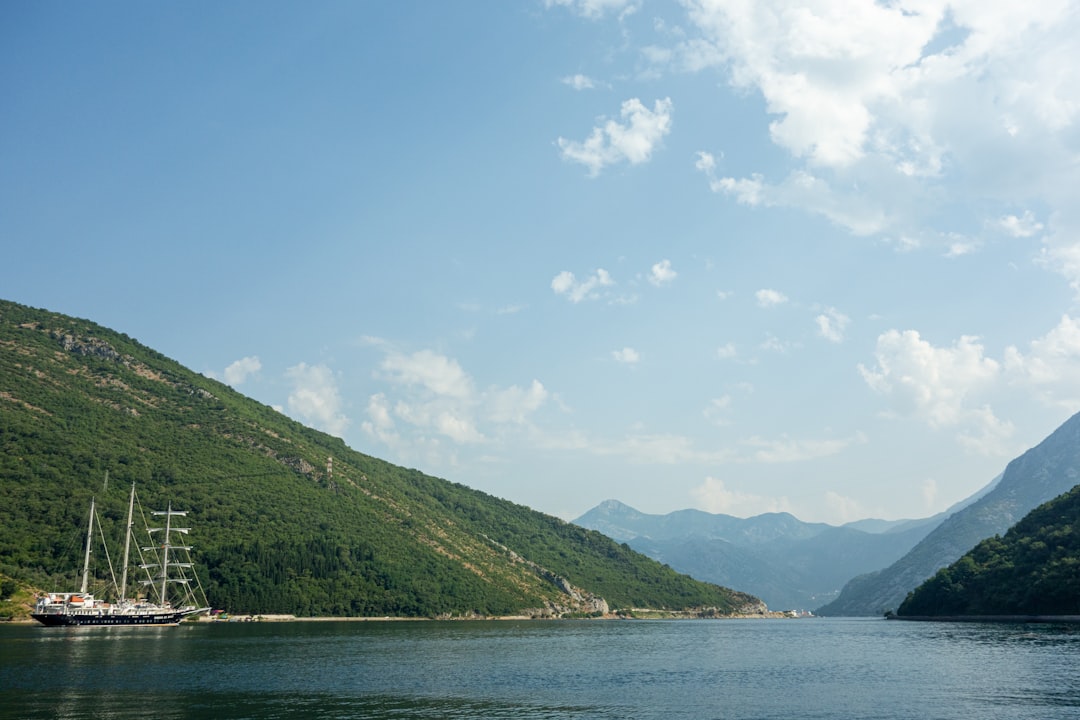
The salt spray hits you before the engine noise dies down. I am standing on the bow of a charter boat, the Adriatic wind whipping my hair into a frenzy, staring up at the sheer limestone cliffs of Kotor Bay. It is not just a fjord-like inlet; it is a stone fortress floating on water. The air smells of diesel, brine, and centuries of Venetian ambition. Below us, the turquoise water churns white as we cut through the channel, but my eyes are locked on the sky. Seagulls dive-bomb us, screaming like they own the place. They might as well. For a thousand years, whoever controlled this water controlled the gateway to the Balkans. I am here to trace the lines of that power, not by walking the cobblestones like a tourist with a guidebook, but by drifting past the walls that were built to keep people out.
We are anchored just outside the old town of Kotor. The sun is beating down, reflecting off the white limestone of the castle walls above. It is hot, humid, and loud. The ferry horns blare in the distance, a constant reminder that this is a working port, not just a museum. I grab a cold beer from the cooler and watch a local fisherman mend his nets on a nearby dock. He doesn't look up. To him, the fortresses are just background noise, like the mountains themselves. But for me, they are the reason I am here. This is a place where history is not written in books; it is carved into the rock.
History & Identity
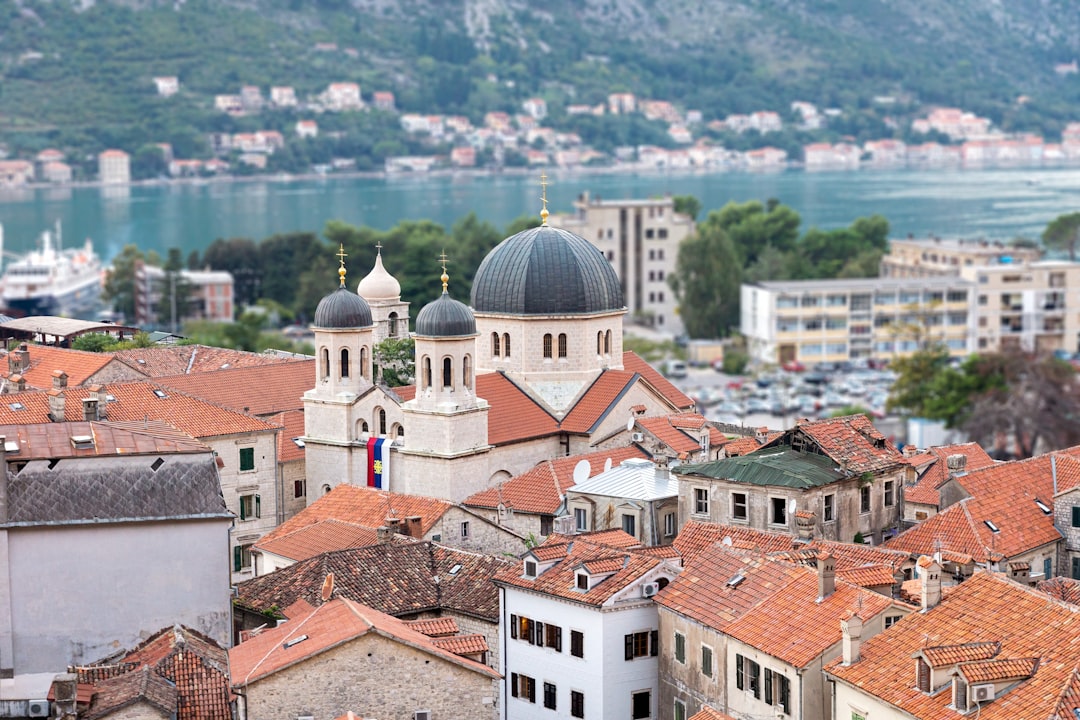
Kotor Bay, known locally as Boka Kotorska, is a geological anomaly. It is the southernmost fjord in the Mediterranean, carved by the River Bojana during the last ice age. But its true identity was forged by war. For centuries, this bay was the beating heart of the Venetian Republic's eastern frontier. The Venetians saw the natural harbor as a strategic jewel, a place to protect their trade routes and project power into the Balkans. They built walls, towers, and fortresses that still dominate the skyline today. The architecture is a blend of Romanesque, Gothic, and Renaissance styles, reflecting the changing tastes and threats of the era.
After the fall of Venice, the bay passed through Austrian and Yugoslav hands, but the Venetian imprint remains the most visible. The old town of Kotor is a UNESCO World Heritage site, a labyrinth of narrow streets and staircases that climb up the hillside. The fortifications are not just decorative; they are functional engineering marvels. The walls are over a kilometer long, climbing more than 1,000 steps to the top of San Giovanni Fortress. From the water, they look impregnable, a stark white line against the green mountains. The bay is a testament to human ambition, a place where nature and architecture collide in a dramatic and often brutal dance.
Today, the bay is a popular tourist destination, but the maritime heritage is still alive. The water is dotted with ferries, yachts, and fishing boats. The old town is bustling with visitors, but if you look closely, you can still see the traces of the past. The cannons on the fortress walls, the old shipyards, the maritime museums. This is a place where the past is not dead; it is just waiting to be discovered.
Where to Go
Kotor Old Town — The heart of the bay, a UNESCO World Heritage site. The labyrinthine streets are filled with shops, cafes, and churches. The highlight is the Cathedral of Saint Tryphon, a Romanesque masterpiece with a stunning cloister. Entry to the cathedral is 3 EUR. Best visited early in the morning to avoid the crowds.
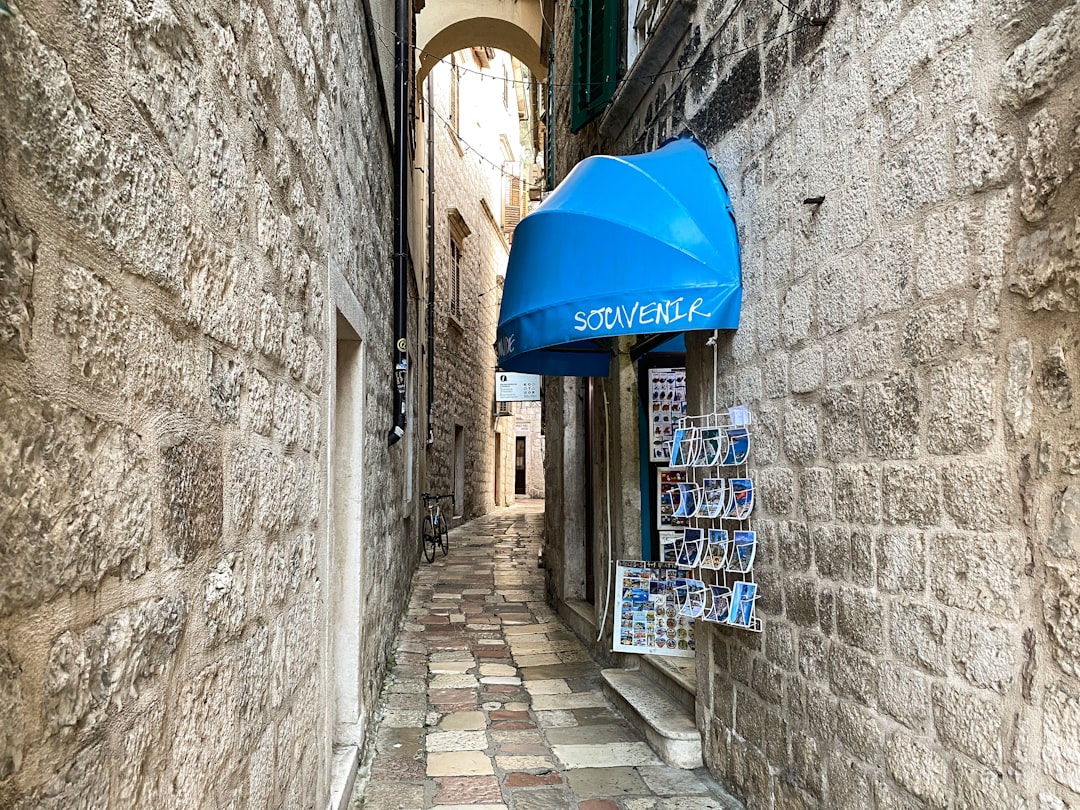
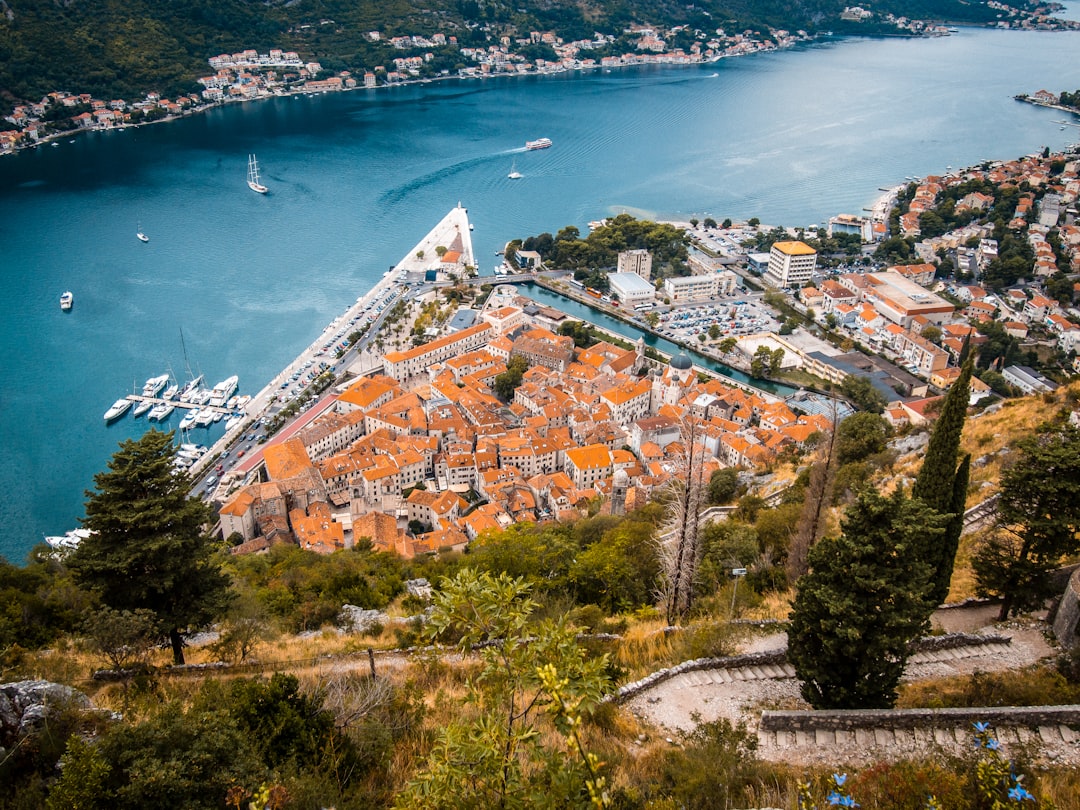
San Giovanni Fortress — Perched at the top of the hill above Kotor, this fortress offers panoramic views of the bay. The climb is steep, with over 1,000 steps, but the views are worth it. The fortress itself is a ruin, but the atmosphere is incredible. Entry is 10 EUR. Best visited at sunset for the best light.
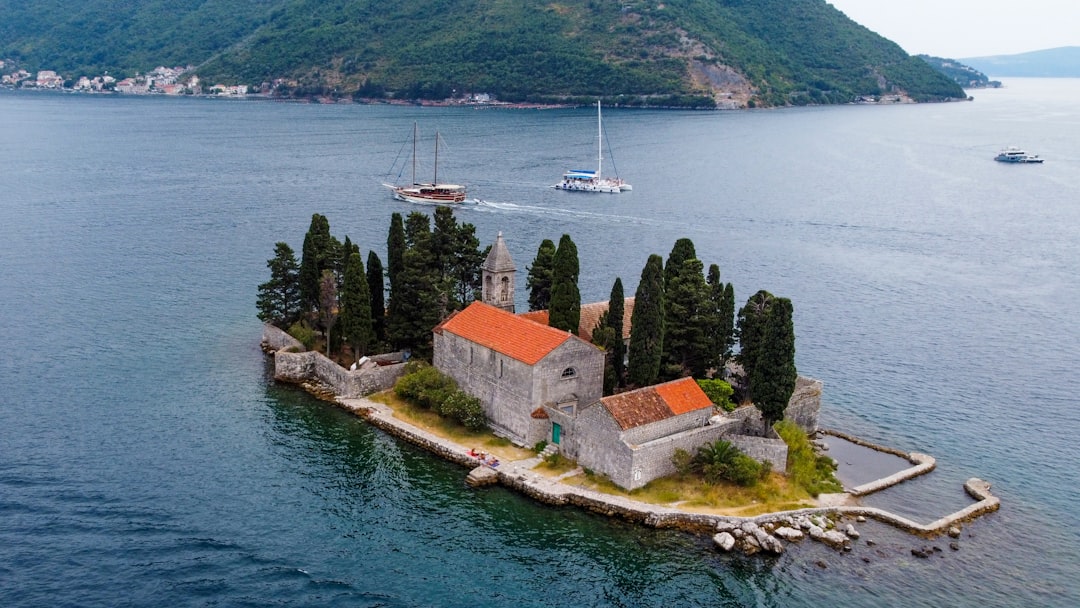
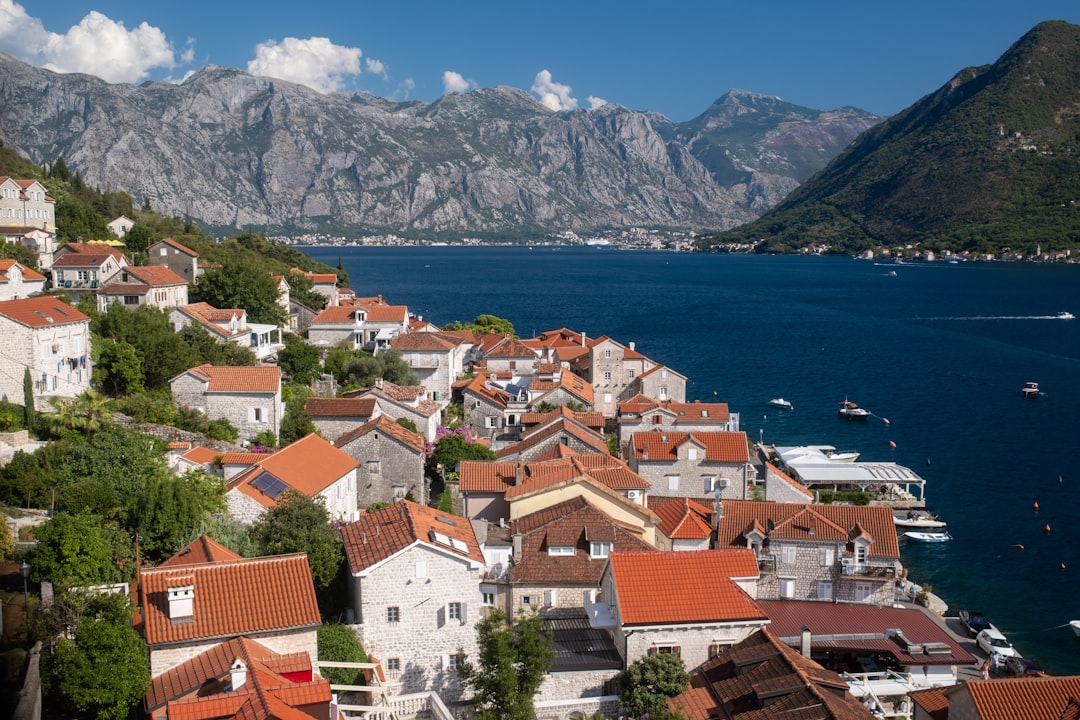
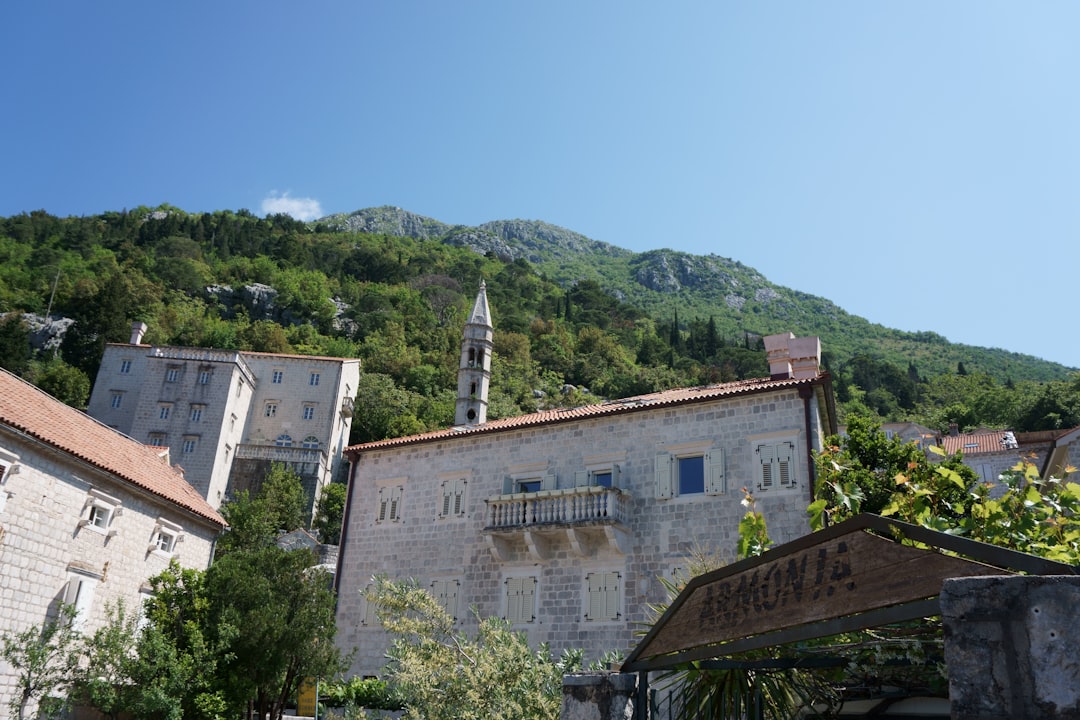
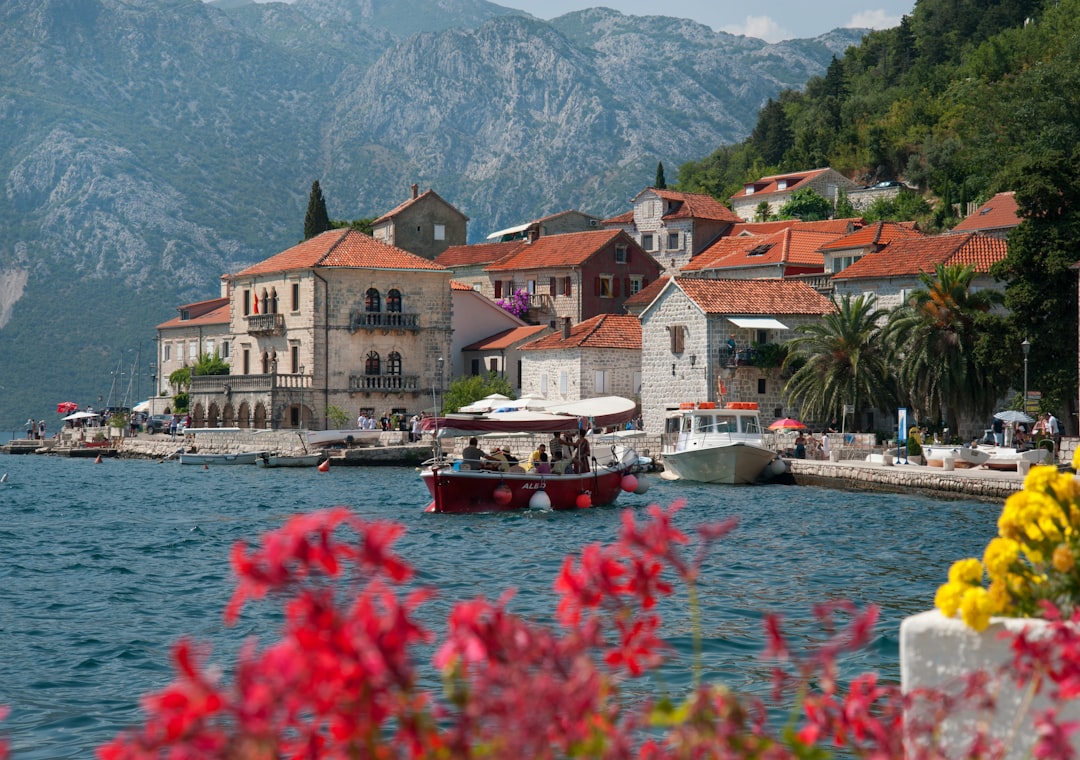
Perast — A picturesque village on the northern shore of the bay. Known for its baroque architecture and the Our Lady of the Rocks island, a man-made island with a church built on it. The island is a unique sight, a testament to the piety and engineering skills of the locals. Entry to the church is 3 EUR. Best visited by boat.
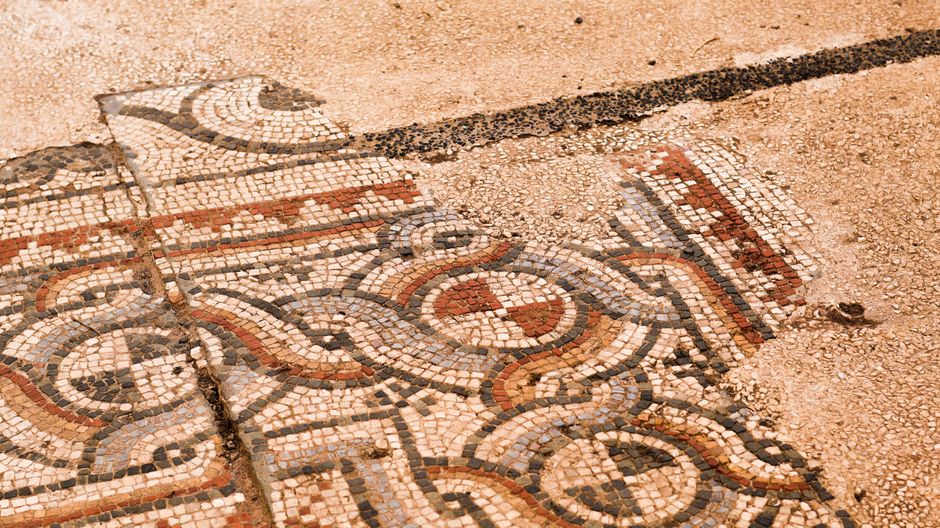
Risan — A small town at the entrance to the bay. Known for its Roman ruins, including a villa with beautiful mosaics. The town is quiet and less touristy than Kotor or Perast. Entry to the Roman villa is 3 EUR. Best visited in the afternoon.
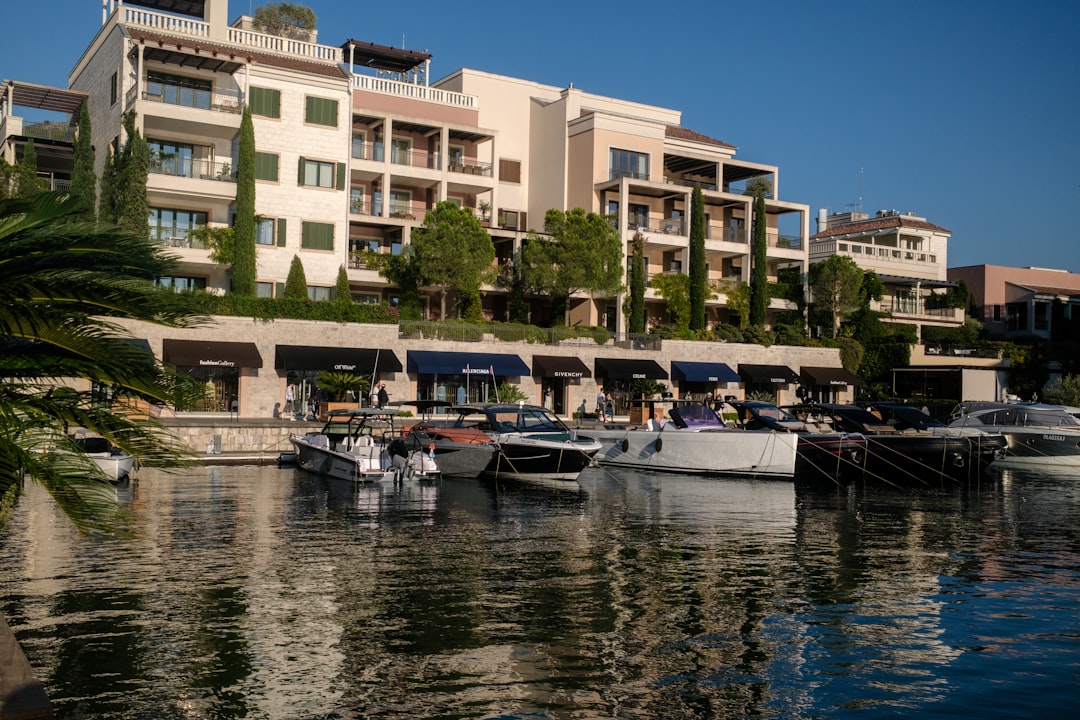
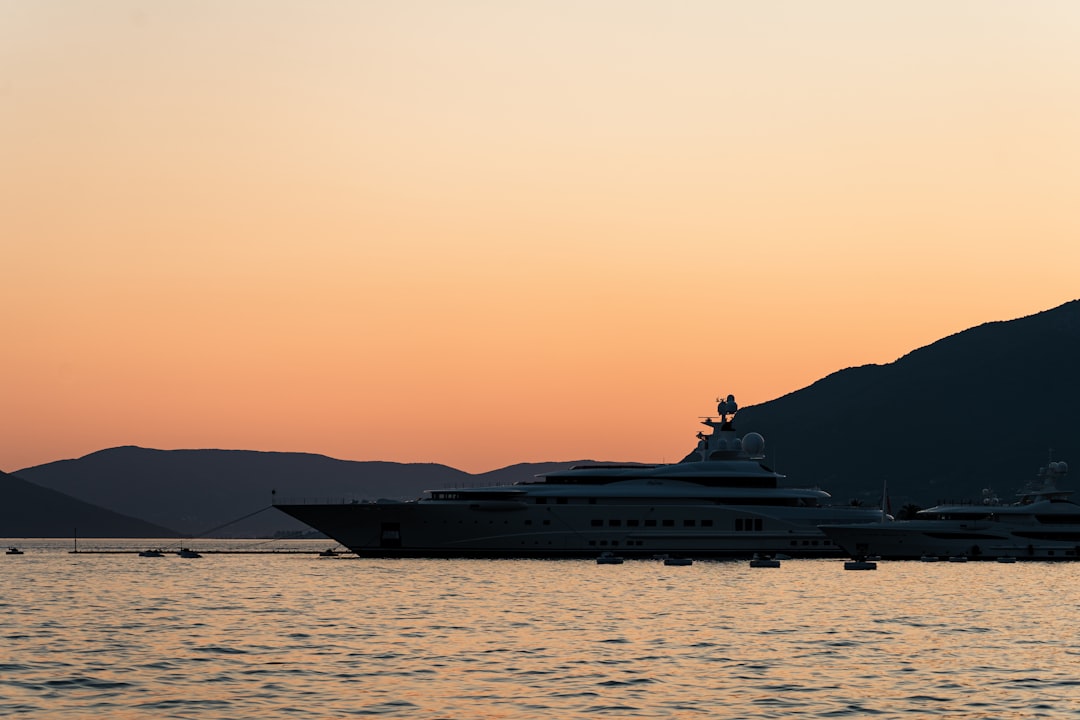
Tivat — A modern town with a marina full of luxury yachts. The contrast between the old town and the modern marina is striking. The nearby Our Lady of the Rocks island is also visible from here. Entry to the marina is free. Best visited in the evening to see the yachts lit up.
What to Eat & Drink
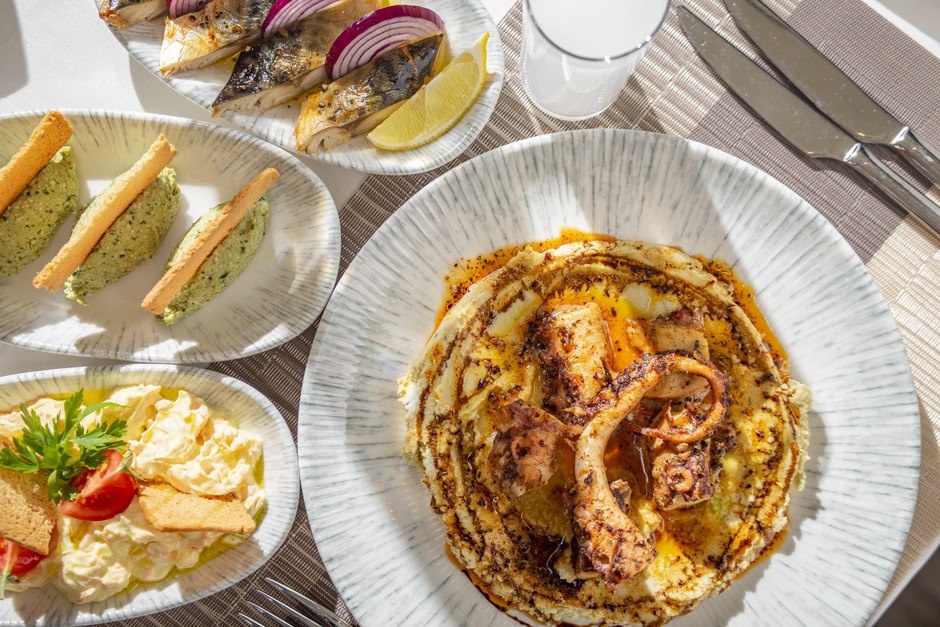
The food in Kotor Bay is a mix of Mediterranean and Balkan influences. Fresh seafood is a must-try, with dishes like grilled octopus, squid ink pasta, and fried calamari. Local wines, such as Vranac and Krstač, are also worth sampling. A typical meal at a mid-range restaurant costs around 15-25 EUR per person. Street food options include burek, a savory pastry filled with meat or cheese, which costs around 1-2 EUR. For a sit-down meal at a local restaurant, expect to pay around 8-15 EUR per person.
The main food street in Kotor is Stradun, the main pedestrian street in the old town. It is lined with cafes and restaurants, but the prices are high. For a more authentic experience, head to the local markets or the smaller streets off the main drag. In Perast, the waterfront restaurants offer stunning views of the bay, but the prices are also high. In Risan, the local taverns offer a more relaxed atmosphere and better prices.
Nightlife
The nightlife in Kotor Bay is centered around the old town of Kotor and the marina in Tivat. In Kotor, the main bar district is around the Stradun and the nearby squares. The bars are often small and crowded, with live music and a lively atmosphere. Cover charges are rare, but drinks are expensive. In Tivat, the marina is filled with upscale bars and clubs, catering to the yacht crowd. The music is more electronic, and the prices are higher. Cover charges can be 5-10 EUR at the more exclusive clubs.
For a more local experience, head to the bars in Perast or Risan. The atmosphere is more relaxed, and the prices are lower. The music is often traditional Montenegrin folk, and the crowds are a mix of locals and tourists. Overall, the nightlife in Kotor Bay is vibrant and diverse, with something for everyone.
Getting There & What to Expect
The nearest airport is Tivat Airport (TIV), which is located just outside Tivat. From the airport, you can take a taxi or bus to Kotor, which takes around 30 minutes. The cost of a taxi is around 20-30 EUR, while a bus costs around 3-5 EUR. From Podgorica, the capital of Montenegro, you can take a bus to Kotor, which takes around 2 hours. The cost of the bus is around 5-10 EUR.
Accommodation in Kotor ranges from budget hostels to luxury hotels. A budget hostel costs around 20-40 EUR per night, while a mid-range hotel costs around 50-100 EUR per night. The best months to visit are May to October, when the weather is warm and the sea is calm. However, this is also the peak tourist season, so expect crowds and higher prices. For a more peaceful experience, consider visiting in the shoulder seasons of April or November.
Search accommodation in Kotor on Booking.com →
The Salt and the Stone
As the sun sets, the bay turns a deep purple. The lights of the old town twinkle on, reflecting in the water. I sit on the dock, watching the ferries come and go. The air is cool now, the humidity gone. I think about the centuries of history that have played out in this place. The wars, the trade, the love stories, the betrayals. It is all here, in the salt and the stone. I raise my beer to the fortress above me, a silent toast to the past. The seagulls are gone, but the water still churns, restless and alive. This is not just a place to visit; it is a place to feel. And as the night falls, I know I will remember it forever.
Comments