


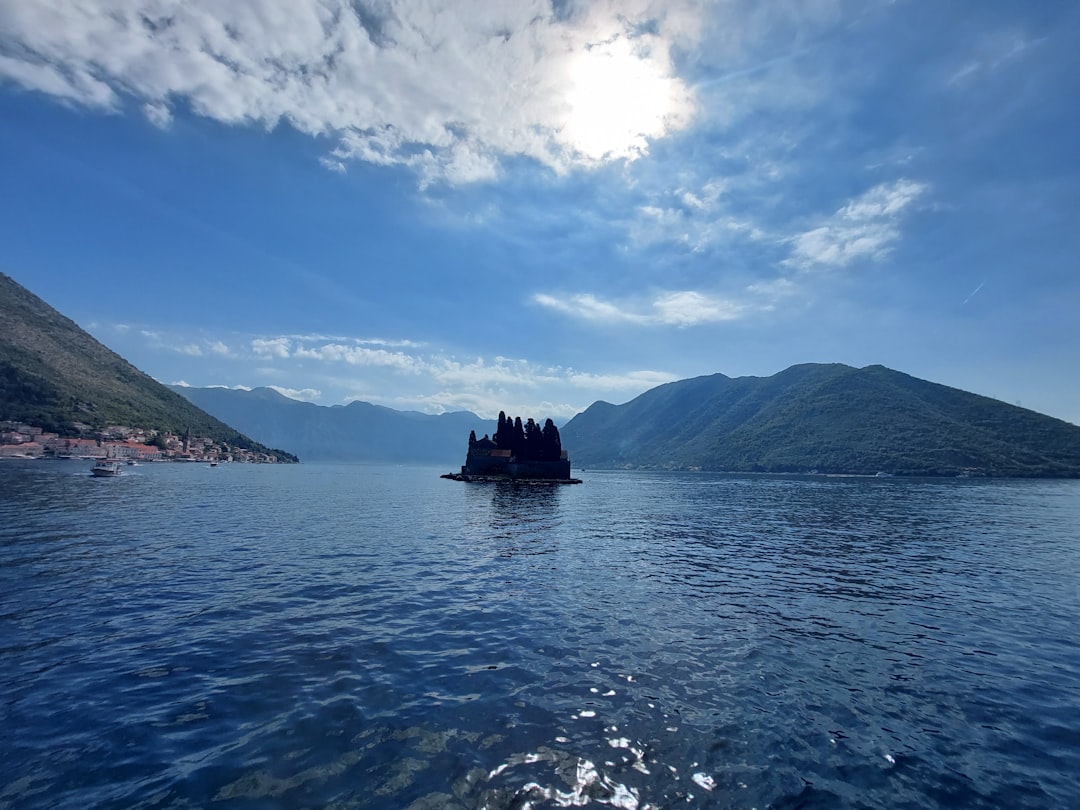
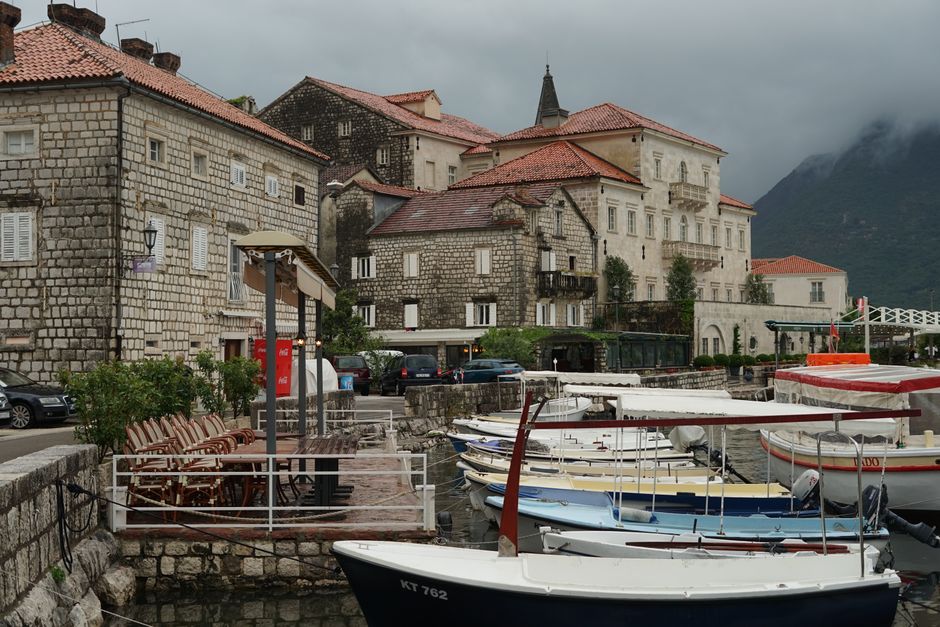
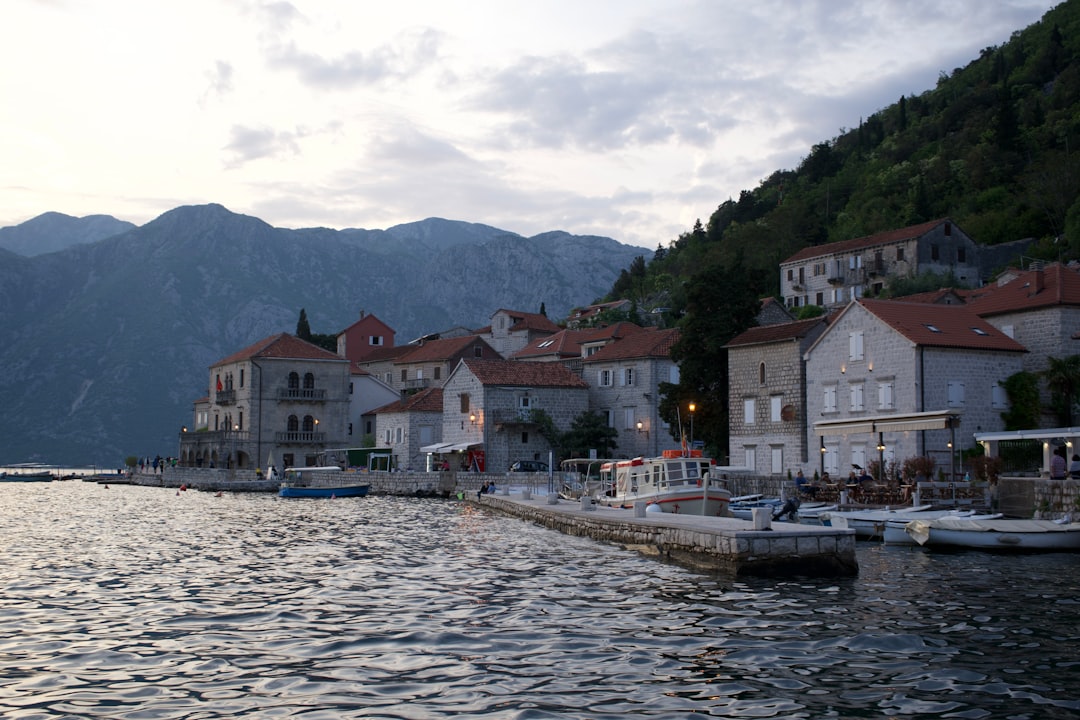
I woke up to the sound of a dog barking at a seagull, which was immediately followed by the roar of a jet ski cutting through the glassy black water of the bay. It was 5:30 AM in Perast, and the air smelled of damp stone, diesel fuel, and salt. I had packed my gear the night before, convinced that if I left before the sun crested the jagged peaks of the Orjen mountain, I could claim the water for myself. I was wrong. A lone fisherman in a rusted aluminum boat was already chugging toward the horizon, his engine sputtering like an old smoker. But as I pushed my kayak off the slick stone steps, the noise faded. The water here is dark, almost ink-black, reflecting the sheer limestone walls that rise vertically from the sea. This isn't a tropical paradise with white sand and turquoise lagoons. This is a fjord-like gorge carved by glaciers millennia ago, now choked with cruise ships and tour buses. But get in the water, paddle away from the main channel, and the crowds vanish. You are left with silence, ancient monasteries clinging to cliffsides, and the relentless, beautiful isolation of the Adriatic.
Most tourists treat Kotor Bay as a postcard stop. They wander the cobblestone streets, buy an overpriced gelato, and head back to their ferries. They never see the hidden coves tucked behind the steep ridges, where the only visitors are pelicans and the occasional stray cat. Kayaking here is not just a sport; it is a rebellion against the tourist machine. It requires physical effort, a bit of navigation skill, and a willingness to get sunburned while paddling through shadows. I spent three days exploring the northern reaches, skipping the main artery of the bay to hunt for the quiet spots that don't appear on the glossy brochures. Here is how you do it right, without getting lost in the maze of inlets and out-of-season marinas.
History & Identity
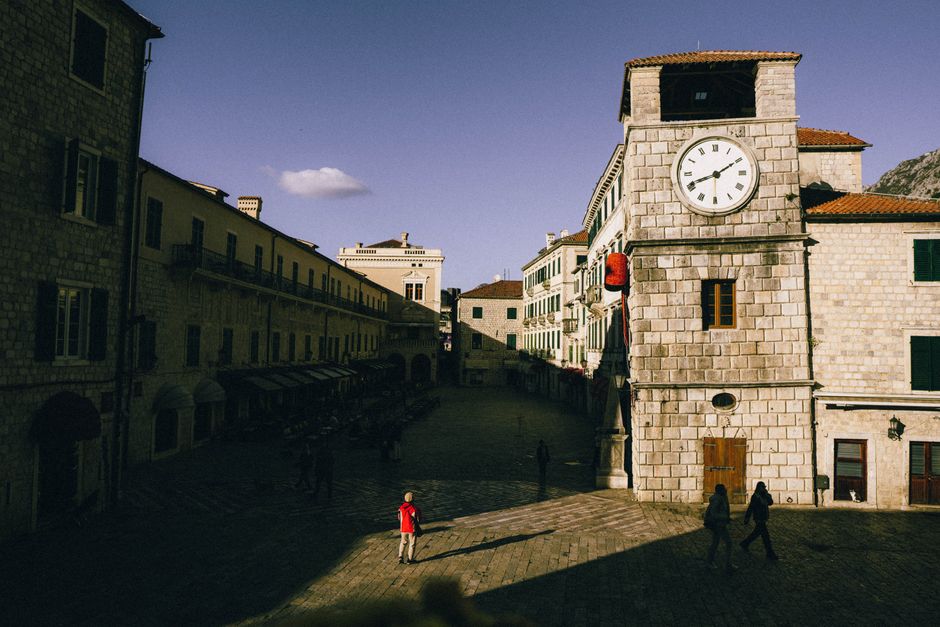
The bay's identity is defined by its walls. Literally. The Kotor City Walls are a masterpiece of medieval military architecture, winding up the steep hillside for over five kilometers. They were built to protect the city from Ottoman invasions and Venetian raids, creating a fortress that feels more like a mountain climb than a city defense. This defensive posture is baked into the local psyche. The towns along the bay—Kotor, Perast, Risan—are tightly packed, with narrow streets that seem designed to confuse invaders. Today, those same walls offer the best vantage points to watch kayakers slip under the radar. The history here is not just in the museums; it is in the stone itself, every block laid to keep the world at bay. Now, the only thing you need to defend against is the midday sun.
The bay was a strategic prize for centuries. The Venetians controlled it for over four hundred years, leaving behind a legacy of baroque churches, marble bridges, and a deep-seated respect for maritime trade. You can see their influence in the architecture of Our Lady of the Rocks, an artificial island in the bay that was built entirely from stones dropped by passing sailors as an offering for safe passage. It is a testament to the danger of these waters. Even today, the currents can be tricky, especially when the Bura wind kicks in. This northeasterly wind can whip up waves and create choppy conditions that are dangerous for unprepared paddlers. Understanding this history helps you respect the environment. You are not just paddling through a scenic backdrop; you are navigating a place where survival was once a daily calculation.
The modern identity of the bay is a clash between preservation and tourism. The old towns are UNESCO World Heritage sites, strictly protected, yet they are swarmed by day-trippers. Kayaking offers a way to bypass the congestion and experience the authenticity that the locals cling to. In the hidden coves, you might spot an old man mending his nets or a family fishing from a small wooden boat. These are the real residents, the ones who have lived here for generations, untouched by the cruise ship economy. Their presence is a reminder that this is not just a playground; it is a home. Treat it with respect, and they will let you pass. Ignore the rules, and you'll find yourself on the wrong side of a very stern conversation.
Where to Go
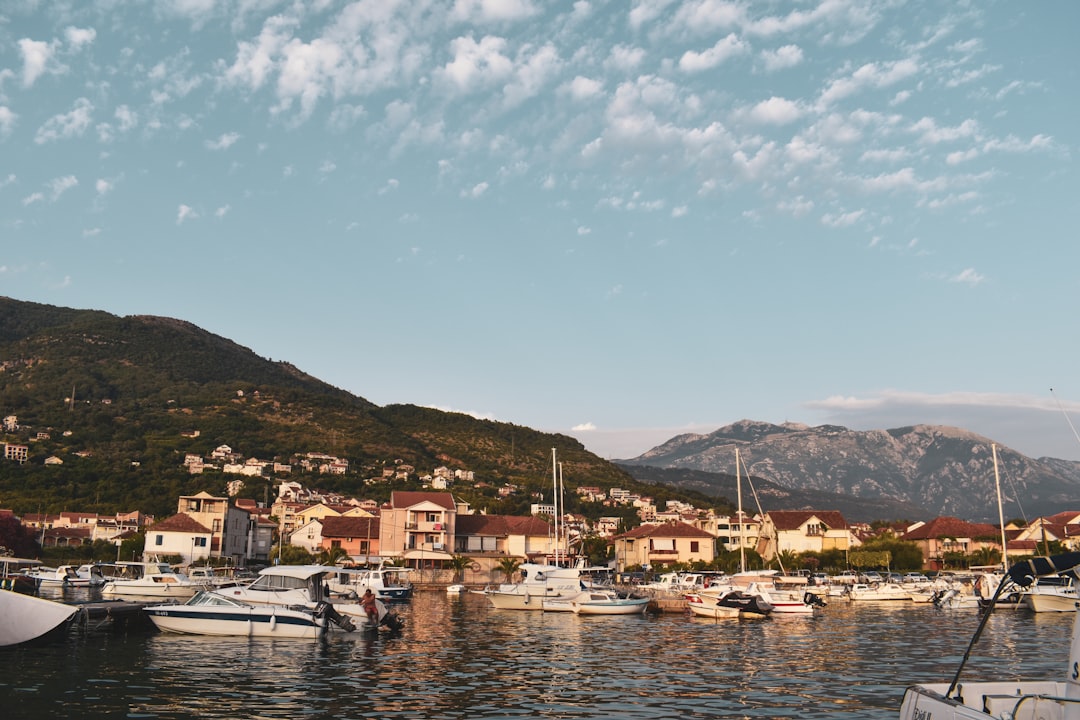
Bay of Boka Kotorska — The main body of water is vast, but the real magic lies in its side inlets. The main channel is wide and deep, suitable for large vessels, but it is also the most crowded. To find peace, you need to paddle into the smaller bays that branch off to the north and east. These areas are shallow, sheltered, and often unmarked on standard tourist maps. The water here is calmer, and the reflections of the surrounding mountains are sharper. It is the perfect place to practice your paddling technique or simply float and watch the clouds drift by. Entry is free, but you need a kayak and a sense of adventure. URL-WIKI: Bay of Kotor
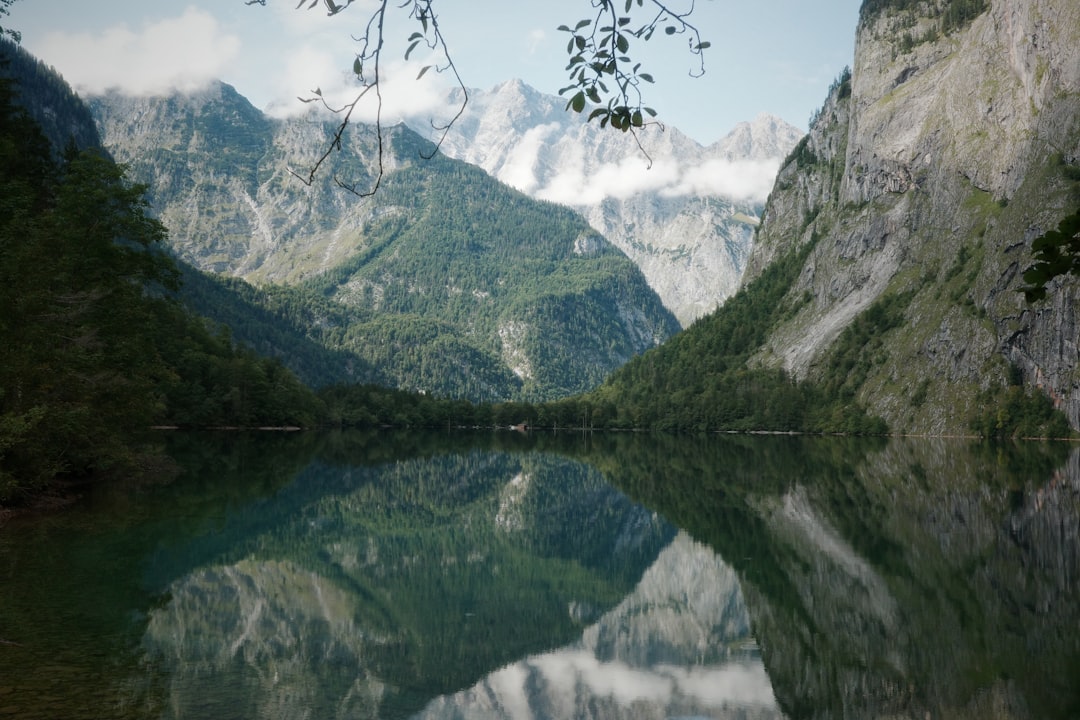
Our Lady of the Rocks — This artificial island is a must-see, but not from the tourist boats. Paddling around it at dawn or dusk gives you a unique perspective. The church on top is open to visitors, but the real view is from the water, looking up at the statue of the Madonna against the sky. The island is surrounded by a shallow reef, so you need to be careful not to drag your hull. It is a spiritual center for the region, and the atmosphere is quiet and reverent. Entry to the church costs 2 EUR, but the approach by kayak is free. It is a short paddle from Perast, making it an easy first stop for beginners.
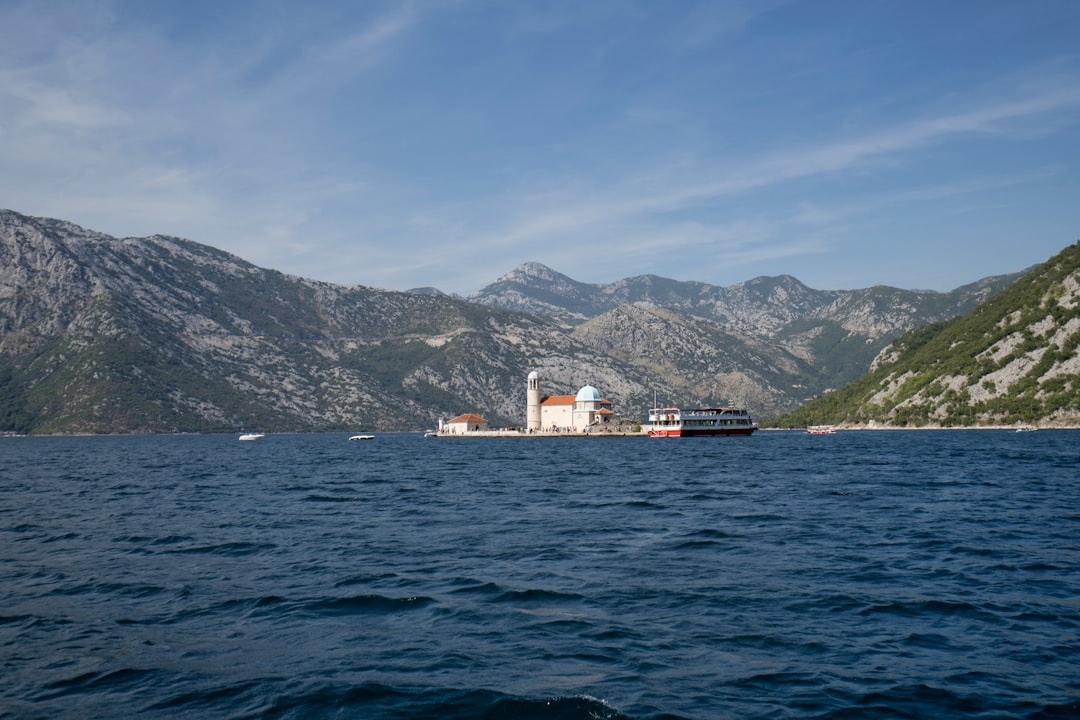
Prčanj — This tiny fishing village sits on the northern shore, opposite Perast. It is often overlooked, which is exactly why you should go there. The harbor is small, filled with colorful fishing boats and a few local cafes. There is no big tourism here, just a quiet, authentic atmosphere. You can dock your kayak at the small pier and grab a coffee or a pastry. The streets are narrow and steep, leading up to a small church with a bell tower that offers a panoramic view of the bay. It is a perfect spot to take a break and recharge. There is no entry fee, and the locals are friendly and welcoming.
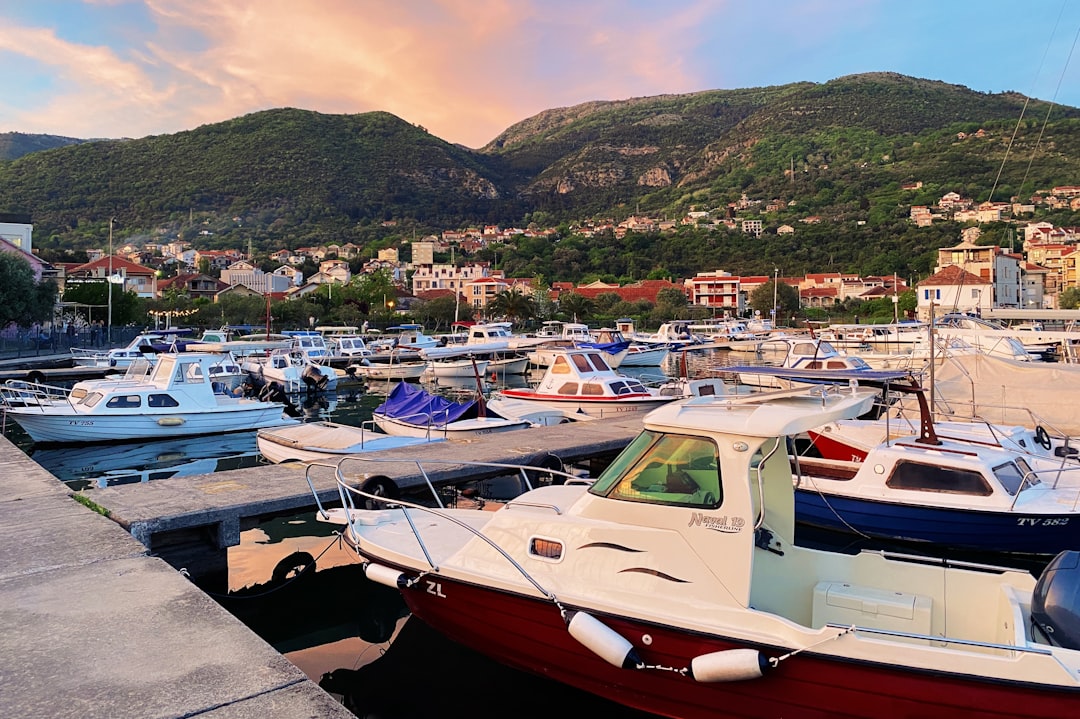
Risan — Located at the head of the bay, Risan is a former industrial town that is slowly being transformed. The old shipyard is now a cultural center, and the waterfront is being developed with new parks and walking paths. It is a great place to end your kayaking trip, as there are several cafes and restaurants with views of the water. The town has a more modern feel than Kotor or Perast, but it still retains its charm. You can paddle along the river that flows into the bay, exploring the green banks and the old stone bridges. It is a quiet, relaxed place to spend an evening.
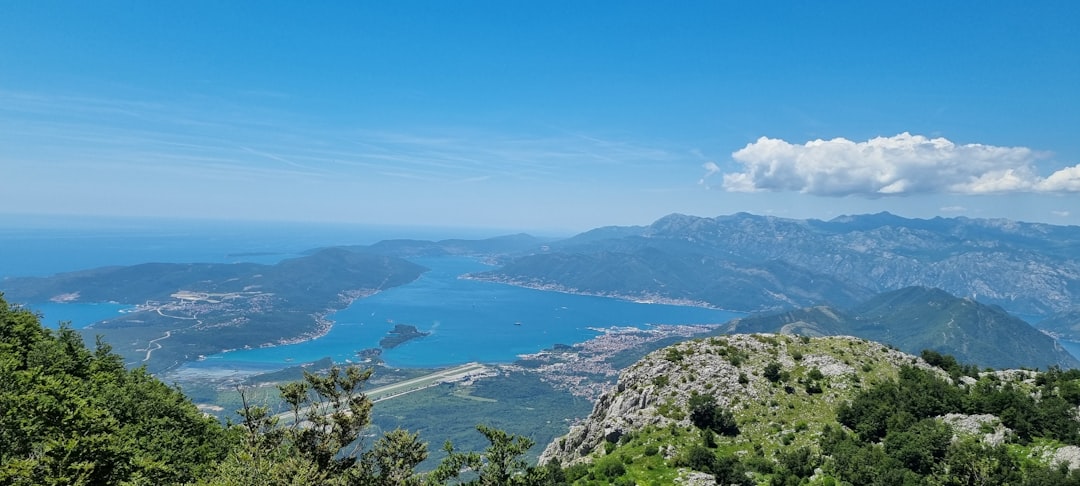
Lovćen National Park — While not directly on the water, the park overlooks the bay and offers a stunning backdrop for your kayaking adventure. The trail to the mausoleum of Njegoš is steep and challenging, but the view from the top is worth it. You can see the entire bay, from Kotor to Tivat, and the surrounding mountains. It is a great place to hike before or after your kayaking trip. Entry to the park is free, but there is a small fee to enter the mausoleum. The trail is well-marked, but you need to be in good shape to complete it.
What to Eat & Drink
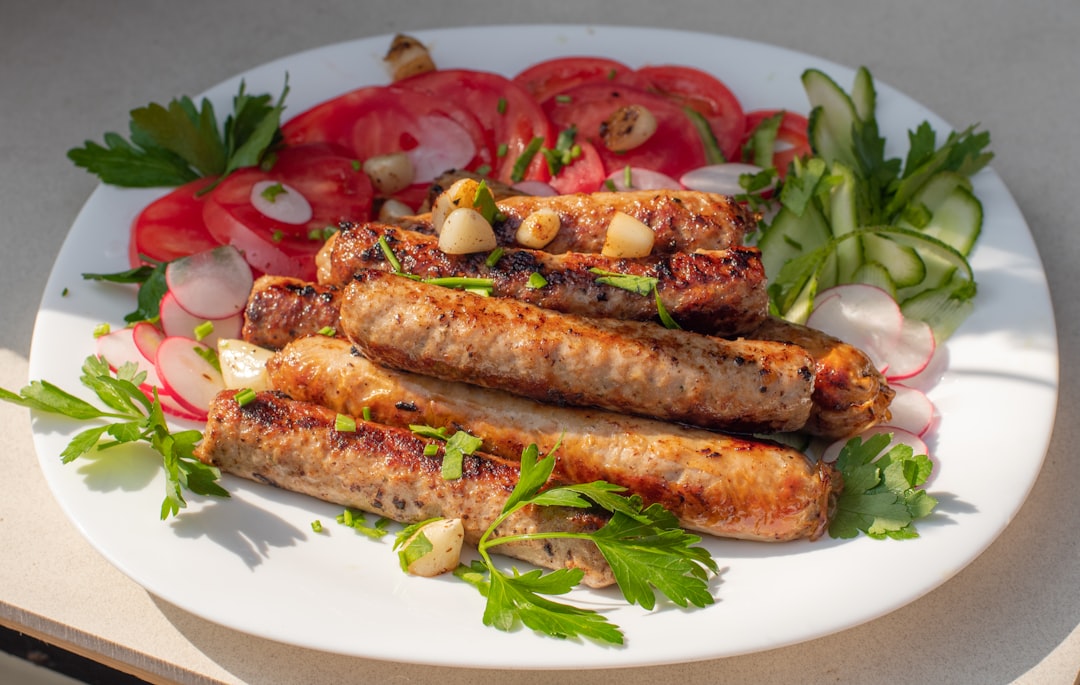
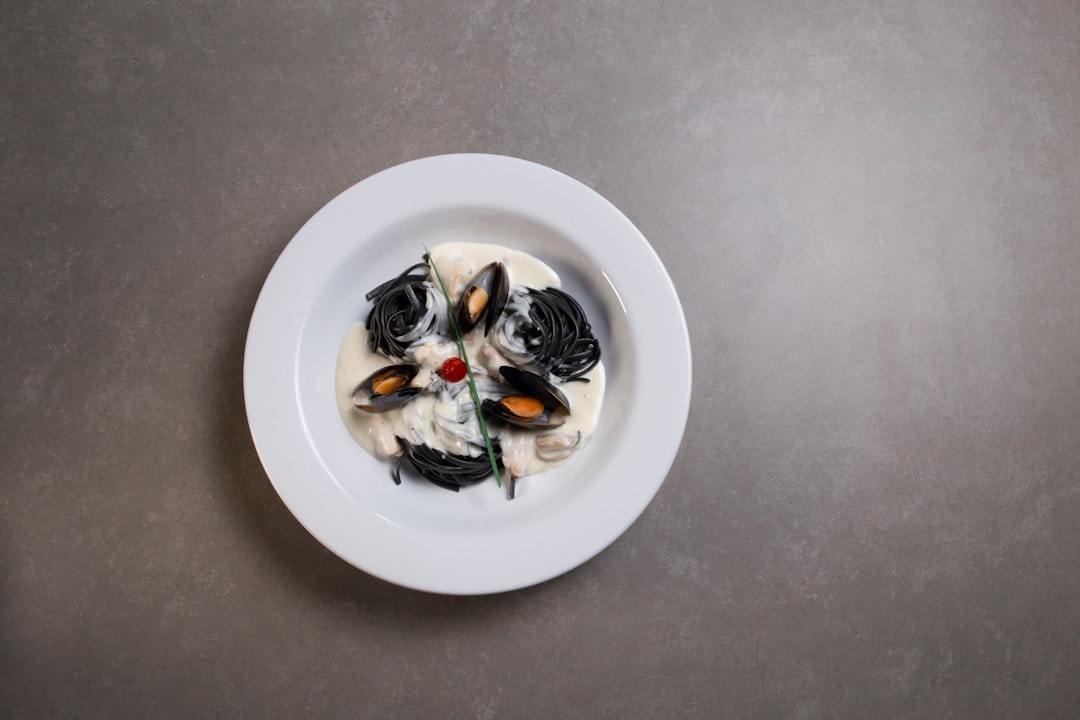
Eating along the bay is a mix of traditional Montenegrin cuisine and international influences. The local dishes are hearty and flavorful, perfect for refueling after a day of paddling. Ćevapi are small grilled meat sausages, served with flatbread and onions. They are cheap, filling, and delicious. A plate of ćevapi costs around 5-8 EUR. Black risotto is another local specialty, made with squid ink and seafood. It is rich and creamy, with a distinct black color. A portion costs around 8-12 EUR. Pršut is a dry-cured ham, similar to prosciutto, and is often served as an appetizer. A slice costs around 3-5 EUR. Rakija is the local fruit brandy, usually made from plums or figs. It is strong and sweet, and is often served after meals. A shot costs around 2-4 EUR.
For budget travelers, there are several options. Street food vendors sell pita (savory pastries) and roasted corn for 1-2 EUR. Local markets, such as the one in Kotor, offer fresh fruit, vegetables, and cheese for 2-5 EUR per item. Take-away sandwiches and salads are available at most cafes for 4-6 EUR. Sit-down meals at local restaurants range from 10-15 EUR per person for a main course and a drink. Mid-range restaurants, with a view of the bay, charge 15-25 EUR per person. There are no major food courts, but there are plenty of small cafes and bistros that offer affordable options.
The best place to eat is in Perast or Prčanj, where the restaurants are smaller and more intimate. The food is fresher and cheaper than in Kotor, which is more touristy. Look for places with outdoor seating, where you can enjoy your meal with a view of the water. Avoid the restaurants right on the main street in Kotor, as they are often overpriced and crowded. Instead, wander into the side streets and find a hidden gem. The locals know the best spots, so ask for recommendations. You will be rewarded with a meal that is both delicious and affordable.
Nightlife
Nightlife in the bay is centered around Kotor and Tivat. Kotor has a lively scene, with bars and clubs lining the waterfront and the old town streets. The music is a mix of electronic, pop, and traditional Montenegrin folk. Cover charges are low, usually 2-5 EUR, and drinks are reasonably priced. Bar 1905 is a popular spot, with a cozy atmosphere and a good selection of cocktails. Club Kotor is a larger venue, with a dance floor and a DJ. It is open late, and the crowd is a mix of locals and tourists. Tivat is more upscale, with yacht clubs and beach bars. The music is more sophisticated, and the prices are higher. Yacht Club Tivat is a popular spot for the wealthy, with a view of the marina. It is a place to be seen, and the dress code is strict. Beach Bar Arena is a more relaxed option, with a sandy beach and a pool. It is a great place to spend a summer evening, with live music and cocktails.
If you prefer a quieter night, Perast has a few small bars and cafes. The atmosphere is more intimate, and the crowd is older. Cafe Perast is a good spot for a coffee or a drink, with a view of the bay. Bar Mamma Mia is another option, with a cozy interior and a friendly staff. These places are not clubs, but they are perfect for a relaxed evening. You can sit outside, watch the boats go by, and enjoy the peaceful atmosphere. It is a stark contrast to the noise and energy of Kotor, but it is equally enjoyable. Choose the vibe that suits you, and you will have a great night.
Getting There & What to Expect
The nearest airport is Tivat Airport, which is located on the western shore of the bay. It is a small airport, with limited international connections. Most travelers fly into Podgorica Airport, which is the main international hub for Montenegro. From Podgorica, you can take a bus to Kotor or Tivat. The bus ride takes about 1.5 to 2 hours, and costs 5-8 EUR. There are several buses per day, and the schedule is regular. You can also rent a car, which gives you more flexibility. The drive from Podgorica to Kotor is scenic, with views of the mountains and the bay. The road is well-maintained, but it is narrow and winding in places. Drive carefully.
Once you are in the bay, you can rent a kayak from several shops in Kotor, Perast, and Tivat. Prices range from 15-25 EUR per hour for a single kayak, and 25-40 EUR for a tandem kayak. Most shops also offer guided tours, which cost 40-60 EUR per person. These tours are a good option for beginners, as they provide instruction and navigation. If you are experienced, you can rent a kayak and go on your own. Just make sure you have a map and a sense of direction. The bay is large, and it is easy to get lost.
Accommodation in the bay ranges from budget hostels to luxury hotels. Budget hostels in Kotor cost 15-25 EUR per night for a dorm bed. Mid-range hotels cost 50-80 EUR per night for a double room. Luxury hotels, with a view of the bay, cost 100-200 EUR per night. There are also apartments and vacation rentals available, which can be cheaper than hotels. The best time to visit is from May to October, when the weather is warm and the water is calm. July and August are the busiest months, with the most tourists. If you want to avoid the crowds, visit in May or September. The weather is still good, and the prices are lower.
Search accommodation in Kotor on Booking.com →
The Silent Slide
I remember the last evening, paddling back toward Perast as the sun dipped below the horizon. The water turned to mercury, reflecting the fading light in a shimmering path straight to the shore. My arms burned, my back ached, and I was covered in salt spray. But I didn't care. I had seen the coves, the hidden churches, the secret beaches. I had felt the silence of the bay, the way it swallows sound and leaves only the rhythm of your own breath and the splash of the paddle. It is a place that demands effort, but rewards you with a sense of discovery that you can't get from a tour bus. As I docked my kayak, a local man nodded at me, a small gesture of recognition. He knew I had been out there, in the wild, in the quiet. And for a moment, we were both part of the same story, the old story of the bay, written in stone and water. It is a story worth paddling for.
Comments