


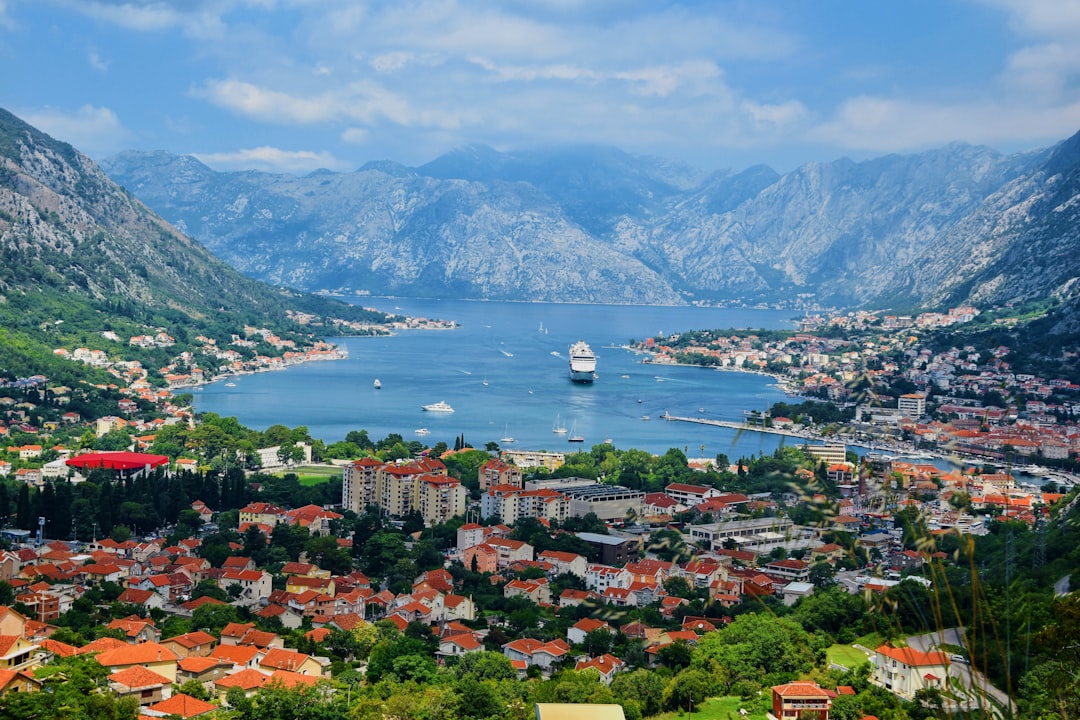
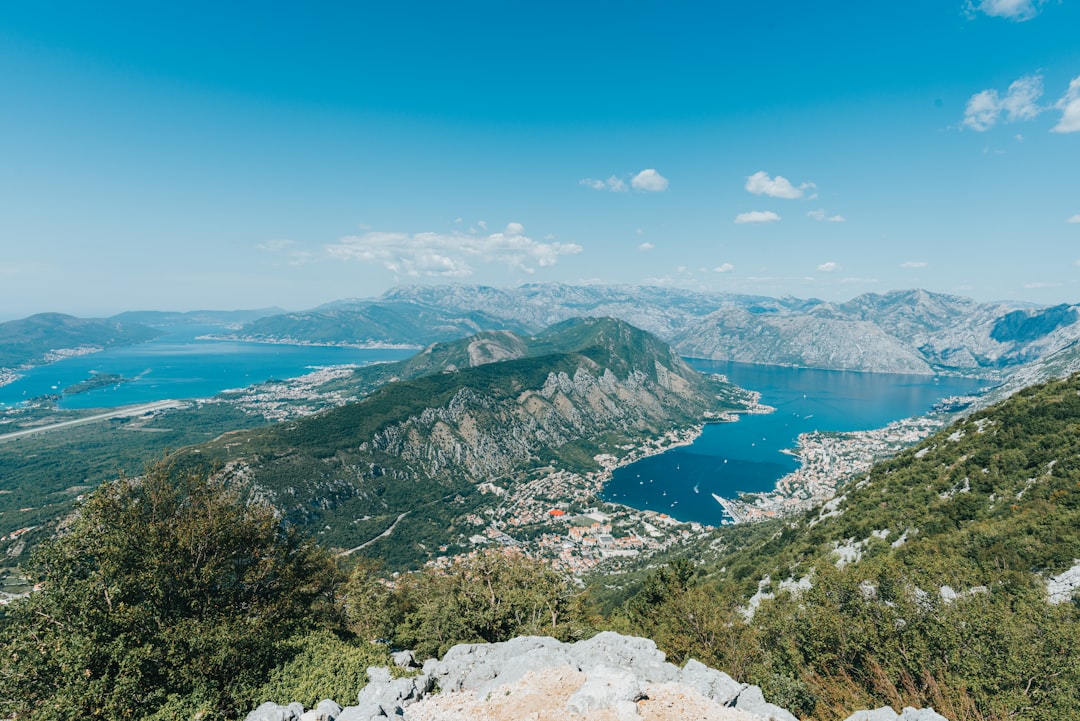
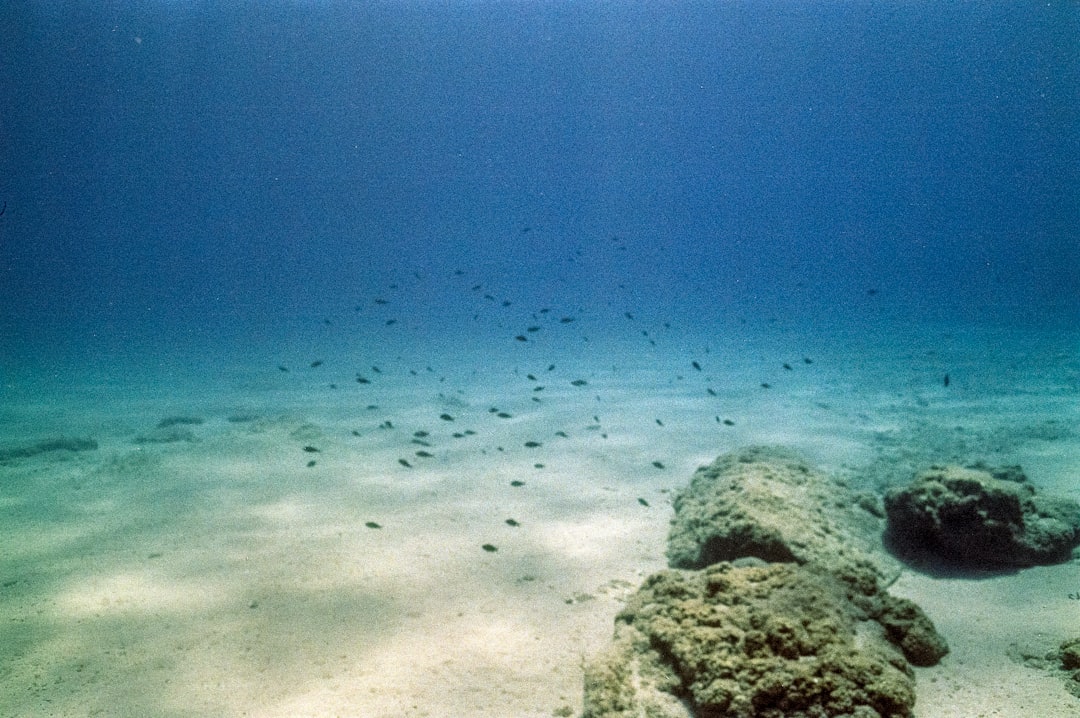
The asphalt on the Ljubović Pass is still radiating heat from the midday sun, baking the soles of my sandals as I stop to catch my breath. Below me, the Bay of Kotor doesn't just sit there; it cuts into the limestone spine of the Dinaric Alps like a jagged scar. It is not a typical Mediterranean beach scene. There are no endless sandy shores here. Instead, you have steep, forested mountains plunging into dark, turquoise water, creating a microclimate that feels more Norwegian fjord than Adriatic coast. A local fisherman in a rusted aluminum boat waves me down, shouting something about the temperature being perfect for swimming, his voice echoing off the sheer rock faces. I jump in without a second thought. The water is shockingly cold, a jarring contrast to the oppressive humidity of the climb, and for a moment, the only thing that exists is the weight of the mountains pressing down on the sea.
History & Identity
The Bay of Kotor is one of only two fjords in the Mediterranean, the other being the Dubrovnik Riviera further south, though Kotor's is far more dramatic in its verticality. This geography dictated its fate for centuries. For most of its history, this inlet was a fortress, not a resort. The Republic of Ragusa controlled it for a time, but it was the Venetian Republic that truly cemented its identity, building the massive stone walls that still encircle the old town of Kotor. The bay was a strategic choke point, a place where empires collided. You can feel this tension in the architecture; every window seems designed for defense, every street a potential ambush route.
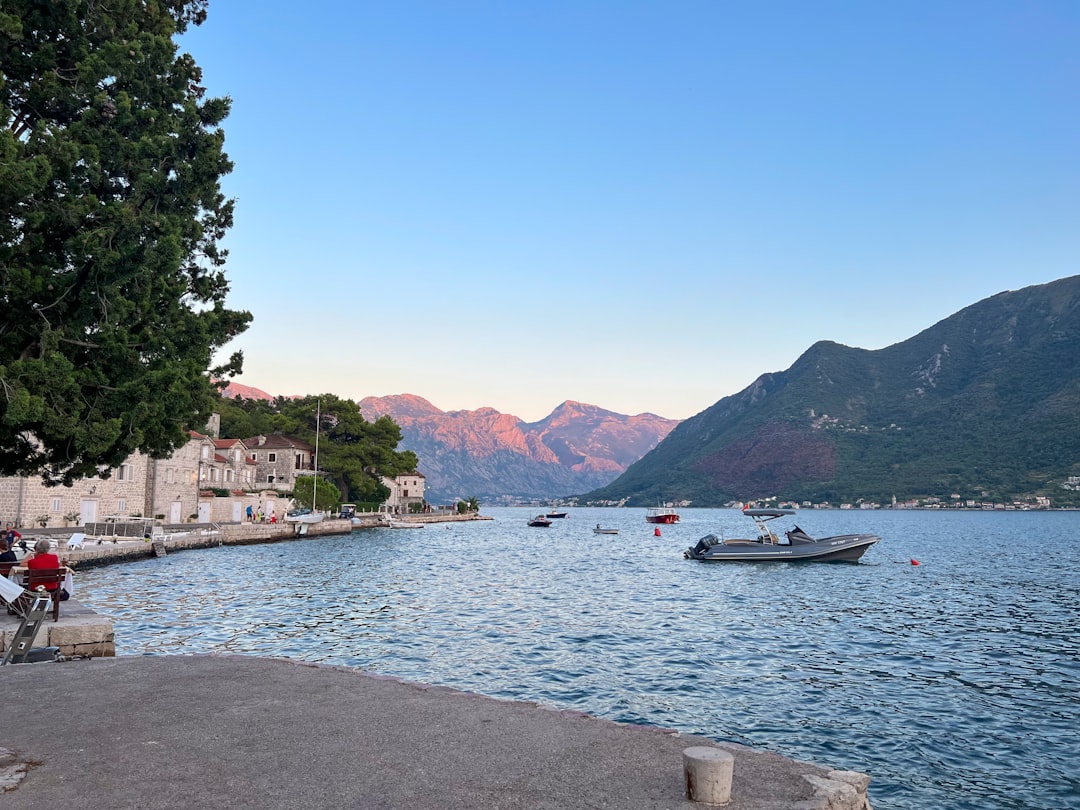
Today, the bay is a UNESCO World Heritage site, but the identity is split. The upper bay is quiet, dominated by fishing villages and olive groves clinging to the terraced hillsides. The lower bay is a tourist engine, churning out cruise ships and day-trippers. The identity crisis is palpable. You have the serene, almost monastic silence of Perast clashing with the neon bars and loud music of Tivat. Yet, the water remains the great equalizer. Whether you are swimming off the stone steps of a 15th-century church or jumping from a cliff in a remote cove, the bay demands respect. It is deep, cold, and unpredictable, a reminder that nature here is still the dominant force.
Where to Go
Kotor Old Town — The heart of the bay, this fortified city is a maze of narrow streets and steep stairs. The highlight is the climb to the San Giovanni Fortress, a 1,350-step ascent that offers panoramic views of the entire bay. Entry to the upper fortress is 5 EUR, while the lower fortress is free. Go early in the morning to avoid the heat and the crowds. The stone walls glow pink at sunset, a sight that justifies the burn in your calves.
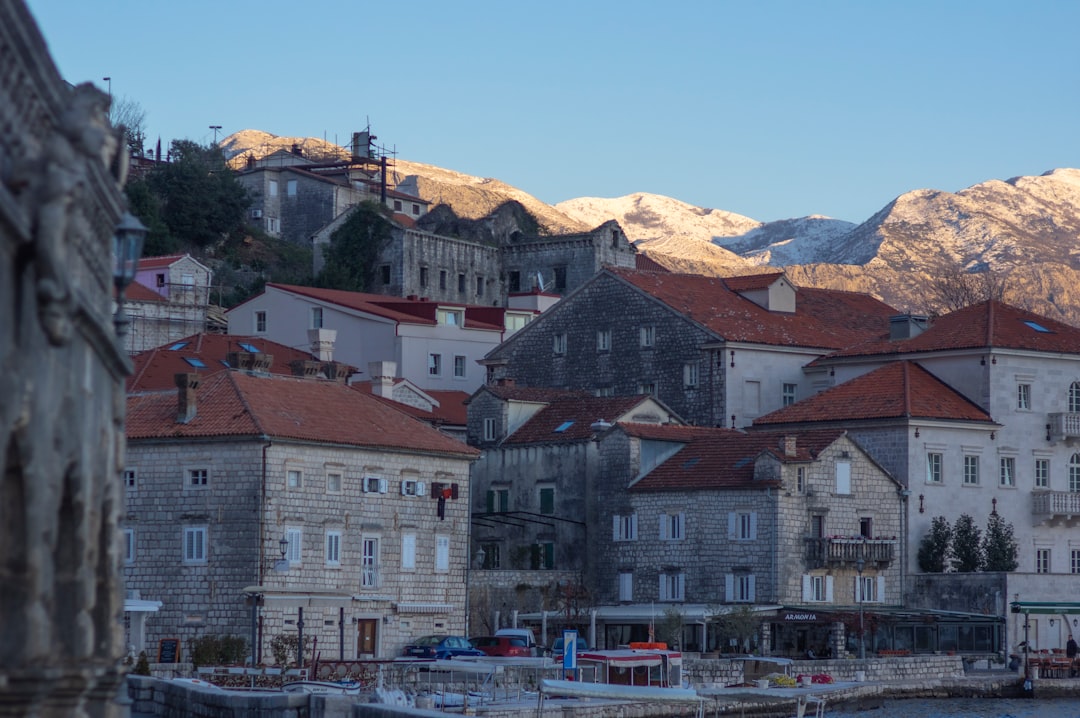
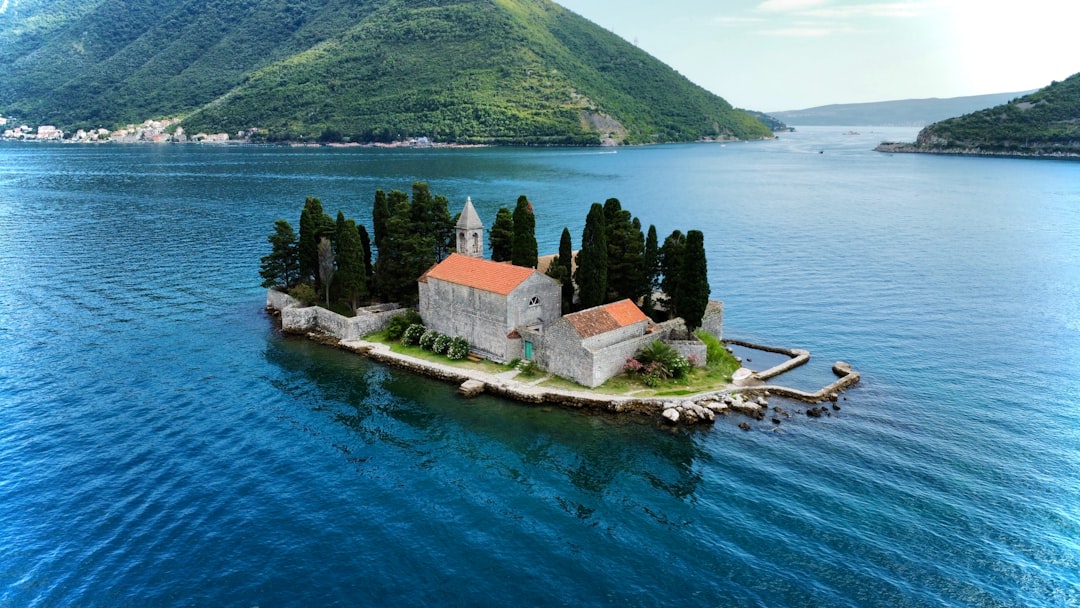
Perast — Located on the northern shore, this is the most elegant town in the bay. It was once the center of maritime power, and its baroque palaces reflect that wealth. The main attraction is the Our Lady of the Rocks, a man-made island and church accessible only by boat. The entry fee is 2 EUR, and the museum inside houses relics from centuries of maritime history. The water here is calm and protected, perfect for a quiet swim.
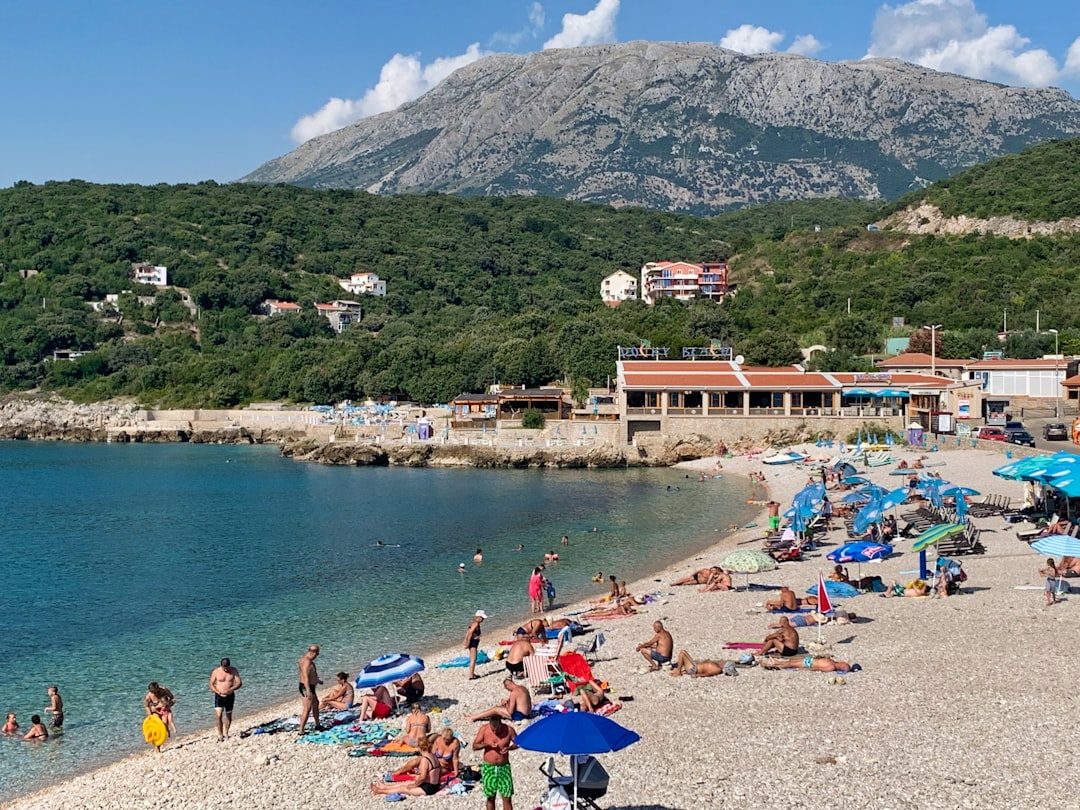
Risan — A small, quiet town at the very top of the bay. It is less crowded than Kotor and offers a more authentic feel. The Risan Roman Villa is a well-preserved archaeological site with stunning mosaics. Entry is 3 EUR. The nearby Kumbor Beach is one of the few sandy beaches in the bay, making it popular with families. The water is shallow and warm, ideal for children.
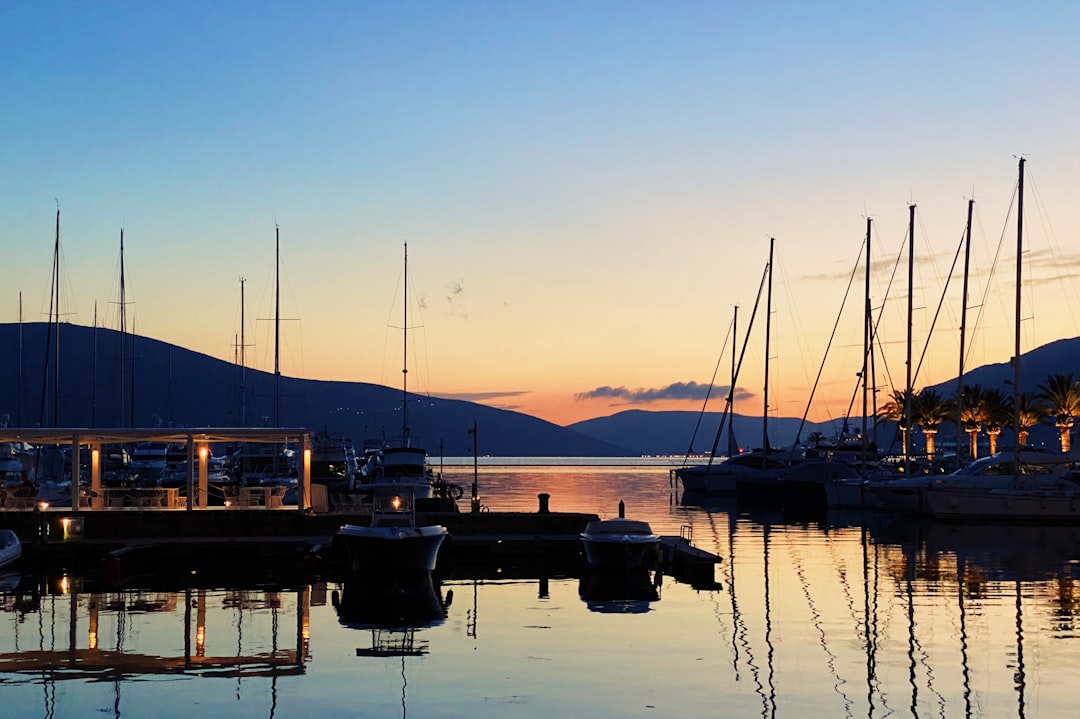
Tivat — The gateway to the bay, known for its modern marina and luxury yachts. The Saint Nicholas Fortress offers a great viewpoint over the marina. Entry is 4 EUR. The town is more commercial, with high-end shops and restaurants, but the waterfront promenade is pleasant for an evening stroll. The contrast between the old fortress and the modern yachts is striking.
Lovćen National Park — Just inland from the bay, this park offers hiking trails with breathtaking views. The summit of Lovćen Peak is a challenging climb, but the reward is a 360-degree view of the bay and the surrounding mountains. The Mausoleum of Njegoš at the top is a significant cultural site. Entry to the park is 4 EUR. Go early to avoid the midday heat.
What to Eat & Drink
The food in Kotor Bay is a mix of Montenegrin and Italian influences, reflecting its history. Fresh seafood is the star, but you can also find hearty meat dishes. Ćevapi — small grilled meat sausages served with onions and flatbread — are a staple, costing around 3-5 EUR. Black Risotto — made with squid ink, served with octopus — is a local specialty, typically 8-12 EUR. Pršut — dry-cured ham — is perfect for an appetizer, 4-6 EUR. Montenegrin Wine — try the Vranac red or the Krstac white, 2-4 EUR per glass. Kompot — a traditional fruit soup — is a refreshing dessert, 2-3 EUR.
Budget travelers can find street food and take-away options for under 5 EUR per meal. Sit-down local restaurants range from 10-20 EUR per person, while mid-range dining is around 20-35 EUR. The Kotor Market is a good place to buy fresh produce and local specialties. The waterfront promenade in Kotor has several cafes and restaurants with varying price points.


Nightlife
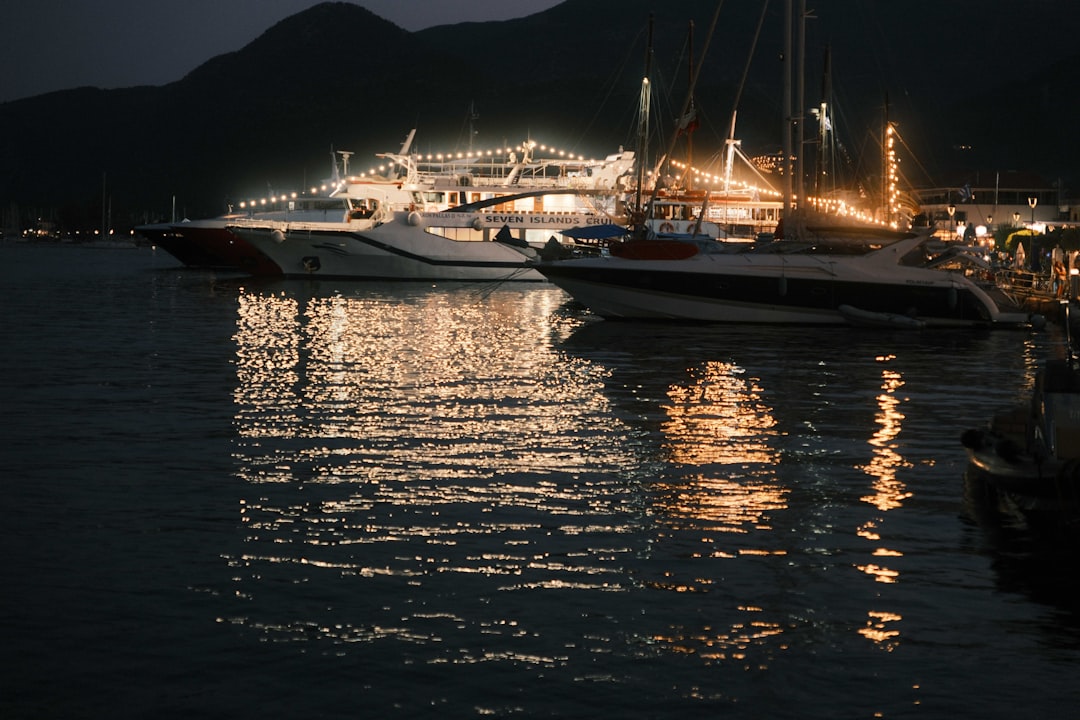
Nightlife in Kotor Bay is centered around the old towns and waterfront promenades. In Kotor, the Sea Gate area is lively in the evening, with bars and clubs spilling out onto the streets. Club 40 is a popular spot for electronic music, with a cover charge of around 5-10 EUR. Bar Bunker offers a more relaxed atmosphere with live music and a view of the bay. In Tivat, the Marina Tivat area has upscale bars and clubs, catering to a more affluent crowd. Yacht Club is a popular venue for cocktails and dancing. The nightlife is generally lively from June to September, with quieter periods in the off-season.
Getting There & What to Expect
The nearest airport is Tivat Airport, which handles seasonal flights from major European cities. From Podgorica Airport, it is a two-hour drive to Kotor. Buses run regularly from Belgrade, Zagreb, and Dubrovnik, with travel times ranging from 4 to 10 hours. Car rental is recommended for exploring the bay and the surrounding mountains. Budget hostels cost around 15-25 EUR per night, while mid-range hotels range from 50-100 EUR. The best months to visit are May and June, or September and October, to avoid the peak summer crowds and heat.
Search accommodation in Kotor on Booking.com →
The Last Drop
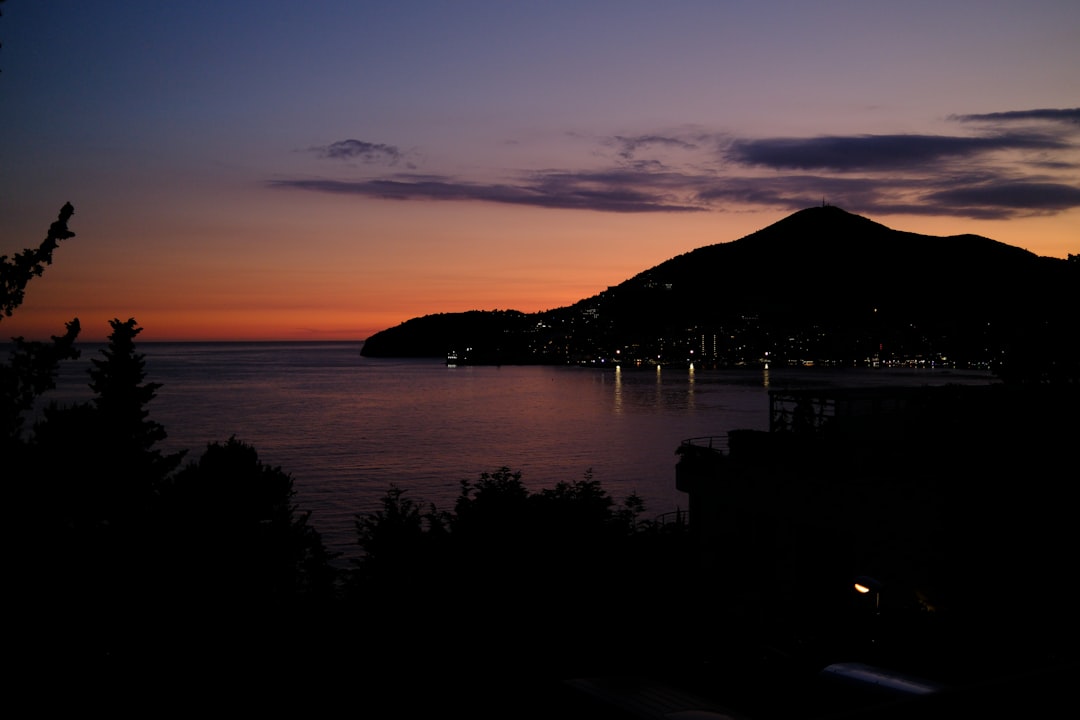
As the sun dips below the Orjen Mountain, the bay turns a deep, bruised purple. The cruise ships have left, and the streets of Kotor are empty. I sit on the steps of the Cathedral of Saint Tryphon, my skin still salty from the afternoon swim. The air is cool, carrying the scent of pine and salt. This place is not for everyone. It is too steep, too crowded, too intense for those seeking a lazy beach holiday. But for those willing to climb, to swim in the cold, to listen to the echoes of history in the stone, it is unforgettable. The bay does not give up its secrets easily. You have to earn them, one step, one lap, one cold shock at a time.
Comments