


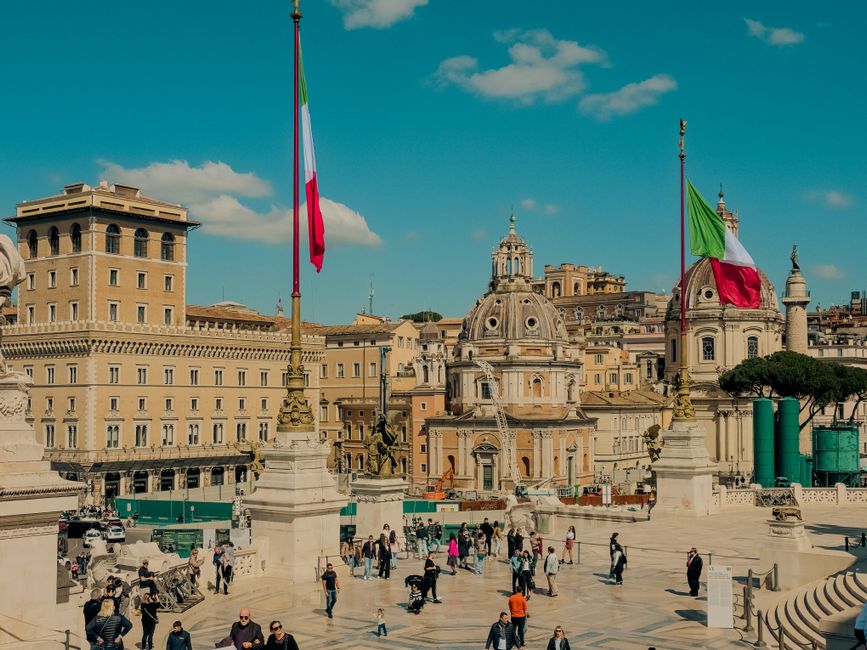
The introduction of a new tourism tax in major Italian cities has ignited a fierce debate among travelers, hoteliers, and regional policymakers, sending ripples through the Balkan tourism sector. As Italy, a cornerstone of European travel, implements stricter measures to curb overtourism in cities like Venice, Rome, and Milan, the impact is being felt from Athens to Bucharest. The policy, which requires visitors to pay an entry fee on top of accommodation costs, signals a broader shift in how European destinations manage mass tourism. For Balkan countries that rely heavily on inbound tourism from Western Europe, these changes could reshape travel patterns, pricing strategies, and destination marketing efforts in the coming years.
The Rise of Tourism Taxes in Europe
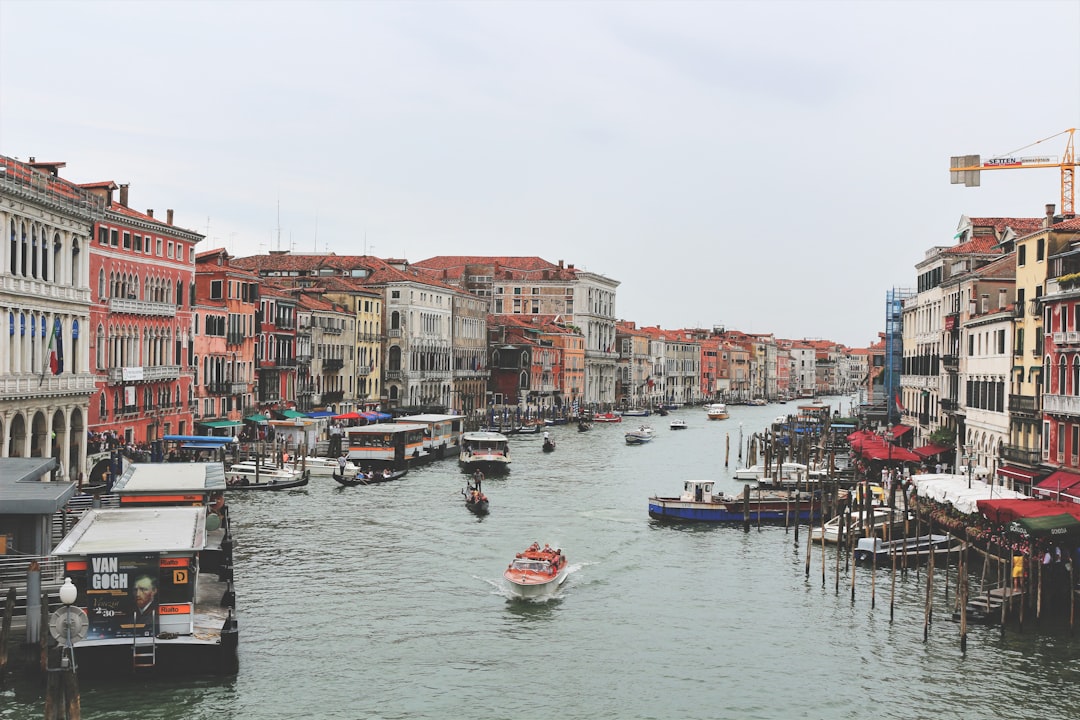
Tourism taxes are not new, but their expansion and increasing amounts reflect a growing concern about the sustainability of popular destinations. Cities like Barcelona, Amsterdam, and Paris have long implemented visitor levies to fund infrastructure and mitigate the social and environmental costs of mass tourism. Now, Italy is joining the ranks with a more aggressive approach. The new fees vary by city and season, with Venice charging up to 5 euros for day visitors during peak months. This move aims to discourage short-term, high-volume tourism while encouraging longer, more responsible stays.
According to the Italian Ministry of Cultural Heritage and Activities and Tourism, the revenue generated from these taxes will be reinvested into urban maintenance, public transport, and cultural preservation. However, critics argue that the burden falls disproportionately on middle-income travelers and small businesses that cannot absorb the added costs. The European Travel Commission reports that such policies may lead to a redistribution of tourist flows, potentially benefiting lesser-known regions in Southern and Eastern Europe, including parts of the Balkans.
Impact on Balkan Tourism Markets
The Balkans have emerged as a rising alternative for European travelers seeking authentic experiences at lower costs. Countries like Croatia, Greece, Albania, and Montenegro have seen steady growth in tourist arrivals over the past decade. With Italy’s new tourism tax, some analysts predict a spillover effect, where cost-conscious travelers redirect their itineraries toward Balkan destinations. This trend is already visible in early booking data for the 2026 summer season, with increased interest in coastal towns in Dalmatia, the Peloponnese, and the Albanian Riviera.
Hotel associations in Serbia and North Macedonia are closely monitoring the situation, noting that their countries are well-positioned to attract overflow demand if Italian cities become too expensive or crowded. The Serbian Tourism Organization has launched targeted digital campaigns highlighting Belgrade’s nightlife and Novi Sad’s cultural festivals as viable alternatives to Milan and Rome. Similarly, Greece’s Hellenic Ministry of Tourism is promoting lesser-known islands and mainland regions to diversify visitor distribution and reduce pressure on hotspots like Santorini and Mykonos.
Policy Responses and Regional Cooperation
In response to Italy’s new tourism tax, several Balkan governments are reassessing their own visitor policies. Bulgaria and Romania, which currently do not impose national tourism taxes, are considering pilot programs in high-traffic areas like Plovdiv and Brasov. These measures aim to balance economic benefits with local community well-being, ensuring that tourism growth does not outpace infrastructure capacity. Regional cooperation through initiatives like the EU’s Horizon Europe program is also facilitating knowledge exchange on sustainable tourism models.
The Balkan Tourism Council, a regional body representing industry stakeholders, has called for a coordinated approach to tourism regulation across Southeast Europe. By sharing best practices and developing joint marketing strategies, member countries can enhance their competitiveness while maintaining the authenticity and affordability that attract international visitors. As Europe redefines its relationship with tourism, the Balkans stand at a crossroads—offering a chance to lead in sustainable growth or risk being left behind.
What to Watch Next
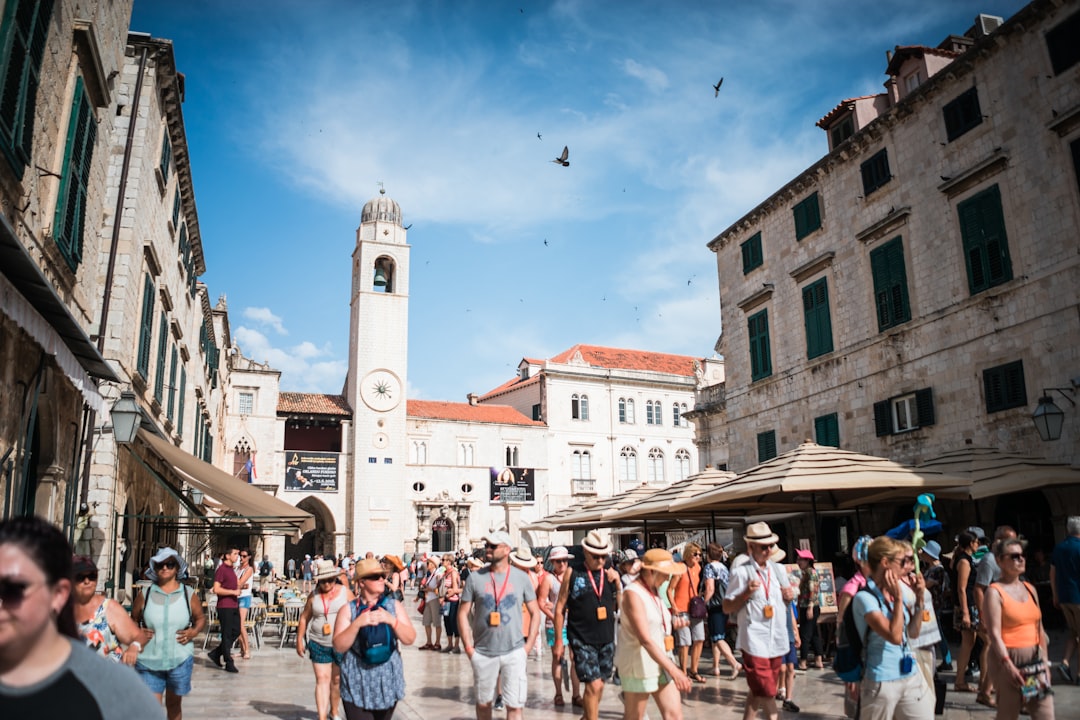
The coming months will reveal whether Italy’s tourism tax leads to a significant shift in traveler behavior or merely adjusts spending patterns within the country. If the policy succeeds in reducing overcrowding, it may serve as a model for other European capitals, including London and Berlin. For the Balkans, the opportunity lies in capitalizing on this moment to position themselves as smart, sustainable alternatives. Travelers seeking value, culture, and nature will find increasingly compelling options in the region, from the medieval streets of Pristina to the mountain trails of Kosovo and the thermal springs of Vrnjacka Banja. As the tourism landscape evolves, the Balkans are poised to play a larger role in Europe’s travel narrative.

Comments