


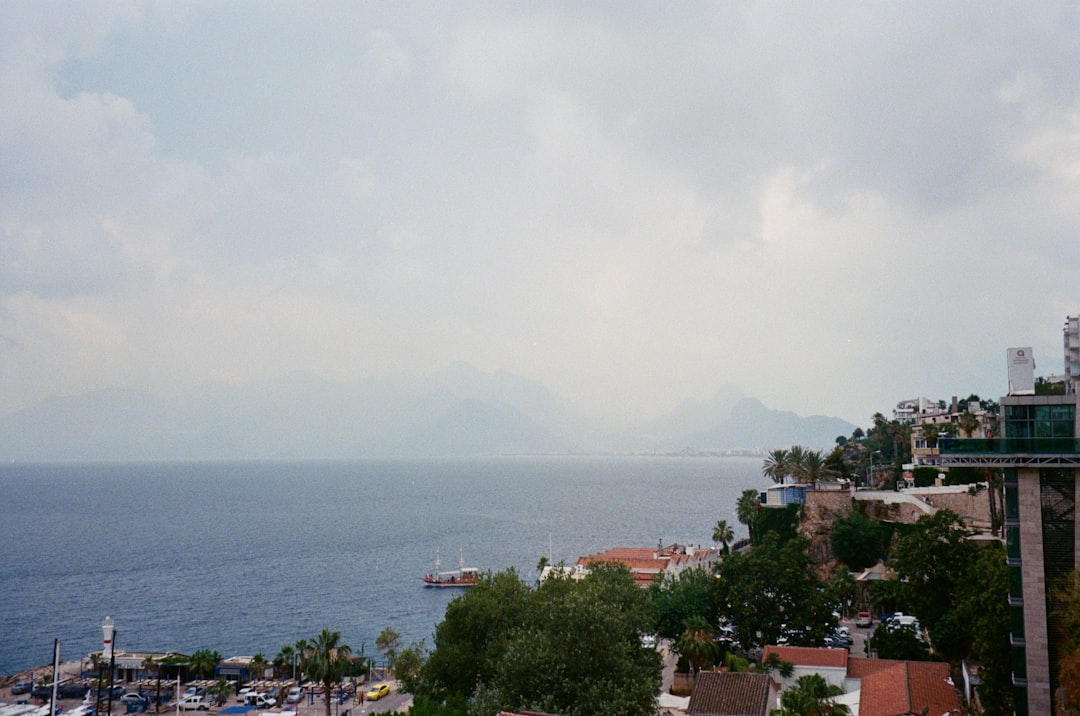
The southern Turkish province of Antalya is experiencing a significant rise in temperatures as the region transitions into its peak summer season. Meteorological forecasts indicate that daily highs will consistently exceed 35 degrees Celsius in the coming weeks, with some inland districts potentially touching 40 degrees. This weather pattern is drawing intense attention from the millions of tourists who flock to the Mediterranean coast each summer, particularly from Balkan nations such as Serbia, Croatia, Bulgaria, and North Macedonia, where Antalya remains a top holiday destination. For travelers, this surge in heat impacts flight schedules, outdoor activity planning, and health precautions, making real-time weather monitoring essential for both visitors and residents.
The trend of rising temperatures in Antalya is not merely a local concern but a regional phenomenon affecting the broader Mediterranean basin. As global weather patterns shift, early and intense heatwaves are becoming more common, altering traditional tourism dynamics. For Balkan audiences, who often rely on summer holidays in Turkey for leisure and family reunions, understanding these weather shifts is vital. The combination of high humidity and intense solar radiation can lead to heat stress, prompting local authorities to issue health advisories and adjust public service operations. This article examines the current weather situation, the implications for tourism infrastructure, and the specific impacts on travelers from the Balkans.
Current Weather Patterns and Meteorological Forecasts
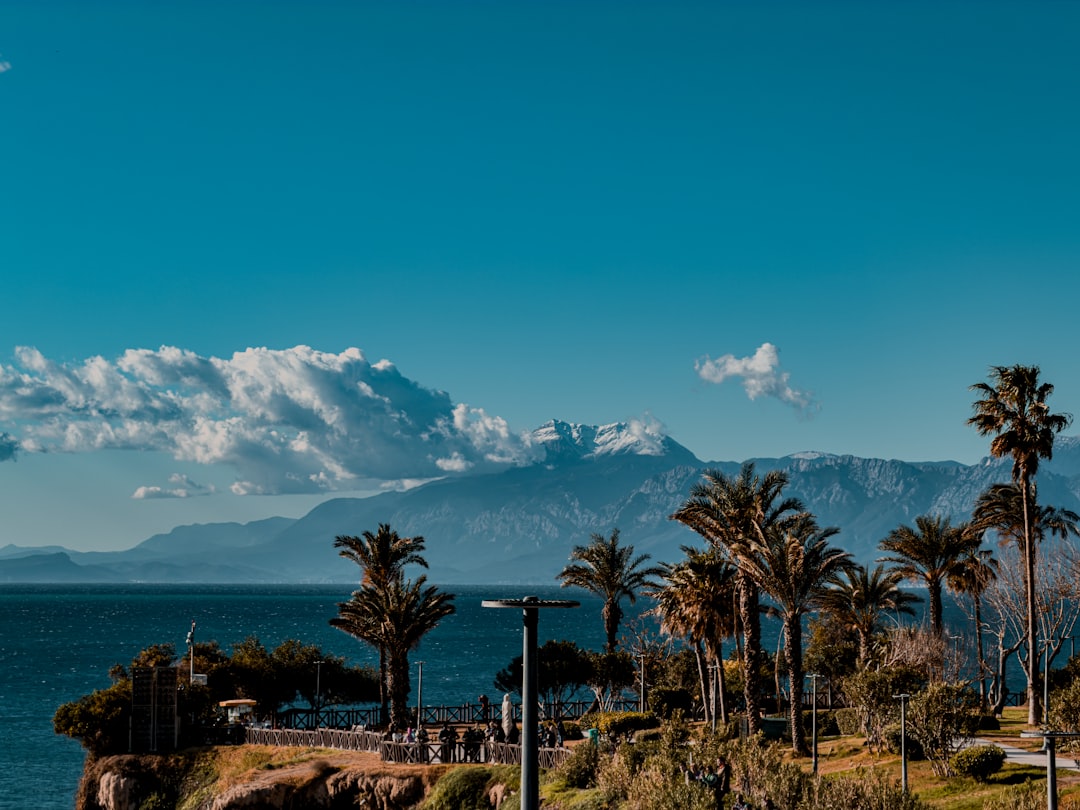
Recent meteorological data reveals that Antalya is undergoing a rapid warming trend. The coastal areas, including popular districts like Kemer, Belek, and Alanya, are seeing daytime temperatures stabilize in the mid-30s Celsius. However, inland areas such as Konyaaltı and Muratpaşa often experience slightly higher peaks due to their topographical characteristics. Nighttime temperatures are also rising, rarely dropping below 20 degrees Celsius, which reduces the relief typically sought by residents and tourists after a hot day. This consistent heat is driven by a high-pressure system dominating the eastern Mediterranean, a pattern that meteorologists predict will persist for at least the next two weeks.
The Turkish State Meteorological Service (MGMS) has issued bulletins highlighting the potential for intense UV radiation levels. The UV index is expected to reach "very high" or "extreme" categories during midday hours, necessitating strict sun protection measures. Local news outlets, including regional broadcasters, have been closely monitoring these developments to provide accurate, district-by-district updates. For instance, forecasts for Manavgat and Serik indicate slightly higher humidity levels due to proximity to the sea, which can make the perceived temperature feel hotter than the actual air temperature. This phenomenon, known as the heat index, is a critical factor for outdoor enthusiasts and those planning to visit historical sites such as Aspendos or Perge.
Historical climate data shows that June is traditionally the month when Antalya begins its transition into the intense summer heat. However, recent years have seen this transition occurring earlier and with greater intensity. Climate experts note that the Mediterranean region is warming at a rate faster than the global average, a trend that has significant implications for water resources and agricultural output in the province. The agriculture sector, which relies heavily on irrigation for fruits, vegetables, and olives, is already adapting to these changing conditions. For tourists, this means that the water supply in some hotels and public fountains may be under strain, prompting recommendations to conserve water and stay hydrated.
Impact on Tourism and Balkan Travelers
Antalya is one of the most popular holiday destinations for citizens from the Balkans. Every summer, hundreds of thousands of tourists from Serbia, Croatia, Bulgaria, North Macedonia, and Bosnia and Herzegovina travel to the Turkish Riviera. The sudden increase in temperature has direct implications for these visitors. Many Balkan tourists arrive in early June expecting mild spring-like weather, only to encounter intense heat. This shift can affect travel plans, particularly for families with young children or elderly individuals who may be more susceptible to heat-related illnesses. Travel agencies in Balkan countries are increasingly advising clients to pack appropriate sun protection, light clothing, and sufficient hydration supplies.
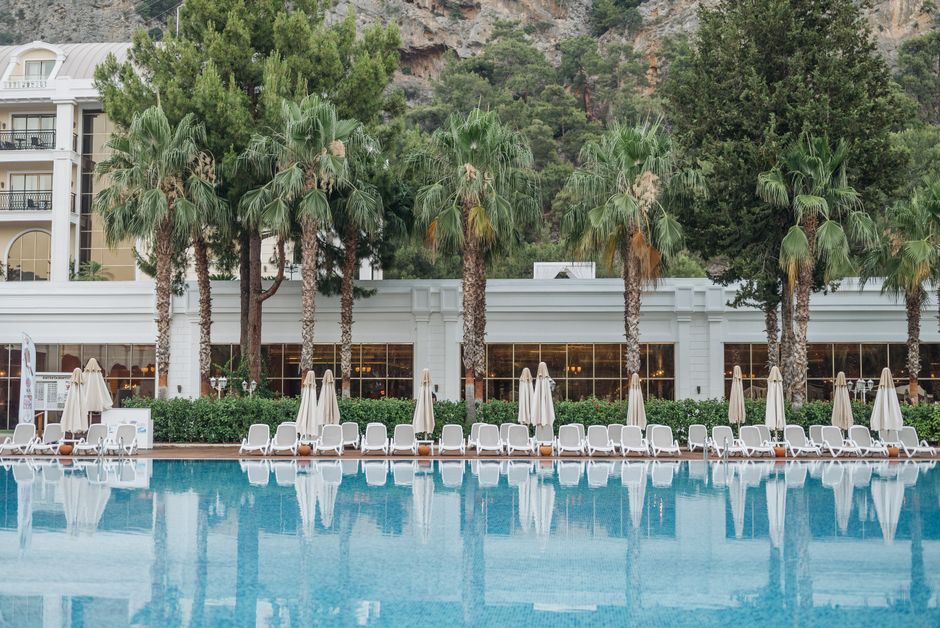
The tourism infrastructure in Antalya is well-equipped to handle high temperatures, with most hotels offering air-conditioned rooms, shaded pools, and indoor entertainment options. However, the cost of electricity can rise during peak usage periods, leading some establishments to adjust their energy policies. For independent travelers staying in apartments or villas, it is important to check the availability of cooling systems before booking. Additionally, popular outdoor attractions such as Düden Waterfalls and Konyaaltı Beach may become overcrowded during the cooler morning hours, prompting visitors to adjust their itineraries. Local authorities have increased the presence of medical teams and water stations at major tourist sites to ensure public safety.
For Balkan tourists, the heat also influences transportation choices. Long bus journeys from airports to hotel zones can be uncomfortable if vehicles are not adequately cooled. Private transfers and rental cars with functional air conditioning are highly recommended. Furthermore, the intense sun can affect road conditions, leading to potential traffic slowdowns or increased accident risks. Drivers are advised to take frequent breaks and avoid driving during the hottest part of the day. The Turkish Ministry of Culture and Tourism has launched campaigns to promote "smart tourism," encouraging visitors to explore museums, indoor markets, and evening bazaars to avoid the midday heat. These initiatives are particularly relevant for Balkan tourists who value cultural experiences alongside beach relaxation.
Health Advisories and Safety Precautions
Local health authorities in Antalya have issued specific guidelines for residents and tourists to mitigate the risks associated with extreme heat. The primary recommendation is to stay hydrated by drinking plenty of water, even if not feeling thirsty. Dehydration can occur rapidly in high-temperature environments, especially when combined with physical activity such as swimming, hiking, or sightseeing. Health officials also advise avoiding alcohol and caffeine, as these substances can contribute to dehydration. For Balkan tourists, who may not be accustomed to such intense heat, these precautions are particularly important. Symptoms of heat exhaustion, including dizziness, nausea, and excessive sweating, should be taken seriously, and medical assistance should be sought immediately if they occur.
Sun protection is another critical aspect of staying safe in Antalya's summer heat. The UV index can reach extreme levels, increasing the risk of sunburn and long-term skin damage. Tourists are encouraged to use sunscreen with a high SPF rating, wear wide-brimmed hats, and seek shade during peak sun hours, typically between 11:00 AM and 4:00 PM. Sunglasses with UV protection are also recommended to prevent eye strain and potential damage. For those engaging in water sports, waterproof sunscreen is essential, as water reflects sunlight and can intensify UV exposure. Local pharmacies and supermarkets in Antalya stock a wide range of sun protection products, making it easy for tourists to purchase necessary items.
In addition to personal health measures, tourists should be aware of their surroundings and plan their activities accordingly. Indoor attractions such as the Antalya Museum, Hadrian's Gate, and various shopping malls offer air-conditioned environments where visitors can escape the heat. Evening activities, such as dinner cruises or visits to the Kaleiçi** old town, are more comfortable and allow tourists to experience the local culture without the burden of intense sunlight. Local authorities are also monitoring air quality levels, as high temperatures can sometimes lead to increased dust and pollen levels, which may affect individuals with allergies or respiratory conditions. By staying informed and taking proactive measures, tourists from the Balkans and beyond can enjoy a safe and pleasant holiday in Antalya despite the rising temperatures.
Comments