


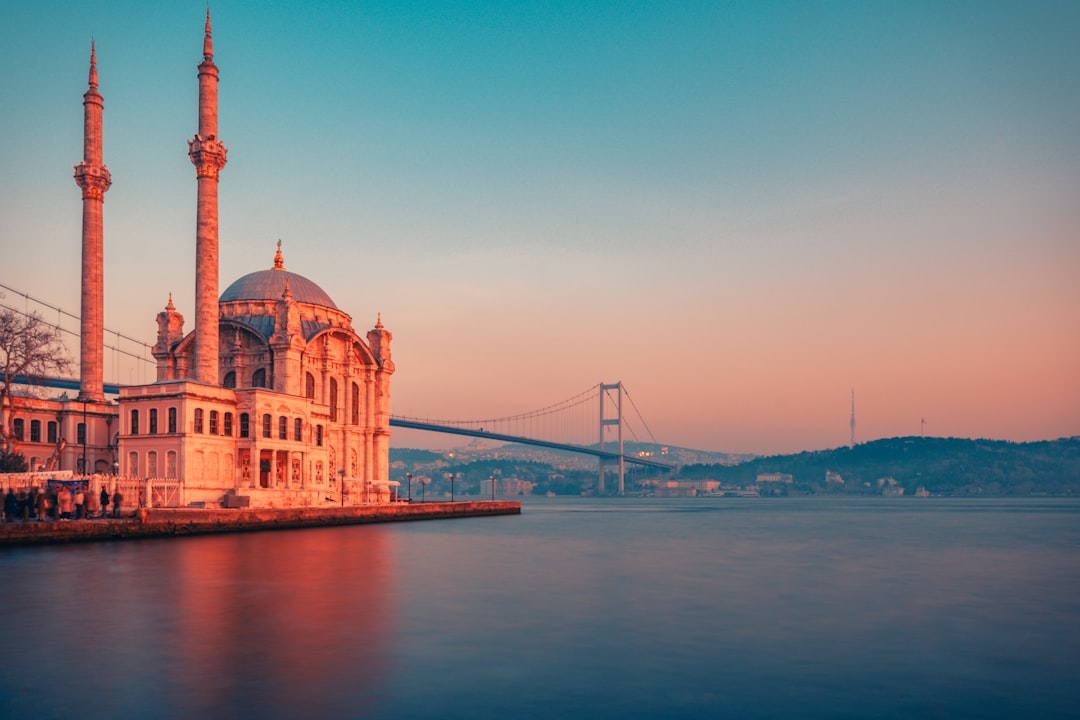
The air in Istanbul tastes like cumin, diesel fumes, and old stone. I sat on a plastic stool in a cramped courtyard off İstiklal Avenue, clutching a glass of raki that burned my throat while a stray cat judged me with the cold, ancient eyes of a Janissary. The call to prayer rolled over the rooftops, clashing with the screech of tram brakes and the shouting of a fruit vendor three tables down. This isn't a city you visit; it's a city that happens to you. It is a beautiful, exhausting, impossible contradiction where the Hagia Sophia's golden dome watches over a skyline of glass skyscrapers that shouldn't exist. I came for history, but I stayed because the chaos is the only thing that feels real.
There is no "beaten path" here because the path keeps changing. One minute you are walking through the silent, shadowed vaults of a Byzantine cistern, the next you are dodging tour buses in a traffic jam that stretches back to the Ottoman Empire. Istanbul doesn't care about your itinerary. It demands you surrender to its rhythm, a frantic pulse that has survived earthquakes, crusades, and empires. If you try to control it, it will break you. If you let it flow through you, it will change you.
History & Identity
The weight of Istanbul is physical. You feel it in the cobblestones of Sultanahmet, where the ground is littered with the bones of three empires: Roman, Byzantine, and Ottoman. The city was originally Byzantium, then Constantinople, and finally Istanbul. Each name represents a shift in global power, a turning of the world's axis. The Byzantine Empire held the line against the East for a millennium, building walls and churches that still stand today, defying the logic of time.
When the Ottoman Empire took the city in 1453, they didn't erase the Byzantines; they built over them. The Hagia Sophia was converted into a mosque, minarets added to its Christian cross. Later, it became a museum, then a mosque again. This layering is the essence of the city. It is not a clean slate but a palimpsest, where every stone has been written on, scraped, and written on again. The identity of Turkey itself is rooted here — a secular republic born from the ashes of a caliphate, constantly negotiating its place between Europe and Asia.
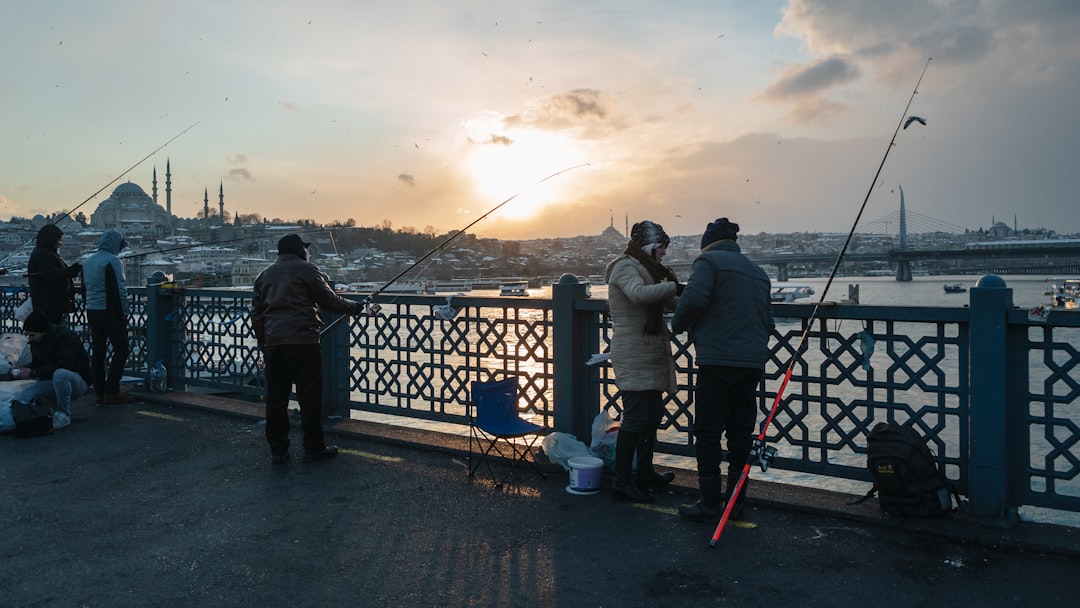
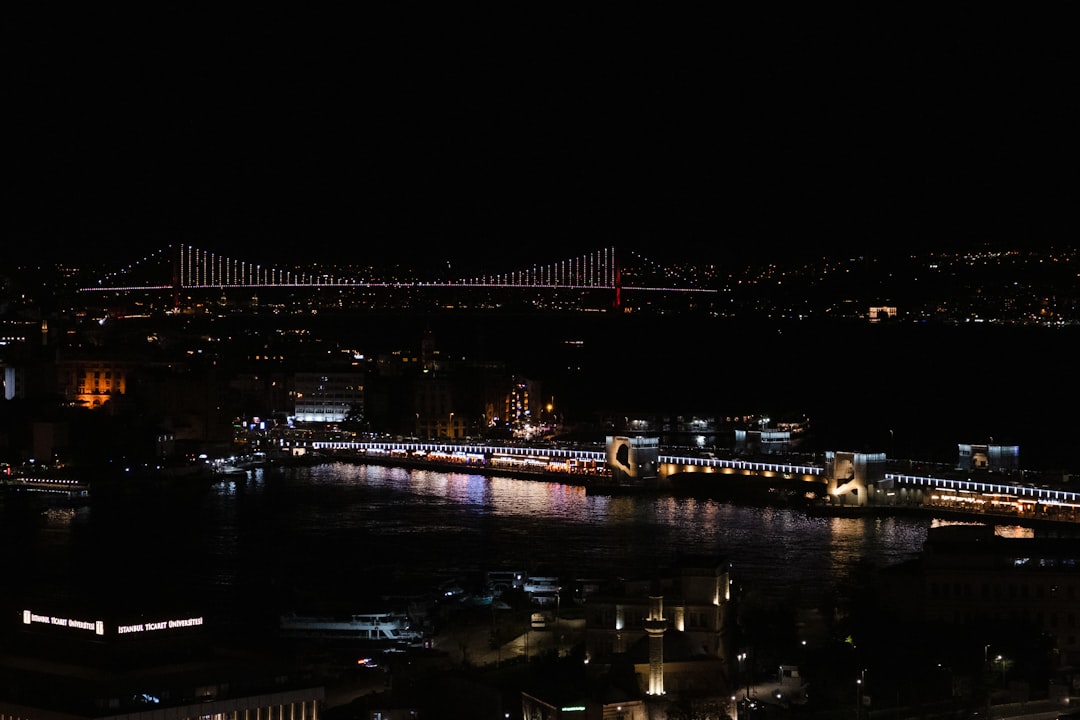
The Bosphorus Strait is the city's spine and its scar. It cuts the continent in two, separating Europe from Asia in a mere 700 meters of water. For centuries, this waterway was the most strategic point on Earth, controlling trade and military movement. Today, it is a ferry route and a tourist postcard, but the tension remains. The city is physically divided, yet culturally inseparable. You cannot understand Istanbul without understanding this split, this constant looking over the shoulder to the other side.
Where to Go
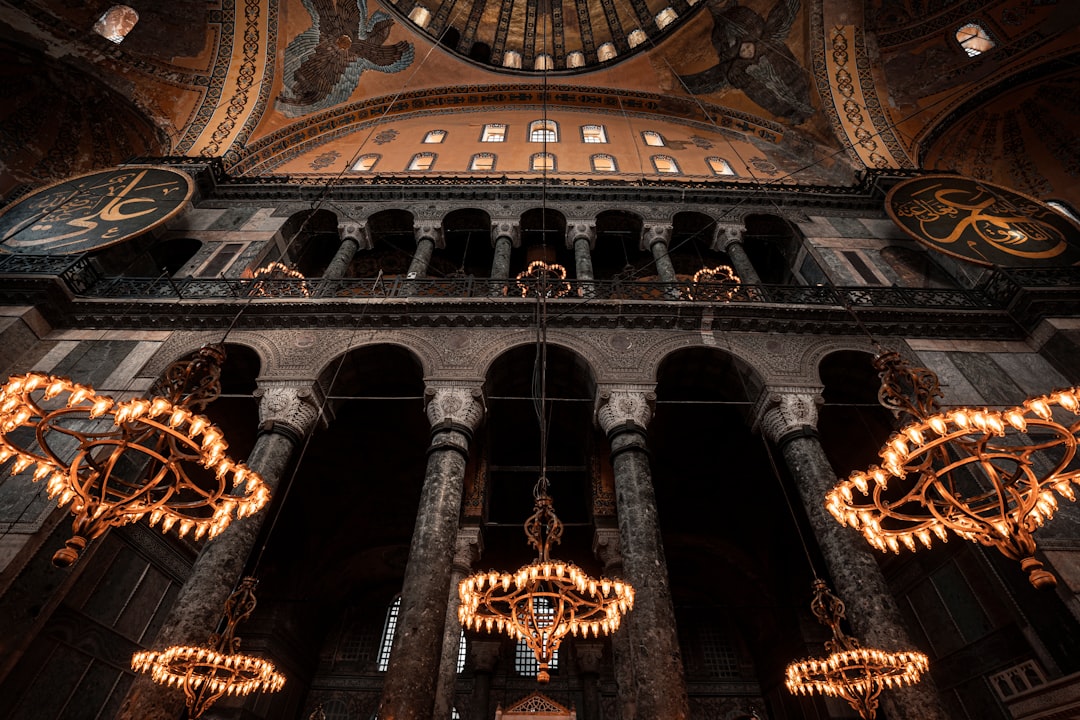
Hagia Sophia — The architectural beast that started it all. Built in 537 AD as a cathedral, converted to a mosque, then a museum, and back to a mosque. The dome is a miracle of engineering, seeming to hang from heaven by a golden chain. The interior is a dizzying mix of Christian mosaics and Islamic calligraphy. Entry is now free as a mosque, but donations are expected. Go early in the morning to avoid the crowds. The acoustics are deafening, and the scale is humbling.
Topkapi Palace — The seat of Ottoman power for 400 years. It's not a castle in the European sense but a sprawling complex of courtyards, harem quarters, and treasure rooms. The Topkapi Palace feels more like a city within a city. The Harem section requires a separate ticket and is worth it for the intricate tile work and the glimpse into the private lives of the Sultans. The view from the Bab-ı Hümayun gate over the Golden Horn is one of the best in the city.
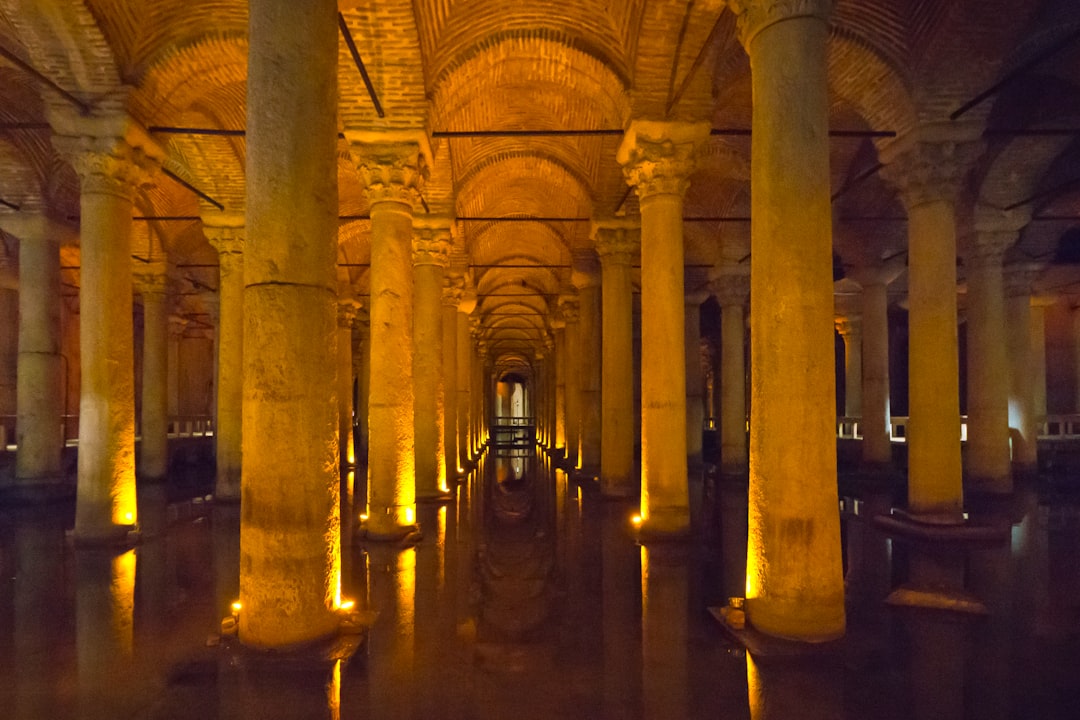
Basilica Cistern — A subterranean maze of 336 marble columns sinking into the earth. The Basilica Cistern is eerie, damp, and utterly unforgettable. The dim lighting and the reflection of the columns in the dark water create a surreal atmosphere. Look for the two Medusa heads, one upside down and one sideways, their origins still debated by historians. It's a 10-minute walk from the Hagia Sophia, but it feels like a different dimension.
Grand Bazaar — A labyrinth of 4,000 shops selling everything from carpets to spices. The Grand Bazaar is chaotic, overwhelming, and essential. It's not just a market; it's a social institution. Haggle hard, drink tea, and get lost. The central courtyard offers a brief respite with its cafes. Don't buy anything in the first shop you see. Walk deeper into the alleys for better prices and less aggressive vendors. It's a sensory assault, but that's the point.
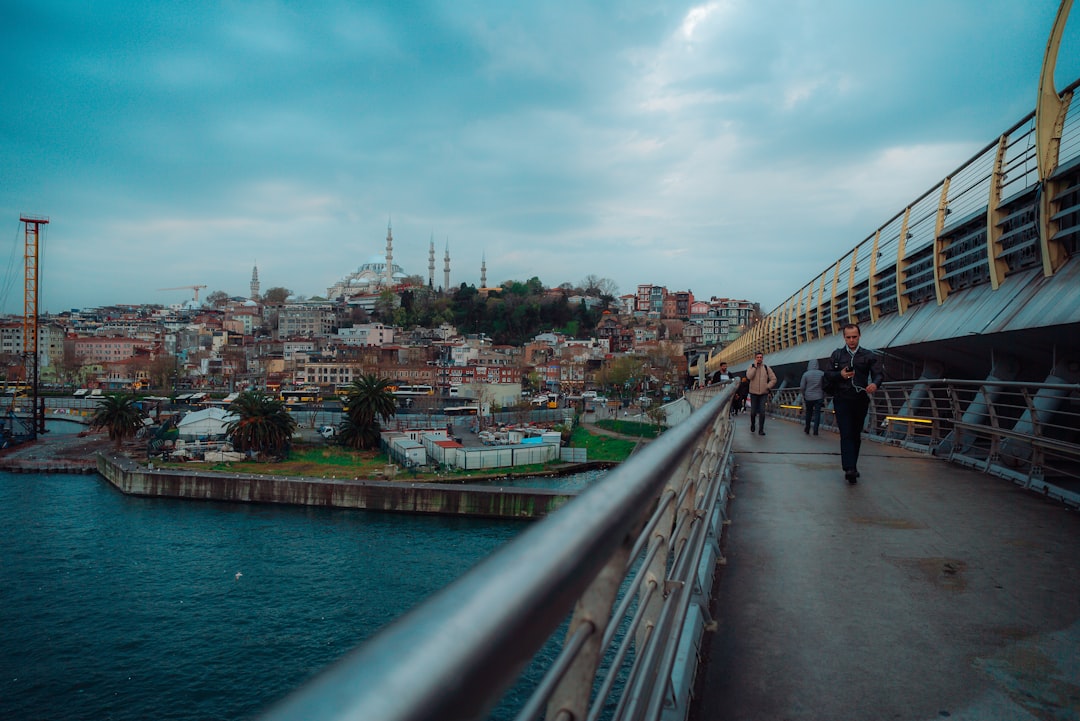
Suleymaniye Mosque — The masterpiece of Sinan, the greatest Ottoman architect. Located on the Third Hill, the Suleymaniye Mosque offers a panoramic view of the Golden Horn and the city. It is less crowded than the Hagia Sophia and feels more serene. The architecture is balanced, perfect, and imposing. The complex includes a hospital, school, and tomb, showing the holistic nature of Ottoman urban planning. A quiet place to reflect amidst the chaos.
What to Eat & Drink
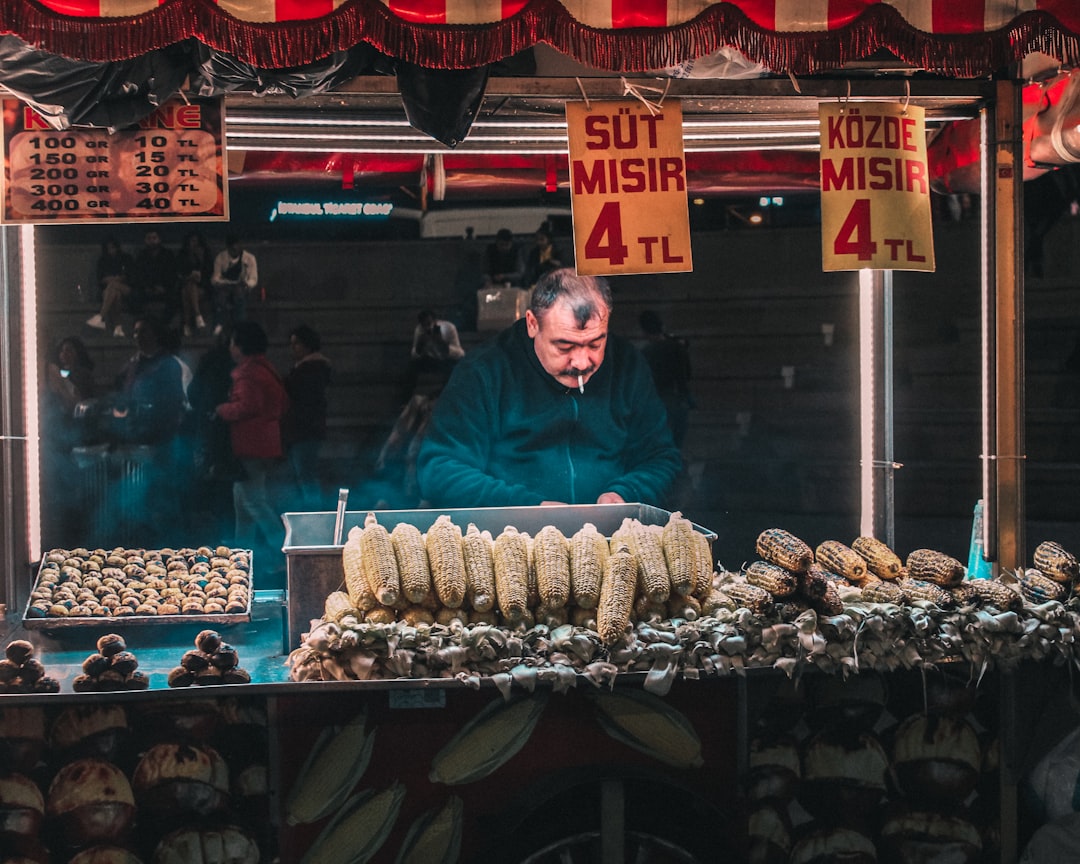
Food in Istanbul is fuel, ritual, and art. You cannot survive here without eating. The street food is cheap, abundant, and delicious. Köfte (meatballs) — 3-5 EUR — are sold from carts everywhere. Simit (sesame bread rings) — 0.50-1 EUR — are the perfect breakfast snack. Baklava — 5-10 EUR — is everywhere, but the best is found in small, family-run shops in Beyazıt or Tarlabasi. Lahmacun (Turkish pizza) — 3-6 EUR — is thin, crispy, and topped with herbs and lemon. Döner Kebab — 4-7 EUR — is the king of fast food, and the vertical rotisserie is a sight to behold.
Budget breakdown: Street food and take-away meals will cost you 3-8 EUR per meal. A sit-down meal at a local lokanta (traditional restaurant) with a glass of ayran and a main dish will set you back 8-15 EUR. Mid-range restaurants in tourist areas like Taksim or Karaköy range from 15-25 EUR per person. For a luxury experience at a Bosphorus-view restaurant, expect to pay 50-100 EUR or more. The Spice Bazaar** (Mısır Çarşısı) is a great place to buy spices, Turkish delight, and nuts for your own cooking. It's smaller than the Grand Bazaar but more focused on food.
Drink Çay** (Turkish tea) everywhere. It's served in small, tulip-shaped glasses and is virtually free in many shops if you're browsing. Raki, the anise-flavored spirit, is the national drink. It turns milky white when mixed with water and is best enjoyed with meze. Turkish Coffee is strong, unfiltered, and served with a Turkish delight. It's a ritual, not just a drink. Don't rush it.
Nightlife
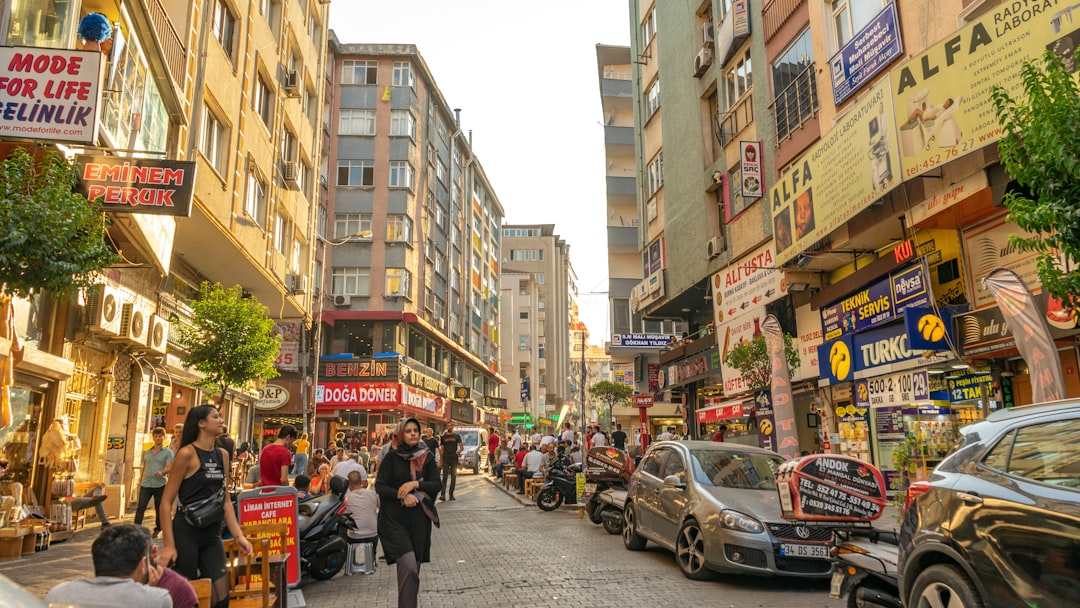
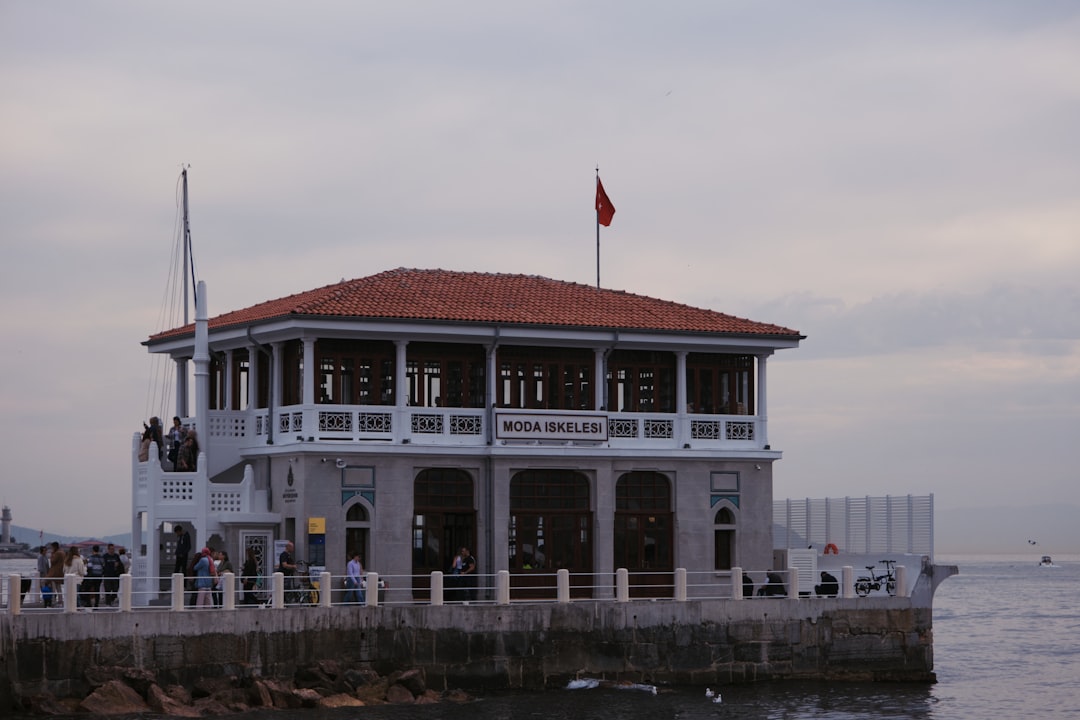
The nightlife in Istanbul is as divided as the city itself. Taksim Square and İstiklal Avenue are the heart of the European side's party scene. Asmalımescit street is packed with bars and clubs, playing everything from Turkish pop to electronic dance music. Cover charges range from 10-20 EUR depending on the venue. Kadıköy on the Asian side is the bohemian alternative, with indie bars, jazz clubs, and a more relaxed vibe. Moda** street is lined with cafes and bars with sea views. It's cheaper, cooler, and less touristy.
For a unique experience, try a rooftop bar with a view of the Bosphorus. Cihangir is a trendy neighborhood with art galleries and cocktail bars. Beyoglu is the historic entertainment district, with a mix of old-school pubs and modern clubs. Karaköy has seen a surge in hipster bars and craft breweries in recent years. The party goes late, often until 4 or 5 AM. Dress codes vary, but smart casual is safe for most upscale venues.
Getting There & What to Expect
The nearest airport is Istanbul Airport (IST) on the European side, which replaced the older Atatürk Airport. It is connected to the city center by the Havaist buses and the Metro M11 line, taking about 40-60 minutes depending on traffic. Sabiha Gökçen Airport (SAW) is on the Asian side and is mainly used by budget airlines. It is connected to the city by Havaist buses and metro, taking about 60-90 minutes. There are also ferries from the airport to the Asian side, which are cheaper and offer a scenic route.
Accommodation prices vary widely. Budget hostels in Taksim or Sultanahmet cost 20-40 EUR per night. Mid-range hotels range from 50-100 EUR per night. Luxury hotels in historic buildings or with Bosphorus views can cost 150-300 EUR or more. The best months to visit are April-May and September-October, when the weather is mild and the crowds are thinner. Summer is hot and crowded, while winter is cold and rainy.
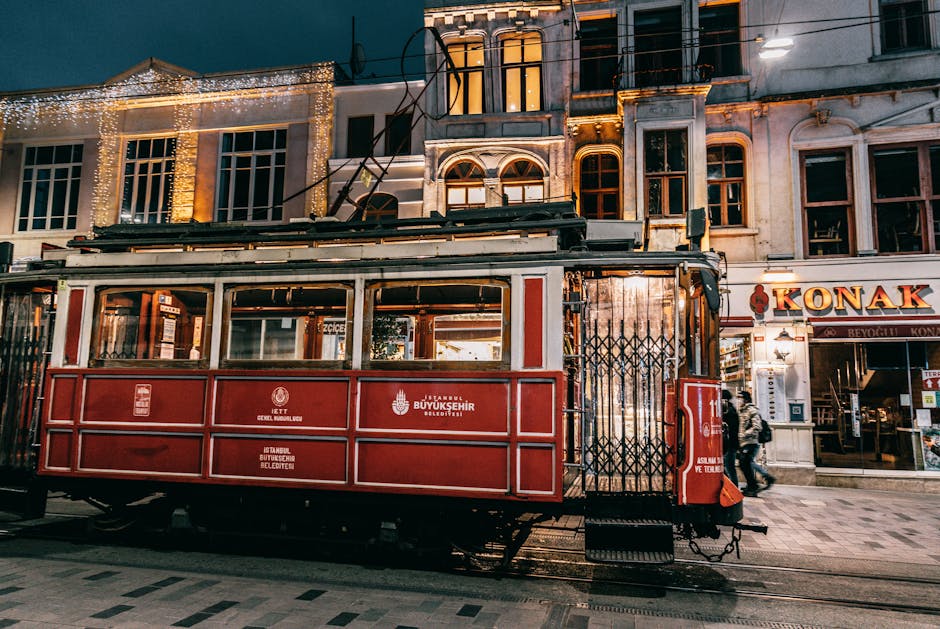
Expect chaos, heat, and hospitality. Istanbulis are proud of their city and will often stop to help you find your way. Dress modestly when visiting mosques (cover shoulders and knees). Learn a few Turkish phrases — "Merhaba" (hello), "Teşekkür ederim" (thank you), and "Kaç para?" (how much?) will go a long way. The city is walkable, but use the metro, trams, and ferries to avoid traffic. The Ferries are the best way to cross the Bosphorus and enjoy the views.
Search accommodation in Istanbul on Booking.com →
The Last Ferry Ride
I took the last ferry from Kadıköy to Eminönü as the sun dipped below the horizon. The wind was cold, the water dark, and the city lights reflected on the waves like shattered glass. I stood at the back of the boat, watching the minarets fade into the twilight, feeling the weight of the city in my chest. Istanbul doesn't let you go easily. It burrows into your skin, your lungs, your dreams. You think you've seen it all, but you haven't. There's always another alley, another mosque, another cup of tea waiting. It's a city that refuses to be defined, that insists on being experienced, raw and unfiltered. And that's why you'll go back. You have to. The Bosphorus is calling.

Comments