


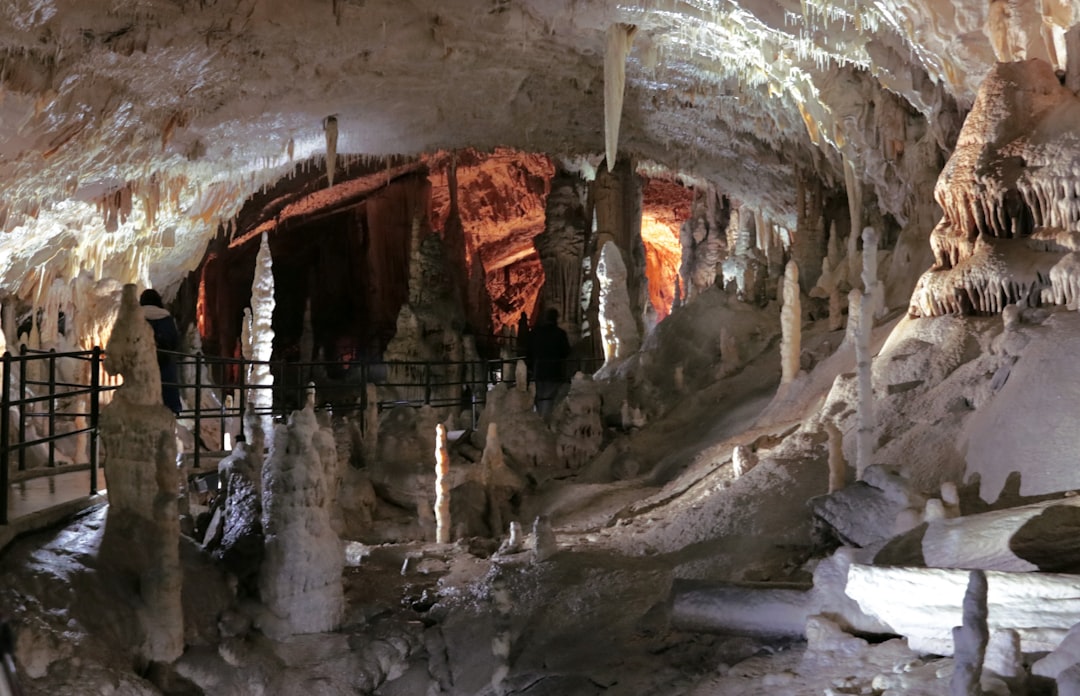
The air inside the Postojna Cave doesn't just feel cold; it feels heavy, like a physical weight pressing against your chest. I stood at the entrance, shivering in a jacket that felt woefully inadequate against the perpetual 8-degree Celsius chill that has persisted here for millennia. My guide, a local caver with forearms like knotted rope and a flashlight that could blind a bat, looked at my thin windbreaker and laughed. It wasn't a cruel laugh, but it was dismissive. "You think you can walk in here dressed for a summer picnic?" he asked, his voice echoing slightly in the limestone throat of the cave. He was right. Most tourists treat this place like a theme park attraction, but the deeper you go, the more the reality sets in: you are invading a hostile, alien environment. This isn't a stroll; it's an expedition into the dark, and without the right preparation, you're just a soft, warm target for the dampness.
I've spent years chasing underground rivers and limestone labyrinths across the Balkans and beyond, from the karst fields of Croatia to the deep fissures of Bulgaria. But Postojna Cave is different. It is a masterpiece of commercial caving, engineered for millions of visitors, yet it retains a primal edge that catches the unprepared off guard. The safety protocols are strict, the infrastructure is world-class, but the environment itself demands respect. If you are planning to descend into this subterranean cathedral, you need to know what to wear, what to bring, and how to behave when the lights go out and the only sound is the drip of water on stone. This is your survival guide to the dark.
The Cold Reality: Dressing for the Underground
The first mistake almost everyone makes is underestimating the temperature. Postojna Cave maintains a constant 8 degrees Celsius year-round. In winter, when the surface temperature drops to zero, the cave feels warm by comparison. But in July, when it's 30 degrees outside, the cave hits you like a wall of ice. The humidity is nearly 100%, which means sweat doesn't evaporate; it soaks into your clothes, turning you into a shivering mess within minutes. Cotton is your enemy. It absorbs moisture and loses all insulating properties. You need synthetic layers or wool. Start with a moisture-wicking base layer to keep sweat off your skin. Add a mid-layer fleece for insulation, and finish with a windproof outer shell. The air inside is still, but the drafts from the shafts can be biting.
Footwear is non-negotiable. You are walking on surfaces that range from polished concrete paths to natural limestone that is slick with condensation. Sandals, flip-flops, or smooth-soled dress shoes are a recipe for disaster. You need boots or sturdy hiking shoes with aggressive tread and ankle support. The paths are well-lit and maintained, but a slip on a wet rock can mean a sprained ankle or worse in a place where help is minutes away. I've seen tourists wipe out on the steeper sections near the Pivka River, their cheap sneakers offering zero grip. Bring old shoes if you have to, but bring shoes that stick. The dampness also means your socks will get wet. Pack an extra pair in your bag, just in case you plan to spend more than an hour underground.
Don't forget headwear. A beanie or a light cap helps retain body heat, which you're losing constantly to the cold air. Gloves are also a smart addition, especially if you're sensitive to the cold. The handrails are metal and cold, and holding onto them for long periods can numb your fingers. A thin pair of liner gloves will make a significant difference in your comfort. This isn't about looking cool; it's about functional survival. The cave doesn't care about your fashion sense. It only cares that you are warm, dry, and stable on your feet.
Essential Gear: What to Pack and What to Leave
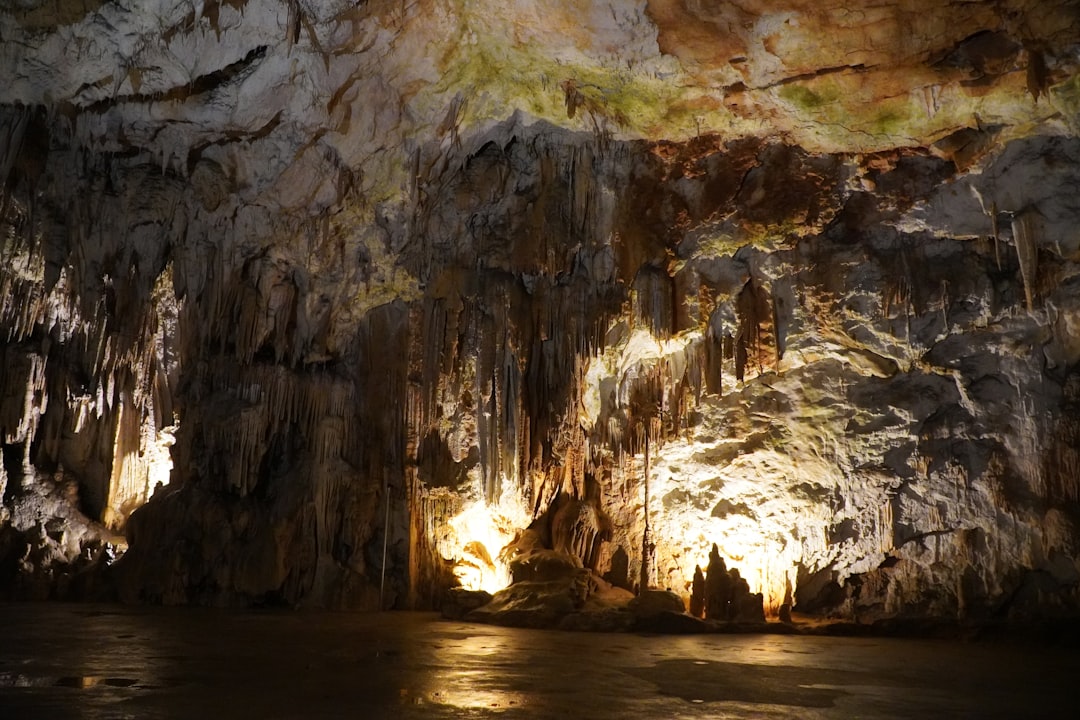
While the cave provides most of the infrastructure, you need to bring your own small kit. A compact headlamp is essential. The cave's lighting is spectacular, illuminating the giant stalactites and flowstones, but it's designed for viewing, not navigation. If you want to examine a formation up close, or if you're doing a guided tour that ventures into less-lit areas, a headlamp frees your hands and provides a focused beam. LED headlamps are lightweight, cheap, and incredibly bright. Bring extra batteries. The cold drains batteries faster than you think. A small, durable backpack is the best way to carry this gear. You'll need your hands free for the railings and for keeping your balance on uneven steps.
Water and snacks are tricky. You can bring a small water bottle, but large backpacks, tripods, and selfie sticks are strictly prohibited. The cave is a fragile ecosystem, and the vibrations from heavy equipment can damage the delicate formations. The air is also sensitive to carbon dioxide exhalation, so large groups with bulky gear are a nuisance. Stick to a small daypack with your layers, headlamp, and a snack bar. The humidity will make any exposed food soggy, so keep it sealed. There are no food vendors inside the cave, so if you get hungry, you'll be stuck until you exit. Energy bars or nuts are ideal—compact, calorie-dense, and non-perishable.
Protect your electronics. The damp air can fog up camera lenses and seep into phone cases. Use a dry bag or a ziplock bag for your phone and camera. If you're serious about photography, bring a lens cloth to wipe off condensation. The lighting inside is low, so you'll need a camera with good low-light performance, but be aware that flash photography is often restricted to protect the bats and the rock formations. Check the current rules before you go. A GoPro or action camera in a waterproof housing is a great option, as it's small, durable, and handles the damp well. Just remember: the cave comes first. Your Instagram post is secondary.
Safety Protocols: Navigating the Labyrinth
Postojna Cave is one of the safest underground attractions in the world, but "safe" doesn't mean "risk-free." The primary rule is: stay on the path. The paths are clearly marked, lit, and fenced where necessary. Venturing off the path is strictly prohibited and can be dangerous. The floor can be uneven, with hidden crevices, slippery patches, and drop-offs. The cave system is vast, with over 20 kilometers of explored tunnels, but only a fraction is open to the public. Getting lost in the unexplored sections is a real danger. The guides know the way; you don't. Trust the path.
Respect the wildlife. The cave is home to thousands of blind cave salamanders (Proteus anguinus), a unique species that lives only in the underground waters of this region. They are sensitive to light and disturbance. Do not touch them, and do not shine bright lights directly on them. The cave also houses bat colonies, which are crucial for the ecosystem. Bats are shy and will avoid you if you give them space. Do not chase them or block their exit routes. The air quality is monitored constantly, and the ventilation system ensures there's always fresh air, but if you feel dizzy or short of breath, alert your guide immediately. It's rare, but it happens, especially in the deeper sections where the air can feel heavier.
Listen to your guide. The guided tours are not just for show; they are for safety. The guides are trained cavers who know the cave's history, geology, and hazards. They will point out safe footing, warn you of low ceilings, and explain the significance of the formations. If they tell you to stop, stop. If they tell you to move quickly, move quickly. There have been incidents in the past where tourists ignored instructions, leading to minor injuries or delays. The cave is a working environment, not a playground. The train that runs through the cave is a historic feature, but it's also a moving vehicle. Stand back when it passes. The noise is loud, and the vibration is real. Treat the cave with the respect it deserves, and it will reward you with one of the most awe-inspiring experiences of your life.
Getting There & What to Expect
Postojna is located in southern Slovenia, about 40 kilometers southwest of Ljubljana, the capital. The nearest major airport is Ljubljana Jože Pučnik Airport, which is about 60 kilometers away. From Ljubljana, you can take a bus to Postojna, which takes about an hour and costs around 5-8 EUR. If you're driving, the A1 motorway makes the trip quick and easy, with parking available right outside the cave entrance. Parking costs about 3-5 EUR for the day. The cave is open year-round, but the best time to visit is during the shoulder seasons of spring and autumn, when the crowds are thinner and the weather is mild. Summer is busy, with long lines, so book your tickets online in advance to skip the queue.
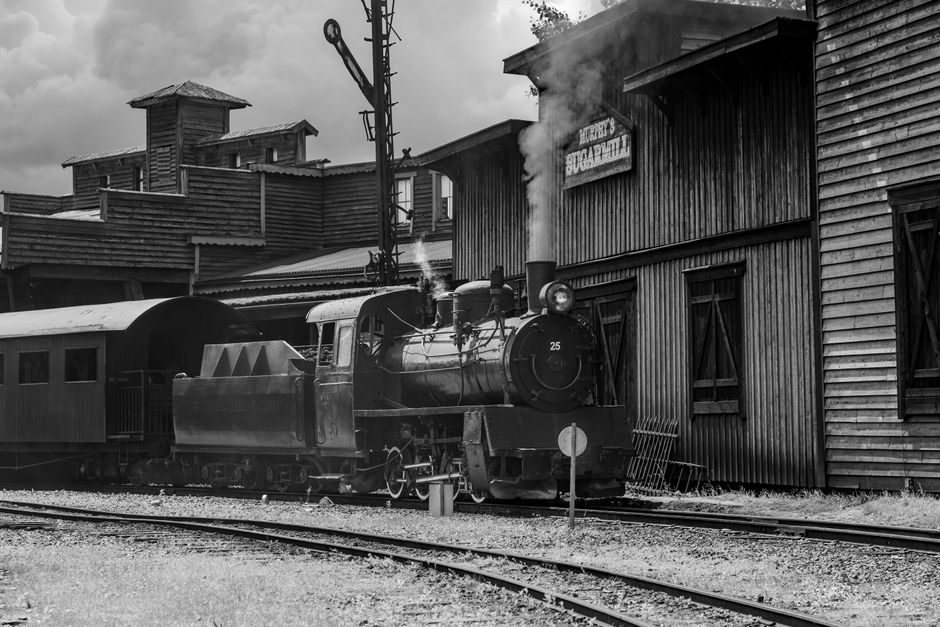
The standard walking tour takes about 90 minutes and covers 1.5 kilometers of the cave. It includes a ride on the underground train, which saves you from walking the longest, flattish sections. The train ride is a highlight in itself, rattling through the dark tunnels before you emerge into the grand chambers. Tickets for the walking tour cost around 15-20 EUR for adults and less for children. There are also special tours, like the "Pivka River" boat ride or the "Postojna Cave for Adventurers" speleological tour, which require extra gear and cost more, ranging from 25-40 EUR. These special tours are more physically demanding and offer a deeper look into the cave's secrets, but they require better fitness and gear. Accommodation in Postojna village ranges from budget hostels at 20-30 EUR per night to mid-range hotels at 60-100 EUR per night. The village is small, with a few restaurants and cafes serving local Slovenian cuisine, like 10-15 EUR for a hearty stew.
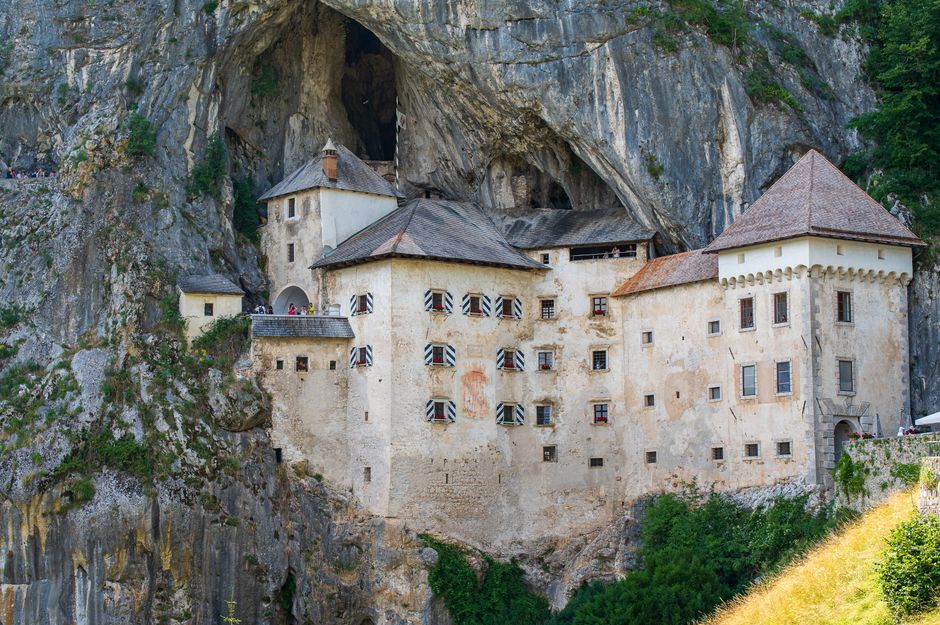
Expect to spend at least half a day in Postojna. The cave is just the start; the nearby Planina Castle is a great addition, offering views over the valley and a look at medieval life. The castle is a short walk from the cave entrance and costs about 5 EUR to enter. Combine the two for a full day of exploration. The weather in Postojna can be changeable, so bring a rain jacket for the surface part of your trip. The underground part is always wet, but the surface can be sunny or stormy. Check the forecast before you go. Postojna is a destination that rewards preparation. Come ready, come warm, and come with an open mind. The dark is waiting.
Search accommodation in Postojna on Booking.com →
The Final Descent: Embracing the Dark
As I emerged from the cave, blinking in the harsh daylight, I felt a strange sense of loss. The world above seemed too bright, too loud, too chaotic. Down there, in the silence and the cold, there was a clarity that was hard to describe. The rock formations, ancient and unmoving, reminded me of my own smallness. The bats, the salamanders, the water dripping in the dark—they all existed in a rhythm that was untouched by human time. It was humbling. It was terrifying. It was beautiful. But it was also unforgiving. I looked back at my shivering companions, wrapped in their thin jackets, and I knew I had been right. This place demands respect. It demands gear. It demands preparation. But if you give it that, it will give you something unforgettable. Go deep, but go ready. The dark is not your enemy, but it is not your friend either. It is just the dark. And you are just a visitor.
Comments