


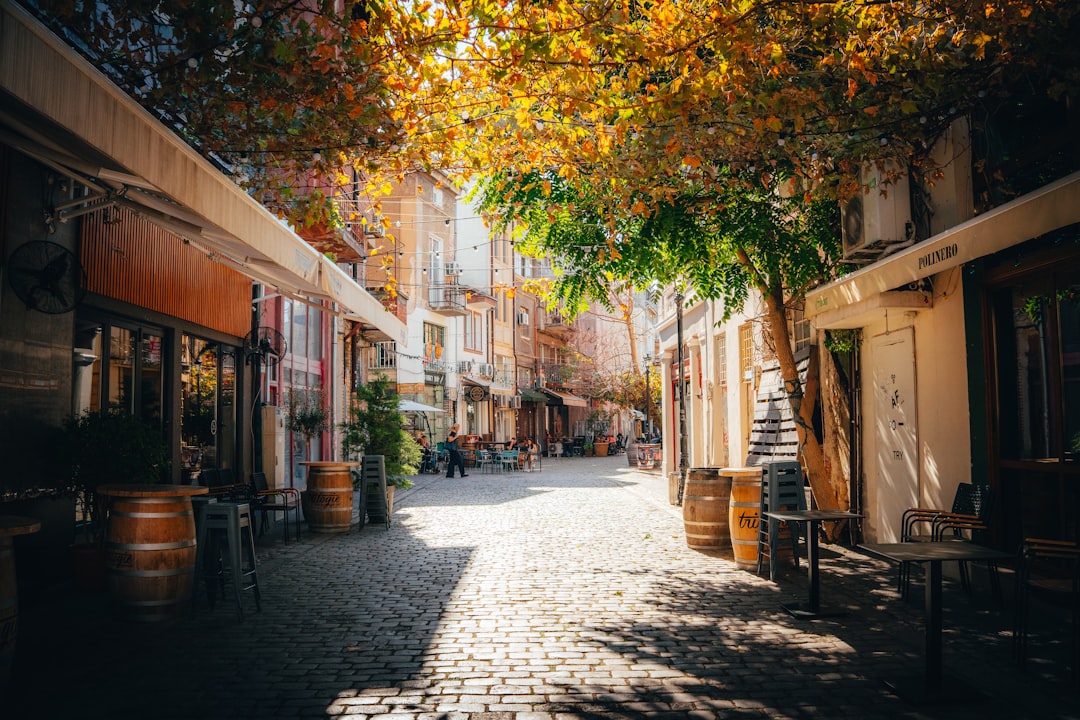
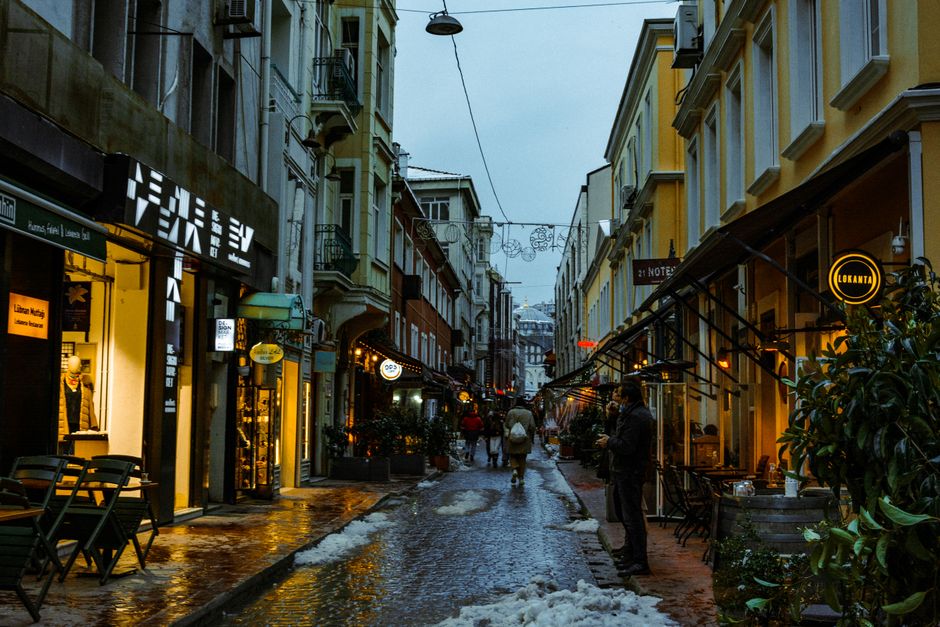
The air in Plovdiv doesn't just smell of history; it smells of burnt sugar, stale tobacco, and the metallic tang of old copper. I woke up with a headache that felt like it had been brewing since the 14th century, stumbling out of my hostel in Plovdiv with nothing but a half-empty bottle of water and a desperate need for caffeine. The sun was already hammering down on the Roman Theatre, but I wasn't looking for ancient stones. I was hunting for the tangled, chaotic veins of the old town that most tourists ignore in favor of the Instagrammable rooftops. I turned left, away from the main drag, and found myself swallowed by the narrow, winding alleys of the Old Town, where the Ottoman past isn't just preserved in museums—it's alive, breathing, and occasionally trying to sell you a rug made of "pure" wool that feels suspiciously like polyester.
Gonzo travel isn't about polished brochures. It's about getting lost in the labyrinth of Kapikule district and realizing that the map on your phone is useless. Here, the geometry is wrong. Streets end in courtyards. Stairs lead to nowhere. And the bazaars—those sprawling, semi-covered market complexes—are the beating heart of this urban maze. They are not the sanitized, tourist-trap bazaars of Istanbul. These are working markets, cluttered with household goods, spices, and the weary, knowing eyes of shopkeepers who have seen empires rise and fall and know that the price of saffron is the only thing that truly matters.
History & Identity
Plovdiv is one of the oldest continuously inhabited cities in Europe, but its soul was forged during centuries of Ottoman rule. While the Roman foundations provide the skeleton, the Ottoman era built the flesh and blood of the city's character. From the 14th to the late 19th century, Plovdiv was a major trade hub, a crossroads where silk, wool, and spices moved between the East and West. This history isn't just a footnote; it's embedded in the architecture. The stone facades, the wooden balconies, and the narrow, winding streets of the Old Town are a direct result of Ottoman urban planning, designed to create shade and community in a hot, dry climate.
The bazaars are the physical manifestation of this era. They were not just places to buy goods; they were social centers, places where deals were struck, news was exchanged, and communities were formed. Today, they are a mix of the authentic and the commercial. Some shops have been there for generations, run by families who have passed down the trade from father to son. Others are newer, catering to the growing number of tourists who flock to Plovdiv for its festivals and nightlife. But beneath the surface, the spirit of the bazaar remains. It is a place of negotiation, of haggling, of finding value in a cluttered world.
The identity of Plovdiv is a complex blend of Bulgarian, Turkish, and Greek influences, a reflection of its long history as a multicultural crossroads. This diversity is visible in the food, the architecture, and the people. The bazaars are a microcosm of this diversity, where you can find traditional Bulgarian cheeses alongside Turkish spices and Greek olives. It is a place where history is not just remembered; it is lived.
Where to Go
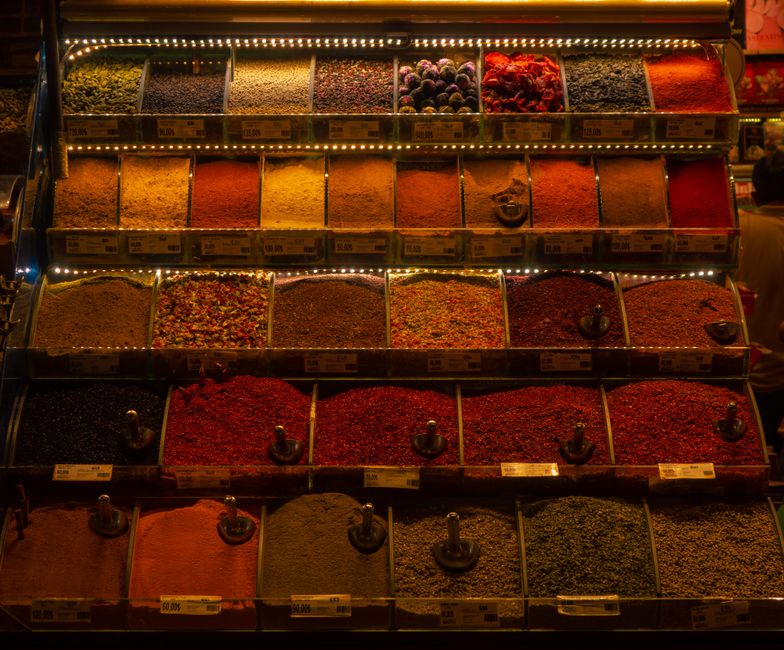
Old Town Bazaar (Stara Charkhiya) — This is the heart of the bazaar experience. A semi-covered market complex with a long history, it is filled with shops selling everything from textiles and carpets to spices and household goods. The atmosphere is lively and chaotic, with vendors calling out their prices and customers haggling over the cost of a rug. It is a sensory overload, with the smell of spices and the sound of bargaining filling the air. Entry is free, but expect to spend at least 5-10 EUR if you are tempted by the local crafts. Best visited in the morning when the light is best and the crowds are thinner.
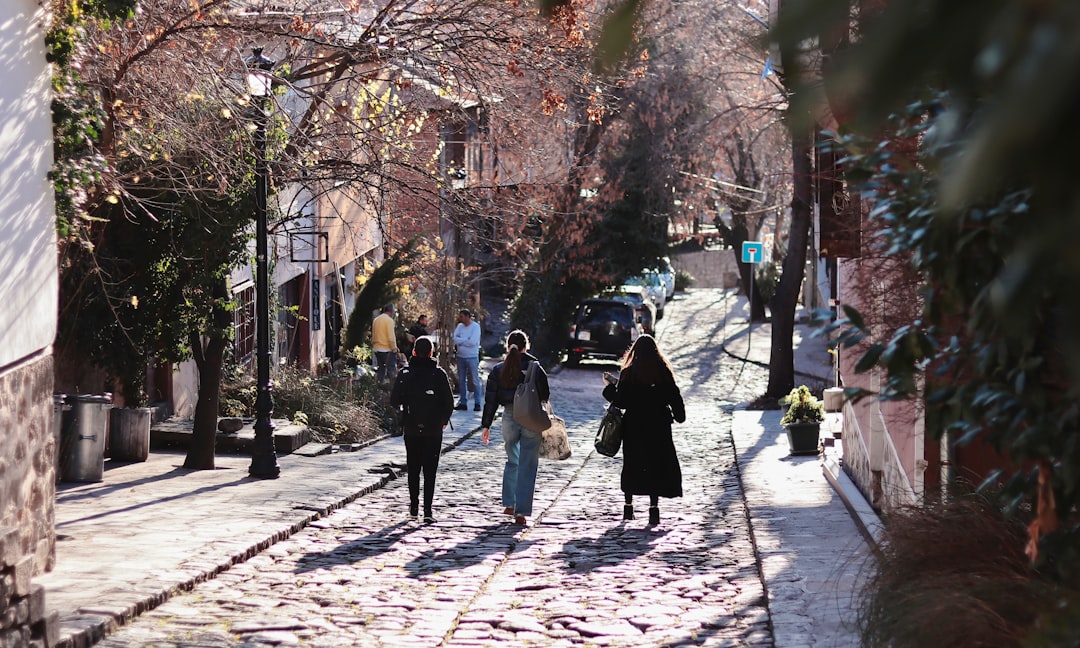
Kapikule Quarter — More than just a bazaar, Kapikule is a historic quarter that retains much of its Ottoman charm. The streets are narrow and winding, lined with stone houses and wooden balconies. It is a place to wander, to get lost, and to discover hidden courtyards and small shops. The quarter is also home to several museums and galleries, offering a deeper insight into the history and culture of the area. There is no entry fee, but the experience is priceless. Visit in the late afternoon when the sun is setting and the streets are quiet.
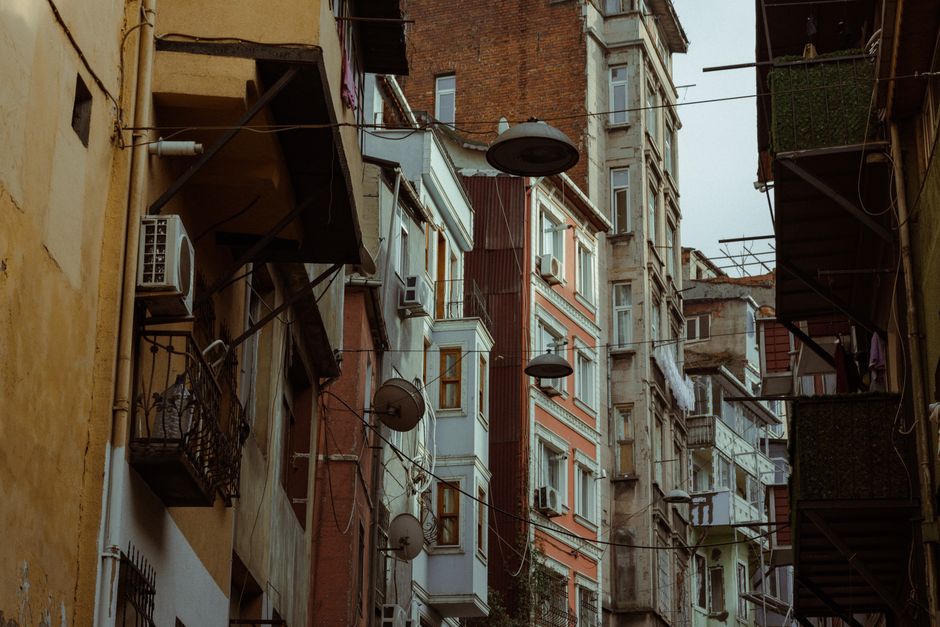
House of Vassil Aprilov — While not a bazaar itself, this museum is essential for understanding the context of the Ottoman era in Plovdiv. Housed in a beautifully preserved 19th-century Ottoman house, it offers a glimpse into the life of a wealthy merchant family. The exhibits include furniture, textiles, and everyday objects, providing a vivid picture of daily life in the bazaar district. Entry is 3 EUR. It is best visited in the morning to avoid the crowds.
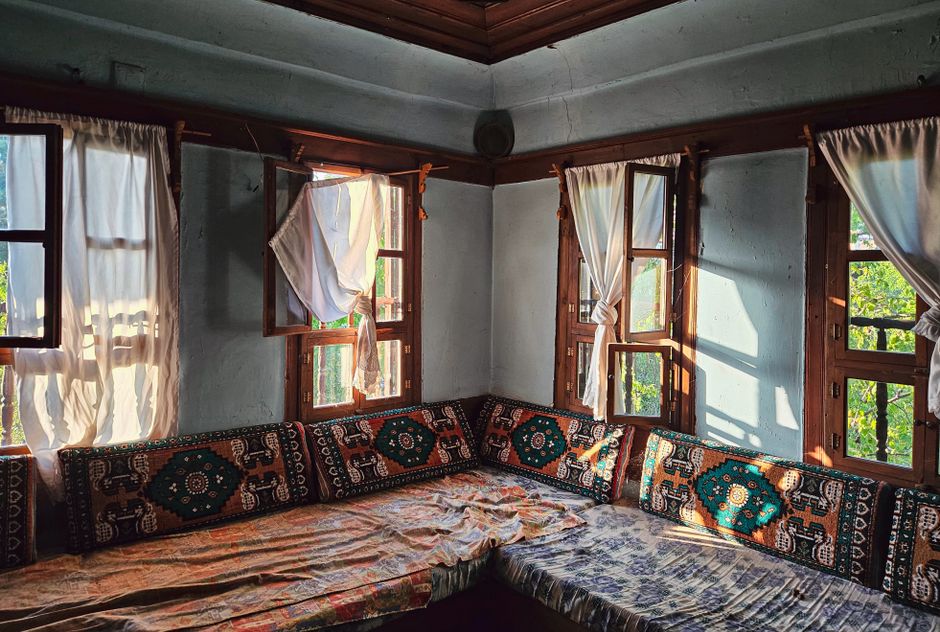
Tsar Osvoboditel Street — The main pedestrian street of Plovdiv, Tsar Osvoboditel is a mix of modern shops and historic buildings. It is a place to see and be seen, with cafes and restaurants lining the street. While it is more commercial than the Old Town Bazaar, it is still worth a visit for its atmosphere and the opportunity to people-watch. There is no entry fee, but expect to spend 10-20 EUR on a meal or a drink. Best visited in the evening when the street is lit up and the nightlife begins.
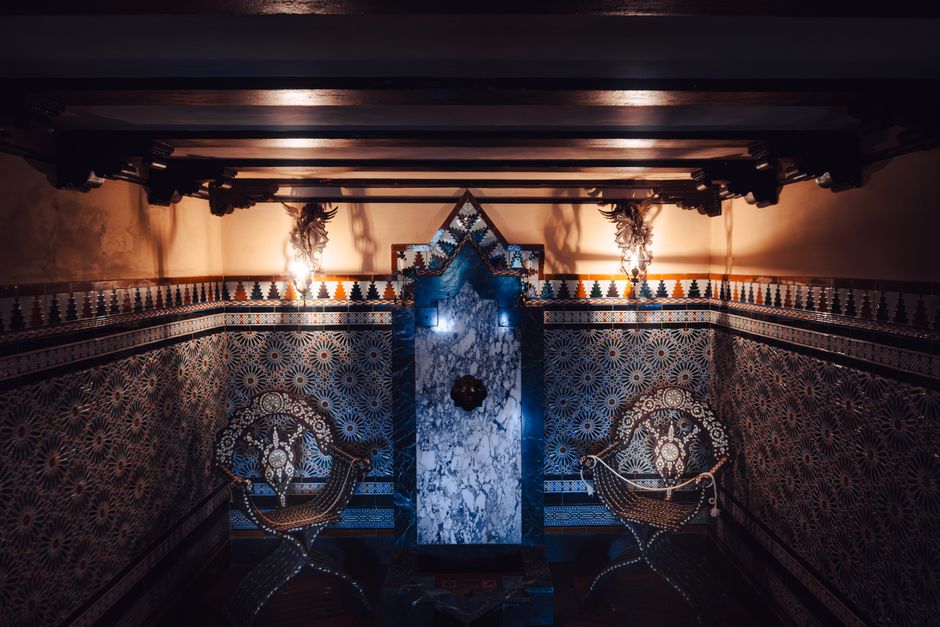
Old Synagogue — A reminder of the diverse religious and ethnic communities that have lived in Plovdiv, the Old Synagogue is a beautiful example of Moorish Revival architecture. It is no longer used for services, but it is open to visitors as a museum. The interior is stunning, with intricate tile work and wooden galleries. Entry is 2 EUR. It is best visited in the afternoon when the light is best.
What to Eat & Drink
The food in Plovdiv is a reflection of its Ottoman heritage, with a strong emphasis on meats, spices, and dairy. The bazaars are a great place to sample some of the local specialties, from savory pies to sweet pastries. Here are a few dishes to look out for:
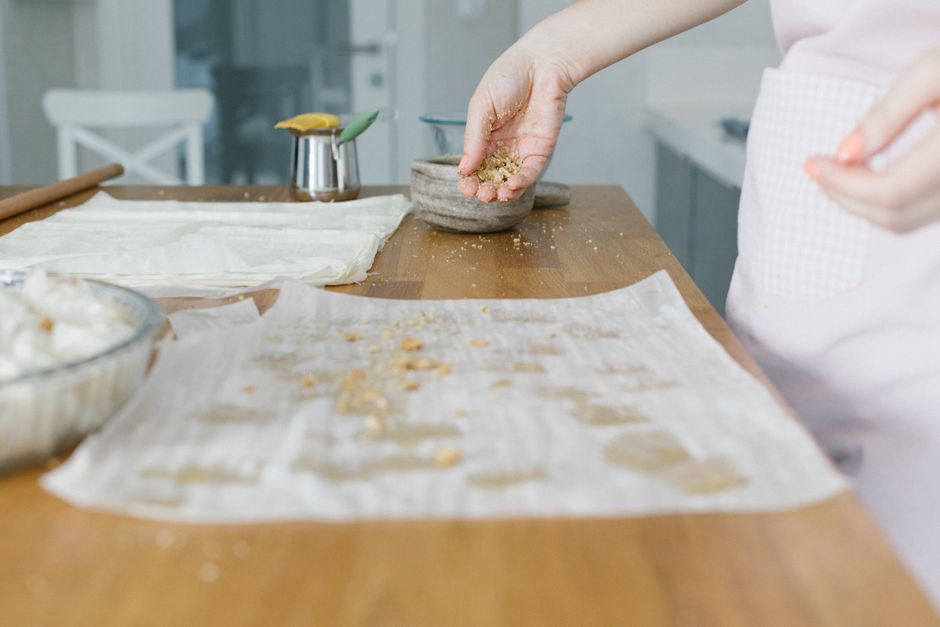
Banko Banitsa — A traditional Bulgarian pastry made with phyllo dough and filled with white brine cheese. It is crispy, cheesy, and delicious. You can find it in many of the bakeries in the Old Town Bazaar. A typical slice costs 2-3 EUR.
Kibne — A spicy bulgur wheat dish that is popular in the Plovdiv region. It is often served as a mezze with yogurt and vegetables. A plate costs 4-6 EUR.
Shop Salad — A fresh salad made with tomatoes, cucumbers, peppers, and onions, topped with grated white brine cheese. It is a refreshing and healthy option. A bowl costs 3-5 EUR.
Lukanka — A traditional Bulgarian smoked sausage that is a staple of the local cuisine. It is often served as part of a mezze platter. A portion costs 5-7 EUR.
Rakia — A strong fruit brandy that is a national drink in Bulgaria. It is often served as an aperitif or with meals. A glass costs 2-4 EUR.
Budget travelers can find plenty of cheap eats in the bazaars, with street food and take-away options available for under 5 EUR per meal. For a sit-down meal at a local restaurant, expect to pay 8-15 EUR per person. Mid-range restaurants in the Old Town can cost 15-25 EUR per person. The Old Town Bazaar and Kapikule quarter are the best places to find authentic local food, with many small restaurants and cafes tucked away in the alleys.
Nightlife
Plovdiv has a vibrant nightlife scene, with a mix of traditional tavernas and modern bars. The Old Town is the main hub for nightlife, with many bars and clubs located in the historic buildings. The atmosphere is lively and energetic, with live music and dancing until the early hours.
Old Town Bar Street — A cluster of bars and clubs in the Old Town, offering a mix of traditional and modern music. The atmosphere is lively and crowded, with people spilling out onto the streets. Cover charges are rare, but expect to spend 5-10 EUR on drinks.
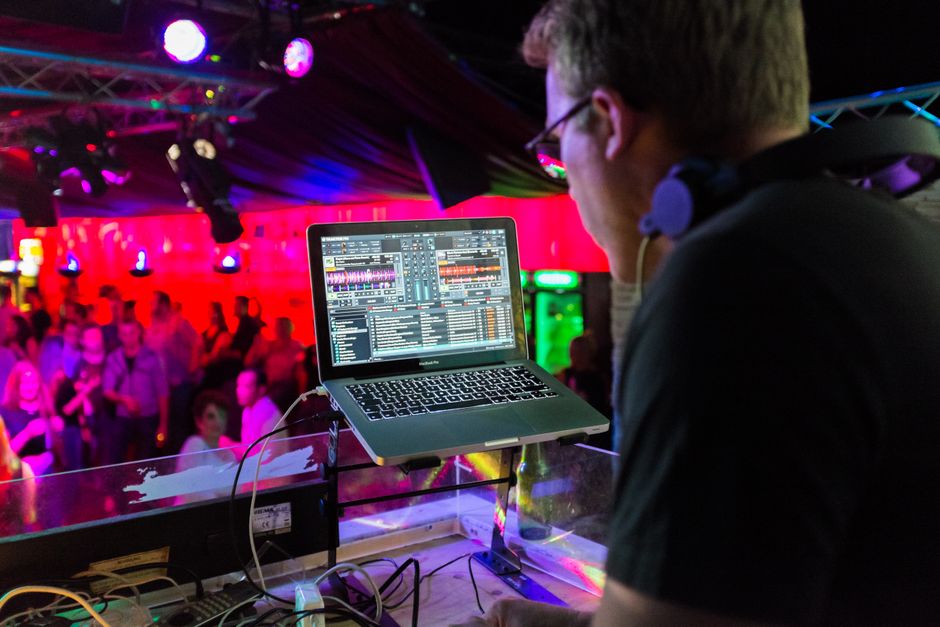
Rock Bar — A popular venue for rock and indie music, with a regular lineup of local and international bands. The atmosphere is energetic and passionate, with a dedicated following. Cover charges are 5-10 EUR.
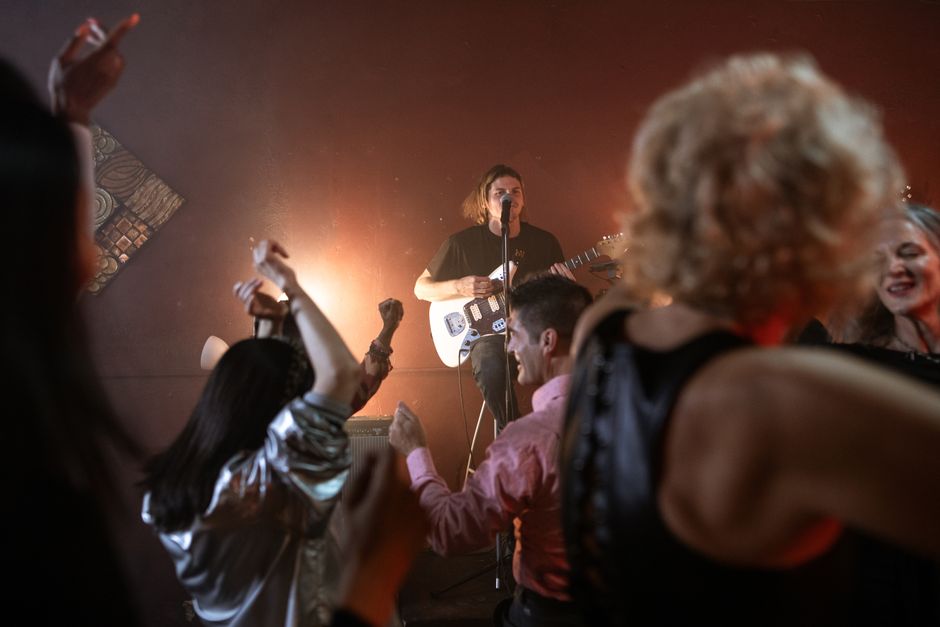
Art Bar — A more relaxed venue, with a focus on art and culture. It hosts exhibitions, poetry readings, and acoustic music nights. The atmosphere is intimate and sophisticated. Cover charges are rare, but expect to spend 3-5 EUR on drinks.
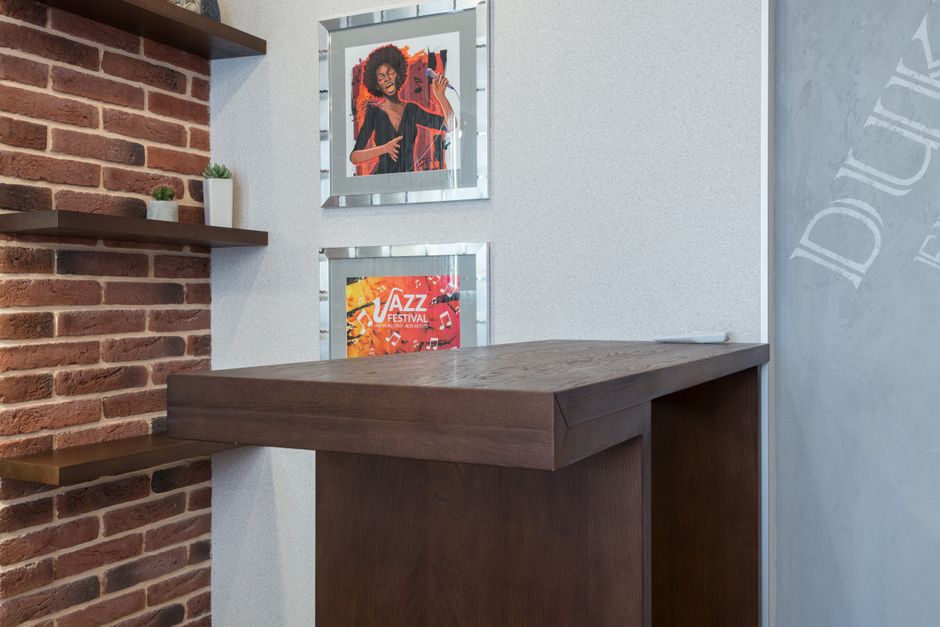
Getting There & What to Expect
The nearest airport is Plovdiv Airport, which offers direct flights to several European cities. From Sofia, the capital, you can take a bus or train to Plovdiv, with travel times of around 2-3 hours and costs of 5-10 EUR. Buses are more frequent and often faster than trains. From other Balkan hubs like Athens or Istanbul, you can take a bus or fly into Sofia and then continue to Plovdiv.
Accommodation in Plovdiv is affordable, with budget hostels available for 15-25 EUR per night and mid-range hotels for 40-70 EUR per night. The Old Town is the best area to stay, with many hotels and guesthouses located in historic buildings. The best months to visit are spring (April to June) and autumn (September to October), when the weather is mild and the crowds are thinner. Summer can be hot and crowded, while winter is cold and quiet.
Search accommodation in Plovdiv on Booking.com →
The Labyrinth Remains
As the sun set over the Roman Theatre, casting long shadows across the ancient stones, I found myself back in the labyrinth of the Old Town. The bazaars were closing, the shops were emptying, and the streets were quieting down. But the energy of the day lingered in the air, a mix of spices and sweat and history. I had come to Plovdiv looking for the Ottoman past, but I had found something more. I had found a city that is alive, breathing, and constantly changing. A city where the past and present collide in a chaotic, beautiful dance. And as I stumbled back to my hostel, my head still pounding, I knew that I would be back. The labyrinth calls, and I am always ready to answer.
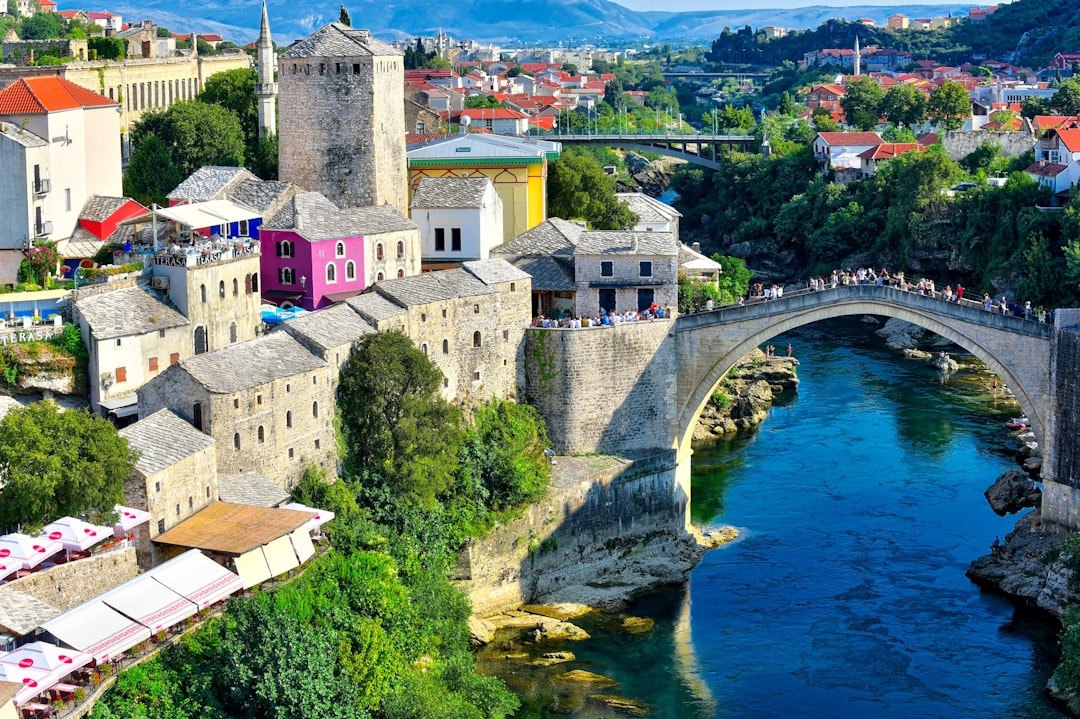
Comments