


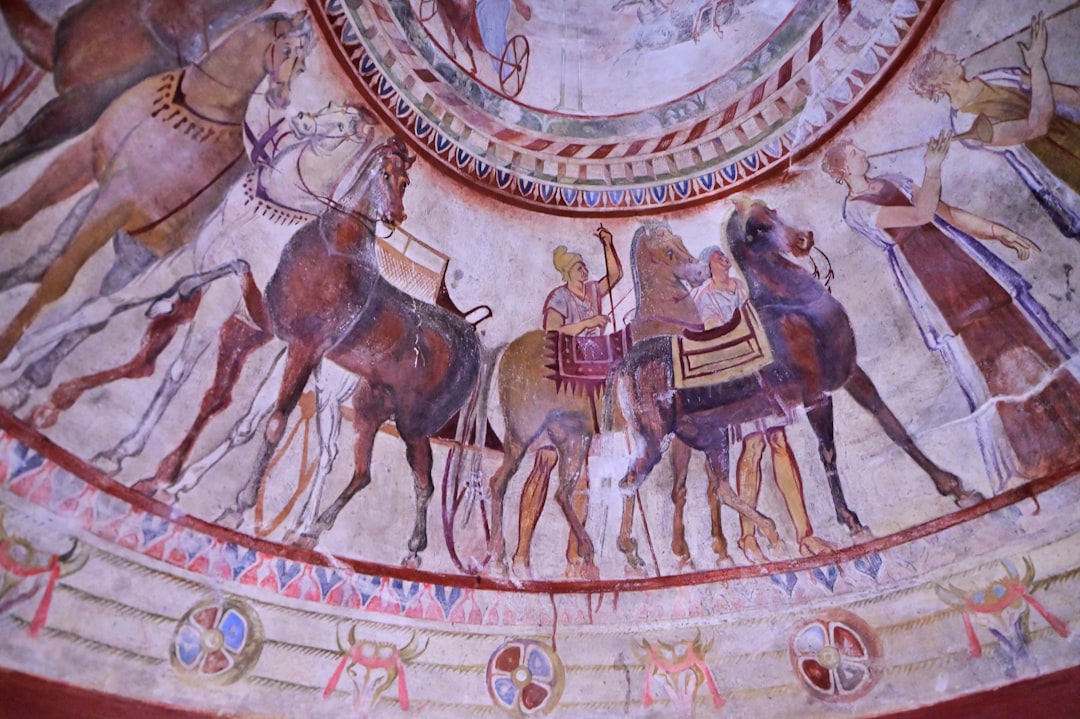
I am standing in a concrete bunker that smells of damp earth and ancient pigments, staring at a ceiling painted two thousand years ago. The air conditioning hums a low, mechanical drone, keeping the humidity at a precise level to stop the lime plaster from flaking away into dust. It feels less like a museum and more like a high-security vault for dead kings. Outside, the sun beats down on the Kazanlak basin, turning the Bulgarian summer heat into a physical weight. Inside, it is cool, quiet, and strangely intimate. I am not here to see bones — there are none left. I am here to see the ghosts who painted their own afterlife in ochre, red, and blue, and they are staring right back at me.
The thing that hits you first is the color. You expect the drab greys of a tomb, the black of decay. Instead, you get vibrant, almost cheerful scenes of a banquet that never ended. The figures are stylized, their eyes wide, their robes flowing in patterns that look like wind caught in stone. It is a place where time has stopped, not with a bang, but with a brushstroke. I lean in close, my breath fogging slightly in the chill, and realize that these people, long turned to dust, cared deeply about how they looked in death. They wanted to be remembered as wealthy, as connected to the gods, as part of a community that celebrated life even as they prepared for the end. It is a raw, human plea against oblivion, and it works.
History & Identity
The Thracian Tomb of Kazanlak was not built by Greeks or Romans, but by the Odrysian Thracians, a people who dominated the Balkans for centuries before being swallowed by larger empires. This specific tomb dates to the late 4th or early 3rd century BC, a period when the Thracian aristocracy was adopting Hellenistic artistic styles while maintaining their own distinct cultural identity. It was discovered accidentally in 1944 by a local farmer, Velyo Voychev, who was digging for building materials and broke through the outer wall. The find was so significant that it was immediately recognized as a masterpiece of ancient art.
For decades, the site was a source of national pride in Bulgaria, a testament to the region's pre-Roman sophistication. In 1979, it became one of the first Bulgarian sites to be inscribed on the UNESCO World Heritage List, a designation that has helped fund its preservation but also brought the complexities of mass tourism. The tomb itself has been moved. The original structure was dismantled stone by stone and reconstructed inside a modern, climate-controlled building just a few hundred meters away to protect the fragile frescoes from the elements. This relocation has been controversial among some archaeologists, but the alternative was losing the art entirely to weathering and vandalism.
Today, the site stands as a symbol of the Thracian legacy, a culture that is often overshadowed by its neighbors but left behind some of the most striking visual art in the ancient world. The tomb is not just a burial chamber; it is a statement of power, wealth, and belief. The people buried here — likely a Thracian ruler and his wife — wanted to ensure that their status would be visible for eternity. In a way, they succeeded. Two millennia later, I am still looking at their faces, still marveling at their wealth, still trying to understand their world.
Where to Go
The Tomb Building — The reconstructed tomb is the heart of the site. The interior is small, with a circular burial chamber connected to a rectangular antechamber. The frescoes cover the walls and ceiling, depicting a funeral feast, a procession of guests, and mythological figures. The lighting is dim to protect the paintings, so bring a sense of wonder and leave your expectations for bright, airy museums at the door. Entry is 10 EUR for adults, which includes a short audio guide. The visit takes about 30-45 minutes, as the space is confined and access is limited to preserve the environment.
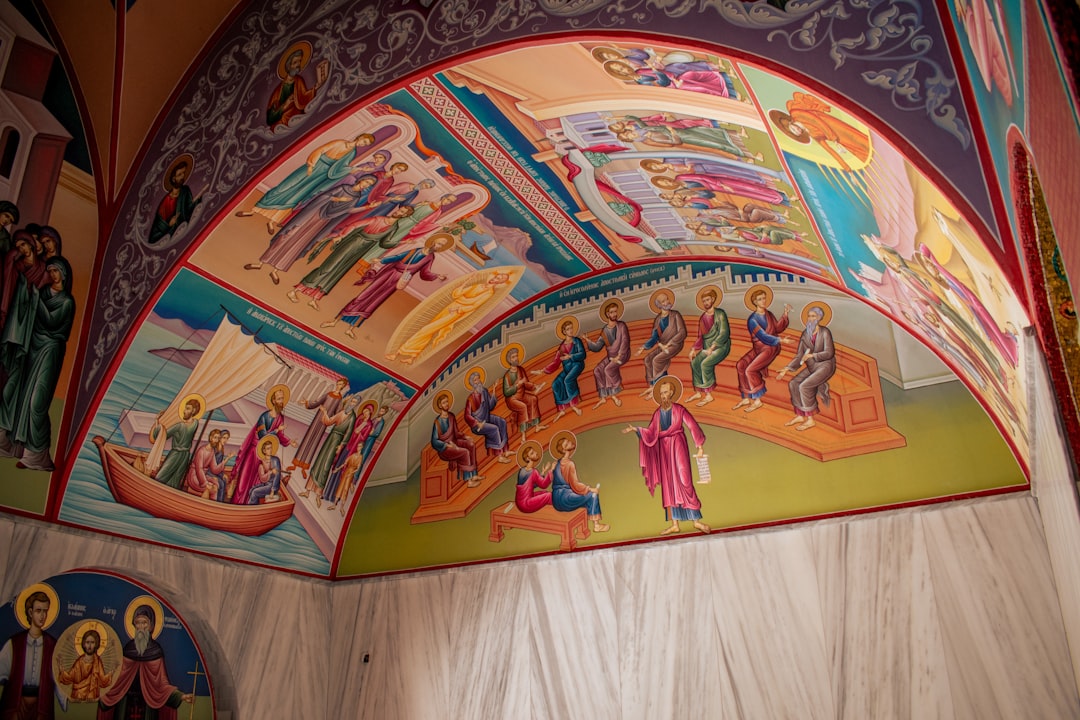
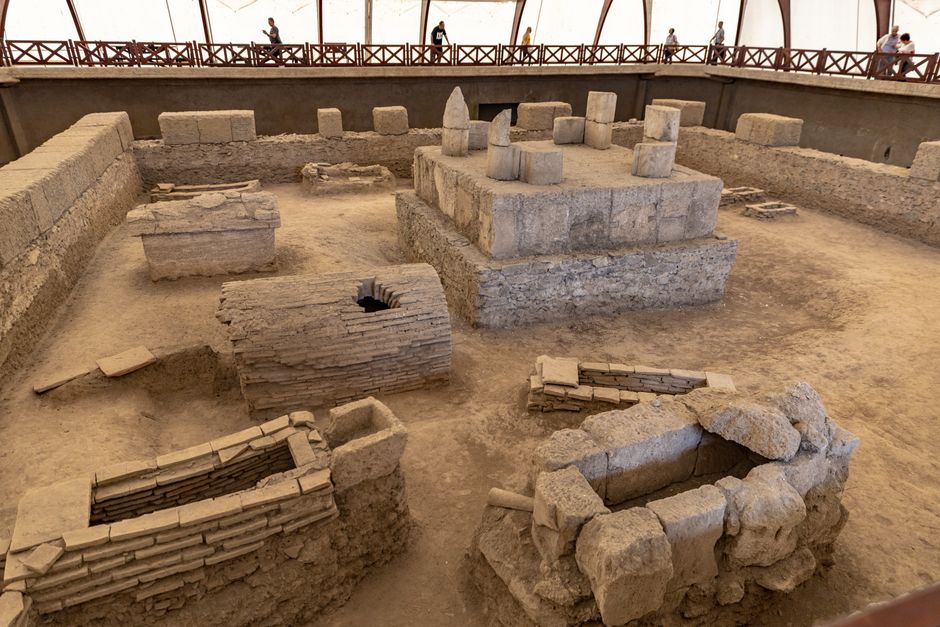
The Archaeological Site — Outside the modern building, you can see the original mound where the tomb was first discovered. The earth has been leveled, and there are informational panels explaining the discovery process and the structure of the original tomb. It is a quiet, open space that helps you visualize the scale of the burial mound. There are benches and shade, making it a good spot to reflect on what you have just seen. This area is free to access with your tomb ticket.
Kazanlak Rose Museum — A short walk away in the town center, the Rose Museum offers a contrast to the ancient tomb. It showcases the region's famous rose oil industry, with exhibits on the history of rose cultivation, the distillation process, and the cultural significance of the rose in Bulgaria. It is a smaller, more modern museum, but it provides context for the town's identity today. Entry is 5 EUR.
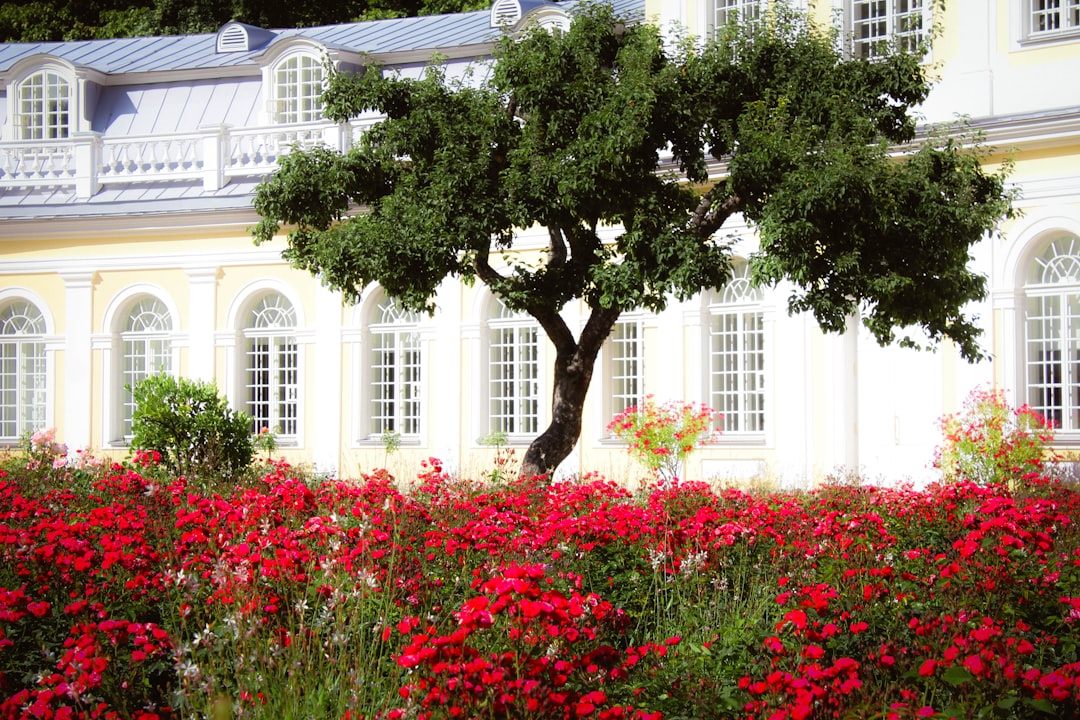
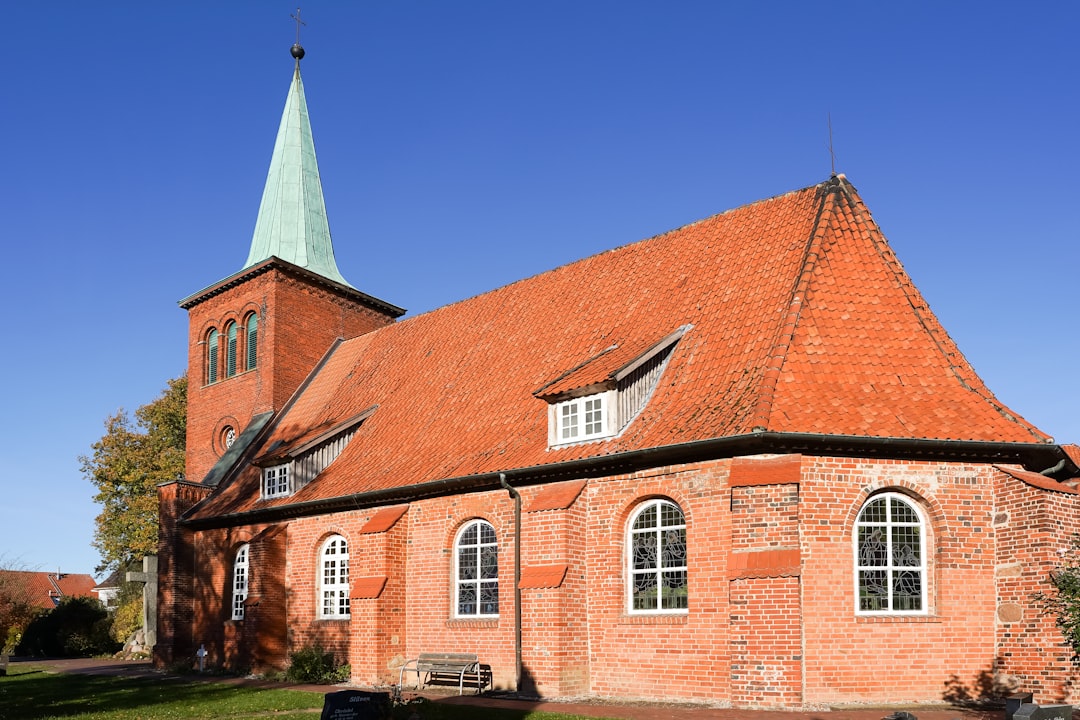
St. Petka Church — Located in the town center, this small Orthodox church is a local landmark. Its red brick and stone construction stands out against the modern buildings. It is a quiet place of worship and a reminder of the Christian history that layered itself over the ancient Thracian past. There is no entry fee, but visitors are expected to dress respectfully.
What to Eat & Drink
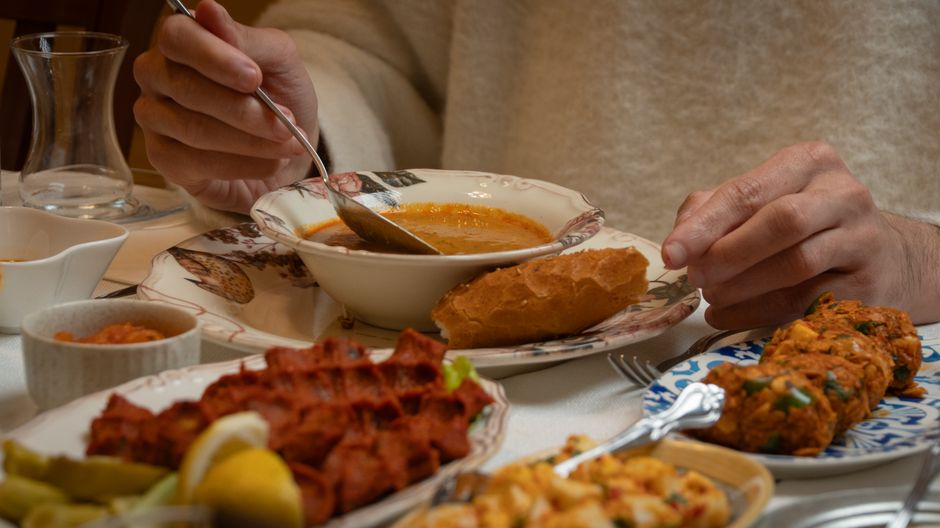
Kazanlak is in the heart of Bulgaria's rose valley, but it is also a food town. The local cuisine is hearty, relying on fresh vegetables, dairy, and meat. You will find [strong>banitsa — a flaky pastry filled with white cheese — for 2-4 EUR at most bakeries. It is best eaten fresh, straight from the oven, with a strong coffee. For a more substantial meal, try [strong>kyufte — grilled meatballs — served with bread and a side of [strong>shopska salata (tomatoes, cucumbers, peppers, and sirene cheese) for 8-12 EUR per person.
The town has a few good local restaurants near the central square. [strong>Restaurant Rose is a well-known spot for traditional Bulgarian food, with prices ranging from 15-25 EUR per person for a main course and drink. For budget travelers, there are small kiosks and bakeries that offer sandwiches and pastries for under 5 EUR. The local rose liqueur, [strong>sharo], is a must-try, available at most bars and restaurants for 3-5 EUR per glass. It is sweet, floral, and distinctly Bulgarian.
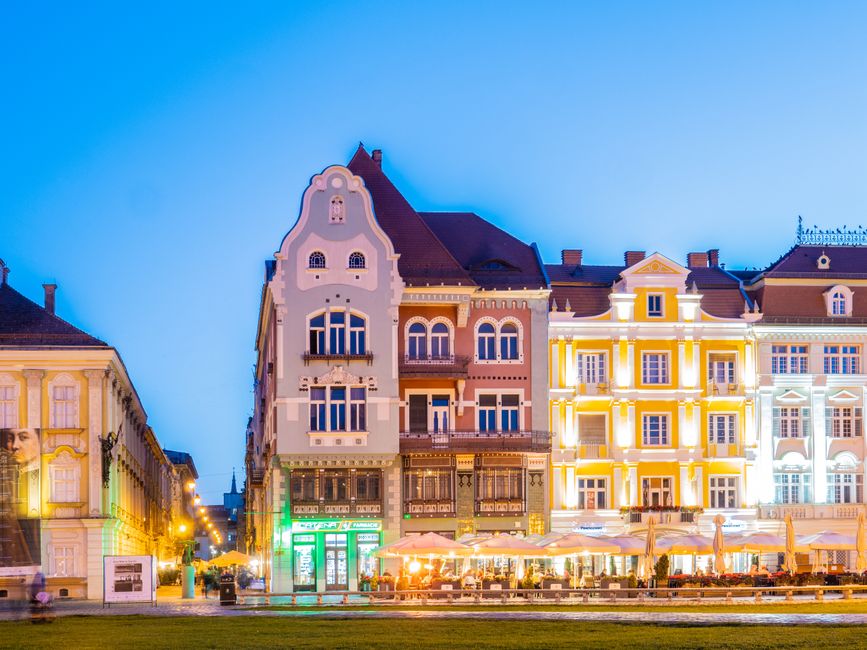
There is no dedicated "food street" in Kazanlak, but the area around the central market and the Rose Festival square has several small eateries and cafes. The market itself is open in the mornings and is a good place to buy fresh produce, cheese, and pickled vegetables if you are staying in a guesthouse with kitchen facilities. The vibe is casual and local, with few tourists venturing here unless they are specifically visiting the tomb.
Nightlife
Nightlife in Kazanlak is low-key. This is not a party destination; it is a place for quiet evenings and local gatherings. The main bars are concentrated near the central square and the Rose Festival area. [strong>Bar Rose is a popular spot for locals, serving beer, wine, and rose liqueur. The atmosphere is relaxed, with music playing at a low volume. Cover charges are non-existent, and drinks range from 2-4 EUR for beer to 5-8 EUR for cocktails.
There are no major clubs or late-night venues. Most bars close by midnight, and the streets are quiet after that. If you are looking for a lively night out, you will need to head to Plovdiv, which is about an hour's drive away. Kazanlak is best enjoyed for its history, its food, and its natural beauty, not for its nightlife. It is a place to unwind, to reflect on the ancient art you have seen, and to enjoy the slower pace of Bulgarian provincial life.
Getting There & What to Expect
The nearest major city is Plovdiv, about 60 km to the east. You can reach Kazanlak by bus or car. Buses run regularly from Plovdiv's central bus station, taking about 1-1.5 hours and costing around 5-7 EUR one way. If you are driving, the road is well-maintained, and the journey takes about 45 minutes. From Sofia, the capital, it is about 180 km, taking around 2-2.5 hours by car or bus.
Accommodation in Kazanlak ranges from budget guesthouses to mid-range hotels. A night in a guesthouse costs around 20-40 EUR, while a mid-range hotel like the Hotel Rose is around 50-80 EUR per night. There are also camping options near the town, but facilities are basic. The best time to visit is during the spring (May-June) or early autumn (September-October), when the weather is mild and the rose harvest is underway. The International Rose Festival in June is a highlight, but it also means larger crowds and higher prices.
Expect to spend at least half a day in Kazanlak. The tomb visit is short, but the town is small enough to explore on foot. Bring comfortable shoes, a light jacket (the tomb is cool), and a camera with a good low-light setting. There is a small gift shop at the tomb entrance selling postcards, books, and rose products. The site is accessible for wheelchairs, but the tomb itself has steps and uneven surfaces, so assistance may be needed.
The Last Look
I step out of the tomb building and the heat hits me like a wall. The sun is still high, the sky a hard, unyielding blue. My eyes take a moment to adjust to the brightness, to the noise of traffic and the chatter of tourists. I feel a strange sense of loss, as if I have left behind something sacred. The frescoes are gone, but they are still there, in my mind, in the back of my eyes. The wide-eyed guests, the flowing robes, the sense of celebration in the face of death.
It is a reminder that we are all just trying to leave a mark, to be remembered, to say "I was here." The Thracians did it with paint and plaster. We do it with words, with photos, with stories. Maybe that is enough. Maybe that is all any of us can hope for. I buy a bottle of rose water from the gift shop, the scent sweet and cloying, and walk back to the bus stop. The tomb is behind me, but the ghosts are still with me, painting their own afterlife in the corners of my memory.
Comments