


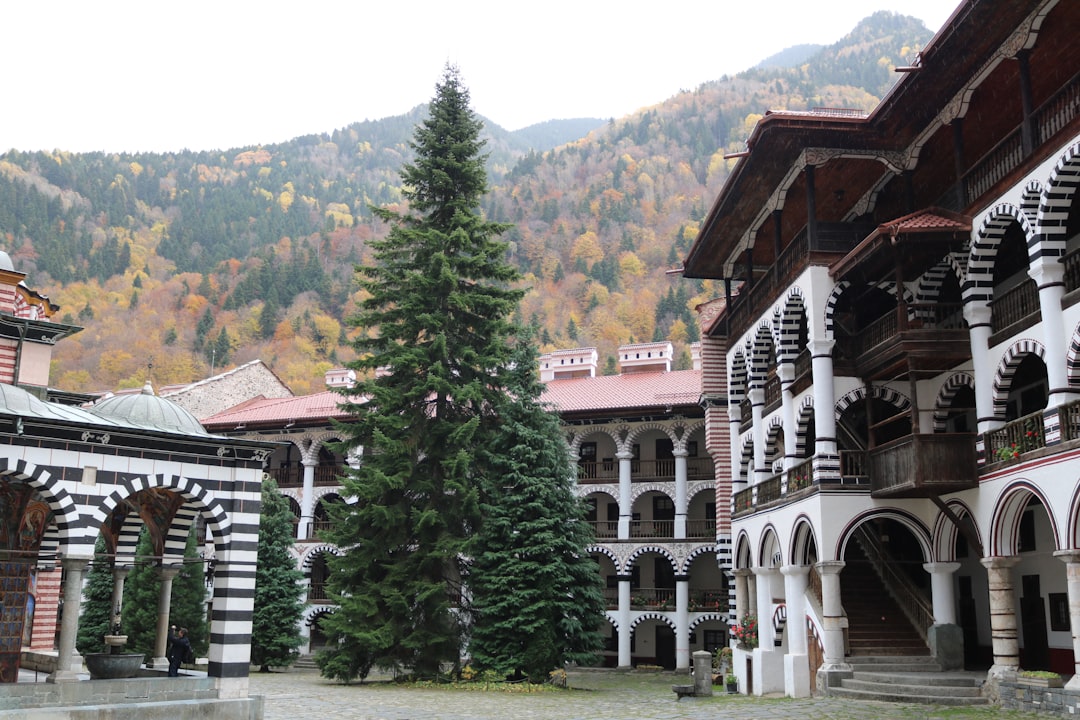
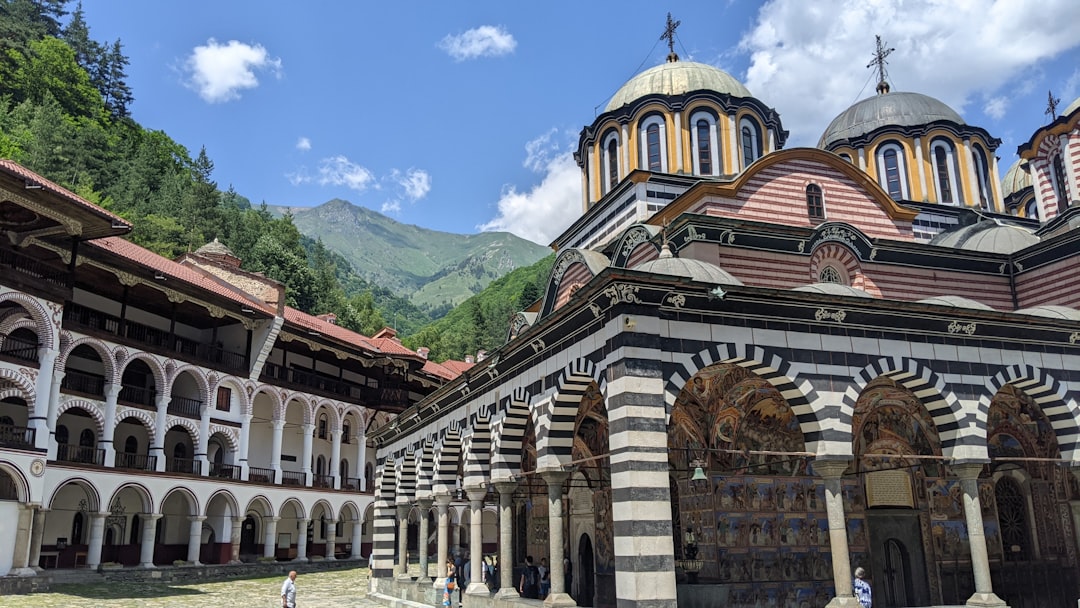
The air inside the complex hits you first — a thick, humid wall of incense, old stone, and centuries of candle wax that clings to your clothes. I stood in the central courtyard of Rila Monastery Rila Monastery, a UNESCO World Heritage site that feels less like a museum and more like a living, breathing organism. It was late afternoon, the golden hour light slicing through the high windows, illuminating dust motes dancing above the heads of a hundred tourists and pilgrims. I wasn't just looking at buildings; I was staring into the soul of Bulgarian national identity. This isn't a place you visit lightly. It's a place that demands you slow down, shut up, and look.
My guide, a local historian named Elena with eyes sharp enough to spot a forgery from ten paces, leaned in close. "Most people just take a photo and leave," she whispered, her voice echoing slightly in the vast nave of the Church of the Nativity of the Virgin. "But the real story is on the walls. The frescoes aren't just decoration. They are a survival strategy." She pointed a gloved finger at a demon in the corner of the ceiling, its face twisted in a sneer that looked suspiciously like a Ottoman tax collector. "Every brushstroke here is a political act. You want to understand Bulgaria? Forget the textbooks. Read the walls."
History & Identity
To understand the art, you have to understand the siege. Rila Monastery wasn't just a religious center; it was a fortress of culture during the Ottoman occupation. For nearly five centuries, from the 14th to the 19th century, this complex in the Rila Mountains Rila Mountains served as the primary sanctuary for Bulgarian language, literature, and faith. When the Ottomans banned Bulgarian schools and churches, the monks here kept the flame alive, copying manuscripts in secret and preserving the Cyrillic script. The frescoes we see today are largely the result of a massive renovation in the late 19th century, but the spirit of the earlier periods lingers in the stone foundations.
The current visual identity of the monastery is dominated by the work of the Revival School of painting. In the 1840s and 1880s, master iconographers like Zahari Zograf and his sons transformed the interior. They didn't just paint saints; they painted a manifesto. The style shifted from the rigid, stylized forms of the Middle Ages to a more realistic, emotive approach influenced by Western European techniques, yet deeply rooted in Byzantine tradition. This fusion created a unique visual language that screamed resilience. The monastery became a symbol of the national awakening, and when Bulgaria regained its independence, these walls were already standing as proof that the nation had never truly died.
The Frescoes: A Visual Theology
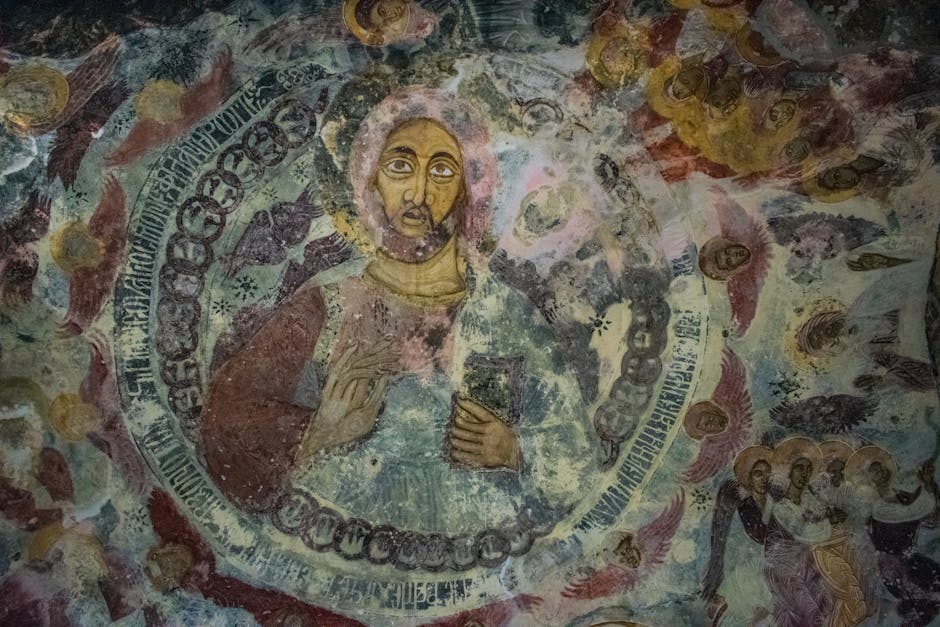
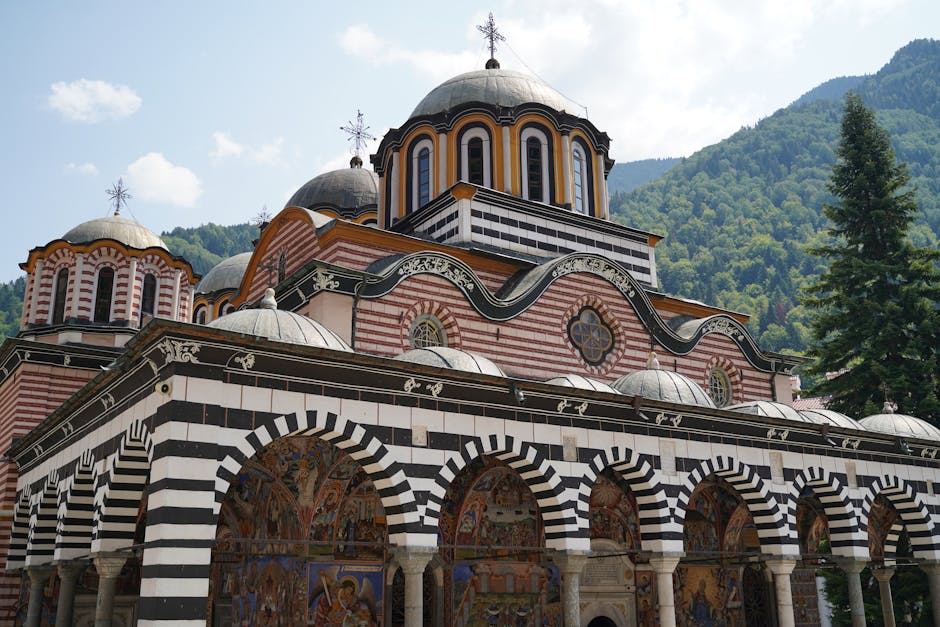
Stepping into the main church, the sheer scale of the artwork is disorienting. The walls are covered floor-to-ceiling in vibrant pigments — lapis lazuli blues, cinnabar reds, and gold leaf that catches the light from the high windows. The central theme is the Life of Christ, but it's presented with a dramatic intensity that feels almost theatrical. The Crucifixion scene, located in the apse, is particularly striking. Christ's body is rendered with anatomical precision, his pain visceral and immediate. This wasn't meant to be distant worship; it was meant to be felt. The artists used perspective tricks to make the figures loom over the viewer, creating an immersive experience that blurs the line between the sacred space and the observer.
But the real gonzo detail lies in the marginalia. Look closely at the edges of the panels, and you'll see the faces of the donors, the local nobility, and even the painters themselves. Zahari Zograf included a self-portrait in the St. George Church St. George Church, a small but defiant inclusion of the artist in the divine narrative. These faces are not idealized; they are grim, weathered, and real. They remind you that these were people living in harsh conditions, using their art to assert their humanity in the face of oppression. The frescoes also depict local legends and historical events, weaving Bulgarian identity into the fabric of Orthodox Christianity. It's a clever subversion, using the dominant religion to preserve a distinct national culture.
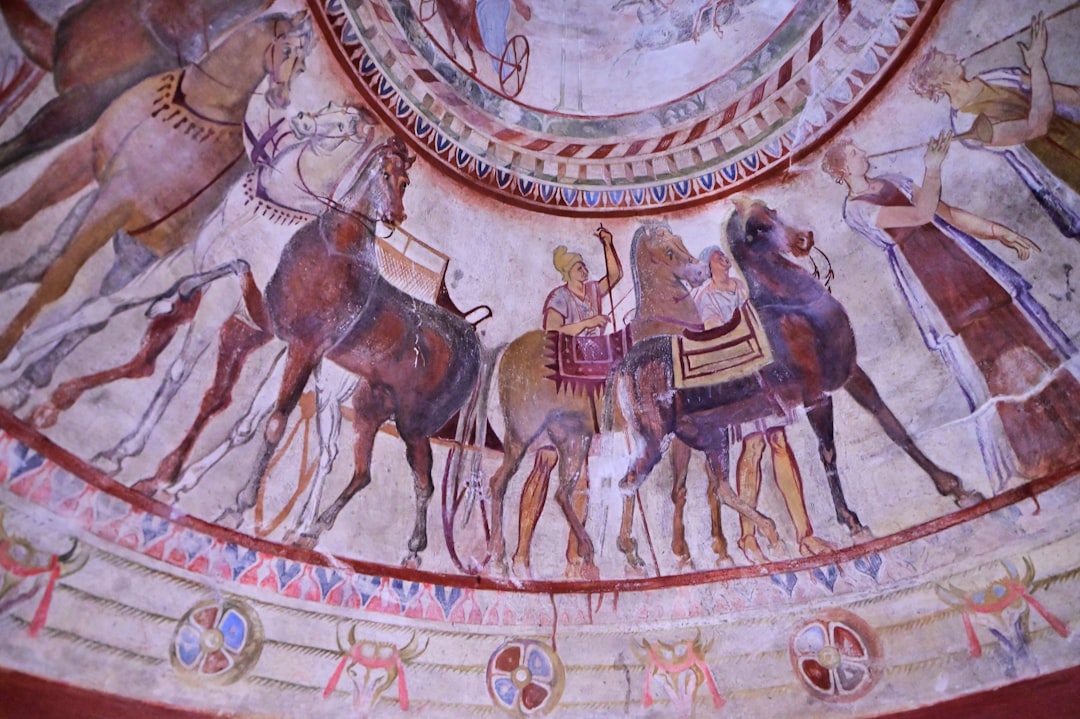
Where to Go: The Architectural Layers
The Main Church (Church of the Nativity of the Virgin) — This is the heart of the complex. Built in the 19th century, it houses the most significant frescoes. The interior is a riot of color, with the iconostasis (the wall of icons) dominating the eastern end. Entry is free, but donations are expected. Visit early in the morning to avoid the crowds and catch the light hitting the gold leaf at its best. The acoustics are incredible, so if a choir is rehearsing, stay and listen.
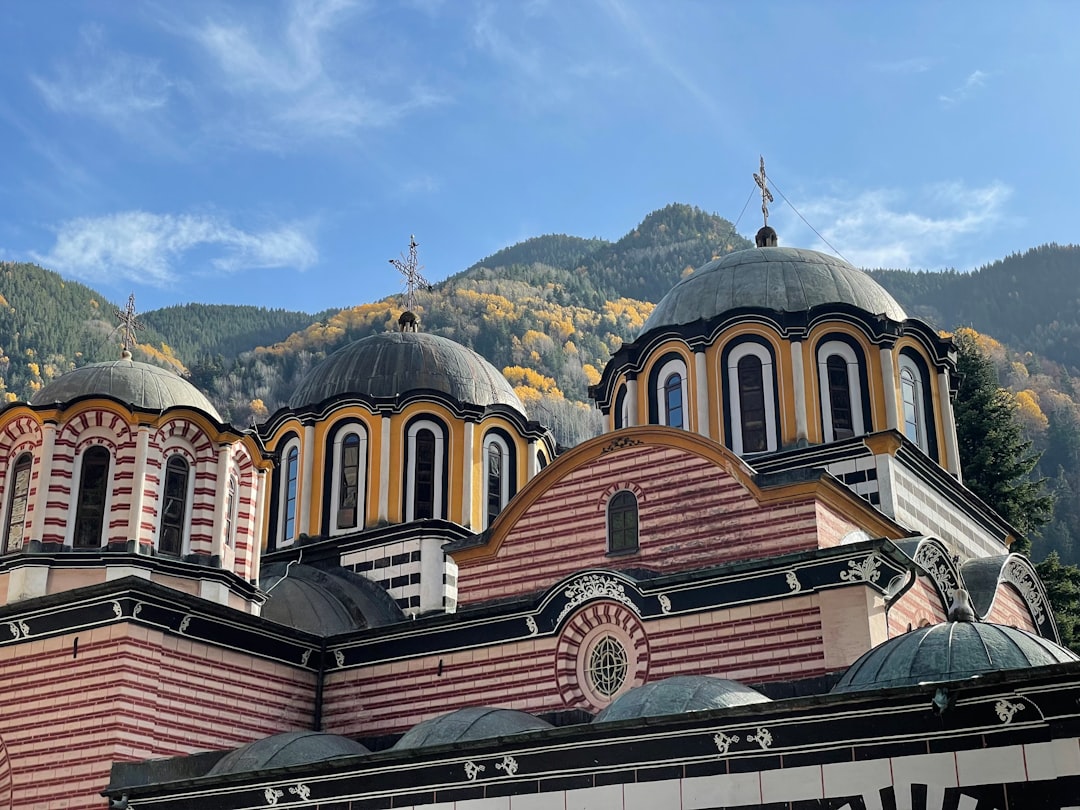
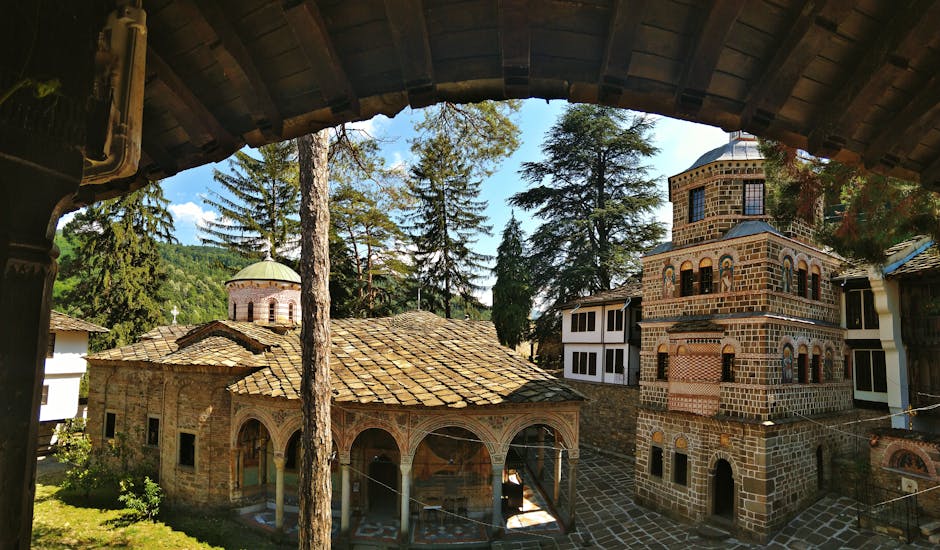
The St. George Church — Located in the southern wing, this is the oldest part of the monastery, dating back to the 10th-11th centuries. It's smaller, darker, and more intimate. The frescoes here are from the 13th-14th centuries, offering a glimpse into the earlier, more stylized Byzantine style. The contrast with the main church is stark and educational. It feels like stepping back in time, into a colder, harder era. The stone walls are thick, and the air is cooler here.
The Library and Museum — This is where the real nerds go. The collection includes rare manuscripts, including the Rila Charter, one of the oldest Bulgarian legal documents. The museum also houses artifacts from the monastery's history, including weapons, clothing, and everyday objects. It's a quiet, dimly lit space that rewards careful observation. The staff are knowledgeable and happy to point out specific details if you ask. Entry fee is 5 EUR for adults.
The Bell Tower — Standing 61 meters high, this is the tallest structure in the complex. You can climb to the top for a panoramic view of the Rila Monastery complex and the surrounding mountains. The view is breathtaking, especially on a clear day. The climb is steep, but the payoff is worth it. You can see the scale of the monastery, the surrounding forests, and the distant peaks of the Rila range. Entry to the tower is 3 EUR.
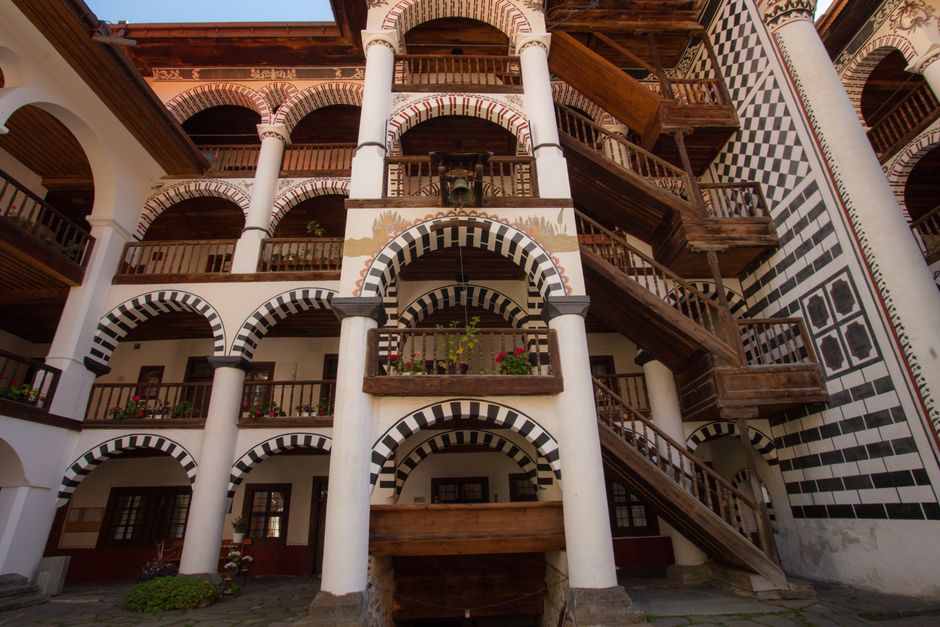
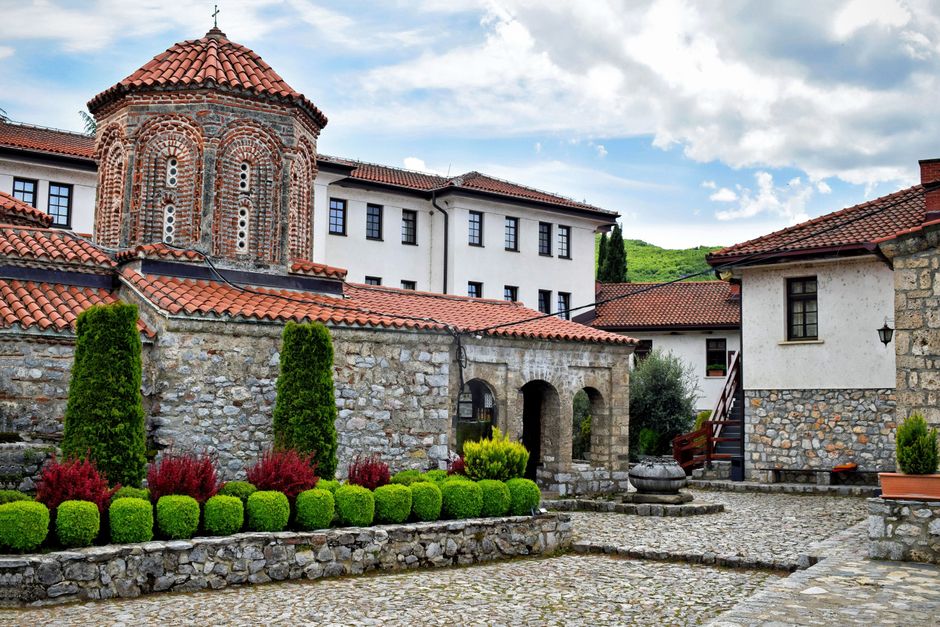
The Central Courtyard — Often overlooked, the courtyard is a masterpiece of Revival architecture. The two-story gallery features intricate wooden balconies and colorful facades. It's the perfect place to sit and soak in the atmosphere. There are several cafes here, serving traditional Bulgarian coffee and banitsa (cheese pastry). It's a social hub, where monks, tourists, and locals mingle. The energy here is relaxed, a stark contrast to the solemnity of the churches.
What to Eat & Drink
Don't leave without trying the local flavors. The monastery complex has several eateries, mostly in the courtyard and the surrounding shops. Banitsa is the staple — a flaky pastry filled with white cheese, served with yogurt. It's cheap, filling, and delicious. A portion costs around 2-3 EUR. Kebapche (spiced minced meat sausage) is another local favorite, often served with bread and shopska salad (tomatoes, cucumbers, and sirene cheese). A plate of kebapche will set you back 5-7 EUR. For a drink, try Rakia, the traditional fruit brandy. It's strong, sweet, and goes down smooth. A small glass is 2 EUR.
For budget travelers, the food court in the courtyard offers the best value. You can get a full meal for under 5 EUR. If you want a sit-down experience, there are a few traditional restaurants nearby in the village of Rila, with prices ranging from 10-15 EUR per person. The food is hearty, meant to fuel you for the mountain air. Don't skip the trayka, a layered pastry with walnuts and raisins, perfect for a sweet ending. It's 1-2 EUR per slice.
Nightlife
Let's be real: Rila Monastery isn't a nightlife destination. The nearest town, Rila Rila, has a few bars and pubs, but they close early, usually by 11 PM. The vibe is relaxed, with locals and tourists chatting over beers. Hotel Rila has a bar with a decent selection of Bulgarian wines and rakia. It's a good place to unwind after a day of exploring. If you're looking for a club scene, you'll need to head to Samokov Samokov, about 30 minutes away. But honestly, the best "nightlife" here is sitting in the courtyard, listening to the echo of the bells and the rustle of the wind in the pines. It's a different kind of buzz.
Getting There & What to Expect
Getting to Rila Monastery is straightforward. The nearest major city is Sofia Sofia, the capital of Bulgaria. It's about 120 km away, a 2-hour drive. Buses run frequently from Sofia's Central Bus Station to Rila, costing around 5-7 EUR one way. The journey is scenic, winding through the Vitosha and Rila mountains. If you're driving, the road is well-maintained, but watch for hairpin turns. Parking is available near the monastery, with a fee of 2-3 EUR per hour.
Accommodation options range from budget hostels in Rila town to luxury hotels near the monastery. A bed in a hostel costs 15-25 EUR per night, while a mid-range hotel room is 40-60 EUR. For a splurge, there are several 4-star hotels with spa facilities, costing 80-120 EUR per night. The best time to visit is between May and October, when the weather is mild and the trails are accessible. Winter is beautiful but cold, with snow covering the complex. It's a magical sight, but be prepared for icy paths.
Search accommodation in Rila on Booking.com →
The Final Gaze
As I left the monastery, the sun was setting, casting long shadows across the courtyard. The bells tolled, a deep, resonant sound that seemed to vibrate in my chest. I looked back at the walls, those vibrant frescoes fading into the twilight. It's easy to dismiss this place as a tourist trap, a postcard image of Bulgaria. But if you look closely, if you let the history seep into your bones, you realize it's something more. It's a testament to the power of art to preserve identity, to defy erasure. The monks here didn't just paint saints; they painted themselves into existence. And as I walked back to the bus, the smell of incense still on my clothes, I felt a strange sense of kinship with those long-dead artists. They survived. And so did their story.
Comments