


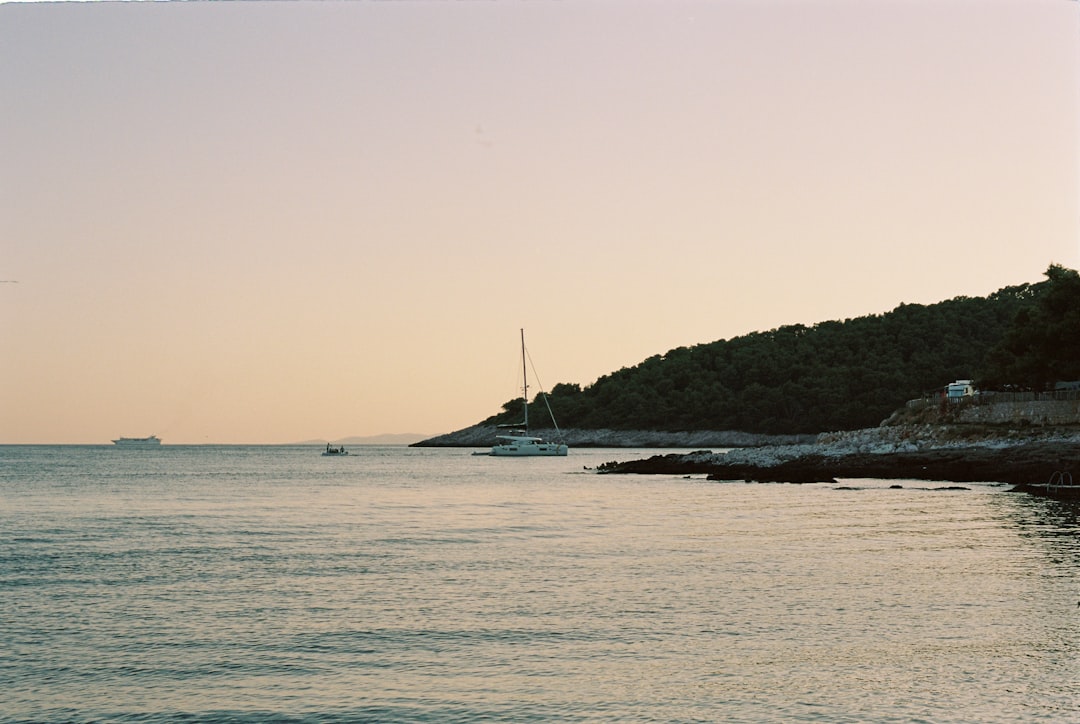
The air on Hvar Island doesn't just smell like the sea. It smells like a perfume factory exploded in a botanical garden. I'm standing on a ridge near Jelsa, sweat sticking my shirt to my back, watching a tractor rumble through rows of purple that look more like a bruised sky than a crop. The locals aren't just farming lavender; they're bottling the island's soul. A woman selling sachets by the roadside doesn't smile politely. She shoves a bundle under my nose with the aggression of a grandmother forcing you to eat. "Breathe," she says, in a mix of Croatian and English. "It fixes everything. Even your bad decisions." I bought three sachets. I had a bad decision involving a taxi driver who claimed the ferry was cancelled just to charge me double. The lavender didn't fix it, but it did make the hangover the next morning smell like a French spa.
Hvar is often sold to tourists as a playground for the rich and famous, a place where supermodels sip cocktails on yachts in Hvar Town. And sure, that part exists. But underneath the gloss and the Instagram filters, there's a rugged, sun-baked reality. It's a place of stark contrasts: ancient fortresses watching over neon-lit bars, and quiet, dusty villages where time seems to have stopped in the 1970s. If you come here expecting only glamour, you'll miss the grit, the heat, and the genuine, earthy charm of the interior.
History & Identity
Hvar isn't just a pretty face. It's a fortress. For centuries, this island was the strategic key to the Adriatic, changing hands like a hot potato between Venetians, Ottomans, and French. The Venetians left the most indelible mark. Their influence is everywhere: in the Gothic-Renaissance architecture of Hvar Town, in the stone fortresses that crown the hills, and in the strict, disciplined layout of the streets. The island was a naval hub, a place where pirates were feared and sailors were respected.
This history of conflict and trade shaped the Hvarian identity. They are proud, direct, and fiercely independent. The island was one of the first places in the Balkans to embrace modernity, with early theaters and newspapers. That cultural pride hasn't faded. Even today, the people of Hvar carry themselves with a certain swagger, a sense that they are part of something special. The Fortica in Hvar Town stands as a silent witness to this past, a stone sentinel that has watched over the harbor for centuries.
The transition from a military outpost to a leisure destination wasn't smooth. During the communist era, Hvar was somewhat isolated, its potential stifled. But after the breakup of Yugoslavia, the island exploded onto the global tourism scene. It became a symbol of freedom, of the open sea, and of the Balkans' ability to reinvent itself. Today, it's a place where history and hedonism collide, where you can walk from a 16th-century church to a club playing deep house music in the same hour.
Where to Go
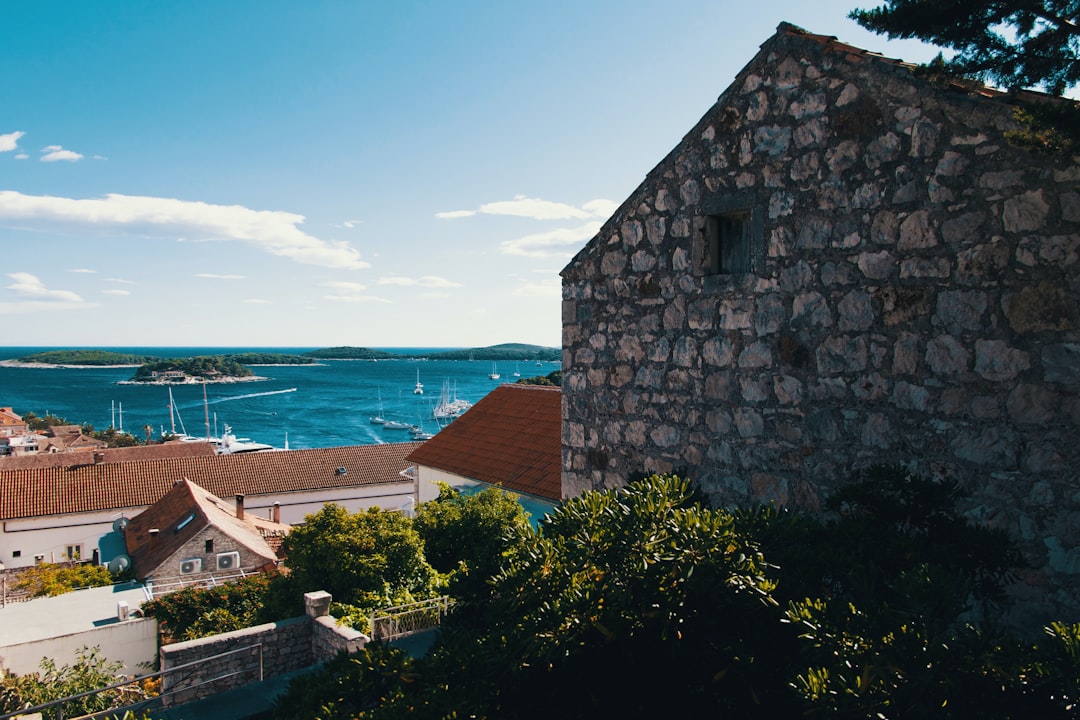
Fortica — This isn't just a fort; it's a viewpoint with a attitude. Perched on a hill overlooking Hvar Town, it offers a panoramic view of the harbor, the island of Paklinski Islands, and the mainland. The climb up is steep and the stone steps are worn smooth by centuries of feet. At the top, you can see the entire town spread out below, a patchwork of terracotta roofs and white walls. It's the perfect spot to catch the sunset, though you'll have to share it with a few other people. Entry is free, but the heat is relentless.
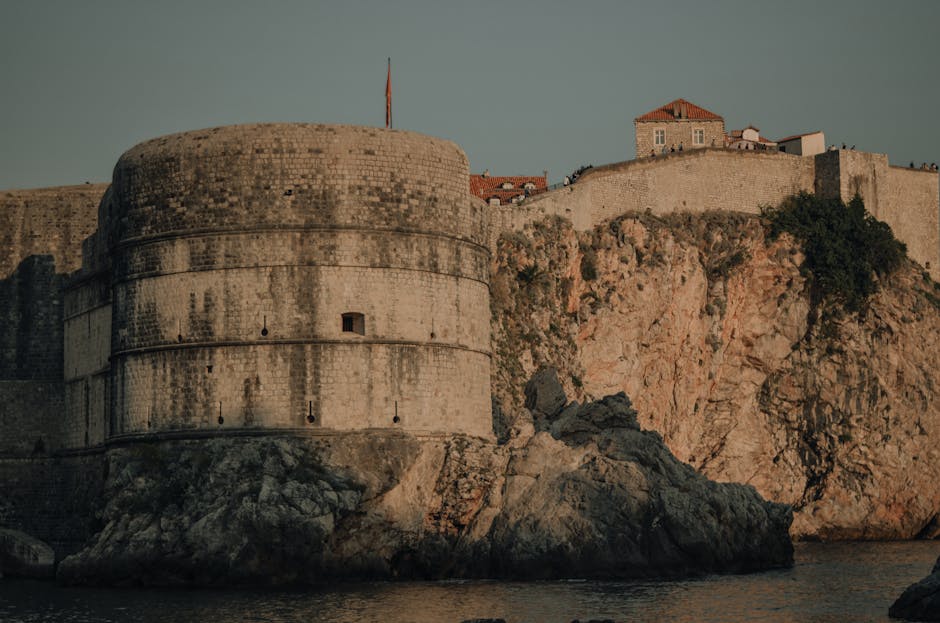
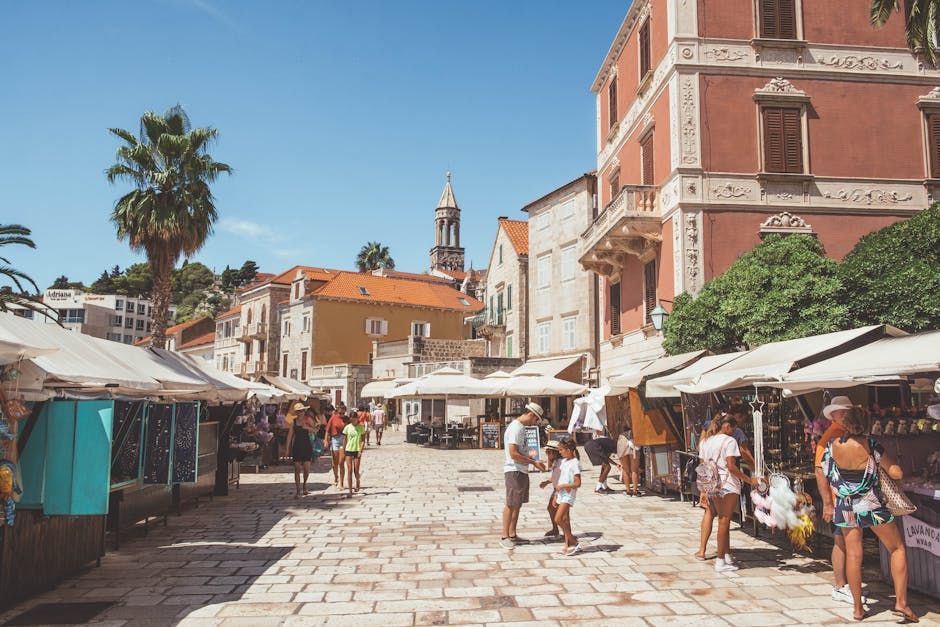
Hvar Town — The capital of the island is a maze of narrow streets, squares, and hidden courtyards. Start at the Republic Square, the heart of the town, where the Hvar Cathedral stands with its distinctive bell tower. Wander down to the Harbor, where luxury yachts are moored next to fishing boats. The Stari Grad Plain, a UNESCO World Heritage site, stretches out from the town, a landscape of ancient stone walls and olive groves that have been cultivated for over two thousand years. It's easy to spend a whole day just getting lost in the streets.
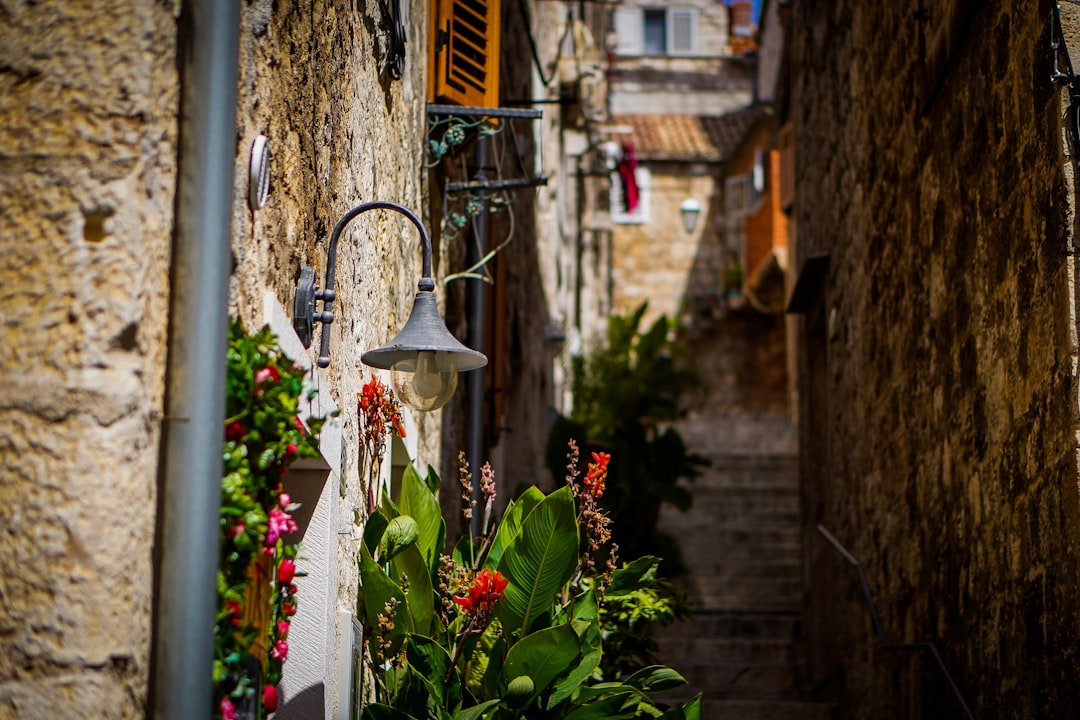
Stari Grad — The oldest town in Croatia, founded by Greek colonists in the 4th century BC. It's quieter than Hvar Town, with a more relaxed vibe. The Stari Grad Plain is the star here, a vast agricultural landscape that looks like a giant patchwork quilt. Take a walk along the coast, visit the Poljica Monastery, and explore the Stari Grad Harbor, one of the best natural harbors in the Adriatic. The town is a great base for exploring the northern part of the island.
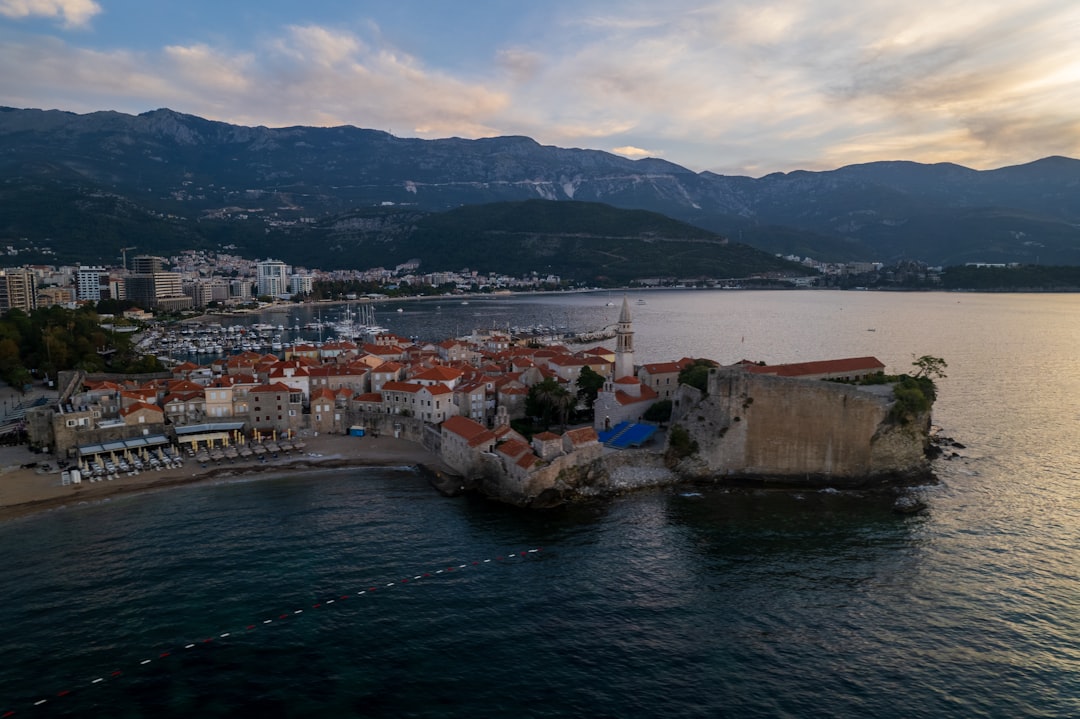
Blue Cave on Biševo — This is the island's most famous natural attraction, and for good reason. The cave is lit by a natural shaft of sunlight that reflects off the water, creating an ethereal blue glow. Boats take you from Stari Grad or Hvar Town to the cave, and you swim in through a small opening in the water. The experience is surreal, almost magical. But it's also crowded. Go early in the morning to avoid the worst of the crowds. The boat ride is worth it, even if the cave is a bit of a tourist trap.
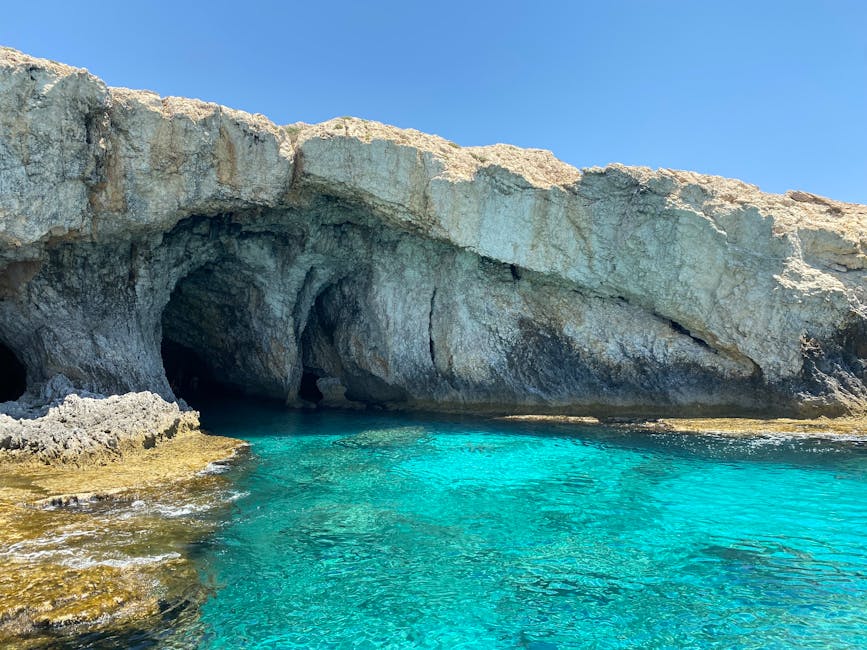
Paklinski Islands — This archipelago of seven small islands is a nature lover's paradise. There are no roads, no cars, and no permanent residents. Just pristine beaches, crystal-clear water, and ancient pine forests. You can reach them by boat from Hvar Town, and you can spend the day swimming, hiking, and picnicking. The largest island, Stipanska, has a small church and a few taverns, but otherwise, it's a world away from the party scene. It's the perfect place to escape the crowds and find some peace.
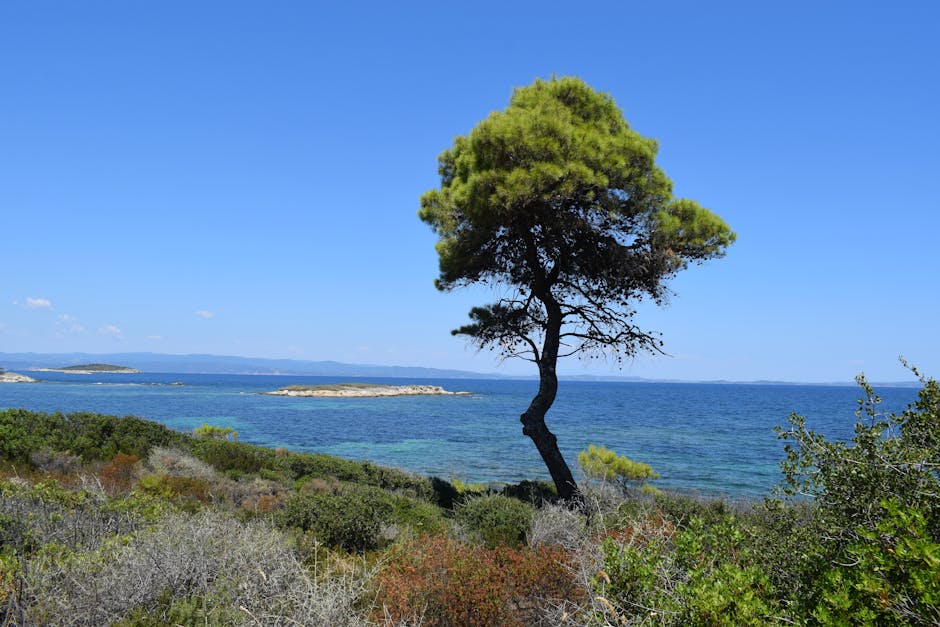
Jelsa — The administrative center of the island, Jelsa is often overlooked by tourists who head straight for Hvar Town. But it has its own charm. It's a working town, with a busy harbor, local markets, and a more authentic feel. The Vela Luka area to the south is also worth a visit, known for its oysters and fishing industry. Jelsa is a great place to buy local produce, including lavender, wine, and olive oil. It's a good base for exploring the interior of the island.
What to Eat & Drink
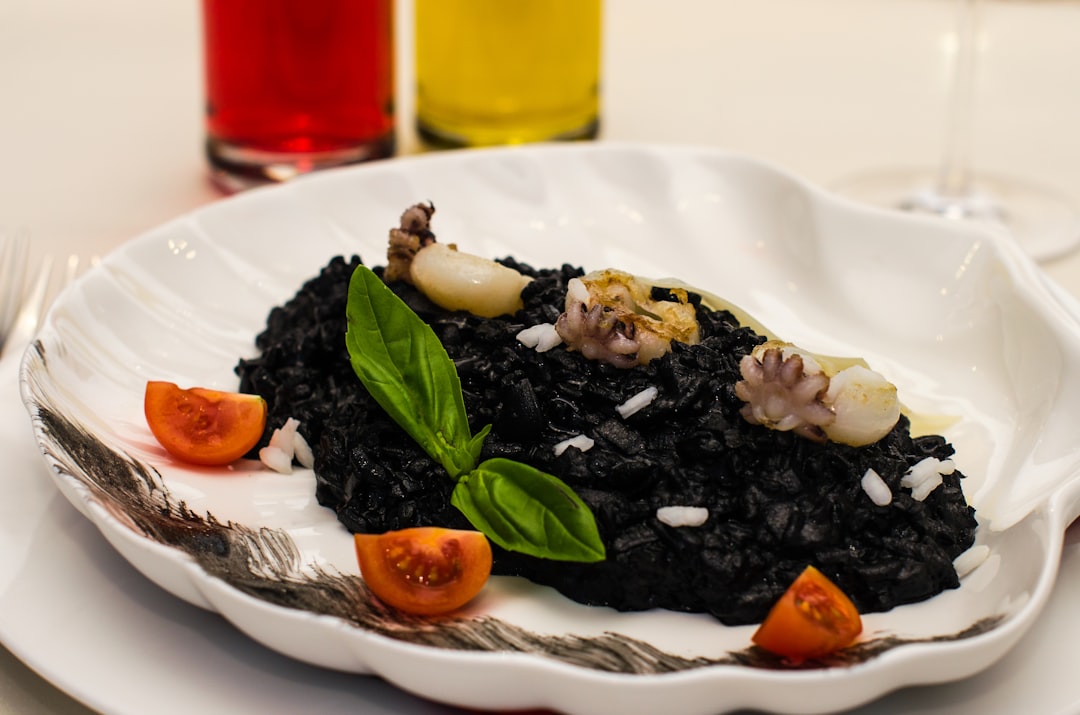
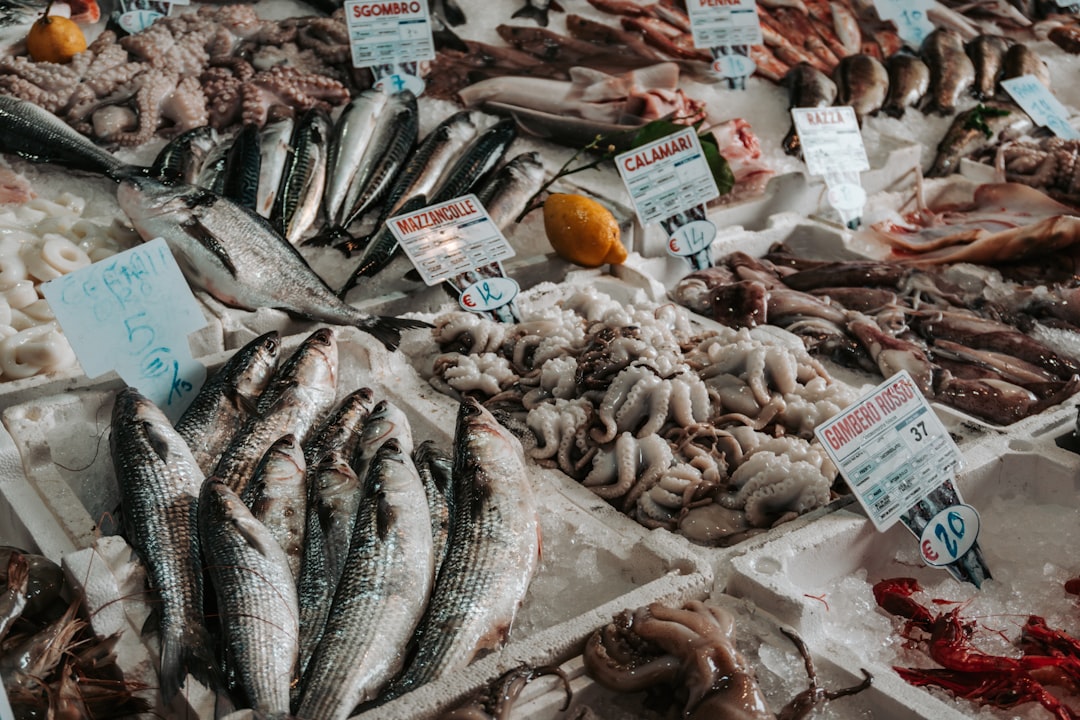
Eating on Hvar is an experience in itself. The island is known for its fresh seafood, olive oil, and wine. But it's also expensive. If you want to eat well without breaking the bank, you need to know where to go. Start with the basics: pršut (cured ham) and pašticada (beef stew) are staples, but don't miss out on the local specialties like black risotto made with cuttlefish ink, or grilled octopus. For a snack, try fuži, a type of pasta that is unique to the region.
Black Risotto — 12-15 EUR per serving. A must-try dish, made with cuttlefish ink and served with a side of polenta. It's rich, flavorful, and unforgettable.
Grilled Octopus — 10-12 EUR per serving. Tender, juicy, and seasoned with olive oil and lemon. A simple but delicious dish.
Pašticada — 14-16 EUR per serving. A hearty beef stew, slow-cooked with wine, spices, and vegetables. Served with fuži pasta.
Pršut and Cheese Platter — 8-10 EUR per serving. A selection of local cured ham and cheeses, perfect for sharing.
Budget breakdown: Street food like pirogi or panini will cost you 3-5 EUR. A sit-down meal at a local taverna is around 15-25 EUR per person, while a nice restaurant in Hvar Town can easily reach 30-50 EUR per person. For budget travelers, there are a few food courts and supermarkets where you can pick up supplies for a picnic. The Jelsa Market is a great place to buy fresh produce, cheese, and wine.
Nightlife
Hvar Town is the heart of the island's nightlife. The main strip is Ston Street, which is lined with bars, clubs, and restaurants. The party scene is lively, with music ranging from deep house to pop. The clubs stay open until the early hours, and the bars are full of people looking to let loose. But the nightlife isn't just about the clubs. There are also beach bars, yacht parties, and sunset cocktails that offer a more relaxed vibe.
Carpe Diem — One of the most famous clubs on the island, located in Hvar Town. It's known for its international DJs, its glamorous crowd, and its high prices. Cover charge is around 15-20 EUR, and drinks are even more expensive. But it's a place to see and be seen.
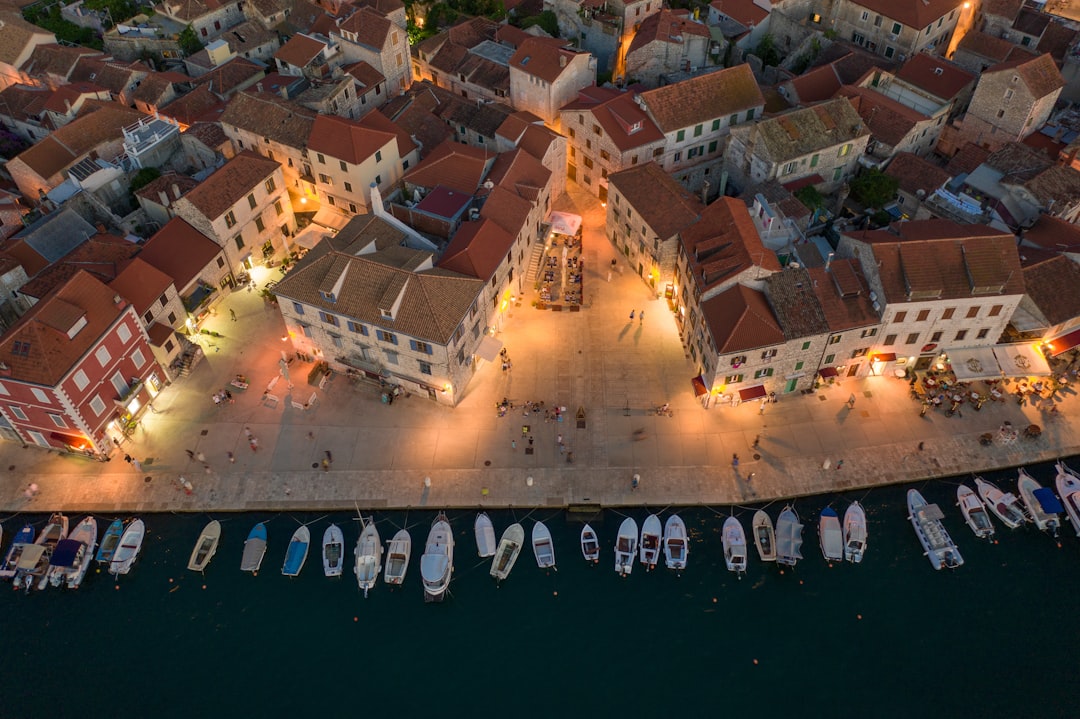
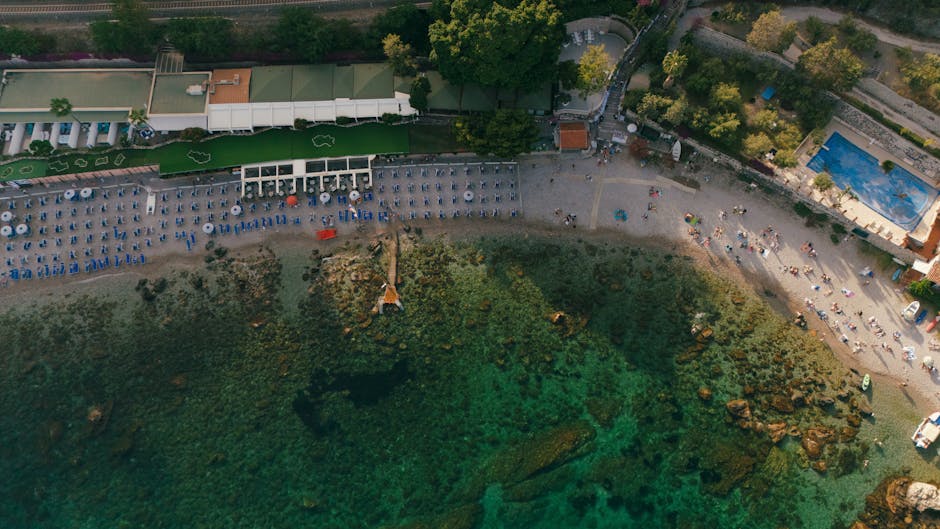
Blue Marlin — A beach club located on the shore of Hvar Town. It's a great place to spend the day, with sunbeds, cocktails, and live music. At night, it transforms into a club, with a more relaxed vibe than Carpe Diem. Cover charge is around 10-15 EUR.
Barok — A more traditional bar, located in the old town. It's known for its live music, its local crowd, and its reasonable prices. It's a good place to meet locals and experience the authentic side of Hvar's nightlife. Cover charge is around 5-10 EUR.
Getting There & What to Expect
The nearest airport is in Split, which is about 100 km away. From Split, you can take a bus or a taxi to the port, and then a ferry to Hvar Town or Stari Grad. The ferry ride takes about 1.5 to 2 hours, depending on the speed of the boat. There are also direct flights to Dubrovnik, but that's much further away. If you're driving, there are car ferries available, but they're expensive and not always reliable.
Accommodation on Hvar is expensive, especially in high season (July and August). A budget hostel bed will cost you around 30-50 EUR per night, while a mid-range hotel room will set you back 80-150 EUR per night. Luxury villas and apartments can cost 300-500 EUR per night or more. If you're on a budget, consider staying in Jelsa or Stari Grad, where prices are lower. Camping is also an option, with several campsites around the island.
The best time to visit Hvar is in June or September, when the weather is still warm but the crowds are smaller. July and August are peak season, with high prices and long lines. The island is closed in winter, with most restaurants and shops shutting down. But if you're looking for a quiet, peaceful getaway, winter can be a good time to visit.
Search accommodation in Hvar Town on Booking.com →
The Lavender Lie and the Real Hvar
They sell you the lavender like it's a cure-all. A sachet for your drawer, a distillate for your skin, a tea for your soul. But the real scent of Hvar isn't in the shops. It's in the dust that kicks up when the bus rattles past the fields, mixing with the salt air and the exhaust of the tourist boats. The glamour is real, but it's a thin veneer. Underneath, this island is hard. The stone is hard, the sun is hard, and the people are hard. They've survived empires, wars, and economic shifts. They don't need your pity or your awe. They just want you to buy their lavender, drink their wine, and leave their peace alone for a few hours. I left with three sachets, a sunburn, and a respect for the stubbornness of this place. It doesn't care if you like it. It just is.
Comments