


A Medieval Fortress and Ottoman Legacy
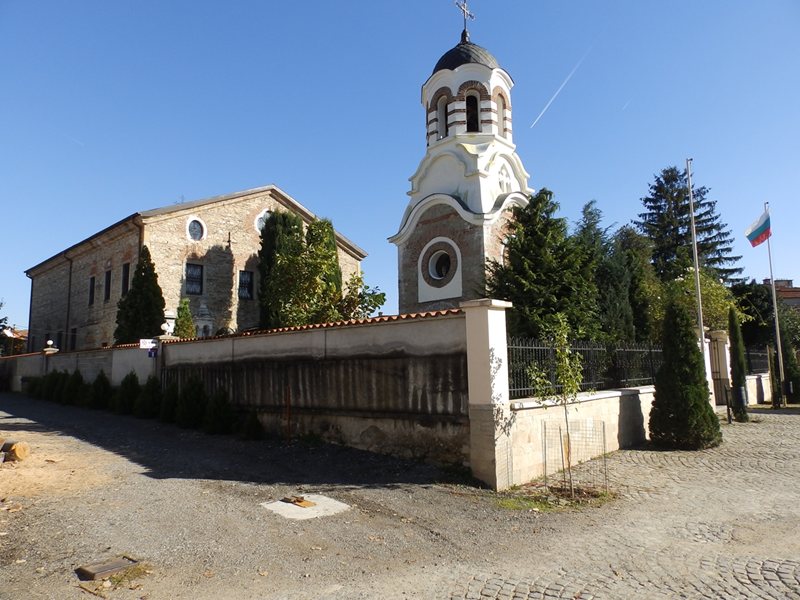
The annual Rose Festival in Kazanlak reaches its climax today and tomorrow, continuing a tradition that dates back to 1903. While many associate this picturesque town in the Balkan foothills solely with Thracian history, recent archaeological findings highlight a deeper past. During the 13th and 14th centuries, the area was home to Krun, one of the most significant cities of the Second Bulgarian Empire. At the site of modern Kazanlak stood the fortress of Despot Aldimir, brother of Tsar Georgi Terter I. Destroyed in 1916, the castle’s location was recently pinpointed near the Saint Elijah Cathedral, where excavations have uncovered medieval Christian burials, farming tools, and Byzantine coins.
The fortress gave its name to the Christian quarter known as Kulenska. After the Ottomans destroyed the medieval settlement, Turkic-speaking Yuruks from Anatolia were settled in the area. Legend claims Sultan Murad I was captivated by the beauty of local Bulgarian girls, naming the place Akca Kazanlar. Historical documents indicate that around the early 15th century, the district was granted as a timar to Sarudja Pasha. His son, Umur Bey, built a mosque, bathhouse, and caravanserai around 1400 in his father’s honor.
Rose Oil and Economic Rise
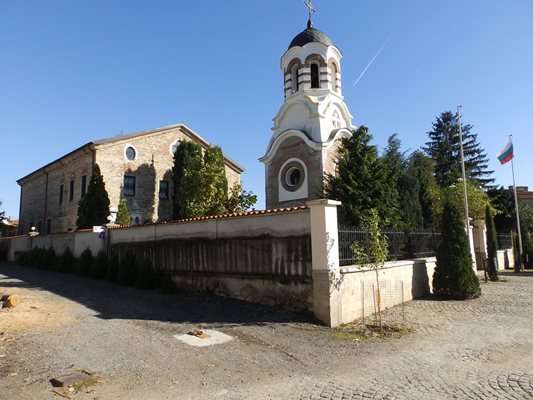
Travelers such as Evliya Çelebi and Felix Kaniez documented the town’s development through the 17th to 19th centuries. By 1770, Balkan migrants from the Tarnovo region settled in the southeastern part of the town, creating the Kalpakchiyska quarter. Refugees from raid-affected villages like Koprivshtitsa later formed the Novenska quarter, significantly increasing the Bulgarian population and shaping the town’s Renaissance-era character.
While crafts like belt and metal production flourished in the 19th century, rose oil defined Kazanlak’s global reputation. The Roman writer Pliny the Elder noted twelve rose varieties in Thracian provinces, though the specific oil-bearing Rosa damascena arrived via India, Iran, and Asia Minor. The Kazanlak Valley’s high humidity, mild temperatures, and sandy-clay soils proved ideal for this crop. Local merchants recognized its potential early on; Doncho Papazov founded the first rose oil trading house in 1820.
This valuable ingredient soon won gold medals at international exhibitions in Paris, London, Philadelphia, Antwerp, and Milan. Today, numerous companies continue these 19th-century traditions, maintaining Kazanlak’s status as a key economic hub. The region’s unique microclimate and centuries-old expertise ensure that rose cultivation remains a cornerstone of local identity and prosperity.

казанлък винаги е бил топ дестинация за лятото, но розата наистина го прави специален 🌹 нито един балканец не може да мине покрай без да спира да мирише. има ли някой, който да е бил на последния фестивал и да каже дали цените на ароматните води са скачени отново...