


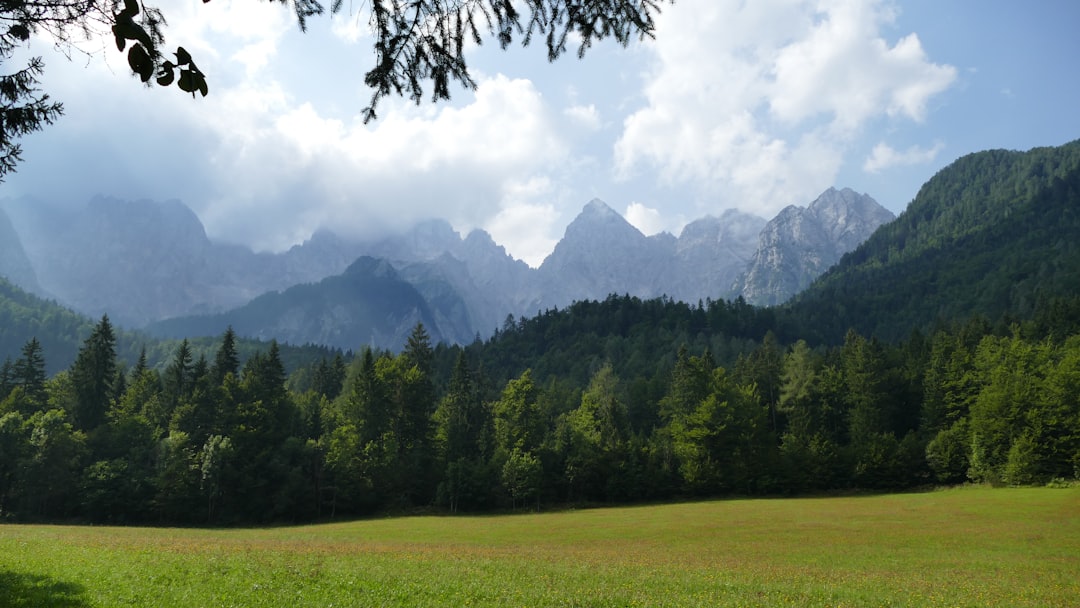
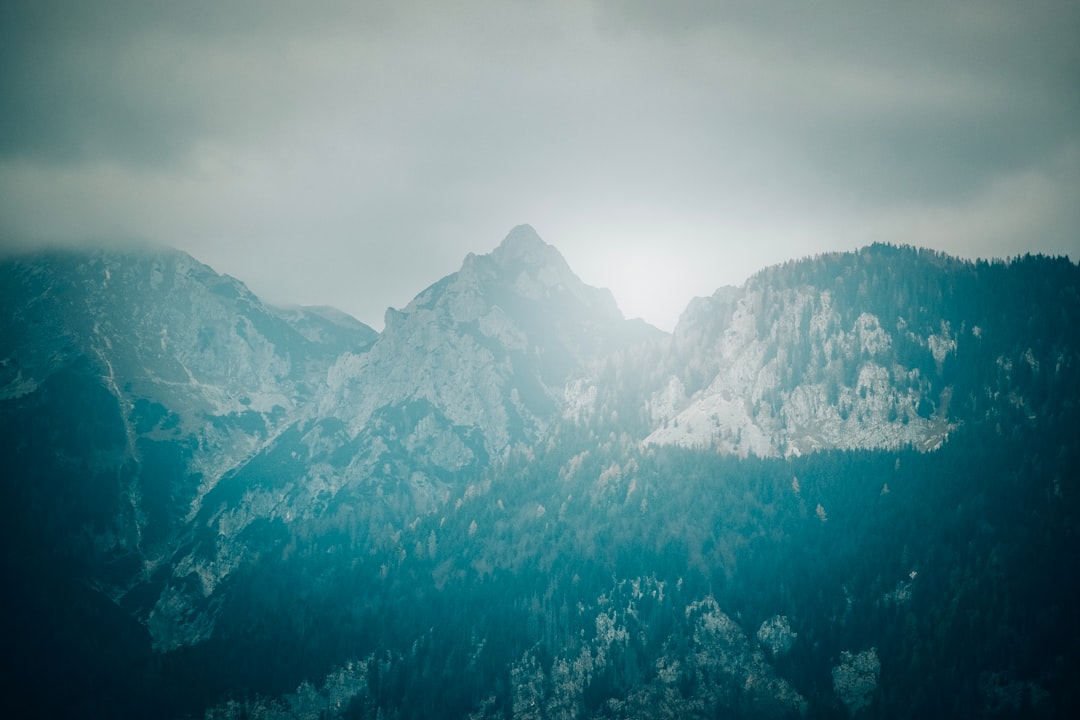
The air at 2,000 meters in the Julian Alps doesn't just hit you; it interrogates you. I was halfway up a scree slope near Krma, lungs burning with the thin, pine-scented oxygen, when I realized my map was useless. The trail markers were faded, the fog was rolling in like a wool blanket, and my legs felt like they had been replaced with lead pipes. A local shepherd, leaning on a gnarled staff, watched me struggle with amused indifference. He didn't offer help, just pointed a calloused finger toward a ridge line and muttered something about the weather turning. That moment—stripped of comfort, reliant on instinct and the raw landscape—is what hiking the Via Dinarica is truly about. This isn't a leisurely stroll through a manicured park. It's a grueling, magnificent trek through one of Europe's most rugged mountain ranges, and the Slovenian section, known as the Via Dinarica Slovenica, is the crown jewel of the entire 1,200-kilometer route.
Most hikers come to Slovenia for the Instagram-worthy waterfalls of Bled or the ski slopes of V Kranjska Gora. They miss the real story. The real story is up here, in the high pastures and jagged peaks where the border between Slovenia, Croatia, and Bosnia and Herzegovina dissolves into rock and cloud. The Via Dinarica Slovenica spans roughly 400 kilometers, but the most iconic and demanding segment runs through the heart of the Julian Alps. It's a route that demands respect, preparation, and a willingness to get lost in the best possible way.
The History of a Borderless Path
The Via Dinarica wasn't born out of a romantic desire for nature tourism. It was born from a political vision. In 2010, a group of hikers and activists from Slovenia, Croatia, and Bosnia and Herzegovina decided to connect their countries with a single long-distance trail. The goal was simple but radical: to create a path that ignored the artificial borders drawn by history, war, and politics. The Dinaric Alps had always been a natural barrier, separating cultures and communities. The trail sought to stitch them back together, one boot print at a time.
The Slovenian section, the Via Dinarica Slovenica, was the first to be fully marked and documented. It runs from the Austrian border in the north, down through the Julian Alps, across the Karst Plateau, and ends at the Croatian border in the south. The route passes through some of Slovenia's most protected landscapes, including Triglav National Park and the Kočevski Rog forest. Hiking this trail is not just a physical challenge; it's a journey through the complex history of the Balkans, where every valley holds memories of empires, wars, and resilience.
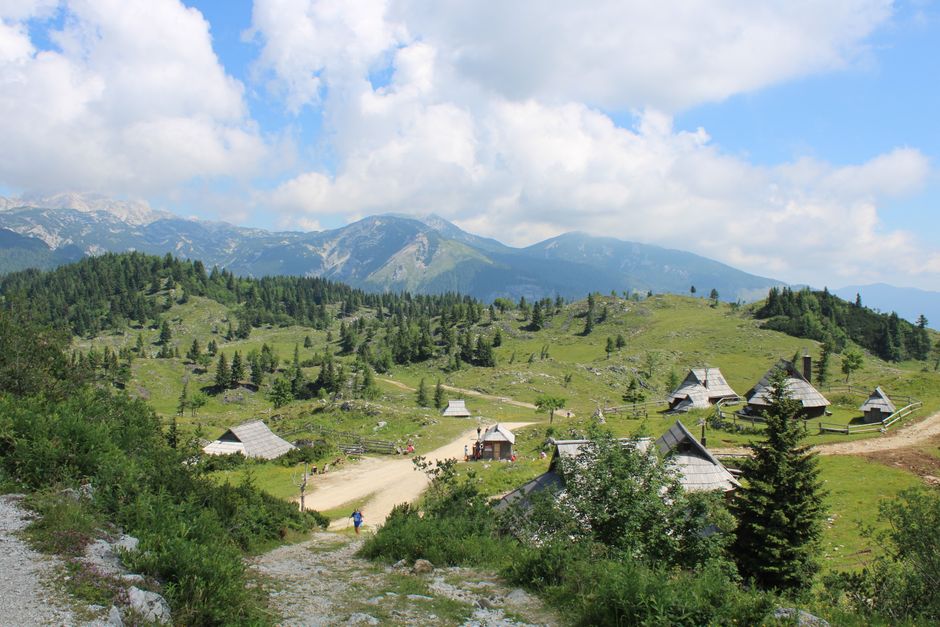
What makes the Julian Alps section so compelling is its diversity. In just a few days, you can go from alpine meadows dotted with wildflowers to dense beech forests, from glacial lakes to limestone karst landscapes. The trail is well-marked with the distinctive Via Dinarica logo—a blue square with a white diagonal line—but it still requires navigation skills. The weather changes rapidly, and the terrain can be unforgiving. But that's the point. This is a trail for those who want to feel alive, who want to challenge themselves, and who want to see Slovenia as few tourists ever do.
The Julian Alps: A Terrain of Contrasts
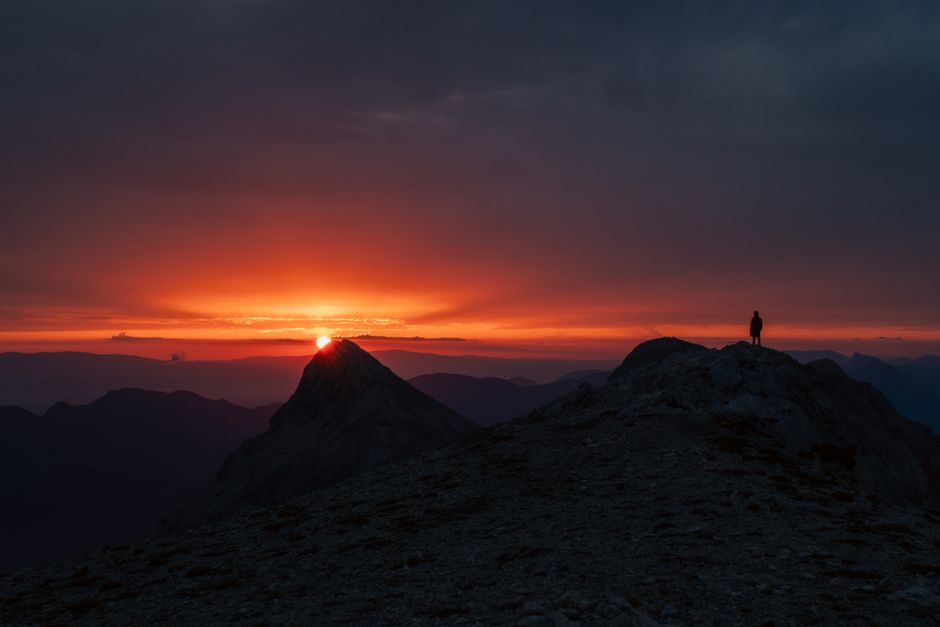
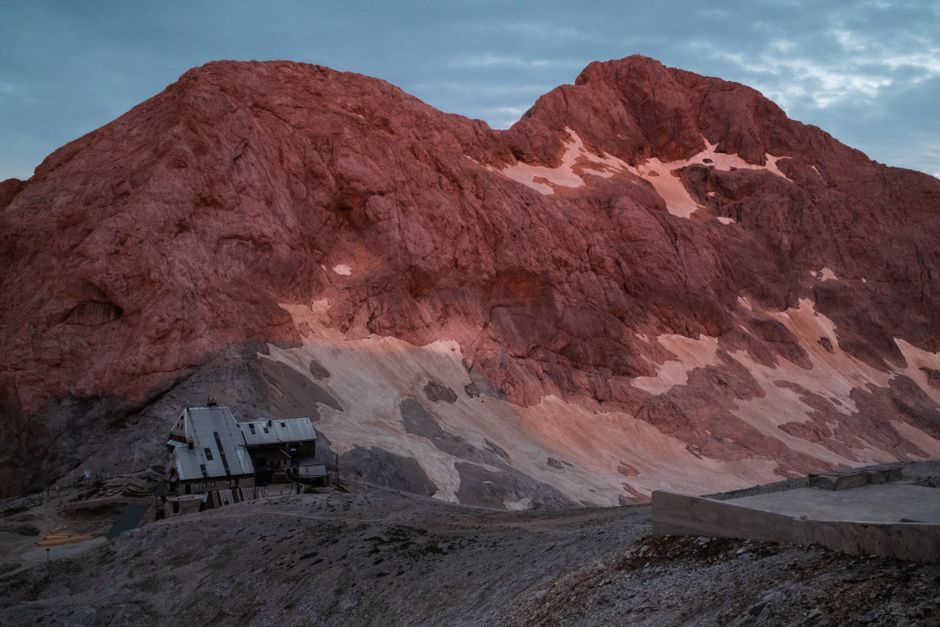
The Julian Alps are the westernmost part of the Dinaric range, and they are home to Slovenia's highest peak, Triglav, which rises to 2,864 meters. The mountain is so iconic that it appears on the Slovenian flag, coat of arms, and euro coins. But Triglav is just the beginning. The Julian Alps are a labyrinth of peaks, valleys, and passes, each with its own character and charm. The Via Dinarica trail winds through this landscape, offering hikers a front-row seat to some of the most dramatic scenery in the Alps.
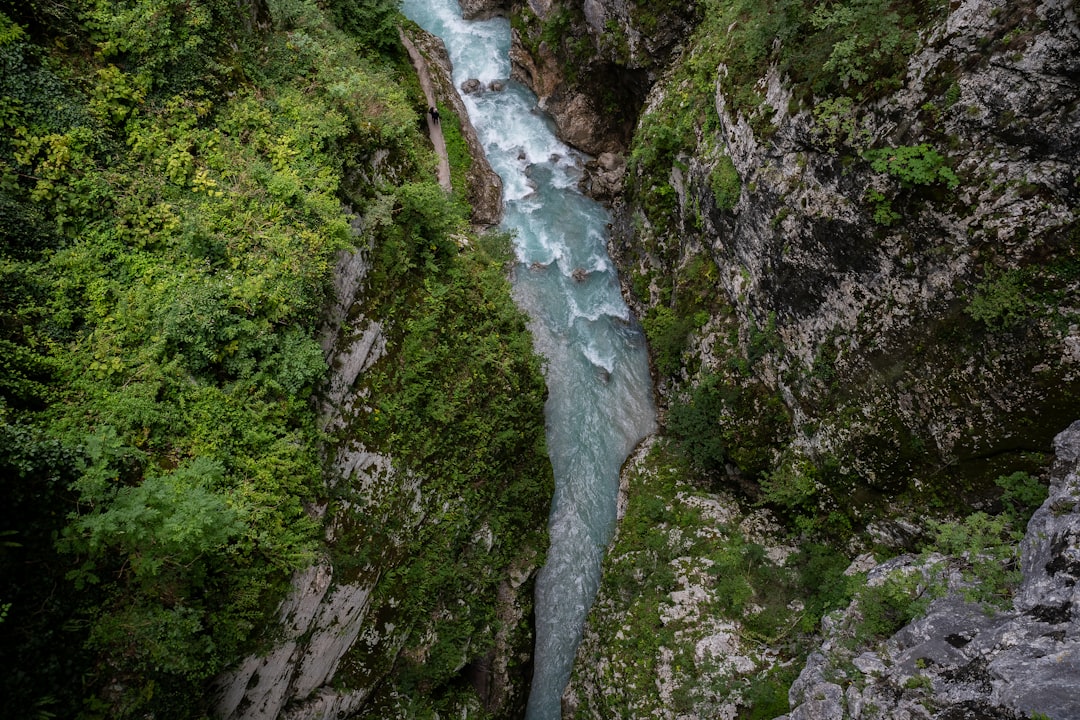
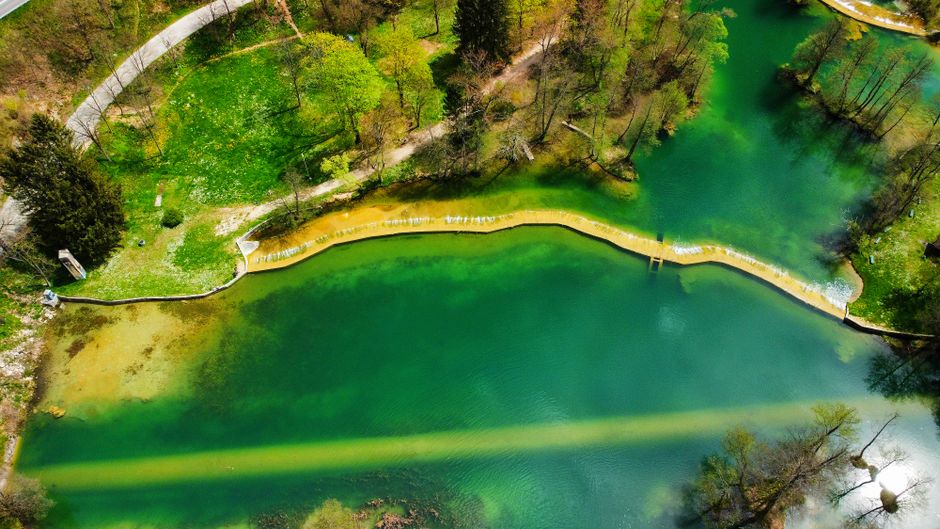
One of the highlights of the trail is the Soča Valley, a region that has inspired poets, painters, and filmmakers for centuries. The Soča River, with its striking turquoise waters, is the lifeblood of the valley, carving its way through limestone gorges and past ancient villages. The trail follows the river for much of its length, offering stunning views of the water and the surrounding peaks. In summer, the valley is a haven for hikers, cyclists, and kayakers. In winter, it transforms into a snow-covered wilderness, accessible only to the most experienced adventurers.
Another must-see spot is the Logar Valley, a narrow glacial valley surrounded by towering peaks. The valley is home to the Logar Waterfall, one of the highest waterfalls in Slovenia, and the Logar Hut, a popular base for hikers and climbers. The trail passes through the valley, offering easy access to these attractions. The valley is also a great place to spot wildlife, including deer, chamois, and even the occasional bear. The forest here is dense and ancient, with trees that have stood for centuries. It's a place of silence and solitude, where the only sounds are the rustling of leaves and the distant call of a bird.
Routes & Trail Info
The Via Dinarica Slovenica is a long-distance trail, but it can be broken down into shorter sections for day hikers or multi-day treks. The most popular section for first-time hikers is the Triglav Trek, which circles the Triglav massif and takes about 3-4 days to complete. The trail is well-marked and passes through several mountain huts, making it easy to break up the journey. The terrain is moderate, with some steep ascents and descents, but it is manageable for most fit hikers.
For those looking for a more challenging experience, the Via Dinarica High Route is a good option. This route follows the highest ridges of the Julian Alps, offering breathtaking views but also requiring excellent navigation skills and physical fitness. The trail is less marked and more exposed, with some sections requiring scrambling over rocks. It's not for the faint of heart, but the rewards are immense. The Via Dinarica High Route typically takes 5-7 days to complete, depending on your pace and weather conditions.
Here are the details for the two main routes:
Triglav Trek (Circle Triglav)
Starting Point: Kranjska Gora or Bled
Total Distance: ~60 km (round-trip)
Elevation Gain: ~2,500 meters
Estimated Duration: 3-4 days
Difficulty: Moderate
Via Dinarica High Route (Julian Alps Section)
Starting Point: Kranjska Gora
Total Distance: ~100 km (one-way to Croatian border)
Elevation Gain: ~5,000 meters
Estimated Duration: 5-7 days
Difficulty: Experienced
Getting There & What to Expect
The nearest major city to the Julian Alps section of the Via Dinarica is Ljubljana, the capital of Slovenia. From Ljubljana, you can take a bus or train to Kranjska Gora, the northern gateway to the Julian Alps. The journey takes about 1.5-2 hours by car or bus. From Kranjska Gora, you can start your hike on the Via Dinarica trail. The trail is well-marked, but it's a good idea to bring a map and a compass, as well as a GPS device or smartphone with offline maps.
Accommodation along the trail is limited but available. There are several mountain huts (known as koča in Slovenian) that offer basic dormitory-style lodging and meals. The huts are run by the Alpine Association of Slovenia and are a great place to meet other hikers and learn about the local culture. Prices for accommodation range from 15-25 EUR per night for a dorm bed to 40-60 EUR for a private room. Meals cost around 10-15 EUR per person. It's important to book your accommodation in advance, especially during the peak season (June-September).
The best time to hike the Via Dinarica Slovenica is from late June to early October. The weather is generally stable, and the trails are free of snow. However, weather in the mountains can change rapidly, so it's important to be prepared for rain, wind, and even snow, even in summer. Bring waterproof clothing, sturdy hiking boots, and plenty of food and water. The trail is remote, and there are few shops or restaurants along the way.
Search accommodation in Ljubljana on Booking.com →
The Last Mile: Why You Should Go
I remember the night I spent in a mountain hut near Triglav. The wind was howling outside, rattling the windows, and the temperature had dropped to near freezing. Inside, a group of hikers from different countries were sharing stories, laughing, and eating simple meals. We didn't speak the same language, but we didn't need to. We were all there for the same reason: to escape the noise of the world and find something real. The Via Dinarica isn't just a trail. It's a community, a philosophy, and a way of life. It's a reminder that we are all connected, not just to each other, but to the land beneath our feet. If you're looking for a hiking experience that will change you, look no further than the Julian Alps. The mountains are waiting.
Comments