


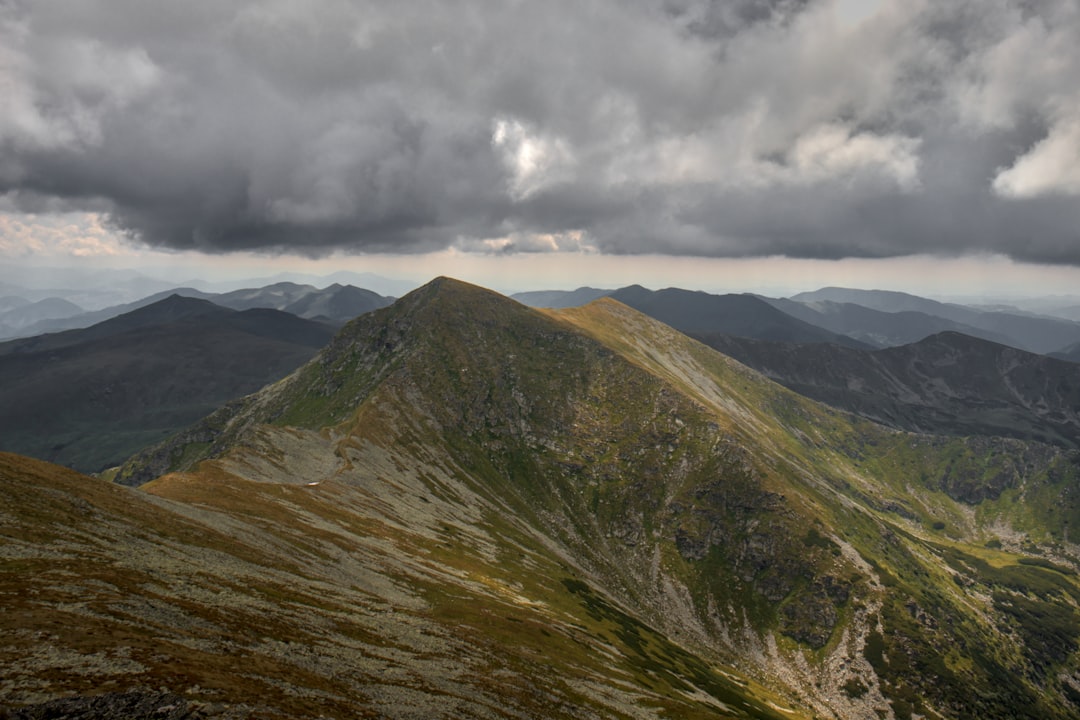
I woke up at 4:00 AM in Bâlea Lake to the sound of wind trying to rip the zipper off my tent. The temperature was hovering around freezing, even though it was mid-July. My coffee tasted like burnt rubber, not because of the beans, but because my hands were shaking so bad I nearly dropped the thermos. This is the Fagaras Mountains, the highest range in the Carpathians, and it does not care about your Instagram following. It cares about your crampons, your layers, and whether you have enough water to survive a six-hour traverse across ridges that feel like the spine of a sleeping dragon. I came here to chase the clouds, but the mountains chased me back.
The Fagaras Mountains Fagaras Mountains are not for the casual weekend walker. They are a technical, high-alpine playground that demands respect. The granite peaks rise sharply from the forest line, creating a landscape that looks more like the Alps than the rest of the Balkans. The air is thin, the rocks are sharp, and the weather turns faster than a politician's promise. I was there to hike the Transfagarasan route, but quickly realized that the real story wasn't the road—it was the vertical world above it.
The Roof of Romania
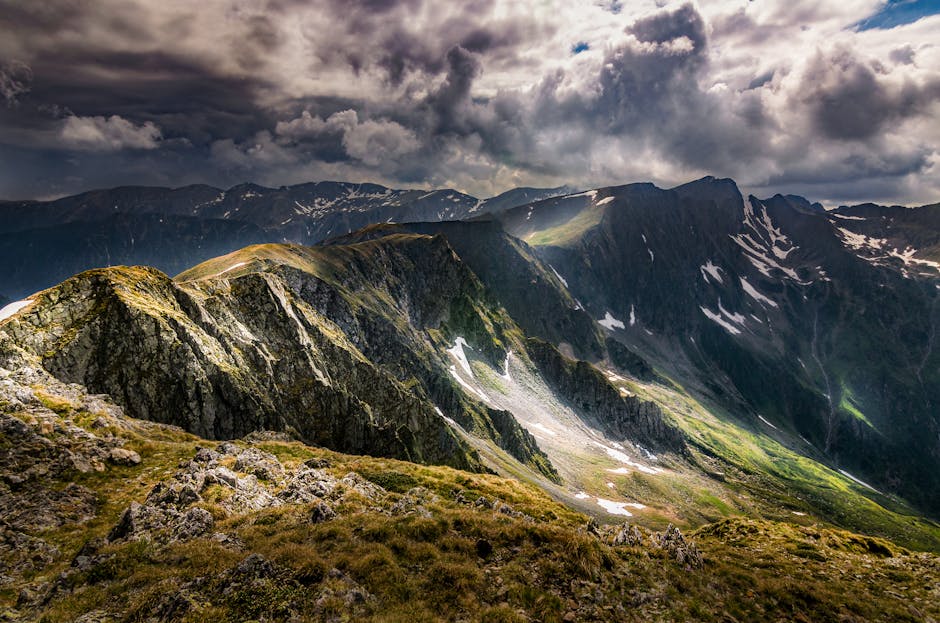
The Fagaras Mountains form the backbone of southern Romania, separating the Wallachian Plain from the Transylvanian Plateau. The range is dominated by Moldoveanu Peak Moldoveanu Peak, which stands at 2,544 meters and is the highest point in the country. But height is just one metric. The real challenge is the ruggedness. The terrain is a mix of steep scree slopes, narrow ridges, and exposed granite faces. The weather is notoriously unpredictable. A sunny morning can turn into a blinding snowstorm by noon, even in summer. I saw hikers caught in a whiteout near Bâlea Lake, their bright jackets disappearing into the gray fog within minutes.
The region is part of the Parang-Malaim National Park Parang-Malaim National Park, a protected area that spans over 15,000 hectares. The park is home to rare species like the brown bear, chamois, and golden eagle. The vegetation changes dramatically with altitude. At the base, you have dense forests of beech and fir. As you climb, the trees give way to alpine meadows, then to rocky summits where only hardy mosses and lichens survive. The landscape is raw and untamed, with few signs of human intervention except for the trail markers and the occasional mountain hut.
What makes the Fagaras Mountains unique is the sense of isolation. There are no cable cars, no ski lifts, and no easy access roads to the peaks. The only way up is on foot. This has kept the area relatively free of mass tourism, but it also means that rescue operations are difficult and expensive. If you get hurt out here, you are on your own until a helicopter can reach you. The mountains do not forgive mistakes.
The Transfagarasan and Bâlea Lake
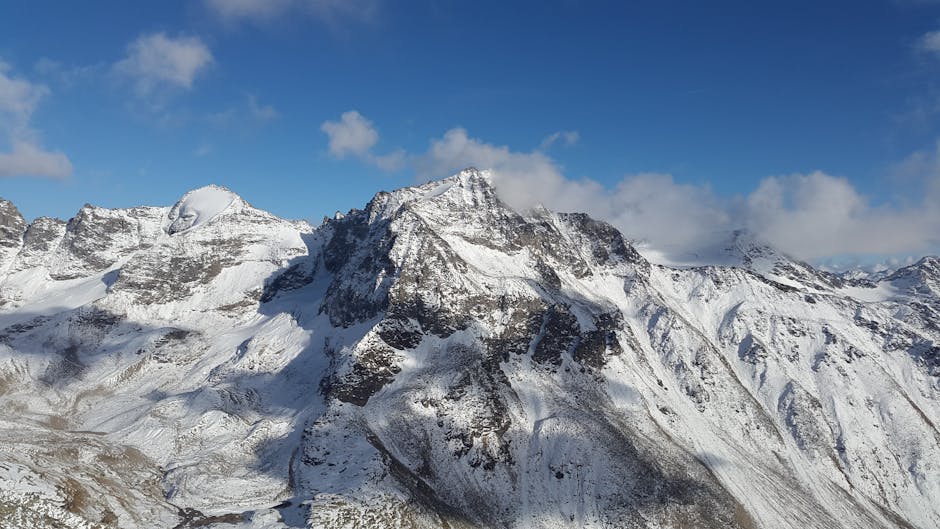
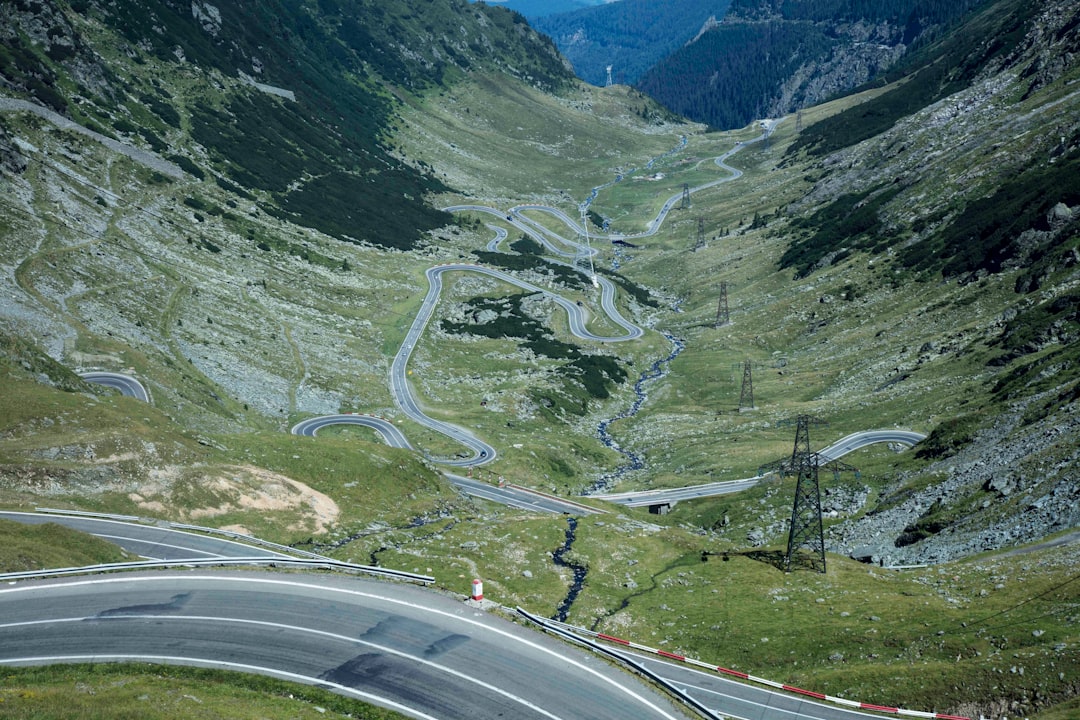
The Transfagarasan Transfagarasan is often called the most beautiful road in the world, and for good reason. It winds its way through the Fagaras Mountains, climbing over 2,000 meters before descending into the Wallachian Plain. The road was built in the 1970s as a strategic military route, and its sharp turns and steep gradients are a testament to the engineering challenges of the terrain. But the road is just the gateway. The real destination is Bâlea Lake Balea Lake, a glacial lake situated at 2,042 meters.
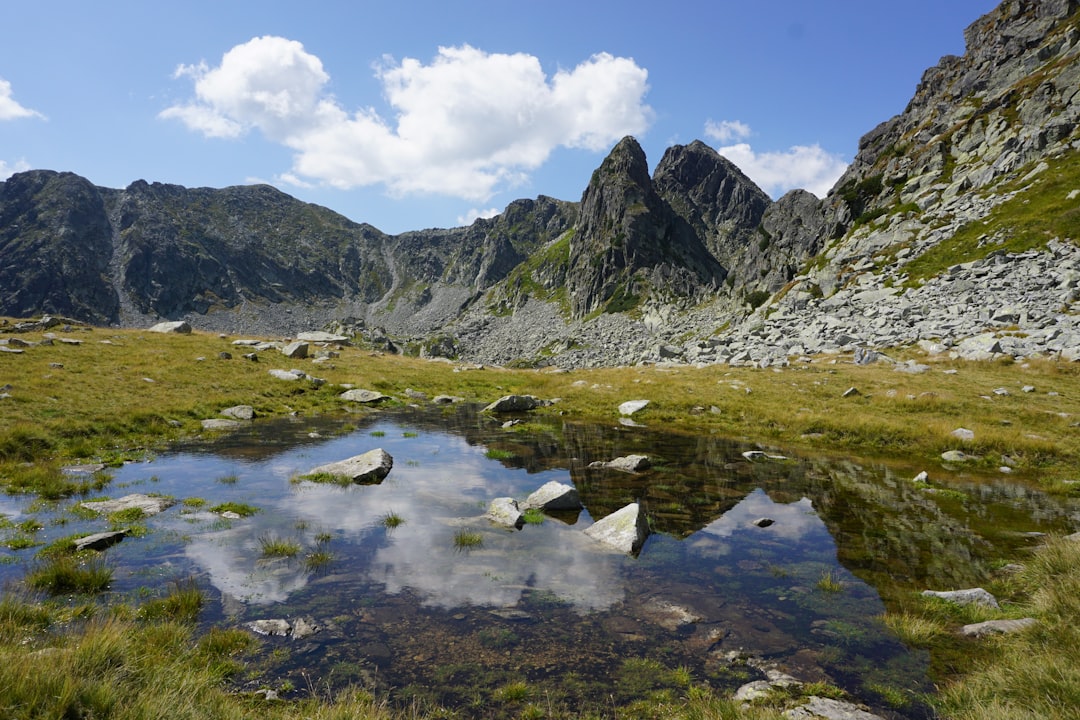
Bâlea Lake is a frozen, circular body of water surrounded by towering peaks. In winter, it is a popular spot for cross-country skiing and ice fishing. In summer, it is the starting point for hikes to Moldoveanu Peak and Omu Peak. The lake is fed by melting snow and rain, and its waters are icy cold even in July. I dipped my hand in and immediately pulled it back, my fingers going numb in seconds. The lake is surrounded by a network of trails, and the views from its shores are spectacular. On a clear day, you can see the peaks of the Fagaras Mountains stretching out in every direction.
Access to Bâlea Lake is via the Transfagarasan, which is usually open from June to October, depending on the weather. The road is a marvel of engineering, but it is also dangerous. The sharp turns and steep drops require careful driving, and accidents are common. There is a toll of 10 EUR for cars, which goes towards the maintenance of the road. The drive from Brașov to Bâlea Lake takes about two hours, but it is worth the journey. The scenery changes with every turn, from lush forests to barren rock faces.
Routes & Trail Info
The Fagaras Mountains offer a variety of hiking routes, ranging from easy walks to challenging multi-day treks. Here are two of the most popular routes:
Moldoveanu Peak via Bâlea Lake
- Starting Point: Bâlea Lake
- Total Distance: 8 km (round-trip)
- Elevation Gain: 500 meters
- Estimated Duration: 4-5 hours
- Difficulty: Intermediate
- Details: This is the classic route to the highest peak in Romania. The trail starts at Bâlea Lake and climbs steadily through a valley to the summit. The path is well-marked, but the final ascent is steep and exposed. Good shoes and a head for heights are essential.
Omu Peak via Bâlea Lake
- Starting Point: Bâlea Lake
- Total Distance: 6 km (round-trip)
- Elevation Gain: 400 meters
- Estimated Duration: 3-4 hours
- Difficulty: Beginner/Intermediate
- Details: Omu Peak Omu Peak is slightly lower than Moldoveanu, but the views are just as good. The trail is easier and shorter, making it a good option for families or less experienced hikers. The summit is marked by a small refuge, where you can buy hot drinks and snacks.
Getting There & What to Expect
The nearest major city to the Fagaras Mountains is Brașov Brasov, located about 100 kilometers to the north. Brașov is a vibrant city with a rich history and a growing outdoor scene. You can reach Brașov by train from Bucharest in about 3-4 hours, or by bus from other major cities in Romania. From Brașov, you can take a bus or drive up the Transfagarasan to Bâlea Lake. The drive takes about 2 hours, and the toll is 10 EUR.
Accommodation in the area is limited. There are a few mountain huts near Bâlea Lake, but they fill up quickly in summer. A bed in a dormitory costs around 15-20 EUR per night, and meals are 5-10 EUR per person. Camping is allowed in designated areas, but you must bring your own gear. The weather can be harsh, so be prepared for cold nights and strong winds. If you prefer more comfort, there are hotels and guesthouses in Brașov and Râșnov, with prices ranging from 30-60 EUR per night.
The best time to hike in the Fagaras Mountains is from July to September, when the weather is most stable and the trails are free of snow. June can be rainy, and October brings the first snowfalls. Always check the weather forecast before you go, and be prepared for sudden changes. The mountains are beautiful, but they are also dangerous. Respect the terrain, and you will have an unforgettable experience.
Search accommodation in Brasov on Booking.com →
The Descent into Reality
By the time I reached the summit of Moldoveanu Peak, my legs were burning and my lungs were screaming. The wind was howling, whipping my jacket around me like a flag. I stood there for a moment, looking out over the endless sea of peaks and valleys, feeling small and insignificant. It was a humbling experience. The Fagaras Mountains do not care about your ego. They only care about your survival.
The descent was harder than the climb. My knees were throbbing, and every step felt like a negotiation with gravity. I stopped at Bâlea Lake to rest, drinking hot tea from a thermos and watching the clouds roll in. The lake was calm, reflecting the gray sky above. I thought about the people who had climbed these peaks before me, and those who would come after. The mountains are eternal, but we are fleeting. That thought stayed with me long after I left the Fagaras Mountains, a reminder of the power and beauty of the natural world.
Comments