


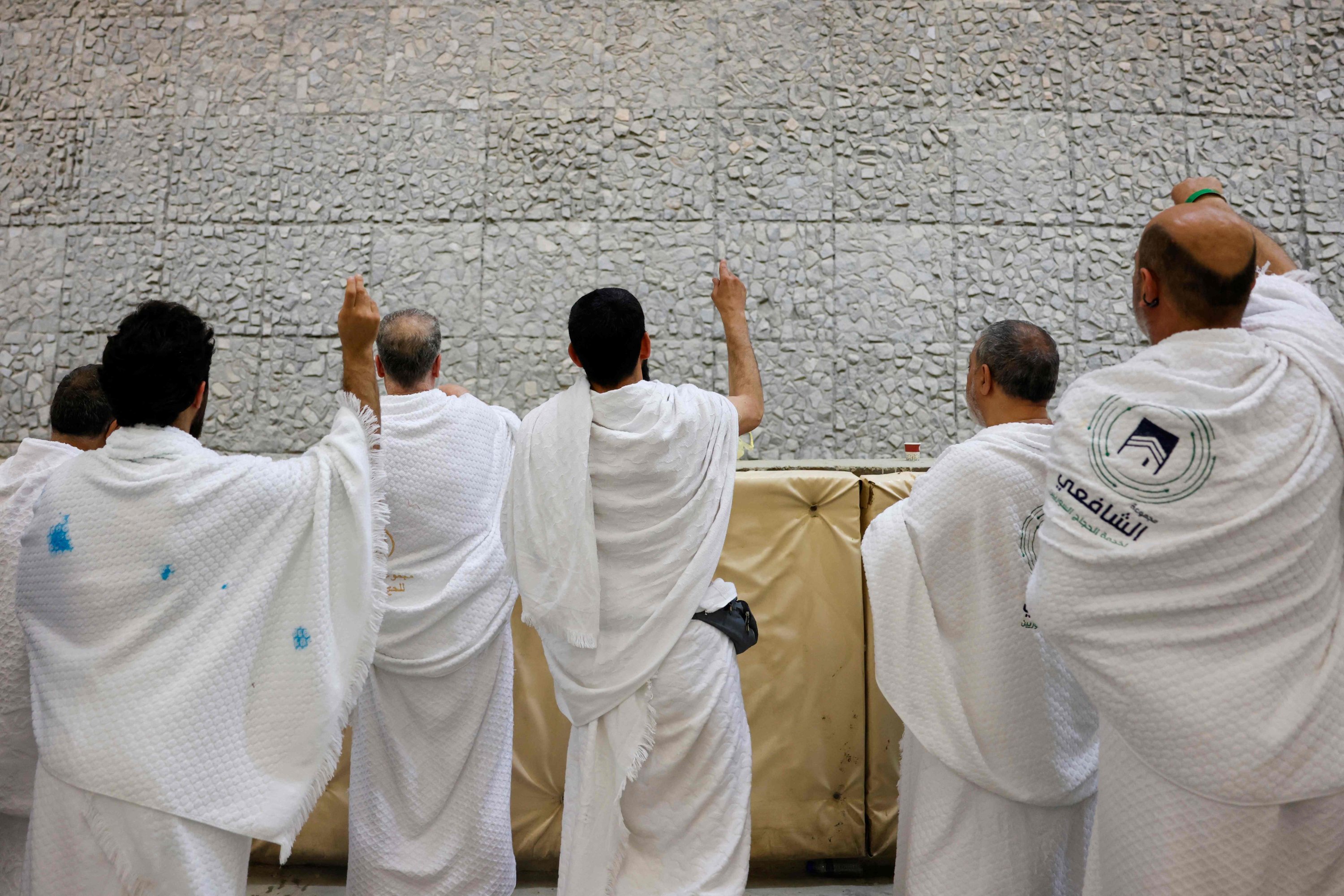
The Ritual of Jamarat in the Heat
Muslim pilgrims marked the climax of the annual Hajj pilgrimage on Wednesday by performing the symbolic stoning of the devil in Mina, a valley southeast of Mecca. Under intense desert sun, with temperatures reaching 44C, crowds gathered at dawn to throw pebbles at concrete pillars representing Satan. This act, known as Jamarat, reenacts the moment Prophet Abraham rejected Satan’s temptation to disobey God’s command to sacrifice his son Ishmael.
Following a tragic 2024 season where over 1,300 pilgrims died due to extreme heat exceeding 50C, Saudi authorities have significantly upgraded safety measures. Giant fans, mist sprayers, cooled flooring, and water distribution trucks were deployed to manage the searing conditions. More than 1.7 million pilgrims are participating this year, a slight increase from the previous year, demonstrating the resilience of the faithful despite the physical demands.
Regional Tensions and Spiritual Joy
The pilgrimage unfolds against a backdrop of heightened regional instability. Tensions in the Gulf have escalated, with Iranian drones and missiles targeting sites in Saudi Arabia and neighboring countries over several weeks. The Strait of Hormuz, a critical chokepoint for global oil, remains under pressure as diplomatic efforts between the U.S. and Iran stall, impacting energy markets across the region.
Despite the geopolitical anxieties and physical hardships, the atmosphere in Mina was one of spiritual triumph. Pilgrims described the experience as transcendent. “Every step was enjoyable despite the extreme hardship,” said Adnan Hamad, a 58-year-old pilgrim from Iraq, watching his daughters in white robes. Marwa Dahchouri from Egypt called the ritual “a truly unique feeling,” likening it to touching paradise.
From Arafat to Eid al-Adha
The stoning ceremony follows the pivotal prayer at Mount Arafat, where Prophet Muhammad delivered his final sermon. Pilgrims spent the night under the stars at Muzdalifah, collecting the pebbles used in Mina. After the stoning, the faithful return to Mecca for a final circumambulation of the Kaaba at the Grand Mosque.
The completion of the Hajj rites marks the beginning of Eid al-Adha, the Festival of Sacrifice. This major Islamic holiday commemorates Abraham’s willingness to sacrifice his son. Across the Muslim world, families celebrate by slaughtering a sheep, with meat distributed to neighbors and those in need, reinforcing community bonds after the shared spiritual journey.
fenerbahce taraftarı gibi değil ama hacılar gerçekten inanılmaz bir dayanıklılık sergiliyor ngl. 44 dereceye taş atmak delilik gibi geliyor bana tbh. umarım bir daha böyle sıcaklıklar olmaz, Allah onlara sabır versin...