


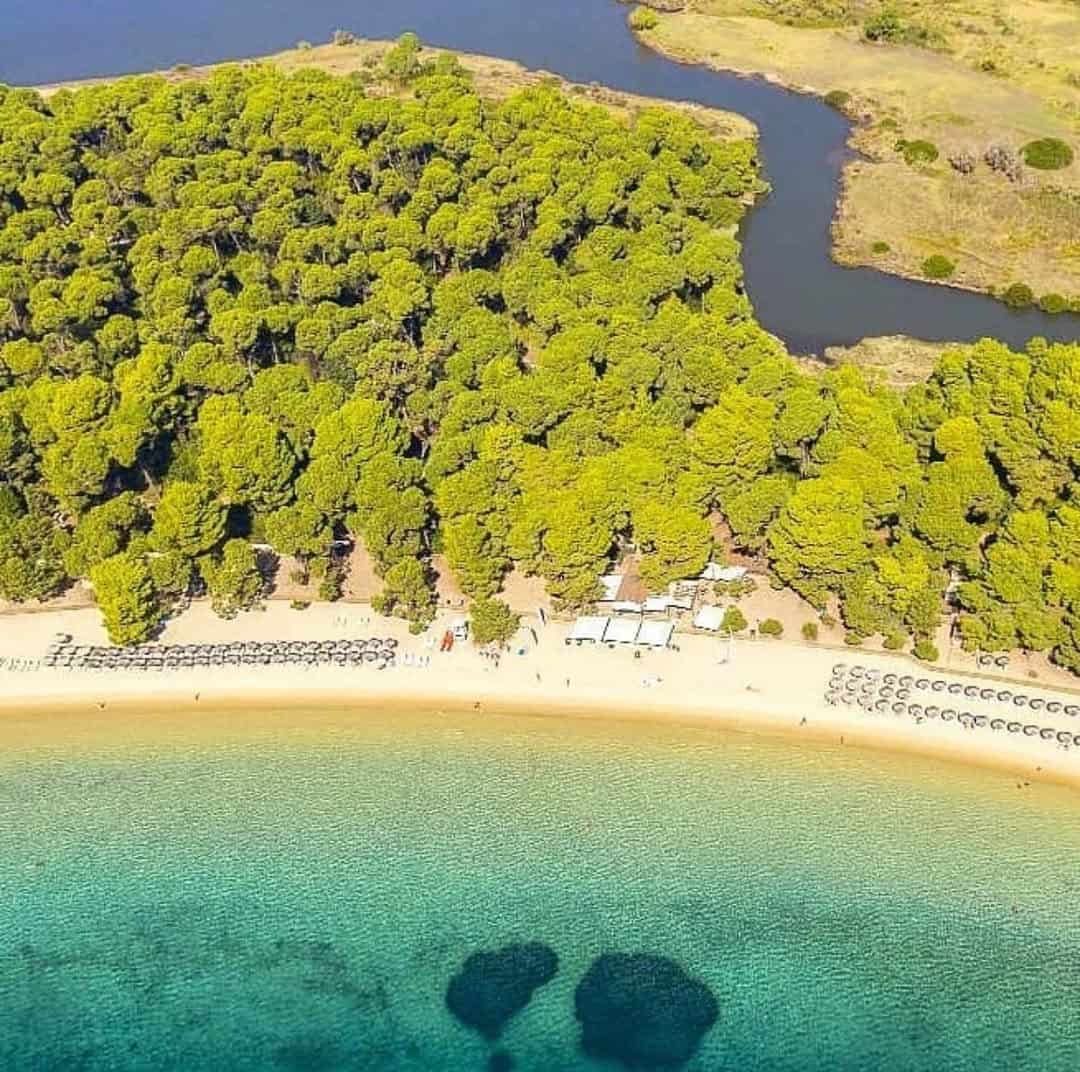
Greece has once again secured second place worldwide in the prestigious Blue Flag program for 2026, with 624 beaches, 17 marinas, and 17 tourist boats awarded the internationally recognized eco-label. This achievement accounts for 14% of all awarded beaches among the 51 participating countries globally, reinforcing Greece’s commitment to environmental quality and sustainable tourism.
The international Blue Flag committee awarded a total of 4,378 beaches, 747 marinas, and 158 tourist boats globally, solidifying the program’s status as one of the world’s most respected environmental certifications for coastal destinations. Halkidiki emerged as Greece’s top regional destination, earning 93 Blue Flags across its beaches, while Crete maintained its first-place status among the country’s regions with a total of 154 awarded beaches.
Some of Greece’s most famous beaches once again made the list, including Koukounaries in Skiathos, Myrtos in Kefalonia, Elafonissi-area beaches in Crete, Golden Beach in Thassos, and Possidi and Sani in Halkidiki. Astir Beach Vouliagmenis in Athens also secured a Blue Flag, highlighting the growing quality of the Athens Riviera and nearby coastal destinations. Attica secured 17 Blue Flag beaches for 2026, further strengthening Athens’ position as both an urban and seaside destination.
The Blue Flag is one of the world’s most recognized environmental quality labels for beaches and marinas. The program, which has operated since 1987, requires strict compliance with environmental, safety, and organizational standards. Beaches must meet 33 criteria, including “excellent” water quality, cleanliness and waste management, lifeguard presence and visitor safety, accessibility for people with disabilities, and environmental protection and awareness initiatives.
To receive the award, beaches must have “excellent” water quality and meet stringent cleanliness, safety, and accessibility standards. The Greek Ministry of Environment and Energy continues to actively support the program, viewing it as a key tool for improving the country’s tourism product and environmental image internationally.
Officials say the growing number of Blue Flag beaches highlights Greece’s commitment to sustainable tourism, environmental protection, and high-quality visitor experiences ahead of another busy summer season. You can browse the complete Greece-wide Blue Flag map and searchable database here.



This is a huge win for Greece, but can it keep up the momentum? With so many Blue Flags, the pressure is on to maintain that quality. Let's see how they handle the influx of tourists this summer!