


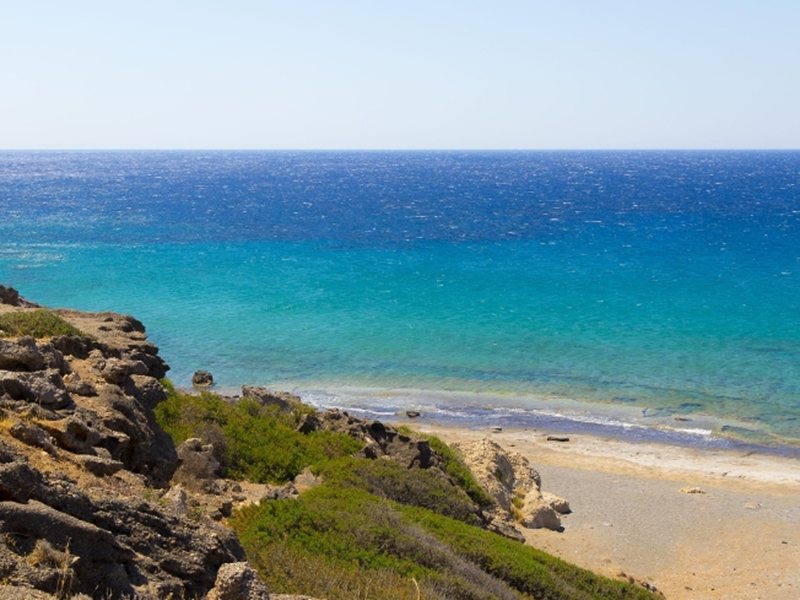
Greece has once again solidified its leading position on the global tourism map by securing second place among 51 countries in the international Blue Flag program. The country has been awarded a total of 624 beaches for 2026, holding 14% of all internationally recognized beaches worldwide. Regionally, Crete has reclaimed the top spot with 154 awards, while the Prefecture of Chalkidiki has cemented its status as a local champion with 93 Blue Flag beaches. Other strongly represented areas include the Ionian Islands, Rhodes, Peloponnese, and parts of the Aegean Sea.
During the official presentation of the results, President of the Hellenic Society for the Protection of Nature and the international foundation FEE, Nikos Petros, along with the national coordinator Stamatina Sirigu, highlighted that the Blue Flag program has been a leading international standard for safety, sustainable tourism, and environmental management for four decades.
This year's success reflects the systematic efforts of local authorities and coastline managers to maintain high ecological and tourism standards. On a global scale, the International Committee has awarded a total of 4,378 beaches, 747 marinas, and 158 tourist boats.
The Blue Flag accolade is granted following rigorous checks on water quality, cleanliness, safety, accessibility, and environmental management. These factors continue to make Greece one of the most preferred summer destinations in Europe and the world. The Prefecture of Chalkidiki has once again affirmed its position as the leading coastal destination in Greece by securing first place in the country with 93 Blue Flag beaches, maintaining its leadership from the previous year and remaining a symbol of clean waters, well-maintained beaches, and high-quality tourist services.
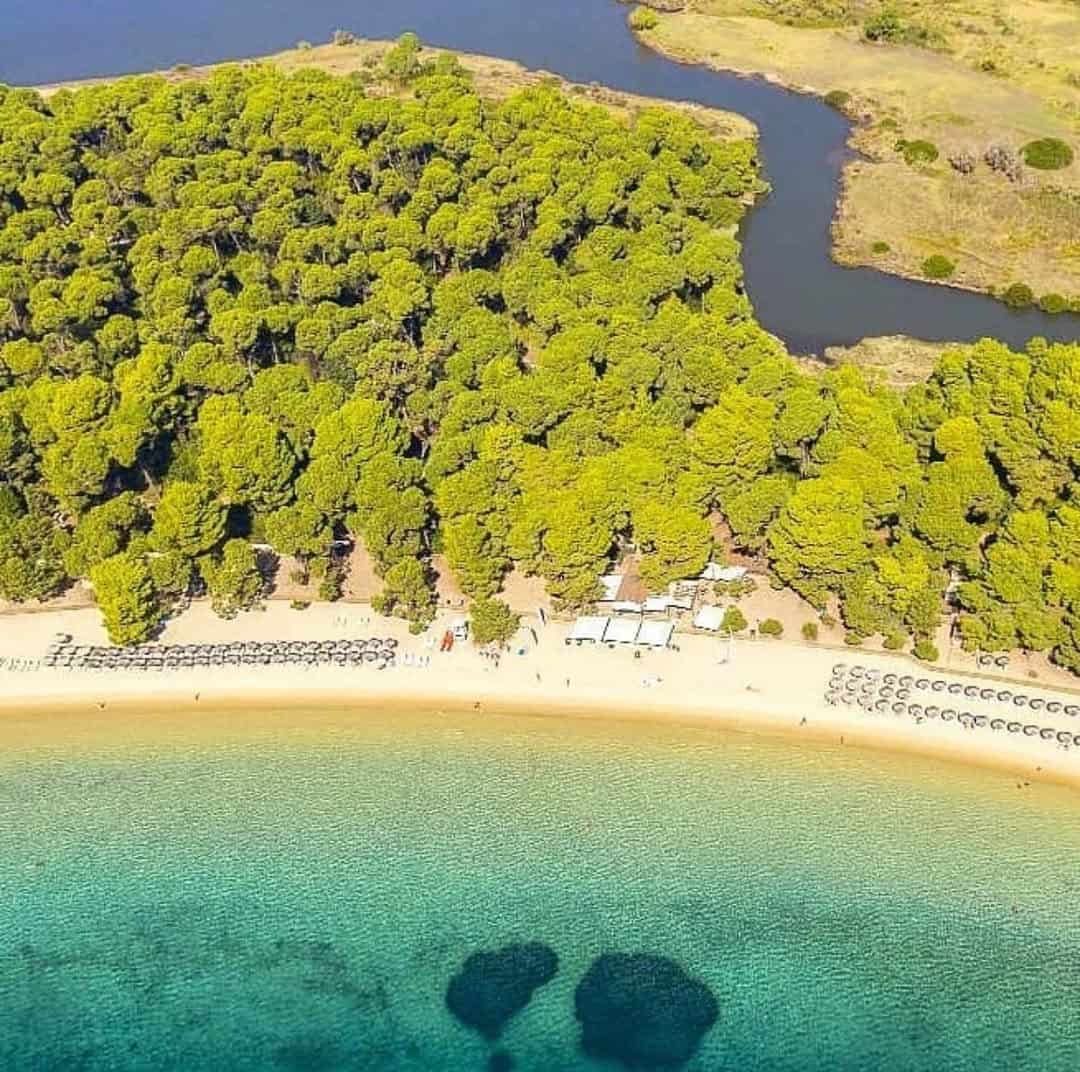


Greece's beach dominance is no surprise, but seeing Chalkidiki lead again is amazing! Will other Greek regions catch up or will Chalkidiki remain the king of Blue Flags?