


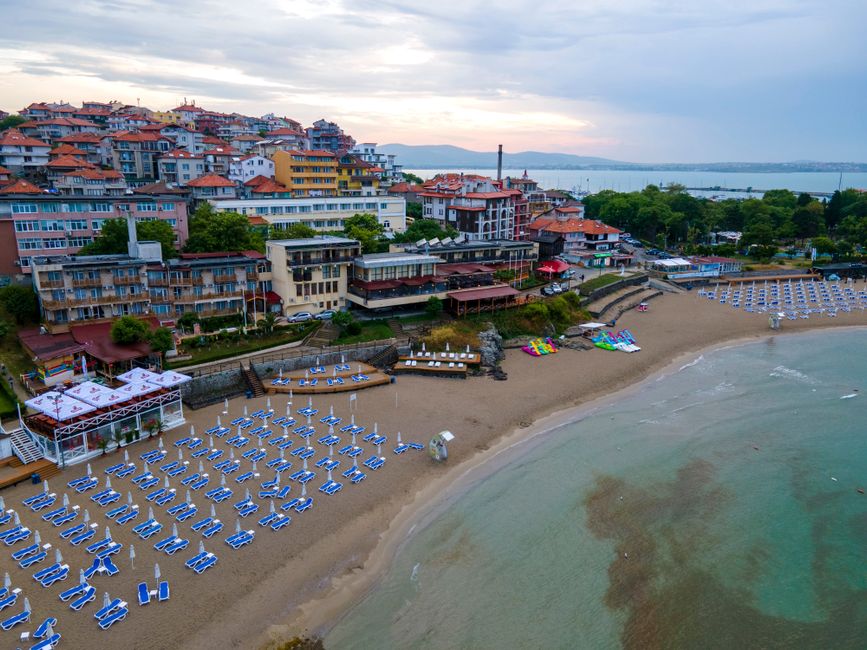
I stood on a balcony in Golden Sands at 3:00 AM, the air thick with the smell of cheap sunscreen, fried dough, and diesel fumes. Below me, a neon-lit bar called Club Atlantis was still pumping house music through walls that rattled my coffee cup. A group of teenagers from Sofia stumbled past, singing in Bulgarian, their laughter echoing off the concrete facades of the high-rise hotels that line the coastline like a dystopian beachfront. This isn't the quiet, sun-drenched Mediterranean I was promised. This is Bulgaria's answer to Ibiza, built for volume, not subtlety. And yet, there's a raw, unapologetic energy here that you can't fake. It's chaotic, it's loud, and it's utterly compelling if you know how to navigate it.
Golden Sands, or Zlatni Pyasatsi in Bulgarian, is not a hidden gem. It's a massive, purpose-built resort complex on the Black Sea coast, designed in the 1960s by the communist regime to handle mass tourism. It's a place of stark contrasts: five-star all-inclusive resorts sit next to crumbling Soviet-era apartment blocks, and luxury yachts bob in the harbor while local fisherman mend nets in the shallows. It's not for everyone. If you're looking for solitude, go north to Kavarna. But if you want to experience the full, unfiltered pulse of Bulgaria's summer economy, this is the place. I came for the beach, but I stayed for the surreal, neon-soaked reality of it all.
History & Identity
The story of Golden Sands begins in 1962, when the Bulgarian government decided to tap into the lucrative tourism market. The area was chosen for its long, sandy beach and mild climate, and construction began in earnest. The goal was to create a self-contained resort town that could handle hundreds of thousands of visitors each summer. By the 1970s, the first hotels and apartments were built, and the resort quickly became a favorite among Soviet tourists. The architecture reflects this era: concrete, functional, and designed for efficiency rather than beauty. Today, the legacy of this state-planned development is everywhere. The wide boulevards, the grid-like layout of the streets, and the imposing high-rise hotels are all reminders of a time when tourism was a state-run enterprise.
After the fall of communism in 1989, Golden Sands was privatized, and a wave of foreign investment poured in. New luxury resorts, casinos, and nightclubs were built, transforming the area into a modern, international destination. The contrast between the old and new is striking. You can walk from a five-star Marriott to a dilapidated Soviet-era apartment block in minutes. This duality is part of the resort's identity. It's a place of transition, where the past and present collide in a sometimes uncomfortable, but always interesting, way. The local population, mostly Bulgarian, has adapted to the seasonal influx of tourists, but there's a sense of detachment. This is their home, but it's also a place of work, and the summer months are a time of intense, almost frenetic, activity.
Today, Golden Sands is one of the most popular summer destinations in Bulgaria, attracting millions of visitors each year. It's known for its long, sandy beach, its vibrant nightlife, and its all-inclusive resorts. But it's also a place of stark inequalities. While the wealthy enjoy luxury amenities, the local service staff often work long hours for low wages. The resort is a microcosm of Bulgaria itself: a country grappling with its past, embracing its future, and trying to find its place in the modern world. It's not always pretty, but it's real, and that's what makes it so compelling.
Where to Go
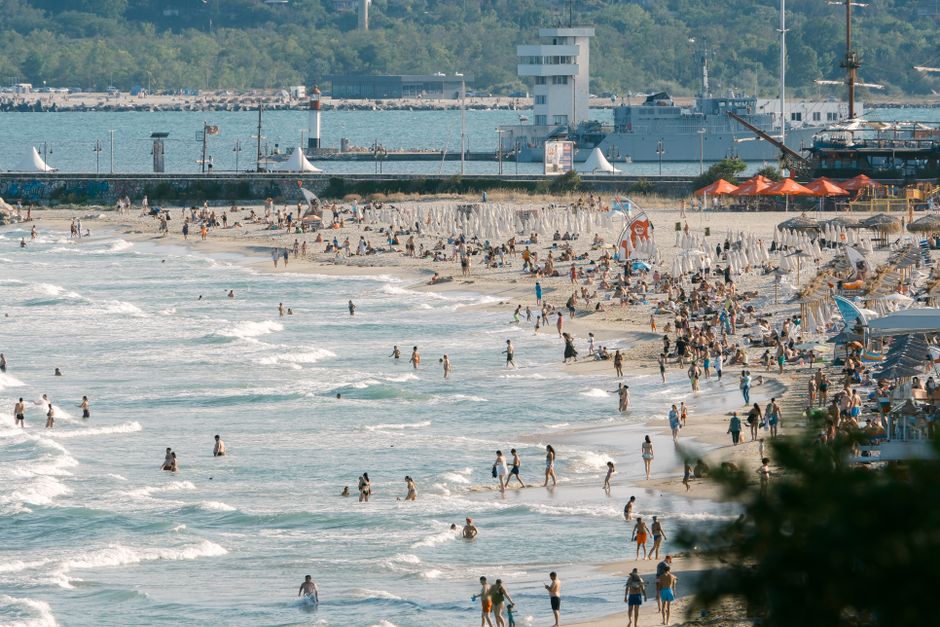
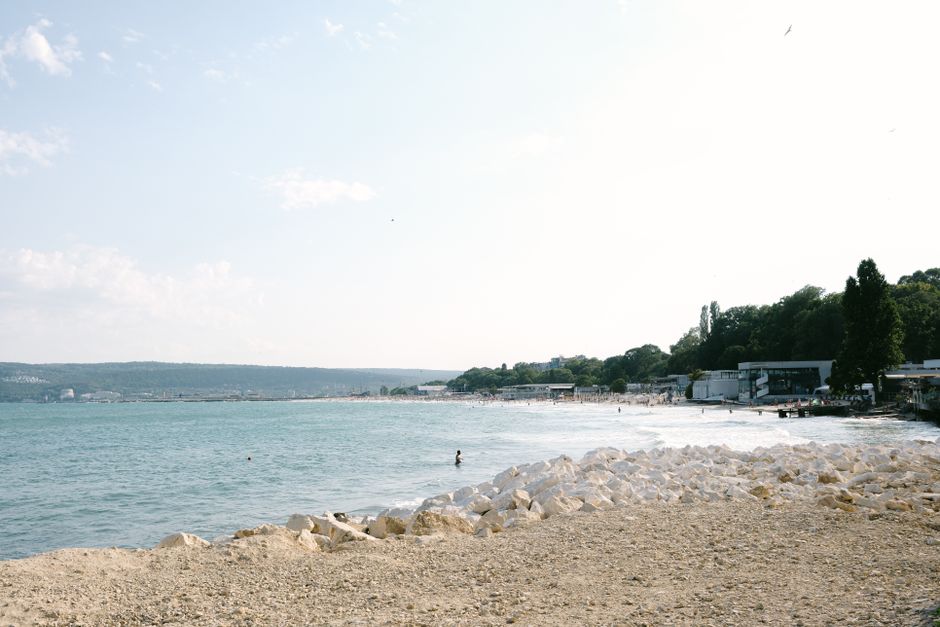
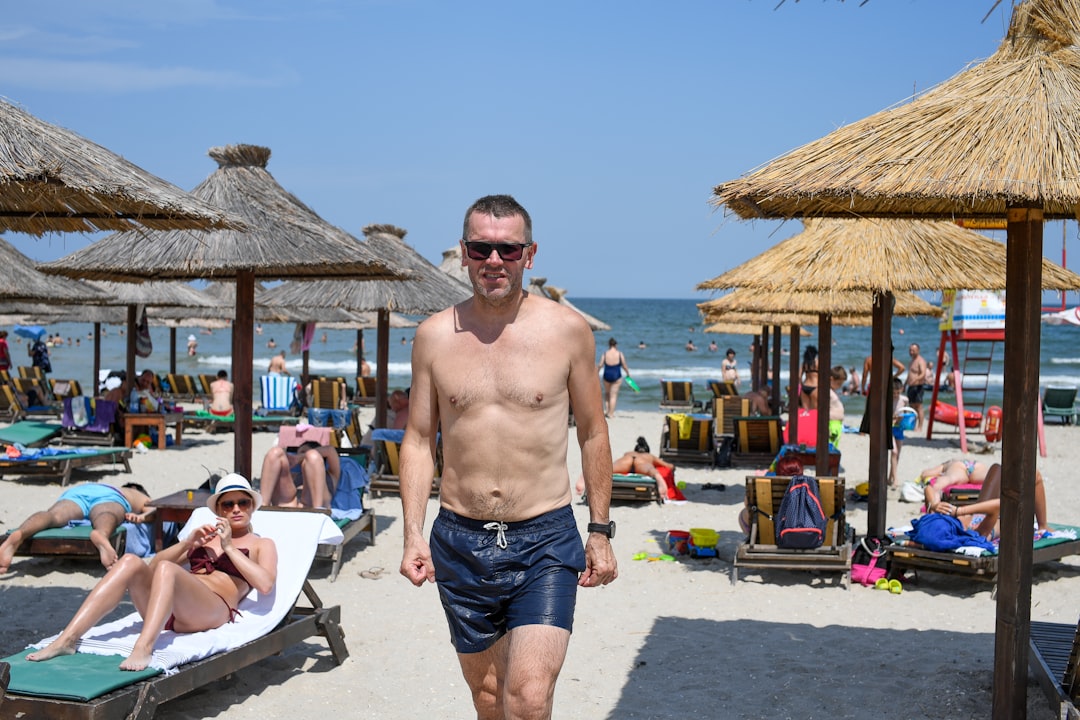
Golden Sands Beach — The main attraction, and for good reason. It's a long, wide stretch of sand, perfect for sunbathing and swimming. The water is calm and shallow, making it ideal for families. In the summer, the beach is packed, with sunbeds and umbrellas lining the shore. There are also numerous beach clubs, bars, and restaurants along the sand, offering everything from cold drinks to full meals. Entry is free, but renting a sunbed and umbrella costs around 10-20 EUR per day.
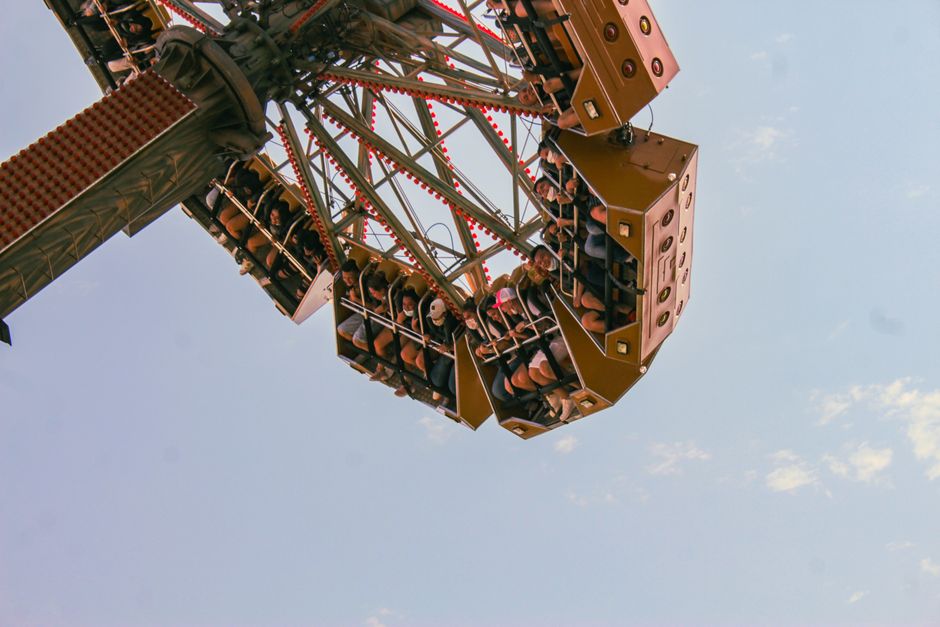
Adventure Land — A large amusement park located near the center of the resort. It features roller coasters, water slides, and other attractions, making it a popular destination for families and groups of friends. The park is well-maintained and offers a variety of rides for all ages. Entry costs around 25-35 EUR per person, and there are combo tickets available for multiple days.
The Old Port of Constanța — A short bus or taxi ride from Golden Sands, the Old Port of Constanța is a charming area with narrow streets, historic buildings, and a lively atmosphere. It's a great place to wander around, browse the shops, and enjoy a meal at one of the many restaurants. The port is also home to the Fortress of Constantine the Great, a historic landmark that offers stunning views of the Black Sea. Entry to the fortress is around 3-5 EUR.
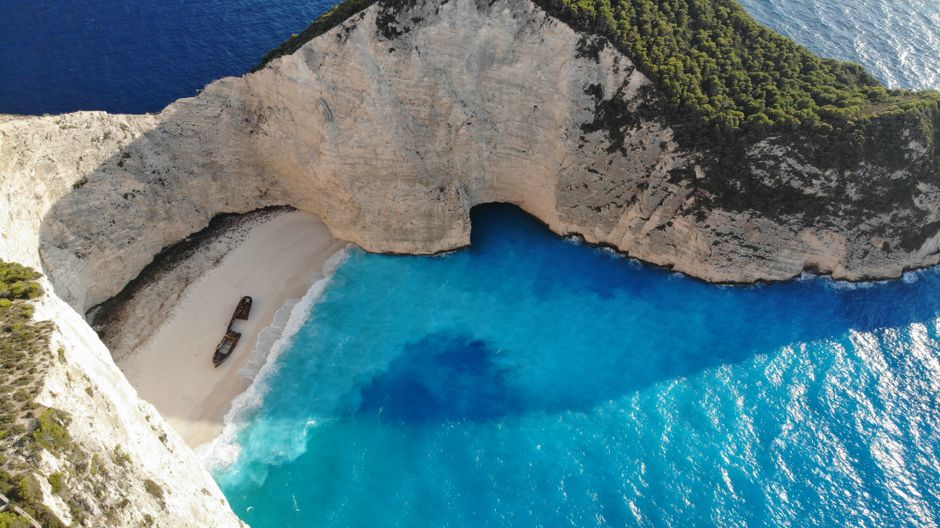
Navagio Beach — Also known as Shipwreck Beach, this iconic spot is a short boat trip from Constanța. The beach is famous for the rusted shipwreck that sits in the middle of it, making it a popular spot for photos. The water is crystal clear, and the surrounding cliffs are dramatic. Boat trips cost around 30-50 EUR per person, depending on the duration and type of boat.
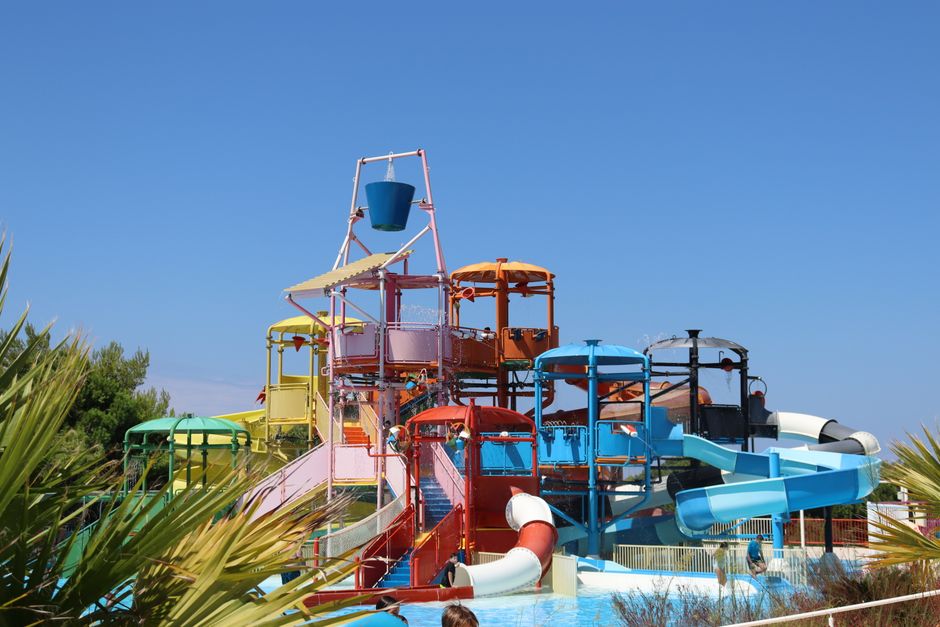
Aquapark Golden Sands — A large water park with numerous slides, pools, and attractions. It's a popular destination for families and groups of friends, especially on hot summer days. The park is well-maintained and offers a variety of activities for all ages. Entry costs around 20-30 EUR per person.
What to Eat & Drink
Eating in Golden Sands can be expensive, especially if you're staying at one of the all-inclusive resorts. However, there are plenty of affordable options if you know where to look. For a quick bite, try banitsa, a traditional Bulgarian pastry made with phyllo dough and cheese. It's delicious, filling, and costs around 2-4 EUR per serving. You can find it at most local bakeries and cafes.
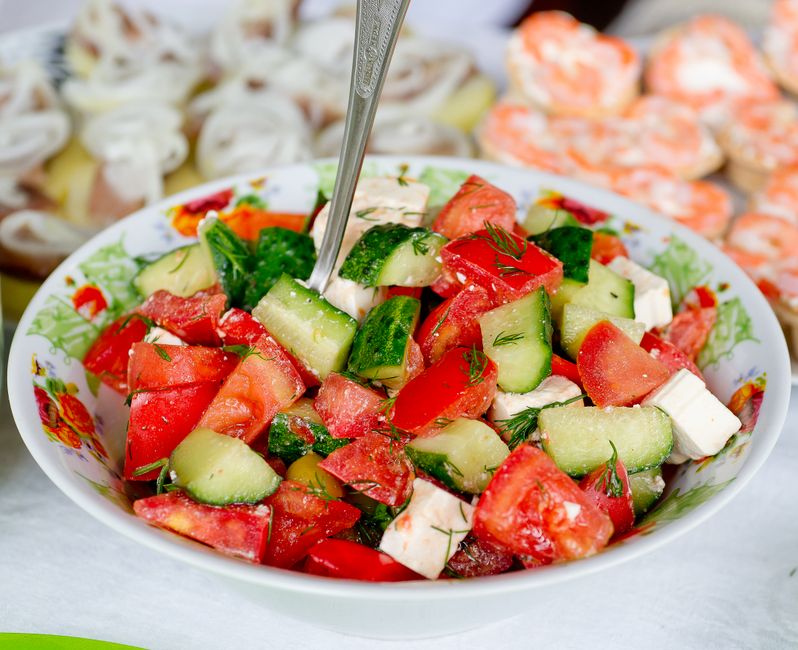
For a more substantial meal, head to one of the many Bulgarian restaurants in the area. Look for dishes like shopska salad, a refreshing mix of tomatoes, cucumbers, onions, and sirene cheese; kyufte, grilled meatballs served with bread and yogurt; and shopska or banitsa for dessert. A typical meal at a local restaurant costs around 10-15 EUR per person, including a drink. For a more upscale dining experience, head to one of the resorts' restaurants, where prices can range from 20-40 EUR per person or more.
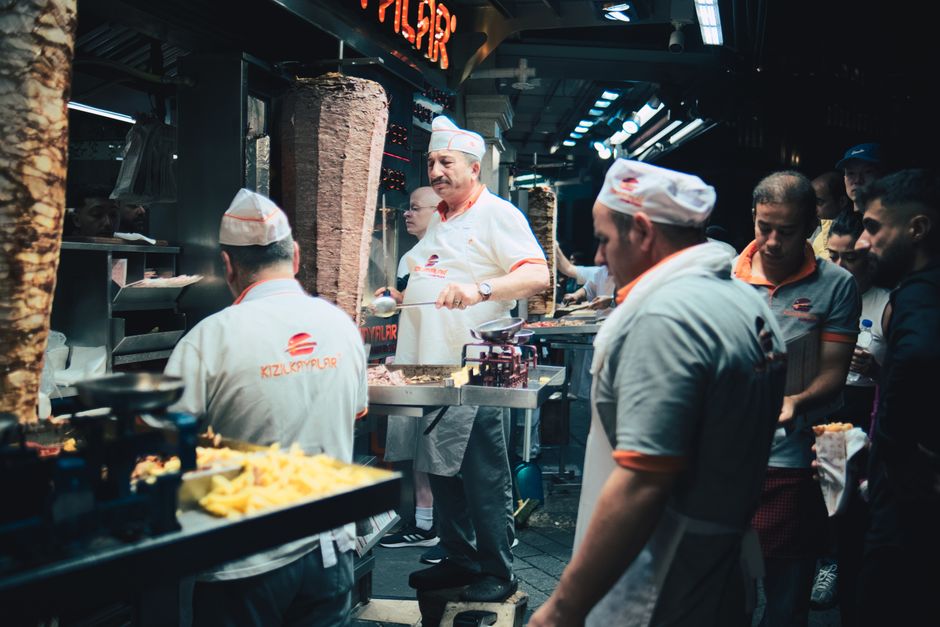
Drinks are also relatively affordable. A beer costs around 2-4 EUR at a local bar, and a cocktail costs around 5-10 EUR. If you're staying at an all-inclusive resort, drinks are included, so make the most of it. There are also numerous street food vendors selling kebab, gyros, and other quick bites for around 3-5 EUR per serving. For a more authentic experience, head to the local markets in Constanța, where you can buy fresh produce, cheese, and other local specialties.
Nightlife
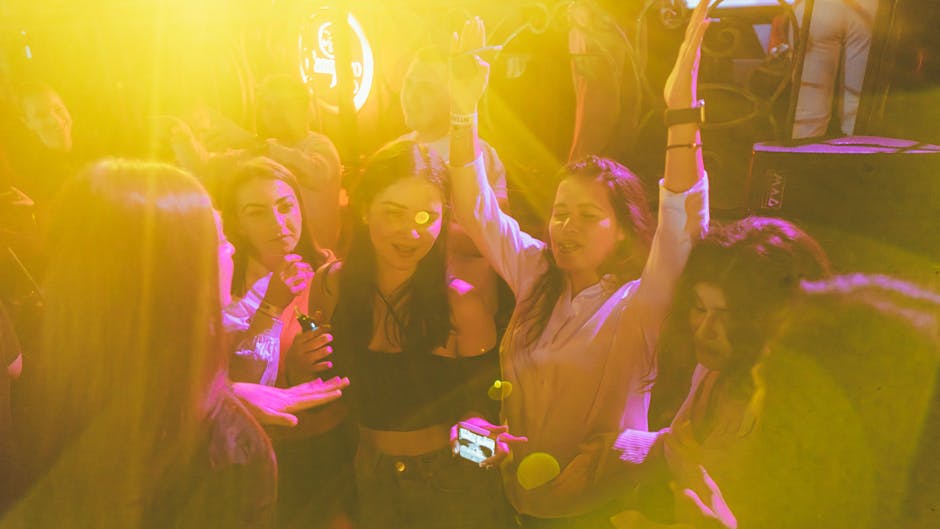
Golden Sands is known for its vibrant nightlife, with numerous bars, clubs, and beach parties. The main strip is lined with neon-lit venues, pumping out music until the early hours of the morning. Some of the most popular clubs include Club Atlantis, Club Riva, and Club Sunset. Cover charges are usually around 5-10 EUR, and drinks are relatively affordable. The atmosphere is lively and energetic, with a mix of Bulgarian locals and international tourists.
If you're looking for a more relaxed nightlife experience, head to one of the many beach bars. They offer a more laid-back atmosphere, with live music, DJ sets, and a great view of the Black Sea. Prices are similar to those at the clubs, but the vibe is more chill. There are also numerous beach parties throughout the summer, featuring top DJs and performers. These events are usually held on the beach, with temporary stages and seating areas. Tickets cost around 10-20 EUR, and they're worth it for the experience.
For a more upscale nightlife experience, head to one of the resorts' bars and lounges. They offer a more sophisticated atmosphere, with live music, DJ sets, and a great selection of drinks. Prices are higher, but the quality is also higher. There are also numerous casinos in the area, offering a variety of games and entertainment. If you're a fan of gambling, Golden Sands has plenty of options for you.
Getting There & What to Expect
The nearest airport is Constanța Airport, which offers limited flights from Bucharest and other Romanian cities. However, most visitors fly into Sofia Airport or Varna Airport and take a bus or train to Constanța. The journey from Sofia takes around 7-8 hours by bus, costing around 15-25 EUR. From Varna, it takes around 3-4 hours by bus, costing around 10-15 EUR. There are also direct flights from some European cities to Constanța during the summer months.
Once you arrive in Constanța, you can take a bus or taxi to Golden Sands. The journey takes around 30-40 minutes, and the cost is around 5-10 EUR by bus or 15-25 EUR by taxi. There are also shuttle services available from the airport and the city center, costing around 10-20 EUR per person.
Accommodation in Golden Sands ranges from budget hostels and apartments to luxury all-inclusive resorts. Budget options cost around 20-40 EUR per night, mid-range hotels cost around 50-100 EUR per night, and luxury resorts cost 100-300 EUR per night or more. The best time to visit is from June to September, when the weather is warm and sunny. However, this is also the peak season, so expect crowds and higher prices. For a quieter experience, consider visiting in May or October, when the weather is still pleasant but the crowds are smaller.
Search accommodation in Constanța on Booking.com →
The Neon Hangover
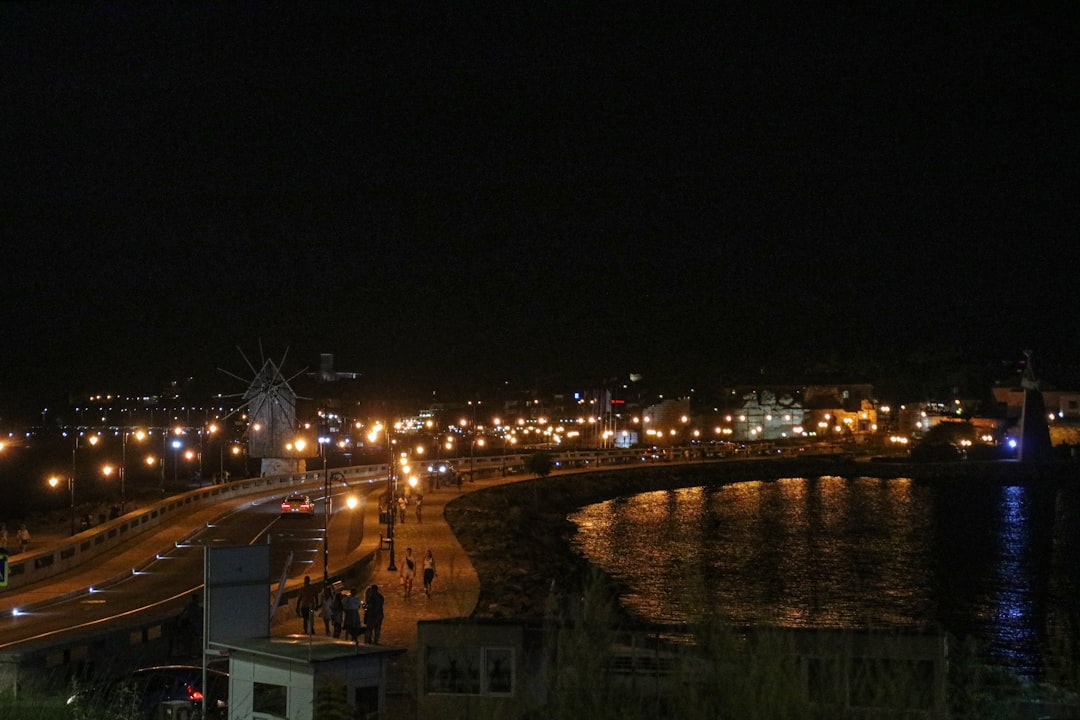
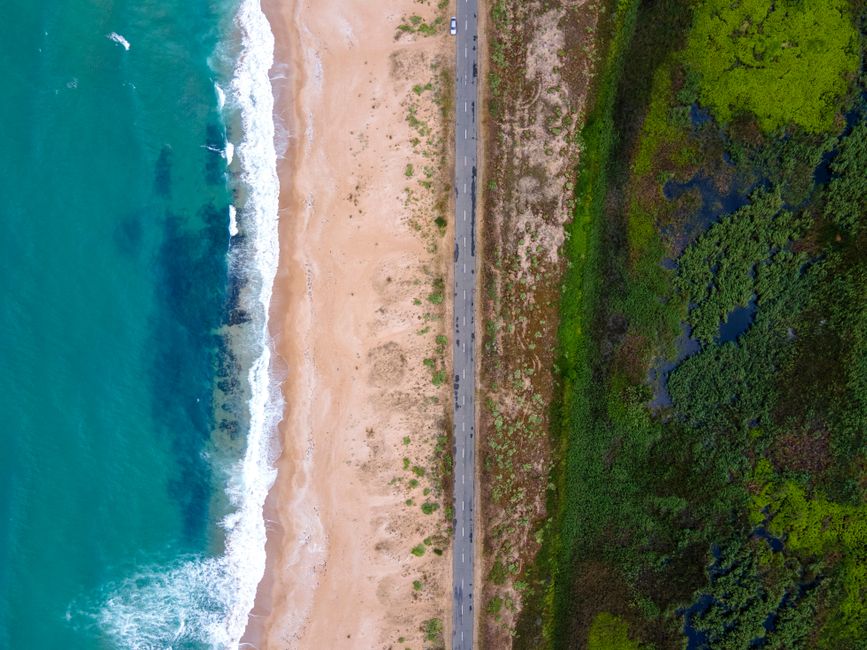
As the sun sets over the Black Sea, the neon lights of Golden Sands flicker to life, casting a surreal glow over the beach and the high-rise hotels. The music from the clubs thumps through the air, mixing with the sound of the waves and the laughter of tourists. It's a strange, beautiful, and slightly unsettling sight. This is Bulgaria's mass tourism coast, in all its chaotic, unapologetic glory. It's not for everyone, but for those who embrace it, it's an experience unlike any other. I left with a headache, a tan, and a profound sense of having witnessed something real, raw, and utterly unforgettable.
Comments