


The Concrete Jungle
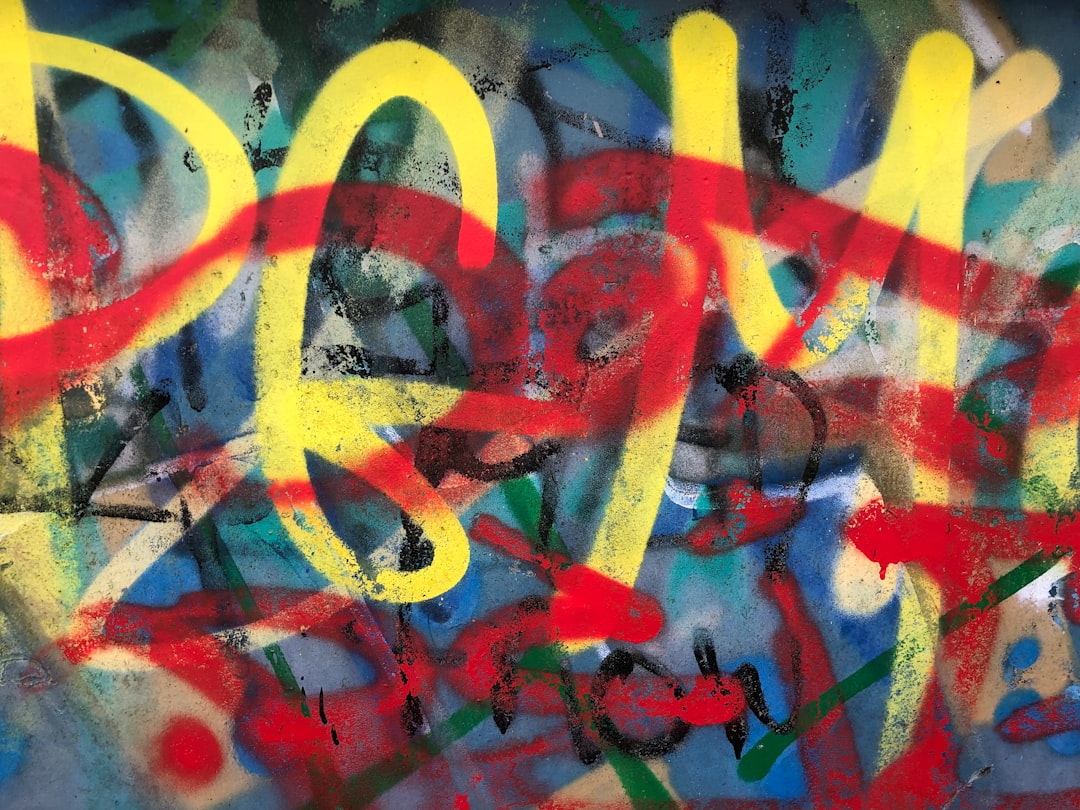
The smell of stale cigarette smoke and cheap lager is the perfume of the Balkans. I'm sitting on a concrete ledge in Belgrade, watching a group of teenagers juggle a deflated ball against a graffiti-covered wall. They aren't dreaming of the Premier League. They're dreaming of the next paycheck, the next transfer fee that will lift their whole family out of the grey, post-industrial slumber that defines so much of this region. The ball hits the wall with a dull thud. One kid misses a header. Another laughs, not with malice, but with the shared understanding that talent here is raw, unpolished, and desperate. This isn't just a game. It's an escape hatch. And in 2025, the hatch is swinging wider than ever before.
The European football giants have long raided this region for labor. But the dynamic is shifting. It's no longer just about finding the next big striker for a fraction of the cost. It's about the clubs themselves becoming brands. The stadiums are filling up. The derbies are getting louder. The money is flowing, slowly, but it's flowing. I've spent the last month chasing down scouts, talking to agents in smoky cafes in Zagreb, and watching training sessions in the misty hills of Kosovo. The story isn't just about who's getting sold. It's about who's staying, who's building, and who's about to explode onto the European stage.
Red Star Belgrade: The Fortress of Europe
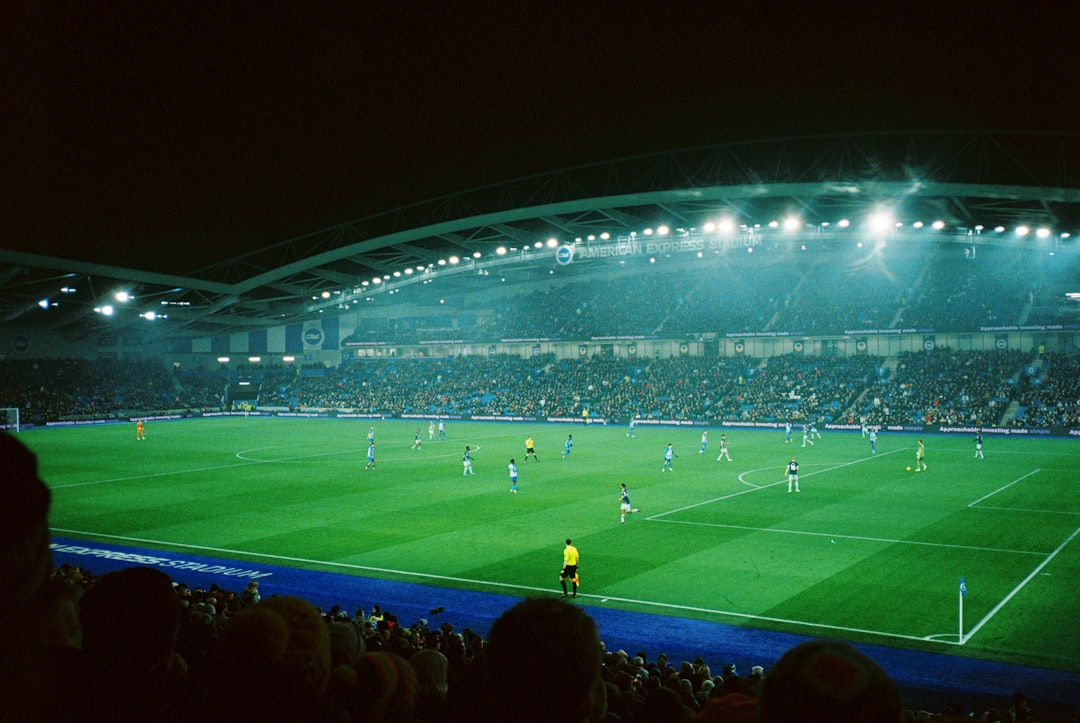
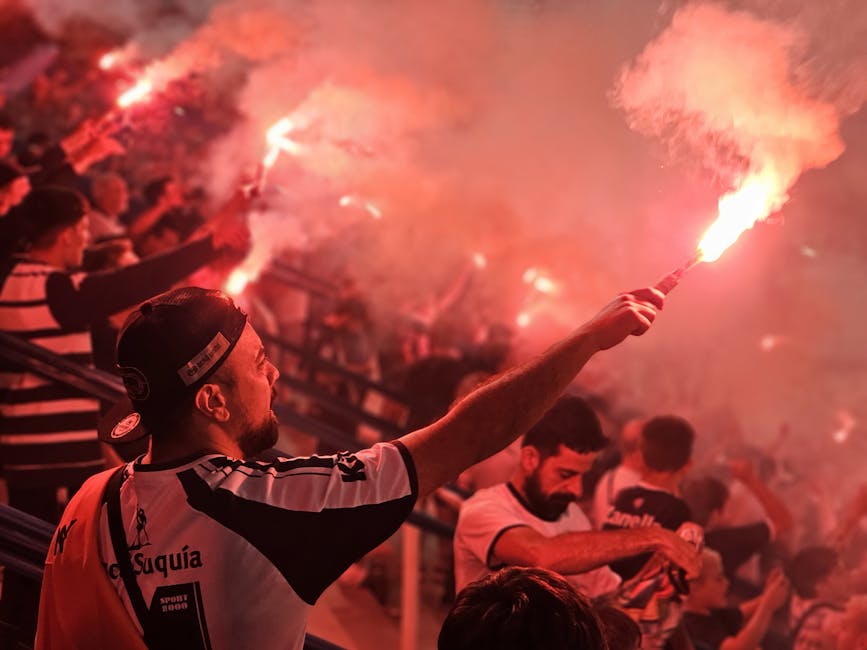
Let's start with the elephant in the room: Red Star Belgrade. If you want to understand Balkan football, you have to understand Marakana. This isn't a stadium; it's a religious site. The ultras here don't just support a team; they live and die with it. In 2025, Red Star isn't just a domestic powerhouse in the Serbian SuperLiga; they're a European nuisance. They've mastered the art of the knockout. They play with a ferocity that unsettles Western European clubs. The tactics are pragmatic, the defense is organized, and the atmosphere is weaponized. Opposing teams arrive, see the flares, hear the drums, and suddenly they're playing against a wall of sound and fury.
The club's management has become shrewd. They're no longer just selling their best players immediately. They're holding onto their core. The young talent that filters through their academy is given a chance to prove itself in Europe before being shipped out. This has created a sense of stability that's rare in the region. The squad is a mix of experienced veterans who know how to survive the pressure and young guns hungry for glory. When they play at home, they're unbeatable. It's not just about football; it's about identity. For the fans, Red Star is a symbol of resistance, of pride, of a city that refuses to be ignored.
Dinamo Zagreb: The Croatian Engine
Cross the border into Croatia, and the vibe changes. GNK Dinamo Zagreb operates with a different kind of intensity. The Maksimir Stadium is a fortress, but the club's ambition extends far beyond the Croatian First Football League. They've been investing heavily in their youth academy, producing players who are technically gifted and tactically disciplined. In 2025, Dinamo is challenging for the title with a squad that's younger, faster, and more ambitious than ever. The club is also becoming a hub for international talent, attracting players from across the Balkans and beyond who see Dinamo as a stepping stone to bigger leagues.
The rivalry with Hajduk Split is legendary, but Dinamo's focus in 2025 is on Europe. They've been performing well in the Champions League qualifiers, showing that they can compete with the best. The club's management is smart, balancing the need to sell players with the need to maintain a competitive squad. The result is a team that's exciting to watch, with a mix of flair and structure. The fans are passionate, but there's a sense of professionalism that's emerging. Dinamo is no longer just a local club; it's a brand that's being taken seriously across Europe.
Partizan Belgrade: The Black-White Resurgence
Back in Belgrade, FK Partizan is making a serious push. For years, they've lived in Red Star's shadow. But in 2025, the gap is closing. Partizan has invested in a strong squad, mixing experienced players with promising young talent. The Humsko Polje stadium is a lively place, with fans who are loyal and vocal. The club's identity is rooted in a sense of community, of working-class pride. They play with a direct, physical style that suits the Balkan temperament. The derbies with Red Star are always intense, but Partizan is no longer afraid to challenge their rivals.
The club's management has been smart in the transfer market, bringing in players who fit their system and culture. They're not just buying names; they're building a team. The result is a squad that's cohesive and dangerous. In Europe, Partizan is looking to make a statement. They've shown that they can compete with teams from bigger leagues, and they're hungry for more. The fans are behind them, creating an atmosphere that's hard to ignore. Partizan is back, and they're here to stay.
The Rising Stars: Faces of the Future
It's not just about the clubs. It's about the players. The Balkans are a factory for talent, and in 2025, a new generation is emerging. These aren't just players; they're stories. Kids from small towns, from war-torn cities, from places where football is the only way out. They train in harsh conditions, with limited resources, but with unlimited ambition. Scouts are watching closely, and the big European clubs are paying attention. The next big star could come from anywhere in the region. It could be a winger from Bosnia, a defender from Albania, a midfielder from North Macedonia. The talent is there. The question is, who will be ready to seize the opportunity?
The agents are busy. The deals are being made. The money is flowing. But for the players, it's about more than just a paycheck. It's about proving themselves, about making their families proud, about showing that they belong on the biggest stage. The pressure is intense, but the reward is huge. For those who make it, life changes forever. For those who don't, the dream fades, but the passion remains. Football in the Balkans is a game of hope, of resilience, of sheer will. And in 2025, the hope is stronger than ever.

How to Follow the Action
If you want to see this for yourself, you need to be there. The matches are best experienced in person. The atmosphere is electric, the passion is palpable. Tickets are relatively affordable, especially for domestic matches. For European games, prices are higher, but still reasonable compared to Western Europe. The best way to follow the action is through the official club websites and social media channels. They provide updates on fixtures, transfers, and behind-the-scenes content. For live coverage, look for local broadcasters or streaming services that carry the leagues. The quality of coverage has improved in recent years, with more high-definition broadcasts and expert analysis.
For those who want to go deeper, there are plenty of blogs, podcasts, and fan forums dedicated to Balkan football. These communities are passionate and knowledgeable, offering insights and perspectives that you won't find in mainstream media. Engage with them, ask questions, and learn. The more you know, the more you'll appreciate the game. Football in the Balkans is more than just a sport. It's a culture, a history, a way of life. And in 2025, it's more vibrant and exciting than ever before.
Red Star Belgrade Dinamo Zagreb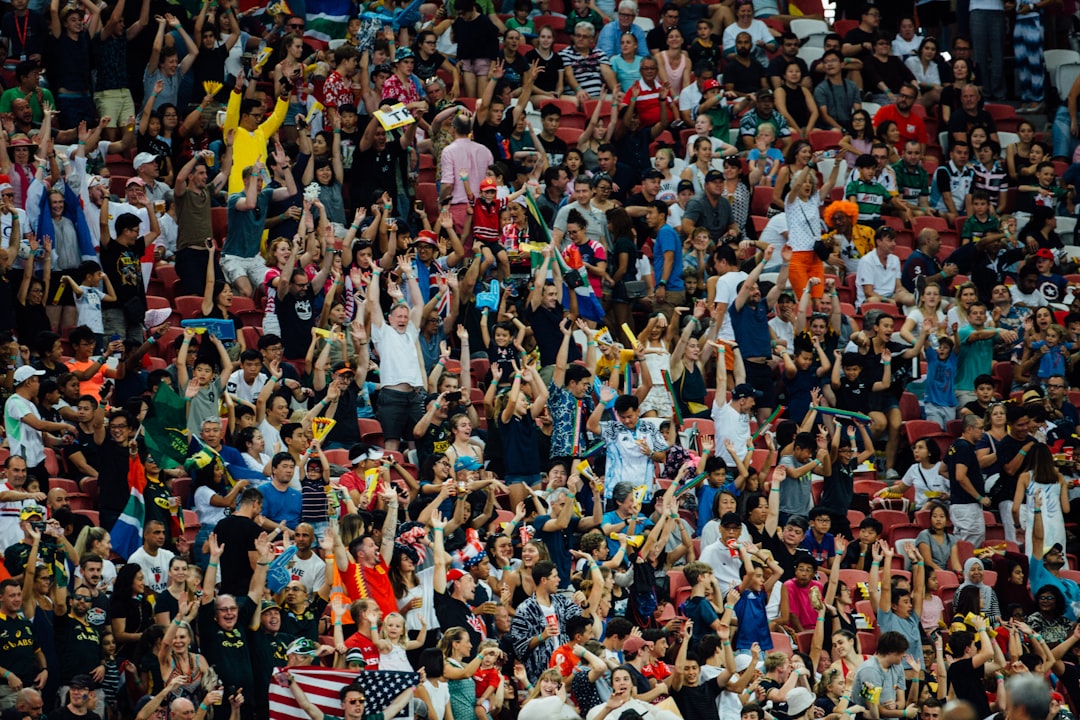
Comments