


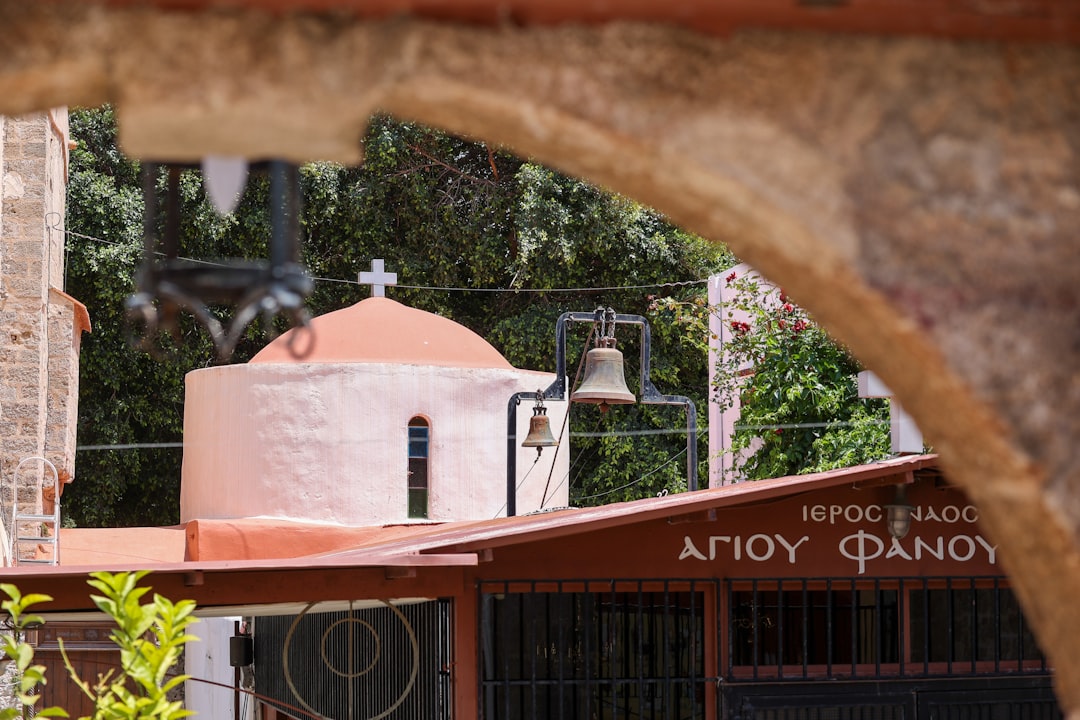
The Greek island of Folegandros has recently captured global attention, not merely as a romantic getaway for European travelers, but as a premier destination for underwater archaeology and eco-tourism. Situated in the southern Cyclades archipelago, this small volcanic island has become a focal point for diver enthusiasts and maritime historians alike. The recent surge in interest stems from the discovery and ongoing exploration of significant shipwrecks in its surrounding waters, particularly in the bay of Apokoronas. This development highlights Folegandros' dual identity: a preserved cultural heritage site above water and a submerged museum below. For the Balkan and international tourism market, this represents a shift towards high-value, niche travel experiences that combine luxury with educational and historical engagement.
Underwater Treasures: The Shipwreck of Apokoronas
The primary driver of the current trend is the maritime heritage found off the coast of Folegandros. The bay of Apokoronas, located on the eastern side of the island, has yielded artifacts from ancient shipwrecks dating back to the Classical and Hellenistic periods. Recent video footage and photographic evidence have circulated widely, showcasing well-preserved amphorae, marble statues, and structural remains of vessels that once plied these trade routes. These findings are not just relics; they are tangible links to the ancient Mediterranean economy, where Folegandros served as a strategic stopover between Crete, the Aegean islands, and the mainland. The visibility and accessibility of these sites have made them a magnet for technical divers and archaeologists from across Europe.
The significance of these wrecks extends beyond tourism. They provide critical data for historians studying ancient trade networks, specifically the movement of wine, oil, and precious metals. The Underwater Archaeology Institute of the Hellenic Ministry of Culture has been involved in monitoring these sites, ensuring that commercial diving activities do not disturb the archaeological integrity. This balance between access and preservation is a model for other Balkan coastal regions, such as the Adriatic coast of Croatia or the Aegean coast of Turkey, which also possess rich underwater heritage. The careful management of Folegandros' submerged sites ensures that the island remains a respected destination for academic and recreational purposes alike.

A Cycladic Jewel: Culture, Landscape, and Sustainable Tourism
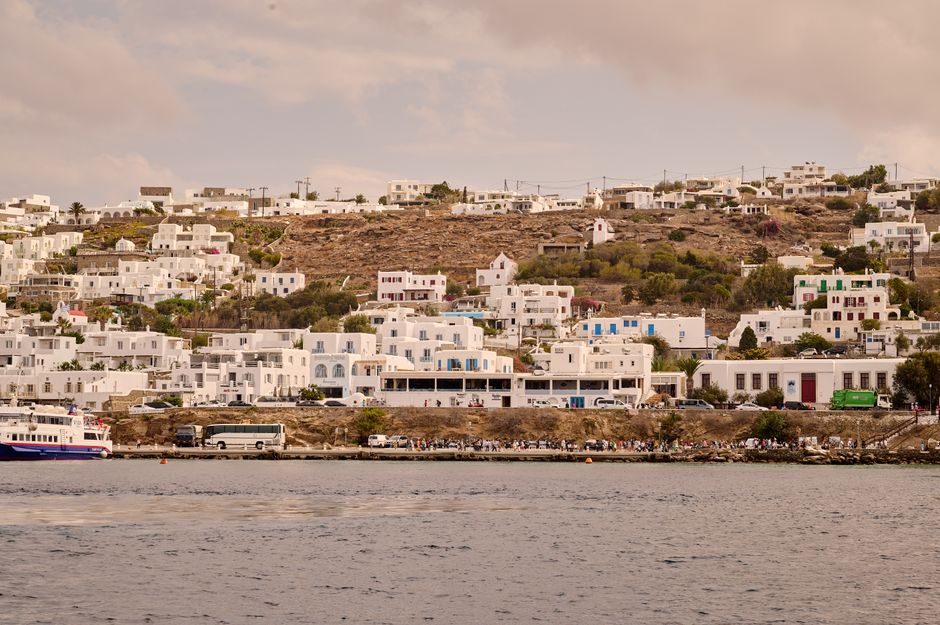
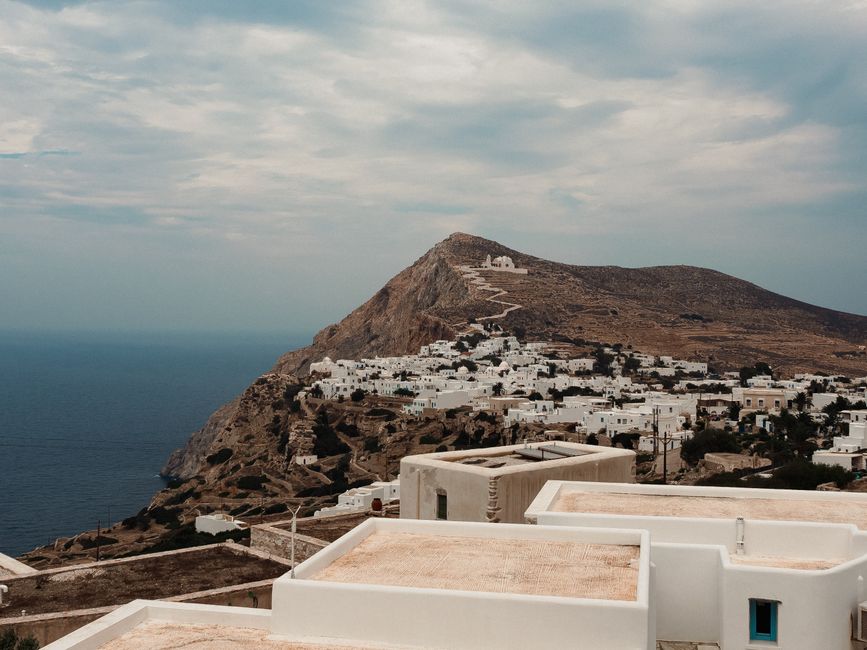
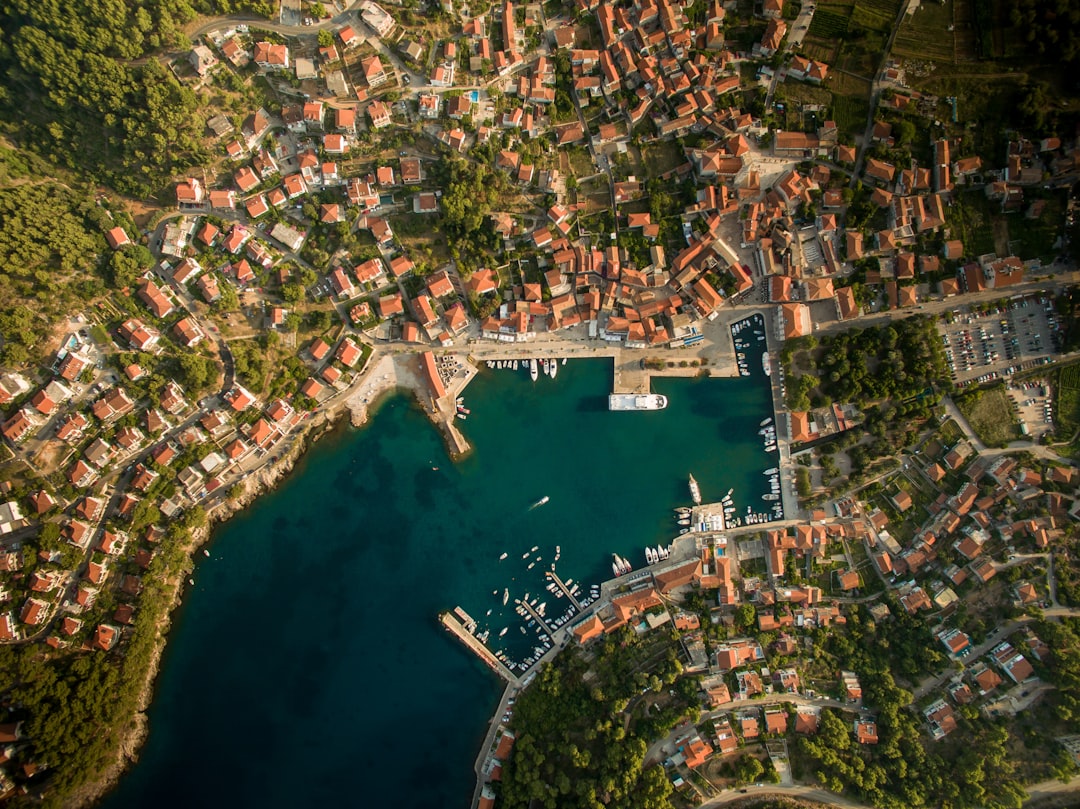
While the underwater attractions are newsworthy, Folegandros' surface appeal remains its foundation. The island is renowned for its traditional Cycladic architecture, characterized by whitewashed homes, flat roofs, and narrow, winding streets. The main village, Chora, is perched on a volcanic ridge, offering panoramic views of the sea and neighboring islands like Sikinos and Ios. Unlike some of its more commercialized neighbors, Folegandros has maintained a slower pace of life, emphasizing sustainability and community. This authenticity is increasingly valued by travelers seeking to escape mass tourism. The island's commitment to preserving its natural landscape, including its rugged cliffs and pristine beaches, aligns with broader European trends towards green tourism and environmental responsibility.
The cultural calendar of Folegandros also plays a vital role in its appeal. Local festivals, traditional music, and culinary experiences rooted in local produce—such as capers, cheese, and seafood—offer visitors an immersive experience. The island's small size fosters a strong sense of community, where residents often welcome visitors with genuine hospitality. This human element is crucial for the Balkan tourism narrative, which often emphasizes warmth and tradition. As travel patterns shift post-pandemic, with a preference for smaller, less crowded destinations, Folegandros is well-positioned to attract discerning travelers from Greece, Bulgaria, Romania, and beyond, who are looking for meaningful connections with local cultures and histories.
Regional Impact and Future Prospects for Balkan Travelers
The rising profile of Folegandros has implications for the broader Balkan tourism sector. As Greece strengthens its position as a year-round destination, islands like Folegandros are being integrated into larger travel itineraries that include mainland Greece and neighboring countries. For travelers from Serbia, Bulgaria, and Romania, the availability of direct flights and ferry connections has improved access to the Cyclades. This connectivity encourages multi-destination trips, where visitors might combine a visit to Folegandros with stays in Athens, Thessaloniki, or even coastal destinations in Albania and Croatia. The island's niche appeal complements the more popular beaches of the region, offering a diverse portfolio of experiences for the Balkan traveler.
Looking ahead, the focus will be on sustainable development and infrastructure improvement. Local authorities are investing in better waste management, renewable energy sources, and enhanced diving facilities to accommodate growing interest without compromising the island's ecological balance. The success of Folegandros could serve as a blueprint for other small islands in the Balkans, demonstrating how heritage and nature can be leveraged for economic benefit while preserving cultural integrity. As climate change poses challenges to coastal tourism, the emphasis on underwater heritage and low-impact travel models becomes even more relevant. Folegandros stands as a testament to the potential of small-scale, high-value tourism in the Mediterranean.
For the discerning traveler, Folegandros offers more than just a scenic backdrop; it provides a deep dive into history, culture, and nature. Whether exploring ancient shipwrecks beneath the waves or wandering the timeless streets of Chora, visitors engage with a destination that values its past and protects its future. As interest in sustainable and culturally rich travel continues to grow, Folegandros is poised to become a must-visit destination for Balkan and international tourists alike. The island's ability to balance accessibility with preservation ensures that its beauty and heritage will remain intact for generations to come, making it a compelling choice for those seeking an authentic Greek island experience.
Comments