


A Global Celebration of Faith
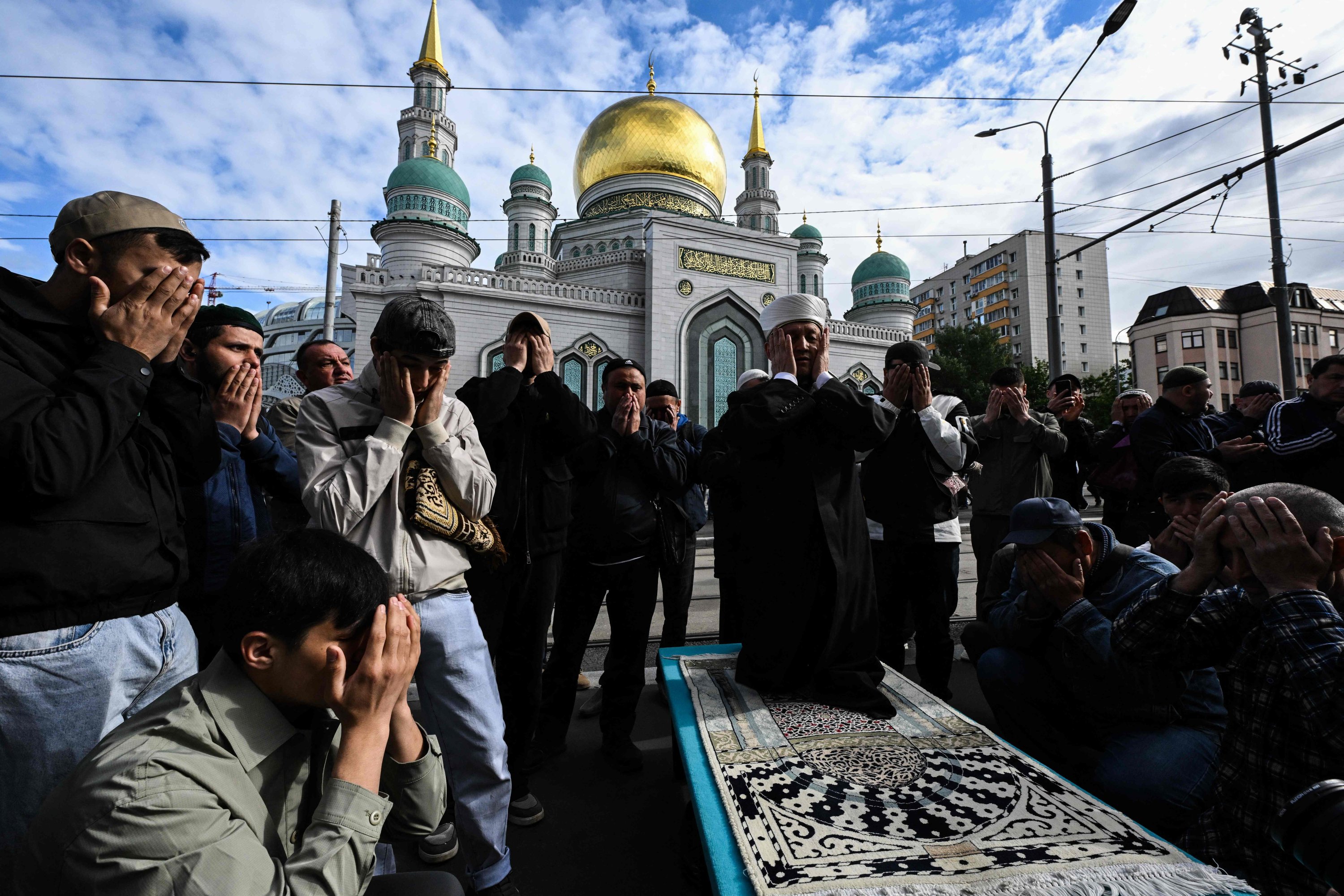
Muslims around the world marked Eid al-Adha on Wednesday with early morning congregational prayers, opening one of the most significant periods of the Islamic calendar. Mass gatherings took place in mosques, prayer halls, stadiums, and open fields, stretching across cities and continents in a unified display of devotion.
The observance coincided with the 10th day of Dhu al-Hijjah in the Islamic lunar calendar. This date was confirmed following the sighting of the crescent moon, which signaled the start of the holy month. The timing places Eid al-Adha immediately after the Day of Arafah, when millions of pilgrims gathered on the plains outside Mecca for the spiritual peak of the Hajj pilgrimage. In Mina, pilgrims continued the ritual stoning of symbolic pillars, a key part of the multi-day sequence that concludes the Hajj.
Themes of Sacrifice and Community
At the center of Eid al-Adha is the story of Prophet Ibrahim, who, in Islamic tradition, prepared to sacrifice his son Ismail in obedience to God. According to the narrative, divine intervention replaced the son with a ram at the moment of sacrifice. The event is remembered as a defining expression of submission, faith, and trust in divine will. It shapes the festival’s core themes of devotion, charity, and restraint.
The Eid prayer, known as Salat al-Eid, is short in form but large in scale. It consists of two units of prayer with additional proclamations of “Allahu Akbar,” followed by a sermon that typically centers on sacrifice, gratitude, and responsibility toward the poor and vulnerable. From early morning hours, worshippers arrived in waves, many wearing newly purchased or carefully prepared traditional clothing, filling designated prayer spaces well before sunrise in some cities due to large attendance.
Massive Turnout Across Europe
In Europe, turnout once again pushed capacity limits in major urban centers, reflecting the scale and visibility of Muslim communities across the continent. In London, large congregations gathered at the East London Mosque and the Birmingham Central Mosque, with additional overflow prayers organized in nearby parks and community grounds. Organizers scheduled multiple sessions in some areas to manage the volume of worshippers arriving from across the city.
In Paris and surrounding suburbs, worshippers filled the Grande Mosquee de Paris and other major Islamic centers, reflecting France’s large Muslim population with roots in North Africa and beyond. Similar scenes unfolded in Lyon, Marseille, and other urban hubs where mosques operated at full capacity from early morning. In Germany, congregations gathered across Berlin, Hamburg, Frankfurt, and Cologne. At the Sehitlik Mosque in Berlin, worshippers included members of the Turkish diaspora alongside visiting officials. In Cologne, overflow attendance forced many worshippers into outdoor prayer spaces near mosque grounds as indoor halls reached capacity.
Italy saw one of its largest single-city gatherings at the Grand Mosque of Rome, where multiple prayer rounds were held to accommodate thousands of worshippers. Milan, Naples, and Turin also reported full mosques and extended prayer arrangements. In Switzerland, thousands gathered at the Palexpo Exhibition Center in Geneva, a recurring venue for large Eid gatherings due to limited mosque space. Sermons there emphasized global solidarity, and prayers were offered for communities affected by conflict and displacement. Across the Netherlands, Belgium, Austria, Sweden, and Scandinavia, mosques reported steady early morning attendance, highlighting the diversity of Europe’s Muslim communities.

fenerbahce taraftarı olarak bakınca bu kalabalıklar inanılmaz lol. kuran bayramı'nın bu kadar büyük olması her yıl şaşırtıyor. umarım her şey huzurla geçer...