


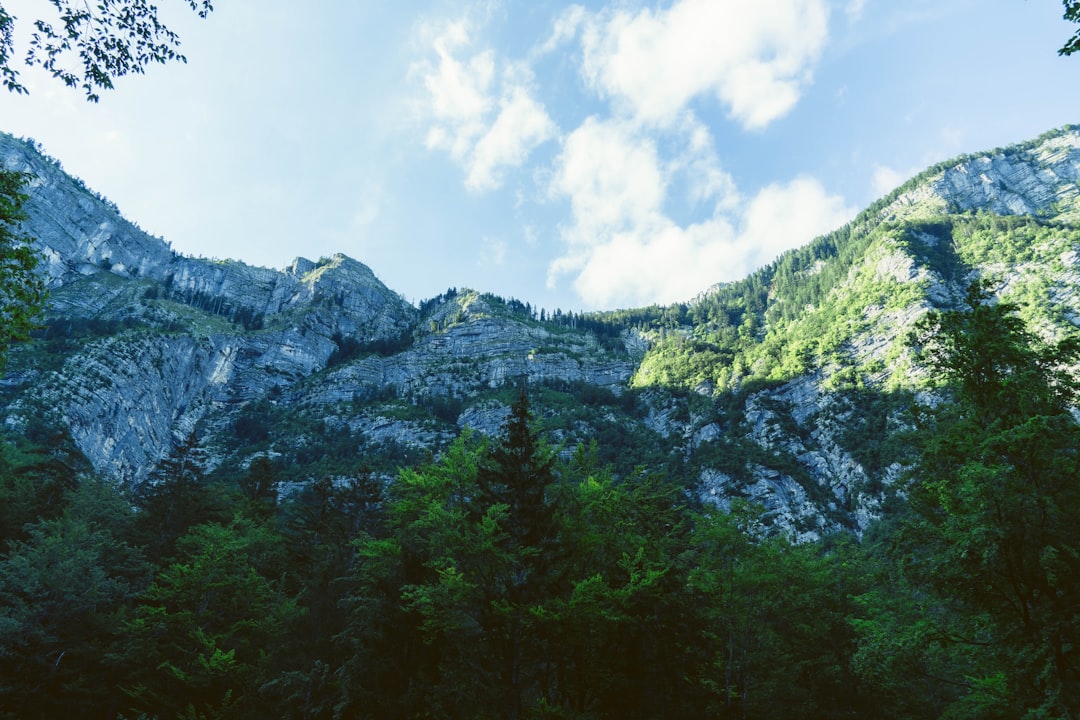
I stood knee-deep in the glacial runoff of the Sava Dolinka, watching a brown bear drag a carcass up the ridge line three hundred meters above me. The air smelled of wet pine and ancient granite. I wasn't there for the postcard view of Triglav Lake, which was choked with tour buses and selfie sticks an hour earlier. I was here because the Julian Alps are changing, and if you blink, you miss the real story. This isn't just about hiking; it's about a region trying to balance its soul against the crushing weight of its own popularity. The Triglav National Park is the jewel, but the real magic is in the shadows, in the high pastures where the shepherds still talk in a dialect that sounds like the wind through the crags.
Most tourists treat this place like a theme park. They hike the loop, eat a sausage, and leave. I stayed in a wooden cabin with no Wi-Fi, drinking brinjevec (juniper brandy) with a local guide who had spent twenty years tracking wolves. He didn't care about my Instagram followers. He cared that the alpine meadows were being trampled by people who didn't know the difference between edelweiss and common daisies. This is the new frontier of Balkan and Alpine travel: sustainable, quiet, and fiercely protective of its landscape. If you want the real Julian Alps, you have to go where the crowds don't.
History & Identity
The Julian Alps have always been a borderland, a place where empires clashed and cultures blended. For centuries, the mountains were a barrier, not a playground. The local Slovene population developed a deep, almost spiritual connection to the land, relying on the high pastures for summer grazing and the forests for timber. The Triglav National Park, established in 1981, was a revolutionary step in protecting this fragile ecosystem. It was one of the first national parks in Slovenia, and it set a precedent for conservation in the former Yugoslavia.
But the identity of this region isn't just about nature. It's about resilience. During the wars of the 20th century, these mountains were a refuge for partisans and a hiding place for those fleeing conflict. Today, that spirit of resistance has transformed into a resistance against mass tourism. The locals are proud, independent, and deeply aware of the value of their heritage. They don't want to be just another stop on a European backpacking trail. They want visitors who respect the rules, who stay in local guesthouses, and who understand that the mountains are not a commodity.
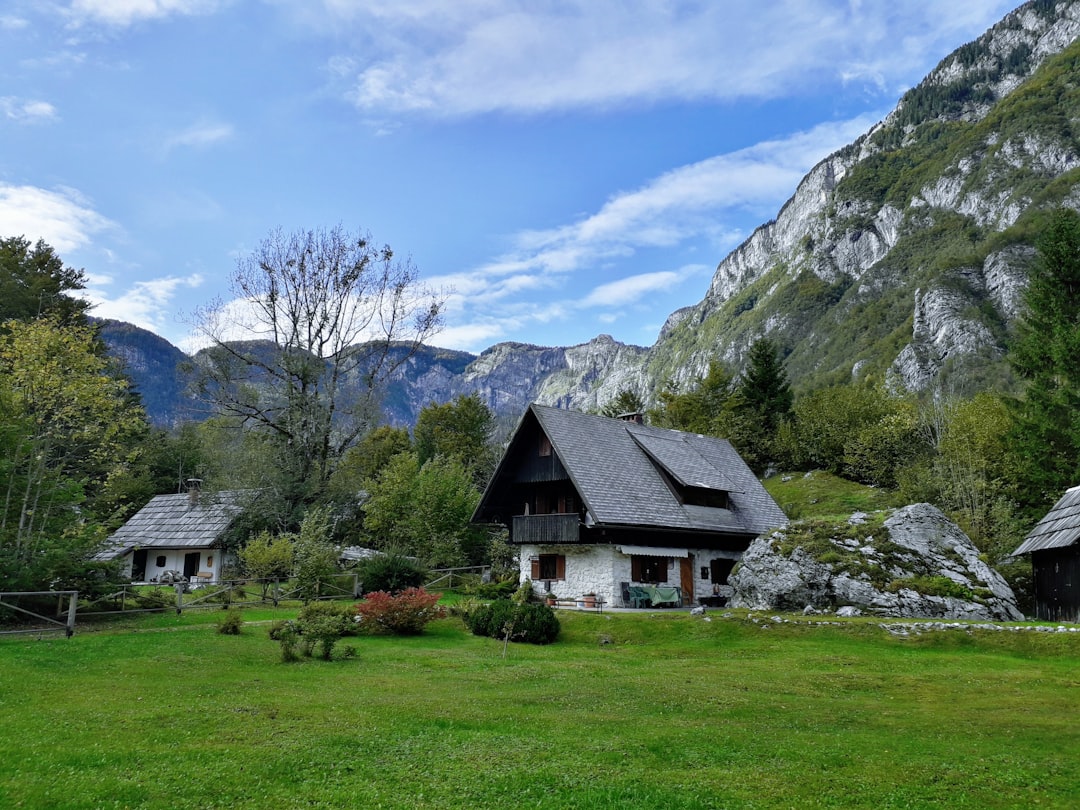
The modern identity of the Julian Alps is a complex mix of traditional alpine culture and progressive environmentalism. You'll see shepherds using GPS to track their sheep, and eco-lodges powered by solar energy. It's a place where the old and the new coexist, sometimes uneasily, but always with a sense of purpose. The Triglav National Park is the heart of this identity, but the soul is in the smaller villages, the hidden valleys, and the people who call this place home.
Where to Go
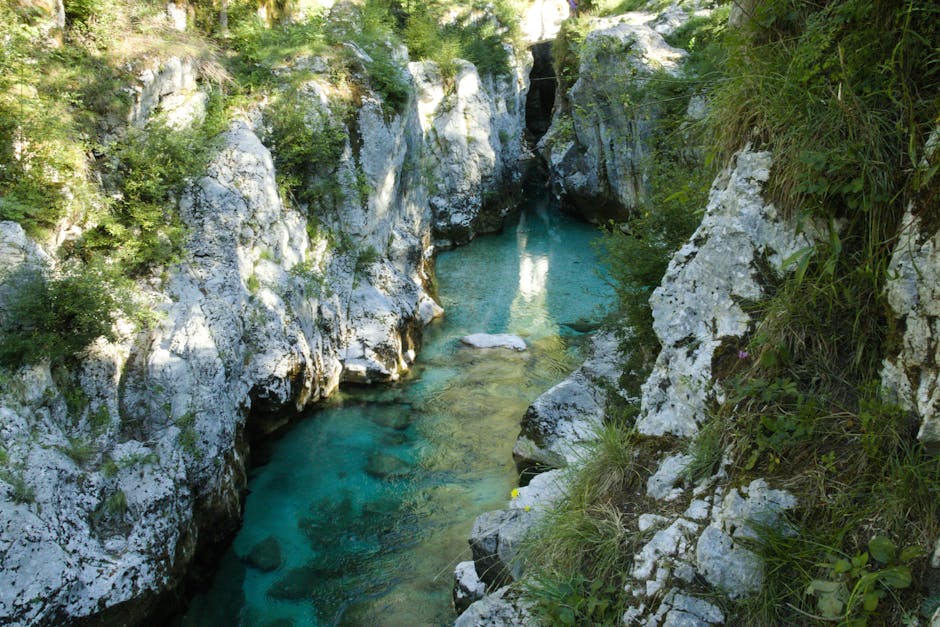
Vintgar Gorge — Often the first stop for visitors, this narrow gorge is a geological marvel. The wooden walkways cling to the cliffside, offering views of the turquoise Radovna River as it carves through the limestone. It's beautiful, but it's also crowded. Go early, before 8 AM, to avoid the throngs. Entry is 6 EUR. The sound of the water echoing off the walls is hypnotic, a reminder of the raw power of nature that shaped this landscape.
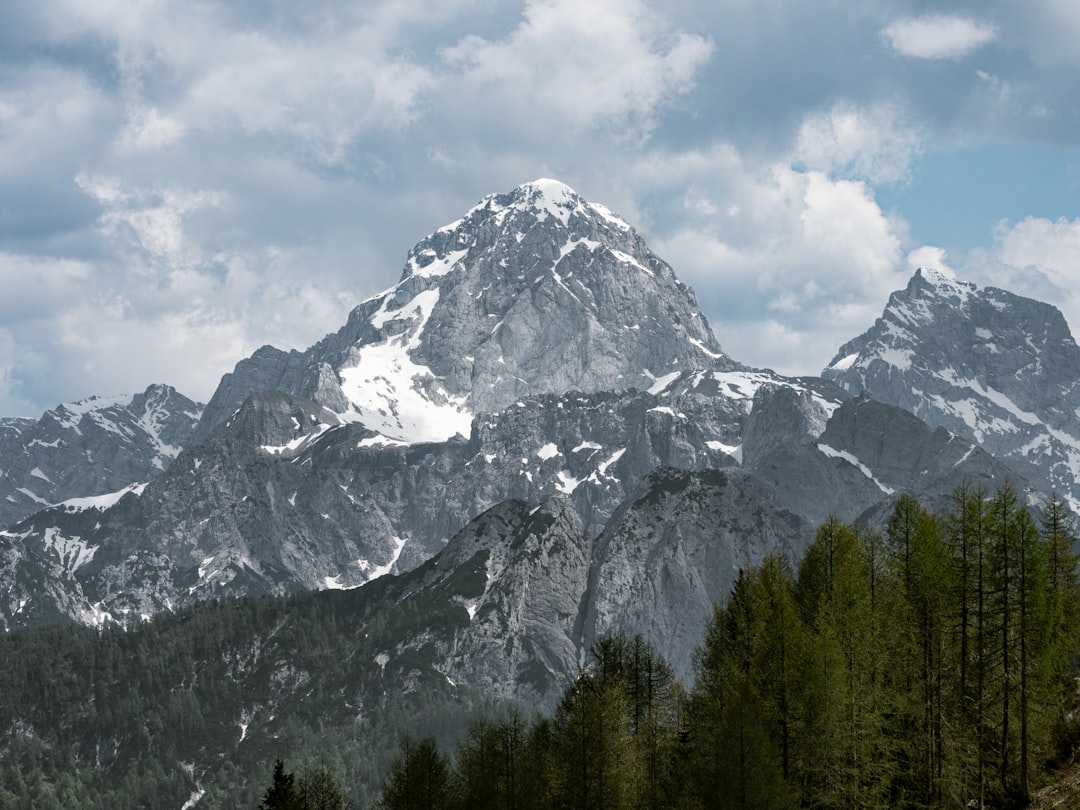
Krma Glacier — For those willing to trade comfort for authenticity, the hike to the Krma Glacier is a revelation. Located above Log pod Mangartom, this active glacier is a stark contrast to the manicured gardens of Bled. The trail is steep and exposed, but the reward is a view of the jagged peaks of the Julian Alps and the creeping ice of the glacier itself. It's a humbling experience, a reminder that nature is indifferent to our presence. No entry fee, just your own two feet and a good pair of boots.
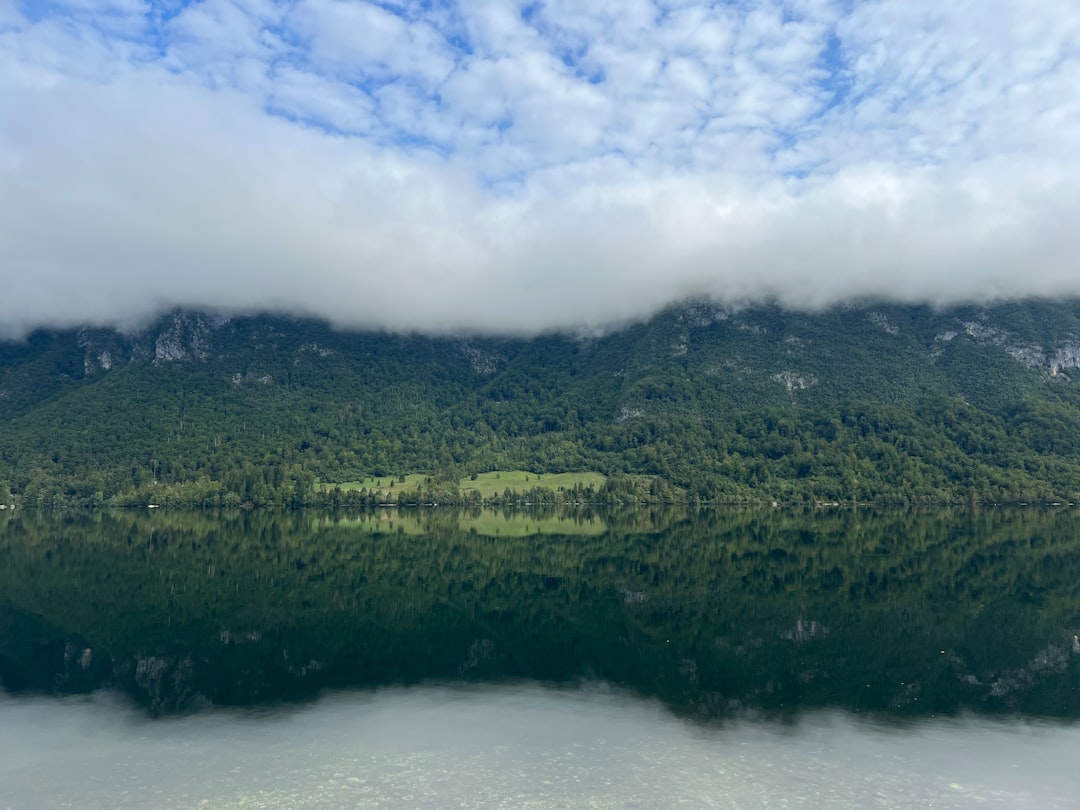
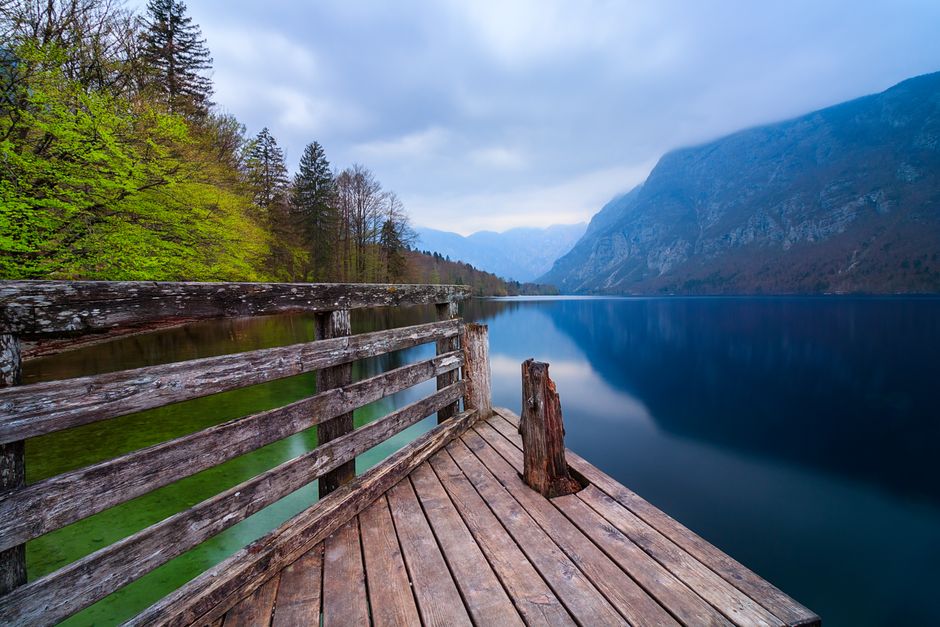
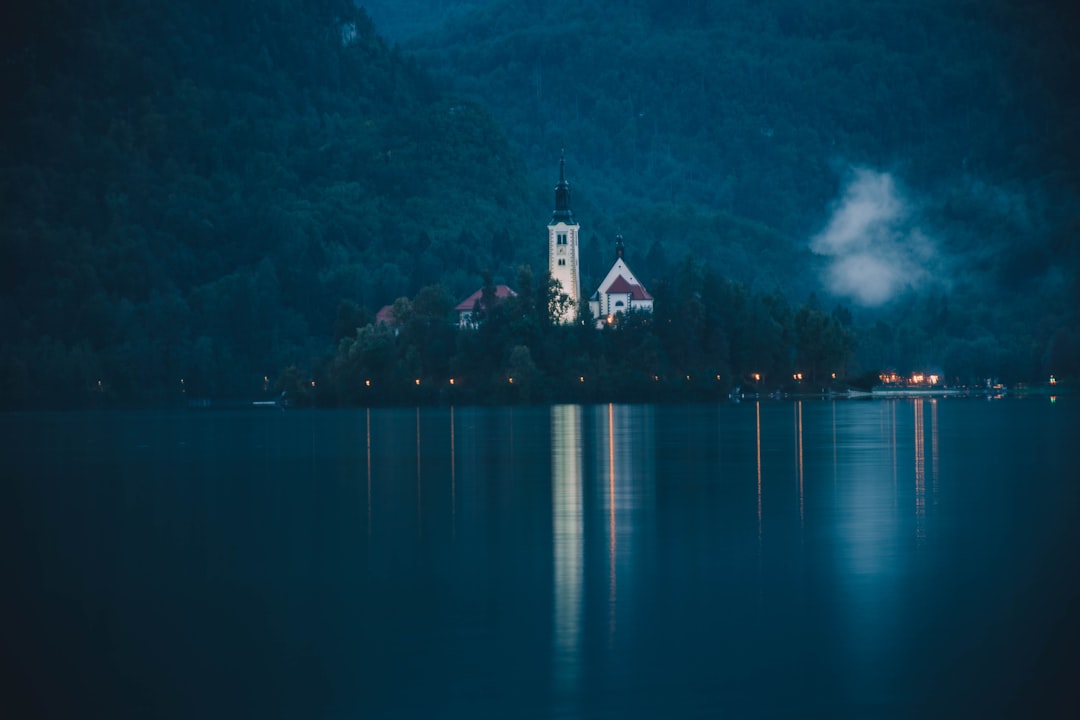
Bohinj Lake — If Triglav Lake is the popular child, Bohinj Lake is the quiet, mature sibling. Surrounded by forested hills and dominated by the Trojglav Mountain, this lake is a haven for peace. Rent a rowboat, hike the surrounding trails, or simply sit on the shore and watch the water lilies sway in the breeze. It's less commercialized, more local, and infinitely more relaxing. Boat rentals start at 8 EUR per hour.
Mangart Peak — The highest peak in the Julian Alps after Triglav, Mangart Peak is a challenge for experienced hikers. The summit offers panoramic views of the Italian Alps and the Adriatic Sea on clear days. The climb is technical and requires good fitness, but the sense of accomplishment is unmatched. Guided tours are available for 50-80 EUR per person.
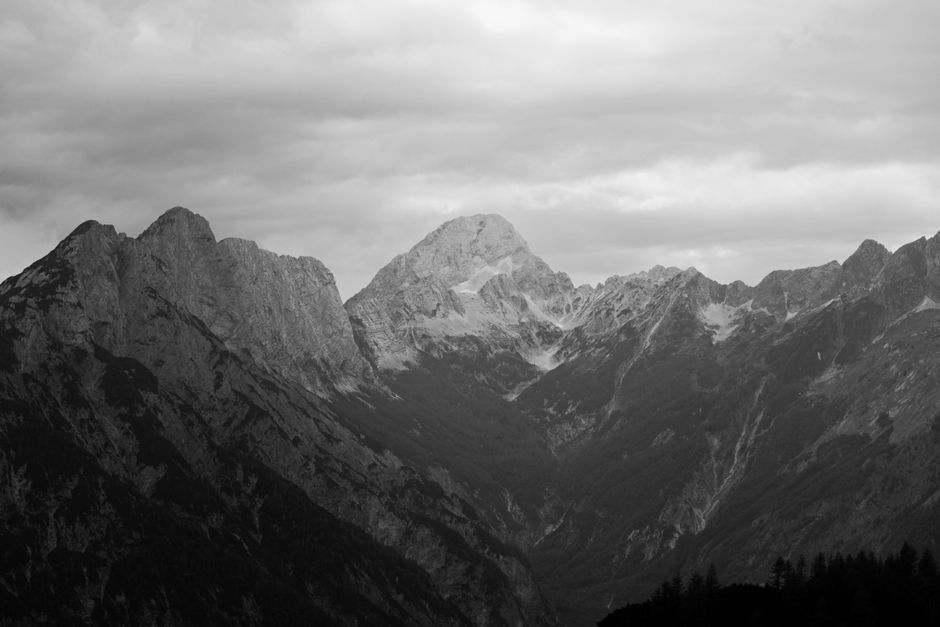
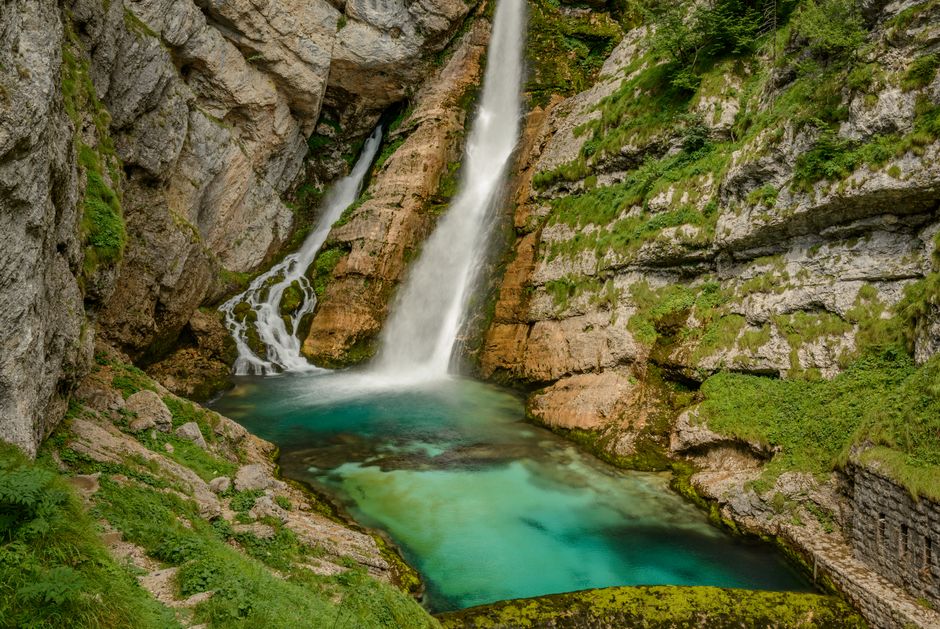
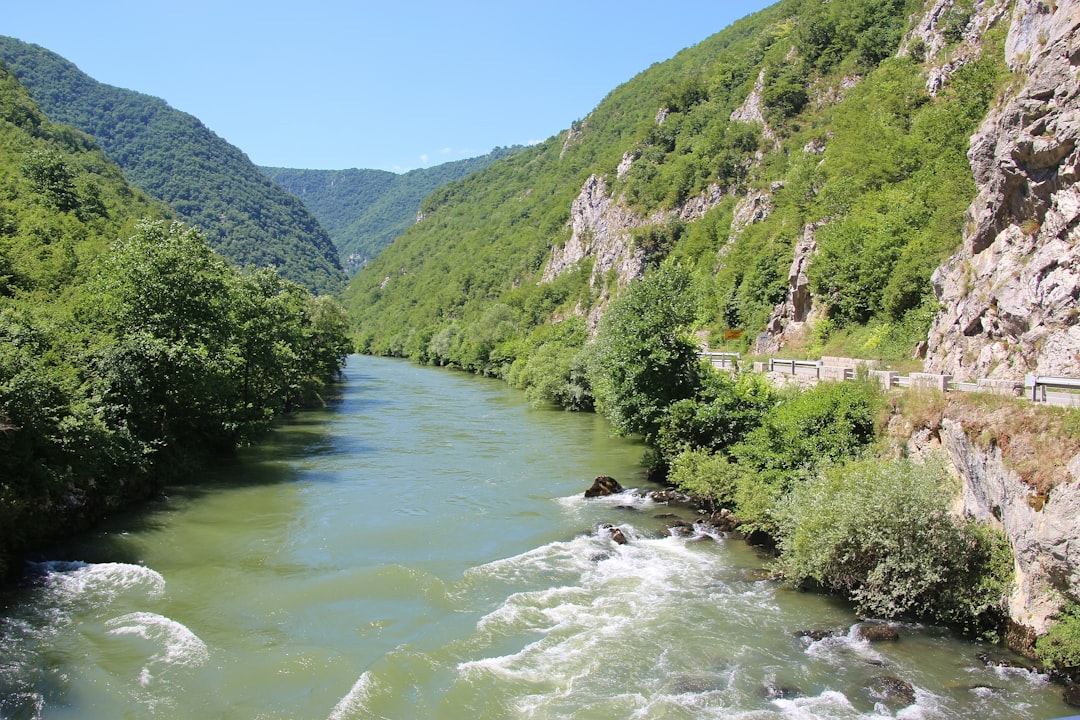
Logar Valley — A hidden gem in the heart of the Triglav National Park, the Logar Valley is a lush, green paradise. The Sava Dolinka river winds through the valley, surrounded by dense forests and towering peaks. It's a great place for a leisurely hike, a picnic, or a visit to the Logar Waterfall. The valley is less visited than other parts of the park, making it a perfect escape from the crowds. Entry to the park is 5 EUR per day.
What to Eat & Drink
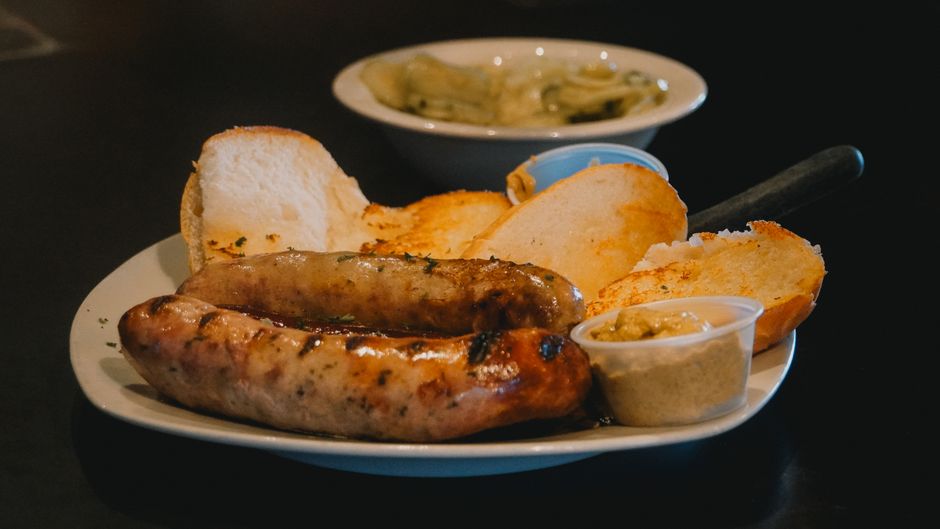
The cuisine of the Julian Alps is hearty, simple, and deeply rooted in tradition. Think kranjska klobasa (Carniolan sausage), a protected geographical indication product that is a source of local pride. It's often served with mustard and bread, a perfect snack after a long hike. Price: 3-5 EUR for a serving. Another must-try is potica, a sweet rolled cake filled with walnuts, poppy seeds, or cocoa. It's a staple in local bakeries and a great souvenir. Price: 2-4 EUR per slice.
For a sit-down meal, look for zlikrofi, small dumplings filled with meat, spinach, or potatoes, served in a creamy sauce. It's a comfort food that warms the soul, especially on a cold mountain evening. A plate costs 8-12 EUR. Don't forget to try the local cheese, skuta, which is often served fresh from the farm. Price: 4-6 EUR per portion. For drinks, brinjevec is the local spirit, made from juniper berries. It's strong, aromatic, and best enjoyed in moderation. A shot costs 3-5 EUR.
Budget travelers can find affordable meals in local gostilnas (taverns) and bakeries. A simple meal of sausage and bread can be had for 5-7 EUR. Mid-range restaurants in towns like Bled and Bohinj offer a wider variety of dishes, with prices ranging from 15-25 EUR per person. For the best experience, seek out family-run establishments that source their ingredients locally. The Bled Market Square is a good place to find fresh produce and local delicacies.
Nightlife
Nightlife in the Julian Alps is not about neon lights and thumping bass. It's about cozy bars, live folk music, and the warmth of community. In Bled, the Bled Castle area offers a few upscale bars with views of the lake, but the real action is in the town center. Kavarna Kresnik is a popular spot for locals and visitors alike, offering a mix of coffee, cocktails, and live music. Cover charge: 0-5 EUR depending on the event.
In Bohinj, the Bohinj Hotel has a lively bar and restaurant, often hosting traditional music nights. It's a great place to relax after a day of hiking and meet fellow travelers. The atmosphere is casual and friendly, with a focus on local drinks and food. In smaller villages like Log pod Mangartom, the Gostilna Log is the go-to spot for a nightcap. It's rustic, unpretentious, and full of character. Cover charge: 0 EUR.
For those seeking a more vibrant scene, Bohinj has a few clubs and bars that cater to a younger crowd. Bar Triglav is a popular choice, offering a mix of electronic and pop music. It's a good place to dance the night away, but don't expect the glamour of a capital city. The focus here is on good company and good vibes. Cover charge: 5-10 EUR.
Getting There & What to Expect
The nearest major airport is Ljubljana Jože Pučnik Airport, which is about 50 km from Bled. From there, you can take a bus or train to Bled or Bohinj. The bus journey takes about 1 hour and costs 5-8 EUR. The train journey takes about 1.5 hours and costs 6-10 EUR. From Ljubljana, you can also rent a car, which offers more flexibility for exploring the region. Car rentals start at 30-50 EUR per day.
Accommodation in the Julian Alps ranges from budget hostels to luxury hotels. In Bled, a budget hostel costs 20-40 EUR per night, while a mid-range hotel costs 60-100 EUR per night. In Bohinj, prices are slightly lower, with hostels starting at 15-30 EUR per night and mid-range hotels at 50-80 EUR per night. For a more authentic experience, consider staying in a guesthouse or apartment, which are often run by locals and offer a more personal touch.
The best months to visit the Julian Alps are June to September, when the weather is warm and the trails are clear. July and August are the peak months, so expect crowds and higher prices. May and September are also good options, with fewer tourists and pleasant temperatures. Winter is for skiing, with resorts like Vogel and Kranjska Gora offering excellent slopes. Always check the weather forecast before heading out, as conditions can change quickly in the mountains.
Search accommodation in Bled on Booking.com →
The Silent Watch
As the sun dipped below the ridge, casting long shadows across the Logar Valley, I felt a profound sense of peace. The bears were back in their dens, the tourists had gone home, and the mountains were reclaiming their silence. I thought about the shepherds, the guides, the locals who had welcomed me into their world. They weren't just selling a product; they were sharing a way of life. A life that was fragile, yes, but also resilient. A life that depended on the health of the land and the respect of those who visited it.
The Julian Alps are not just a destination; they are a teacher. They teach you to slow down, to listen, to respect. They teach you that beauty is not something to be consumed, but something to be experienced. And if you're lucky, they might even teach you to see the world differently. I left with a full heart and an empty mind, ready to face whatever came next. The mountains had given me what I needed, and maybe, just maybe, I had given them something in return: a moment of quiet appreciation in a noisy world.
Comments